Great White Sharks vs. Cape Fur Seals
In Great White Sharks vs. Cape Fur Seals, seals head out to sea. As they swim, they must get past great white sharks, apex predators that are waiting to throw their weight around to capture a seal snack. This video is excerpted from BBC’s Planet Earth, a breathtaking documentary series that highlights the natural wonders of our planet.

Sir David Attenborough takes you inside the most remote, extreme, and jaw-dropping corners of the planet — filmed over four years across 64 countries. Learn more.
Lesson Express
Q: What do great white sharks do that make them apex predators?
A: They sneaking up on the seals and leap into the air.
Q: Why do great white sharks live in cold, temperate seas?
A: These areas of the ocean have the food they need to survive.
Q: From this video, what confirmed what you knew about great white sharks? What was new information?
A: Student responses will vary. They may mention that it was interesting to observe how high the sharks can jump out of the water.
You Might Also Like

This BBC Learning Hub playlist explores the incredible world of sharks, from the sleek and powerful great white to the enormous whale shark and unmistakable hammerhead. Watch sharks hunt, feed, navigate vast stretches of ocean, and use finely tuned senses to understand the world around them.
Discover the adaptations that have made sharks such successful survivors. See how different species use speed, camouflage, specialized senses, and distinctive body shapes to find food and thrive in their habitats. And while sharks have a reputation as fearsome hunters, there’s much more to these animals than sharp teeth: some travel thousands of miles, some gather in huge groups, and others filter tiny organisms from the water.
Sharks have been swimming through Earth’s oceans for hundreds of millions of years. Dive in to discover what makes these ancient animals some of the most fascinating creatures in the sea.
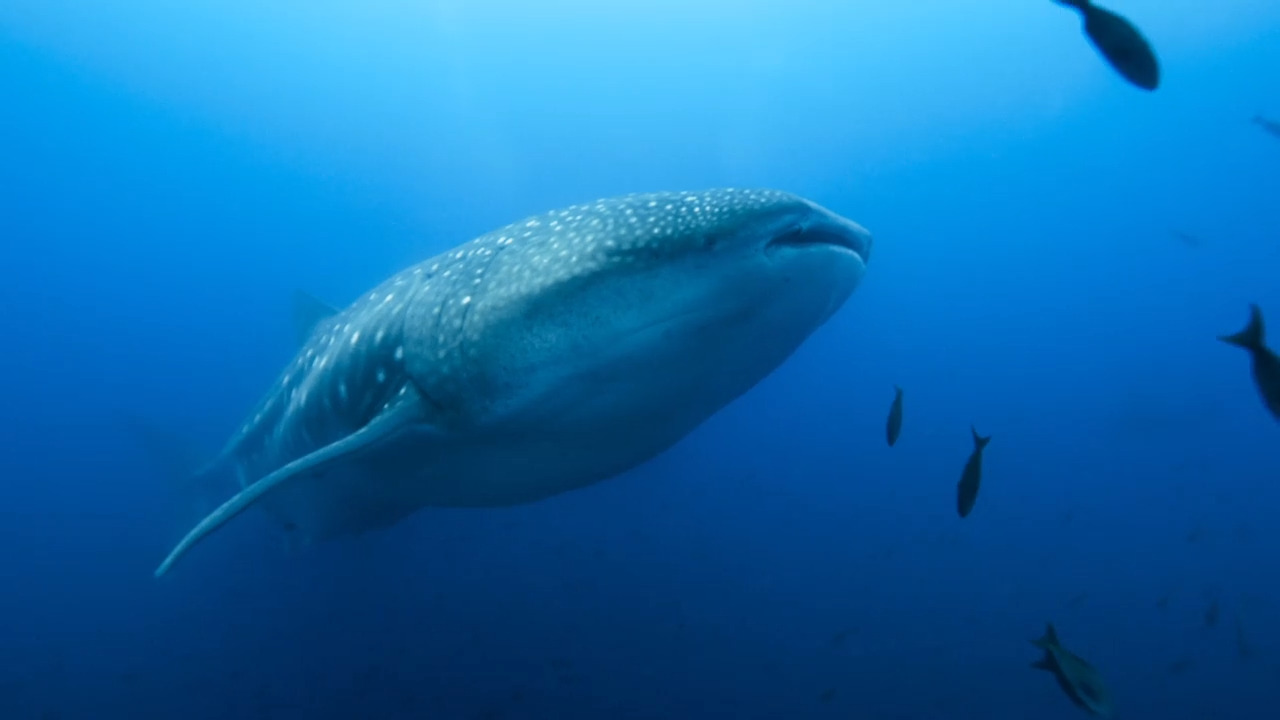
In Saving the Whale Shark, the World's Largest Fish, narrator Sir David Attenborough shares how one scientist is trying to learn exactly where whale shark nurseries are in order to protect them. This video is excerpted from BBC’s Blue Planet II, a natural history series that explores the world's oceans, the animals that live in them, and the threats they face, using modern filming techniques and equipment to capture previously unseen areas of the ocean.

In How the Grouper Reproduces, narrator Sir David Attenborough describes how the grouper reproduces and what it means for the adult groupers. This video is excerpted from BBC’s Blue Planet II, a natural history series that explores the world's oceans, the animals that live in them, and the threats they face, using modern filming techniques and equipment to capture previously unseen areas of the ocean.
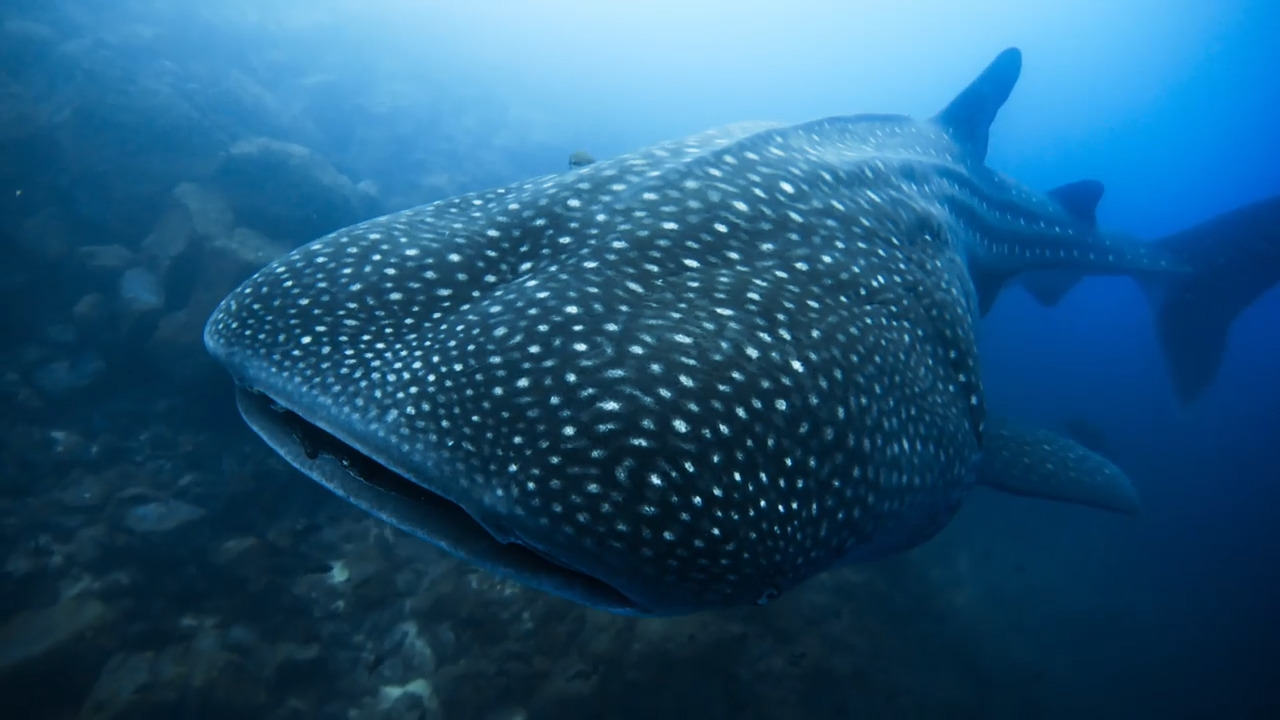
In The Lonely Whale Shark's Journey, narrator Sir David Attenborough explains that no one knows for sure where whale sharks give birth but scientists have an idea. This video is excerpted from BBC’s Blue Planet II, a natural history series that explores the world's oceans, the animals that live in them, and the threats they face, using modern filming techniques and equipment to capture previously unseen areas of the ocean.
This BBC Learning Hub playlist explores the incredible world of sharks, from the sleek and powerful great white to the enormous whale shark and unmistakable hammerhead. Watch sharks hunt, feed, navigate vast stretches of ocean, and use finely tuned senses to understand the world around them.
Discover the adaptations that have made sharks such successful survivors. See how different species use speed, camouflage, specialized senses, and distinctive body shapes to find food and thrive in their habitats. And while sharks have a reputation as fearsome hunters, there’s much more to these animals than sharp teeth: some travel thousands of miles, some gather in huge groups, and others filter tiny organisms from the water.
Sharks have been swimming through Earth’s oceans for hundreds of millions of years. Dive in to discover what makes these ancient animals some of the most fascinating creatures in the sea.
In Saving the Whale Shark, the World's Largest Fish, narrator Sir David Attenborough shares how one scientist is trying to learn exactly where whale shark nurseries are in order to protect them. This video is excerpted from BBC’s Blue Planet II, a natural history series that explores the world's oceans, the animals that live in them, and the threats they face, using modern filming techniques and equipment to capture previously unseen areas of the ocean.
In How the Grouper Reproduces, narrator Sir David Attenborough describes how the grouper reproduces and what it means for the adult groupers. This video is excerpted from BBC’s Blue Planet II, a natural history series that explores the world's oceans, the animals that live in them, and the threats they face, using modern filming techniques and equipment to capture previously unseen areas of the ocean.
In The Lonely Whale Shark's Journey, narrator Sir David Attenborough explains that no one knows for sure where whale sharks give birth but scientists have an idea. This video is excerpted from BBC’s Blue Planet II, a natural history series that explores the world's oceans, the animals that live in them, and the threats they face, using modern filming techniques and equipment to capture previously unseen areas of the ocean.