Elastin, the Stretchy Secret of Our Skin
In Elastin, the Stretchy Secret of Our Skin, evolutionary biologist Ben Garrod introduces a protein found in the dermis of all vertebrates that helps skin stretch and return to its original shape. Elastin acts like coiled springs, enabling the skin to be flexible. See how the great frigatebird’s gular pouch, made of elastin, inflates and deflates to help the bird attract mates. This video is excerpted from BBC’s Secrets of Skin, a documentary series exploring the natural history of the body's largest organ.
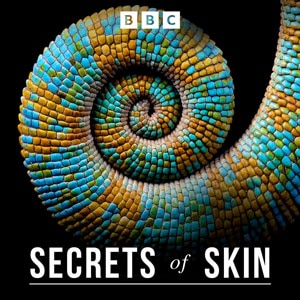
Professor Ben Garrod explores how skin has allowed vertebrates to conquer the planet. Learn more.
Lesson Express
Q: How does elastin contribute to the skin's ability to stretch and return to its original shape, and why is this function important for animals and humans?
A: Elastin allows the skin to stretch and then return to its original shape by behaving like coiled springs that recoil when released. This function is important for maintaining the skin's flexibility, allowing it to move with the body while still providing protection. It is also essential for healing, as skin needs to stretch and contract during growth, injury recovery, or environmental changes.
Q: In what ways does elastin in the gular pouch of the great frigatebird help it attract mates, and what other functions does elastin serve in the animal kingdom?
A: The elastin in the gular pouch of the great frigatebird allows the pouch to inflate and deflate dramatically, which is used to attract mates during mating displays. Elastin also provides flexibility and resilience in various animals, helping with movements such as the expansion and contraction of lungs, the flexibility of blood vessels, and the skin’s response to stretching.
Q: How does elastin's role in flexibility and resilience differ between species, and what might happen if elastin were less effective in an animal's body?
A: Elastin's role varies by species depending on their specific needs. For example, in the great frigatebird, it aids in attracting mates, while in humans, it provides skin flexibility. If elastin were less effective, animals might struggle with movement, healing, and survival, as their bodies would be less resilient to stretching, and they might have trouble maintaining body functions like respiration, digestion, and circulation.