The End of Reconstruction and the Compromise of 1877
After leading the Union to victory in the Civil War, Ulysses S. Grant became president in 1869. His administration faced political scandals and the economic crisis known as the Panic of 1873, weakening Republican support for Reconstruction. As Northern attention shifted toward economic concerns, efforts to protect the rights of formerly enslaved people in the South lost political backing. Meanwhile, white Southern Democrats used voter intimidation, election fraud, and racist appeals to regain political control.
The disputed presidential election of 1876 between Republican Rutherford B. Hayes and Democrat Samuel Tilden led to the Compromise of 1877. Under the agreement, Hayes became president, and federal troops were withdrawn from the South. The withdrawal weakened federal enforcement of Reconstruction and allowed white Democratic governments to consolidate power across the region. The end of Reconstruction marked a major setback for efforts to protect African Americans’ civil and political rights and contributed to the rise of segregation and disenfranchisement in the South.

Lesson Express
Q: How was the election of 1876 decided?
A: The results in four states were disputed. Congress created an Electoral Commission, which awarded the disputed electoral votes to Republican Rutherford B. Hayes, giving him a narrow victory over Democrat Samuel J. Tilden.
Q: Did the Democrats “redeem” the South? Could they declare Reconstruction over?
A: Democrats used the term “redeem” to describe regaining political control of Southern state governments. The Compromise of 1877 helped bring Reconstruction to an end when federal troops were withdrawn from the South. However, this weakened federal efforts to protect the rights of formerly enslaved people, and racial and political conflicts continued.
Q: What can you infer about politics in the late 1800s?
A: Student responses will vary. Students might point to intense disagreements between political parties, disputed election results, and allegations of fraud and corruption as evidence of political division and conflict.
You Might Also Like
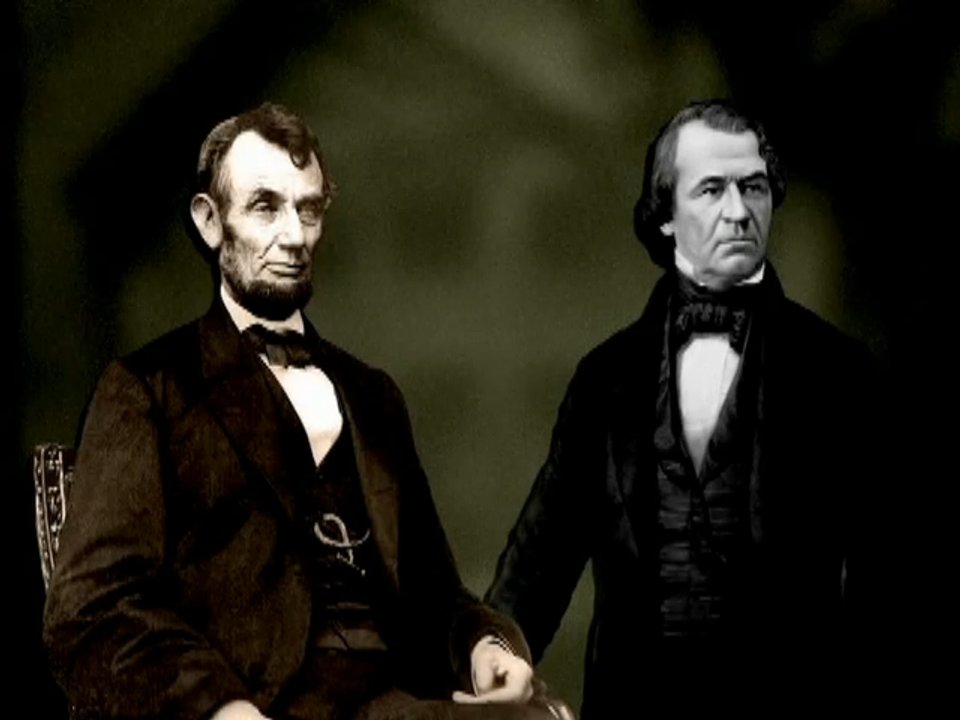
After the Civil War, the South faced major economic and social changes as slavery came to an end. Reconstruction aimed to reunite the country and establish a new political and social order. During Presidential Reconstruction, Presidents Abraham Lincoln and Andrew Johnson favored relatively lenient policies toward the former Confederate states. Disagreements with congressional Republicans led to a more forceful approach beginning in 1867, known as Radical Reconstruction. During this period, constitutional amendments abolished slavery, established birthright citizenship, and prohibited denying voting rights on the basis of race.
African Americans gained political representation, and Southern state governments introduced significant reforms. By the 1870s, however, support for Reconstruction weakened as white Southern Democrats known as Redeemers regained control of state governments. The withdrawal of federal troops in 1877 marked the end of Reconstruction and reduced federal enforcement of African Americans’ civil and political rights. Although Reconstruction brought important constitutional changes, its goals of securing lasting racial equality remained largely unrealized. The struggle for civil rights continued for generations and became a central focus of the Civil Rights Movement in the 1950s and 1960s.
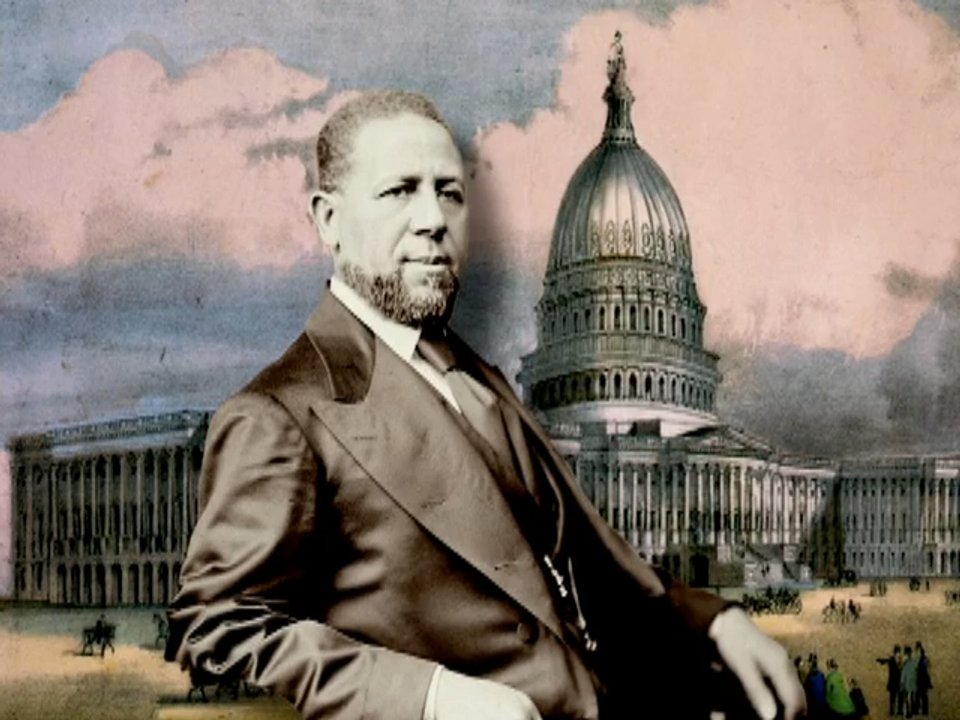
After the Civil War, Reconstruction brought major changes to the United States. The 13th, 14th, and 15th Amendments abolished slavery and extended citizenship and voting rights to African Americans. Black Americans also broke new ground in government, including Hiram Rhodes Revels, the first Black U.S. Senator, and Blanche Kelso Bruce, the first formerly enslaved person to serve a full Senate term. But
Reconstruction faced fierce opposition in the South, where many white leaders resisted federal authority and Black political and economic progress. The disputed presidential election of 1876 brought the era to an end, and federal troops withdrew from the South. Reconstruction governments collapsed, paving the way for Jim Crow laws and decades of legalized racial discrimination.
After the Civil War, the South faced major economic and social changes as slavery came to an end. Reconstruction aimed to reunite the country and establish a new political and social order. During Presidential Reconstruction, Presidents Abraham Lincoln and Andrew Johnson favored relatively lenient policies toward the former Confederate states. Disagreements with congressional Republicans led to a more forceful approach beginning in 1867, known as Radical Reconstruction. During this period, constitutional amendments abolished slavery, established birthright citizenship, and prohibited denying voting rights on the basis of race.
African Americans gained political representation, and Southern state governments introduced significant reforms. By the 1870s, however, support for Reconstruction weakened as white Southern Democrats known as Redeemers regained control of state governments. The withdrawal of federal troops in 1877 marked the end of Reconstruction and reduced federal enforcement of African Americans’ civil and political rights. Although Reconstruction brought important constitutional changes, its goals of securing lasting racial equality remained largely unrealized. The struggle for civil rights continued for generations and became a central focus of the Civil Rights Movement in the 1950s and 1960s.
After the Civil War, Reconstruction brought major changes to the United States. The 13th, 14th, and 15th Amendments abolished slavery and extended citizenship and voting rights to African Americans. Black Americans also broke new ground in government, including Hiram Rhodes Revels, the first Black U.S. Senator, and Blanche Kelso Bruce, the first formerly enslaved person to serve a full Senate term. But
Reconstruction faced fierce opposition in the South, where many white leaders resisted federal authority and Black political and economic progress. The disputed presidential election of 1876 brought the era to an end, and federal troops withdrew from the South. Reconstruction governments collapsed, paving the way for Jim Crow laws and decades of legalized racial discrimination.