Civil War Innovations and the Dawn of Modern Warfare
The American Civil War introduced new weapons and technologies that transformed warfare. The Gatling gun, a hand-cranked weapon with multiple rotating barrels, could fire far faster than the single-shot rifles commonly used by soldiers. Railroads helped armies transport troops, food, and ammunition over long distances, while ironclad warships used iron armor and heavy cannons to reshape naval combat. The Confederate submarine H. L. Hunley also made history in 1864 when it sank the Union warship Housatonic, becoming the first combat submarine to sink an enemy vessel.
The war also expanded the use of technology for reconnaissance and communication. Hot air and hydrogen balloons allowed observers to monitor enemy movements from above, and telegraph systems helped commanders share information quickly. These innovations changed how armies moved, gathered intelligence, and fought battles. Although many technologies were still experimental, their growing role in military strategy led historians to view the Civil War as an important transition toward modern warfare.

Lesson Express
Q: How would you describe the pace of technological innovation during the Civil War?
A: Student responses will vary. Students may note that new weapons, transportation systems, and communication technologies were introduced or adapted for military use during the war.
Q: How did railroads change military operations during the Civil War?
A: Railroads allowed armies to move troops and transport food, ammunition, and other supplies over long distances more quickly, helping them maintain their forces in the field.
Q: Why do historians sometimes describe the Civil War as the first modern war?
A: The war combined new weapons with railroads, ironclad ships, balloons, and telegraph communication, changing how armies fought, moved, and gathered information.
You Might Also Like
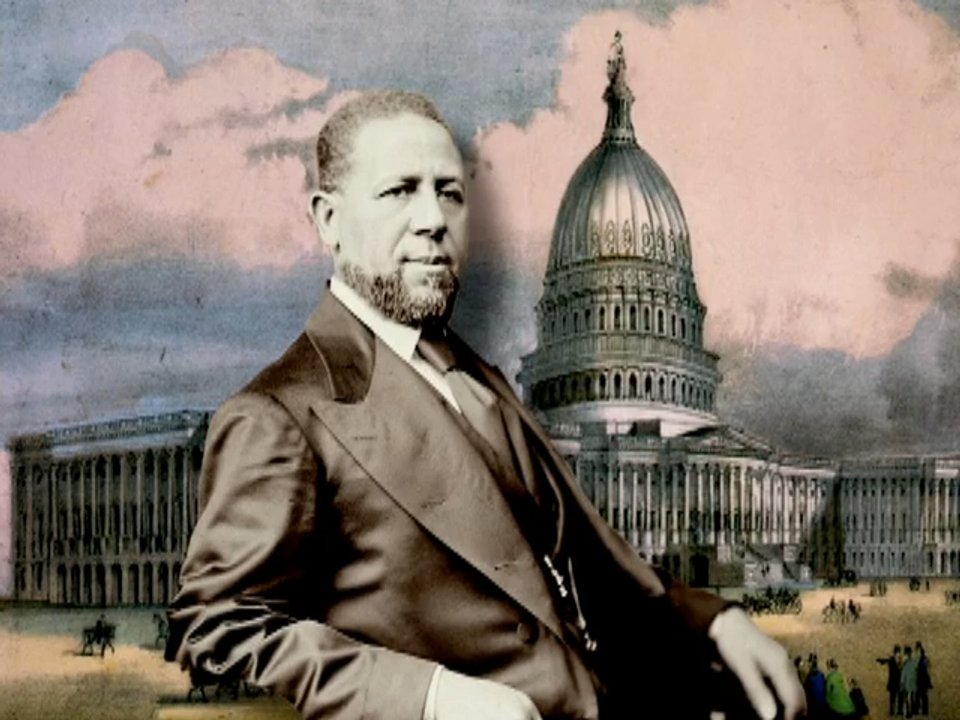
After the Civil War, Reconstruction brought major changes to the United States. The 13th, 14th, and 15th Amendments abolished slavery and extended citizenship and voting rights to African Americans. Black Americans also broke new ground in government, including Hiram Rhodes Revels, the first Black U.S. Senator, and Blanche Kelso Bruce, the first formerly enslaved person to serve a full Senate term. But
Reconstruction faced fierce opposition in the South, where many white leaders resisted federal authority and Black political and economic progress. The disputed presidential election of 1876 brought the era to an end, and federal troops withdrew from the South. Reconstruction governments collapsed, paving the way for Jim Crow laws and decades of legalized racial discrimination.
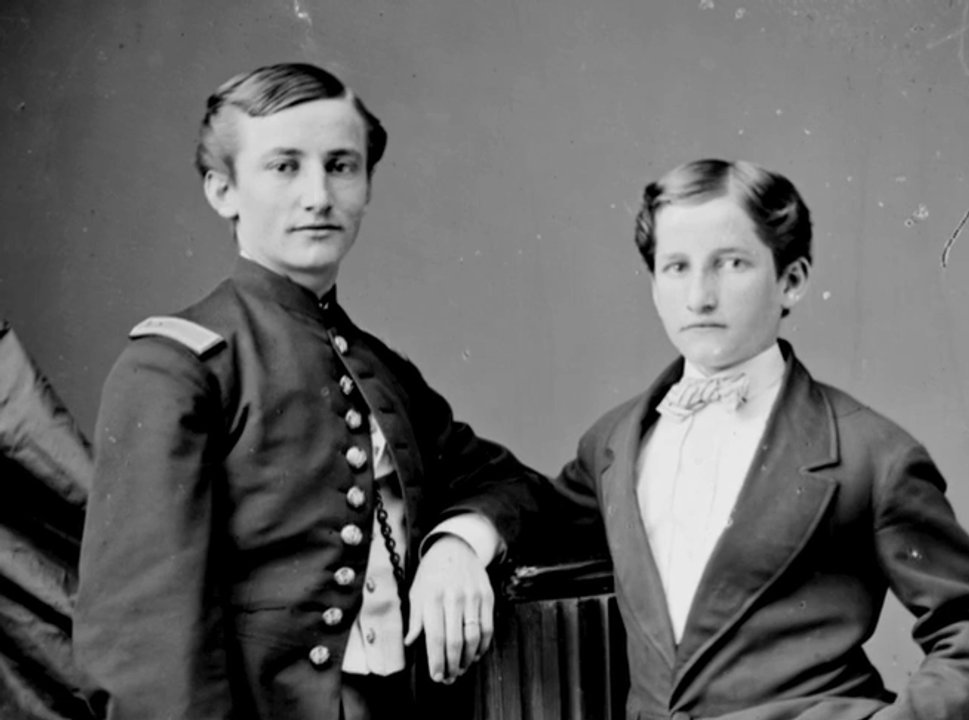
During the Civil War, Kentucky was divided between the Union and Confederacy. Although Kentucky was a slave state, most residents did not own enslaved people, and the state had strong ties to both North and South. At first, Kentucky tried to remain neutral, but after Confederate and Union troops entered the state in 1861, Kentucky sided with the Union.
The conflict divided Kentucky communities and families. Some residents supported the Confederacy, while others fought for the Union. The Crittenden family became a well-known example: brothers George and Thomas Crittenden became generals on opposite sides. After a Union victory at the Battle of Perryville in 1862, Confederate forces withdrew from Kentucky, leaving the state under Union control.
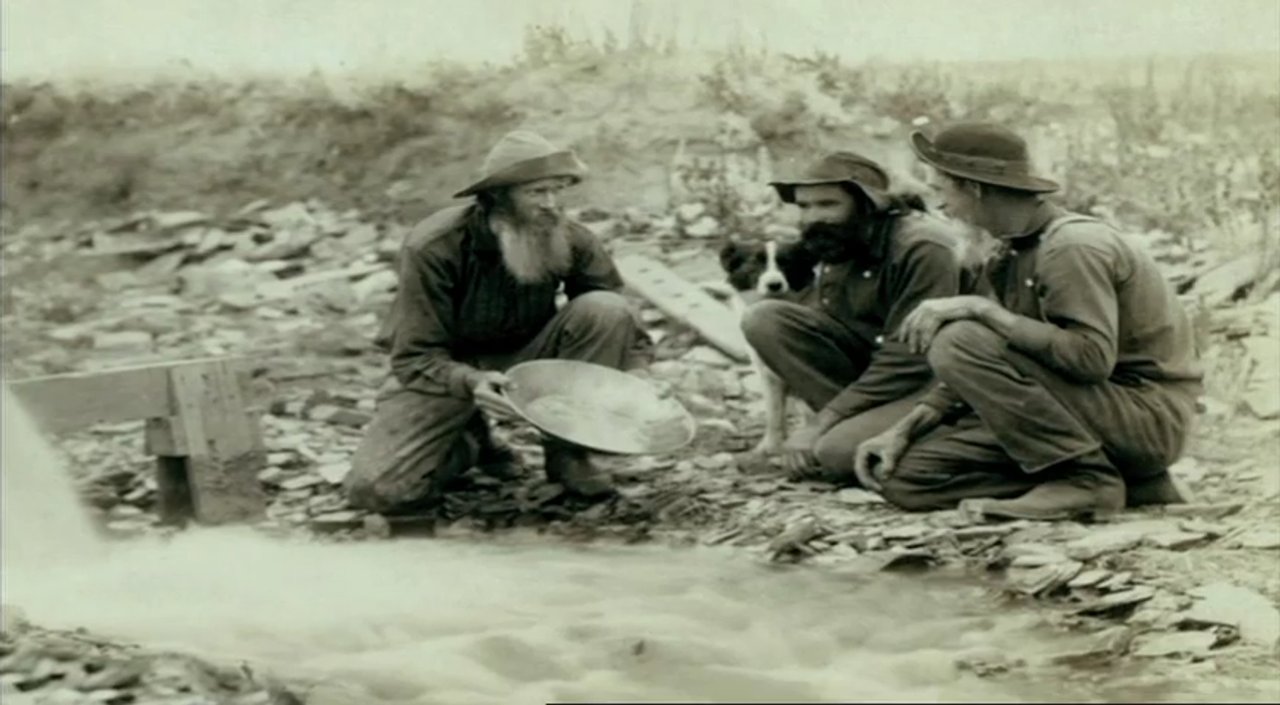
In 1859, gold and silver were discovered in Nevada’s Comstock Lode, one of the richest mineral deposits in U.S. history. Thousands of prospectors rushed to the area, and the boomtown of Virginia City quickly grew into a major settlement. From 1859 to 1878, the Comstock Lode produced hundreds of millions of dollars in gold and silver, helping fuel the growth of the American West and supporting the Union during the Civil War.
The mining boom eventually ended as the mines were depleted. By the late 1800s, Virginia City had declined into a ghost town. Today, it is a historic district that preserves the legacy of the Comstock mining boom.
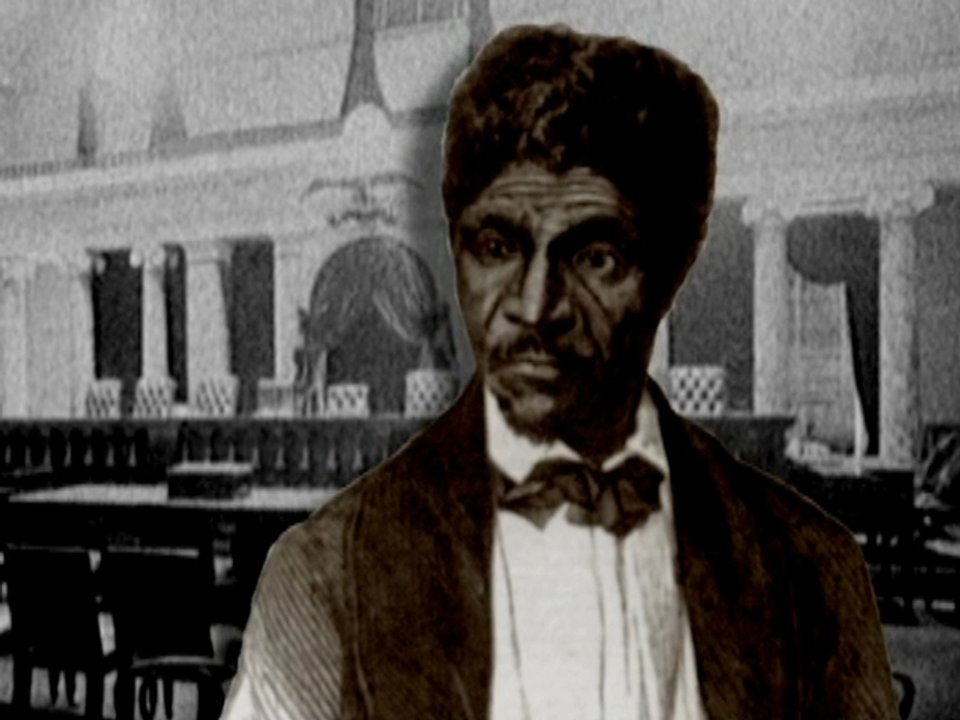
Dred Scott, an enslaved man, sued for his freedom in a case that eventually reached the U.S. Supreme Court in 1857. The Court ruled that Black Americans could not be U.S. citizens and that Scott had no right to sue in federal court. It also declared the Missouri Compromise unconstitutional, further intensifying the growing conflict over slavery.
The decision denied Scott his freedom and deepened divisions between the North and South. Although Scott was later freed by the family that had originally enslaved him, he died less than a year later. His case became a defining moment in the growing conflict over slavery that preceded the Civil War.
After the Civil War, Reconstruction brought major changes to the United States. The 13th, 14th, and 15th Amendments abolished slavery and extended citizenship and voting rights to African Americans. Black Americans also broke new ground in government, including Hiram Rhodes Revels, the first Black U.S. Senator, and Blanche Kelso Bruce, the first formerly enslaved person to serve a full Senate term. But
Reconstruction faced fierce opposition in the South, where many white leaders resisted federal authority and Black political and economic progress. The disputed presidential election of 1876 brought the era to an end, and federal troops withdrew from the South. Reconstruction governments collapsed, paving the way for Jim Crow laws and decades of legalized racial discrimination.
During the Civil War, Kentucky was divided between the Union and Confederacy. Although Kentucky was a slave state, most residents did not own enslaved people, and the state had strong ties to both North and South. At first, Kentucky tried to remain neutral, but after Confederate and Union troops entered the state in 1861, Kentucky sided with the Union.
The conflict divided Kentucky communities and families. Some residents supported the Confederacy, while others fought for the Union. The Crittenden family became a well-known example: brothers George and Thomas Crittenden became generals on opposite sides. After a Union victory at the Battle of Perryville in 1862, Confederate forces withdrew from Kentucky, leaving the state under Union control.
In 1859, gold and silver were discovered in Nevada’s Comstock Lode, one of the richest mineral deposits in U.S. history. Thousands of prospectors rushed to the area, and the boomtown of Virginia City quickly grew into a major settlement. From 1859 to 1878, the Comstock Lode produced hundreds of millions of dollars in gold and silver, helping fuel the growth of the American West and supporting the Union during the Civil War.
The mining boom eventually ended as the mines were depleted. By the late 1800s, Virginia City had declined into a ghost town. Today, it is a historic district that preserves the legacy of the Comstock mining boom.
Dred Scott, an enslaved man, sued for his freedom in a case that eventually reached the U.S. Supreme Court in 1857. The Court ruled that Black Americans could not be U.S. citizens and that Scott had no right to sue in federal court. It also declared the Missouri Compromise unconstitutional, further intensifying the growing conflict over slavery.
The decision denied Scott his freedom and deepened divisions between the North and South. Although Scott was later freed by the family that had originally enslaved him, he died less than a year later. His case became a defining moment in the growing conflict over slavery that preceded the Civil War.