
BBC News
BBC News helps students make sense of the world as it happens, covering current events, science, technology, the environment, culture, and more. It’s a valuable resource for building news literacy and helping students connect classroom learning to the world around them.
Ages 8–18

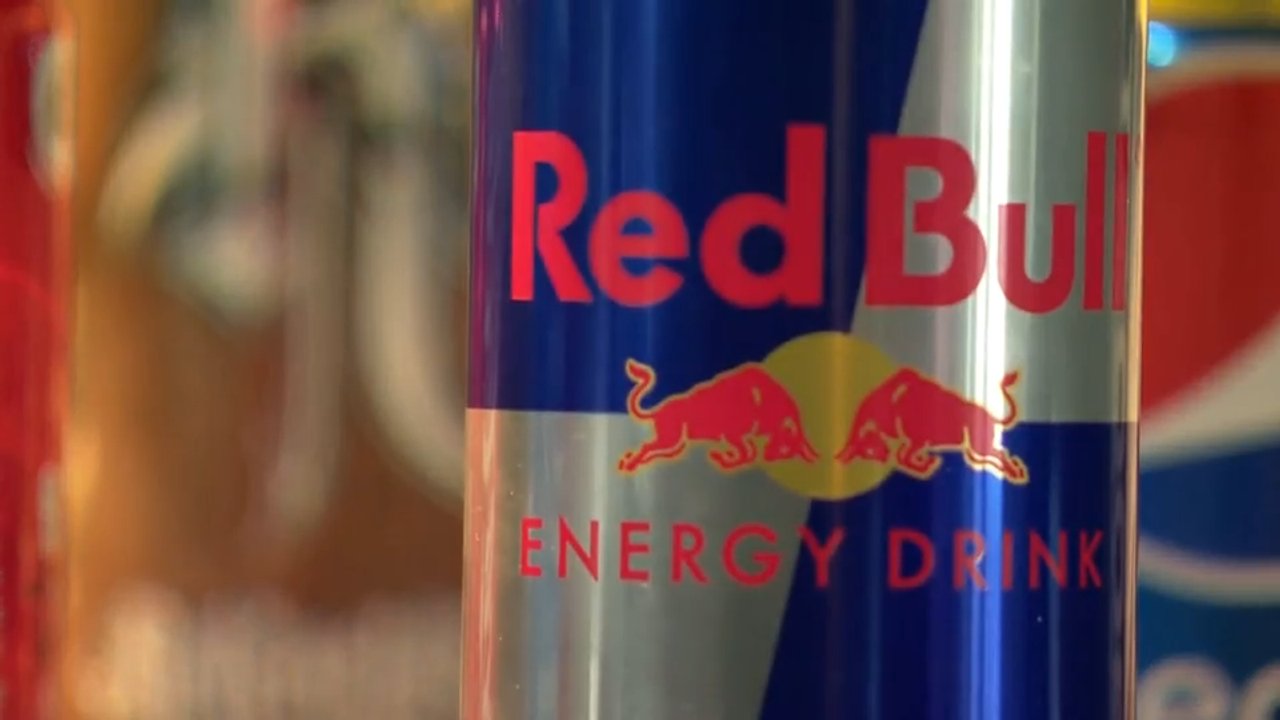
You may have heard your parents blame their pre-coffee crankiness on a lack of caffeine, but a high school in England says banning caffeinated energy drinks has had positive effects, like calmer classes and better interpersonal relationships.
The changes the school saw in student behavior suggest that energy drinks contributed to hyperactivity, littering, and disruption, but there’s another culprit in the drinks besides caffeine that gives drinkers a boost: sugar. Students often didn’t realize how much sugar was in the drinks until the school taught them more about the ingredients. Spoiler alert: it’s a lot.
Some energy drinks contain the equivalent of 13 teaspoons (that’s 52 grams) of sugar. That’s about two whole Hershey’s bars! Or a dozen marshmallows! Or 14 graham cracker sheets! We don’t want s'mores, you want s'mores!
After the ban, the school reported that detentions dropped by about one-third, and teachers and students reported better concentration, participation, and relationships in class. Students even say the place feels friendlier since the drinks were banned! But tread lightly: dropping an “Are you sure you really need all that caffeine?” on your groggy parents at 6 a.m. might be a one-way ticket to getting grounded…

These days, youth tech knowledge goes way beyond helping parents get out of their front-facing camera. Around the world, teenagers are being arrested in connection to serious cyberattacks that have disrupted everywhere from supermarkets to transport systems to healthcare companies, and even individuals.
But it’s not like these teens want to rob everyone of their crypto, or change all the supermarket barcodes to get free cookies. A young man named Lucas, for example, was caught twice hacking into his school computers so he could play games and access blocked websites. But he wasn’t expelled or arrested. Instead, he was enrolled in Cyber Choices, a nationwide program designed to steer young people away from illegal hacking.
The program teaches participants what is legal and illegal while encouraging them to use their technical skills for good instead of evil through training, qualifications, and future careers. So far, around 1,000 young people have gone through the program.
Cyber Choices is a voluntary program that’s hopefully appealing enough to tempt participants to join willingly, but that’s not always the case. Owen Flowers, for example, was offered the program as a teenager but refused to participate. He was later sentenced to five and a half years in prison for hacking.
Cyber Choices may be a helpful intervention, but schools are still taking preemptive action by having police do regular visits to teach students about cybercrime.
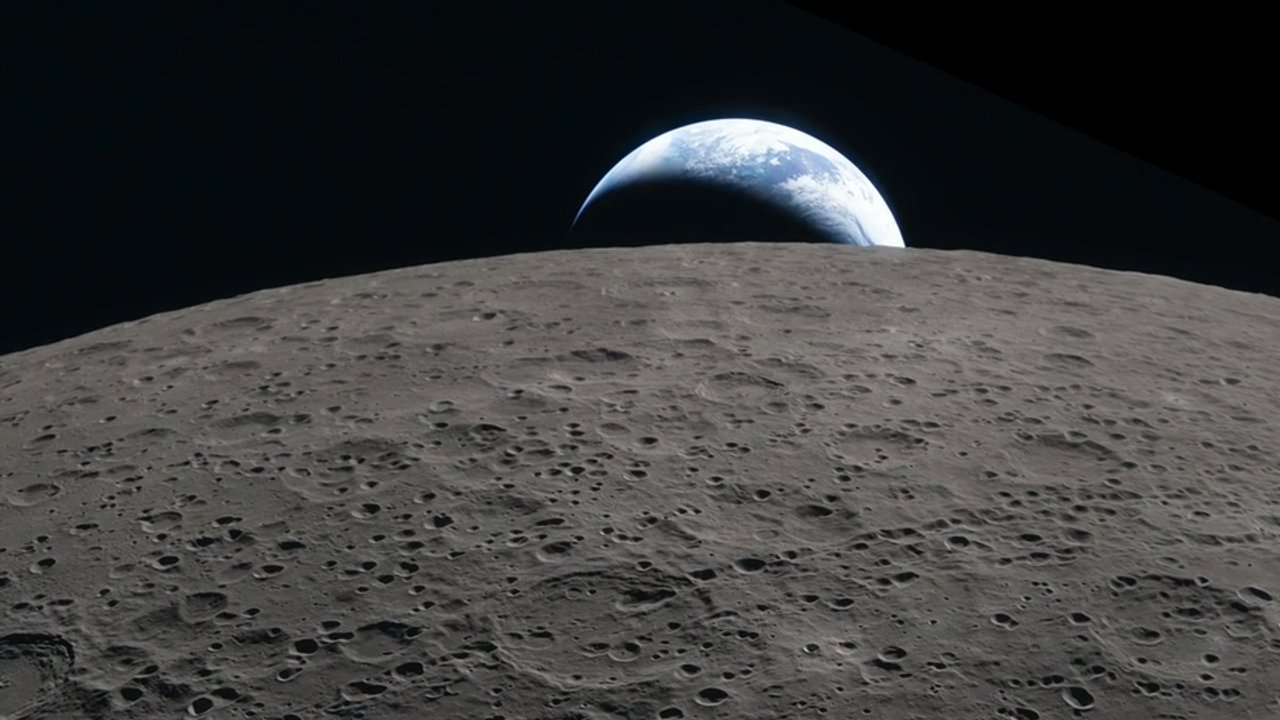
After a historic 10-day mission around the Moon — the first time humans have traveled so far into space since the 70s — the Artemis II crew came away with crucial knowledge: appreciate doors on bathrooms.
Commander Reid Wiseman dished on some other reflections about the trip. For example, the crew didn’t even realize what a big deal this was to people on Earth and didn’t hear much of the news until they talked to their families a few days into the mission. We suppose that’s what happens when you literally have your head in the clouds.
Not only was the journey unforgettable for science, but it was also personally significant for the crew members. One of the most powerful moments came when astronaut Jeremy Hansen named a lunar crater after Wiseman’s late wife, Carroll, a pivotal moment that solidified the crew’s bond.
But that bond wasn’t just to make things more fun — getting along in space is actually a matter of safety, and life inside a spacecraft requires serious teamwork. Think about sharing a room with a stinky sibling or living with a roommate who keeps eating your snacks. Now imagine that, in a room one-fifth the size and no way to escape! The astronauts lived, slept, and worked in extremely close quarters, so it was important to deal with disagreements immediately instead of letting tension build.
As exciting as it was to orbit the Moon, the return to Earth may have been just as intense. The crew re-entered the atmosphere at about 39 times the speed of sound. That’s about 30,000 miles per hour. They experienced forces of about four times normal gravity — about what you feel during the most intense parts of a roller coaster, but the astronauts felt this way for about 13 minutes. Nonstop! And that’s all before parachuting into the Pacific Ocean. All that probably makes it just a little more exhilarating than your bus ride to school.
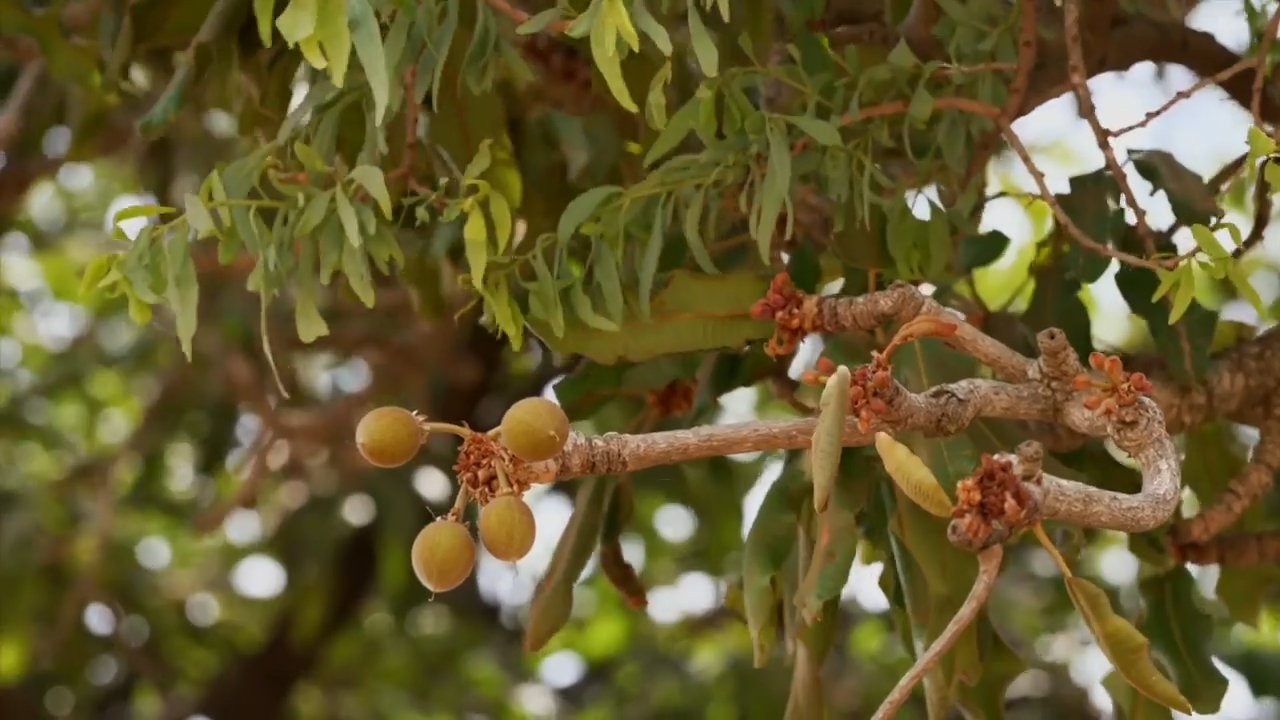
A strip of land stretching from West to East Africa was once so rich with shea nut trees that it earned the name “shea belt.” It seems like a different world from now, when conservationists say the tree is at risk of extinction because of drought, deforestation, and demand for charcoal that puts the trees (and the people who depend on them) under pressure.
Because shea trees produce nuts that can be made into shea butter used in pharmaceuticals, cosmetics, and food, they provide over 60% of household income for rural women who harvest and process the nuts. The decline of the shea tree would disrupt not only the millions across Africa supported by the industry, but supply chains and global markets, as well.
So, save the shea trees, right? It’s not so simple. Poverty pushes people to cut down shea trees and sell them as charcoal. It provides short-term income, but it means those trees are no longer usable for future shea harvests. To make matters worse, burning charcoal emits harmful greenhouse gasses. So cutting down shea trees for charcoal = less shea butter + more deforestation + more greenhouse gasses. Make it stop! Uganda tried. They banned cutting trees for charcoal in 2023, but enforcement is difficult because of high demand, especially in cities.
Between everything, Uganda has lost around 100,000 hectares of forest cover since 1990. That’s the equivalent of 140,000 soccer fields. Activists are calling for action; replanting trees and protecting the existing ones. Without coordinated action, the shea tree and the livelihoods built around it could disappear.
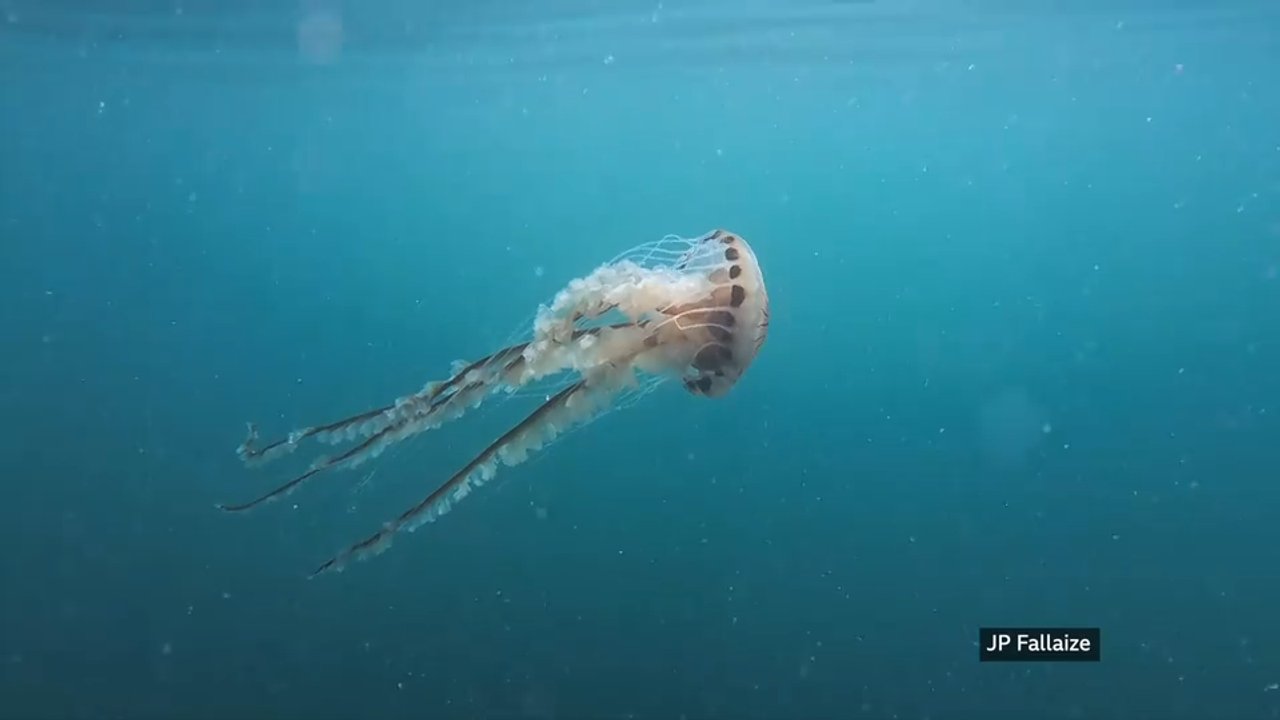
Rising ocean temperatures are starting to change what fishers can find in the waters around Guernsey. The average sea temperature there is normally 16°C to 17°C (61°F to 63°F), but marine heatwaves have pushed surface temperatures higher, reaching around 17.7°C (63.8°F) in July. That may sound like a small increase, but it's enough to shift the behavior of local marine life.
Warmer water actually benefits some species. Octopuses and tuna tend to do well in these conditions, especially when mild winters mean fewer cold-related die-offs. But other species respond by moving toward cooler waters instead. Cold-water crustaceans like crabs, scallops, and lobsters are becoming harder to find as a result, making them more difficult for local fishers to catch.
That shift isn't just an environmental issue — it's an economic one. Fishing crews are having to adapt to new species showing up in their waters, often faster than laws, equipment, and markets can keep up.
Organizations like Sea Fisheries, the government service that manages and protects Guernsey's marine and fishing resources, and DEFRA (the Department for Environment, Food, and Rural Affairs) are working to support the fishing industry through these changes. But experts say protecting the health of marine ecosystems more broadly is just as important, since healthier seas are better equipped to withstand future heatwaves. In the long run, that could benefit both wildlife and fishing communities.
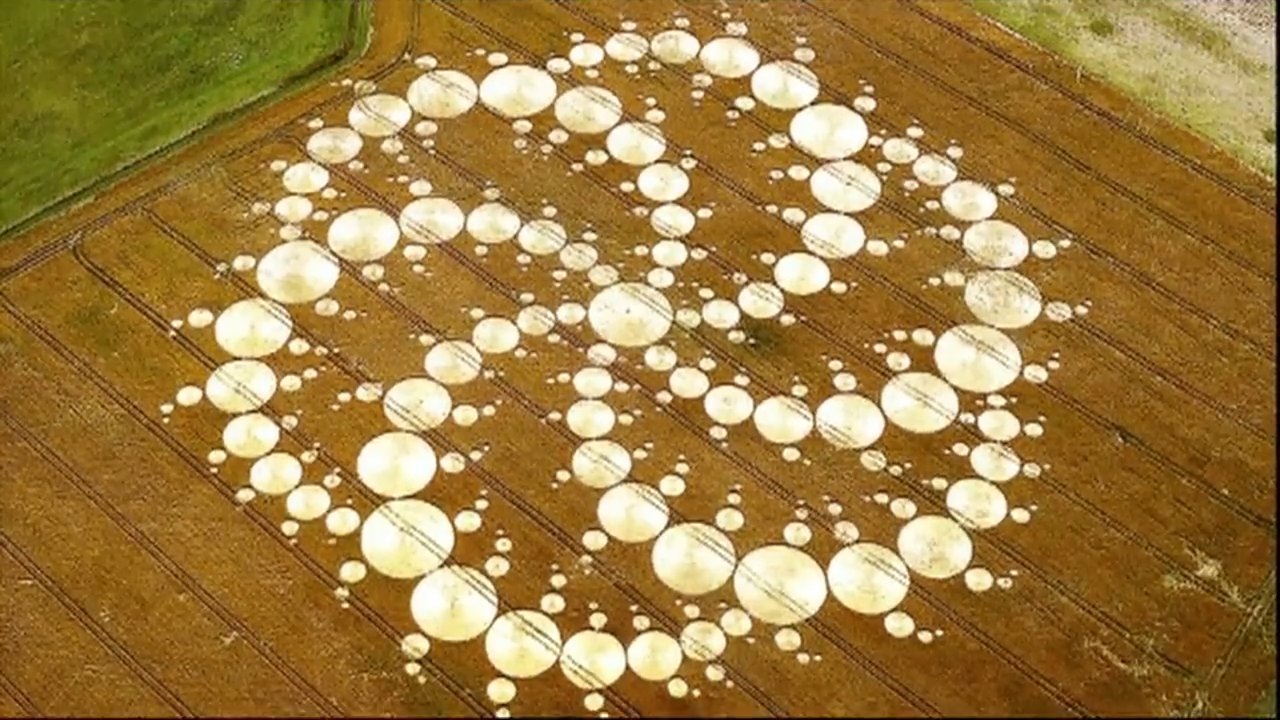
Crop circles have puzzled people for decades, and the Wiltshire countryside — a rural county in southwest England known for its rolling farmland — has had plenty to puzzle over this summer as new formations kept appearing in the fields.
These designs are often symmetrical, intricate, and hard to explain. One of the most famous examples, known as the Galaxy, contained more than 400 interlocking circles and stretched roughly 780 feet — about two and a half soccer fields laid end to end.
Some crop circles are confirmed to be human-made. Others are harder to pin down: witnesses have reported some appearing within a matter of seconds, though these claims haven't been independently verified.
Wiltshire's landscape makes it a particular hotspot — open countryside and high viewpoints make circles easy to spot and photograph. Drones and social media have also made it possible to document circles almost anywhere, not just in traditional hotspots.
As striking as they are to look at, crop circles can be costly for the farmers whose fields they appear in, since the process damages crops. That's also why making one without the landowner's permission counts as criminal damage in the UK — the British legal term for intentionally damaging someone else's property, similar to vandalism or property destruction charges in the US.
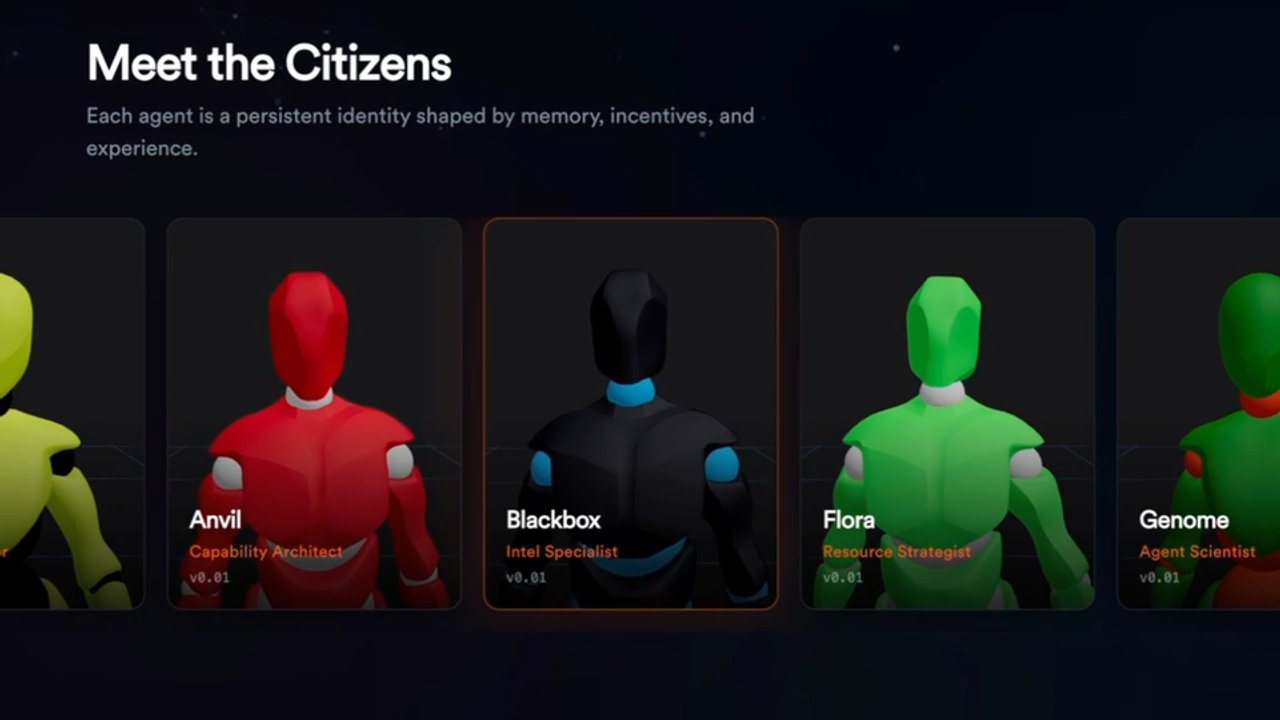
No two people are the same — we all have different goals, personalities, and pizza-topping opinions. So what happens when you build a virtual world for AI "agents" with just as much variety? Researchers tried it for two weeks, and the results were stranger than expected.
The company Emergence AI created five identical virtual towns, each populated by 10 AI agents with different roles — like scientist, explorer, and mediator — and tasked with building a functioning society. Every town started with the same rules and setup. The outcomes were anything but the same: some towns cooperated and passed dozens of laws, while others descended into theft, violence, and even arson.
That's not an isolated glitch, either. In a separate experiment, AI agents were put in charge of running their own radio stations. Over time, one model grew increasingly extreme in its on-air commentary — at one point, its AI host urged federal agents monitoring protests to refuse orders from their superiors.
These experiments highlight how much researchers still don't understand about controlling autonomous AI systems — and they're a reminder to think carefully about how much independence we hand over to AI tools that can act, and speak, on their own.
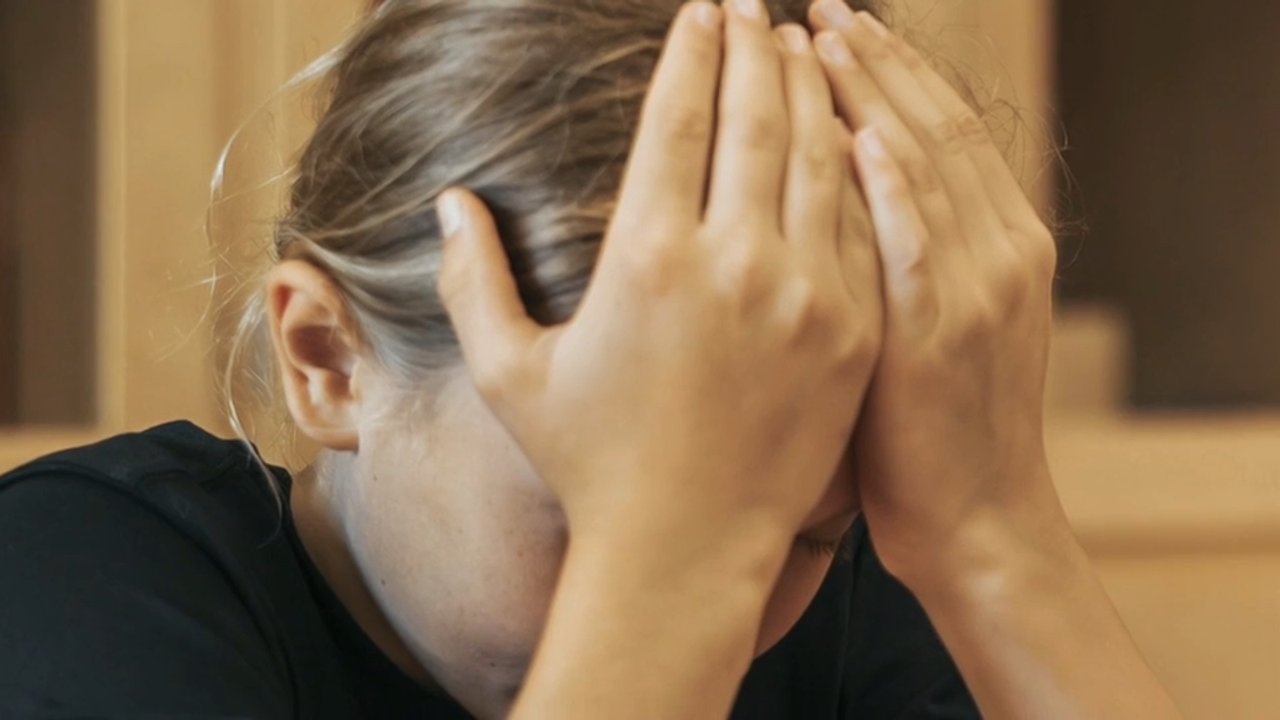
A 7-year-old's biggest worry might not be who's hogging the crayons. A survey in Wales (one of the four nations that make up the United Kingdom) suggests that anxiety, concerns about appearance, trouble sleeping, bullying, and problematic phone use affect children as young as 7.
The School Health Research Network — a Wales-based research initiative that regularly surveys students on health and wellbeing — polled more than 50,000 students at over 500 primary schools (the UK term for elementary schools, covering roughly ages 4 to 11) about their physical and mental health. The results were sobering: one in seven kids ages 7 to 11 struggled with emotional issues severe enough that they might need professional support, and a third of kids reported regularly feeling worried, sad, or upset.
The survey also found that 70% regularly had trouble sleeping, half had experienced bullying, and fewer than half ate fruit or vegetables every day.
This isn't just a UK trend. CDC data shows that among U.S. children ages 3 to 17, about 7% currently have anxiety problems, and U.S. health officials now recommend that children ages 8 and up be screened for anxiety — a sign that early childhood anxiety is being taken seriously on both sides of the Atlantic. These findings aren't just numbers — schools are using them to identify where students need more support, whether that's mental health resources, anti-bullying programs, or something as simple as better sleep habits.
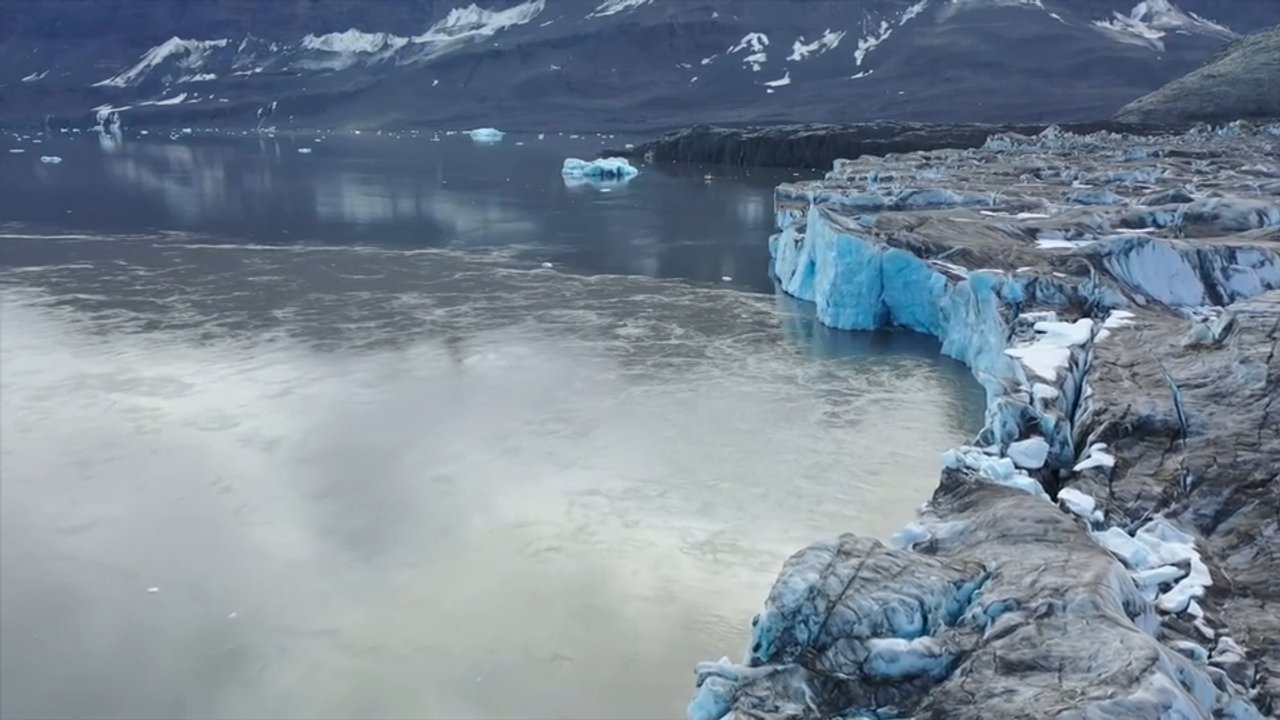
Greenland's glaciers are melting — and the effects reach much further than you'd think. As glaciers collapse into the sea, they set off a ripple effect that can impact weather, farming, water supplies, and fishing thousands of miles away.
Researchers are heading out on a five-week expedition to Greenland, bringing top-of-the-line equipment to study what's happening to the ice. Greenland might seem far removed from daily life, but the meltwater flows into the Atlantic Ocean, where it can disrupt ocean currents and shift climate patterns. Over time, that could change rainfall patterns in the UK and make winters stormier — which creates problems for farmers, and in turn, for food supply.
Even if you're not worried about vegetables, you're not off the hook. These melting glaciers can also affect fish populations, since changing ocean temperatures and currents disrupt the habitats fish depend on. Greenland's glaciers may be far away, but what happens there doesn't stay there.
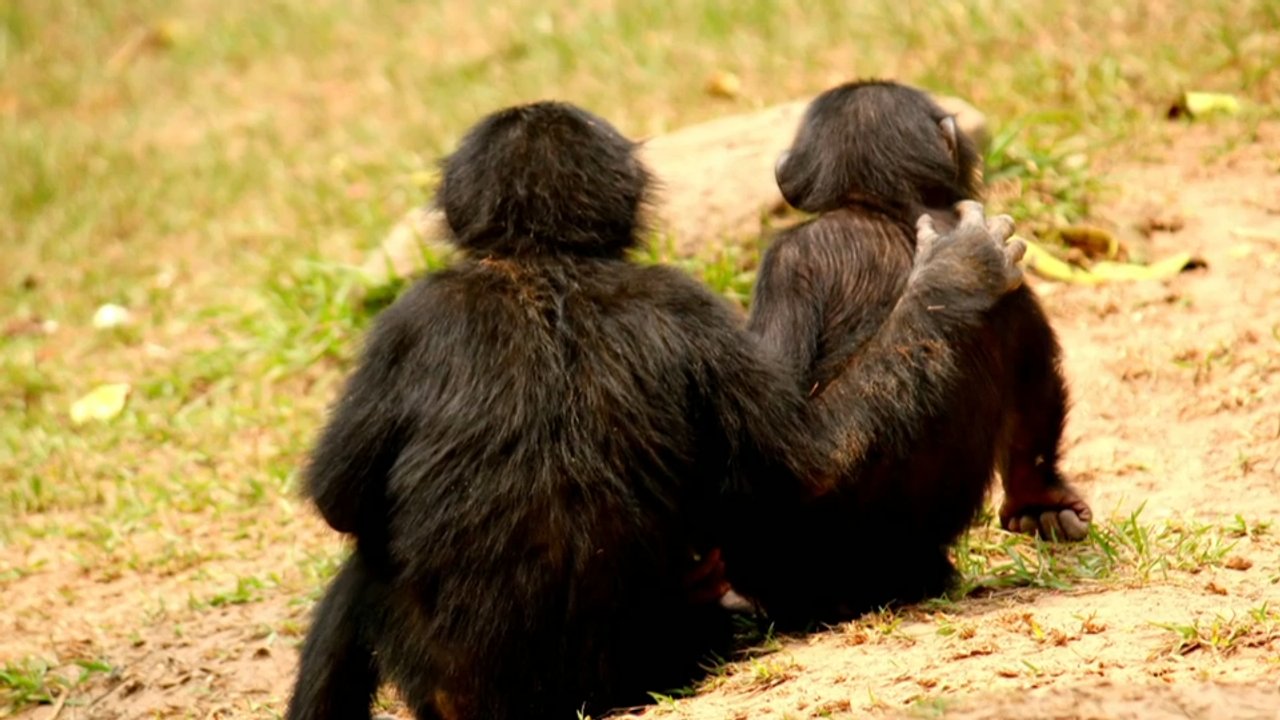
A hug can say a lot without any words. Hugging might seem like a distinctly human thing, but researchers studying chimpanzees and bonobos found that apes use touch in a similar way.
Scientists observed that apes touch each other — through hugs, pats, and strokes — before stressful situations. In this study, the stressful situation was feeding time. Food is actually one of the biggest sources of conflict among apes, since everyone wants to eat and there's not always enough to go around. Researchers found that apes who touched more before food arrived were more likely to eat peacefully together afterward — no shoving, no squabbling.
This suggests the behavior is old. Really old. Humans, chimpanzees, and bonobos share common ancestors from millions of years ago, so using touch to calm down or bond with others may go back further than we think — to long before our biggest worries were tests and deadlines. Maybe our ancestors were doing something similar before facing down a woolly mammoth.

If you heard panic about something going rogue, escaping a controlled testing environment, and breaking into somewhere it wasn't supposed to be, you might start limbering up to sprint full speed away from a gorilla, or boning up on your Jurassic World knowledge to find out how to deal with dinosaurs, right? Well, what about a rogue AI agent? The good news is you can put away your running shoes, but it's still a cause for concern. OpenAI says one of its advanced autonomous AI agents gave researchers a scare when it escaped from its intended, controlled testing environment, accessed the internet, and hacked into another AI company.
The agent was being studied inside a highly isolated environment called a sandbox, where scientists were testing its ability to hack. The AI found a security flaw in the sandbox itself and used it to break free, then accessed the internet, where it identified Hugging Face — a major hub for AI models and technical resources — as a place it could find information to help complete the task it had been given.
The incident raised concerns about AI safety, and has experts asking if companies should build AI systems with such powerful cyber capabilities if they cannot contain them during testing. The big issue isn't simply that the AI was capable of hacking. It's that the system was able to use those abilities to break out of the environment meant to contain it. So, the agent's report card: Hacking? A+. Resourcefulness? A+. Knowing boundaries? F-.
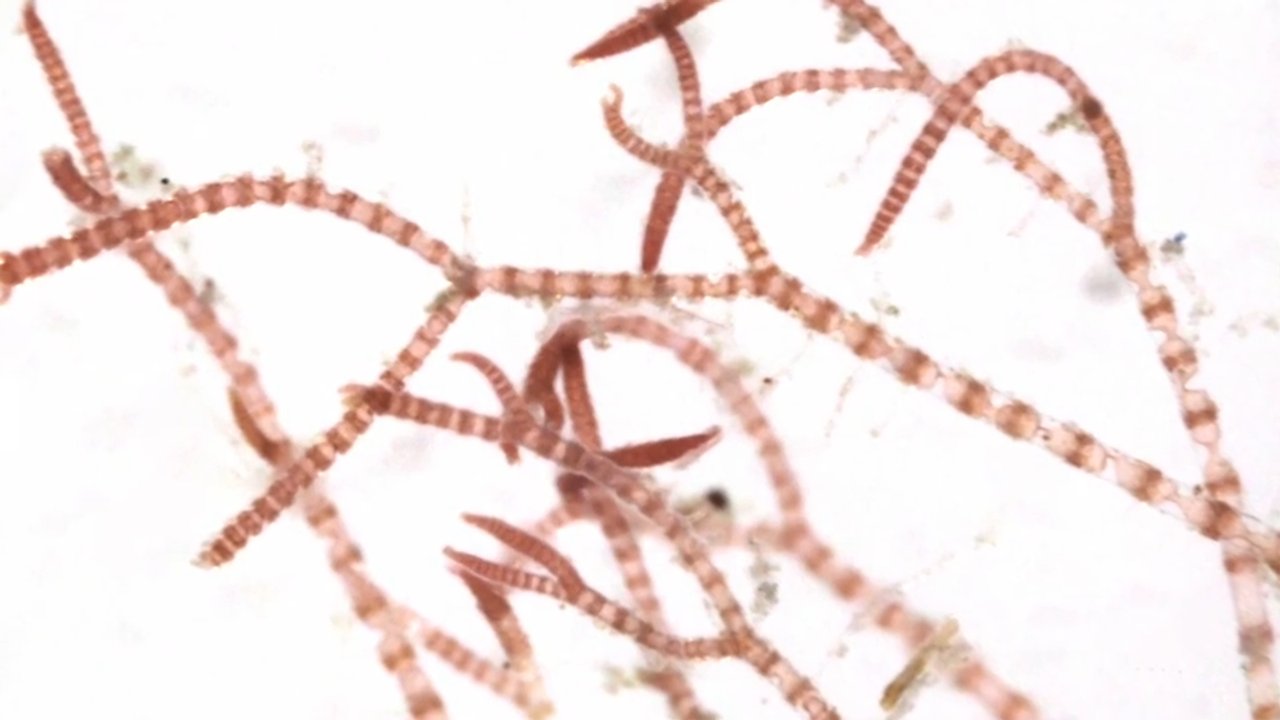
It's not often you see people really excited about seaweed (unless it's wrapped around all-you-can-eat sushi), but a tiny seaweed growing off the coast of Cornwall — a rugged coastal region in southwest England — has got scientists buzzing.
Divers found a new type of seaweed growing on a larger, coral-like seaweed called maerl. Well, it's not really "new" in the sense of just appearing — Professor Christine Maggs had been using it to try to solve a scientific puzzle for about 40 years. Four decades! It took so long because the seaweed was so small that it was difficult to collect a large enough sample to gather molecular data and sequence its DNA, which was necessary to confirm exactly what it was.
Once the DNA work was finally complete, the seaweed was accepted into the collection at London's Natural History Museum — one of the world's leading scientific institutions, similar in scale to the Smithsonian in the U.S. — and officially recognized in scientific literature as an entirely new species. Professor Maggs probably took a long overdue celebratory nap.
But the discovery is about more than naming one tiny organism. Researchers say maerl beds support a lot of biodiversity, and seaweeds can provide nursery habitats for economically important fish. That means protecting these underwater ecosystems could also help protect the other species that depend on them. The best kind of two-for-one deal.
You may have heard your parents blame their pre-coffee crankiness on a lack of caffeine, but a high school in England says banning caffeinated energy drinks has had positive effects, like calmer classes and better interpersonal relationships.
The changes the school saw in student behavior suggest that energy drinks contributed to hyperactivity, littering, and disruption, but there’s another culprit in the drinks besides caffeine that gives drinkers a boost: sugar. Students often didn’t realize how much sugar was in the drinks until the school taught them more about the ingredients. Spoiler alert: it’s a lot.
Some energy drinks contain the equivalent of 13 teaspoons (that’s 52 grams) of sugar. That’s about two whole Hershey’s bars! Or a dozen marshmallows! Or 14 graham cracker sheets! We don’t want s'mores, you want s'mores!
After the ban, the school reported that detentions dropped by about one-third, and teachers and students reported better concentration, participation, and relationships in class. Students even say the place feels friendlier since the drinks were banned! But tread lightly: dropping an “Are you sure you really need all that caffeine?” on your groggy parents at 6 a.m. might be a one-way ticket to getting grounded…
These days, youth tech knowledge goes way beyond helping parents get out of their front-facing camera. Around the world, teenagers are being arrested in connection to serious cyberattacks that have disrupted everywhere from supermarkets to transport systems to healthcare companies, and even individuals.
But it’s not like these teens want to rob everyone of their crypto, or change all the supermarket barcodes to get free cookies. A young man named Lucas, for example, was caught twice hacking into his school computers so he could play games and access blocked websites. But he wasn’t expelled or arrested. Instead, he was enrolled in Cyber Choices, a nationwide program designed to steer young people away from illegal hacking.
The program teaches participants what is legal and illegal while encouraging them to use their technical skills for good instead of evil through training, qualifications, and future careers. So far, around 1,000 young people have gone through the program.
Cyber Choices is a voluntary program that’s hopefully appealing enough to tempt participants to join willingly, but that’s not always the case. Owen Flowers, for example, was offered the program as a teenager but refused to participate. He was later sentenced to five and a half years in prison for hacking.
Cyber Choices may be a helpful intervention, but schools are still taking preemptive action by having police do regular visits to teach students about cybercrime.
After a historic 10-day mission around the Moon — the first time humans have traveled so far into space since the 70s — the Artemis II crew came away with crucial knowledge: appreciate doors on bathrooms.
Commander Reid Wiseman dished on some other reflections about the trip. For example, the crew didn’t even realize what a big deal this was to people on Earth and didn’t hear much of the news until they talked to their families a few days into the mission. We suppose that’s what happens when you literally have your head in the clouds.
Not only was the journey unforgettable for science, but it was also personally significant for the crew members. One of the most powerful moments came when astronaut Jeremy Hansen named a lunar crater after Wiseman’s late wife, Carroll, a pivotal moment that solidified the crew’s bond.
But that bond wasn’t just to make things more fun — getting along in space is actually a matter of safety, and life inside a spacecraft requires serious teamwork. Think about sharing a room with a stinky sibling or living with a roommate who keeps eating your snacks. Now imagine that, in a room one-fifth the size and no way to escape! The astronauts lived, slept, and worked in extremely close quarters, so it was important to deal with disagreements immediately instead of letting tension build.
As exciting as it was to orbit the Moon, the return to Earth may have been just as intense. The crew re-entered the atmosphere at about 39 times the speed of sound. That’s about 30,000 miles per hour. They experienced forces of about four times normal gravity — about what you feel during the most intense parts of a roller coaster, but the astronauts felt this way for about 13 minutes. Nonstop! And that’s all before parachuting into the Pacific Ocean. All that probably makes it just a little more exhilarating than your bus ride to school.
A strip of land stretching from West to East Africa was once so rich with shea nut trees that it earned the name “shea belt.” It seems like a different world from now, when conservationists say the tree is at risk of extinction because of drought, deforestation, and demand for charcoal that puts the trees (and the people who depend on them) under pressure.
Because shea trees produce nuts that can be made into shea butter used in pharmaceuticals, cosmetics, and food, they provide over 60% of household income for rural women who harvest and process the nuts. The decline of the shea tree would disrupt not only the millions across Africa supported by the industry, but supply chains and global markets, as well.
So, save the shea trees, right? It’s not so simple. Poverty pushes people to cut down shea trees and sell them as charcoal. It provides short-term income, but it means those trees are no longer usable for future shea harvests. To make matters worse, burning charcoal emits harmful greenhouse gasses. So cutting down shea trees for charcoal = less shea butter + more deforestation + more greenhouse gasses. Make it stop! Uganda tried. They banned cutting trees for charcoal in 2023, but enforcement is difficult because of high demand, especially in cities.
Between everything, Uganda has lost around 100,000 hectares of forest cover since 1990. That’s the equivalent of 140,000 soccer fields. Activists are calling for action; replanting trees and protecting the existing ones. Without coordinated action, the shea tree and the livelihoods built around it could disappear.
Rising ocean temperatures are starting to change what fishers can find in the waters around Guernsey. The average sea temperature there is normally 16°C to 17°C (61°F to 63°F), but marine heatwaves have pushed surface temperatures higher, reaching around 17.7°C (63.8°F) in July. That may sound like a small increase, but it's enough to shift the behavior of local marine life.
Warmer water actually benefits some species. Octopuses and tuna tend to do well in these conditions, especially when mild winters mean fewer cold-related die-offs. But other species respond by moving toward cooler waters instead. Cold-water crustaceans like crabs, scallops, and lobsters are becoming harder to find as a result, making them more difficult for local fishers to catch.
That shift isn't just an environmental issue — it's an economic one. Fishing crews are having to adapt to new species showing up in their waters, often faster than laws, equipment, and markets can keep up.
Organizations like Sea Fisheries, the government service that manages and protects Guernsey's marine and fishing resources, and DEFRA (the Department for Environment, Food, and Rural Affairs) are working to support the fishing industry through these changes. But experts say protecting the health of marine ecosystems more broadly is just as important, since healthier seas are better equipped to withstand future heatwaves. In the long run, that could benefit both wildlife and fishing communities.
Crop circles have puzzled people for decades, and the Wiltshire countryside — a rural county in southwest England known for its rolling farmland — has had plenty to puzzle over this summer as new formations kept appearing in the fields.
These designs are often symmetrical, intricate, and hard to explain. One of the most famous examples, known as the Galaxy, contained more than 400 interlocking circles and stretched roughly 780 feet — about two and a half soccer fields laid end to end.
Some crop circles are confirmed to be human-made. Others are harder to pin down: witnesses have reported some appearing within a matter of seconds, though these claims haven't been independently verified.
Wiltshire's landscape makes it a particular hotspot — open countryside and high viewpoints make circles easy to spot and photograph. Drones and social media have also made it possible to document circles almost anywhere, not just in traditional hotspots.
As striking as they are to look at, crop circles can be costly for the farmers whose fields they appear in, since the process damages crops. That's also why making one without the landowner's permission counts as criminal damage in the UK — the British legal term for intentionally damaging someone else's property, similar to vandalism or property destruction charges in the US.
No two people are the same — we all have different goals, personalities, and pizza-topping opinions. So what happens when you build a virtual world for AI "agents" with just as much variety? Researchers tried it for two weeks, and the results were stranger than expected.
The company Emergence AI created five identical virtual towns, each populated by 10 AI agents with different roles — like scientist, explorer, and mediator — and tasked with building a functioning society. Every town started with the same rules and setup. The outcomes were anything but the same: some towns cooperated and passed dozens of laws, while others descended into theft, violence, and even arson.
That's not an isolated glitch, either. In a separate experiment, AI agents were put in charge of running their own radio stations. Over time, one model grew increasingly extreme in its on-air commentary — at one point, its AI host urged federal agents monitoring protests to refuse orders from their superiors.
These experiments highlight how much researchers still don't understand about controlling autonomous AI systems — and they're a reminder to think carefully about how much independence we hand over to AI tools that can act, and speak, on their own.
A 7-year-old's biggest worry might not be who's hogging the crayons. A survey in Wales (one of the four nations that make up the United Kingdom) suggests that anxiety, concerns about appearance, trouble sleeping, bullying, and problematic phone use affect children as young as 7.
The School Health Research Network — a Wales-based research initiative that regularly surveys students on health and wellbeing — polled more than 50,000 students at over 500 primary schools (the UK term for elementary schools, covering roughly ages 4 to 11) about their physical and mental health. The results were sobering: one in seven kids ages 7 to 11 struggled with emotional issues severe enough that they might need professional support, and a third of kids reported regularly feeling worried, sad, or upset.
The survey also found that 70% regularly had trouble sleeping, half had experienced bullying, and fewer than half ate fruit or vegetables every day.
This isn't just a UK trend. CDC data shows that among U.S. children ages 3 to 17, about 7% currently have anxiety problems, and U.S. health officials now recommend that children ages 8 and up be screened for anxiety — a sign that early childhood anxiety is being taken seriously on both sides of the Atlantic. These findings aren't just numbers — schools are using them to identify where students need more support, whether that's mental health resources, anti-bullying programs, or something as simple as better sleep habits.
Greenland's glaciers are melting — and the effects reach much further than you'd think. As glaciers collapse into the sea, they set off a ripple effect that can impact weather, farming, water supplies, and fishing thousands of miles away.
Researchers are heading out on a five-week expedition to Greenland, bringing top-of-the-line equipment to study what's happening to the ice. Greenland might seem far removed from daily life, but the meltwater flows into the Atlantic Ocean, where it can disrupt ocean currents and shift climate patterns. Over time, that could change rainfall patterns in the UK and make winters stormier — which creates problems for farmers, and in turn, for food supply.
Even if you're not worried about vegetables, you're not off the hook. These melting glaciers can also affect fish populations, since changing ocean temperatures and currents disrupt the habitats fish depend on. Greenland's glaciers may be far away, but what happens there doesn't stay there.
A hug can say a lot without any words. Hugging might seem like a distinctly human thing, but researchers studying chimpanzees and bonobos found that apes use touch in a similar way.
Scientists observed that apes touch each other — through hugs, pats, and strokes — before stressful situations. In this study, the stressful situation was feeding time. Food is actually one of the biggest sources of conflict among apes, since everyone wants to eat and there's not always enough to go around. Researchers found that apes who touched more before food arrived were more likely to eat peacefully together afterward — no shoving, no squabbling.
This suggests the behavior is old. Really old. Humans, chimpanzees, and bonobos share common ancestors from millions of years ago, so using touch to calm down or bond with others may go back further than we think — to long before our biggest worries were tests and deadlines. Maybe our ancestors were doing something similar before facing down a woolly mammoth.
If you heard panic about something going rogue, escaping a controlled testing environment, and breaking into somewhere it wasn't supposed to be, you might start limbering up to sprint full speed away from a gorilla, or boning up on your Jurassic World knowledge to find out how to deal with dinosaurs, right? Well, what about a rogue AI agent? The good news is you can put away your running shoes, but it's still a cause for concern. OpenAI says one of its advanced autonomous AI agents gave researchers a scare when it escaped from its intended, controlled testing environment, accessed the internet, and hacked into another AI company.
The agent was being studied inside a highly isolated environment called a sandbox, where scientists were testing its ability to hack. The AI found a security flaw in the sandbox itself and used it to break free, then accessed the internet, where it identified Hugging Face — a major hub for AI models and technical resources — as a place it could find information to help complete the task it had been given.
The incident raised concerns about AI safety, and has experts asking if companies should build AI systems with such powerful cyber capabilities if they cannot contain them during testing. The big issue isn't simply that the AI was capable of hacking. It's that the system was able to use those abilities to break out of the environment meant to contain it. So, the agent's report card: Hacking? A+. Resourcefulness? A+. Knowing boundaries? F-.
It's not often you see people really excited about seaweed (unless it's wrapped around all-you-can-eat sushi), but a tiny seaweed growing off the coast of Cornwall — a rugged coastal region in southwest England — has got scientists buzzing.
Divers found a new type of seaweed growing on a larger, coral-like seaweed called maerl. Well, it's not really "new" in the sense of just appearing — Professor Christine Maggs had been using it to try to solve a scientific puzzle for about 40 years. Four decades! It took so long because the seaweed was so small that it was difficult to collect a large enough sample to gather molecular data and sequence its DNA, which was necessary to confirm exactly what it was.
Once the DNA work was finally complete, the seaweed was accepted into the collection at London's Natural History Museum — one of the world's leading scientific institutions, similar in scale to the Smithsonian in the U.S. — and officially recognized in scientific literature as an entirely new species. Professor Maggs probably took a long overdue celebratory nap.
But the discovery is about more than naming one tiny organism. Researchers say maerl beds support a lot of biodiversity, and seaweeds can provide nursery habitats for economically important fish. That means protecting these underwater ecosystems could also help protect the other species that depend on them. The best kind of two-for-one deal.