Why Dogs Eat Grass (and Sometimes Poop): Strange but True!
Ever wonder why your dog munches on grass or even poop?
The article "Why Dogs Eat Grass (and Sometimes Poop): Strange but True!" from BBC's Science Focus explores the curious reasons behind dogs eating grass and poop. While some theories suggest anxiety, boredom, or a need for attention, others link it to diet or instinct. Canine behavior expert Dr. Emily Blackwell sheds light on these habits and how our reactions may unintentionally encourage them.

BBC's Science Focus is packed with news, discoveries, ideas and innovations to keep you up-to-speed with the complexities of the fast-moving world around us. Learn more about subscriptions here.

BBC's Science Focus is packed with news, discoveries, ideas and innovations to keep you up-to-speed with the complexities of the fast-moving world around us. Learn more about subscriptions here.
Most passages are available in three different versions: Level 1 (Grade 3-5), Level 2 (Grade 6-8), and Level 3 (Grade 9-12). Some more complex texts are available only in Level 2 and Level 3. Use the versions that are most appropriate for the students in your class.
Note: The BBC Learning Hub Editorial Team made use of AI tools to create multiple versions of this article, each tailored to different student reading levels. Every version undergoes a thorough review by our BBC Learning editors to ensure accuracy, quality, and appropriateness.

You Might Also Like

The article "Top 10: Biggest Dog Breeds in the World" from BBC's Science Focus lists some of the largest dog breeds, discussing their sizes, temperaments, and roles. From Great Danes to Saint Bernards, these massive canines require special care but are also known for their loyalty and companionship.

The article "What Do Mountain Rescue Search Dogs Actually Smell?" from BBC's Science Focus explains how tracking dogs use their powerful sense of smell to locate individuals. With millions of olfactory receptors, these dogs can detect skin cells, sweat, body odor, and other particles, helping them find people even in large areas.

The article "Why your brain thinks this puppy is cuter than a baby!" from BBC's Science Focus explains why our brains react so strongly to cuteness and why baby animals often seem cuter than human infants. Using brain scans, scientists reveal how features like big eyes and round faces activate our emotional centers, triggering care instincts — even for animals and cartoons.
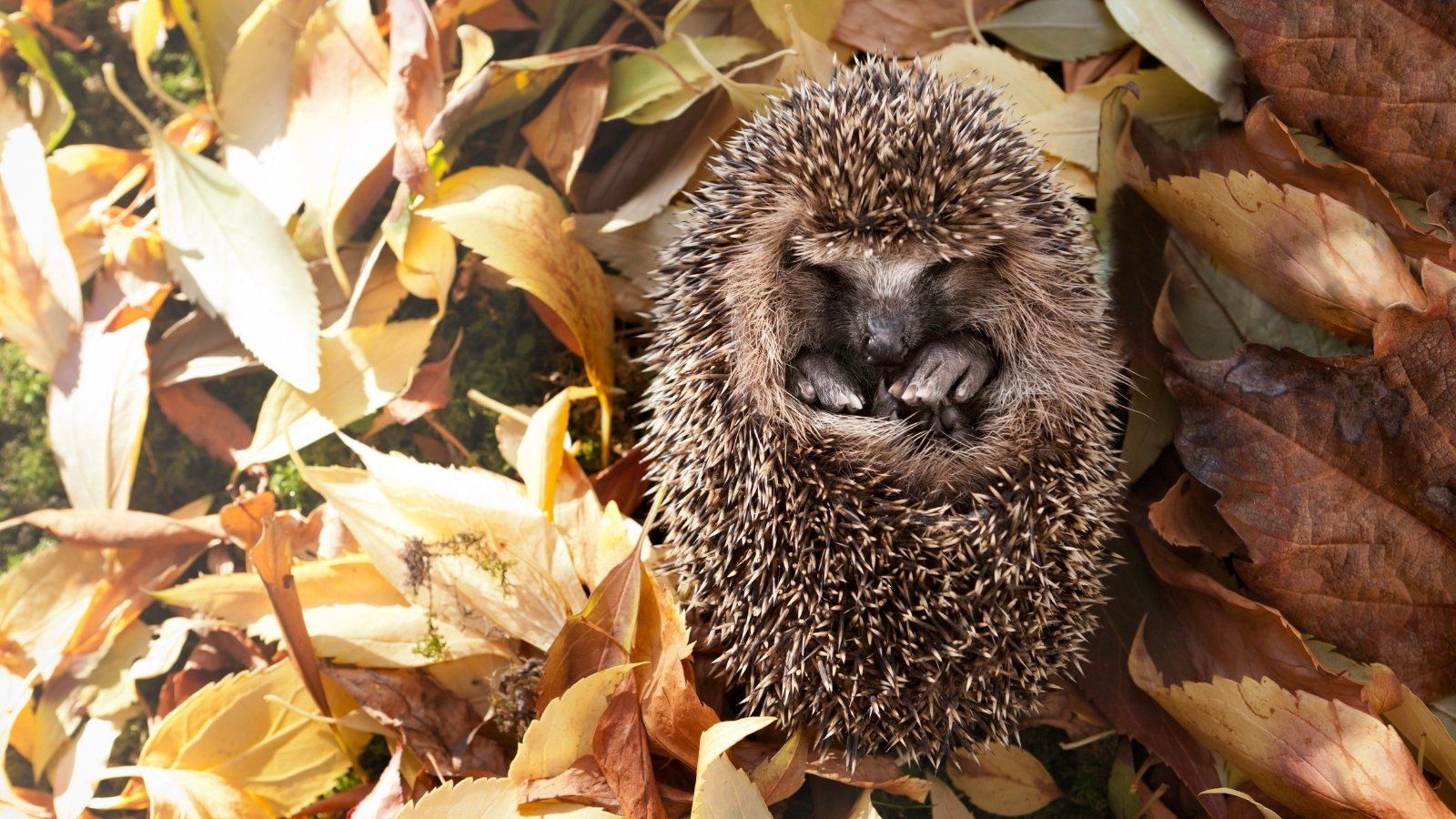
The article "Hibernation: How Animals Sleep Through the Heat and Cold" from BBC's Discover Wildlife explores the fascinating survival strategies animals use during extreme weather. It explains the difference between hibernation, aestivation, torpor, and denning.
The article "Top 10: Biggest Dog Breeds in the World" from BBC's Science Focus lists some of the largest dog breeds, discussing their sizes, temperaments, and roles. From Great Danes to Saint Bernards, these massive canines require special care but are also known for their loyalty and companionship.
The article "What Do Mountain Rescue Search Dogs Actually Smell?" from BBC's Science Focus explains how tracking dogs use their powerful sense of smell to locate individuals. With millions of olfactory receptors, these dogs can detect skin cells, sweat, body odor, and other particles, helping them find people even in large areas.
The article "Why your brain thinks this puppy is cuter than a baby!" from BBC's Science Focus explains why our brains react so strongly to cuteness and why baby animals often seem cuter than human infants. Using brain scans, scientists reveal how features like big eyes and round faces activate our emotional centers, triggering care instincts — even for animals and cartoons.
The article "Hibernation: How Animals Sleep Through the Heat and Cold" from BBC's Discover Wildlife explores the fascinating survival strategies animals use during extreme weather. It explains the difference between hibernation, aestivation, torpor, and denning.