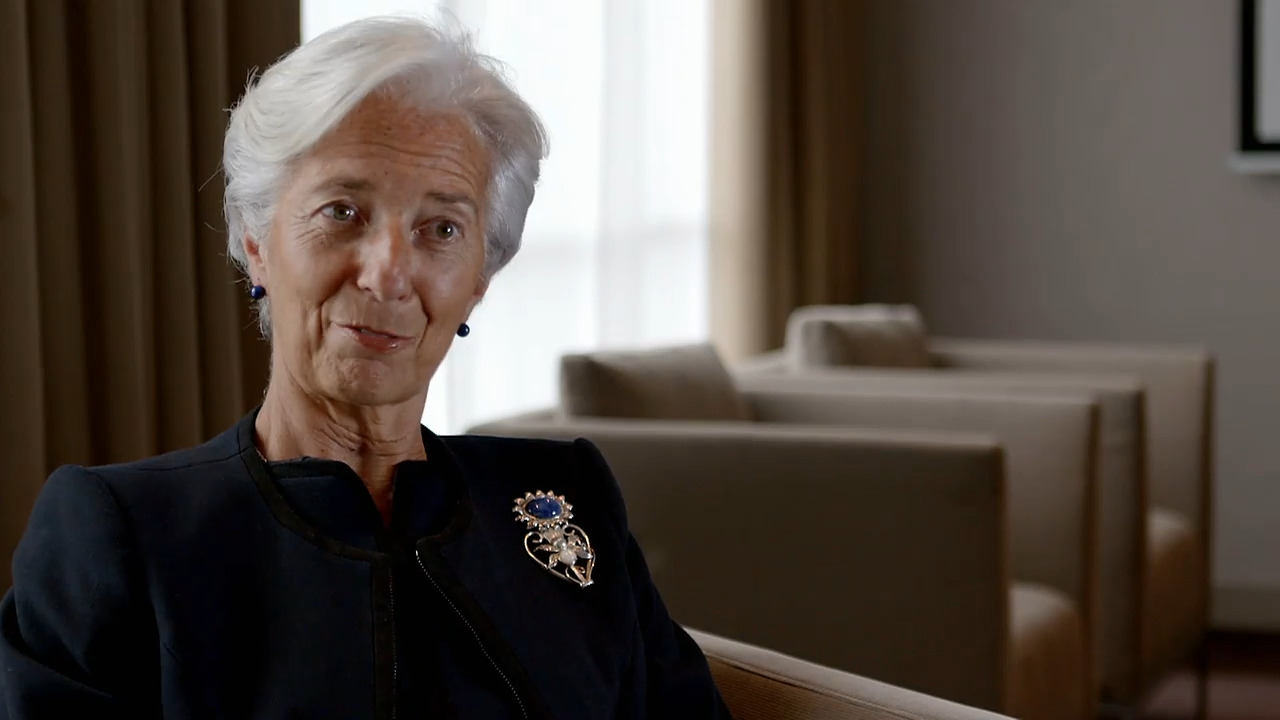
In Christine Lagarde, Titan of Finance, learn how Lagarde made history as the first woman to lead the International Monetary Fund and now serves as President of the European Central Bank. She shares stories about overcoming challenges in a male-dominated field, including being told she could never become a law firm partner simply because she was a woman. She worked tirelessly while raising two children, later earning their admiration for paving her own way. Lagarde believes that empowering women in finance and leadership will create prosperity for all. This video is excerpted from BBC's Her Story: The Female Revolution, which explores the history and impact of women’s rights movements and achievements of women.
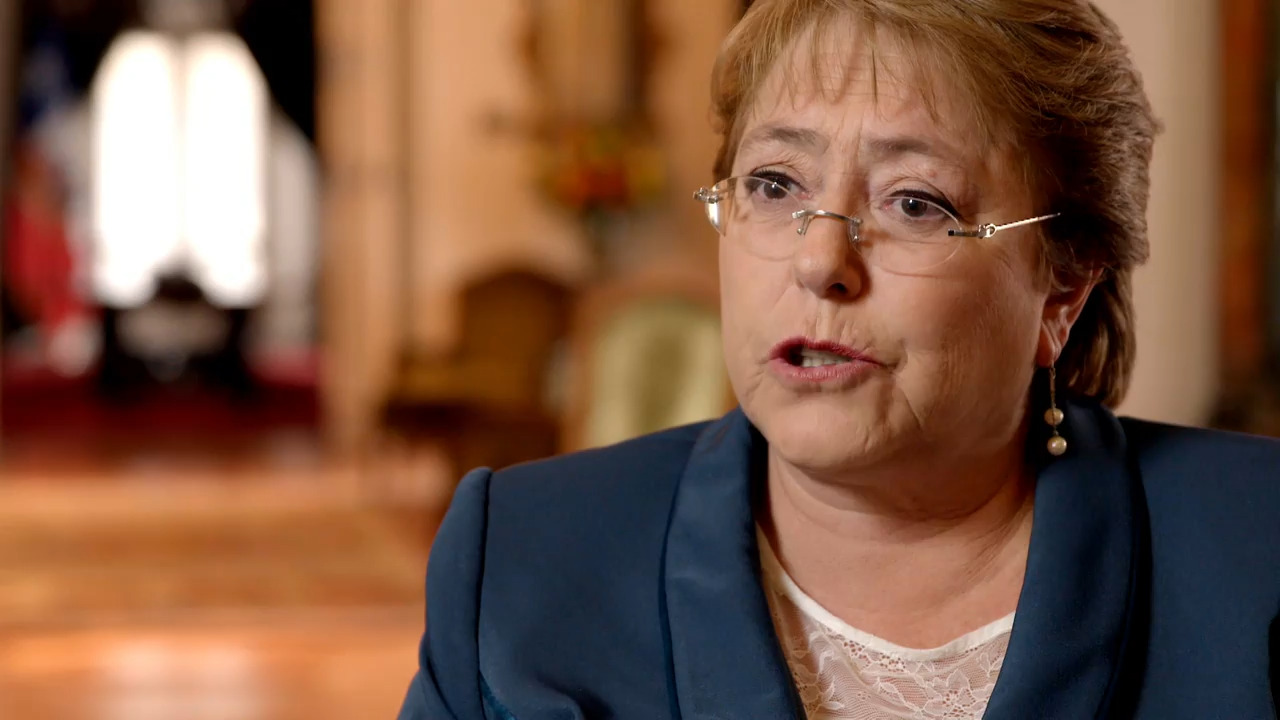
In Michelle Bachelet, Chile's First Woman President, learn how Michelle Bachelet challenged traditional expectations in a conservative country. As an atheist and a divorced single mother, she promoted gender equality by appointing an equal number of men and women to her cabinet, reshaping leadership norms. This video is excerpted from BBC's Her Story: The Female Revolution, which explores the history and impact of women’s rights movements and achievements of women.
Meet Seven Women Leaders From All Around the World Who Broke Barriers.
They navigated crisis, criticism, and political pressure. They were pioneers, reformers, and power brokers — but they were also complex figures shaped by culture, controversy, and the eras in which they governed. In honor of Women’s History Month, this video playlist explores influential leaders from around the globe through BBC clips featuring Hillary Clinton, Margaret Thatcher, Michelle Bachelet, and more.
From national parliaments to international financial institutions, these women led in vastly different political systems and cultural landscapes. Some championed social reform. Others advanced market-driven policies. All faced intense scrutiny — not only for their decisions, but for their leadership styles, identities, and the expectations placed upon women in power.
This thoughtful playlist invites students to examine leadership with nuance: How do gender and politics intersect? How do public expectations shape women leaders differently? And what can we learn from both their accomplishments and their controversies?
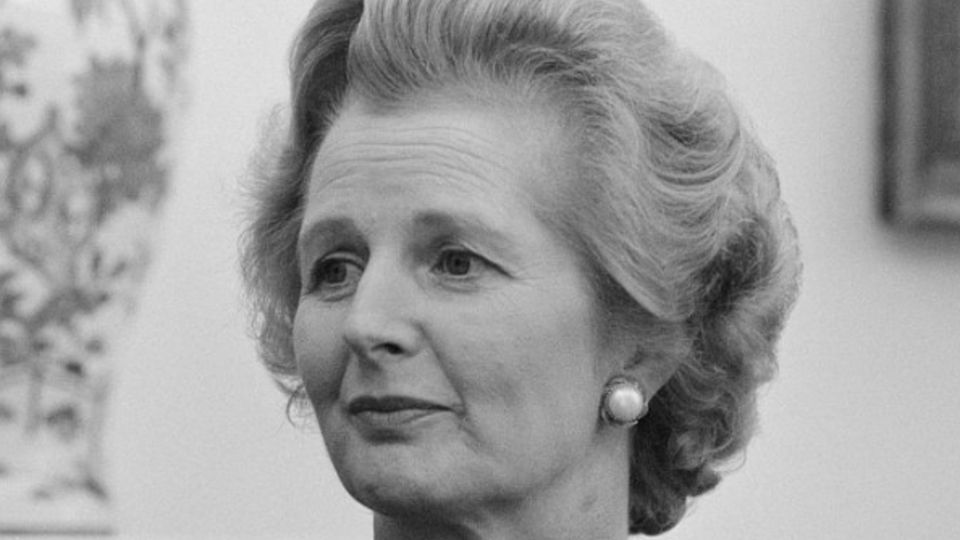
Explore the experiences of women who reached the highest levels of political leadership in this Kahoot about power, representation, and social change. Through the stories of Margaret Thatcher, Hillary Clinton, and Michelle Bachelet, students will examine how gender, prejudice, and feminism have shaped women’s paths to leadership in different countries and time periods.
This Kahoot explores the challenges and expectations faced by women in politics, including public perception, stereotypes, representation, and the debate over equality and leadership. Students will build listening skills, vocabulary, and historical awareness while considering how women leaders have influenced politics and challenged traditional ideas about power around the world.
Watch the related BBC video, Margaret Thatcher and Hillary Clinton, Women in Power, then invite your Grade 6–12 students to test their knowledge and explore how leadership and representation continue to shape society today.
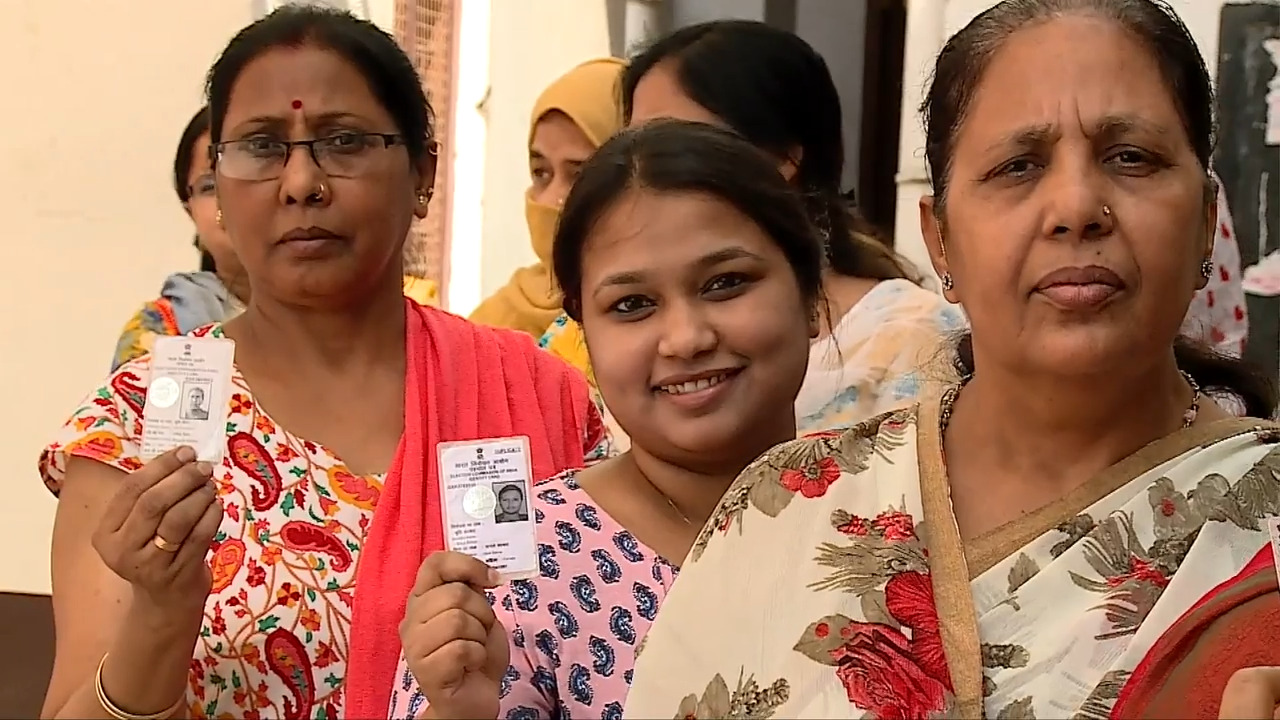
In Women in Politics, host Radzi Chinyanganya explores the current state of gender representation in global politics. At present, 25% of politicians worldwide are women. This video delves into the importance of gender quotas, which aim to ensure more female representation in governments and help level the playing field in leadership positions. This video is excerpted from BBC’s My World, a program created for teenagers eager to learn more about the important stories shaping our world.
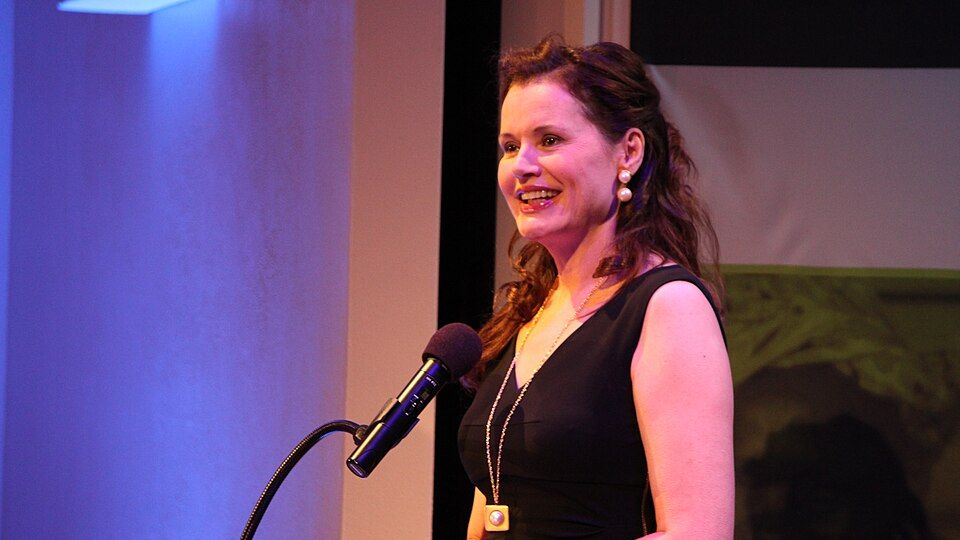
Explore how women are represented in films and why those portrayals matter in this Kahoot inspired by BBC’s Her Story —The Female Revolution. Through the ideas and research shared by Geena Davis and the Geena Davis Institute on Gender in Media, students will examine how movies and television influence the way people think about gender, power, and equality.
This Kahoot explores questions about representation, stereotypes, screen time, leadership roles, and how media can shape expectations for girls and boys. Students will build listening skills, vocabulary, and critical-thinking abilities while considering why balanced representation in film and entertainment can have a powerful social impact.
Watch the related BBC video, The Fight for Females in Film, then invite your Grade 6–12 students to test their knowledge and explore how storytelling and media influence culture, identity, and opportunity.
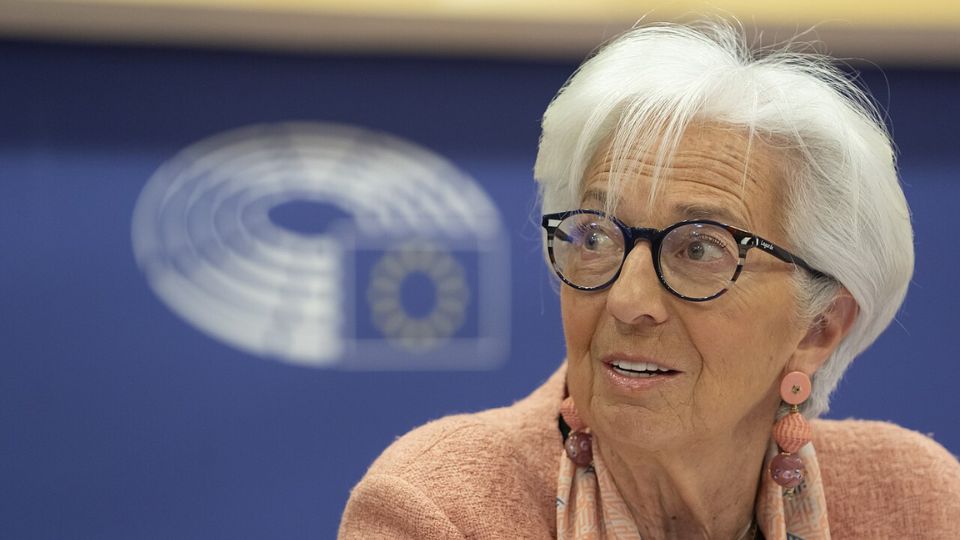
Explore the remarkable career and global influence of Christine Lagarde, whose leadership helped shape major economic decisions around the world. From her early work in international law to leading some of the world’s most powerful financial institutions, students will discover how Lagarde broke barriers and became one of the most influential women in global finance.
This Kahoot examines key moments in Lagarde’s journey, including her leadership roles at the International Monetary Fund and the European Central Bank, and how her approach to leadership challenged traditional ideas about economics and decision-making. Students will build listening skills, vocabulary, and historical awareness while exploring topics such as global finance, leadership, international cooperation, and gender equality.
Watch the related BBC video, Christine Lagarde, Titan of Finance, then invite your Grade 6–12 students to test their knowledge and explore how leadership, resilience, and innovation can shape the world stage.
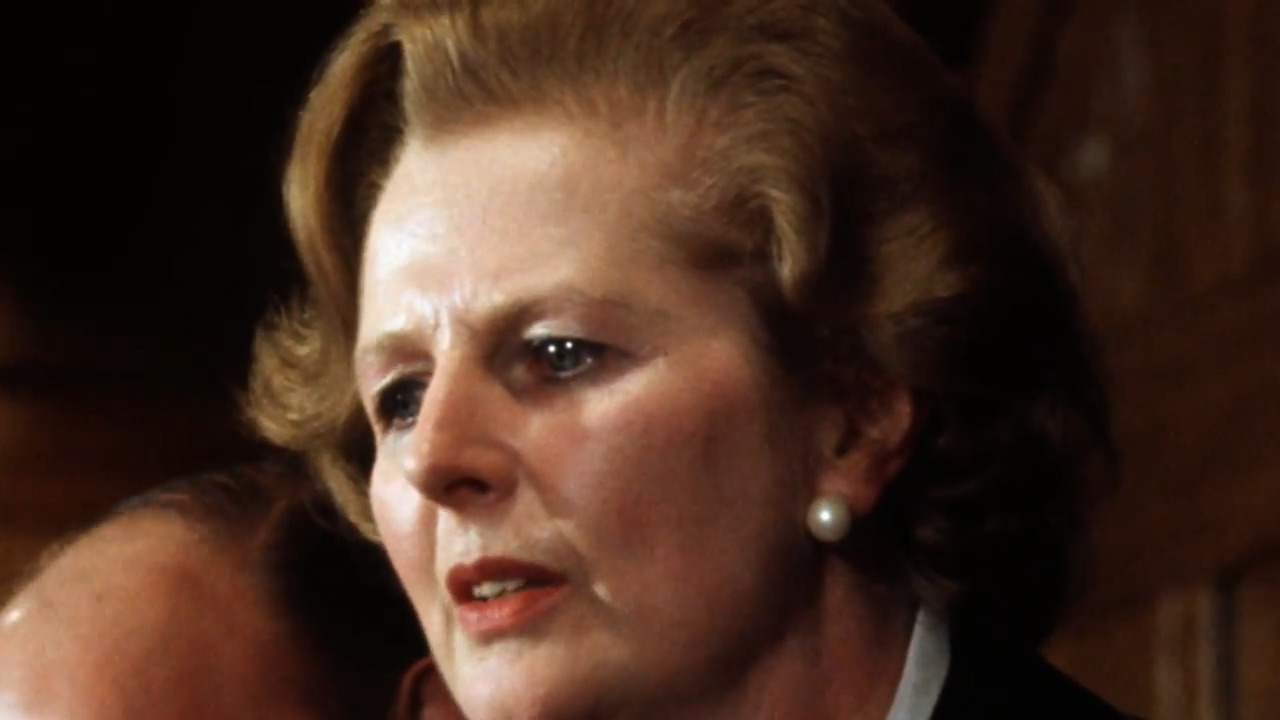
In Margaret Thatcher and Hillary Clinton, Women in Power, explore the experiences of female political leaders. Thatcher attributed her success to her abilities, and didn't focus on being a woman, though some critics say she didn’t create paths for other women. Clinton faced criticism for not emphasizing women’s rights in her 2008 presidential campaign. This video is excerpted from BBC's Her Story: The Female Revolution, which explores the history and impact of women’s rights movements and achievements of women.
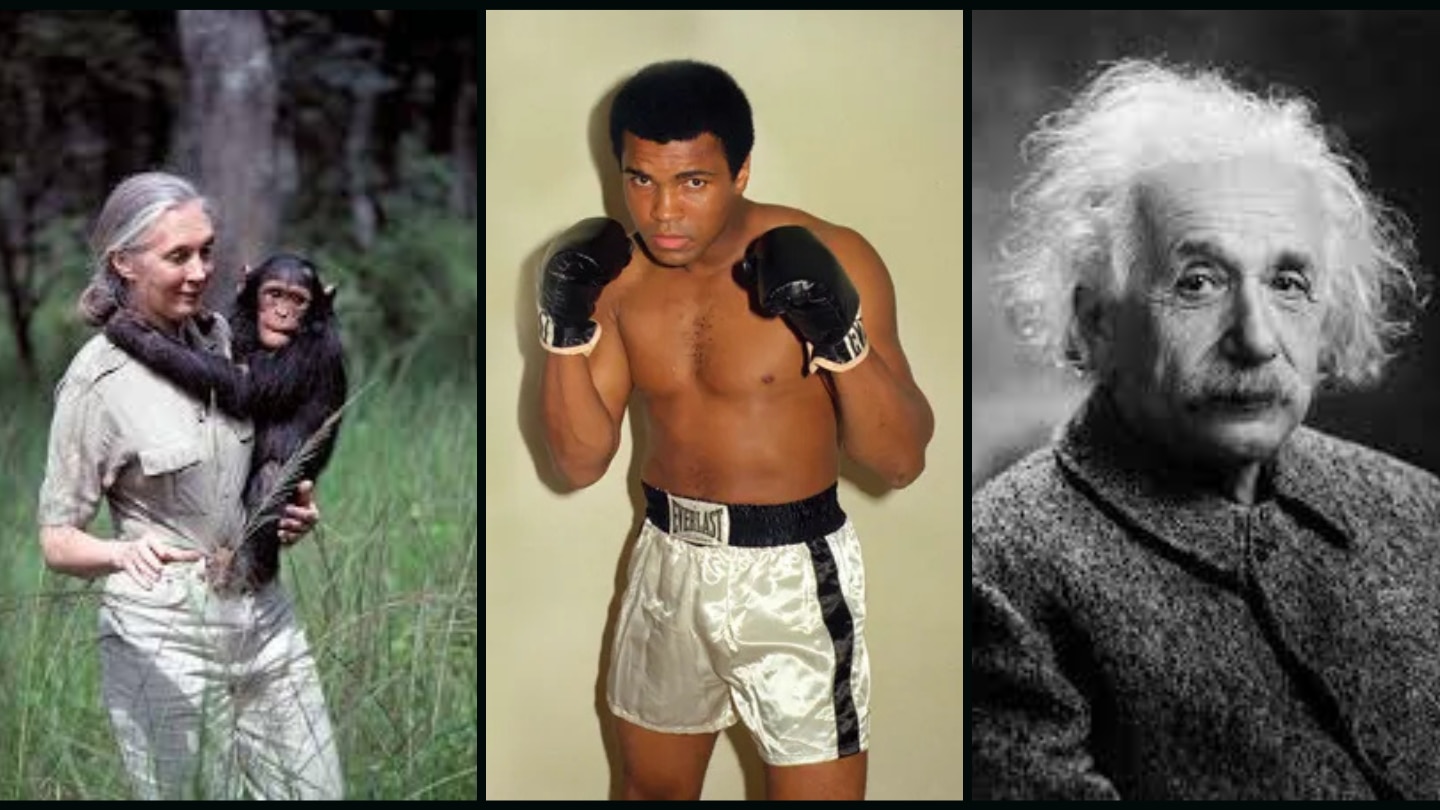
Meet the Icons of the 20th Century. From brilliant scientists and inspiring activists to legendary athletes and artists, these remarkable individuals changed the world in powerful ways. In this video playlist of clips from BBC's Icons: The Greatest Person of the 20th Century, meet Muhammad Ali, Helen Keller, Albert Einstein, Martin Luther King Jr., Pablo Picasso, Jane Goodall, Pelé, Billie Holiday and others — each a trailblazer who shaped history through courage, creativity, and conviction. A perfect playlist to inspire young minds to think big and act boldly!
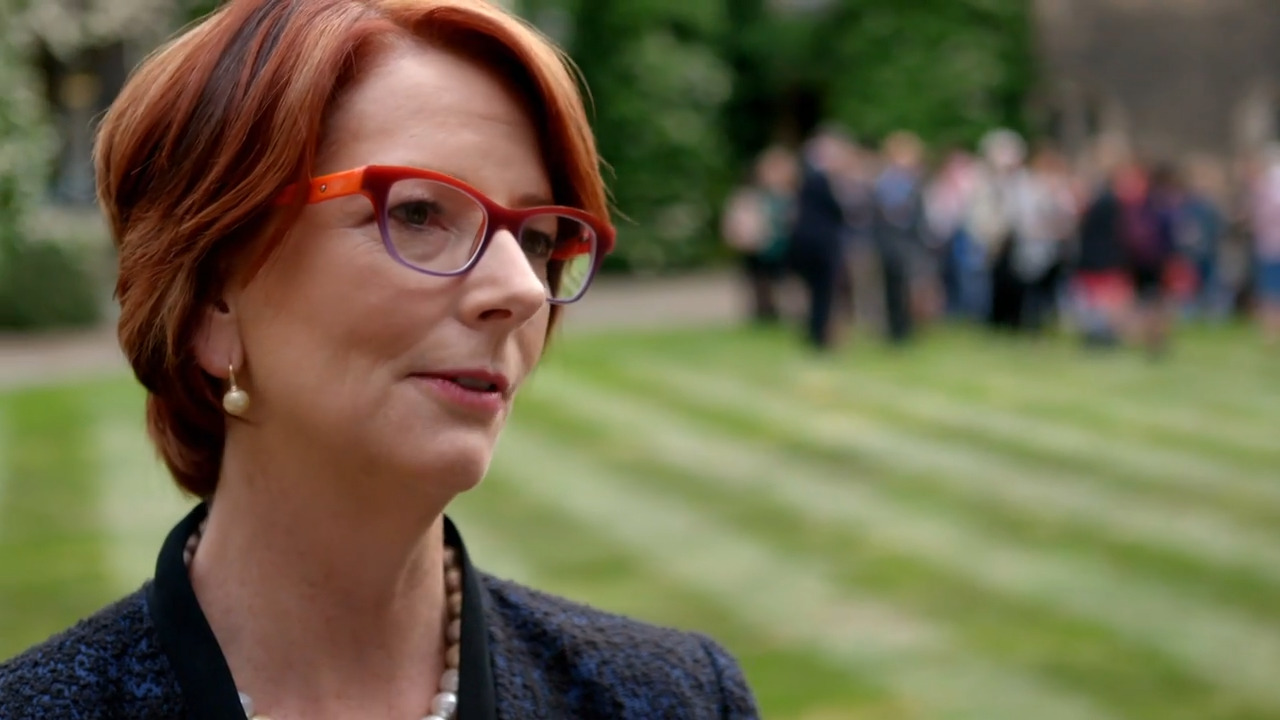
In Julia Gillard, Education Advocate, listen as the former Australian Prime Minister reflects on her leadership and her work to expand education opportunities for girls worldwide. Drawing from her family’s experience with poverty and limited schooling, she advocates for equal access to education while facing criticism and gender bias during her political career. This video is excerpted from BBC's Her Story: The Female Revolution, which explores the history and impact of women’s rights movements and achievements of women.
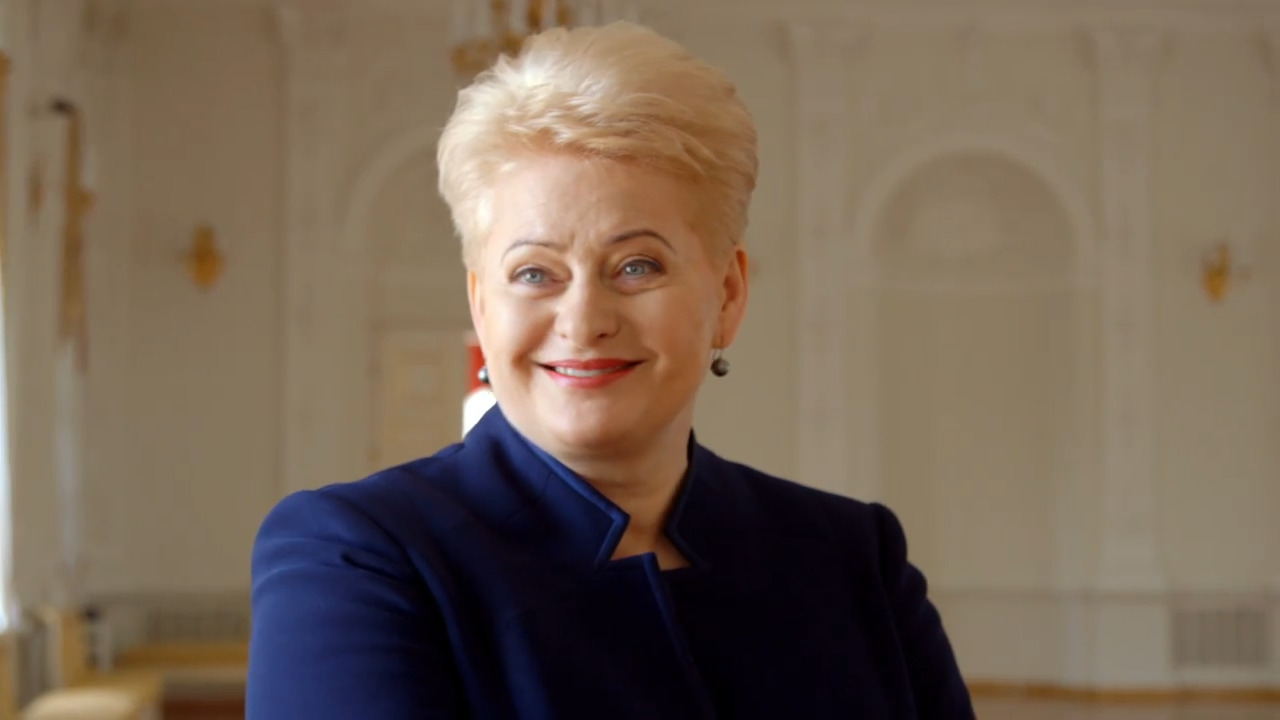
In Dalia Grybauskaitė, President of Lithuania, learn how Grybauskaitė rose to leadership in a country shaped by Soviet control and conflict. Although she never planned to become a leader, she accepted the responsibility and later defended Lithuania’s independence with confidence, even when facing powerful leaders who expected her to be afraid. This video is excerpted from BBC's Her Story: The Female Revolution, which explores the history and impact of women’s rights movements and achievements of women.
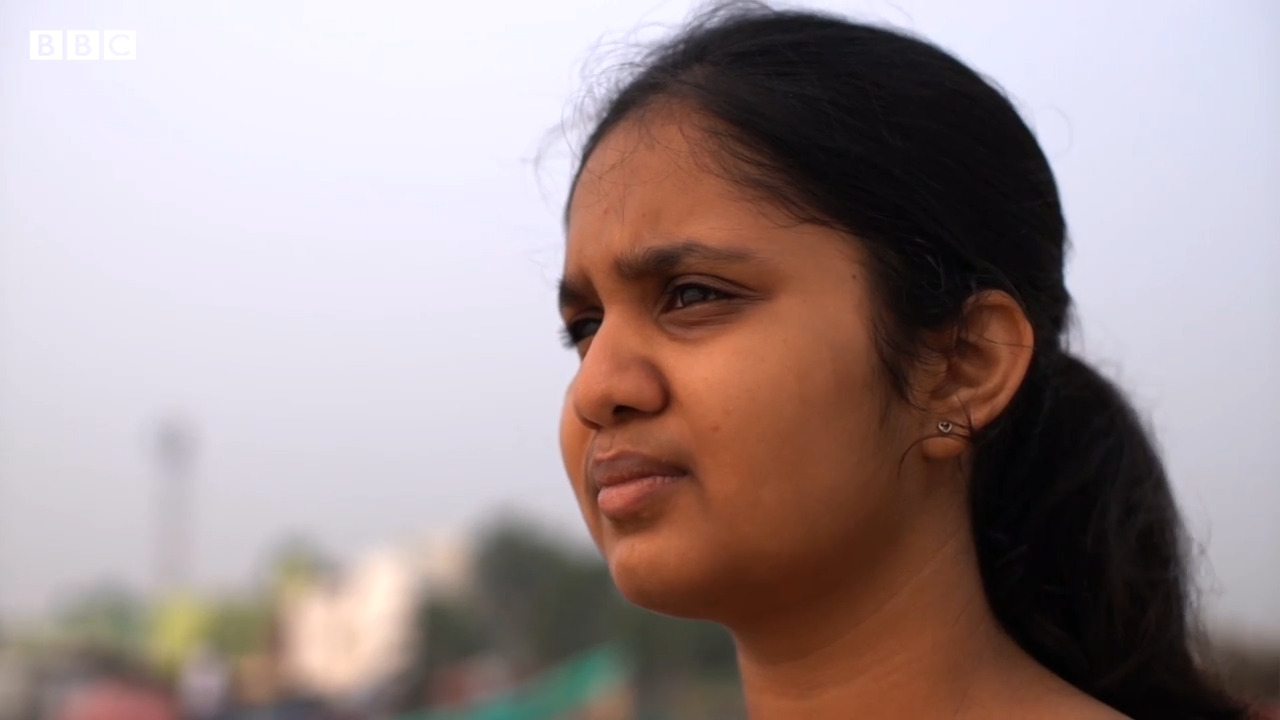
In Understanding Gender Equality, host Radzi Chinyanganya introduces 16-year-old Pallavi from Chennai, India, who shares her personal experience with gender inequality. She reflects on broader issues like sexism and violence against women while also highlighting the everyday discrimination she faces, such as the lower expectations placed on her in her karate lessons, despite achieving a black belt ranking. This video is excerpted from BBC’s My World, a program created for teenagers eager to learn more about the important stories shaping our world.
In Christine Lagarde, Titan of Finance, learn how Lagarde made history as the first woman to lead the International Monetary Fund and now serves as President of the European Central Bank. She shares stories about overcoming challenges in a male-dominated field, including being told she could never become a law firm partner simply because she was a woman. She worked tirelessly while raising two children, later earning their admiration for paving her own way. Lagarde believes that empowering women in finance and leadership will create prosperity for all. This video is excerpted from BBC's Her Story: The Female Revolution, which explores the history and impact of women’s rights movements and achievements of women.
In Michelle Bachelet, Chile's First Woman President, learn how Michelle Bachelet challenged traditional expectations in a conservative country. As an atheist and a divorced single mother, she promoted gender equality by appointing an equal number of men and women to her cabinet, reshaping leadership norms. This video is excerpted from BBC's Her Story: The Female Revolution, which explores the history and impact of women’s rights movements and achievements of women.
Meet Seven Women Leaders From All Around the World Who Broke Barriers.
They navigated crisis, criticism, and political pressure. They were pioneers, reformers, and power brokers — but they were also complex figures shaped by culture, controversy, and the eras in which they governed. In honor of Women’s History Month, this video playlist explores influential leaders from around the globe through BBC clips featuring Hillary Clinton, Margaret Thatcher, Michelle Bachelet, and more.
From national parliaments to international financial institutions, these women led in vastly different political systems and cultural landscapes. Some championed social reform. Others advanced market-driven policies. All faced intense scrutiny — not only for their decisions, but for their leadership styles, identities, and the expectations placed upon women in power.
This thoughtful playlist invites students to examine leadership with nuance: How do gender and politics intersect? How do public expectations shape women leaders differently? And what can we learn from both their accomplishments and their controversies?
Explore the experiences of women who reached the highest levels of political leadership in this Kahoot about power, representation, and social change. Through the stories of Margaret Thatcher, Hillary Clinton, and Michelle Bachelet, students will examine how gender, prejudice, and feminism have shaped women’s paths to leadership in different countries and time periods.
This Kahoot explores the challenges and expectations faced by women in politics, including public perception, stereotypes, representation, and the debate over equality and leadership. Students will build listening skills, vocabulary, and historical awareness while considering how women leaders have influenced politics and challenged traditional ideas about power around the world.
Watch the related BBC video, Margaret Thatcher and Hillary Clinton, Women in Power, then invite your Grade 6–12 students to test their knowledge and explore how leadership and representation continue to shape society today.
In Women in Politics, host Radzi Chinyanganya explores the current state of gender representation in global politics. At present, 25% of politicians worldwide are women. This video delves into the importance of gender quotas, which aim to ensure more female representation in governments and help level the playing field in leadership positions. This video is excerpted from BBC’s My World, a program created for teenagers eager to learn more about the important stories shaping our world.
Explore how women are represented in films and why those portrayals matter in this Kahoot inspired by BBC’s Her Story —The Female Revolution. Through the ideas and research shared by Geena Davis and the Geena Davis Institute on Gender in Media, students will examine how movies and television influence the way people think about gender, power, and equality.
This Kahoot explores questions about representation, stereotypes, screen time, leadership roles, and how media can shape expectations for girls and boys. Students will build listening skills, vocabulary, and critical-thinking abilities while considering why balanced representation in film and entertainment can have a powerful social impact.
Watch the related BBC video, The Fight for Females in Film, then invite your Grade 6–12 students to test their knowledge and explore how storytelling and media influence culture, identity, and opportunity.
Explore the remarkable career and global influence of Christine Lagarde, whose leadership helped shape major economic decisions around the world. From her early work in international law to leading some of the world’s most powerful financial institutions, students will discover how Lagarde broke barriers and became one of the most influential women in global finance.
This Kahoot examines key moments in Lagarde’s journey, including her leadership roles at the International Monetary Fund and the European Central Bank, and how her approach to leadership challenged traditional ideas about economics and decision-making. Students will build listening skills, vocabulary, and historical awareness while exploring topics such as global finance, leadership, international cooperation, and gender equality.
Watch the related BBC video, Christine Lagarde, Titan of Finance, then invite your Grade 6–12 students to test their knowledge and explore how leadership, resilience, and innovation can shape the world stage.
In Margaret Thatcher and Hillary Clinton, Women in Power, explore the experiences of female political leaders. Thatcher attributed her success to her abilities, and didn't focus on being a woman, though some critics say she didn’t create paths for other women. Clinton faced criticism for not emphasizing women’s rights in her 2008 presidential campaign. This video is excerpted from BBC's Her Story: The Female Revolution, which explores the history and impact of women’s rights movements and achievements of women.
Meet the Icons of the 20th Century. From brilliant scientists and inspiring activists to legendary athletes and artists, these remarkable individuals changed the world in powerful ways. In this video playlist of clips from BBC's Icons: The Greatest Person of the 20th Century, meet Muhammad Ali, Helen Keller, Albert Einstein, Martin Luther King Jr., Pablo Picasso, Jane Goodall, Pelé, Billie Holiday and others — each a trailblazer who shaped history through courage, creativity, and conviction. A perfect playlist to inspire young minds to think big and act boldly!
In Julia Gillard, Education Advocate, listen as the former Australian Prime Minister reflects on her leadership and her work to expand education opportunities for girls worldwide. Drawing from her family’s experience with poverty and limited schooling, she advocates for equal access to education while facing criticism and gender bias during her political career. This video is excerpted from BBC's Her Story: The Female Revolution, which explores the history and impact of women’s rights movements and achievements of women.
In Dalia Grybauskaitė, President of Lithuania, learn how Grybauskaitė rose to leadership in a country shaped by Soviet control and conflict. Although she never planned to become a leader, she accepted the responsibility and later defended Lithuania’s independence with confidence, even when facing powerful leaders who expected her to be afraid. This video is excerpted from BBC's Her Story: The Female Revolution, which explores the history and impact of women’s rights movements and achievements of women.
In Understanding Gender Equality, host Radzi Chinyanganya introduces 16-year-old Pallavi from Chennai, India, who shares her personal experience with gender inequality. She reflects on broader issues like sexism and violence against women while also highlighting the everyday discrimination she faces, such as the lower expectations placed on her in her karate lessons, despite achieving a black belt ranking. This video is excerpted from BBC’s My World, a program created for teenagers eager to learn more about the important stories shaping our world.