Christine Lagarde, Titan of Finance
In Christine Lagarde, Titan of Finance, learn how Lagarde made history as the first woman to lead the International Monetary Fund and now serves as President of the European Central Bank. She shares stories about overcoming challenges in a male-dominated field, including being told she could never become a law firm partner simply because she was a woman. She worked tirelessly while raising two children, later earning their admiration for paving her own way. Lagarde believes that empowering women in finance and leadership will create prosperity for all. This video is excerpted from BBC's Her Story: The Female Revolution, which explores the history and impact of women’s rights movements and achievements of women.

With access to some of the most powerful and influential women in the world, as well as women working at the grassroots level, BBC World News explores how women are taking charge and leading in an often male-dominated world. Learn more.
Lesson Express
Q: Christine Lagarde faced obstacles as a woman in finance and law but kept pushing forward. What qualities do you think helped her succeed despite these challenges?
A: She showed determination, confidence, and resilience. Instead of letting rejection stop her, she used it as motivation to work harder and prove herself.
Q: Lagarde was told she could never be a partner at a law firm just because she was a woman. How do you think being treated unfairly like this affected her career choices?
A: Being told she couldn’t succeed may have made her even more determined to prove people wrong. Instead of giving up, she worked hard and became one of the most powerful women in finance.
Q: Lagarde says that millions of women around the world have the potential to contribute to the economy. What are some barriers that might keep people from reaching their full potential, and how can they be overcome?
A: Barriers like lack of education, unfair treatment, or limited opportunities can hold people back. These challenges can be overcome through education, supportive communities, and laws that promote equality.
You Might Also Like
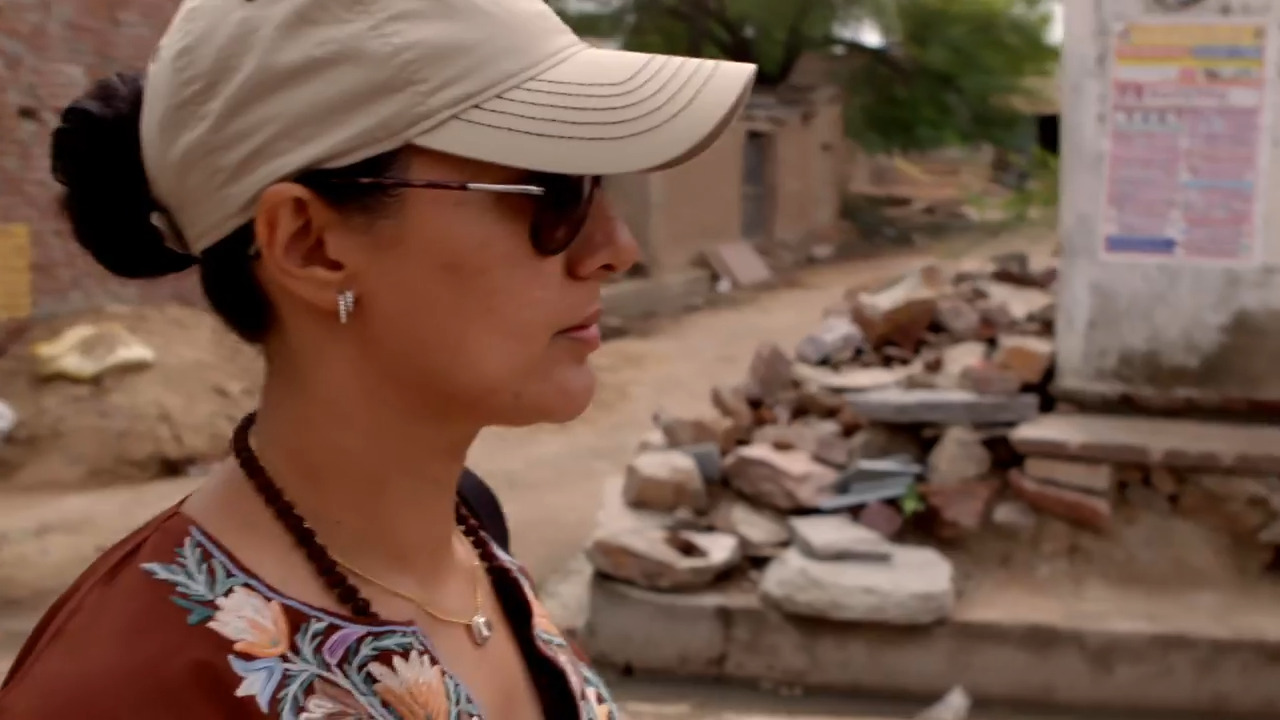
In Chhavi Rajawat, Local Leader in India, learn how Rajawat left her corporate career to serve her rural community in India. After new quotas increased opportunities for women leaders, she took on a mayor-like role to help address poverty and challenges faced by villagers, especially women. This video is excerpted from BBC's Her Story: The Female Revolution, which explores the history and impact of women’s rights movements and achievements of women.
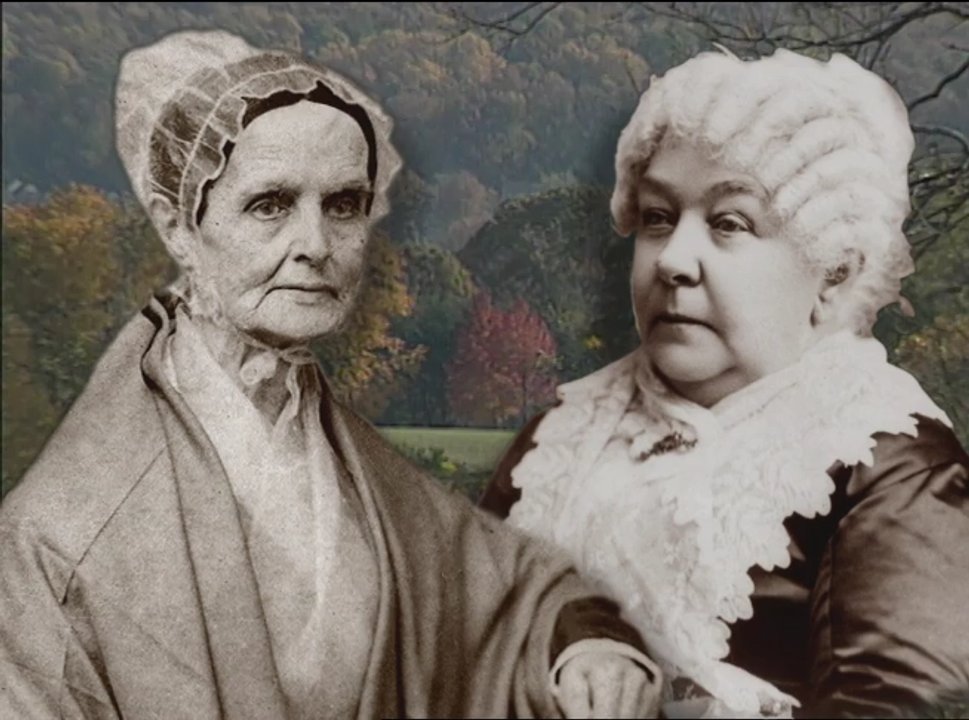
In the early 1800s, religious revivals and reform movements inspired Americans to challenge social inequalities. In 1848, women’s rights advocates Lucretia Mott and Elizabeth Cady Stanton helped organize the Seneca Falls Convention in New York, the first major women’s rights convention in the United States. About 300 people attended the gathering to discuss women’s legal, social, and political status.
At the convention, participants approved the Declaration of Sentiments, a document modeled on the Declaration of Independence that declared, “All men and women are created equal.” It outlined inequalities women faced, including the denial of voting rights and limited access to education, professions, and legal protections. One hundred people signed the declaration, helping bring greater attention to the women’s rights movement. The Seneca Falls Convention became an important milestone in the long struggle for gender equality.
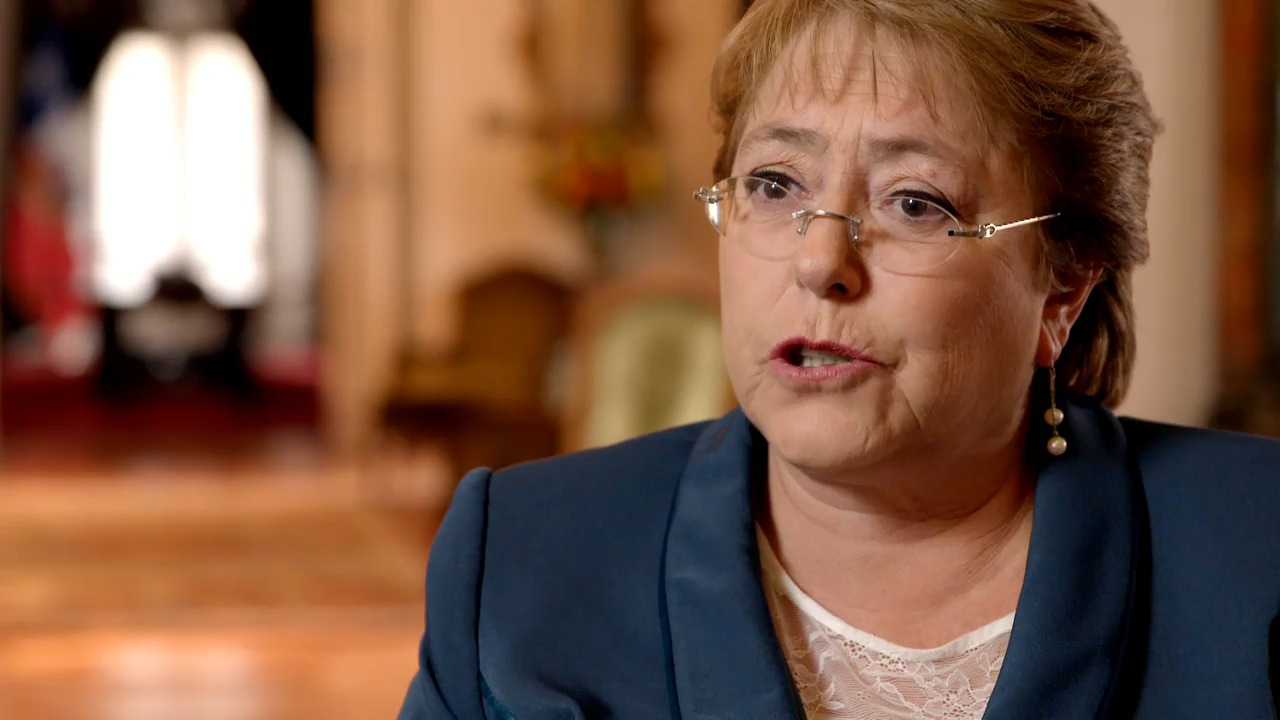
In Michelle Bachelet, Chile's First Woman President, learn how Michelle Bachelet challenged traditional expectations in a conservative country. As an atheist and a divorced single mother, she promoted gender equality by appointing an equal number of men and women to her cabinet, reshaping leadership norms. This video is excerpted from BBC's Her Story: The Female Revolution, which explores the history and impact of women’s rights movements and achievements of women.
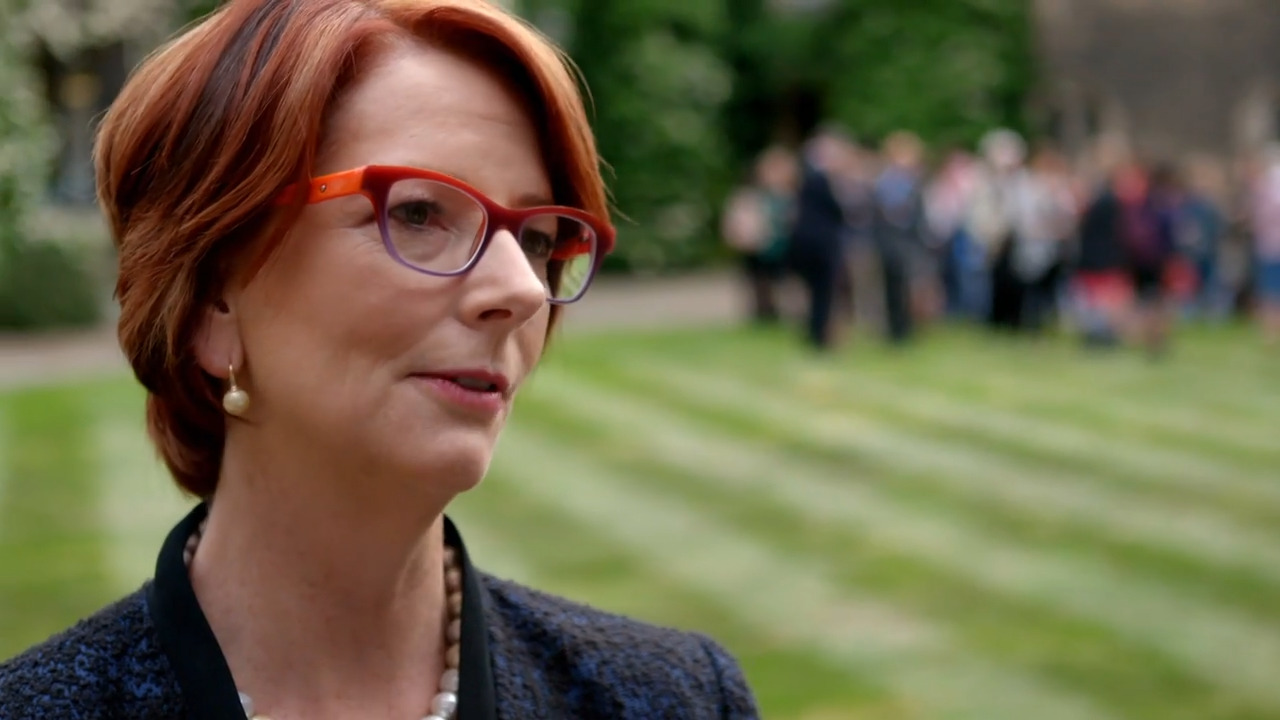
In Julia Gillard, Education Advocate, listen as the former Australian Prime Minister reflects on her leadership and her work to expand education opportunities for girls worldwide. Drawing from her family’s experience with poverty and limited schooling, she advocates for equal access to education while facing criticism and gender bias during her political career. This video is excerpted from BBC's Her Story: The Female Revolution, which explores the history and impact of women’s rights movements and achievements of women.
In Chhavi Rajawat, Local Leader in India, learn how Rajawat left her corporate career to serve her rural community in India. After new quotas increased opportunities for women leaders, she took on a mayor-like role to help address poverty and challenges faced by villagers, especially women. This video is excerpted from BBC's Her Story: The Female Revolution, which explores the history and impact of women’s rights movements and achievements of women.
In the early 1800s, religious revivals and reform movements inspired Americans to challenge social inequalities. In 1848, women’s rights advocates Lucretia Mott and Elizabeth Cady Stanton helped organize the Seneca Falls Convention in New York, the first major women’s rights convention in the United States. About 300 people attended the gathering to discuss women’s legal, social, and political status.
At the convention, participants approved the Declaration of Sentiments, a document modeled on the Declaration of Independence that declared, “All men and women are created equal.” It outlined inequalities women faced, including the denial of voting rights and limited access to education, professions, and legal protections. One hundred people signed the declaration, helping bring greater attention to the women’s rights movement. The Seneca Falls Convention became an important milestone in the long struggle for gender equality.
In Michelle Bachelet, Chile's First Woman President, learn how Michelle Bachelet challenged traditional expectations in a conservative country. As an atheist and a divorced single mother, she promoted gender equality by appointing an equal number of men and women to her cabinet, reshaping leadership norms. This video is excerpted from BBC's Her Story: The Female Revolution, which explores the history and impact of women’s rights movements and achievements of women.
In Julia Gillard, Education Advocate, listen as the former Australian Prime Minister reflects on her leadership and her work to expand education opportunities for girls worldwide. Drawing from her family’s experience with poverty and limited schooling, she advocates for equal access to education while facing criticism and gender bias during her political career. This video is excerpted from BBC's Her Story: The Female Revolution, which explores the history and impact of women’s rights movements and achievements of women.