
The article "Beat Winter Illness: Science-Backed Tips to Stay Healthy" from BBC's Science Focus covers evidence-based remedies like taking zinc and vitamin C, washing hands regularly, and getting a flu vaccine to stay healthy during winter.

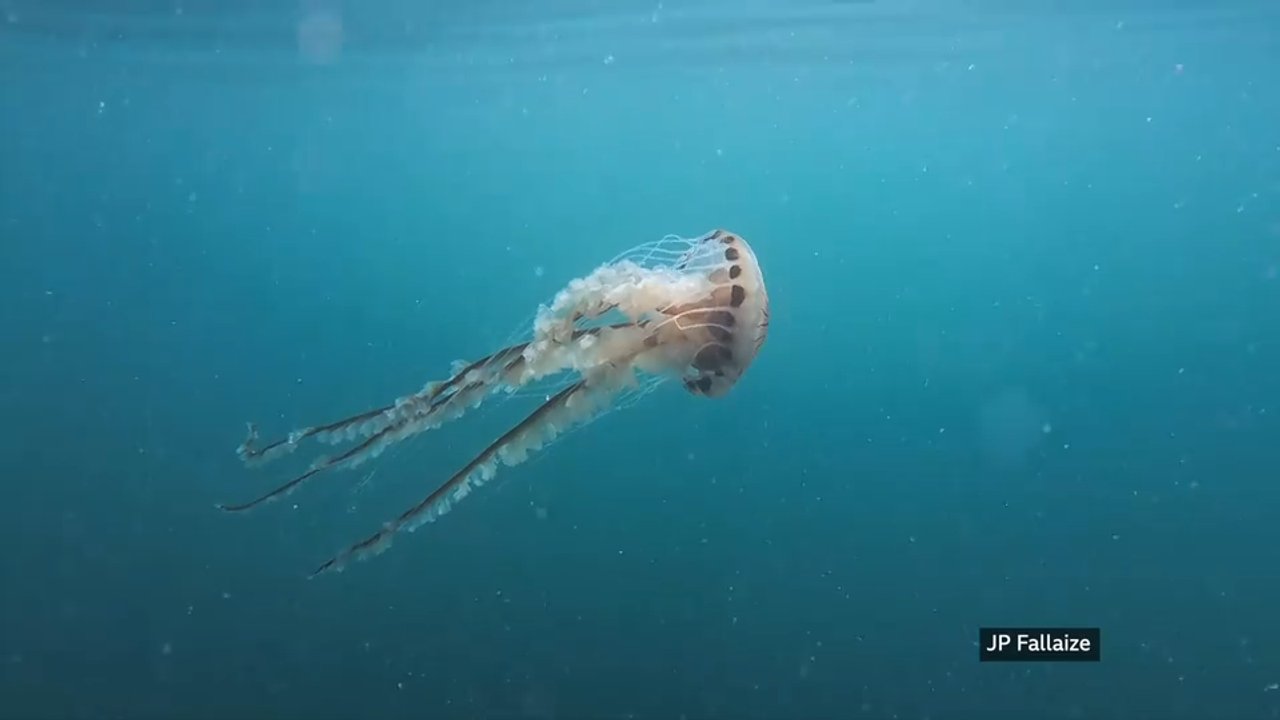
Rising ocean temperatures are starting to change what fishers can find in the waters around Guernsey. The average sea temperature there is normally 16°C to 17°C (61°F to 63°F), but marine heatwaves have pushed surface temperatures higher, reaching around 17.7°C (63.8°F) in July. That may sound like a small increase, but it's enough to shift the behavior of local marine life.
Warmer water actually benefits some species. Octopuses and tuna tend to do well in these conditions, especially when mild winters mean fewer cold-related die-offs. But other species respond by moving toward cooler waters instead. Cold-water crustaceans like crabs, scallops, and lobsters are becoming harder to find as a result, making them more difficult for local fishers to catch.
That shift isn't just an environmental issue — it's an economic one. Fishing crews are having to adapt to new species showing up in their waters, often faster than laws, equipment, and markets can keep up.
Organizations like Sea Fisheries, the government service that manages and protects Guernsey's marine and fishing resources, and DEFRA (the Department for Environment, Food, and Rural Affairs) are working to support the fishing industry through these changes. But experts say protecting the health of marine ecosystems more broadly is just as important, since healthier seas are better equipped to withstand future heatwaves. In the long run, that could benefit both wildlife and fishing communities.
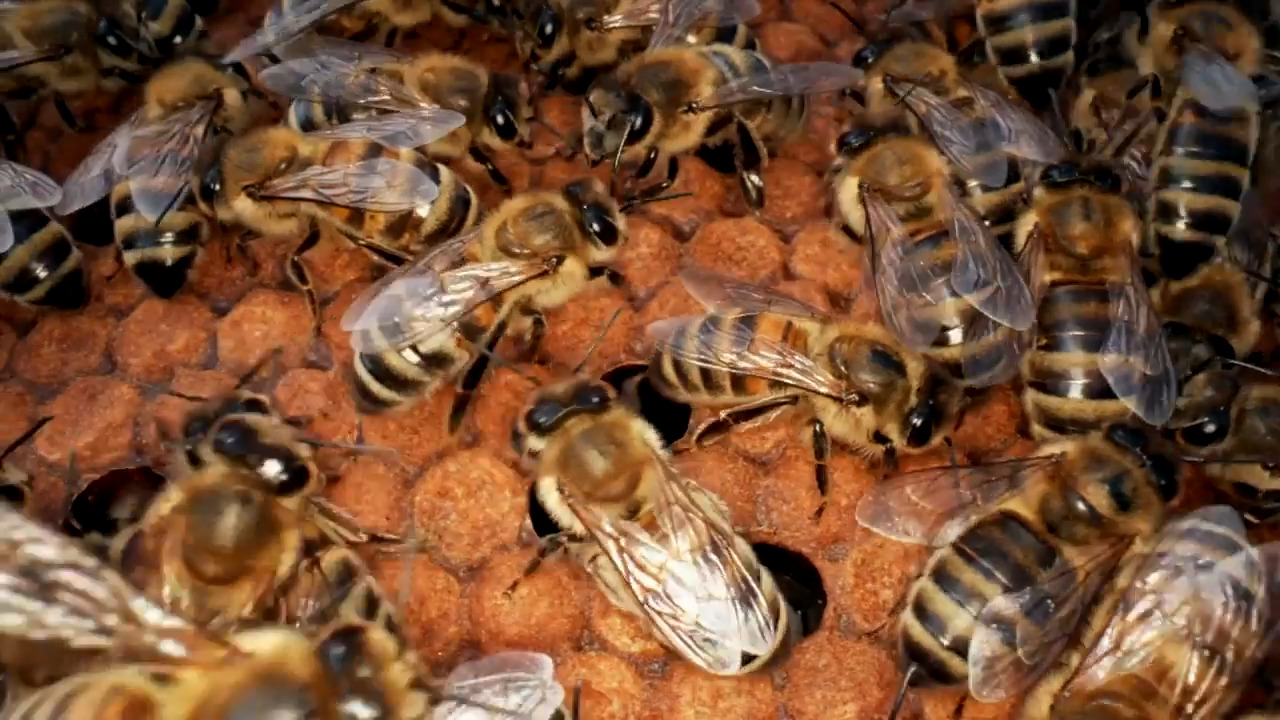
Beekeeper Nick was confused when his bees kept dying off. He kept his hives being stocked with food, so why did he still lose around 75% of the colony? The answer was in what was (or wasn’t) in his bees’ food.
In the wild, bees take what they need from flowers to make honey, and then feed off this honey in the winter. When we take this honey for ourselves, beekeepers replace it with supplementary food in the form of sugar and water, and scientists now say that bees can’t subsist off of just sugar and water, as the simple combination was missing key nutrients. Your parents probably said the same thing about why you can’t just have cake for dinner!
After years of testing different foods for bees, scientists have finally discovered how to make the core ingredient, called “sterole.” Oxford scientists have been developing the best foods for bees, and have found that the bees who consumed the food with sterole were healthier, and had up to 15 times more baby bees! This breakthrough is incredibly important — it means bees can still thrive without floral pollen, which would also help our food security, since bees are so important for pollinating crops.
The article "Beat Winter Illness: Science-Backed Tips to Stay Healthy" from BBC's Science Focus covers evidence-based remedies like taking zinc and vitamin C, washing hands regularly, and getting a flu vaccine to stay healthy during winter.
Rising ocean temperatures are starting to change what fishers can find in the waters around Guernsey. The average sea temperature there is normally 16°C to 17°C (61°F to 63°F), but marine heatwaves have pushed surface temperatures higher, reaching around 17.7°C (63.8°F) in July. That may sound like a small increase, but it's enough to shift the behavior of local marine life.
Warmer water actually benefits some species. Octopuses and tuna tend to do well in these conditions, especially when mild winters mean fewer cold-related die-offs. But other species respond by moving toward cooler waters instead. Cold-water crustaceans like crabs, scallops, and lobsters are becoming harder to find as a result, making them more difficult for local fishers to catch.
That shift isn't just an environmental issue — it's an economic one. Fishing crews are having to adapt to new species showing up in their waters, often faster than laws, equipment, and markets can keep up.
Organizations like Sea Fisheries, the government service that manages and protects Guernsey's marine and fishing resources, and DEFRA (the Department for Environment, Food, and Rural Affairs) are working to support the fishing industry through these changes. But experts say protecting the health of marine ecosystems more broadly is just as important, since healthier seas are better equipped to withstand future heatwaves. In the long run, that could benefit both wildlife and fishing communities.
Beekeeper Nick was confused when his bees kept dying off. He kept his hives being stocked with food, so why did he still lose around 75% of the colony? The answer was in what was (or wasn’t) in his bees’ food.
In the wild, bees take what they need from flowers to make honey, and then feed off this honey in the winter. When we take this honey for ourselves, beekeepers replace it with supplementary food in the form of sugar and water, and scientists now say that bees can’t subsist off of just sugar and water, as the simple combination was missing key nutrients. Your parents probably said the same thing about why you can’t just have cake for dinner!
After years of testing different foods for bees, scientists have finally discovered how to make the core ingredient, called “sterole.” Oxford scientists have been developing the best foods for bees, and have found that the bees who consumed the food with sterole were healthier, and had up to 15 times more baby bees! This breakthrough is incredibly important — it means bees can still thrive without floral pollen, which would also help our food security, since bees are so important for pollinating crops.