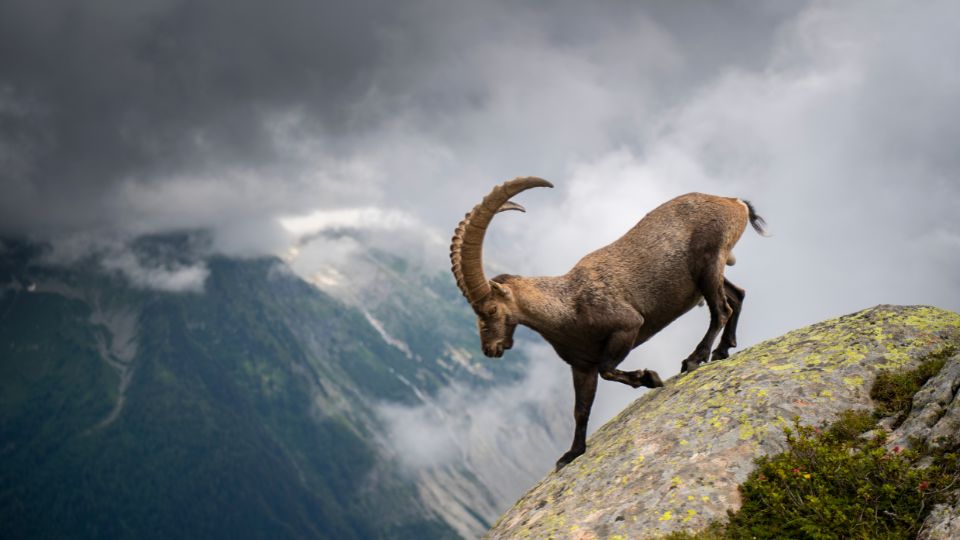
Meet the extreme survivors. Penguins, giraffes, golden snub-nosed monkeys, Namaqua chameleons — these animals have evolved remarkable ways to endure some of the harshest conditions on Earth. We've put together a collection of BBC video clips all about extreme survivors (see Related Resources below). Watch them, then take the Kahoot to see what stuck.
The adaptations are wide-ranging: penguins withstand sub-zero temperatures, giraffes manage naturally high blood pressure, snub-nosed monkeys huddle together to survive freezing nights, and Namaqua chameleons shift skin color to beat the heat of the day. Explore how these animals have adapted, body and behavior, to survive against the odds.
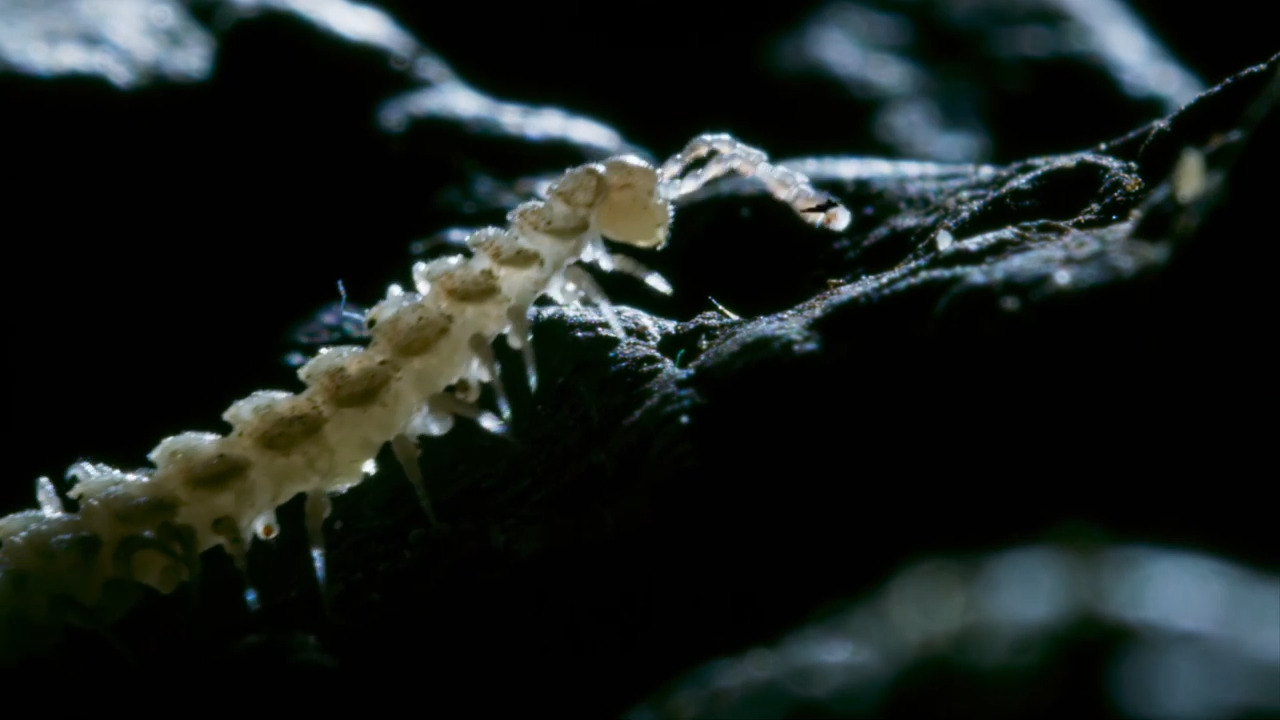
In Olms in the Caves of Slovenia, narrator Sir David Attenborough discusses the strange creatures that are found in the caves in Slovenia: olms. They are some of the most specialized creatures on the planet. They can breathe in both air and water and can survive without food for a decade. This video is excerpted from BBC’s Seven Worlds, One Planet, a series featuring remarkable animal behavior from all seven continents.
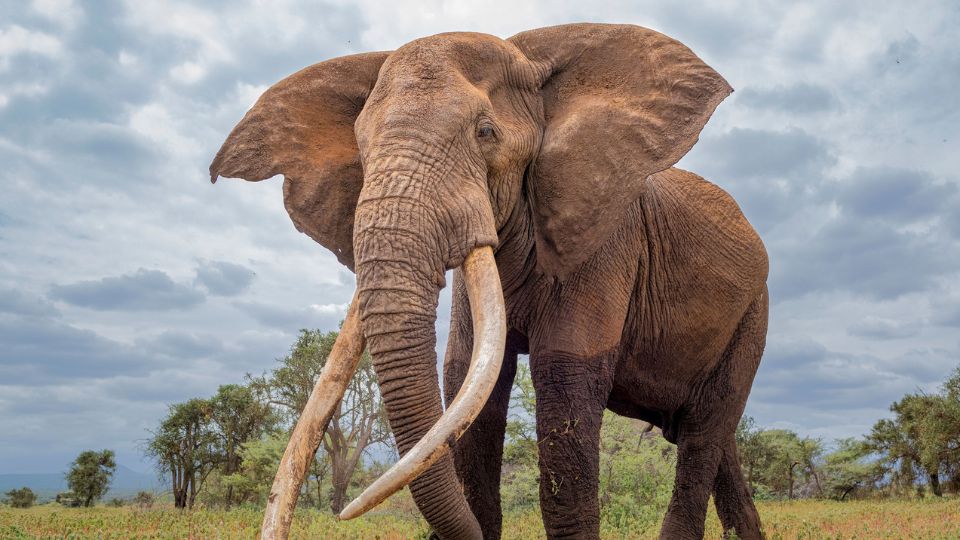
Explore the wide-open world of grasslands and discover the amazing animals that live in one of Earth’s largest biomes. From enormous elephants and powerful buffalo to towering Kori bustards, hardworking leafcutter ants, and rare Saiga antelope, students will learn how animals survive and thrive in these vast landscapes of grasses and few trees.
This Kahoot explores the unique features of grassland ecosystems, including climate, food chains, migration, and the special adaptations that help animals find food, avoid predators, and survive changing seasons. Students will also discover the differences between tropical savannas and temperate grasslands and the incredible diversity of life found in each.
Watch the related BBC videos (below), then invite your Grade 3–8 students to test their knowledge and uncover the wonders of life on the grasslands.
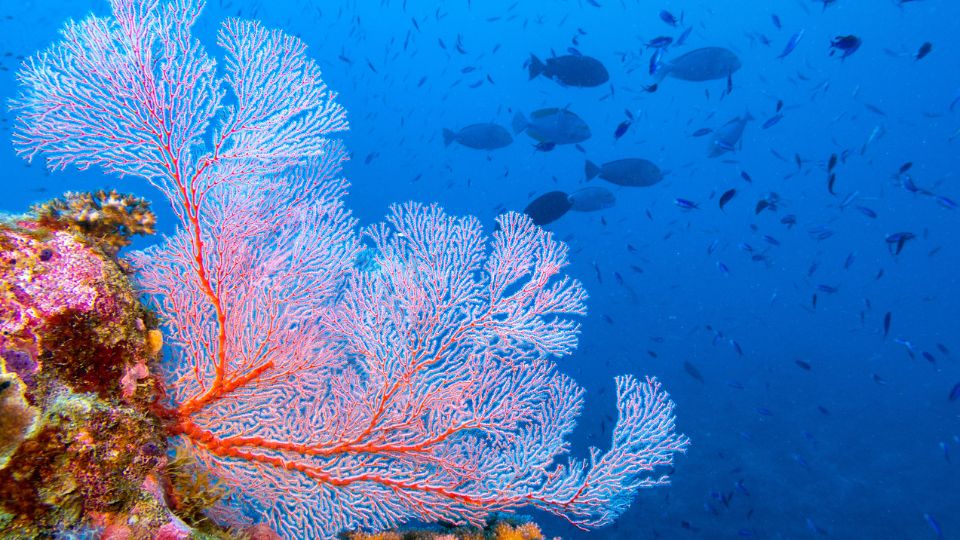
Dive beneath the waves and explore the colorful world of coral reefs and the amazing sea life they support. From bright tropical fish and graceful sea turtles to tiny coral polyps and color-changing cuttlefish, students will discover how reefs are home to some of the most diverse animal populations on Earth.
This Kahoot explores the rich ecosystems found in and around coral reefs, including the relationships between marine animals, food chains, and the special adaptations that help creatures survive underwater. Students will learn how reef animals find food, avoid predators, and depend on coral habitats for shelter and survival.
Watch the related BBC videos (below), then invite your Grade 3–8 students to test their knowledge and uncover the wonders of life beneath the sea.
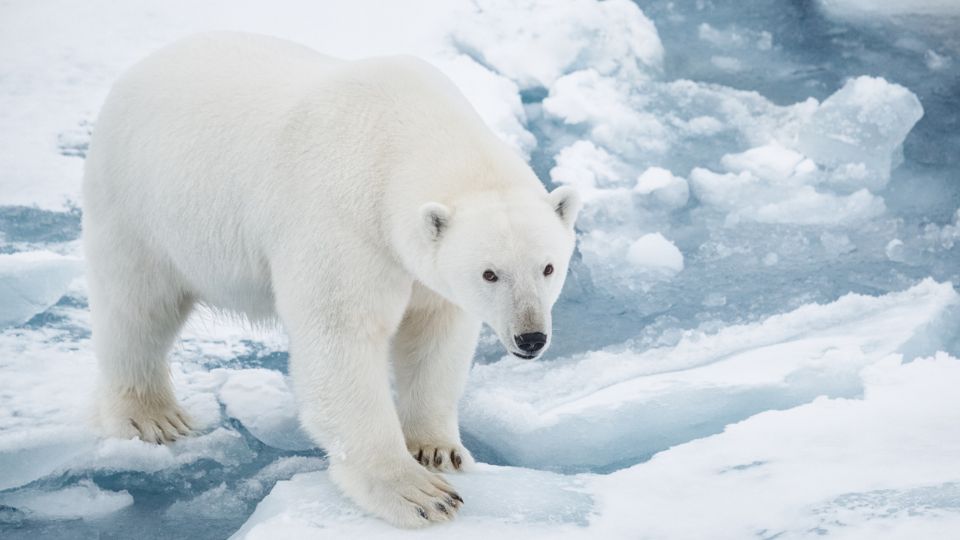
Discover the amazing animals that live in the coldest environments on Earth in this Kahoot about the polar regions. From powerful polar bears and playful seals to emperor penguins and Arctic foxes, students will explore how animals survive freezing temperatures, icy waters, and long, dark winters.
This Kahoot highlights the special adaptations that help polar animals hunt, stay warm, raise their young, and move across snow and ice. Students will also learn how different species depend on one another within polar food chains and how life continues to thrive in these extreme habitats.
Watch the related BBC videos (below), then invite your Grade 3–8 students to test their knowledge and uncover the fascinating world of polar animals.
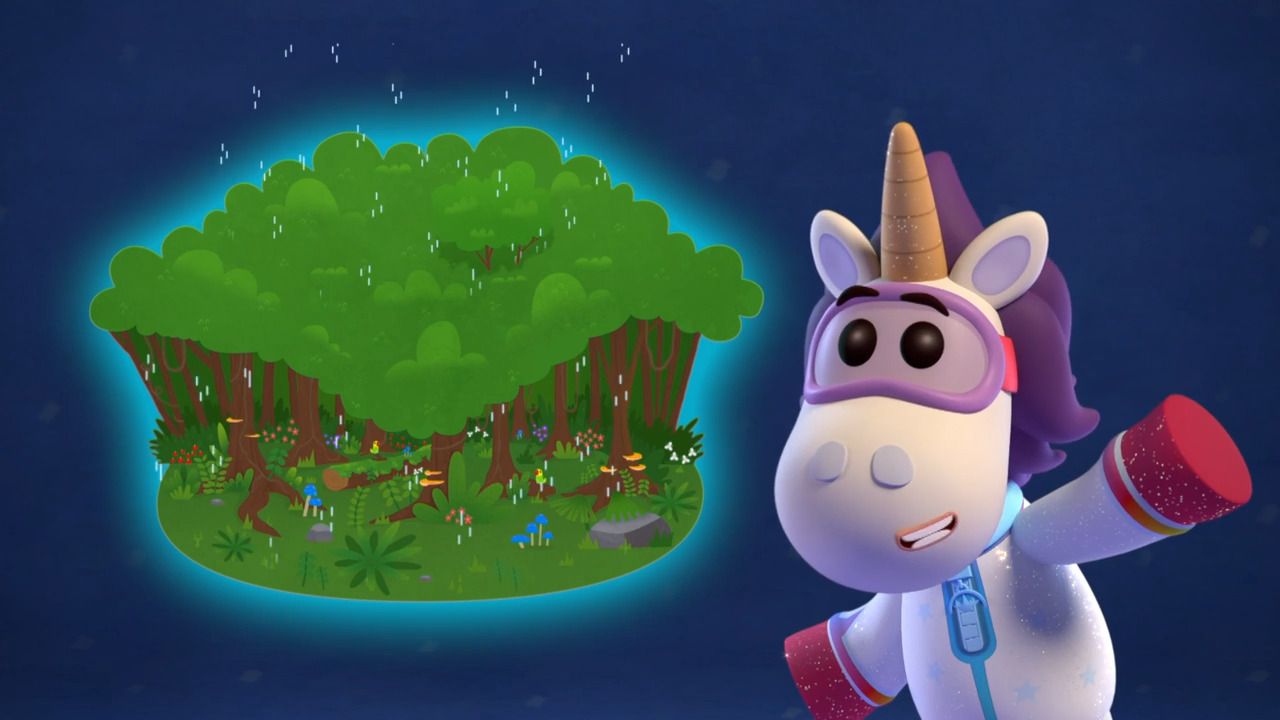
In The Go Jetters Travel to the Amazon Rainforest, Ubercorn and friends explore the magical Amazon rainforest! This rainforest is the largest in the world, with tall trees, warm weather, and rain all year long. It’s home to millions of animals and plants, all living together in a special way! This video is excerpted from BBC’s Go Jetters, a series that follows the adventures of four plucky international heroes as they travel the globe visiting the world’s most famous landmarks with their friend and mentor, Ubercorn, a disco-dancing unicorn.
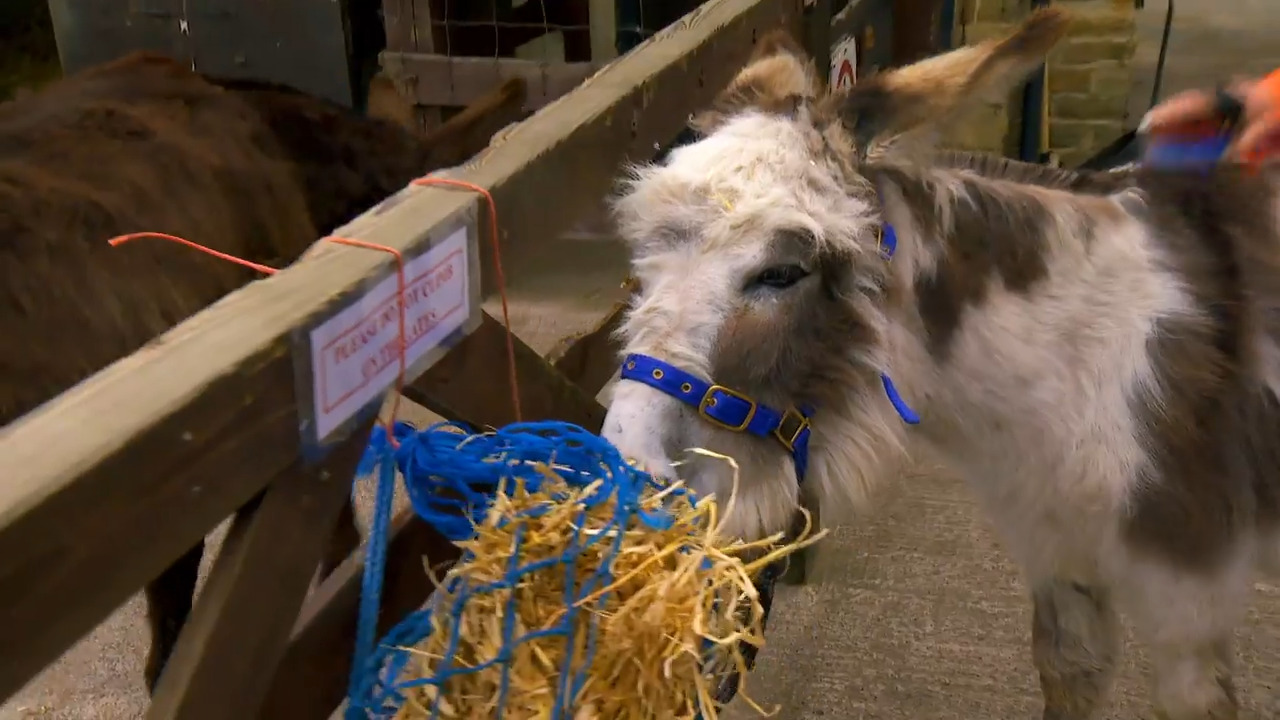
In Caring for Our Donkey Pals!, host Rory Crawford visits a lively donkey sanctuary where she meets William D, a lovable male donkey, also known as a jack. Donkeys are social creatures that love to hang out with their friends and make a silly sound called a bray — imagine a big "hee-haw"! These strong animals can carry heavy loads, but they need special care too, such as brushing their soft coats, cleaning their hooves, and providing yummy straw, grass, and fresh water. This video is excerpted from BBC’s My Pet and Me, a children’s show that introduces kids to the rewards and responsibilities involved when having a pet.

The article "Why Do Some Animals Glow? The Amazing Science of Bioluminescence" from BBC's Discover Wildlife explains how animals like glow-worms, squid, and fireflies produce light using special chemicals. It explores the role of luciferins and luciferase, the different colors of glow, and how creatures use this glow for communication, hunting, or self-defense.
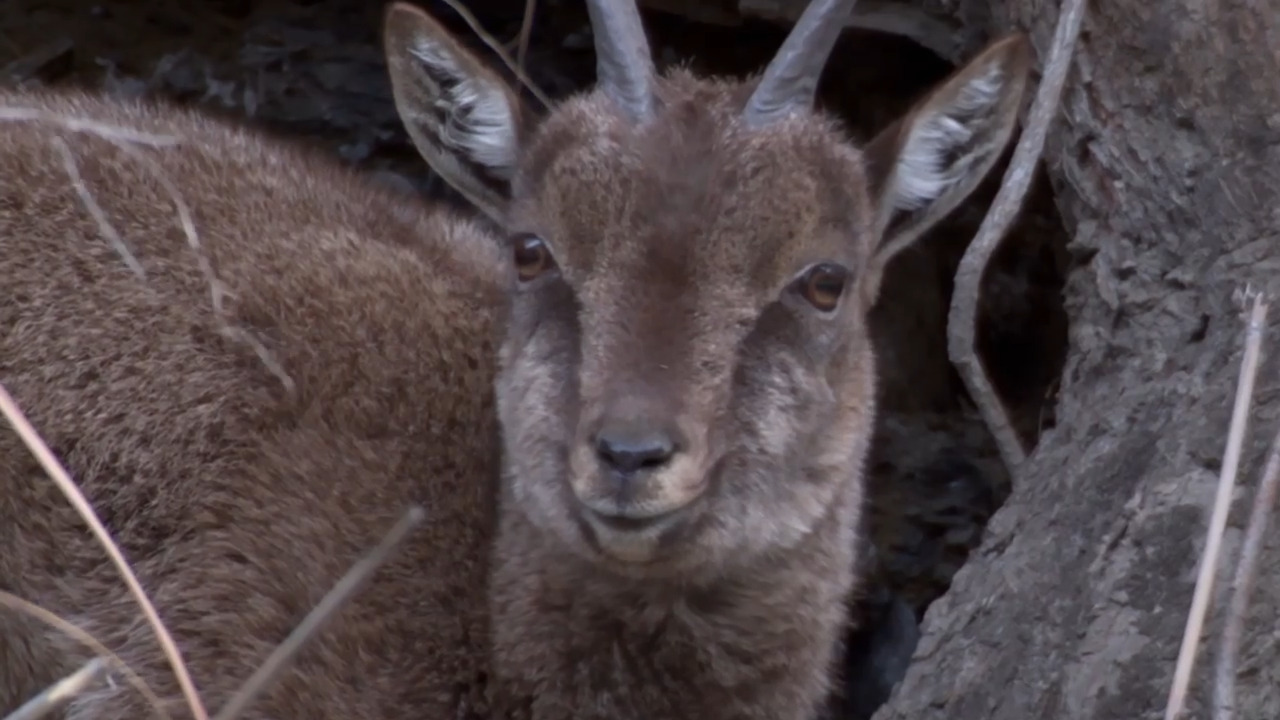
In Escaping Predators: Capuchin Monkeys and Wild Goats, narrator Gordon Buchanan details how even a young animal can play an important role in keeping predators away. Learn about how Capuchin monkeys and wild goats contribute to their communities by alerting others to the presence of danger and using their own special survival skills. This video is excerpted from BBC's Animal Babies, a heartwarming show that follows the first breaths, first steps and first feeds of some adorable baby animals, revealing the challenges they face to survive in some of the toughest but most beautiful places on the planet.
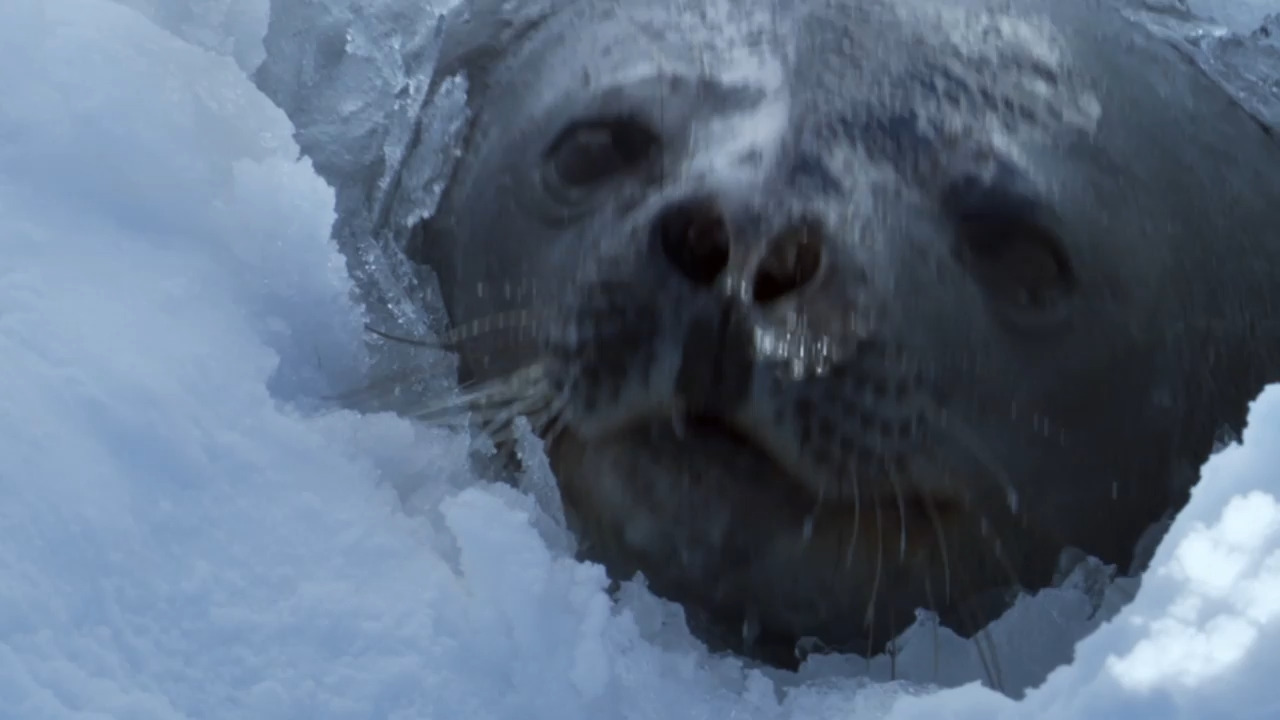
In A Weddell Seal Family's Journey, narrator Sir David Attenborough describes how a mother seal and her pup brave the freezing cold near the South Pole. These seals are the only animals that can survive here, staying warm thanks to a thick layer of fat beneath their skin and their special fur. The mother feeds her pup and carefully maintains their diving hole in the water to prevent it from freezing over, ensuring they can get air. And, at just one week old, the pup takes its first swim beneath the ice! This video is excerpted from BBC’s Life, a show that explores the remarkable strategies animals and plants use to ensure their survival.
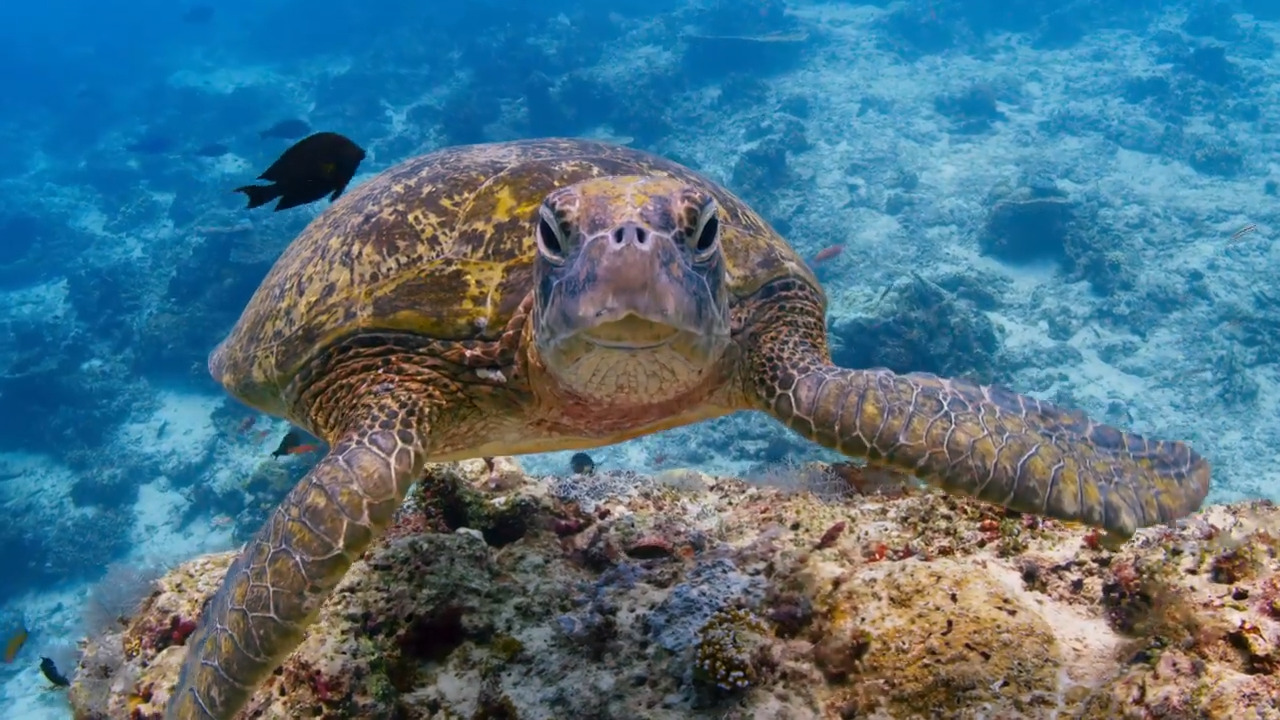
In On Turtle Rock, narrator Sir David Attenborough visits Turtle Rock, a special place in the tropical waters near Borneo. So many turtles have visited the rock over the years, they have created a hollow at the top of the rock. This video is excerpted from BBC’s Blue Planet II, a natural history series that explores the world's oceans, the animals that live in them, and the threats they face, using modern filming techniques and equipment to capture previously unseen areas of the ocean.
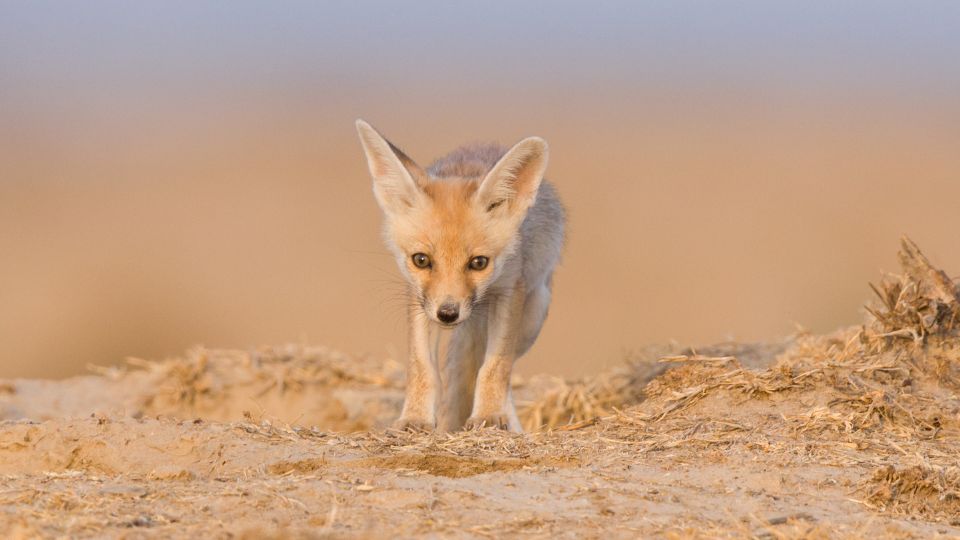
Explore the fascinating world of deserts and discover how plants, animals, and people adapt to survive in some of the hottest and driest places on Earth. From towering cacti and clever nocturnal animals to sudden sandstorms and scarce water sources, students will learn how life continues to thrive in these extreme environments.
This Kahoot investigates the unique features of desert ecosystems, including climate, habitats, food chains, and the special adaptations that help living things conserve water and stay cool. Students will also explore how deserts change over time and why these harsh landscapes are an important part of our planet’s natural systems.
Watch the related BBC videos (below), then invite your Grade 3–8 students to test their knowledge and uncover the surprising diversity and resilience of life in the desert.
Meet the extreme survivors. Penguins, giraffes, golden snub-nosed monkeys, Namaqua chameleons — these animals have evolved remarkable ways to endure some of the harshest conditions on Earth. We've put together a collection of BBC video clips all about extreme survivors (see Related Resources below). Watch them, then take the Kahoot to see what stuck.
The adaptations are wide-ranging: penguins withstand sub-zero temperatures, giraffes manage naturally high blood pressure, snub-nosed monkeys huddle together to survive freezing nights, and Namaqua chameleons shift skin color to beat the heat of the day. Explore how these animals have adapted, body and behavior, to survive against the odds.
In Olms in the Caves of Slovenia, narrator Sir David Attenborough discusses the strange creatures that are found in the caves in Slovenia: olms. They are some of the most specialized creatures on the planet. They can breathe in both air and water and can survive without food for a decade. This video is excerpted from BBC’s Seven Worlds, One Planet, a series featuring remarkable animal behavior from all seven continents.
Explore the wide-open world of grasslands and discover the amazing animals that live in one of Earth’s largest biomes. From enormous elephants and powerful buffalo to towering Kori bustards, hardworking leafcutter ants, and rare Saiga antelope, students will learn how animals survive and thrive in these vast landscapes of grasses and few trees.
This Kahoot explores the unique features of grassland ecosystems, including climate, food chains, migration, and the special adaptations that help animals find food, avoid predators, and survive changing seasons. Students will also discover the differences between tropical savannas and temperate grasslands and the incredible diversity of life found in each.
Watch the related BBC videos (below), then invite your Grade 3–8 students to test their knowledge and uncover the wonders of life on the grasslands.
Dive beneath the waves and explore the colorful world of coral reefs and the amazing sea life they support. From bright tropical fish and graceful sea turtles to tiny coral polyps and color-changing cuttlefish, students will discover how reefs are home to some of the most diverse animal populations on Earth.
This Kahoot explores the rich ecosystems found in and around coral reefs, including the relationships between marine animals, food chains, and the special adaptations that help creatures survive underwater. Students will learn how reef animals find food, avoid predators, and depend on coral habitats for shelter and survival.
Watch the related BBC videos (below), then invite your Grade 3–8 students to test their knowledge and uncover the wonders of life beneath the sea.
Discover the amazing animals that live in the coldest environments on Earth in this Kahoot about the polar regions. From powerful polar bears and playful seals to emperor penguins and Arctic foxes, students will explore how animals survive freezing temperatures, icy waters, and long, dark winters.
This Kahoot highlights the special adaptations that help polar animals hunt, stay warm, raise their young, and move across snow and ice. Students will also learn how different species depend on one another within polar food chains and how life continues to thrive in these extreme habitats.
Watch the related BBC videos (below), then invite your Grade 3–8 students to test their knowledge and uncover the fascinating world of polar animals.
In The Go Jetters Travel to the Amazon Rainforest, Ubercorn and friends explore the magical Amazon rainforest! This rainforest is the largest in the world, with tall trees, warm weather, and rain all year long. It’s home to millions of animals and plants, all living together in a special way! This video is excerpted from BBC’s Go Jetters, a series that follows the adventures of four plucky international heroes as they travel the globe visiting the world’s most famous landmarks with their friend and mentor, Ubercorn, a disco-dancing unicorn.
In Caring for Our Donkey Pals!, host Rory Crawford visits a lively donkey sanctuary where she meets William D, a lovable male donkey, also known as a jack. Donkeys are social creatures that love to hang out with their friends and make a silly sound called a bray — imagine a big "hee-haw"! These strong animals can carry heavy loads, but they need special care too, such as brushing their soft coats, cleaning their hooves, and providing yummy straw, grass, and fresh water. This video is excerpted from BBC’s My Pet and Me, a children’s show that introduces kids to the rewards and responsibilities involved when having a pet.
The article "Why Do Some Animals Glow? The Amazing Science of Bioluminescence" from BBC's Discover Wildlife explains how animals like glow-worms, squid, and fireflies produce light using special chemicals. It explores the role of luciferins and luciferase, the different colors of glow, and how creatures use this glow for communication, hunting, or self-defense.
In Escaping Predators: Capuchin Monkeys and Wild Goats, narrator Gordon Buchanan details how even a young animal can play an important role in keeping predators away. Learn about how Capuchin monkeys and wild goats contribute to their communities by alerting others to the presence of danger and using their own special survival skills. This video is excerpted from BBC's Animal Babies, a heartwarming show that follows the first breaths, first steps and first feeds of some adorable baby animals, revealing the challenges they face to survive in some of the toughest but most beautiful places on the planet.
In A Weddell Seal Family's Journey, narrator Sir David Attenborough describes how a mother seal and her pup brave the freezing cold near the South Pole. These seals are the only animals that can survive here, staying warm thanks to a thick layer of fat beneath their skin and their special fur. The mother feeds her pup and carefully maintains their diving hole in the water to prevent it from freezing over, ensuring they can get air. And, at just one week old, the pup takes its first swim beneath the ice! This video is excerpted from BBC’s Life, a show that explores the remarkable strategies animals and plants use to ensure their survival.
In On Turtle Rock, narrator Sir David Attenborough visits Turtle Rock, a special place in the tropical waters near Borneo. So many turtles have visited the rock over the years, they have created a hollow at the top of the rock. This video is excerpted from BBC’s Blue Planet II, a natural history series that explores the world's oceans, the animals that live in them, and the threats they face, using modern filming techniques and equipment to capture previously unseen areas of the ocean.
Explore the fascinating world of deserts and discover how plants, animals, and people adapt to survive in some of the hottest and driest places on Earth. From towering cacti and clever nocturnal animals to sudden sandstorms and scarce water sources, students will learn how life continues to thrive in these extreme environments.
This Kahoot investigates the unique features of desert ecosystems, including climate, habitats, food chains, and the special adaptations that help living things conserve water and stay cool. Students will also explore how deserts change over time and why these harsh landscapes are an important part of our planet’s natural systems.
Watch the related BBC videos (below), then invite your Grade 3–8 students to test their knowledge and uncover the surprising diversity and resilience of life in the desert.