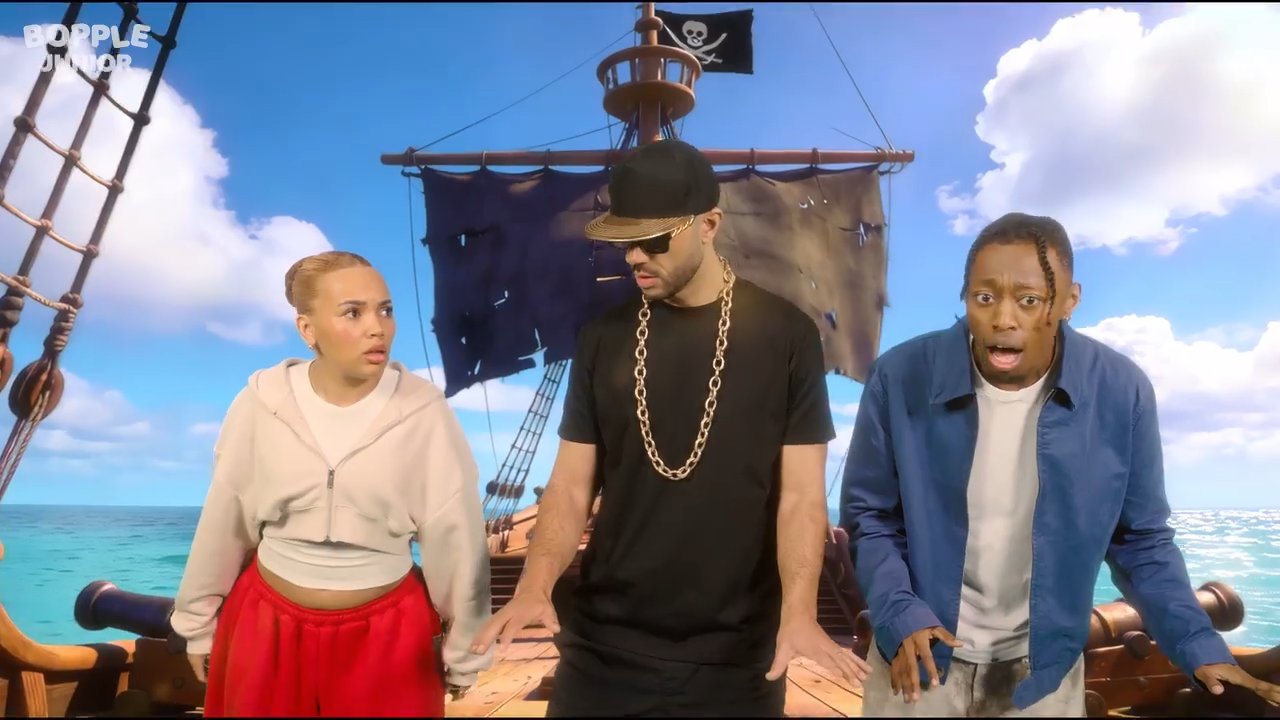
A treasure hunt turns into a memory challenge aboard a pirate ship! In Focus Mode, the trio must remember objects while chaos builds around them. Can you help the trio stay focused when it really counts?
Need a quick activity? A pirate adventure awaits in this fast-paced 5-minute video that gets kids moving, playing, and joining in the action.
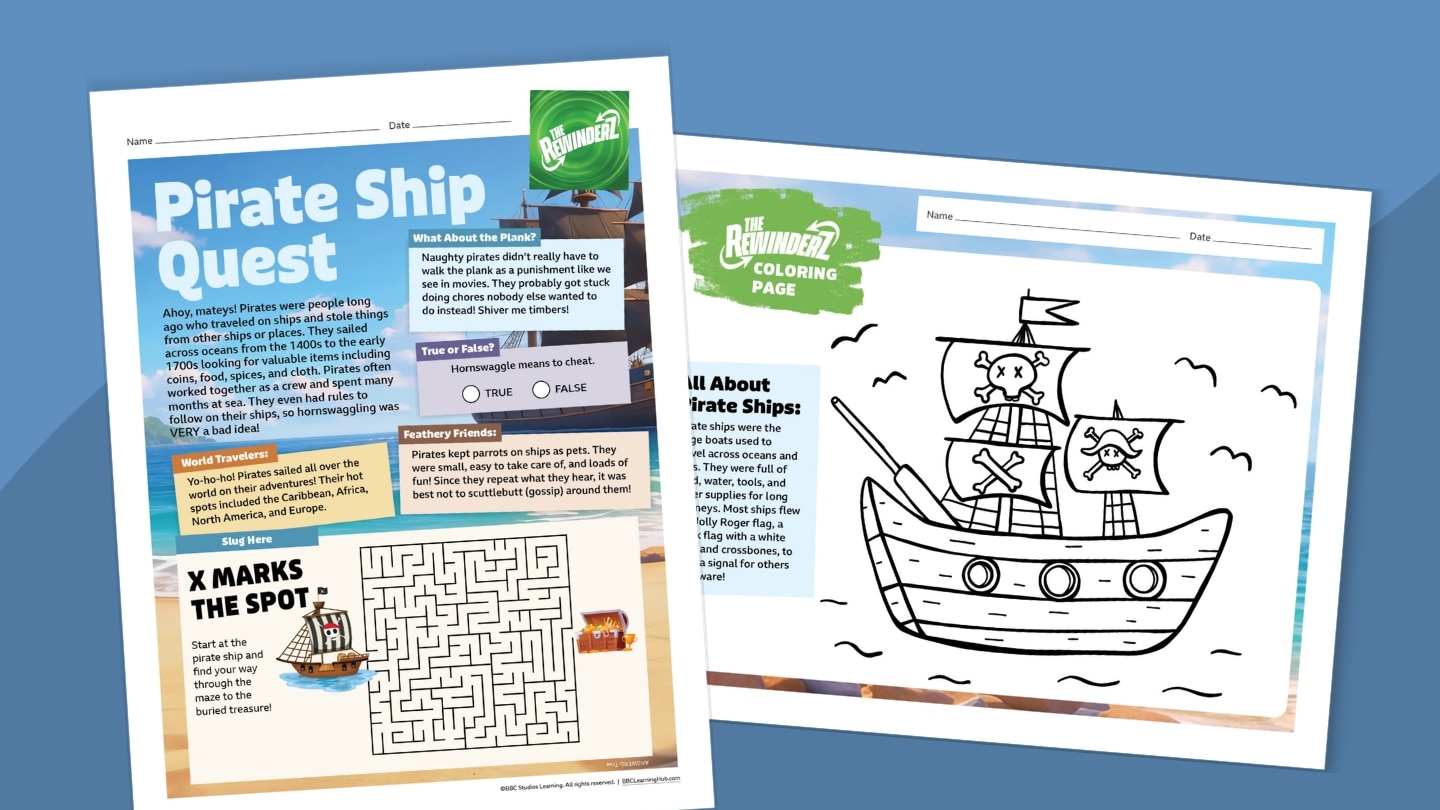
Continue the fun with this pirate-themed activity sheet, inspired by the "Pirate Ship Quest" episode of The Rewinderz! Kids ages 4–7 can discover what life was like aboard a pirate ship, pick up some real pirate vocabulary, learn the truth behind famous pirate legends, and navigate a maze to reach a treasure chest. There’s also a pirate ship coloring activity to complete along the way.
With surprising facts and easy activities on a colorful magazine-style page, it’s a playful introduction to the real history behind pirates and their adventures at sea.
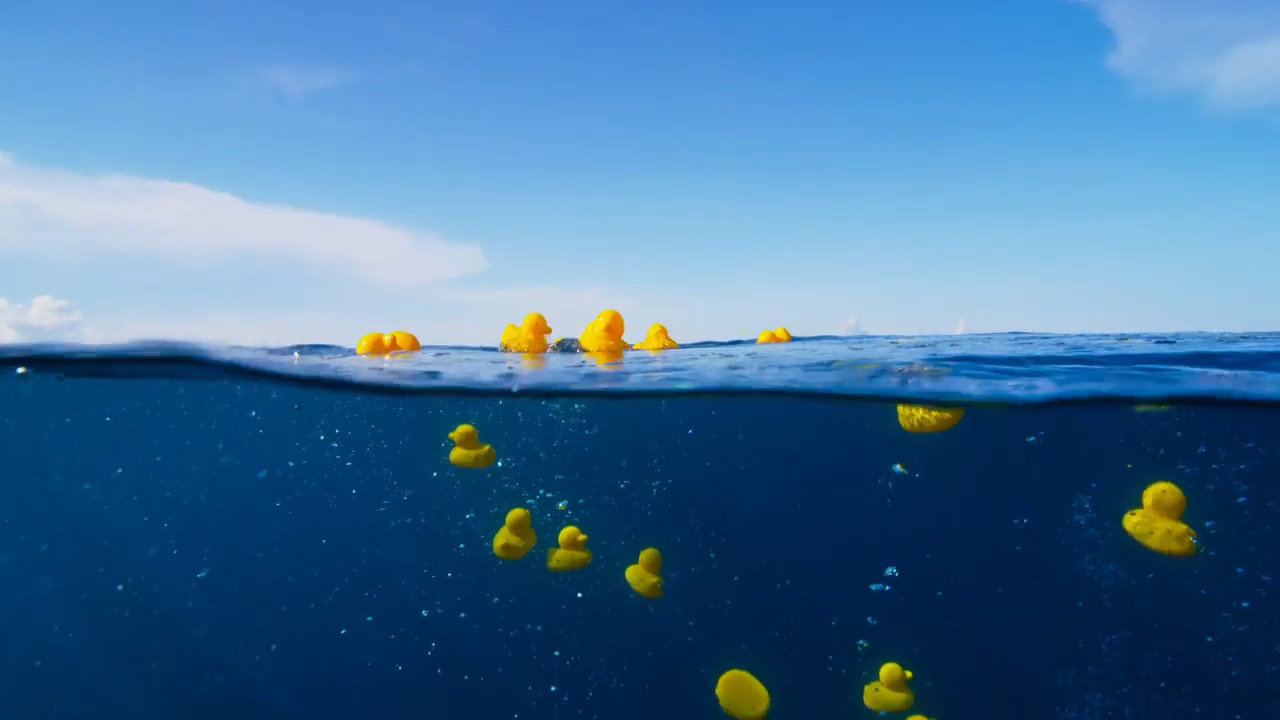
In A Container Ship of Rubber Duckies, narrator Sir David Attenborough tells the story of a ship that fell into the Pacific Ocean, spilling 7,000 plastic ducks into the ocean. Ocean currents carried the toys across thousands of miles. This video is excerpted from BBC’s Blue Planet II, a natural history series that explores the world's oceans, the animals that live in them, and the threats they face, using modern filming techniques and equipment to capture previously unseen areas of the ocean.
Shhh! We're going inside Amazon's super-secret chip design lab! But not the kind where they invent new potato chips. Amazon gave the BBC a rare look inside Annapurna Labs, where engineers design custom computer chips that power artificial intelligence.
Their teams oversee the entire process, from testing newly built silicon chips to making sure they're ready to be installed in massive data centers. These chips are the brains behind AI tools that millions of people use every day — from chatbots and translation apps to online shopping recommendations and voice assistants. Each chip can perform more than 1,000 trillion calculations every second. If you solved just one calculation every second without ever stopping, it would take about 80 million years to do the same amount of work!
There are companies that specialize in making chips, but Amazon designs its own to help make AI systems faster, more energy-efficient, and less expensive to operate. As AI becomes more powerful and more common, Amazon is competing with companies like Google, Microsoft, and Nvidia to build the chips that will power the next generation of AI.
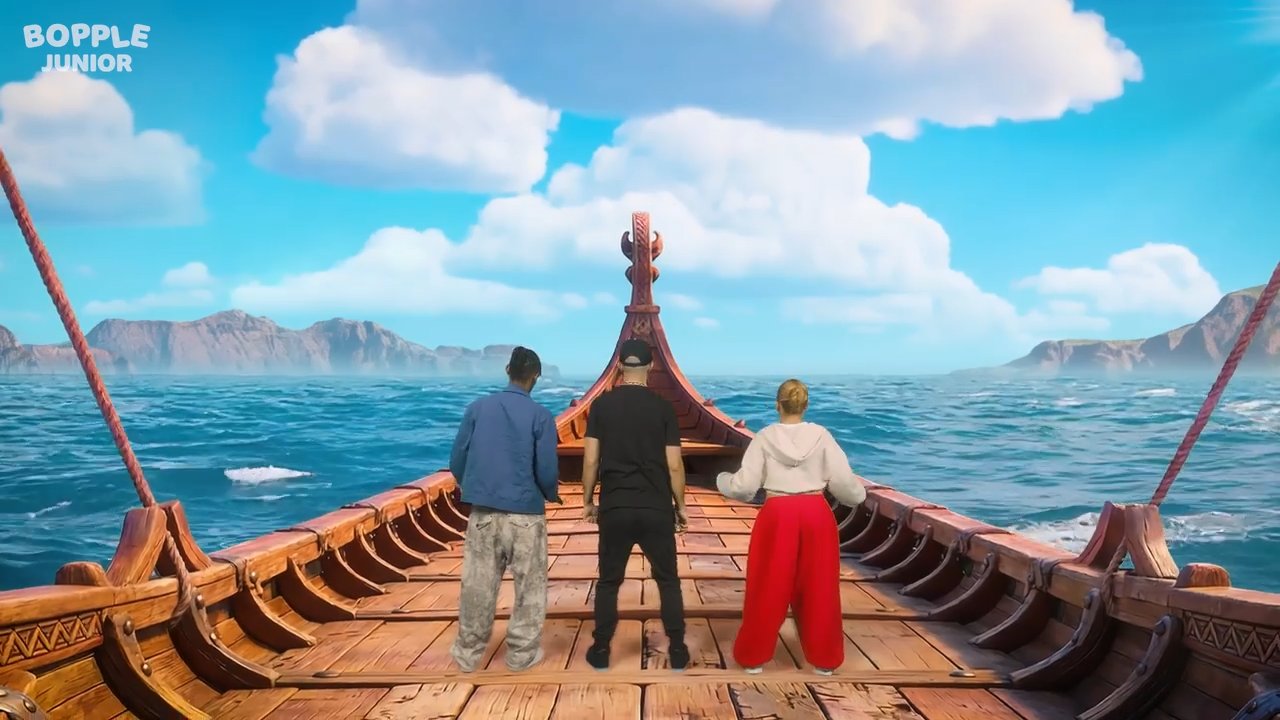
The trio lands on a Viking longship... and accidentally sets it sailing! Now stuck at sea, they must steer, collect items, and avoid dangers in rough waters. Just as things calm down, Watson insists on a fact break... but the storm is building. Can you help them turn the ship around in time?
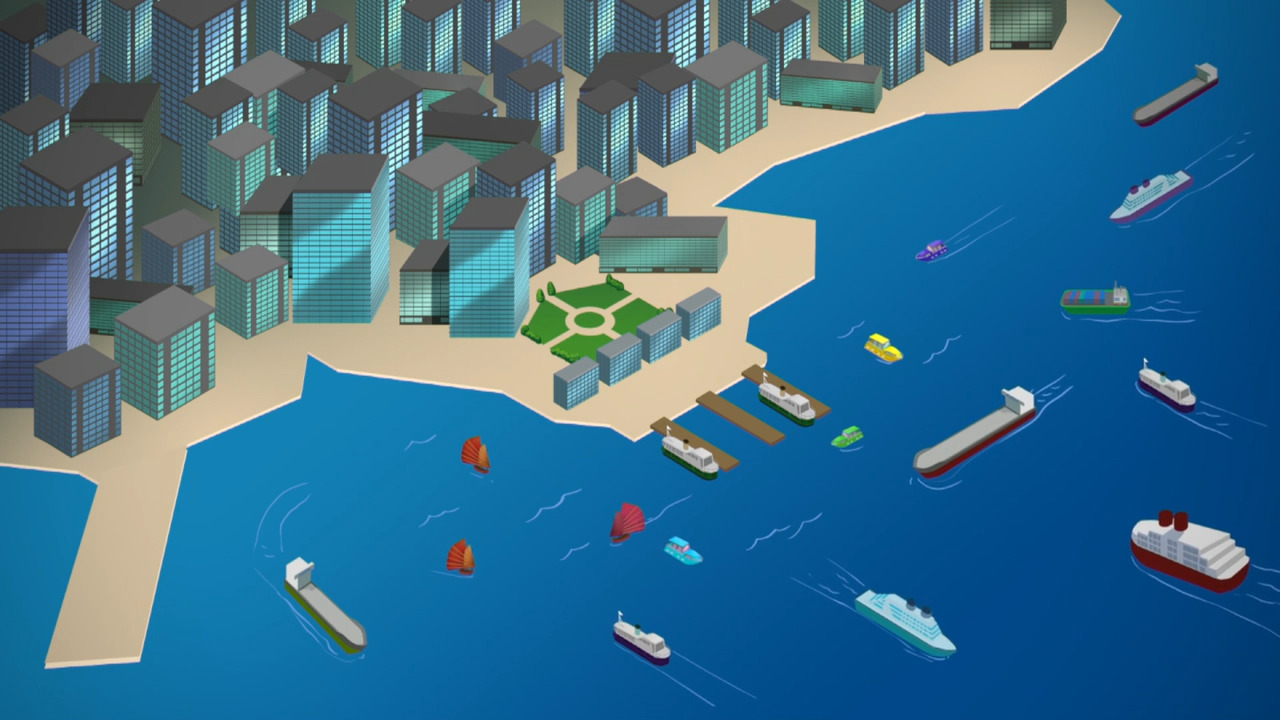
In Hong Kong's Stunning Victoria Harbour, the Go Jetters crew visits Victoria Harbor in Hong Kong, one of the busiest harbors in the world. Here, there are thousands of boats, from colorful junk boats to giant cargo ships bringing goods from all over the world. At night, the harbor lights up with a dazzling show, complete with music, making it a magical place to visit! This video is excerpted from BBC’s Go Jetters, a series that follows the adventures of four plucky international heroes as they travel the globe visiting the world’s most famous landmarks with their friend and mentor, Ubercorn, a disco-dancing unicorn.
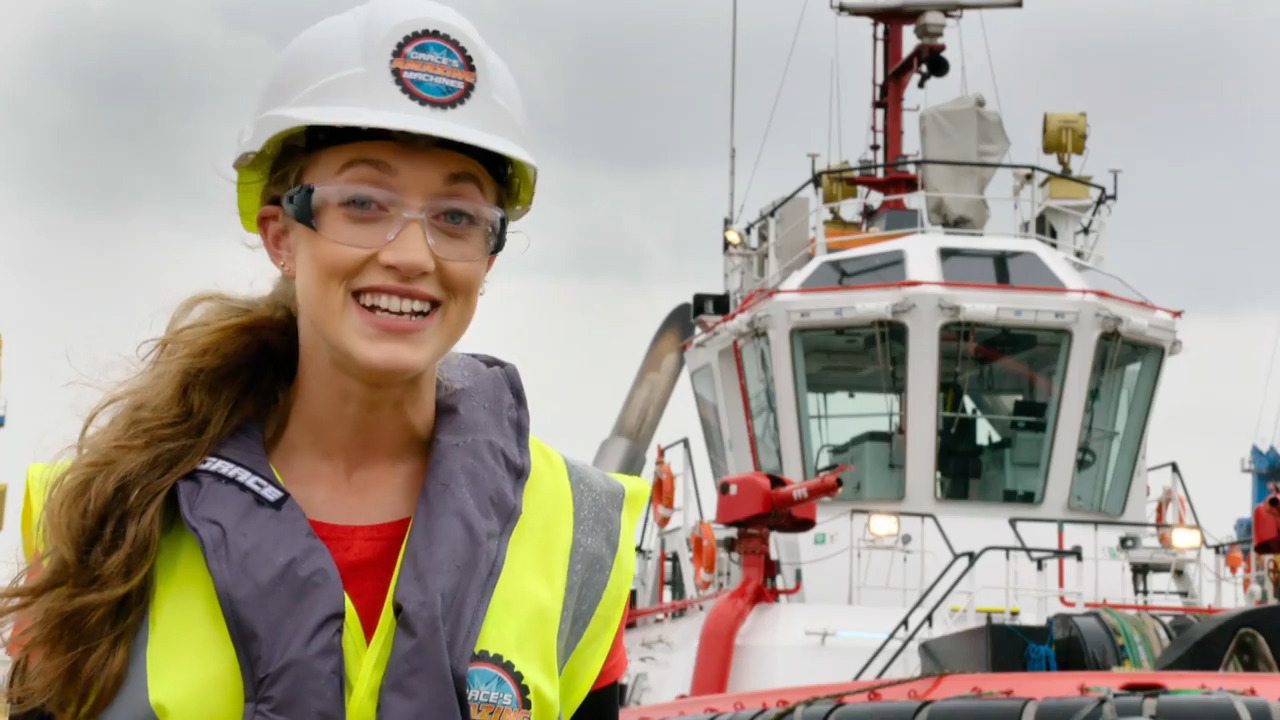
In The Big Responsibilities of Tugboats, presenter and motorbike racer Grace Webb highlights the important role of tugboats. She explains how they assist large ships in safely navigating to port and showcases some of the key features of tugboats that make them effective for transportation. This video is excerpted from BBC’s Grace’s Amazing Machines, a children’s show that introduces kids to some of the biggest, fastest, and most amazing machines in the world.
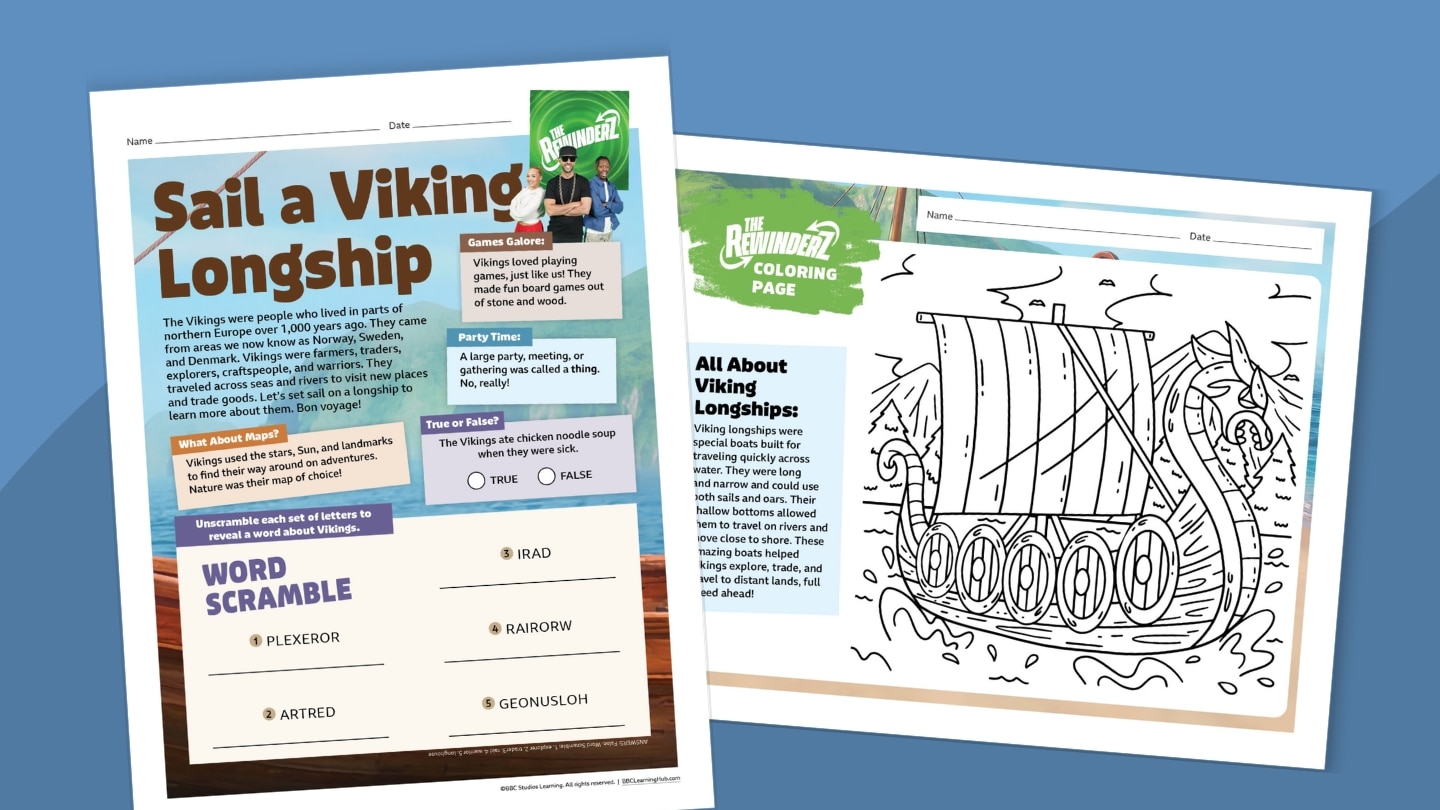
Ready to row? Jump into this lively 5-minute video and travel back to the time of the Vikings, with plenty of opportunities for kids to move and play.
Then explore the Viking world with this activity sheet, inspired by the "Sail a Viking Longship" episode of The Rewinderz! Kids ages 4–7 can find out how Vikings traveled and navigated, discover some surprising facts about everyday life, unscramble Viking-themed words, and color a longship built for journeys across seas and rivers.
Quick facts and simple activities bring the Viking Age to life on a colorful magazine-style page, introducing young explorers to the people who farmed, traded, crafted, traveled, and sometimes raided across Europe and beyond.
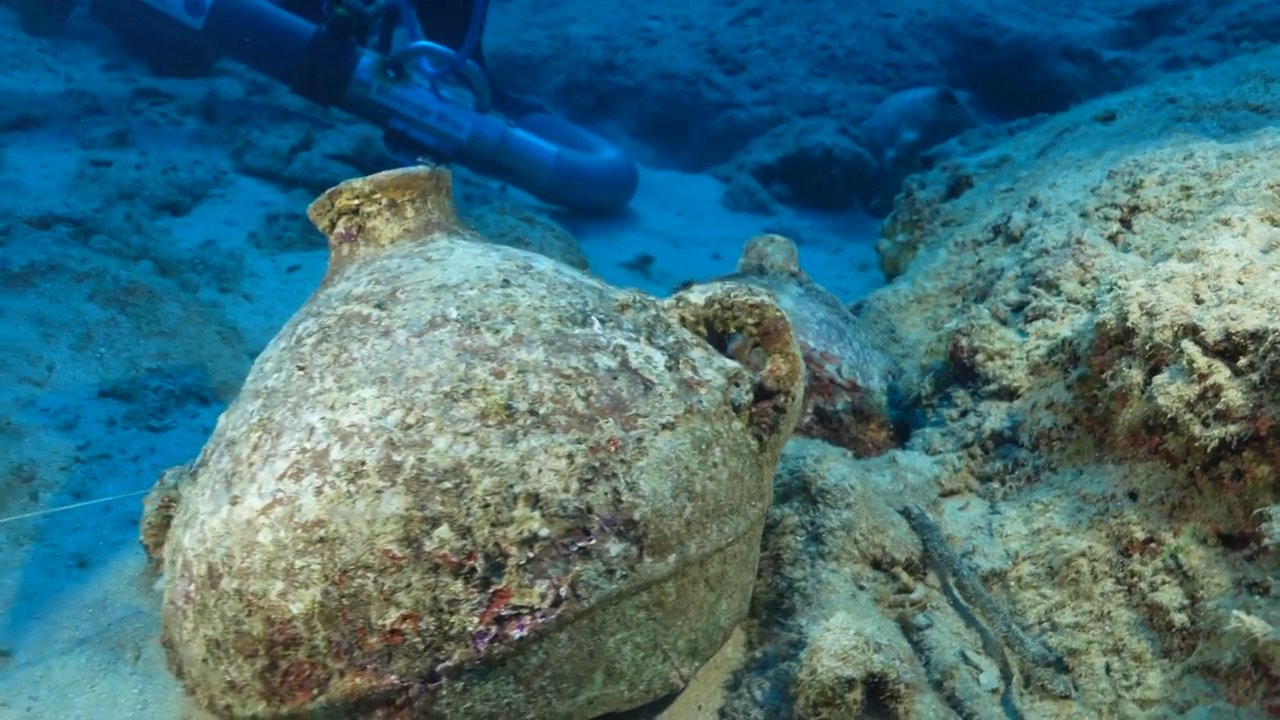
Imagine finding a delivery that’s been waiting on the seabed for more than 4,000 years. Divers off Kekova Island in Turkey have found what experts call the world’s oldest known trade shipwreck. It dates from the Bronze Age, a period about 4,400 to 4,700 years ago when people made tools and weapons from bronze, a metal made by mixing copper and tin.
The ship’s wooden hull rotted away long ago, but its cargo survived. Divers recovered more than 30 amphorae, which are clay jars with two handles that were used like ancient shipping containers. Some still hold traces of what was inside, possibly olive oil, wine, or tree sap. Scientists are now testing them to find out.
The ship was about 10 meters (33 feet) long. It was probably sailing from the Middle East to Troy, a famous ancient city in what’s now Turkey, or to Crete, a Greek island, when it sank. It never got there.
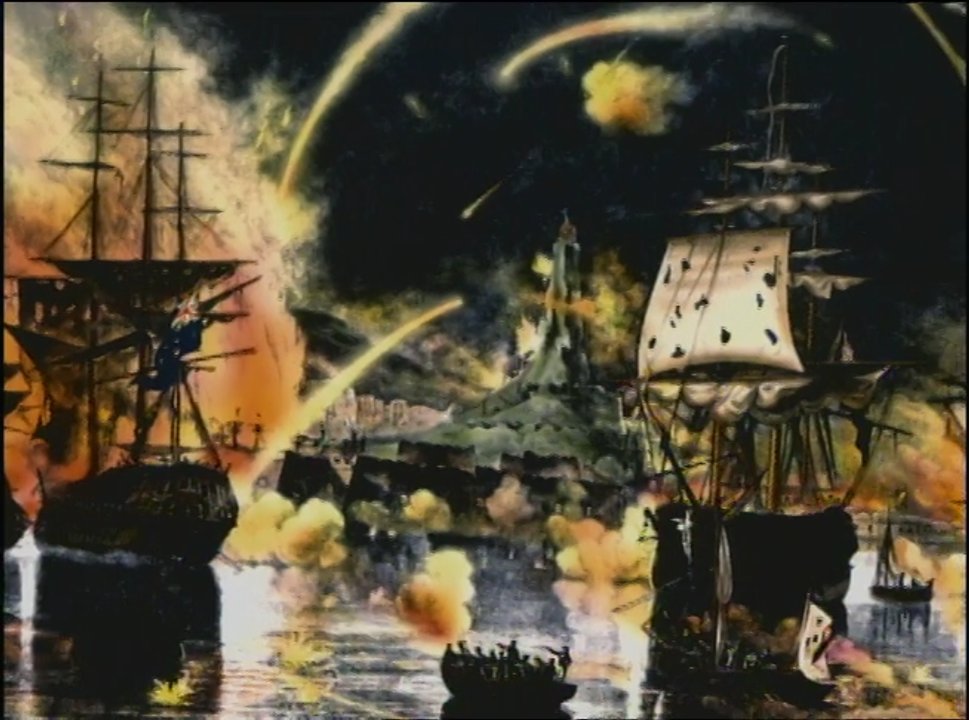
During the War of 1812, the United States fought Great Britain over issues including the impressment of American sailors, restrictions on trade, and British support for Indigenous resistance to American expansion. In September 1814, British forces attacked Baltimore, Maryland, targeting Fort McHenry at the entrance to the city's harbor. After a bombardment that lasted through the night, the fort remained in American hands. The sight of the American flag flying over the fort the next morning became a symbol of the nation's resilience during the conflict.
Francis Scott Key, an American lawyer who witnessed the bombardment while detained aboard a British ship, was inspired to write a poem about the flag's survival. Originally titled "Defence of Fort M'Henry," the poem was later set to music and became known as "The Star-Spangled Banner." The song grew in popularity over the following decades and was officially designated the U.S. national anthem in 1931. Its origins connect a pivotal moment in the War of 1812 with the development of an enduring national symbol.
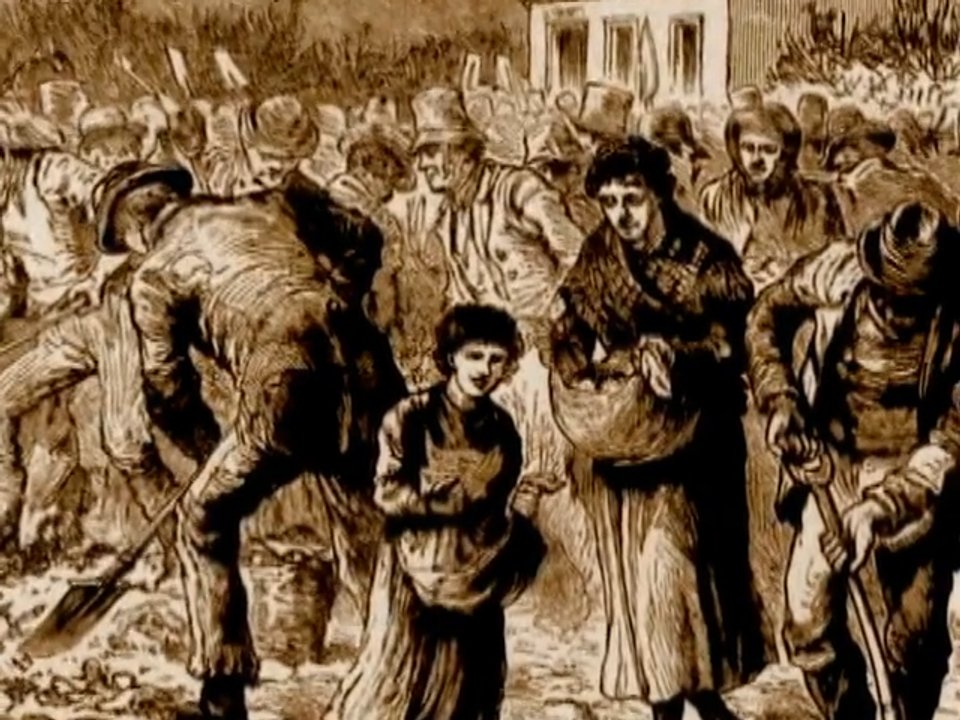
Beginning in 1845, the Irish Potato Famine devastated Ireland when a disease destroyed potato crops that millions of people depended on for food. More than a million people died, while inadequate relief efforts, poverty, and evictions worsened the crisis. Many Irish families faced starvation or were forced from their homes. Hundreds of thousands emigrated, often aboard overcrowded ships with poor conditions. Many who sailed to Canada encountered disease and hardship, and survivors continued to the United States and other destinations in search of new lives.
The famine transformed Ireland’s population, economy, and agricultural system. Mass migration reshaped communities in North America, particularly in the United States, where Irish immigrants faced discrimination while contributing to the country’s growing workforce and urban life. The famine also exposed the consequences of poverty, unequal land ownership, and government policies during a humanitarian crisis.
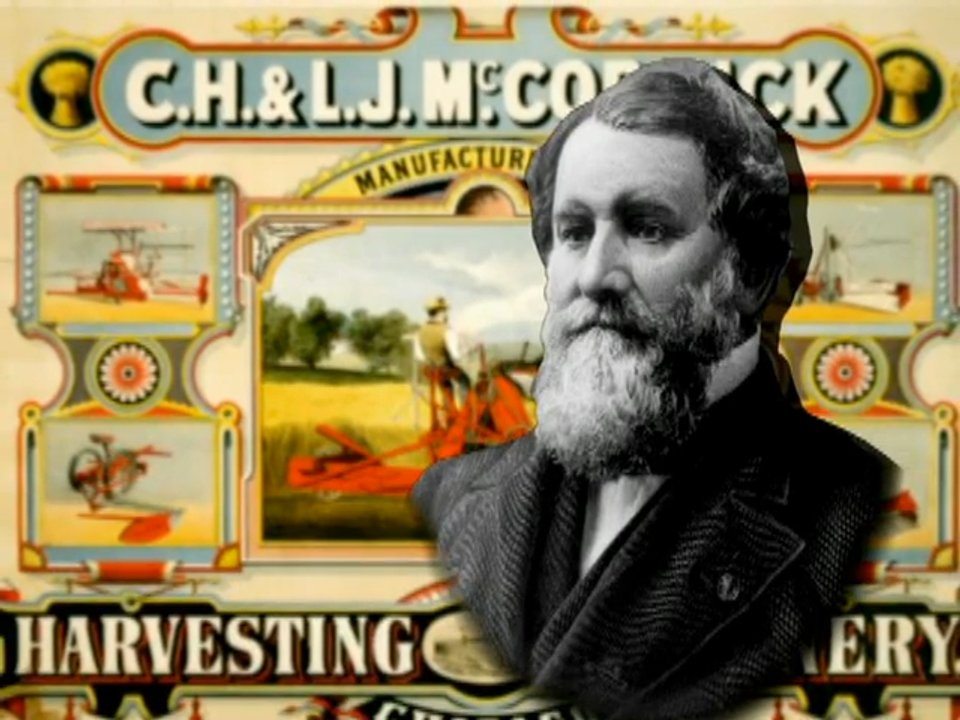
In 1831, Cyrus McCormick successfully demonstrated a machine that could harvest grain more quickly than workers using traditional tools. He patented his reaper in 1834 and later moved to Chicago, where he and his brothers founded the McCormick Harvesting Machine Company. The company produced and shipped reapers across the country, helping farmers increase production and supporting westward expansion.
McCormick was also a successful businessman who offered customers credit, financing, and money-back guarantees. His reaper became popular around the world and helped reduce the need for farm labor, contributing to the growth of cities. After his Chicago factory was destroyed in the Great Chicago Fire of 1871, McCormick rebuilt it and continued developing his machinery.
A treasure hunt turns into a memory challenge aboard a pirate ship! In Focus Mode, the trio must remember objects while chaos builds around them. Can you help the trio stay focused when it really counts?
Need a quick activity? A pirate adventure awaits in this fast-paced 5-minute video that gets kids moving, playing, and joining in the action.
Continue the fun with this pirate-themed activity sheet, inspired by the "Pirate Ship Quest" episode of The Rewinderz! Kids ages 4–7 can discover what life was like aboard a pirate ship, pick up some real pirate vocabulary, learn the truth behind famous pirate legends, and navigate a maze to reach a treasure chest. There’s also a pirate ship coloring activity to complete along the way.
With surprising facts and easy activities on a colorful magazine-style page, it’s a playful introduction to the real history behind pirates and their adventures at sea.
In A Container Ship of Rubber Duckies, narrator Sir David Attenborough tells the story of a ship that fell into the Pacific Ocean, spilling 7,000 plastic ducks into the ocean. Ocean currents carried the toys across thousands of miles. This video is excerpted from BBC’s Blue Planet II, a natural history series that explores the world's oceans, the animals that live in them, and the threats they face, using modern filming techniques and equipment to capture previously unseen areas of the ocean.
Shhh! We're going inside Amazon's super-secret chip design lab! But not the kind where they invent new potato chips. Amazon gave the BBC a rare look inside Annapurna Labs, where engineers design custom computer chips that power artificial intelligence.
Their teams oversee the entire process, from testing newly built silicon chips to making sure they're ready to be installed in massive data centers. These chips are the brains behind AI tools that millions of people use every day — from chatbots and translation apps to online shopping recommendations and voice assistants. Each chip can perform more than 1,000 trillion calculations every second. If you solved just one calculation every second without ever stopping, it would take about 80 million years to do the same amount of work!
There are companies that specialize in making chips, but Amazon designs its own to help make AI systems faster, more energy-efficient, and less expensive to operate. As AI becomes more powerful and more common, Amazon is competing with companies like Google, Microsoft, and Nvidia to build the chips that will power the next generation of AI.
The trio lands on a Viking longship... and accidentally sets it sailing! Now stuck at sea, they must steer, collect items, and avoid dangers in rough waters. Just as things calm down, Watson insists on a fact break... but the storm is building. Can you help them turn the ship around in time?
In Hong Kong's Stunning Victoria Harbour, the Go Jetters crew visits Victoria Harbor in Hong Kong, one of the busiest harbors in the world. Here, there are thousands of boats, from colorful junk boats to giant cargo ships bringing goods from all over the world. At night, the harbor lights up with a dazzling show, complete with music, making it a magical place to visit! This video is excerpted from BBC’s Go Jetters, a series that follows the adventures of four plucky international heroes as they travel the globe visiting the world’s most famous landmarks with their friend and mentor, Ubercorn, a disco-dancing unicorn.
In The Big Responsibilities of Tugboats, presenter and motorbike racer Grace Webb highlights the important role of tugboats. She explains how they assist large ships in safely navigating to port and showcases some of the key features of tugboats that make them effective for transportation. This video is excerpted from BBC’s Grace’s Amazing Machines, a children’s show that introduces kids to some of the biggest, fastest, and most amazing machines in the world.
Ready to row? Jump into this lively 5-minute video and travel back to the time of the Vikings, with plenty of opportunities for kids to move and play.
Then explore the Viking world with this activity sheet, inspired by the "Sail a Viking Longship" episode of The Rewinderz! Kids ages 4–7 can find out how Vikings traveled and navigated, discover some surprising facts about everyday life, unscramble Viking-themed words, and color a longship built for journeys across seas and rivers.
Quick facts and simple activities bring the Viking Age to life on a colorful magazine-style page, introducing young explorers to the people who farmed, traded, crafted, traveled, and sometimes raided across Europe and beyond.
Imagine finding a delivery that’s been waiting on the seabed for more than 4,000 years. Divers off Kekova Island in Turkey have found what experts call the world’s oldest known trade shipwreck. It dates from the Bronze Age, a period about 4,400 to 4,700 years ago when people made tools and weapons from bronze, a metal made by mixing copper and tin.
The ship’s wooden hull rotted away long ago, but its cargo survived. Divers recovered more than 30 amphorae, which are clay jars with two handles that were used like ancient shipping containers. Some still hold traces of what was inside, possibly olive oil, wine, or tree sap. Scientists are now testing them to find out.
The ship was about 10 meters (33 feet) long. It was probably sailing from the Middle East to Troy, a famous ancient city in what’s now Turkey, or to Crete, a Greek island, when it sank. It never got there.
During the War of 1812, the United States fought Great Britain over issues including the impressment of American sailors, restrictions on trade, and British support for Indigenous resistance to American expansion. In September 1814, British forces attacked Baltimore, Maryland, targeting Fort McHenry at the entrance to the city's harbor. After a bombardment that lasted through the night, the fort remained in American hands. The sight of the American flag flying over the fort the next morning became a symbol of the nation's resilience during the conflict.
Francis Scott Key, an American lawyer who witnessed the bombardment while detained aboard a British ship, was inspired to write a poem about the flag's survival. Originally titled "Defence of Fort M'Henry," the poem was later set to music and became known as "The Star-Spangled Banner." The song grew in popularity over the following decades and was officially designated the U.S. national anthem in 1931. Its origins connect a pivotal moment in the War of 1812 with the development of an enduring national symbol.
Beginning in 1845, the Irish Potato Famine devastated Ireland when a disease destroyed potato crops that millions of people depended on for food. More than a million people died, while inadequate relief efforts, poverty, and evictions worsened the crisis. Many Irish families faced starvation or were forced from their homes. Hundreds of thousands emigrated, often aboard overcrowded ships with poor conditions. Many who sailed to Canada encountered disease and hardship, and survivors continued to the United States and other destinations in search of new lives.
The famine transformed Ireland’s population, economy, and agricultural system. Mass migration reshaped communities in North America, particularly in the United States, where Irish immigrants faced discrimination while contributing to the country’s growing workforce and urban life. The famine also exposed the consequences of poverty, unequal land ownership, and government policies during a humanitarian crisis.
In 1831, Cyrus McCormick successfully demonstrated a machine that could harvest grain more quickly than workers using traditional tools. He patented his reaper in 1834 and later moved to Chicago, where he and his brothers founded the McCormick Harvesting Machine Company. The company produced and shipped reapers across the country, helping farmers increase production and supporting westward expansion.
McCormick was also a successful businessman who offered customers credit, financing, and money-back guarantees. His reaper became popular around the world and helped reduce the need for farm labor, contributing to the growth of cities. After his Chicago factory was destroyed in the Great Chicago Fire of 1871, McCormick rebuilt it and continued developing his machinery.