The Star-Spangled Banner and the Battle of Fort McHenry
During the War of 1812, the United States fought Great Britain over issues including the impressment of American sailors, restrictions on trade, and British support for Indigenous resistance to American expansion. In September 1814, British forces attacked Baltimore, Maryland, targeting Fort McHenry at the entrance to the city's harbor. After a bombardment that lasted through the night, the fort remained in American hands. The sight of the American flag flying over the fort the next morning became a symbol of the nation's resilience during the conflict.
Francis Scott Key, an American lawyer who witnessed the bombardment while detained aboard a British ship, was inspired to write a poem about the flag's survival. Originally titled "Defence of Fort M'Henry," the poem was later set to music and became known as "The Star-Spangled Banner." The song grew in popularity over the following decades and was officially designated the U.S. national anthem in 1931. Its origins connect a pivotal moment in the War of 1812 with the development of an enduring national symbol.

Lesson Express
Q: What did the bombardment of Fort McHenry prove?
A: It showed that the United States could hold its own in a battle.
Q: What inspired Franis Scott Key to write the poem that would become “The Star-Spangled Banner”?
A: He was observing the shells and bombardment of Fort McHenry. After a night of rockets and mortar shells blasting the harbor, Key saw that the American flag still flew over the fort.
Q: How did “The Star-Spangled Banner” become the national anthem of the United States?
A: The poem was put to music, then it became popular with the people before becoming the national anthem.
You Might Also Like
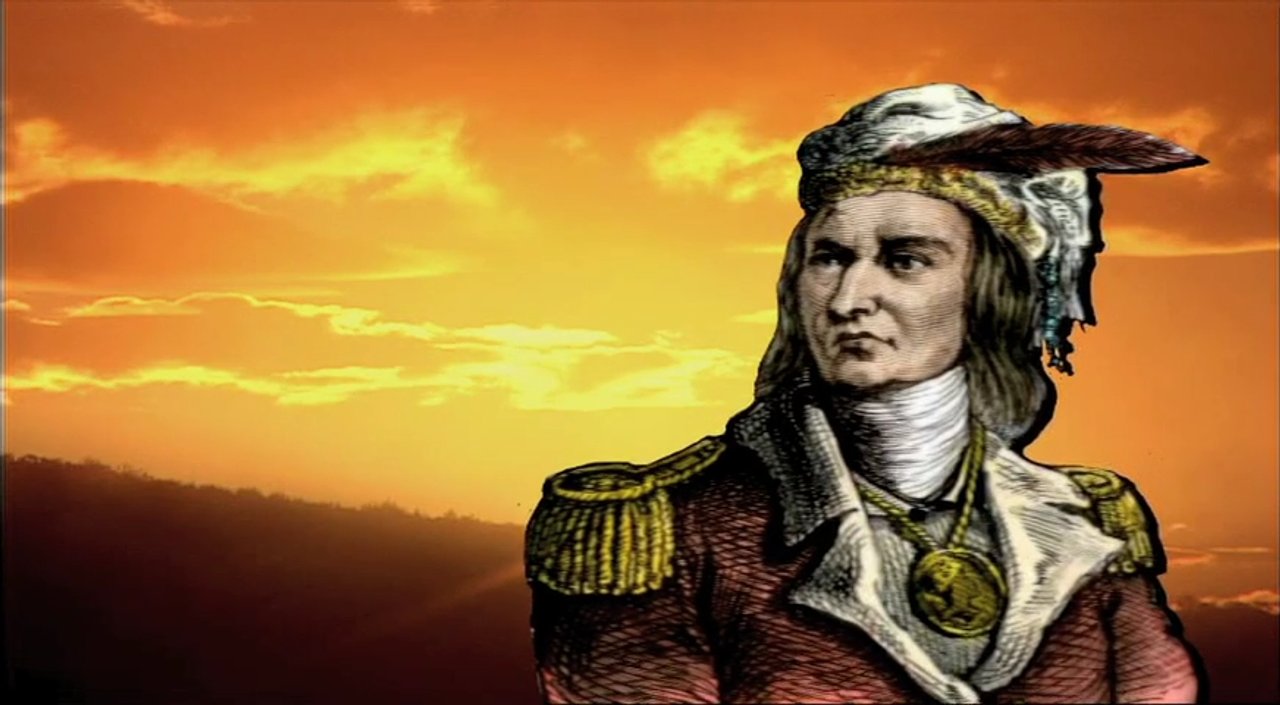
Tecumseh was a Shawnee leader who worked to unite Native American nations to resist the loss of their ancestral lands to American expansion. Born around 1768 in what is now Ohio, he believed that Native nations needed to stand together to protect their territories and independence. Alongside his younger brother, Tenskwatawa, known as the Prophet, Tecumseh helped establish Prophetstown in 1808 as a center for Native American resistance and cultural renewal.
In 1811, U.S. forces led by William Henry Harrison attacked and destroyed Prophetstown during the Battle of Tippecanoe while Tecumseh was away seeking support from other Native nations. During the War of 1812, Tecumseh allied with the British, hoping to prevent further American expansion into Native lands. He was killed at the Battle of the Thames in 1813, weakening the confederacy he had worked to build. Tecumseh remains an important historical figure for his leadership, his efforts to unite Native nations, and his resistance to the loss of Indigenous lands and sovereignty.
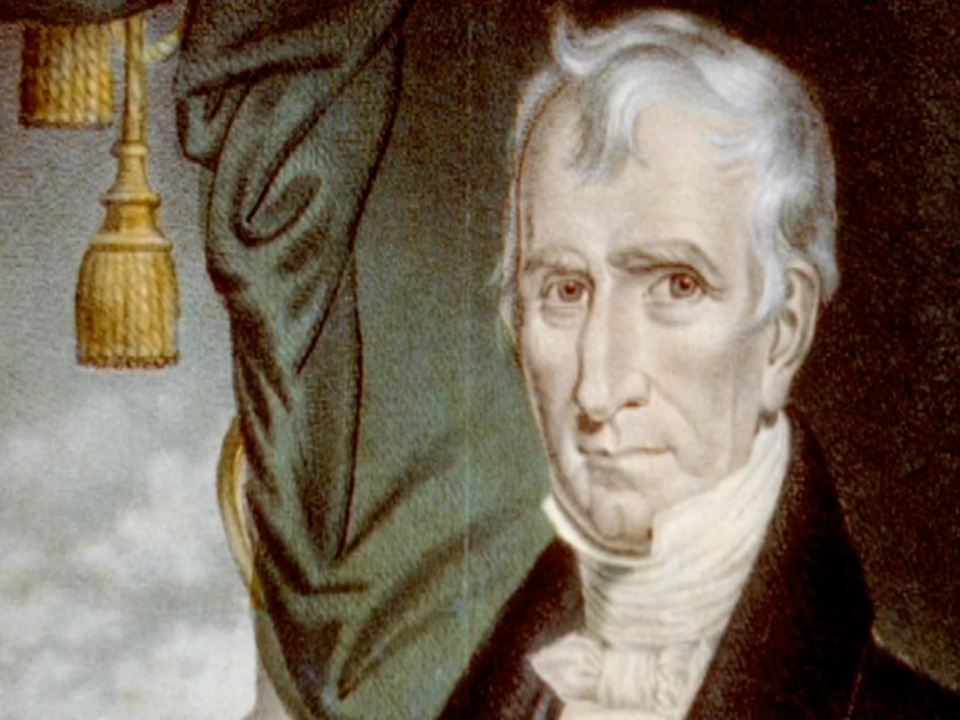
In William Henry Harrison and a Presidency Cut Short, learn how a military leader from the War of 1812 rose to national fame and became the ninth president of the United States. His campaign presented him as a common man, and his sudden death just months into office made him the shortest-serving president in U.S. history.
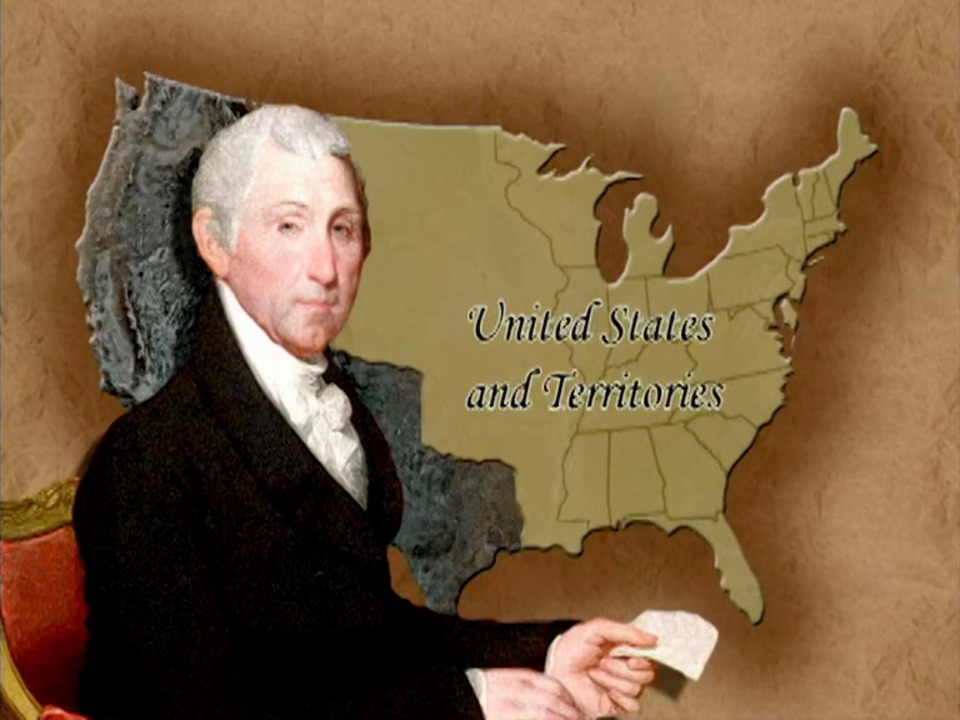
In James Monroe, the Monroe Doctrine, and a Growing Nation, learn how President James Monroe led the United States during a period of rising national pride and optimism after the War of 1812. His administration obtained Florida from Spain, and in 1823, Monroe issued the Monroe Doctrine, declaring the Western Hemisphere closed to new European colonies while pledging U.S. neutrality in European conflicts. These actions helped establish the United States as a full-fledged nation, though the "Era of Good Feelings" would eventually come to a bitter end as political and sectional tensions resurfaced.
Tecumseh was a Shawnee leader who worked to unite Native American nations to resist the loss of their ancestral lands to American expansion. Born around 1768 in what is now Ohio, he believed that Native nations needed to stand together to protect their territories and independence. Alongside his younger brother, Tenskwatawa, known as the Prophet, Tecumseh helped establish Prophetstown in 1808 as a center for Native American resistance and cultural renewal.
In 1811, U.S. forces led by William Henry Harrison attacked and destroyed Prophetstown during the Battle of Tippecanoe while Tecumseh was away seeking support from other Native nations. During the War of 1812, Tecumseh allied with the British, hoping to prevent further American expansion into Native lands. He was killed at the Battle of the Thames in 1813, weakening the confederacy he had worked to build. Tecumseh remains an important historical figure for his leadership, his efforts to unite Native nations, and his resistance to the loss of Indigenous lands and sovereignty.
In William Henry Harrison and a Presidency Cut Short, learn how a military leader from the War of 1812 rose to national fame and became the ninth president of the United States. His campaign presented him as a common man, and his sudden death just months into office made him the shortest-serving president in U.S. history.
In James Monroe, the Monroe Doctrine, and a Growing Nation, learn how President James Monroe led the United States during a period of rising national pride and optimism after the War of 1812. His administration obtained Florida from Spain, and in 1823, Monroe issued the Monroe Doctrine, declaring the Western Hemisphere closed to new European colonies while pledging U.S. neutrality in European conflicts. These actions helped establish the United States as a full-fledged nation, though the "Era of Good Feelings" would eventually come to a bitter end as political and sectional tensions resurfaced.