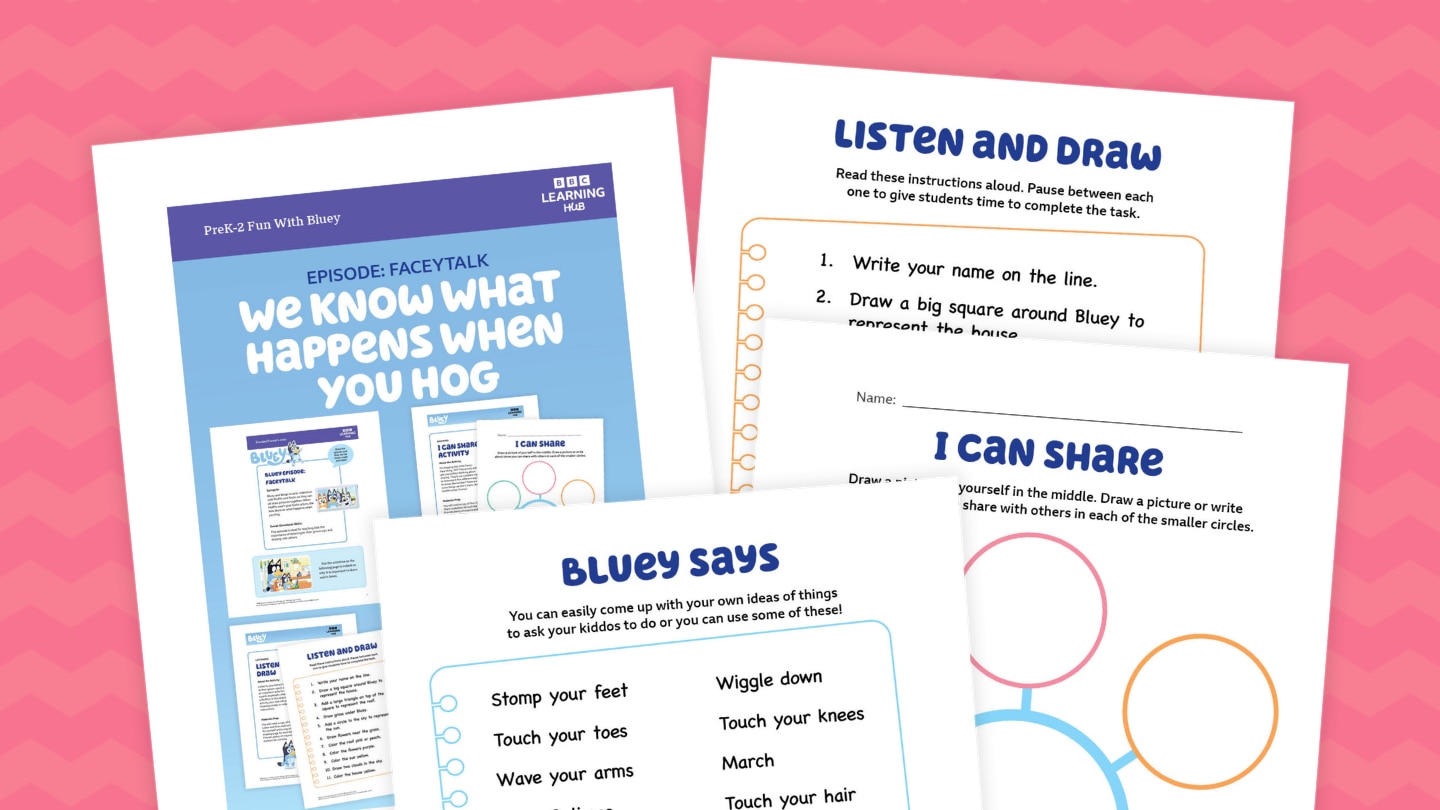
Muffin, it's my turn! Talk to your class about the importance of listening and sharing through the Bluey episode "Faceytalk." Because we all know what happens when you hog! The lesson includes printables for three activities in which kids use a bubble map to brainstorm five different ways to share, listen to complete a directed drawing of Bluey in front of her house, and play a Bluey twist on Simon Says.
Faceytalk Episode Summary: Bluey and Bingo love to video chat with Muffin and Socks so they can all draw pictures together. When Muffin won’t give Socks a turn, the kids discover what happens when you hog.
Watch the episode here! (Click here to watch in Australia.)
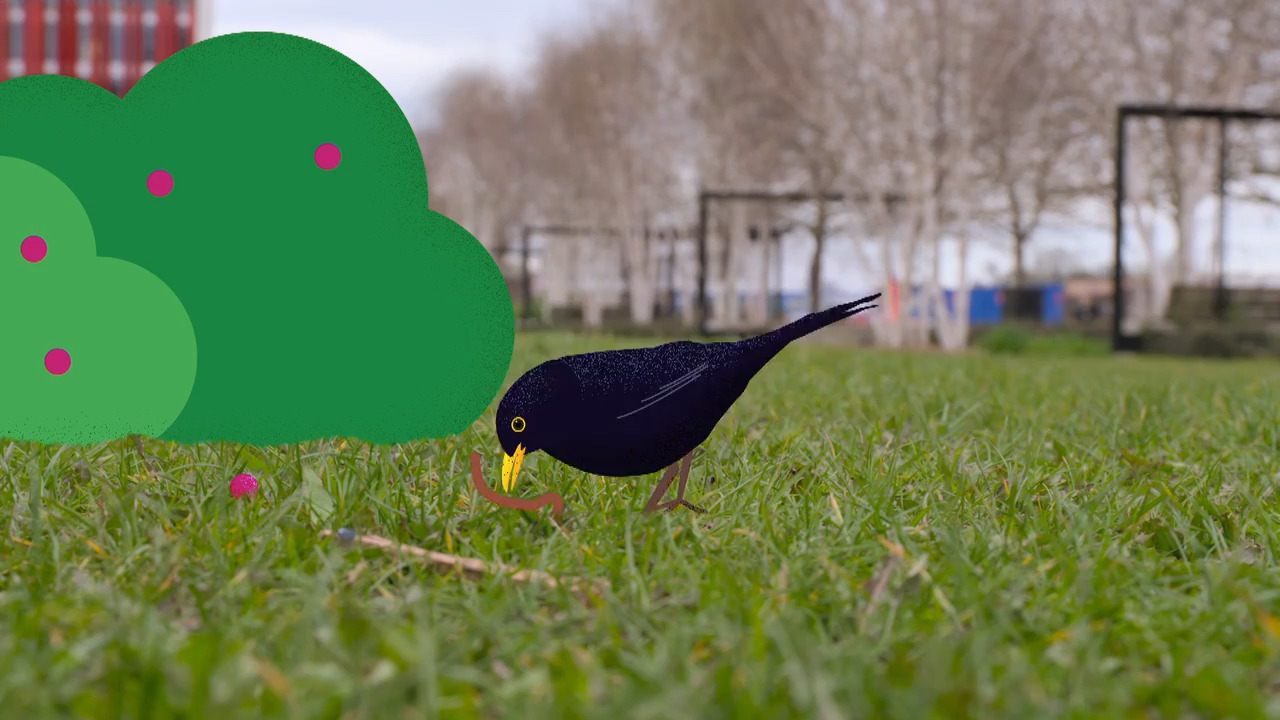
In Listen and Look! Searching for Songbirds, Ranger Hamza and the Ramblers use their five senses to try to find blackbirds and learn about this interesting songbird. This video is excerpted from BBC's Ranger Hamza’s Eco Quest, a nature exploration show in which Ranger Hamza and the Ramblers go on quests to discover nature’s wonders and the important role they play in our environment.
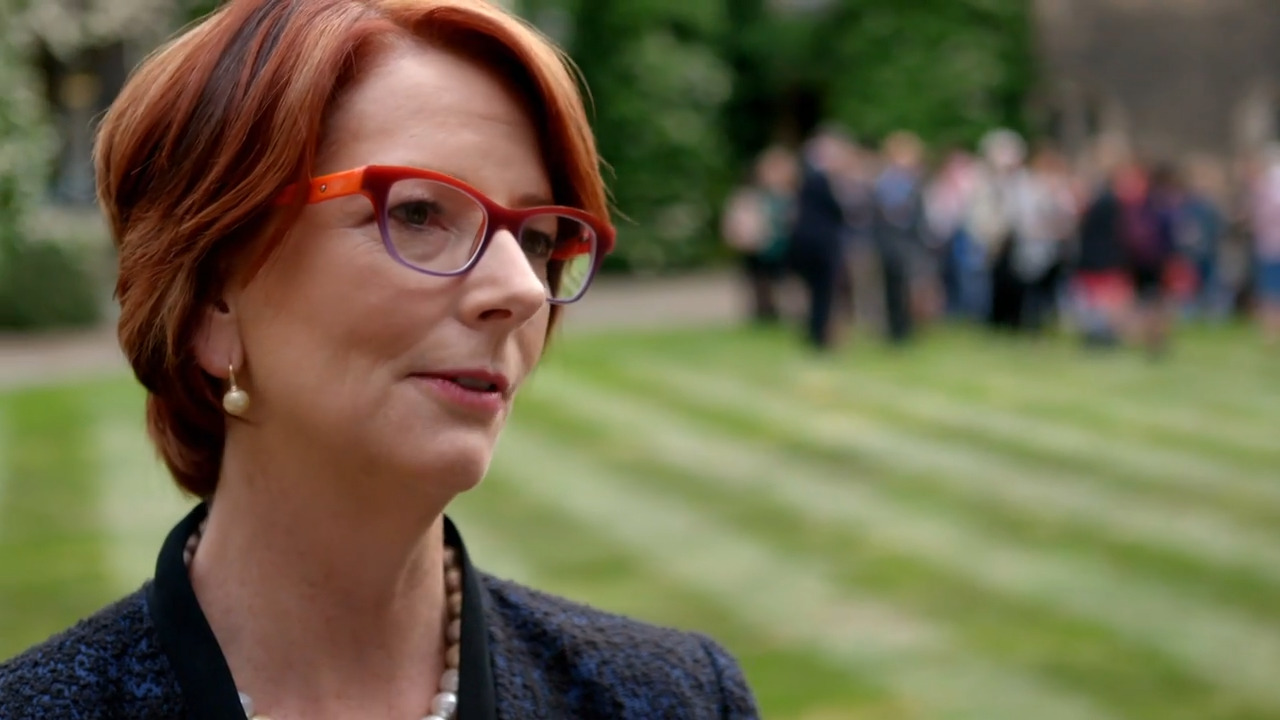
In Julia Gillard, Education Advocate, listen as the former Australian Prime Minister reflects on her leadership and her work to expand education opportunities for girls worldwide. Drawing from her family’s experience with poverty and limited schooling, she advocates for equal access to education while facing criticism and gender bias during her political career. This video is excerpted from BBC's Her Story: The Female Revolution, which explores the history and impact of women’s rights movements and achievements of women.
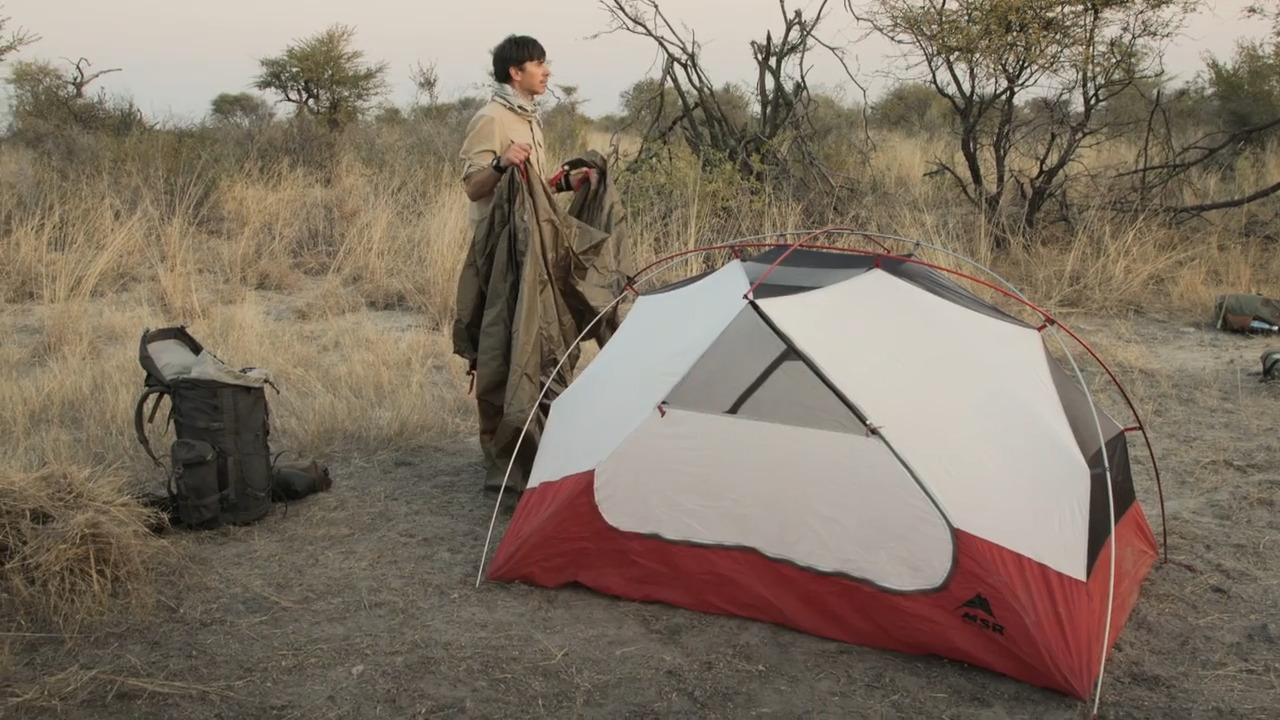
In Hunting and Camping in the Kalahari, host Simon Reeve camps with the San people in the Kalahari, learning their survival skills. As night falls, he tries his hand at making fire with sticks, a skill the San men have mastered. Around the campfire, one man explains how coffee helps him stay alert to listen for predators like lions, sharing a gripping story of waking up to a pride nearby. He reflects on the courage it takes to hunt, reminding Simon that providing for family is worth the risks. This video is excerpted from BBC’s Wilderness With Simon Reeve, an epic adventure into the heart of Earth’s last great wild areas, where nature is at its most beautiful and fragile.
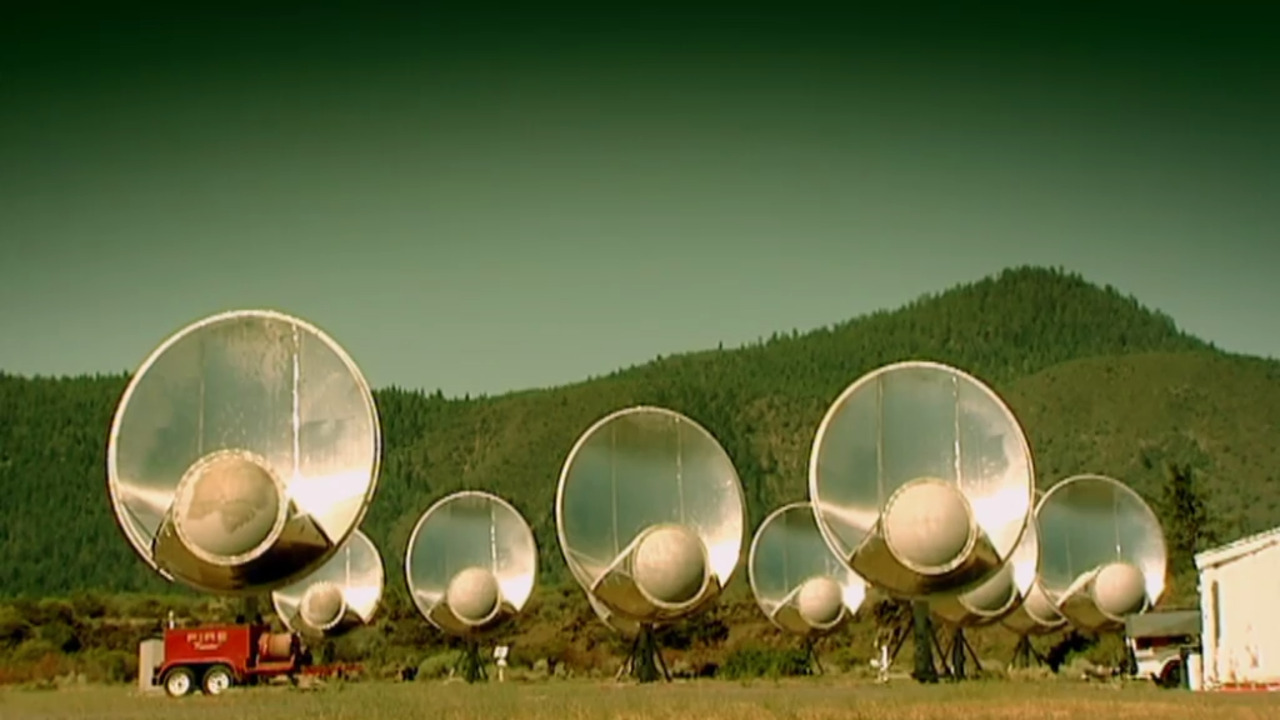
In The Ongoing Quest for Extraterrestrial Life, the SETI (Search for Extraterrestrial Intelligence) project, based in the California desert, listens for signals from alien civilizations. Despite using 42 antennas, SETI has not yet detected any evidence of intelligent life. Watch the ongoing efforts of the SETI project, which has been searching for extraterrestrial signals since the 1950s. The focus is on the scientific methods of listening for alien radio signals, rather than transmitting messages, and the challenges researchers face in their quest to detect extraterrestrial intelligence.
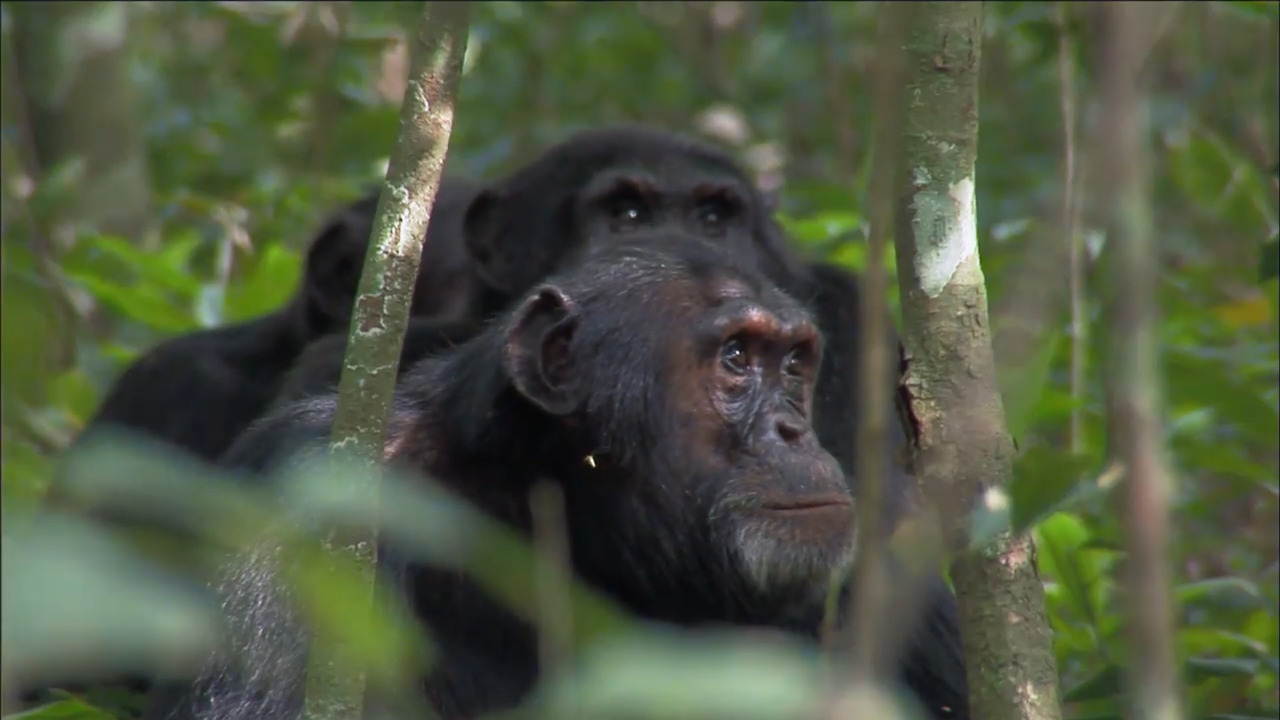
A troop of 150 chimpanzees. That's not a typo — it's the largest chimp community ever recorded in Africa, and they all live in one stretch of forest in Uganda. Sir David Attenborough takes you inside their world in this clip from BBC's Planet Earth, and it's not exactly peaceful. Chimps are unusual among jungle animals — they move just as easily through the treetops as they do on the ground, which comes in handy when your diet depends on finding enough fig trees to feed 150 mouths. But a community this size needs serious territory to sustain it, and that means defending it.
Watch as the troop uses coordinated calls to launch a raid into a rival group's land. Once they cross into enemy territory, everything changes: the calls stop, the pace slows, and every chimp is on high alert, listening for signs of who — and how many — they're up against.
It's a side of chimpanzees you don't usually see: strategic, tense, and surprisingly military in style. Great conversation starter for anything on animal behavior, group dynamics, or how intelligence shows up in unexpected ways.

Over the next few months, scrolling on your phone may look a little different. That’s because Meta, the company behind Facebook and Instagram, has been facing more pressure over claims that its platforms harm young people, and both citizens and the legal system have been demanding a change that has landed Meta in a lawsuit.
A judge in New Mexico did not hold back on criticizing harmful content, declaring Meta’s platforms a "public nuisance" and comparing the company to a factory creating toxic pollution. Yikes. The court also called out Meta for design features like infinite scroll, notifications, and recommendation algorithms that encourage people to stay online longer.
Meta was ordered to put a whopping $567 million into a five-year fund addressing harms. That’s on top of $375 million awarded earlier in the same case! But believe it or not, that’s not a ton of money for the company. The important part is not the money itself, but the indication that people are demanding change and getting companies to listen. Meta isn’t just being asked to pay a fine but to actually make changes, like restricting contact with adults, limiting notifications, and placing limits on how long people under 18 can spend on Facebook and Instagram.
Meta strongly disputes the ruling and plans to appeal, but the case has already set a larger question into motion about if tech companies should be held responsible not only for what users post but also how their platforms are designed.
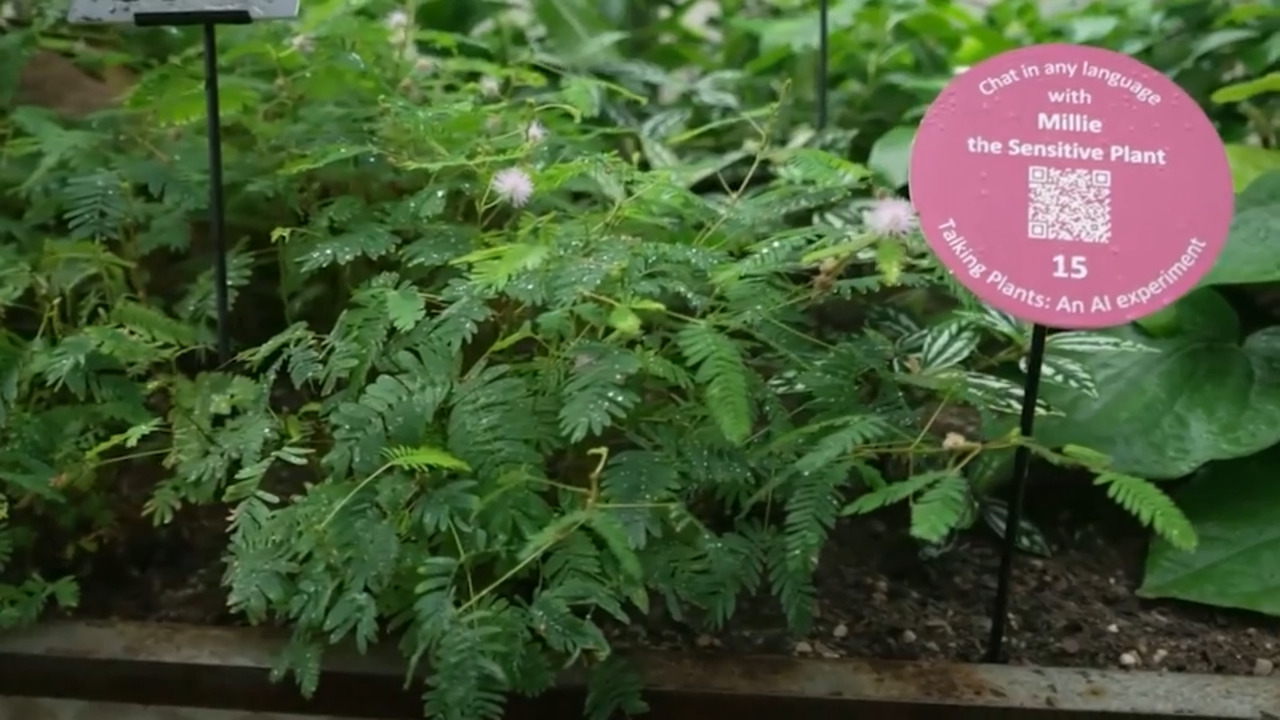
If you’ve ever wanted to ask Brussels sprouts… just… why? Well, you may be able to get pretty close. There’s an exhibition called Talking Plants at Cambridge University Botanic Garden, where visitors can talk to plants! Well, anyone can always talk to plants. But, in this greenhouse, artificial intelligence is being used to get the plants to respond.
The exhibit features a variety of plant life to go with 20 AI personalities a Cambridge professor, Sam, and his team created for the garden. With a QR code and a phone, visitors can come in and engage with the plants, ask them questions, and listen to their responses. Each plant has its own name, personality, and based on where in the world it's from, and some can speak multiple languages. They can even tell jokes!
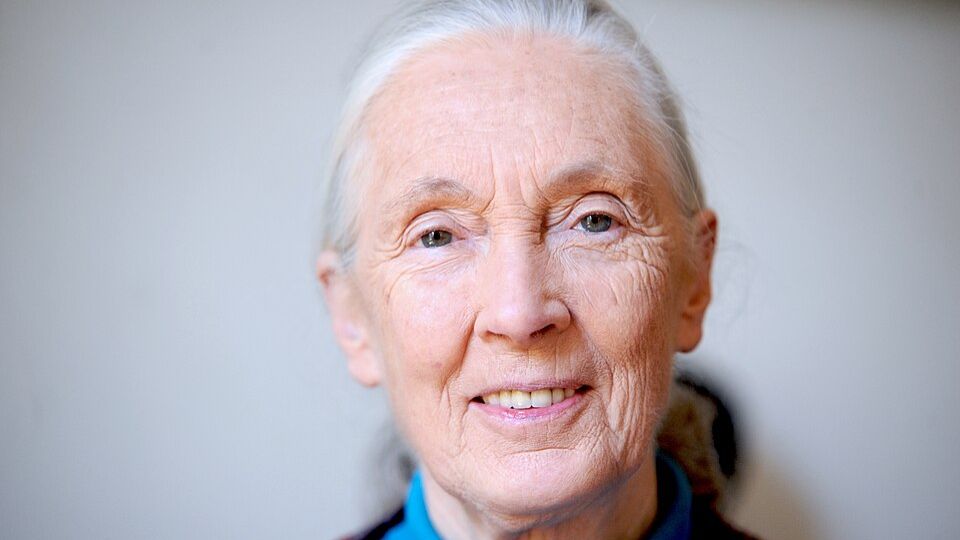
Explore how women scientists have transformed medicine, biology, and our understanding of life itself through the groundbreaking work of Jane Goodall, Tu Youyou, Marie Curie, and Françoise Barré-Sinoussi. Students will discover how curiosity, determination, and scientific innovation helped these women make discoveries that changed lives around the world.
This Kahoot explores major breakthroughs in fields such as medicine, chemistry, biology, and disease research, while highlighting the challenges many women scientists faced in gaining recognition and opportunities in their fields. Students will build listening skills, vocabulary, and scientific awareness as they learn how research and discovery can improve health, deepen knowledge, and shape the future.
Watch the related BBC videos (below), then invite your Grade 6–12 students to test their knowledge and explore the lasting global impact of women in science.

Explore the experiences of women who reached the highest levels of political leadership in this Kahoot about power, representation, and social change. Through the stories of Margaret Thatcher, Hillary Clinton, and Michelle Bachelet, students will examine how gender, prejudice, and feminism have shaped women’s paths to leadership in different countries and time periods.
This Kahoot explores the challenges and expectations faced by women in politics, including public perception, stereotypes, representation, and the debate over equality and leadership. Students will build listening skills, vocabulary, and historical awareness while considering how women leaders have influenced politics and challenged traditional ideas about power around the world.
Watch the related BBC video, Margaret Thatcher and Hillary Clinton, Women in Power, then invite your Grade 6–12 students to test their knowledge and explore how leadership and representation continue to shape society today.
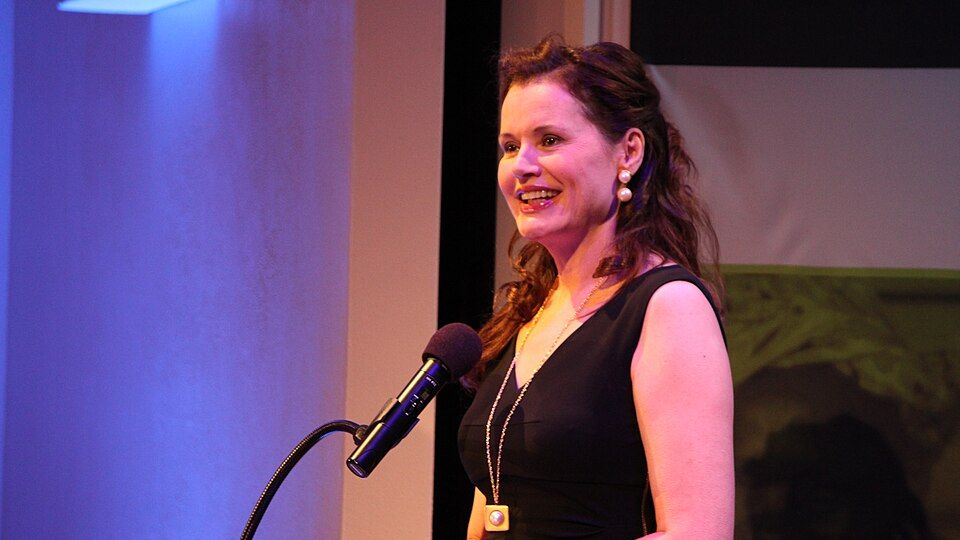
Explore how women are represented in films and why those portrayals matter in this Kahoot inspired by BBC’s Her Story —The Female Revolution. Through the ideas and research shared by Geena Davis and the Geena Davis Institute on Gender in Media, students will examine how movies and television influence the way people think about gender, power, and equality.
This Kahoot explores questions about representation, stereotypes, screen time, leadership roles, and how media can shape expectations for girls and boys. Students will build listening skills, vocabulary, and critical-thinking abilities while considering why balanced representation in film and entertainment can have a powerful social impact.
Watch the related BBC video, The Fight for Females in Film, then invite your Grade 6–12 students to test their knowledge and explore how storytelling and media influence culture, identity, and opportunity.
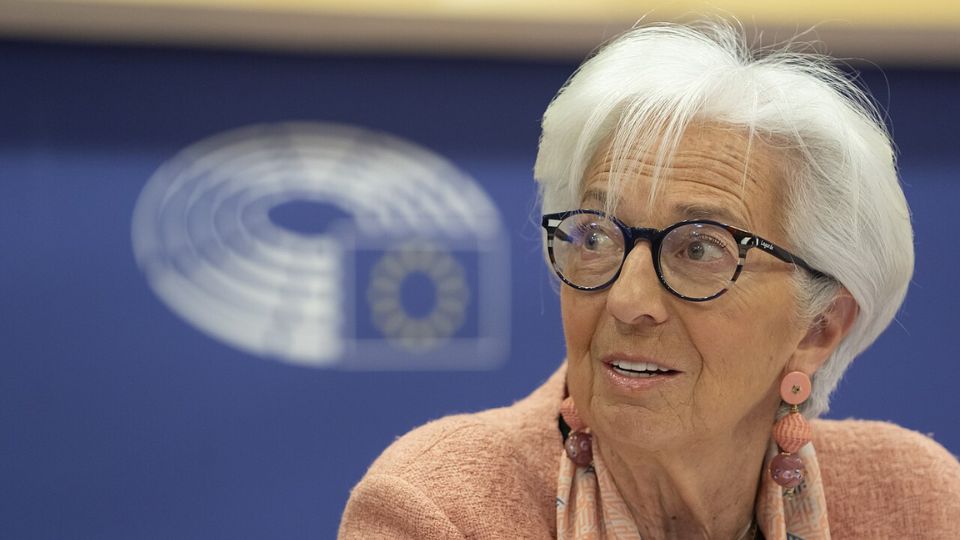
Explore the remarkable career and global influence of Christine Lagarde, whose leadership helped shape major economic decisions around the world. From her early work in international law to leading some of the world’s most powerful financial institutions, students will discover how Lagarde broke barriers and became one of the most influential women in global finance.
This Kahoot examines key moments in Lagarde’s journey, including her leadership roles at the International Monetary Fund and the European Central Bank, and how her approach to leadership challenged traditional ideas about economics and decision-making. Students will build listening skills, vocabulary, and historical awareness while exploring topics such as global finance, leadership, international cooperation, and gender equality.
Watch the related BBC video, Christine Lagarde, Titan of Finance, then invite your Grade 6–12 students to test their knowledge and explore how leadership, resilience, and innovation can shape the world stage.
Muffin, it's my turn! Talk to your class about the importance of listening and sharing through the Bluey episode "Faceytalk." Because we all know what happens when you hog! The lesson includes printables for three activities in which kids use a bubble map to brainstorm five different ways to share, listen to complete a directed drawing of Bluey in front of her house, and play a Bluey twist on Simon Says.
Faceytalk Episode Summary: Bluey and Bingo love to video chat with Muffin and Socks so they can all draw pictures together. When Muffin won’t give Socks a turn, the kids discover what happens when you hog.
Watch the episode here! (Click here to watch in Australia.)
In Listen and Look! Searching for Songbirds, Ranger Hamza and the Ramblers use their five senses to try to find blackbirds and learn about this interesting songbird. This video is excerpted from BBC's Ranger Hamza’s Eco Quest, a nature exploration show in which Ranger Hamza and the Ramblers go on quests to discover nature’s wonders and the important role they play in our environment.
In Julia Gillard, Education Advocate, listen as the former Australian Prime Minister reflects on her leadership and her work to expand education opportunities for girls worldwide. Drawing from her family’s experience with poverty and limited schooling, she advocates for equal access to education while facing criticism and gender bias during her political career. This video is excerpted from BBC's Her Story: The Female Revolution, which explores the history and impact of women’s rights movements and achievements of women.
In Hunting and Camping in the Kalahari, host Simon Reeve camps with the San people in the Kalahari, learning their survival skills. As night falls, he tries his hand at making fire with sticks, a skill the San men have mastered. Around the campfire, one man explains how coffee helps him stay alert to listen for predators like lions, sharing a gripping story of waking up to a pride nearby. He reflects on the courage it takes to hunt, reminding Simon that providing for family is worth the risks. This video is excerpted from BBC’s Wilderness With Simon Reeve, an epic adventure into the heart of Earth’s last great wild areas, where nature is at its most beautiful and fragile.
In The Ongoing Quest for Extraterrestrial Life, the SETI (Search for Extraterrestrial Intelligence) project, based in the California desert, listens for signals from alien civilizations. Despite using 42 antennas, SETI has not yet detected any evidence of intelligent life. Watch the ongoing efforts of the SETI project, which has been searching for extraterrestrial signals since the 1950s. The focus is on the scientific methods of listening for alien radio signals, rather than transmitting messages, and the challenges researchers face in their quest to detect extraterrestrial intelligence.
A troop of 150 chimpanzees. That's not a typo — it's the largest chimp community ever recorded in Africa, and they all live in one stretch of forest in Uganda. Sir David Attenborough takes you inside their world in this clip from BBC's Planet Earth, and it's not exactly peaceful. Chimps are unusual among jungle animals — they move just as easily through the treetops as they do on the ground, which comes in handy when your diet depends on finding enough fig trees to feed 150 mouths. But a community this size needs serious territory to sustain it, and that means defending it.
Watch as the troop uses coordinated calls to launch a raid into a rival group's land. Once they cross into enemy territory, everything changes: the calls stop, the pace slows, and every chimp is on high alert, listening for signs of who — and how many — they're up against.
It's a side of chimpanzees you don't usually see: strategic, tense, and surprisingly military in style. Great conversation starter for anything on animal behavior, group dynamics, or how intelligence shows up in unexpected ways.
Over the next few months, scrolling on your phone may look a little different. That’s because Meta, the company behind Facebook and Instagram, has been facing more pressure over claims that its platforms harm young people, and both citizens and the legal system have been demanding a change that has landed Meta in a lawsuit.
A judge in New Mexico did not hold back on criticizing harmful content, declaring Meta’s platforms a "public nuisance" and comparing the company to a factory creating toxic pollution. Yikes. The court also called out Meta for design features like infinite scroll, notifications, and recommendation algorithms that encourage people to stay online longer.
Meta was ordered to put a whopping $567 million into a five-year fund addressing harms. That’s on top of $375 million awarded earlier in the same case! But believe it or not, that’s not a ton of money for the company. The important part is not the money itself, but the indication that people are demanding change and getting companies to listen. Meta isn’t just being asked to pay a fine but to actually make changes, like restricting contact with adults, limiting notifications, and placing limits on how long people under 18 can spend on Facebook and Instagram.
Meta strongly disputes the ruling and plans to appeal, but the case has already set a larger question into motion about if tech companies should be held responsible not only for what users post but also how their platforms are designed.
If you’ve ever wanted to ask Brussels sprouts… just… why? Well, you may be able to get pretty close. There’s an exhibition called Talking Plants at Cambridge University Botanic Garden, where visitors can talk to plants! Well, anyone can always talk to plants. But, in this greenhouse, artificial intelligence is being used to get the plants to respond.
The exhibit features a variety of plant life to go with 20 AI personalities a Cambridge professor, Sam, and his team created for the garden. With a QR code and a phone, visitors can come in and engage with the plants, ask them questions, and listen to their responses. Each plant has its own name, personality, and based on where in the world it's from, and some can speak multiple languages. They can even tell jokes!
Explore how women scientists have transformed medicine, biology, and our understanding of life itself through the groundbreaking work of Jane Goodall, Tu Youyou, Marie Curie, and Françoise Barré-Sinoussi. Students will discover how curiosity, determination, and scientific innovation helped these women make discoveries that changed lives around the world.
This Kahoot explores major breakthroughs in fields such as medicine, chemistry, biology, and disease research, while highlighting the challenges many women scientists faced in gaining recognition and opportunities in their fields. Students will build listening skills, vocabulary, and scientific awareness as they learn how research and discovery can improve health, deepen knowledge, and shape the future.
Watch the related BBC videos (below), then invite your Grade 6–12 students to test their knowledge and explore the lasting global impact of women in science.
Explore the experiences of women who reached the highest levels of political leadership in this Kahoot about power, representation, and social change. Through the stories of Margaret Thatcher, Hillary Clinton, and Michelle Bachelet, students will examine how gender, prejudice, and feminism have shaped women’s paths to leadership in different countries and time periods.
This Kahoot explores the challenges and expectations faced by women in politics, including public perception, stereotypes, representation, and the debate over equality and leadership. Students will build listening skills, vocabulary, and historical awareness while considering how women leaders have influenced politics and challenged traditional ideas about power around the world.
Watch the related BBC video, Margaret Thatcher and Hillary Clinton, Women in Power, then invite your Grade 6–12 students to test their knowledge and explore how leadership and representation continue to shape society today.
Explore how women are represented in films and why those portrayals matter in this Kahoot inspired by BBC’s Her Story —The Female Revolution. Through the ideas and research shared by Geena Davis and the Geena Davis Institute on Gender in Media, students will examine how movies and television influence the way people think about gender, power, and equality.
This Kahoot explores questions about representation, stereotypes, screen time, leadership roles, and how media can shape expectations for girls and boys. Students will build listening skills, vocabulary, and critical-thinking abilities while considering why balanced representation in film and entertainment can have a powerful social impact.
Watch the related BBC video, The Fight for Females in Film, then invite your Grade 6–12 students to test their knowledge and explore how storytelling and media influence culture, identity, and opportunity.
Explore the remarkable career and global influence of Christine Lagarde, whose leadership helped shape major economic decisions around the world. From her early work in international law to leading some of the world’s most powerful financial institutions, students will discover how Lagarde broke barriers and became one of the most influential women in global finance.
This Kahoot examines key moments in Lagarde’s journey, including her leadership roles at the International Monetary Fund and the European Central Bank, and how her approach to leadership challenged traditional ideas about economics and decision-making. Students will build listening skills, vocabulary, and historical awareness while exploring topics such as global finance, leadership, international cooperation, and gender equality.
Watch the related BBC video, Christine Lagarde, Titan of Finance, then invite your Grade 6–12 students to test their knowledge and explore how leadership, resilience, and innovation can shape the world stage.