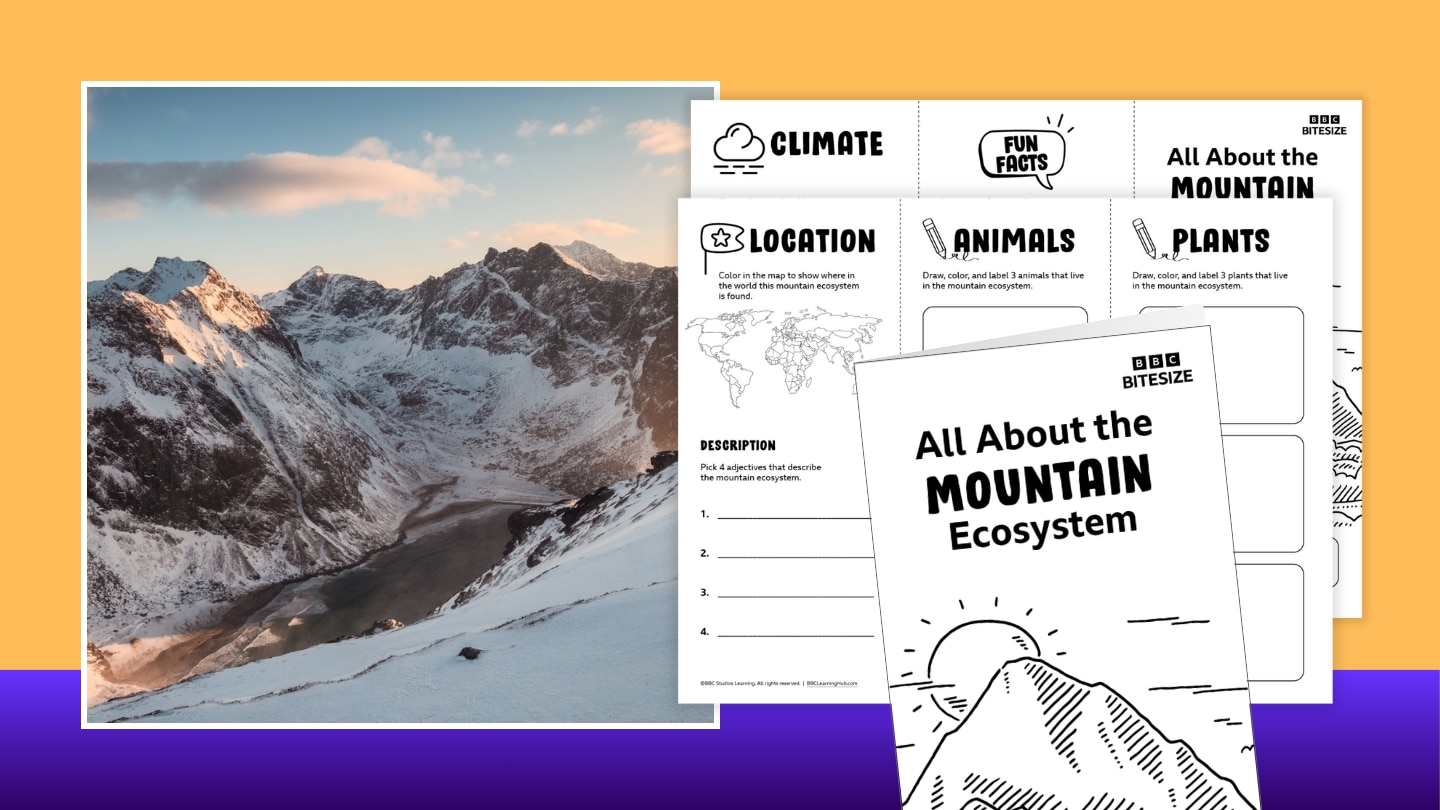
Take your students on a climb through the mountain ecosystem! From the towering Himalayas to the snowy Rockies, mountain ecosystems change as you climb, starting with green forests down low and ending with bare, windswept summits at the top.
✨ Perfect for grades 3–8, here’s what you need to bring ecosystems to life:
- Iconic BBC Videos: Share the clips on this page to introduce the location, plants, animals, and climate of the mountains. (Don't miss the grizzlies and snow leopards!) Brought to you by world-class BBC programs like Planet Earth.
- Free Printable: Use the Mountain Brochure Template to help students pull it all together in an ecosystem report with facts they’ve learned (and a little extra research).
It’s everything you need to make ecosystems easy to teach and truly memorable for your students.
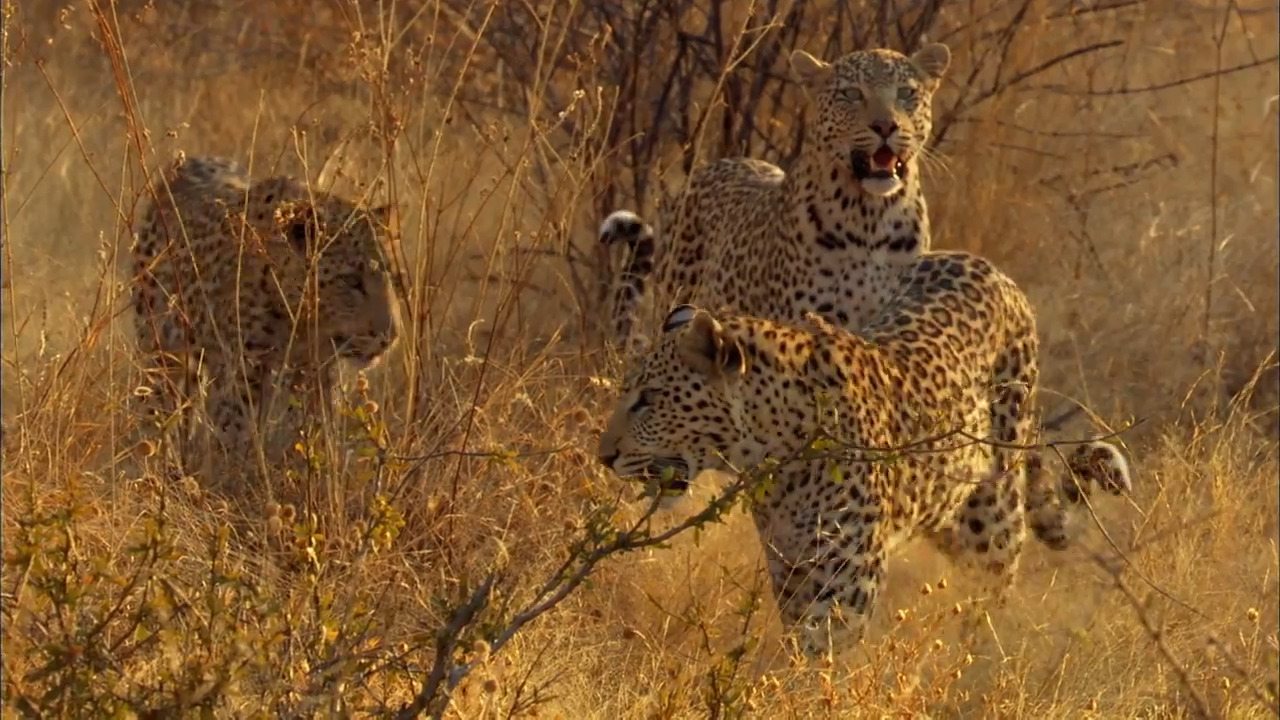
In A Leopard Hunts for Food in the Kalahari, narrator Sir David Attenborough describes how a one-year-old African leopard in the Kalahari Desert learns how to survive on his own by hunting for food. With limited food sources, the young leopard has to be clever and patient. He misses a few chances to catch food, but he keeps trying. Eventually, he returns to find a meal left high in the trees, but getting to it won't be so easy. This video is excerpted from BBC’s Africa, a study of the landscape and wildlife of the world’s wildest continent, Africa.
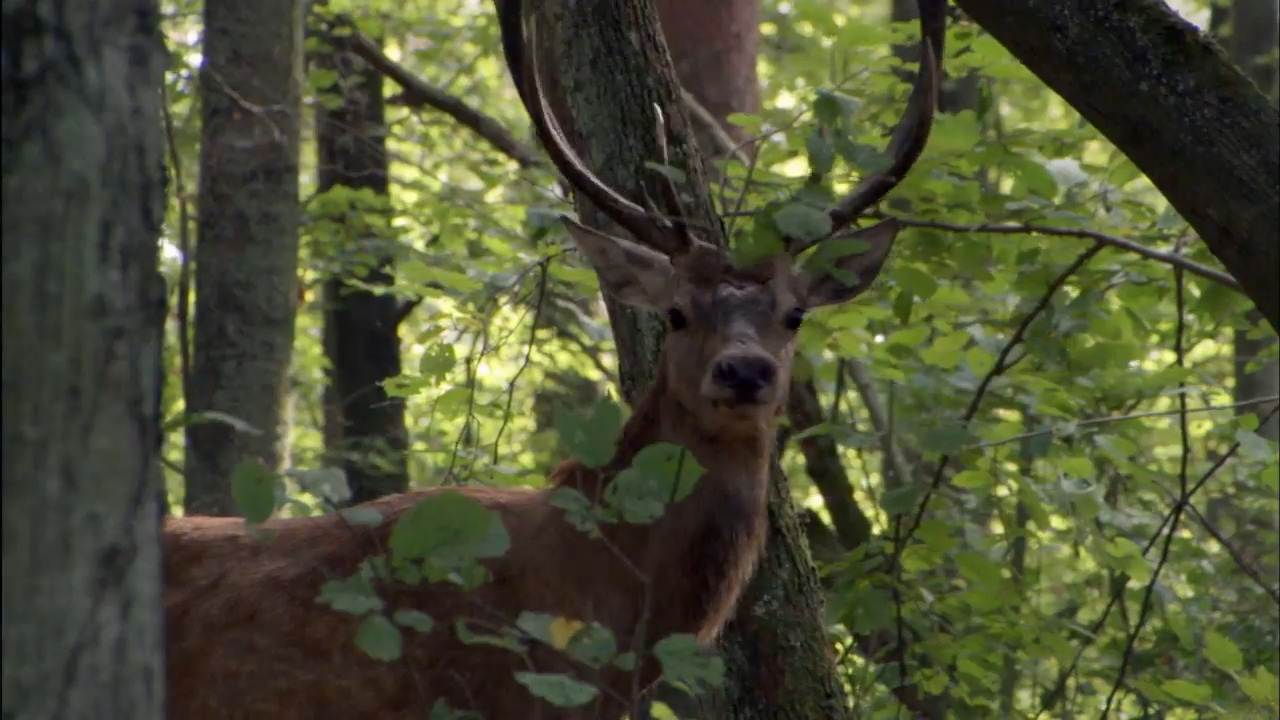
In The Onset of Autumn Means Romance and Danger, narrator Sir David Attenborough describes how animals struggle for survival in broadleaf forests in autumn. Male red deer fight one another in mating season. The rare Amur leopard hunts to feed its cub, despite sparse prey and vegetation for coverage. This video is excerpted from BBC's Planet Earth, a breathtaking documentary series that highlights the natural wonders of our planet.
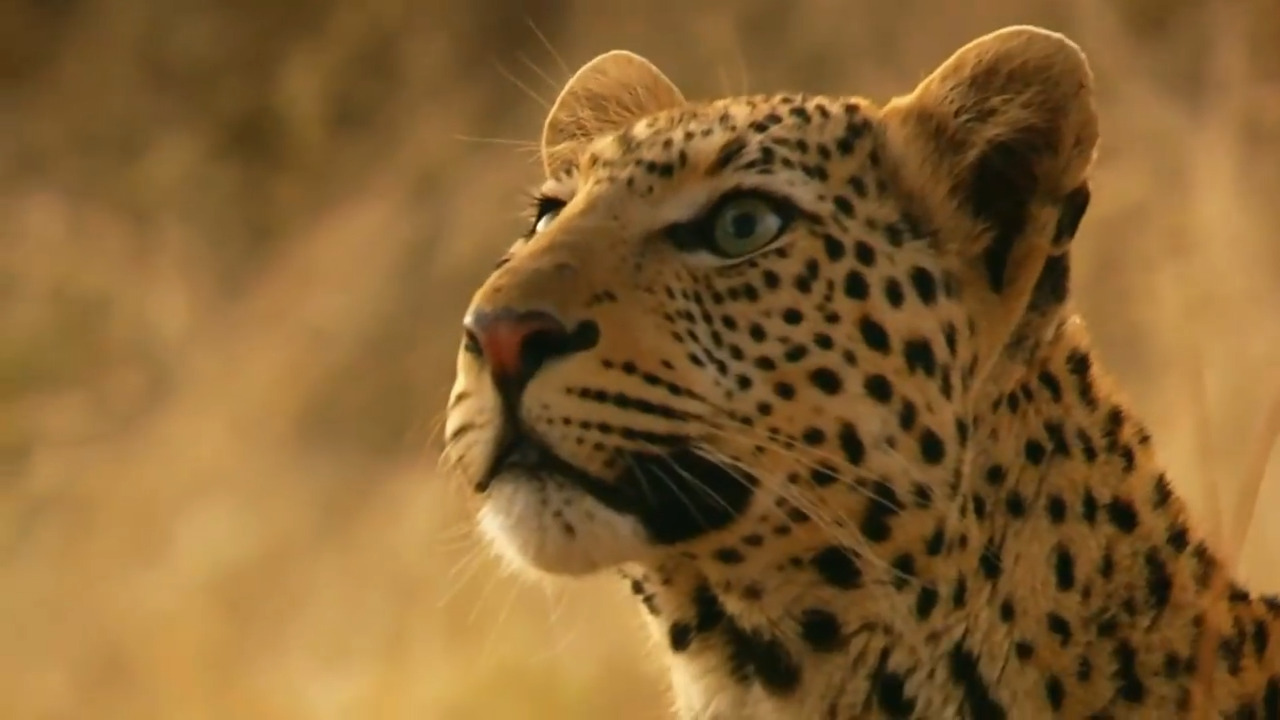
In Safari Babies Growing Up, narrator Gordon Buchanan describes some of the challenges that young animals face as they grow up in the African plains. A young leopard tries to retrieve a carcass up in a tree, but it’s no easy task. A tiny banded mongoose faces an obstacle on its way to a new home. This video is excerpted from BBC's Animal Babies, a heartwarming show that follows the first breaths, first steps and first feeds of some adorable baby animals, revealing the challenges they face to survive in some of the toughest but most beautiful places on the planet.
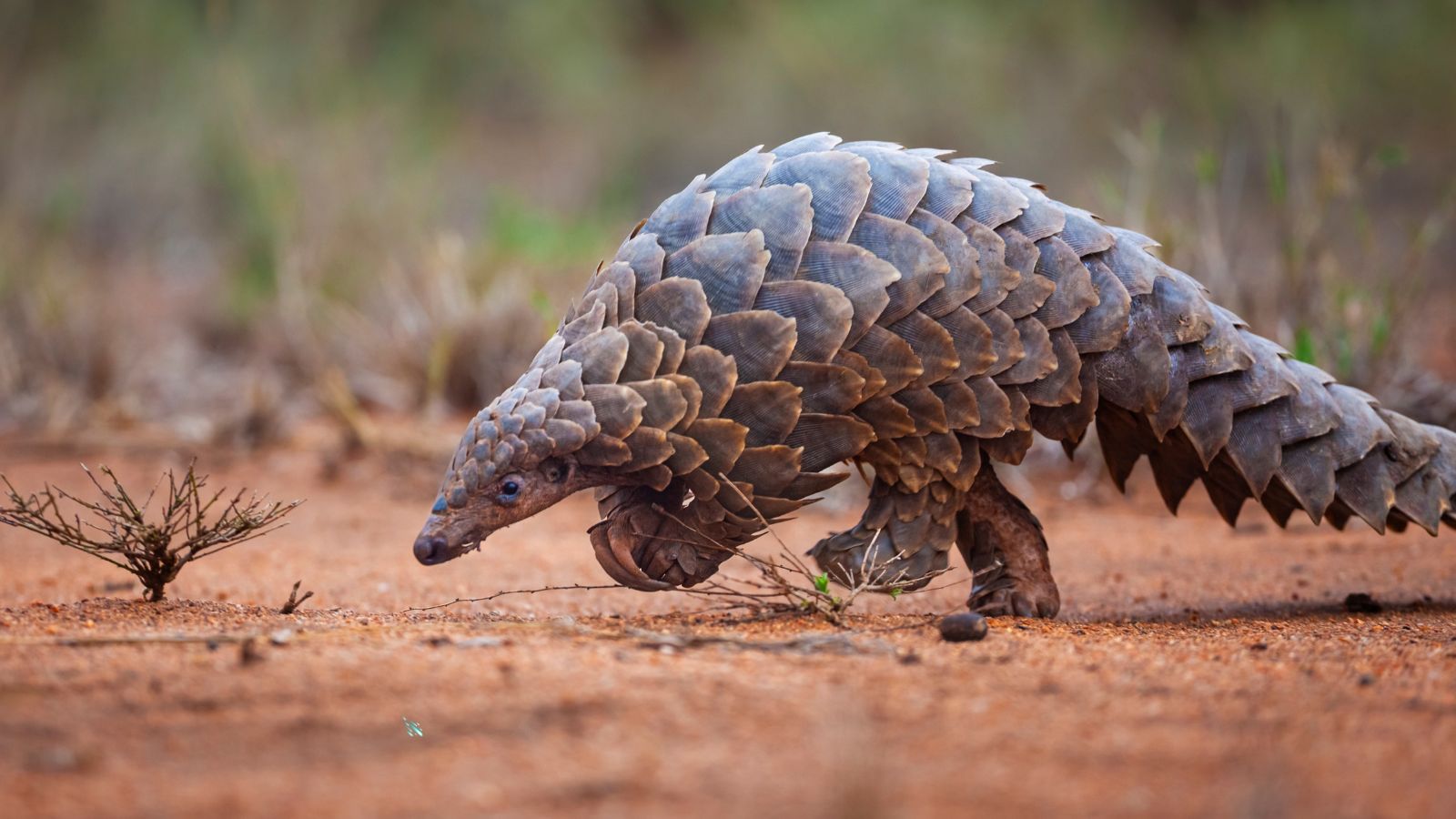
Deserts look empty. They are anything but.
From the sun-scorched dunes of the Sahara to the scrubby plains of Australia, desert animals have cracked one of nature's toughest puzzles: how to survive where water is scarce, temperatures are brutal, and food is hard to find. In this playlist, you'll meet the remarkable species that call these landscapes home — from the iconic camel and the lightning-fast hawk to the bounding kangaroo and the armored pangolin.
Each clip, drawn from landmark BBC series including Seven Worlds, One Planet and Planet Earth II, puts you face-to-face with real desert survival in action. Some animals store water and energy for enormous journeys across open terrain. Others hunt by night, move in short bursts, or use camouflage so good they practically disappear. Every strategy is different. Every one is extraordinary.
As you watch, think bigger: How do animals adapt to temperatures that would stop most creatures in their tracks? What physical traits make desert life not just possible, but thriving? And how do these species — predator and prey, reptile and mammal — depend on each other to keep desert ecosystems in balance?
This playlist won't just teach you about deserts. It will make you see them differently.
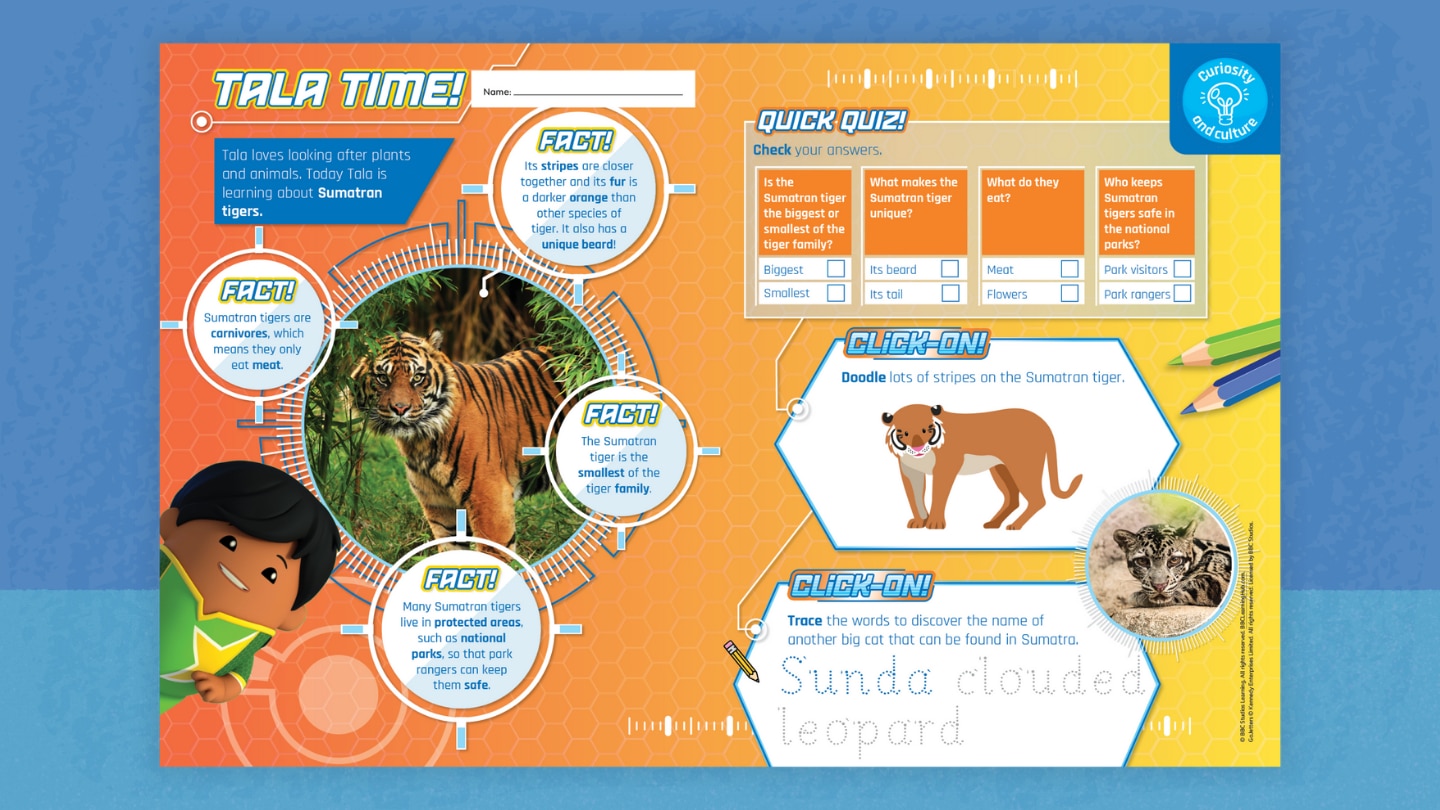
Join Tala and the Go Jetters to discover amazing facts about Sumatran tigers! In this interactive worksheet, you'll:
- Explore what makes these tigers unique, what they eat, and how they survive in protected areas.
- Complete a quick quiz.
- Doodle stripes on a tiger.
- Trace the name of another big cat found in Sumatra.

Get ready for cuteness overload with this heartwarming playlist of baby animal videos! Watch ducklings wobble, elephants splash, wildebeests race, seals snooze, and otters play with endless charm. Perfect for captivating your class while sneaking in a little science, these clips will have your students saying “aww” while you say, “This totally counts as learning!”
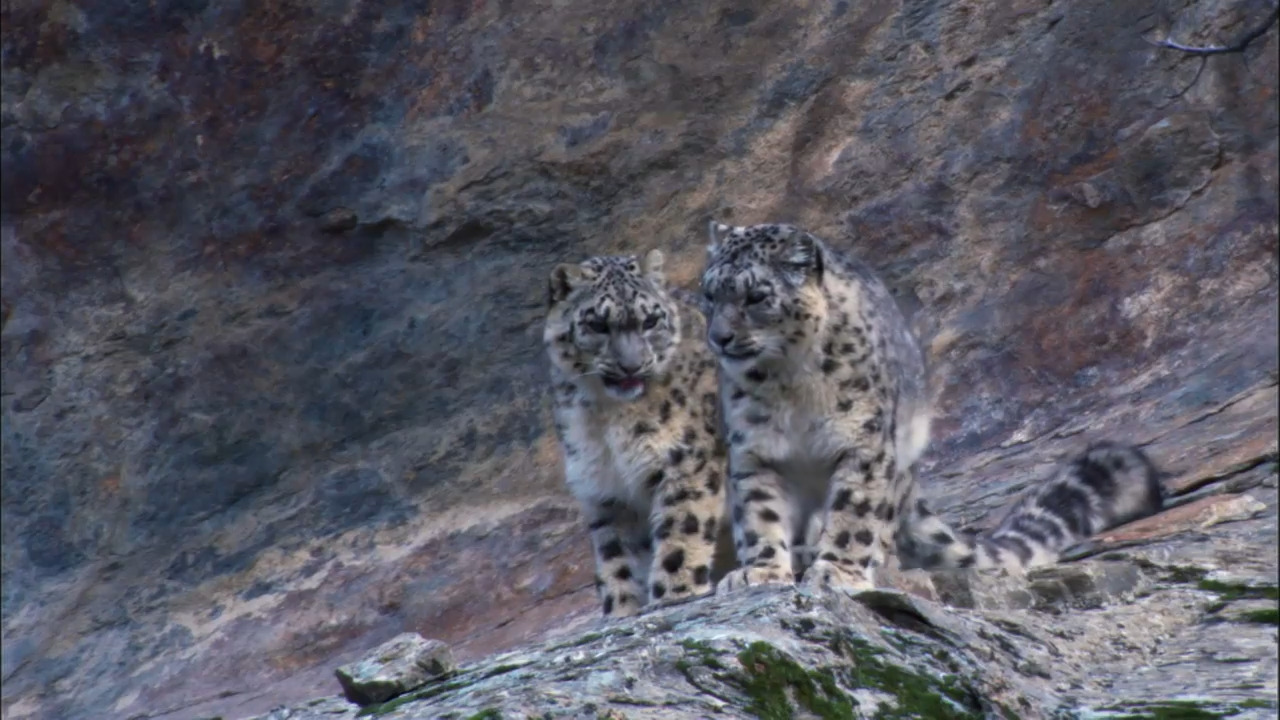
In The Snow Leopard Caught on Film for the First Time!, Sir David Attenborough describes how a seldom-seen female cares for her cub and hunts among the steep cliffs of the Himalayas. Her body is uniquely adapted to the challenges of her environment. This video is excerpted from BBC's Planet Earth, a breathtaking documentary series that highlights the natural wonders of our planet.
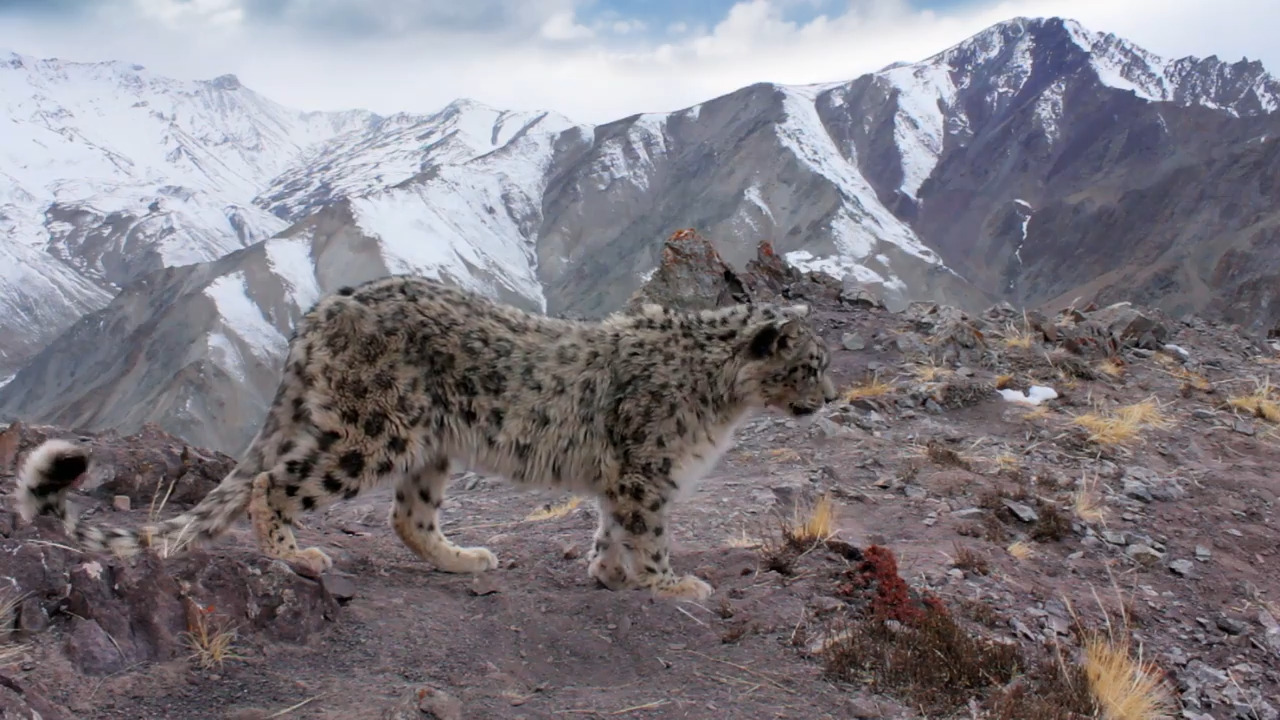
In The Elusive Snow Leopard, narrator Sir David Attenborough watches a snow leopard in heat leave her scent and call out to attract males. When two males arrive, problems ensue. The males fight to claim the female, while the female’s cub has to escape the danger of being killed herself. Though the mother is injured, she later recovers, and the two females are later spotted alive and well. This video is excerpted from BBC’s Planet Earth II, a breathtaking documentary series that highlights the natural wonders of our planet.
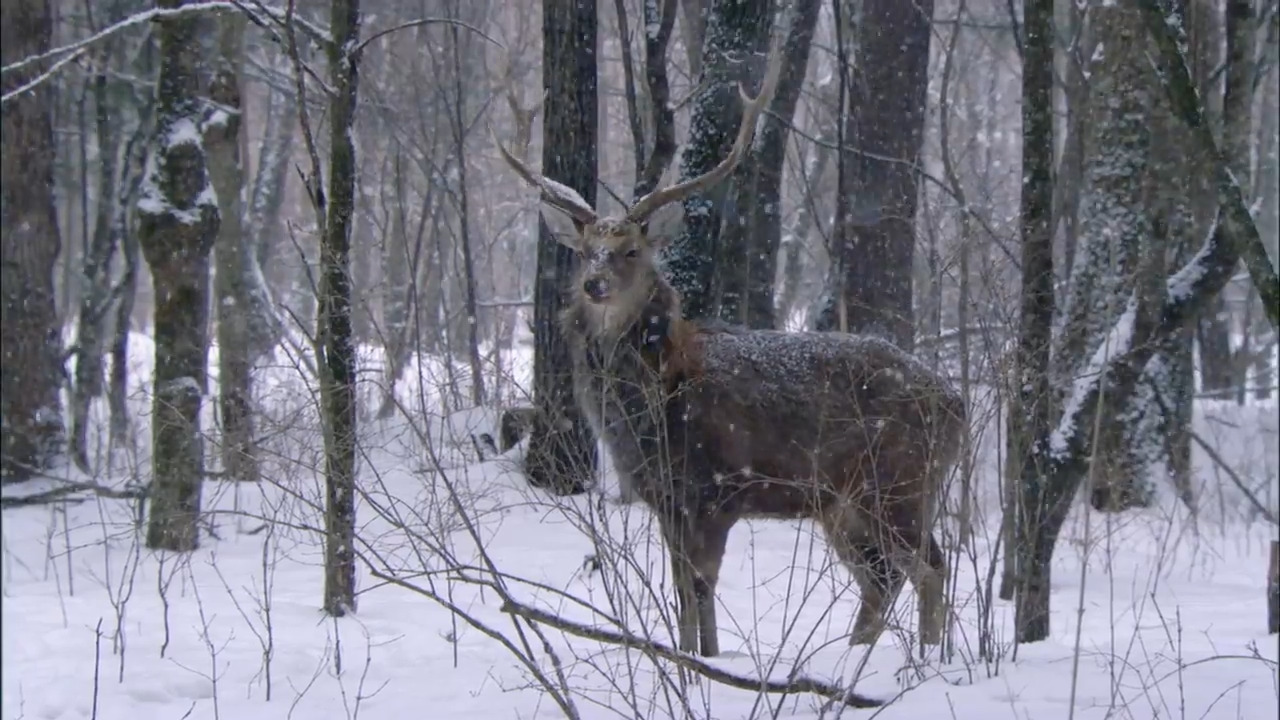
In The Broadleaf Woods Go From Lively To Lifeless, narrator Sir David Attenborough describes the great seasonal changes that come to the broadleaf forest. In summer, the woods are bustling with animal life, but in winter, a lonely leopard hunts in a barren landscape. This video is excerpted from BBC's Planet Earth, a breathtaking documentary series that highlights the natural wonders of our planet.
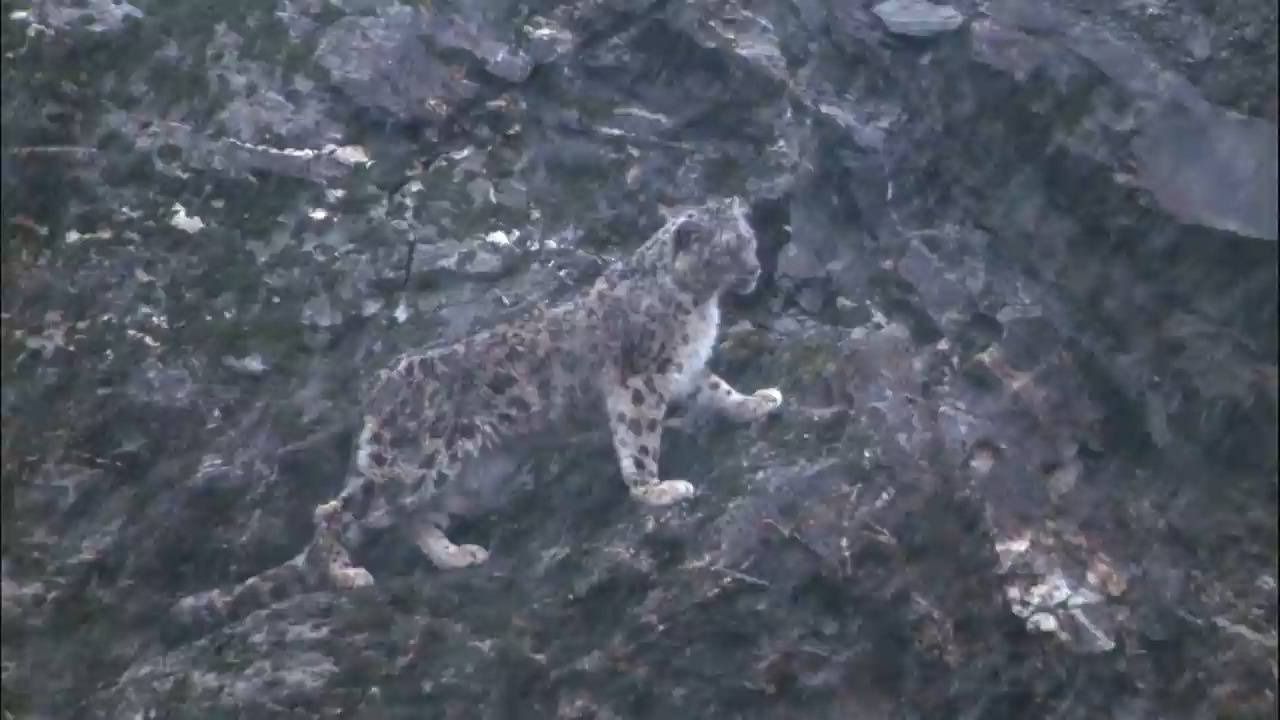
In How the Snow Affects Animals, narrator Sir David Attenborough describes how predators stalk a herd of markhor goats. When snow starts to fall, the golden eagle is hindered, but the snow leopard is helped. This video is excerpted from BBC's Planet Earth, a breathtaking documentary series that highlights the natural wonders of our planet.
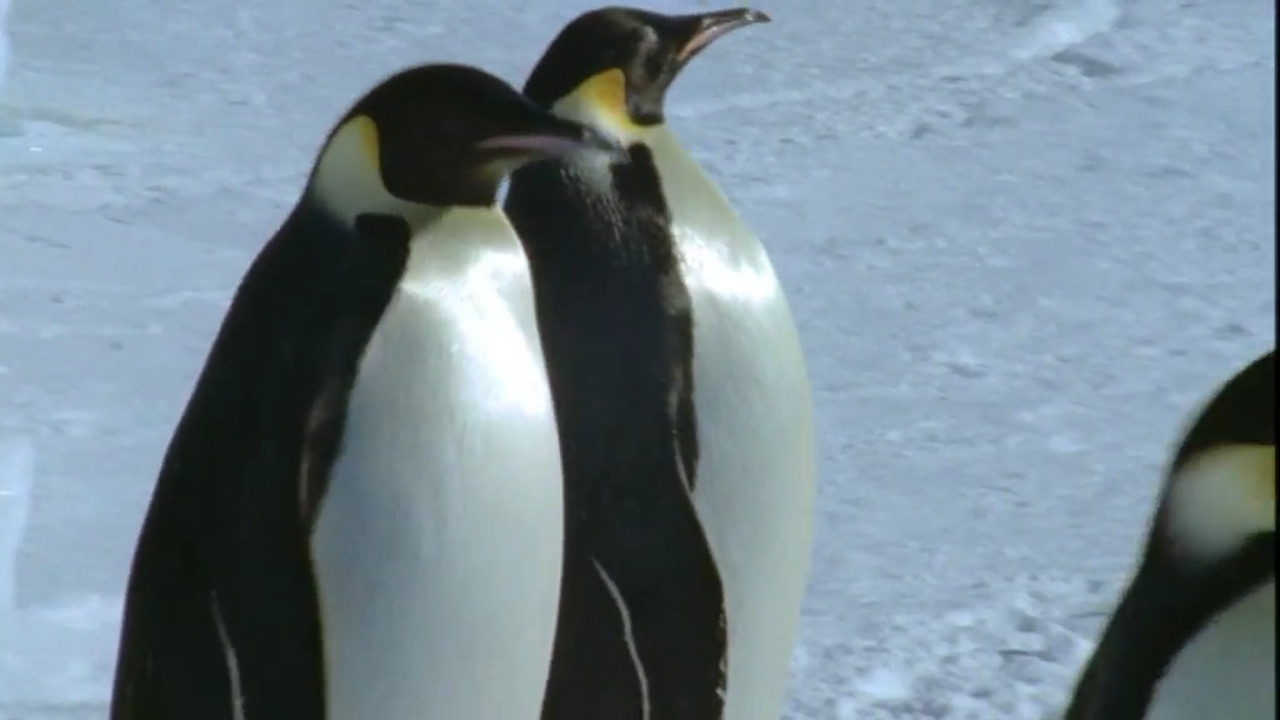
In Emperor Penguins Return to the Colony, narrator Sir David Attenborough describes how emperor penguins evade leopard seals to get back on the ice and back to their chicks. Learn how emperor penguins take care of their chicks and then return to the water. This video is excerpted from BBC’s Blue Planet, a definitive documentary series diving into the mysterious depths of the sea to discover the natural history of the world’s oceans and the rarely seen marine life that reside there.
Take your students on a climb through the mountain ecosystem! From the towering Himalayas to the snowy Rockies, mountain ecosystems change as you climb, starting with green forests down low and ending with bare, windswept summits at the top.
✨ Perfect for grades 3–8, here’s what you need to bring ecosystems to life:
- Iconic BBC Videos: Share the clips on this page to introduce the location, plants, animals, and climate of the mountains. (Don't miss the grizzlies and snow leopards!) Brought to you by world-class BBC programs like Planet Earth.
- Free Printable: Use the Mountain Brochure Template to help students pull it all together in an ecosystem report with facts they’ve learned (and a little extra research).
It’s everything you need to make ecosystems easy to teach and truly memorable for your students.
In A Leopard Hunts for Food in the Kalahari, narrator Sir David Attenborough describes how a one-year-old African leopard in the Kalahari Desert learns how to survive on his own by hunting for food. With limited food sources, the young leopard has to be clever and patient. He misses a few chances to catch food, but he keeps trying. Eventually, he returns to find a meal left high in the trees, but getting to it won't be so easy. This video is excerpted from BBC’s Africa, a study of the landscape and wildlife of the world’s wildest continent, Africa.
In The Onset of Autumn Means Romance and Danger, narrator Sir David Attenborough describes how animals struggle for survival in broadleaf forests in autumn. Male red deer fight one another in mating season. The rare Amur leopard hunts to feed its cub, despite sparse prey and vegetation for coverage. This video is excerpted from BBC's Planet Earth, a breathtaking documentary series that highlights the natural wonders of our planet.
In Safari Babies Growing Up, narrator Gordon Buchanan describes some of the challenges that young animals face as they grow up in the African plains. A young leopard tries to retrieve a carcass up in a tree, but it’s no easy task. A tiny banded mongoose faces an obstacle on its way to a new home. This video is excerpted from BBC's Animal Babies, a heartwarming show that follows the first breaths, first steps and first feeds of some adorable baby animals, revealing the challenges they face to survive in some of the toughest but most beautiful places on the planet.
Deserts look empty. They are anything but.
From the sun-scorched dunes of the Sahara to the scrubby plains of Australia, desert animals have cracked one of nature's toughest puzzles: how to survive where water is scarce, temperatures are brutal, and food is hard to find. In this playlist, you'll meet the remarkable species that call these landscapes home — from the iconic camel and the lightning-fast hawk to the bounding kangaroo and the armored pangolin.
Each clip, drawn from landmark BBC series including Seven Worlds, One Planet and Planet Earth II, puts you face-to-face with real desert survival in action. Some animals store water and energy for enormous journeys across open terrain. Others hunt by night, move in short bursts, or use camouflage so good they practically disappear. Every strategy is different. Every one is extraordinary.
As you watch, think bigger: How do animals adapt to temperatures that would stop most creatures in their tracks? What physical traits make desert life not just possible, but thriving? And how do these species — predator and prey, reptile and mammal — depend on each other to keep desert ecosystems in balance?
This playlist won't just teach you about deserts. It will make you see them differently.
Join Tala and the Go Jetters to discover amazing facts about Sumatran tigers! In this interactive worksheet, you'll:
- Explore what makes these tigers unique, what they eat, and how they survive in protected areas.
- Complete a quick quiz.
- Doodle stripes on a tiger.
- Trace the name of another big cat found in Sumatra.
Get ready for cuteness overload with this heartwarming playlist of baby animal videos! Watch ducklings wobble, elephants splash, wildebeests race, seals snooze, and otters play with endless charm. Perfect for captivating your class while sneaking in a little science, these clips will have your students saying “aww” while you say, “This totally counts as learning!”
In The Snow Leopard Caught on Film for the First Time!, Sir David Attenborough describes how a seldom-seen female cares for her cub and hunts among the steep cliffs of the Himalayas. Her body is uniquely adapted to the challenges of her environment. This video is excerpted from BBC's Planet Earth, a breathtaking documentary series that highlights the natural wonders of our planet.
In The Elusive Snow Leopard, narrator Sir David Attenborough watches a snow leopard in heat leave her scent and call out to attract males. When two males arrive, problems ensue. The males fight to claim the female, while the female’s cub has to escape the danger of being killed herself. Though the mother is injured, she later recovers, and the two females are later spotted alive and well. This video is excerpted from BBC’s Planet Earth II, a breathtaking documentary series that highlights the natural wonders of our planet.
In The Broadleaf Woods Go From Lively To Lifeless, narrator Sir David Attenborough describes the great seasonal changes that come to the broadleaf forest. In summer, the woods are bustling with animal life, but in winter, a lonely leopard hunts in a barren landscape. This video is excerpted from BBC's Planet Earth, a breathtaking documentary series that highlights the natural wonders of our planet.
In How the Snow Affects Animals, narrator Sir David Attenborough describes how predators stalk a herd of markhor goats. When snow starts to fall, the golden eagle is hindered, but the snow leopard is helped. This video is excerpted from BBC's Planet Earth, a breathtaking documentary series that highlights the natural wonders of our planet.
In Emperor Penguins Return to the Colony, narrator Sir David Attenborough describes how emperor penguins evade leopard seals to get back on the ice and back to their chicks. Learn how emperor penguins take care of their chicks and then return to the water. This video is excerpted from BBC’s Blue Planet, a definitive documentary series diving into the mysterious depths of the sea to discover the natural history of the world’s oceans and the rarely seen marine life that reside there.