Safari Babies Growing Up
In Safari Babies Growing Up, narrator Gordon Buchanan describes some of the challenges that young animals face as they grow up in the African plains. A young leopard tries to retrieve a carcass up in a tree, but it’s no easy task. A tiny banded mongoose faces an obstacle on its way to a new home. This video is excerpted from BBC's Animal Babies, a heartwarming show that follows the first breaths, first steps and first feeds of some adorable baby animals, revealing the challenges they face to survive in some of the toughest but most beautiful places on the planet.
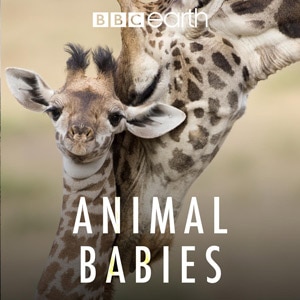
Three wildlife camera operators follow six iconic baby animals as they face the challenges of surviving their first year on Earth. Learn more.
Lesson Express
Q: Who put the deer into a tree and why?
A: The leopard mother hid the animal up in the tree to keep other animals from getting it. The young leopard learns that climbing a tree is a very important skill to master. It also knows to do the same with its prey so that the meal is not lost to another animal.
Q: Why do mongoose families relocate often and move to a new den?
A: Being on the move helps mongooses get away from predators and keeps the number of parasites down.
Q: How do mongoose families stick together, even when they relocate?
A: When the young mongoose fails at getting over the stone wall, an adult mongoose grabs the baby in its mouth and carries it up and over the wall.
You Might Also Like
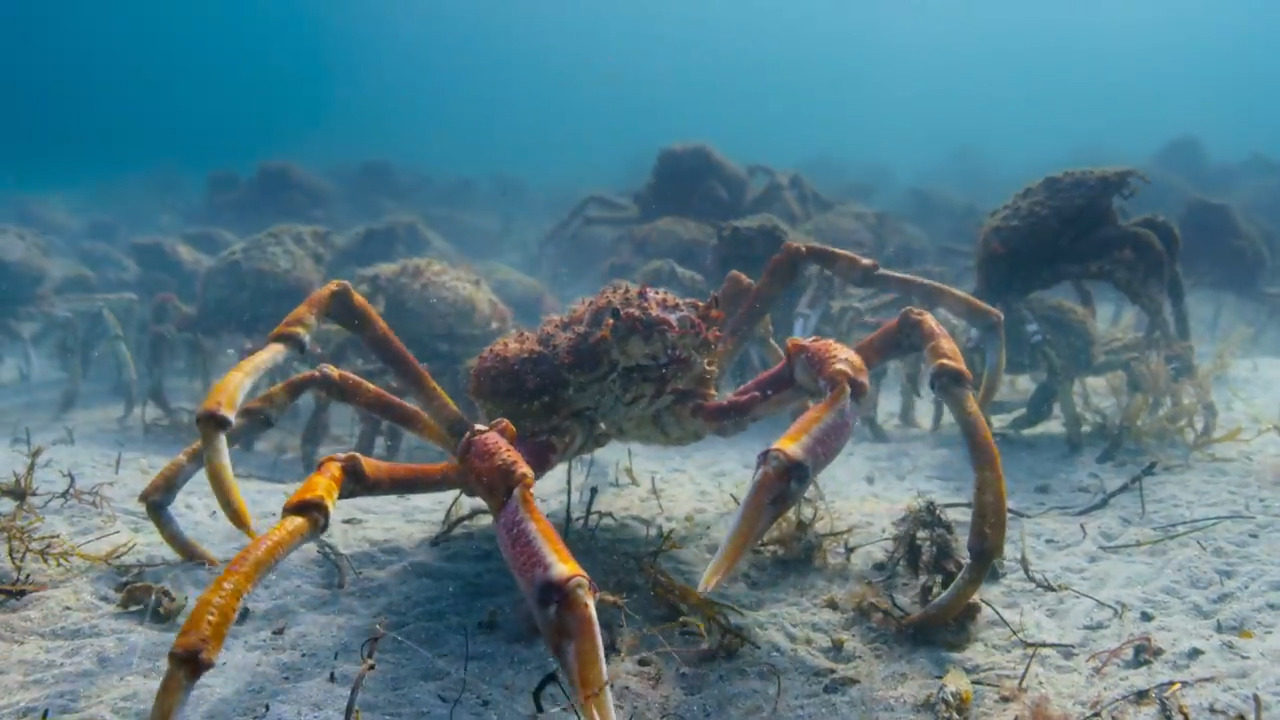
In An Army of Spider Crabs, narrator Sir David Attenborough shows the fascinating journey taken by spider crabs as their giant tribes grow and move through the green seas in Australia. From the hardening of their outer shells to moving in masses, these crabs go through quite the journey. This video is excerpted from BBC’s Blue Planet II, a natural history series that explores the world's oceans, the animals that live in them, and the threats they face, using modern filming techniques and equipment to capture previously unseen areas of the ocean.
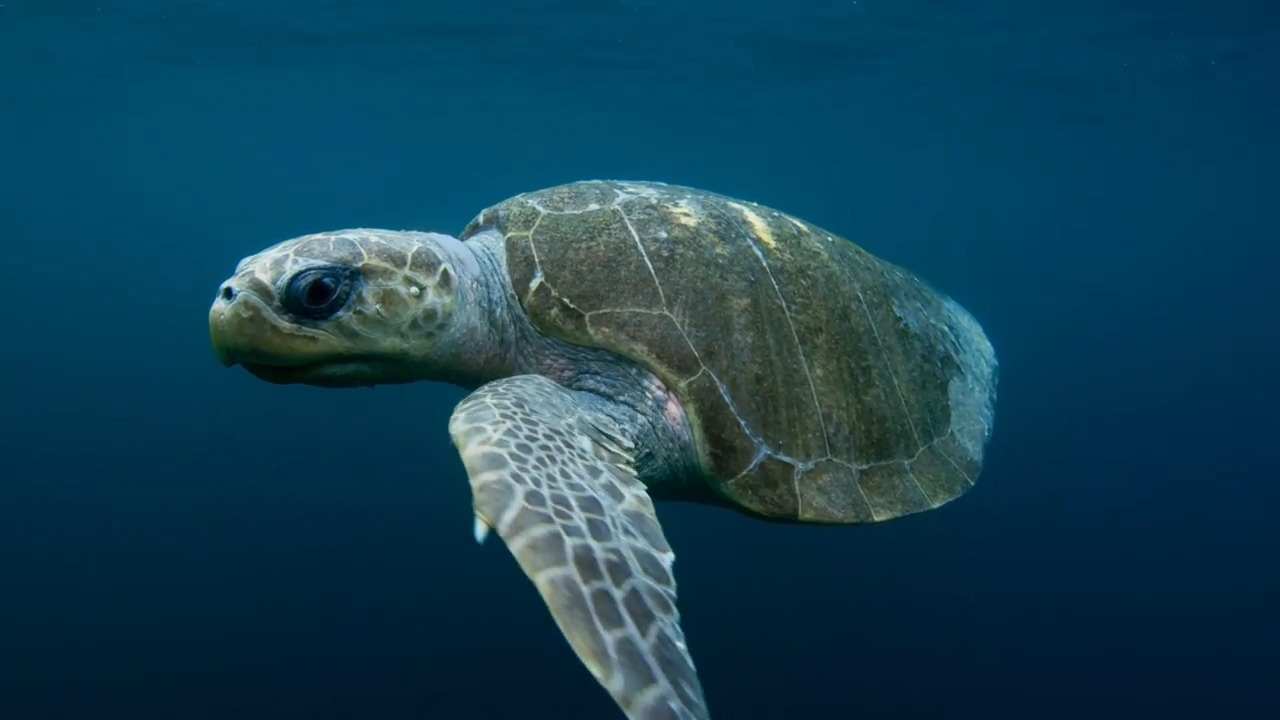
In The Olive Ridley Turtle on Land and Sea, narrator Sir David Attenborough follows a sea turtle off the coast of Costa Rica, resting after a 1,500-mile journey to lay her eggs. She comes to rest on the same beach where she herself hatched many years before. This video is excerpted from BBC’s Blue Planet II, a natural history series that explores the world's oceans, the animals that live in them, and the threats they face, using modern filming techniques and equipment to capture previously unseen areas of the ocean.
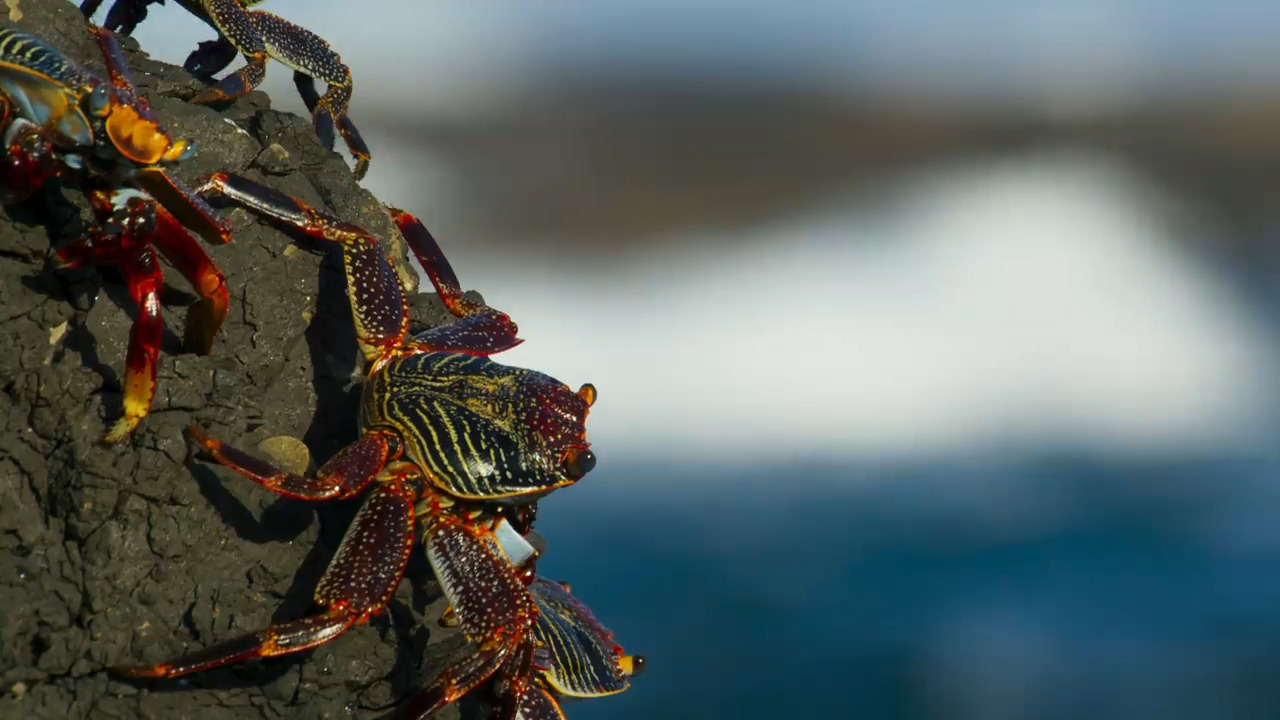
In Sally Lightfoot Crabs Run the Gauntlet, narrator Sir David Attenborough introduces these colorful crabs who jump from rock to rock as the tide goes out to make it to their feeding ground. The crabs are very determined, but so are some fierce predators along the way. This video is excerpted from BBC’s Blue Planet II, a natural history series that explores the world's oceans, the animals that live in them, and the threats they face, using modern filming techniques and equipment to capture previously unseen areas of the ocean.
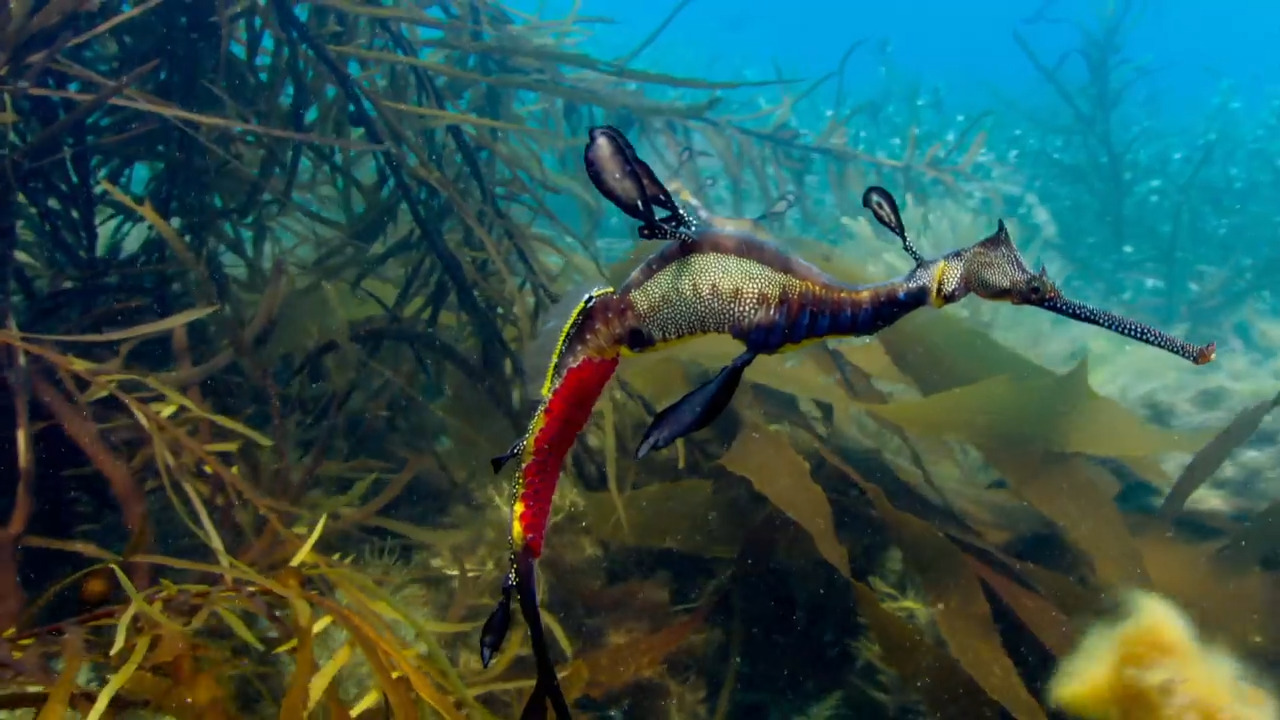
In The Weedy Sea Dragon’s Daddy Daycare, narrator Sir David Attenborough explains how male weedy sea dragons care for their young. This video is excerpted from BBC’s Blue Planet II, a natural history series that explores the world's oceans, the animals that live in them, and the threats they face, using modern filming techniques and equipment to capture previously unseen areas of the ocean.
In An Army of Spider Crabs, narrator Sir David Attenborough shows the fascinating journey taken by spider crabs as their giant tribes grow and move through the green seas in Australia. From the hardening of their outer shells to moving in masses, these crabs go through quite the journey. This video is excerpted from BBC’s Blue Planet II, a natural history series that explores the world's oceans, the animals that live in them, and the threats they face, using modern filming techniques and equipment to capture previously unseen areas of the ocean.
In The Olive Ridley Turtle on Land and Sea, narrator Sir David Attenborough follows a sea turtle off the coast of Costa Rica, resting after a 1,500-mile journey to lay her eggs. She comes to rest on the same beach where she herself hatched many years before. This video is excerpted from BBC’s Blue Planet II, a natural history series that explores the world's oceans, the animals that live in them, and the threats they face, using modern filming techniques and equipment to capture previously unseen areas of the ocean.
In Sally Lightfoot Crabs Run the Gauntlet, narrator Sir David Attenborough introduces these colorful crabs who jump from rock to rock as the tide goes out to make it to their feeding ground. The crabs are very determined, but so are some fierce predators along the way. This video is excerpted from BBC’s Blue Planet II, a natural history series that explores the world's oceans, the animals that live in them, and the threats they face, using modern filming techniques and equipment to capture previously unseen areas of the ocean.
In The Weedy Sea Dragon’s Daddy Daycare, narrator Sir David Attenborough explains how male weedy sea dragons care for their young. This video is excerpted from BBC’s Blue Planet II, a natural history series that explores the world's oceans, the animals that live in them, and the threats they face, using modern filming techniques and equipment to capture previously unseen areas of the ocean.