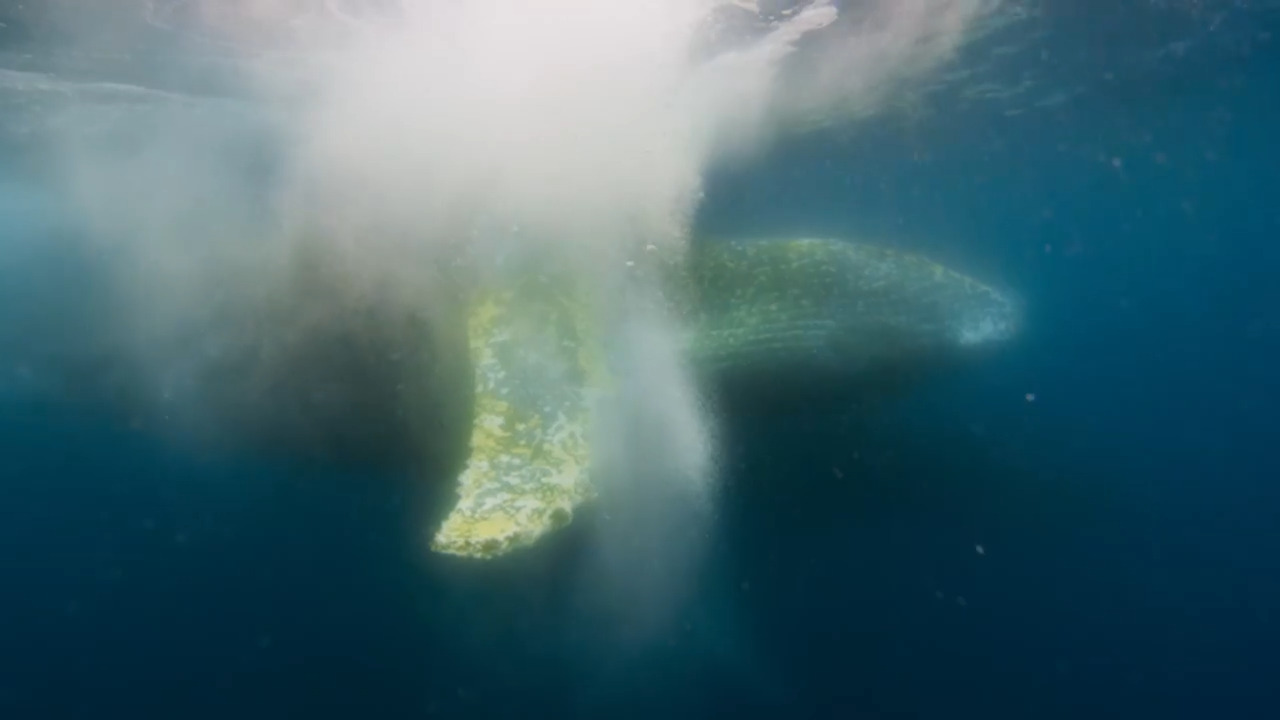
In The Sophisticated Feeding Technique of Humpback Whales, narrator Sir David Attenborough explores the Southern Ocean and the humpback whales that feed there. When Antarctica broke off from South America, it created swirling currents that sweep up nutrients from the bottom of the ocean, making it one of the richest waters on earth. In the summer, humpback whales come there to feast on shoals of krill, blowing curtains of bubbles and spiraling inwards to capture the swarm. This video is excerpted from BBC’s Seven Worlds, One Planet, a series featuring remarkable animal behavior from all seven continents.
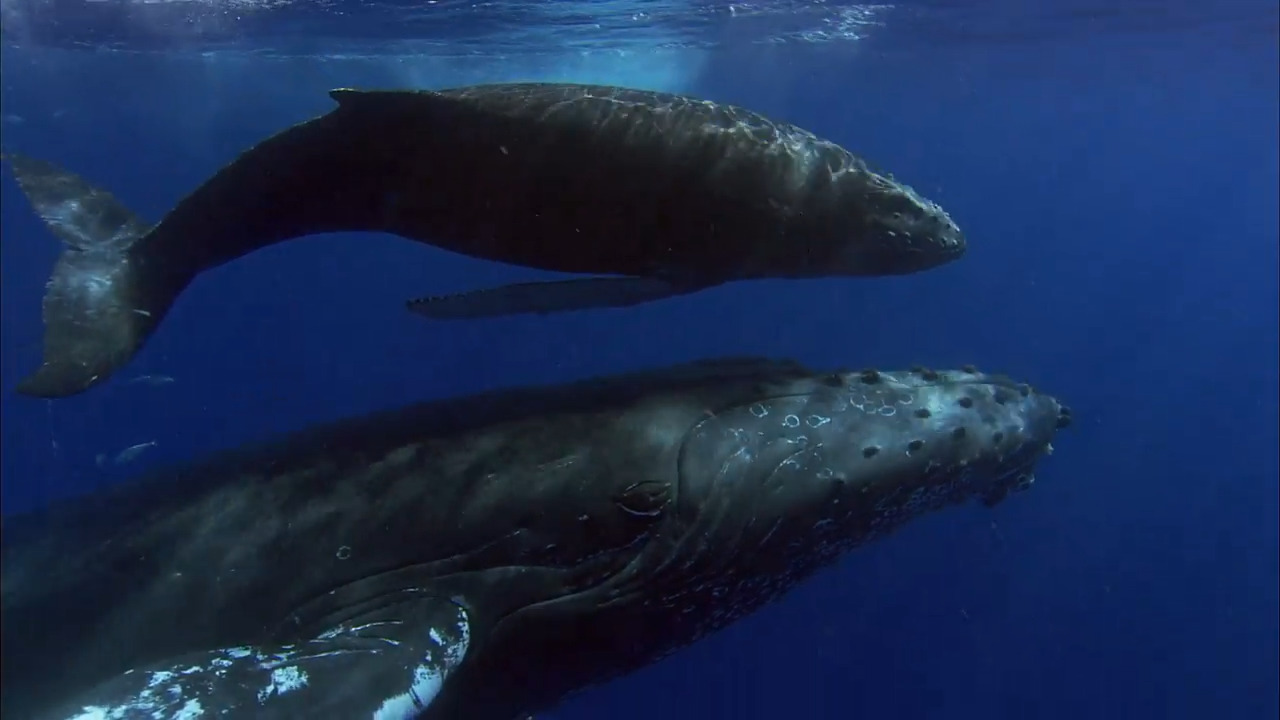
In The Voyage of Humpback Whales, narrator Sir David Attenborough explores why these animals split their time between the seas in Alaska and Hawaii. This video is an excerpt from BBC’s Nature's Great Events, a documentary series that showcases some of the most dramatic wildlife spectacles on Earth, exploring how life adapts to natural events that can transform entire landscapes.
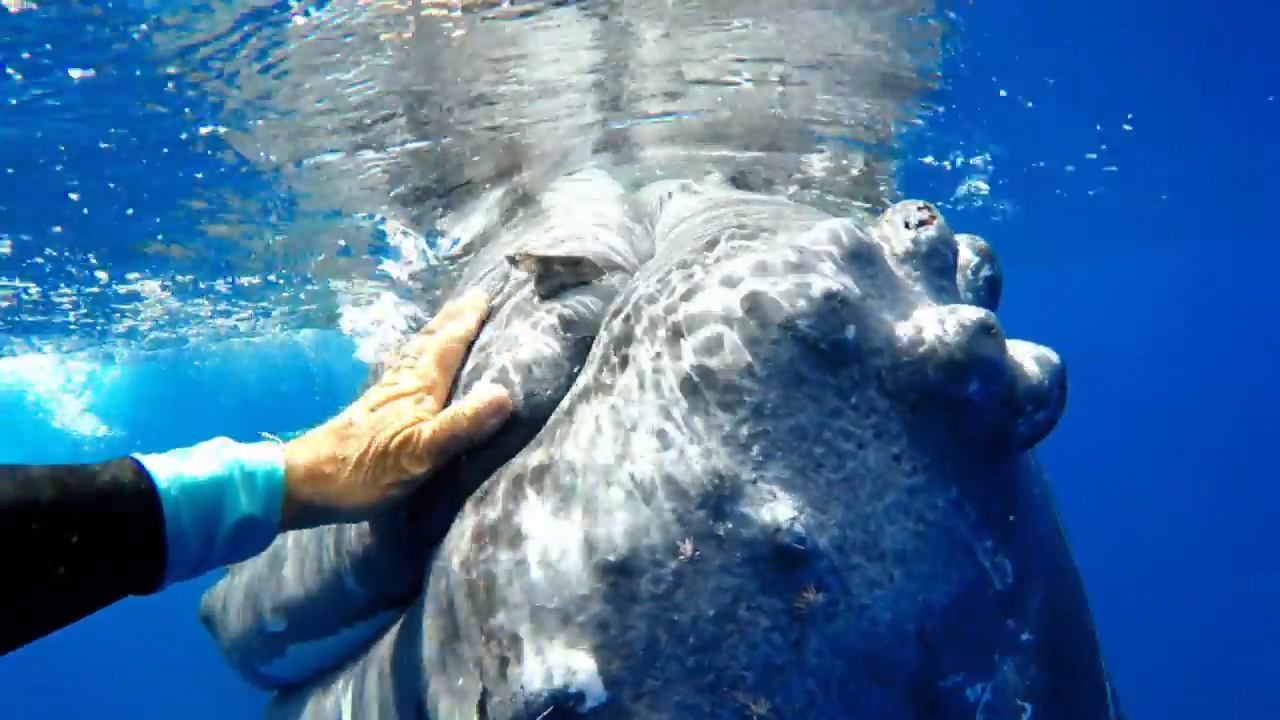
In How Humpback Whales Protect Others, marine biologists discuss occasions when they have witnessed humpback whales protecting other species and how their behavior shows empathy and altruism. This video is excerpted from BBC’s Natural World: Humpback Whales - A Detective Story, a documentary about our relationship with whales and their future alongside us.
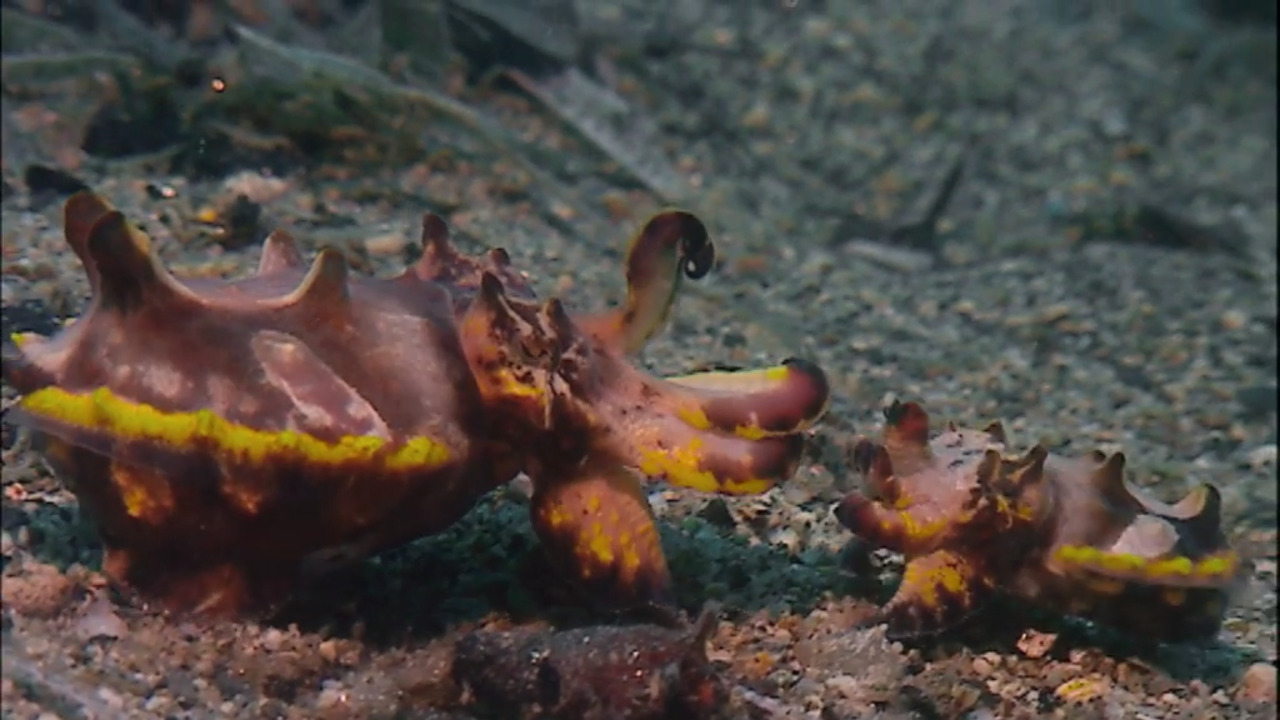
In Cuttlefish and Humpback Whales Breed at the Reef, narrator Sir David Attenborough explores how two animals, the cuttlefish and the humpback whale, use different strategies to find a mate. This video is excerpted from BBC’s Blue Planet, a definitive documentary series diving into the mysterious depths of the sea to discover the natural history of the world’s oceans and the rarely seen marine life that reside there.

The article "Humpback Whales: Giants of the Ocean and Their Amazing Behavior" from BBC's Discover Wildlife explains the extraordinary lives of humpback whales. These giant marine mammals, known for their acrobatic leaps and complex songs, migrate across oceans, exhibit cooperative feeding behaviors like bubble-netting, and communicate in ways that mystify scientists. Despite their size, they are gentle giants, and their populations have made a remarkable recovery since the whaling industry nearly decimated them.
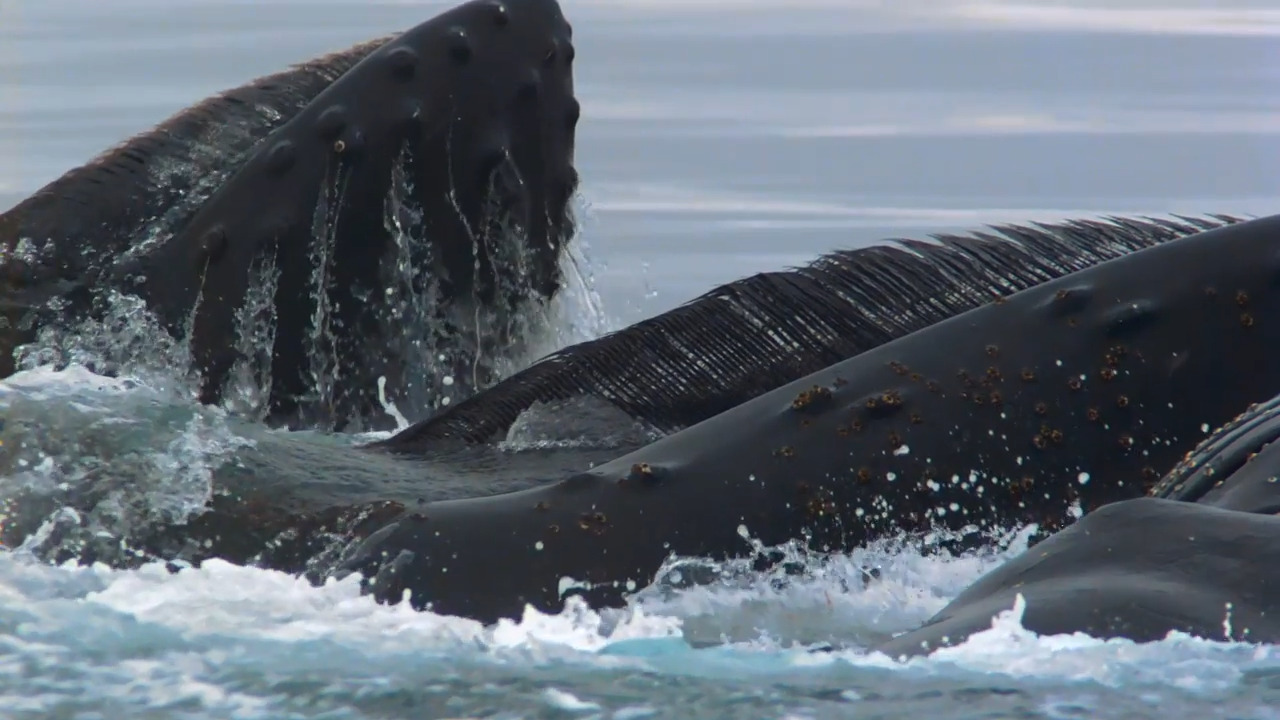
In Whales in Antarctica, narrator Sir David Attenborough describes how humpback whales, minke whales, and orcas all arrive in Antarctica to eat massive amounts of krill. Watch humpback whales feed and learn how minke whales’ body shape helps them swim far and fast. This video is excerpted from BBC’s Frozen Planet, a series that shows a fragile world of beauty and hostility, where nature finds a way to survive and thrive in frigid conditions.
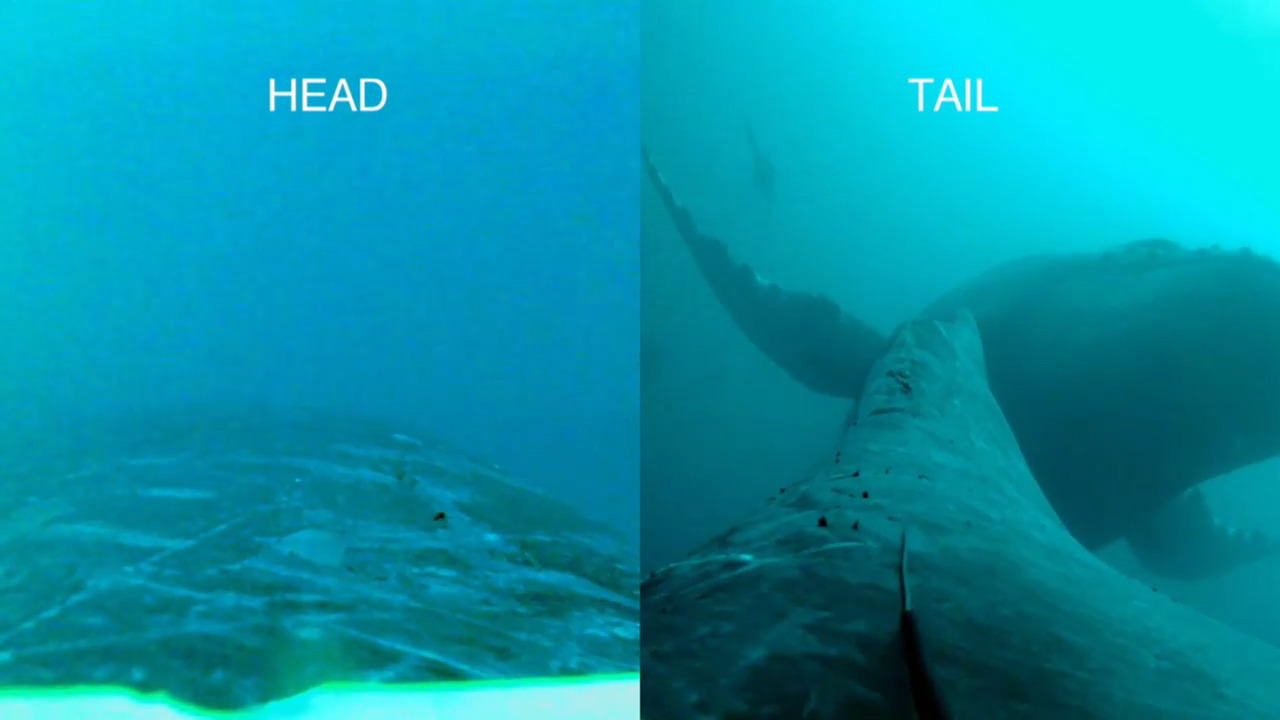
In Tagging and Tracking Whales, ecologist Ari Friedlander discusses how he tags whales to study their behavior. He aims to protect whales by making people care more about them. This video is excerpted from BBC’s Natural World: Humpback Whales - A Detective Story,, a documentary about our relationship with whales and their future alongside us.
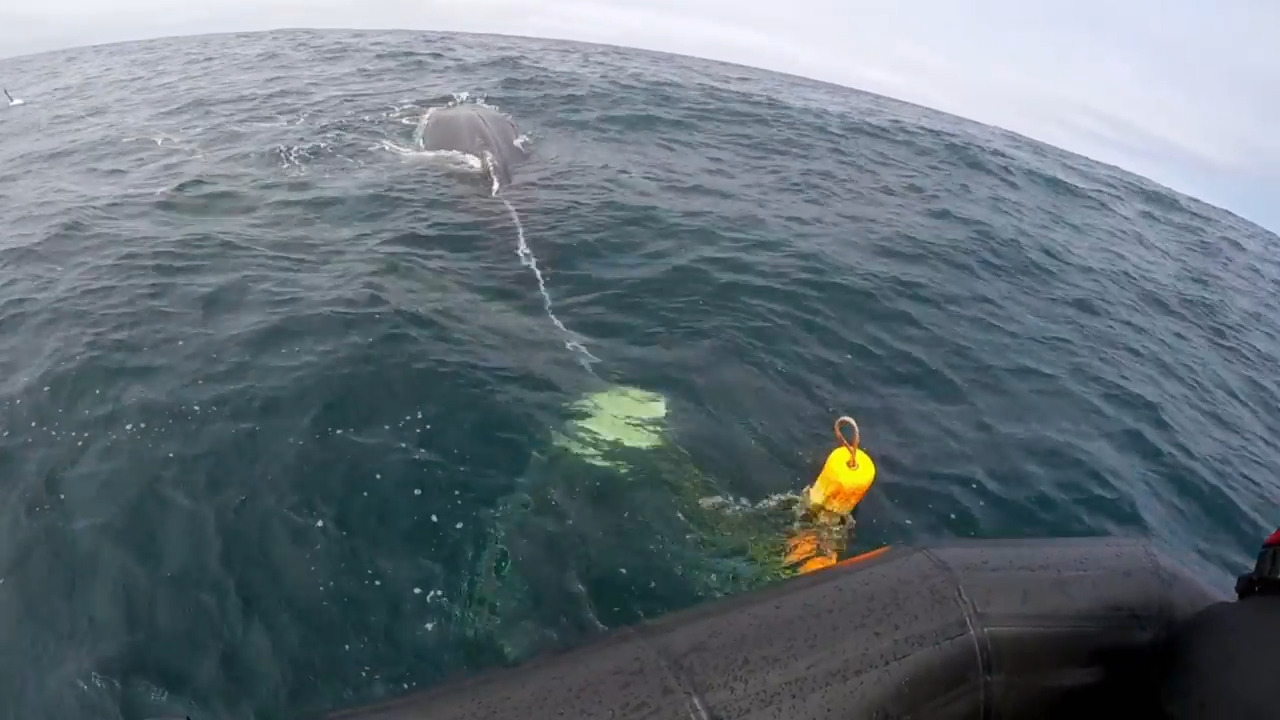
In Whales Caught in a Net, a whale rescue team travels hours to reach a whale that has been tangled in a fishing net. It is a dangerous job, but they manage to free the distressed whale. This video is excerpted from BBC’s Natural World: Humpback Whales - A Detective Story,, a documentary about our relationship with whales and their future alongside us.
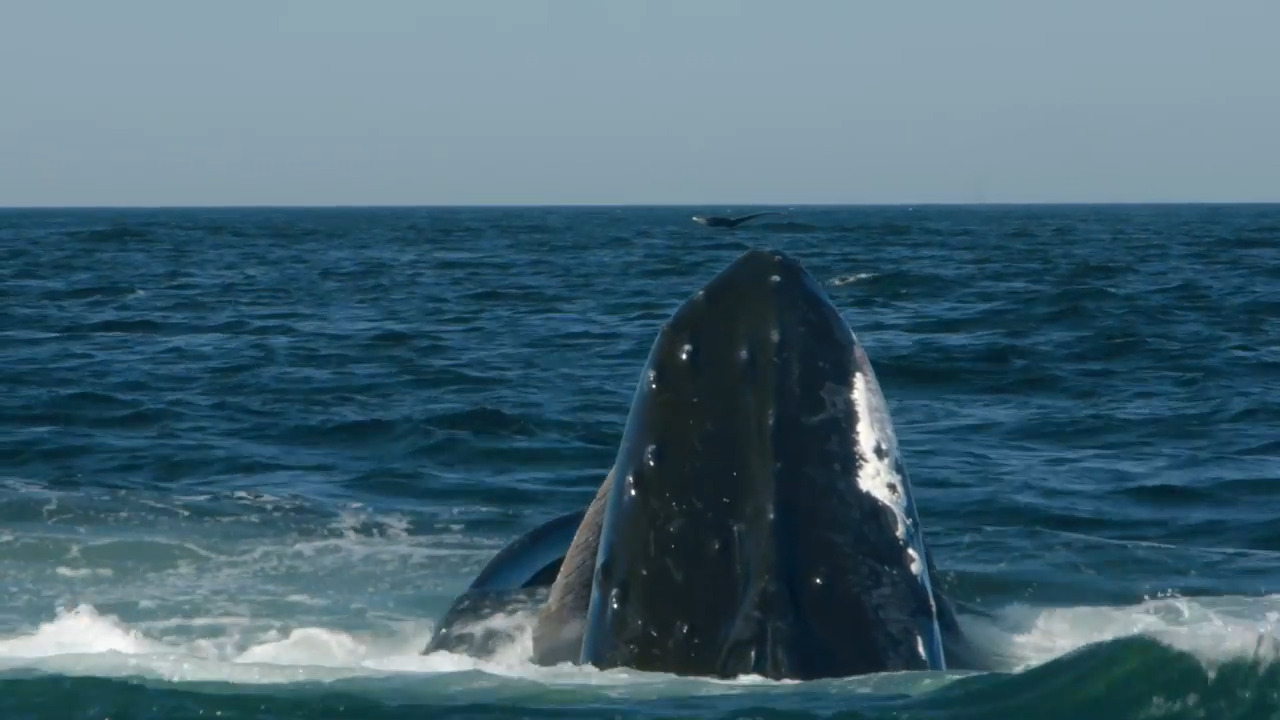
In How Blubber Keeps Whales Warm, evolutionary biologist Ben Garrod shows how the blubber of different types of whales is uniquely suited to keep them warm in cold ocean waters. Discover the specific adaptations of three whale species: the minke, humpback, and bowhead, and how their blubber thickness correlates with the cold environments they inhabit. Understand the importance of these adaptations in whale survival and how blubber functions as both an insulator and an energy store. This video is excerpted from Secrets of Skin, a documentary series exploring the natural history of the body’s largest organ.

Dive into the captivating world of whales with this BBC Learning Hub playlist, featuring 12 stunning clips from landmark BBC series. Explore the lives of blue whales, orcas, and grey whales as they glide through oceans, communicate, hunt, and nurture their young. Perfect for sparking curiosity, these breathtaking videos bring the majestic giants of the sea into your classroom or home.
In The Sophisticated Feeding Technique of Humpback Whales, narrator Sir David Attenborough explores the Southern Ocean and the humpback whales that feed there. When Antarctica broke off from South America, it created swirling currents that sweep up nutrients from the bottom of the ocean, making it one of the richest waters on earth. In the summer, humpback whales come there to feast on shoals of krill, blowing curtains of bubbles and spiraling inwards to capture the swarm. This video is excerpted from BBC’s Seven Worlds, One Planet, a series featuring remarkable animal behavior from all seven continents.
In The Voyage of Humpback Whales, narrator Sir David Attenborough explores why these animals split their time between the seas in Alaska and Hawaii. This video is an excerpt from BBC’s Nature's Great Events, a documentary series that showcases some of the most dramatic wildlife spectacles on Earth, exploring how life adapts to natural events that can transform entire landscapes.
In How Humpback Whales Protect Others, marine biologists discuss occasions when they have witnessed humpback whales protecting other species and how their behavior shows empathy and altruism. This video is excerpted from BBC’s Natural World: Humpback Whales - A Detective Story, a documentary about our relationship with whales and their future alongside us.
In Cuttlefish and Humpback Whales Breed at the Reef, narrator Sir David Attenborough explores how two animals, the cuttlefish and the humpback whale, use different strategies to find a mate. This video is excerpted from BBC’s Blue Planet, a definitive documentary series diving into the mysterious depths of the sea to discover the natural history of the world’s oceans and the rarely seen marine life that reside there.
The article "Humpback Whales: Giants of the Ocean and Their Amazing Behavior" from BBC's Discover Wildlife explains the extraordinary lives of humpback whales. These giant marine mammals, known for their acrobatic leaps and complex songs, migrate across oceans, exhibit cooperative feeding behaviors like bubble-netting, and communicate in ways that mystify scientists. Despite their size, they are gentle giants, and their populations have made a remarkable recovery since the whaling industry nearly decimated them.
In Whales in Antarctica, narrator Sir David Attenborough describes how humpback whales, minke whales, and orcas all arrive in Antarctica to eat massive amounts of krill. Watch humpback whales feed and learn how minke whales’ body shape helps them swim far and fast. This video is excerpted from BBC’s Frozen Planet, a series that shows a fragile world of beauty and hostility, where nature finds a way to survive and thrive in frigid conditions.
In Tagging and Tracking Whales, ecologist Ari Friedlander discusses how he tags whales to study their behavior. He aims to protect whales by making people care more about them. This video is excerpted from BBC’s Natural World: Humpback Whales - A Detective Story,, a documentary about our relationship with whales and their future alongside us.
In Whales Caught in a Net, a whale rescue team travels hours to reach a whale that has been tangled in a fishing net. It is a dangerous job, but they manage to free the distressed whale. This video is excerpted from BBC’s Natural World: Humpback Whales - A Detective Story,, a documentary about our relationship with whales and their future alongside us.
In How Blubber Keeps Whales Warm, evolutionary biologist Ben Garrod shows how the blubber of different types of whales is uniquely suited to keep them warm in cold ocean waters. Discover the specific adaptations of three whale species: the minke, humpback, and bowhead, and how their blubber thickness correlates with the cold environments they inhabit. Understand the importance of these adaptations in whale survival and how blubber functions as both an insulator and an energy store. This video is excerpted from Secrets of Skin, a documentary series exploring the natural history of the body’s largest organ.
Dive into the captivating world of whales with this BBC Learning Hub playlist, featuring 12 stunning clips from landmark BBC series. Explore the lives of blue whales, orcas, and grey whales as they glide through oceans, communicate, hunt, and nurture their young. Perfect for sparking curiosity, these breathtaking videos bring the majestic giants of the sea into your classroom or home.