The Voyage of Humpback Whales
In The Voyage of Humpback Whales, narrator Sir David Attenborough explores why these animals split their time between the seas in Alaska and Hawaii. This video is an excerpt from BBC’s Nature's Great Events, a documentary series that showcases some of the most dramatic wildlife spectacles on Earth, exploring how life adapts to natural events that can transform entire landscapes.
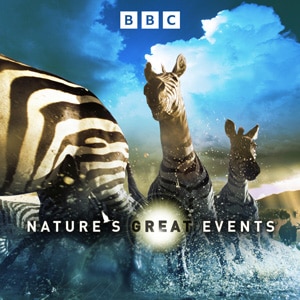
Documentary series looking at the most dramatic wildlife spectacles on our planet, showing how life responds to natural events. Learn more.
Lesson Express
Q: How many humpback whales come to Hawaii each year?
A: Over 5,000 humpbacks make the journey to Hawaii.
Q: Why is there no food for the whales in the seas of Hawaii?
A: Their food is found in colder seas, and they must return to the North Pacific to feed.
Q: How long has the mother whale gone without eating?
A: She has not eaten since she left Alaska over four months ago.
You Might Also Like
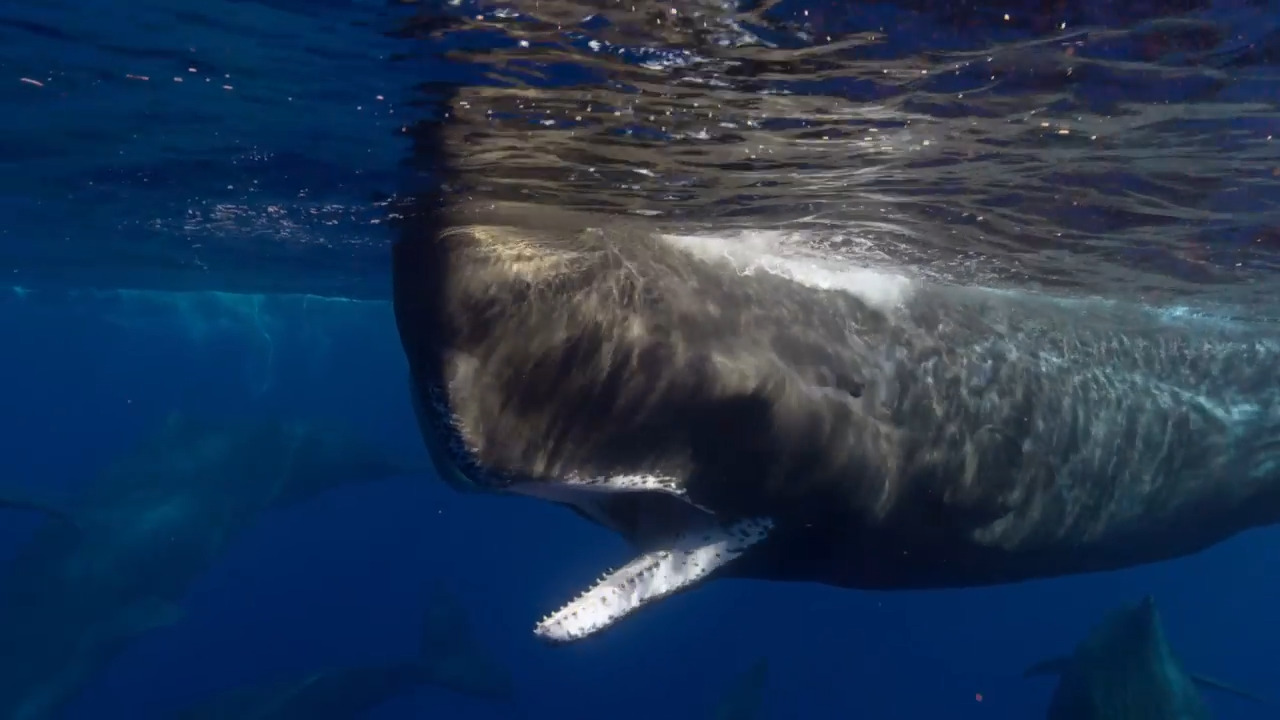
In A Resurgence of Sperm Whales, narrator Sir David Attenborough explains how sperm whales, once on the brink of extinction, now swim in the hundreds off the coast of Sri Lanka. This video is excerpted from BBC’s Blue Planet II, a natural history series that explores the world's oceans, the animals that live in them, and the threats they face, using modern filming techniques and equipment to capture previously unseen areas of the ocean.
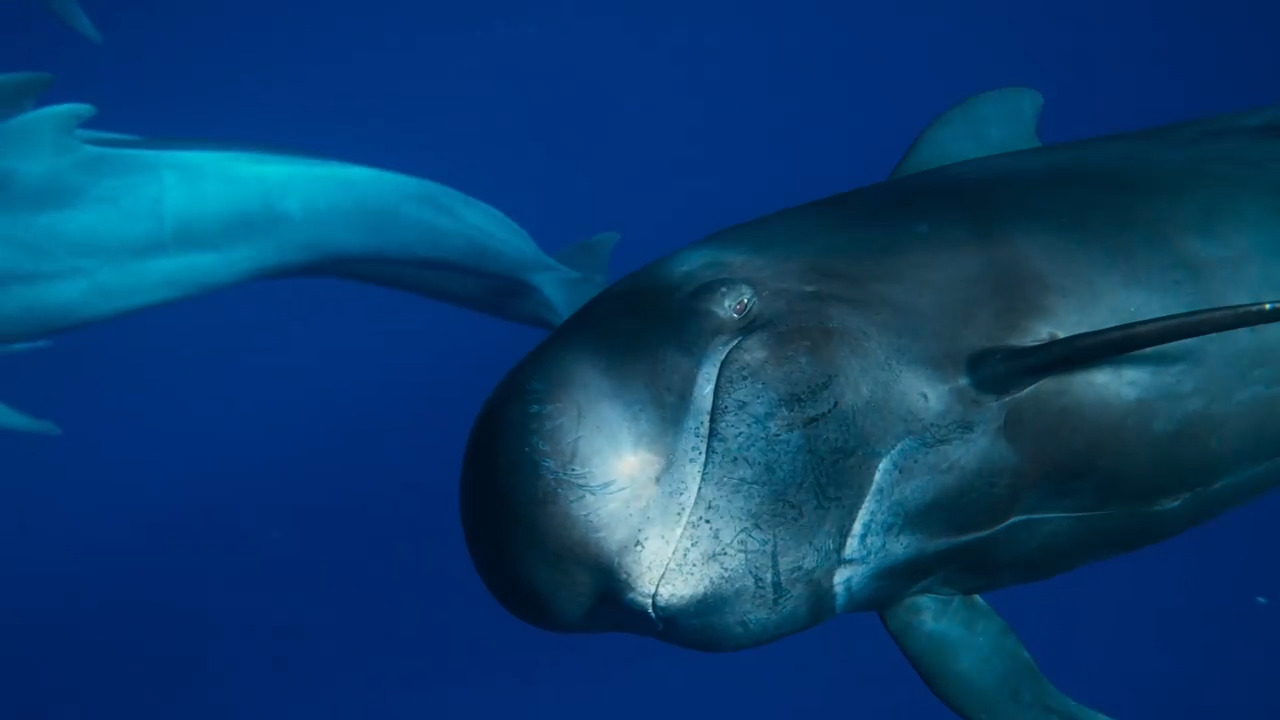
In A Plastic Problem for Pilot Whales, narrator Sir David Attenborough describes the grim effects plastic pollution has had on short-finned pilot whales. Because this species lives in tight-knit families, the negative effects of pollution on one whale is felt by the others. This video is excerpted from BBC’s Blue Planet II, a natural history series that explores the world's oceans, the animals that live in them, and the threats they face, using modern filming techniques and equipment to capture previously unseen areas of the ocean.
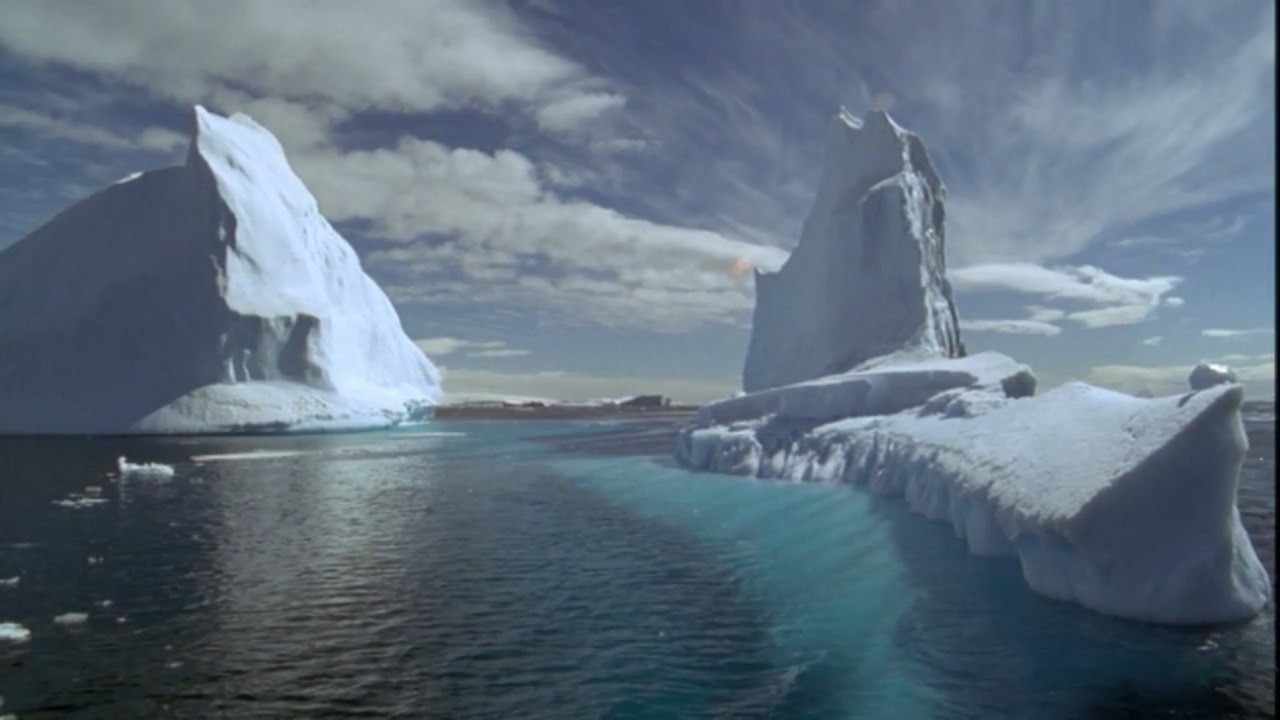
In The Animals That Make up the Antarctic Food Web, narrator Sir David Attenborough shares information about the animals that make up the Antarctic food web. Watch minke whales, humpback whales, fur seals, and krill. Learn about icebergs in the Antarctic. This video is excerpted from BBC’s Blue Planet, a definitive documentary series diving into the mysterious depths of the sea to discover the natural history of the world’s oceans and the rarely seen marine life that reside there.
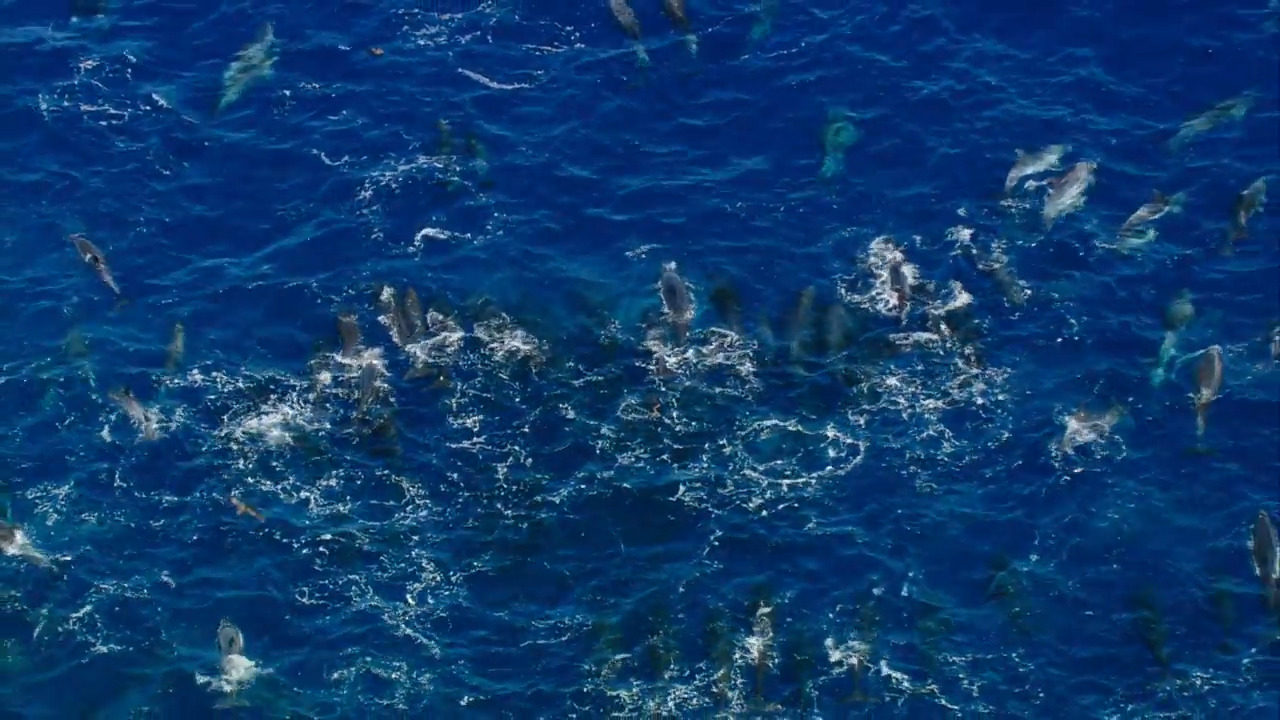
In False Killer Whales and Bottlenose Dolphins, narrator Sir David Attenborough describes what happens when a pod of false killer whales finds a pod of dolphins. This video is excerpted from BBC’s Blue Planet II, a natural history series that explores the world's oceans, the animals that live in them, and the threats they face, using modern filming techniques and equipment to capture previously unseen areas of the ocean.
In A Resurgence of Sperm Whales, narrator Sir David Attenborough explains how sperm whales, once on the brink of extinction, now swim in the hundreds off the coast of Sri Lanka. This video is excerpted from BBC’s Blue Planet II, a natural history series that explores the world's oceans, the animals that live in them, and the threats they face, using modern filming techniques and equipment to capture previously unseen areas of the ocean.
In A Plastic Problem for Pilot Whales, narrator Sir David Attenborough describes the grim effects plastic pollution has had on short-finned pilot whales. Because this species lives in tight-knit families, the negative effects of pollution on one whale is felt by the others. This video is excerpted from BBC’s Blue Planet II, a natural history series that explores the world's oceans, the animals that live in them, and the threats they face, using modern filming techniques and equipment to capture previously unseen areas of the ocean.
In The Animals That Make up the Antarctic Food Web, narrator Sir David Attenborough shares information about the animals that make up the Antarctic food web. Watch minke whales, humpback whales, fur seals, and krill. Learn about icebergs in the Antarctic. This video is excerpted from BBC’s Blue Planet, a definitive documentary series diving into the mysterious depths of the sea to discover the natural history of the world’s oceans and the rarely seen marine life that reside there.
In False Killer Whales and Bottlenose Dolphins, narrator Sir David Attenborough describes what happens when a pod of false killer whales finds a pod of dolphins. This video is excerpted from BBC’s Blue Planet II, a natural history series that explores the world's oceans, the animals that live in them, and the threats they face, using modern filming techniques and equipment to capture previously unseen areas of the ocean.