The Sophisticated Feeding Technique of Humpback Whales
In The Sophisticated Feeding Technique of Humpback Whales, narrator Sir David Attenborough explores the Southern Ocean and the humpback whales that feed there. When Antarctica broke off from South America, it created swirling currents that sweep up nutrients from the bottom of the ocean, making it one of the richest waters on earth. In the summer, humpback whales come there to feast on shoals of krill, blowing curtains of bubbles and spiraling inwards to capture the swarm. This video is excerpted from BBC’s Seven Worlds, One Planet, a series featuring remarkable animal behavior from all seven continents.

Sir David Attenborough showcases the wonders of our planet's seven continents — from frozen tundras to dense jungles — where life always finds a way.
Lesson Express
Q: What is in the water that feeds the humpback whales?
A: The water contains large groups of krill and small fish that provide food for humpback whales. In some areas, krill gather in enormous swarms, giving whales access to a large amount of food.
Q: How do humpback whales collect the krill? What keeps the krill from escaping?
A: Humpback whales can use a feeding technique called bubble-net feeding. The whale swims in a circle beneath or around a group of krill and releases bubbles. The bubbles create a wall that helps concentrate the krill into a smaller area. The whale then swims upward with its mouth open and takes in the krill-filled water.
Q: What season in Antarctica helps humpback whales store energy and save food?
A: The Antarctic summer provides humpback whales with an abundant supply of krill. During this feeding season, whales eat large amounts of food and build up energy reserves. They later use these stored energy reserves during their migration to warmer waters, where they breed and care for their young.
You Might Also Like
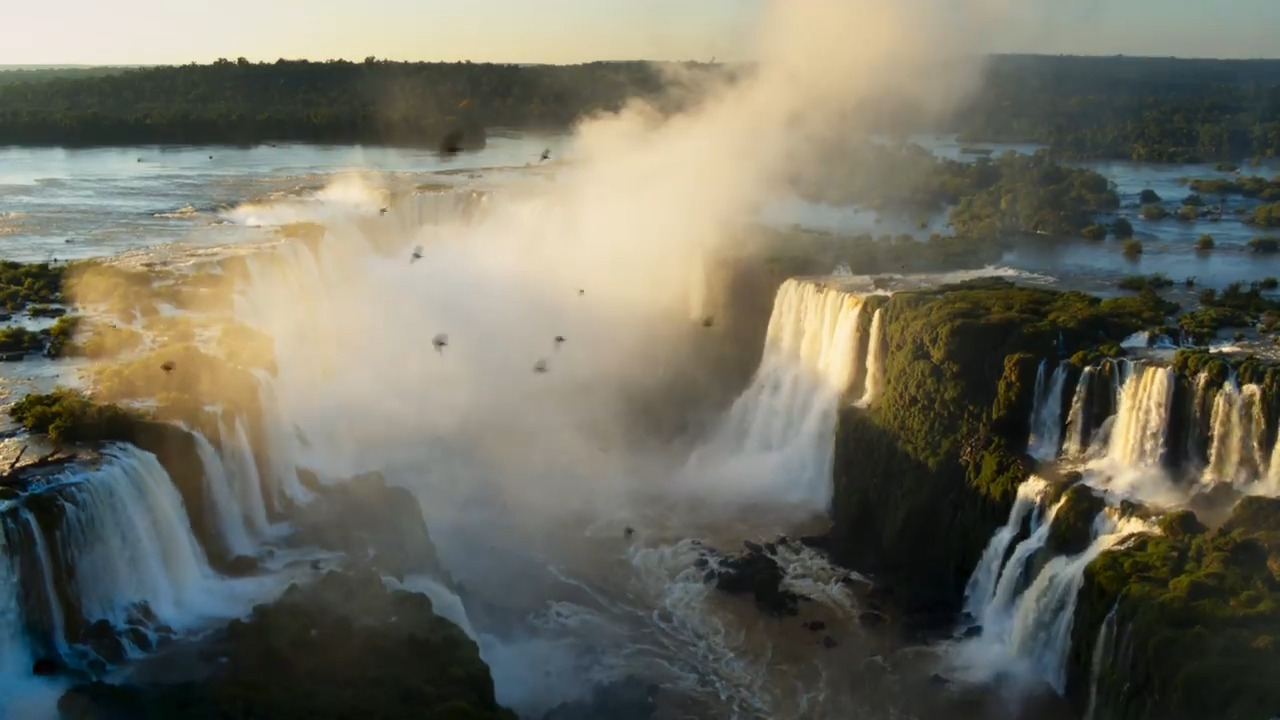
In Iguazu Falls and Human Interference, learn how piraputanga leap out of the clear waters to feed on berries growing on the branches above. However, the future of animals in this area may be at risk from humans using nearby waters for hydroelectric power. This video is excerpted from BBC’s Seven Worlds, One Planet, a series featuring remarkable animal behavior from all seven continents.
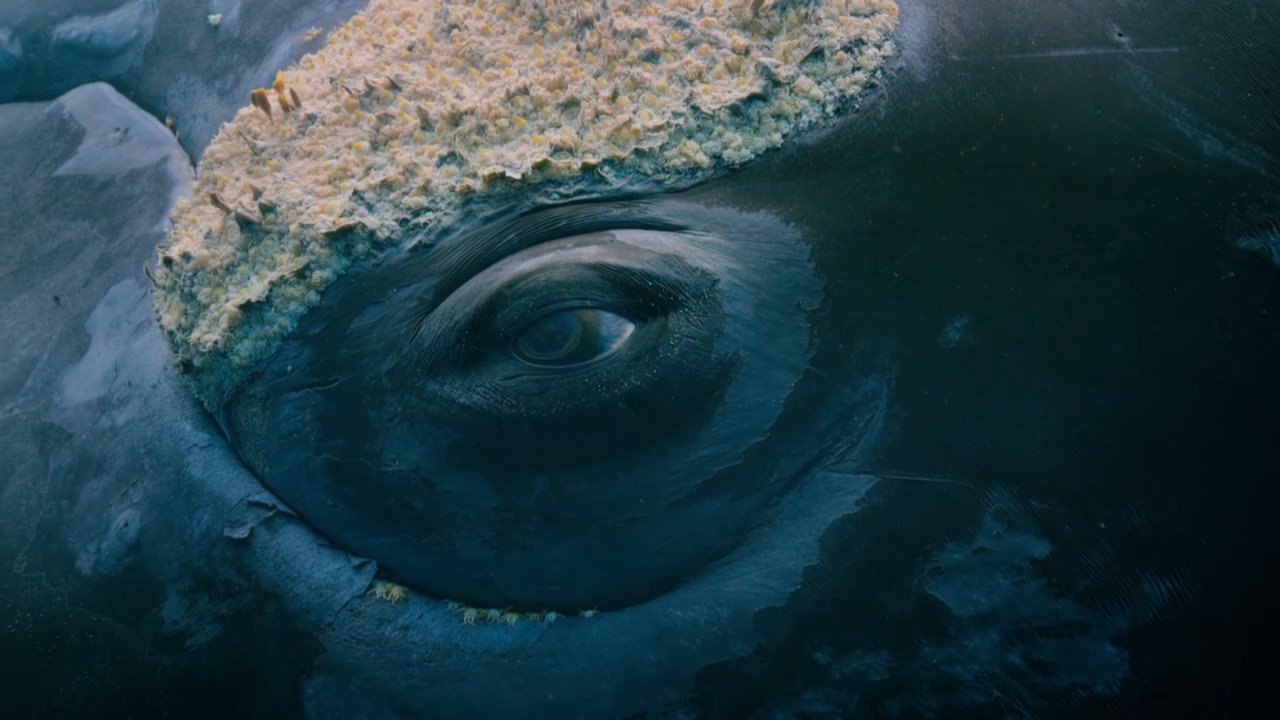
In The Tragic History of the Antarctica Whaling Industry, learn about the devastating impact of industrial whaling. Human activity has transformed the Southern Ocean, nearly driving iconic species like the blue whale and southern right whale to extinction. This video is excerpted from BBC’s Seven Worlds, One Planet, a series featuring remarkable animal behavior from all seven continents.
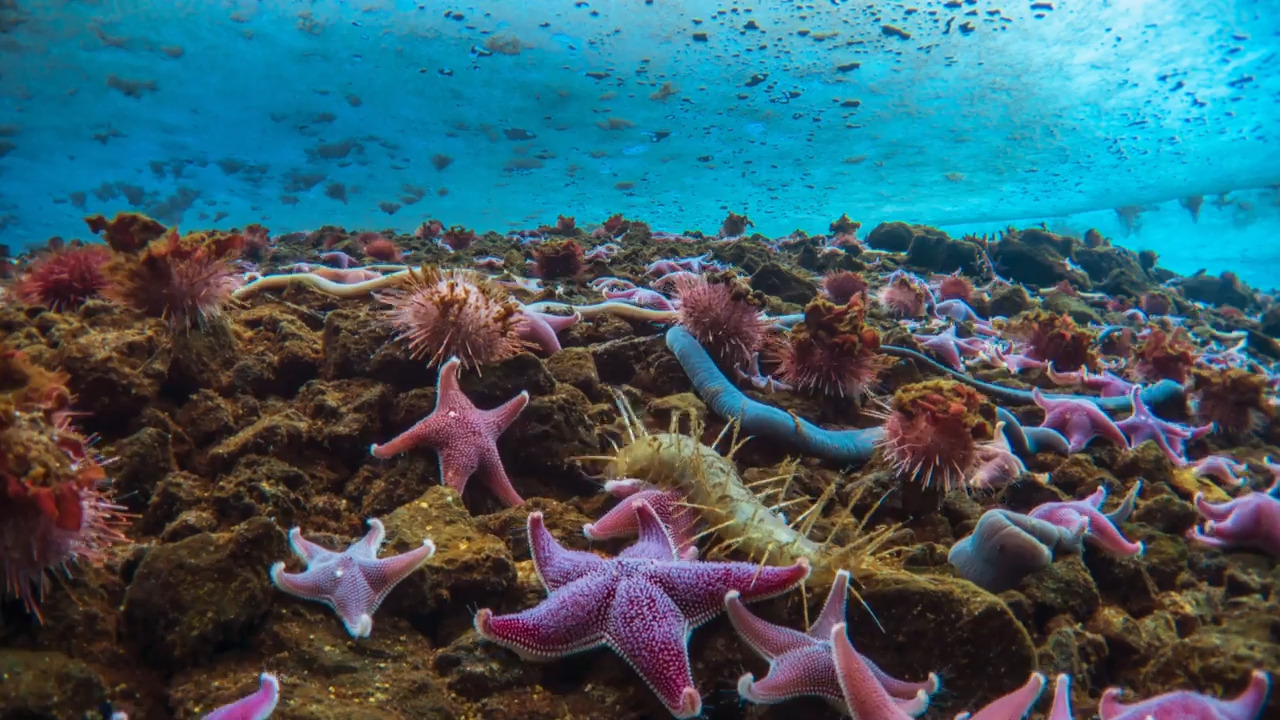
In Life Beneath the Antarctic Ice, learn how the world's largest desert doubles in size during winter, creating a vast, frozen expanse. Beneath the ice lies a surprisingly stable environment, allowing life to evolve and thrive in extraordinary ways. This video is excerpted from BBC’s Seven Worlds, One Planet, a series featuring remarkable animal behavior from all seven continents.
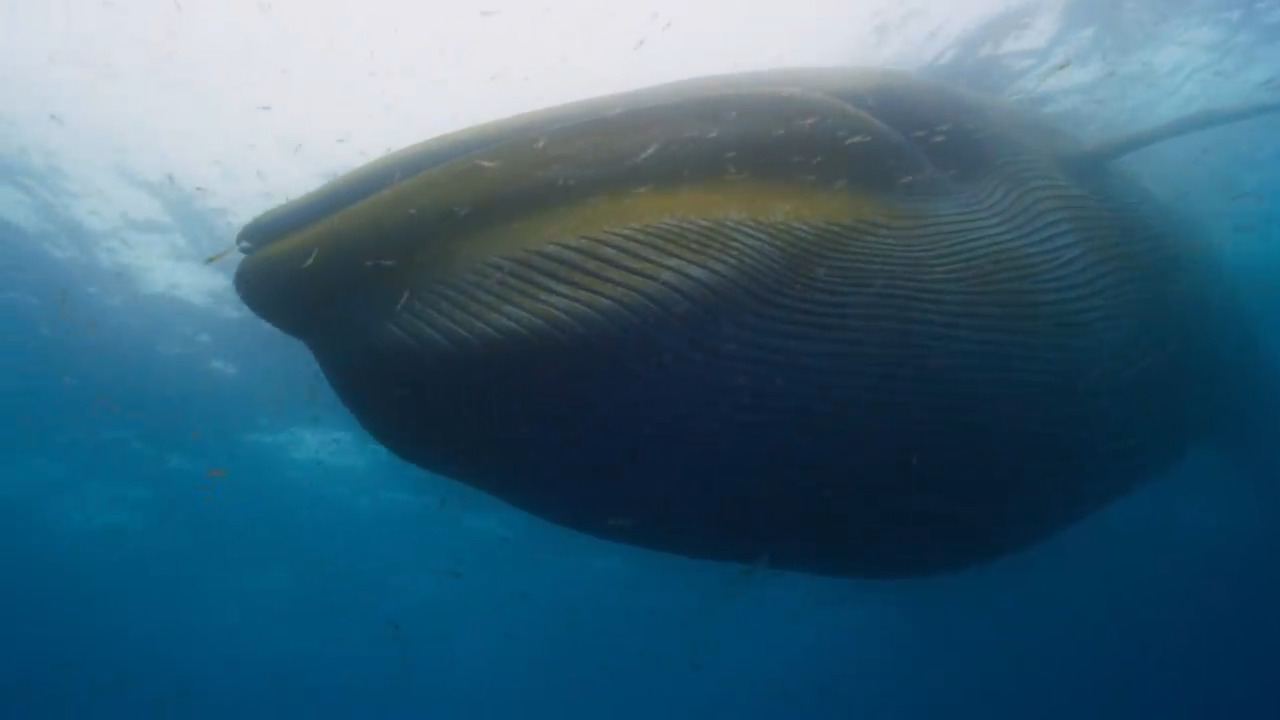
In A Resurgence of Life in Antarctica, learn how the nutrient-rich seas play a crucial role in global carbon absorption, rivaling even the Amazon rainforest. The largest gathering of great whales ever filmed arrives to feed on krill. This video is excerpted from BBC’s Seven Worlds, One Planet, a series featuring remarkable animal behavior from all seven continents.
In Iguazu Falls and Human Interference, learn how piraputanga leap out of the clear waters to feed on berries growing on the branches above. However, the future of animals in this area may be at risk from humans using nearby waters for hydroelectric power. This video is excerpted from BBC’s Seven Worlds, One Planet, a series featuring remarkable animal behavior from all seven continents.
In The Tragic History of the Antarctica Whaling Industry, learn about the devastating impact of industrial whaling. Human activity has transformed the Southern Ocean, nearly driving iconic species like the blue whale and southern right whale to extinction. This video is excerpted from BBC’s Seven Worlds, One Planet, a series featuring remarkable animal behavior from all seven continents.
In Life Beneath the Antarctic Ice, learn how the world's largest desert doubles in size during winter, creating a vast, frozen expanse. Beneath the ice lies a surprisingly stable environment, allowing life to evolve and thrive in extraordinary ways. This video is excerpted from BBC’s Seven Worlds, One Planet, a series featuring remarkable animal behavior from all seven continents.
In A Resurgence of Life in Antarctica, learn how the nutrient-rich seas play a crucial role in global carbon absorption, rivaling even the Amazon rainforest. The largest gathering of great whales ever filmed arrives to feed on krill. This video is excerpted from BBC’s Seven Worlds, One Planet, a series featuring remarkable animal behavior from all seven continents.