
The article "Everything You Need to Know About Microplastics" from BBC's Science Focus explores the origins, distribution, and impacts of microplastics. Experts Dr. Laura Foster and Thomas Stanton discuss how these particles enter ecosystems, their effects on wildlife and potential human health risks, and suggest measures individuals and governments can take to mitigate the problem.

Grown-ups: Jot down your meal ideas on this planner. Don't forget your veggies! Why not laminate your planner so you can use it week after week? Pin it up so the whole fam can see! Kids: Draw your fave meals on the plates. Everyone: Rate the grub with stickers.
Tim Andrews had end-stage kidney disease, which means his kidneys had almost completely stopped working. Then he got a transplant from a very unexpected donor: a pig.
Your kidneys work like filters. They clean waste and extra water out of your blood, and that waste leaves your body as urine. When the kidneys fail, many patients go on dialysis. A machine filters their blood for them, usually for several hours at a time, a few times a week. Dialysis keeps people alive, but it’s exhausting and takes up a lot of time. Tim depended on it before his transplant. Or, more precisely, before his first transplant.
Tim’s new kidney came from a Yucatán miniature pig, a small breed named after a region in Mexico. The pig had been genetically modified, which means scientists changed some of its genes. These changes made the kidney more like a human one, so Tim’s immune system would be less likely to attack it. Normally, the body treats an organ from another animal as an invader and rejects it. Tim lived for almost nine months without dialysis, longer than any living person who had received a pig kidney before him.
Eventually, Tim went back on dialysis for a short time. Then he received a second transplant, this time a kidney from a human donor. Other people have received pig kidneys, but Tim was the first to go from a pig kidney to a human one.
Living with a pig’s organ might sound strange, but doctors see real promise in it. In the U.S. alone, around 90,000 people are waiting for a kidney transplant, and there aren’t nearly enough human donors. Pig kidneys could one day act as a “bridge,” keeping patients healthy until a human kidney becomes available. Still, this isn’t a solution yet. Researchers are studying how long pig organs can last and whether they’re safe for many more patients.
In Myths and Discoveries About Blood, Dr. Michael Mosley introduces the science, history, and mystery behind blood and its life-giving role in the human body. Learn how blood has inspired myths about immortality and healing, while modern science begins to uncover its true functions and potential. This video is excerpted from BBC’s The Wonderful World of Blood, in which Dr. Michael Mosley carries out six experiments on his own blood, from starving it of oxygen to injecting it with snake venom.
This video playlist brings together 10 fascinating clips from the BBC’s Got Science? series, where everyday questions lead to surprising scientific discoveries. Students explore what’s really happening in the body and brain — from what your brain is doing during sleep paralysis to what it truly means to be “left-brained” or “right-brained.” They’ll investigate what happens when the body becomes dehydrated, how cold temperatures and high altitudes affect how we function, and the unexpected ways our bodies trick us every single day. Packed with “What! Really?” moments, this weird-but-wonderful playlist helps learners connect real science to daily life in unforgettable ways. Get ready to see the familiar become fascinating.
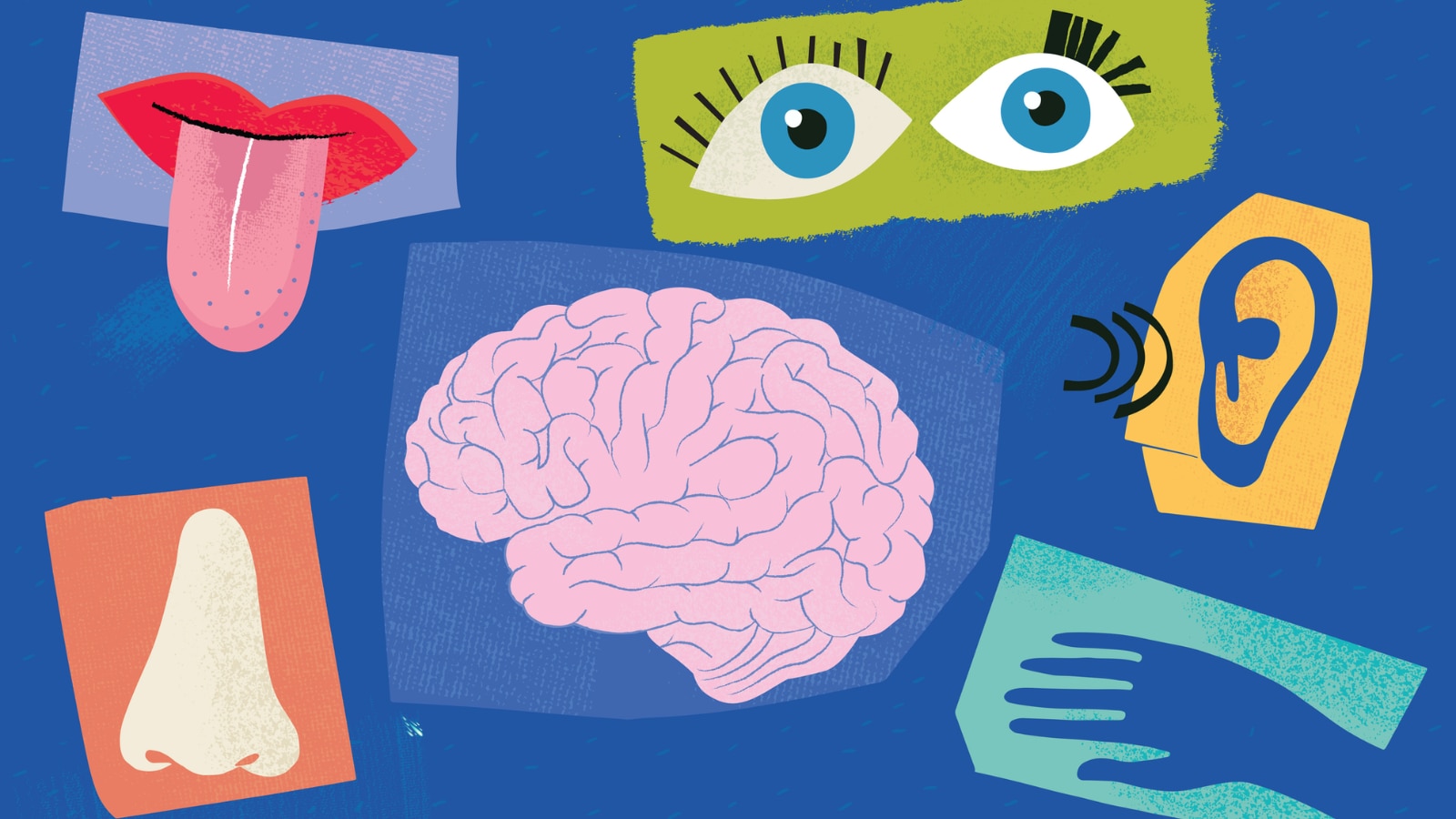
Across 10 fascinating BBC clips from series including Got Science? and Secrets of Skin, explore how the body gathers information about the world — and how the brain turns those signals into the experiences we know as sight, sound, smell, taste, and touch.
Discover why food can taste different on an airplane, how sound can influence flavor, and why the sense of smell involves much more than the nose. Find out what makes fingertips so sensitive, how smell receptors communicate with the brain, and why our eyes produce different kinds of tears.
Our senses don’t always work independently, either. They constantly interact with one another and with the brain, shaping everything from the foods we enjoy to the way we respond to our surroundings. These BBC five senses videos reveal just how much is happening behind the scenes every time we experience the world.

The article "Birds and Reptiles Cry Tears Like Humans" from BBC's Science Focus explains how the tears of birds and reptiles contain similar chemical compositions to human tears. Scientists hope this research will lead to improved treatments for eye conditions and offer new insights into evolutionary biology.

Travel from Florida’s crystal-clear freshwater springs to the warm, shallow waters of Florida Bay. Watch manatees gather in springs to stay warm during the cooler winter months, and see dolphins work together, using clever hunting techniques to catch fish.
Along the way, discover how Florida’s water, weather, and habitats create homes for an amazing variety of wildlife. See how animals depend on healthy rivers, springs, wetlands, and coastal ecosystems for food, shelter, and places to raise their young.
These BBC clips offer a closer look at Florida’s remarkable wildlife and the connections that hold its ecosystems together. Dive in to discover what makes the Sunshine State so wild — and why protecting its habitats matters.
The article "Everything You Need to Know About Microplastics" from BBC's Science Focus explores the origins, distribution, and impacts of microplastics. Experts Dr. Laura Foster and Thomas Stanton discuss how these particles enter ecosystems, their effects on wildlife and potential human health risks, and suggest measures individuals and governments can take to mitigate the problem.
Grown-ups: Jot down your meal ideas on this planner. Don't forget your veggies! Why not laminate your planner so you can use it week after week? Pin it up so the whole fam can see! Kids: Draw your fave meals on the plates. Everyone: Rate the grub with stickers.
Tim Andrews had end-stage kidney disease, which means his kidneys had almost completely stopped working. Then he got a transplant from a very unexpected donor: a pig.
Your kidneys work like filters. They clean waste and extra water out of your blood, and that waste leaves your body as urine. When the kidneys fail, many patients go on dialysis. A machine filters their blood for them, usually for several hours at a time, a few times a week. Dialysis keeps people alive, but it’s exhausting and takes up a lot of time. Tim depended on it before his transplant. Or, more precisely, before his first transplant.
Tim’s new kidney came from a Yucatán miniature pig, a small breed named after a region in Mexico. The pig had been genetically modified, which means scientists changed some of its genes. These changes made the kidney more like a human one, so Tim’s immune system would be less likely to attack it. Normally, the body treats an organ from another animal as an invader and rejects it. Tim lived for almost nine months without dialysis, longer than any living person who had received a pig kidney before him.
Eventually, Tim went back on dialysis for a short time. Then he received a second transplant, this time a kidney from a human donor. Other people have received pig kidneys, but Tim was the first to go from a pig kidney to a human one.
Living with a pig’s organ might sound strange, but doctors see real promise in it. In the U.S. alone, around 90,000 people are waiting for a kidney transplant, and there aren’t nearly enough human donors. Pig kidneys could one day act as a “bridge,” keeping patients healthy until a human kidney becomes available. Still, this isn’t a solution yet. Researchers are studying how long pig organs can last and whether they’re safe for many more patients.
In Myths and Discoveries About Blood, Dr. Michael Mosley introduces the science, history, and mystery behind blood and its life-giving role in the human body. Learn how blood has inspired myths about immortality and healing, while modern science begins to uncover its true functions and potential. This video is excerpted from BBC’s The Wonderful World of Blood, in which Dr. Michael Mosley carries out six experiments on his own blood, from starving it of oxygen to injecting it with snake venom.
This video playlist brings together 10 fascinating clips from the BBC’s Got Science? series, where everyday questions lead to surprising scientific discoveries. Students explore what’s really happening in the body and brain — from what your brain is doing during sleep paralysis to what it truly means to be “left-brained” or “right-brained.” They’ll investigate what happens when the body becomes dehydrated, how cold temperatures and high altitudes affect how we function, and the unexpected ways our bodies trick us every single day. Packed with “What! Really?” moments, this weird-but-wonderful playlist helps learners connect real science to daily life in unforgettable ways. Get ready to see the familiar become fascinating.
Across 10 fascinating BBC clips from series including Got Science? and Secrets of Skin, explore how the body gathers information about the world — and how the brain turns those signals into the experiences we know as sight, sound, smell, taste, and touch.
Discover why food can taste different on an airplane, how sound can influence flavor, and why the sense of smell involves much more than the nose. Find out what makes fingertips so sensitive, how smell receptors communicate with the brain, and why our eyes produce different kinds of tears.
Our senses don’t always work independently, either. They constantly interact with one another and with the brain, shaping everything from the foods we enjoy to the way we respond to our surroundings. These BBC five senses videos reveal just how much is happening behind the scenes every time we experience the world.
The article "Birds and Reptiles Cry Tears Like Humans" from BBC's Science Focus explains how the tears of birds and reptiles contain similar chemical compositions to human tears. Scientists hope this research will lead to improved treatments for eye conditions and offer new insights into evolutionary biology.
Travel from Florida’s crystal-clear freshwater springs to the warm, shallow waters of Florida Bay. Watch manatees gather in springs to stay warm during the cooler winter months, and see dolphins work together, using clever hunting techniques to catch fish.
Along the way, discover how Florida’s water, weather, and habitats create homes for an amazing variety of wildlife. See how animals depend on healthy rivers, springs, wetlands, and coastal ecosystems for food, shelter, and places to raise their young.
These BBC clips offer a closer look at Florida’s remarkable wildlife and the connections that hold its ecosystems together. Dive in to discover what makes the Sunshine State so wild — and why protecting its habitats matters.