Birds and Reptiles Cry Tears Like Humans
Could this research improve eye treatments?
The article "Birds and Reptiles Cry Tears Like Humans" from BBC's Science Focus explains how the tears of birds and reptiles contain similar chemical compositions to human tears. Scientists hope this research will lead to improved treatments for eye conditions and offer new insights into evolutionary biology.

BBC's Science Focus is packed with news, discoveries, ideas and innovations to keep you up-to-speed with the complexities of the fast-moving world around us. Learn more about subscriptions here.

BBC's Science Focus is packed with news, discoveries, ideas and innovations to keep you up-to-speed with the complexities of the fast-moving world around us. Learn more about subscriptions here.
Most passages are available in three different versions: Level 1 (Grade 3-5), Level 2 (Grade 6-8), and Level 3 (Grade 9-12). Some more complex texts are available only in Level 2 and Level 3. Use the versions that are most appropriate for the students in your class.
Note: The BBC Learning Hub Editorial Team made use of AI tools to create multiple versions of this article, each tailored to different student reading levels. Every version undergoes a thorough review by our BBC Learning editors to ensure accuracy, quality, and appropriateness.

You Might Also Like

The article "Hummingbirds: Tiny Birds With Big Abilities" from BBC's Discover Wildlife is a detailed guide to the world of hummingbirds. It explores their unique flight skills, diet, habitats, and how their fast metabolism drives their daily routines. With over 350 species, these birds face threats from predators and habitat loss, but they continue to amaze scientists and birdwatchers alike.

The article "Komodo Dragons: Nature’s Giant Venomous Predators" from BBC's Discover Wildlife delves into the biology and ecology of the world's largest lizard. It covers their impressive size, unique venomous bite, dietary habits, reproductive strategies, and the threats leading to their endangered status, including habitat loss and climate change.
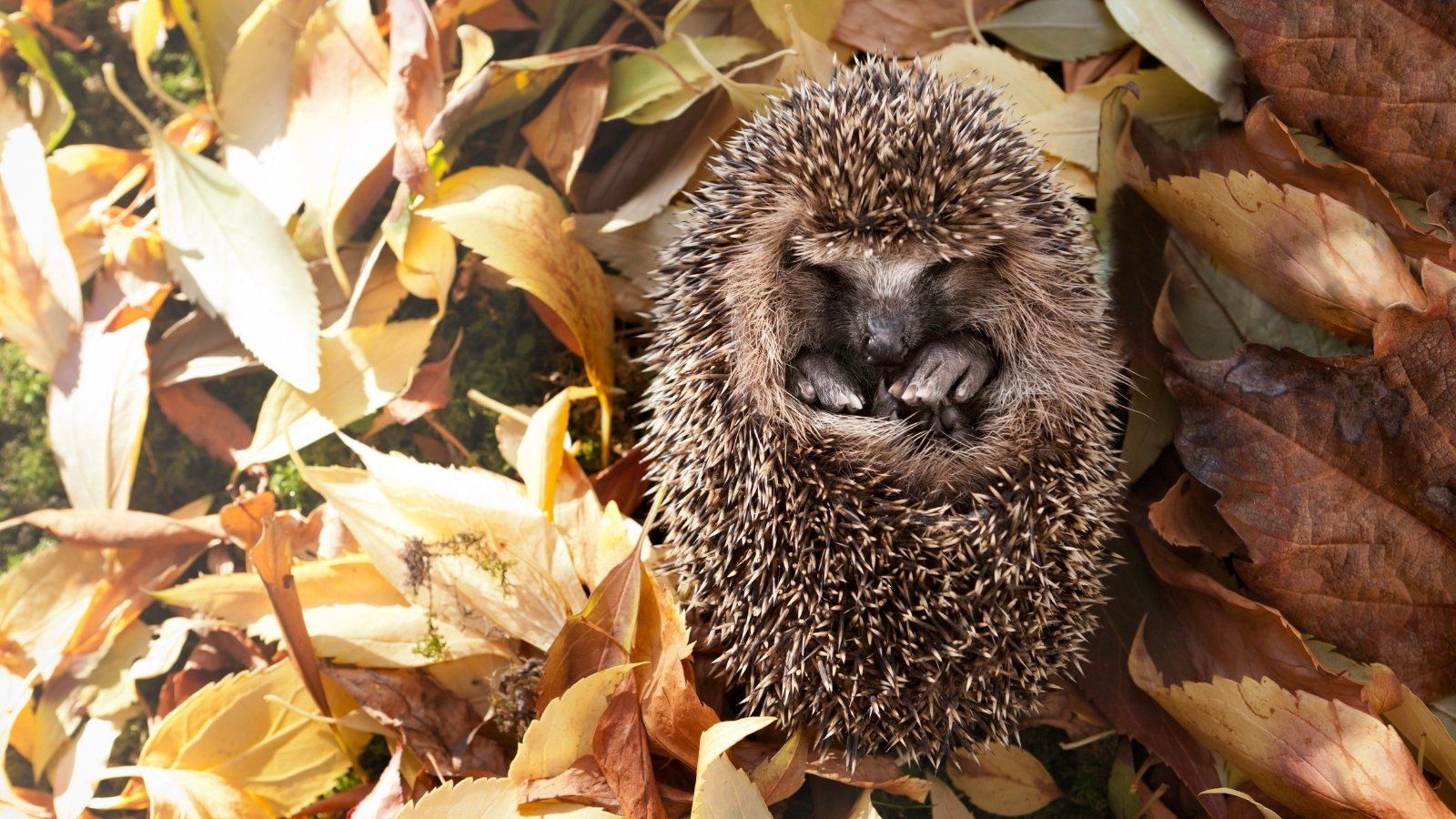
The article "Hibernation: How Animals Sleep Through the Heat and Cold" from BBC's Discover Wildlife explores the fascinating survival strategies animals use during extreme weather. It explains the difference between hibernation, aestivation, torpor, and denning.

The article "Animals evolve larger limbs to adapt to rising temperatures" from BBC's Science Focus discusses how climate change is prompting warm-blooded animals to develop larger appendages, such as ears, beaks, and limbs, to better regulate body heat.
The article "Hummingbirds: Tiny Birds With Big Abilities" from BBC's Discover Wildlife is a detailed guide to the world of hummingbirds. It explores their unique flight skills, diet, habitats, and how their fast metabolism drives their daily routines. With over 350 species, these birds face threats from predators and habitat loss, but they continue to amaze scientists and birdwatchers alike.
The article "Komodo Dragons: Nature’s Giant Venomous Predators" from BBC's Discover Wildlife delves into the biology and ecology of the world's largest lizard. It covers their impressive size, unique venomous bite, dietary habits, reproductive strategies, and the threats leading to their endangered status, including habitat loss and climate change.
The article "Hibernation: How Animals Sleep Through the Heat and Cold" from BBC's Discover Wildlife explores the fascinating survival strategies animals use during extreme weather. It explains the difference between hibernation, aestivation, torpor, and denning.
The article "Animals evolve larger limbs to adapt to rising temperatures" from BBC's Science Focus discusses how climate change is prompting warm-blooded animals to develop larger appendages, such as ears, beaks, and limbs, to better regulate body heat.