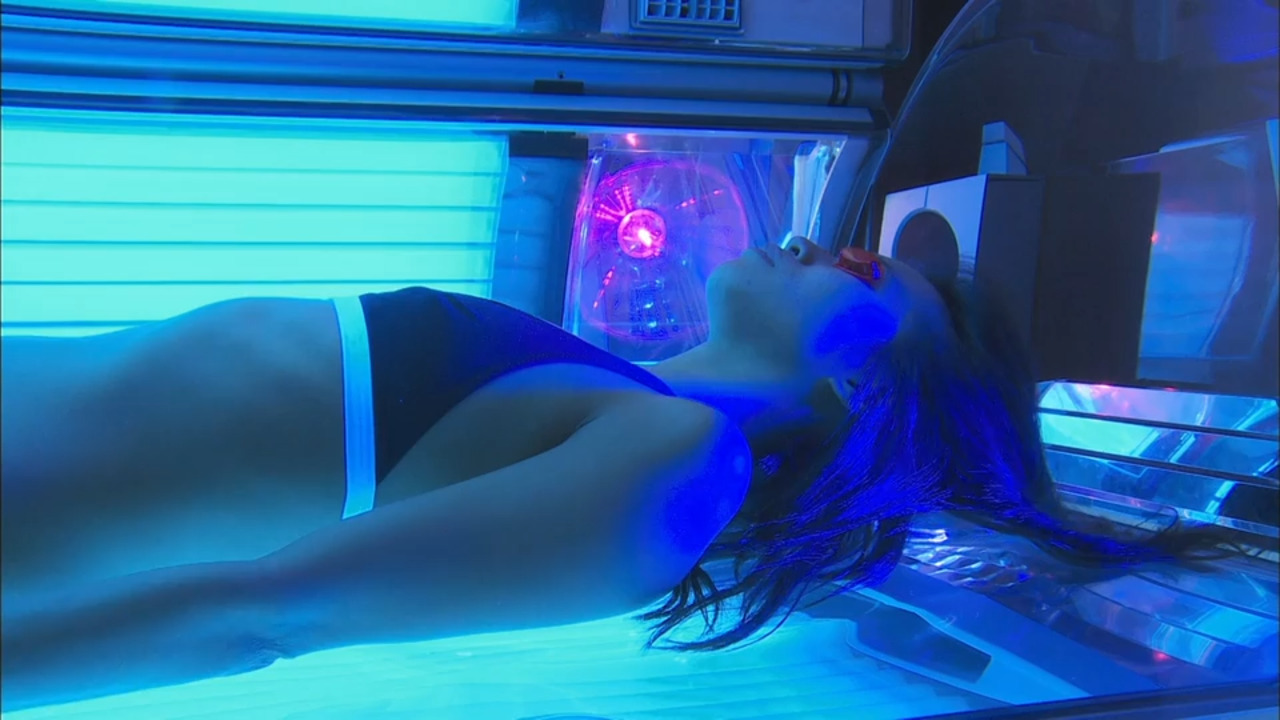
Did you put on sunscreen today? Yes? Go put on some more.
Tans may be fashionable, but the risks that come with sun damage are anything but — and they can last a lifetime. That's why England banned tanning beds for anyone under 18 back in 2011. Even so, people as young as 14 have found ways to use them illegally. Now, the rules are getting stricter: businesses will be legally required to check ID before letting anyone near a sunbed, and salons will need to post clear health warnings — including dropping any misleading claims that certain beds can prevent sunburn or help with weight loss.
Even with stronger laws, misinformation is still a problem. Rumors about tanning beds offering benefits like vitamin D have a way of spreading while the risks get quietly ignored. Experts say that even a single tanning bed session before the age of 35 increases the risk of skin cancer by nearly 60% — and young skin is especially vulnerable. Skin cancer is already the most common cancer in the world. The tan isn't worth it.
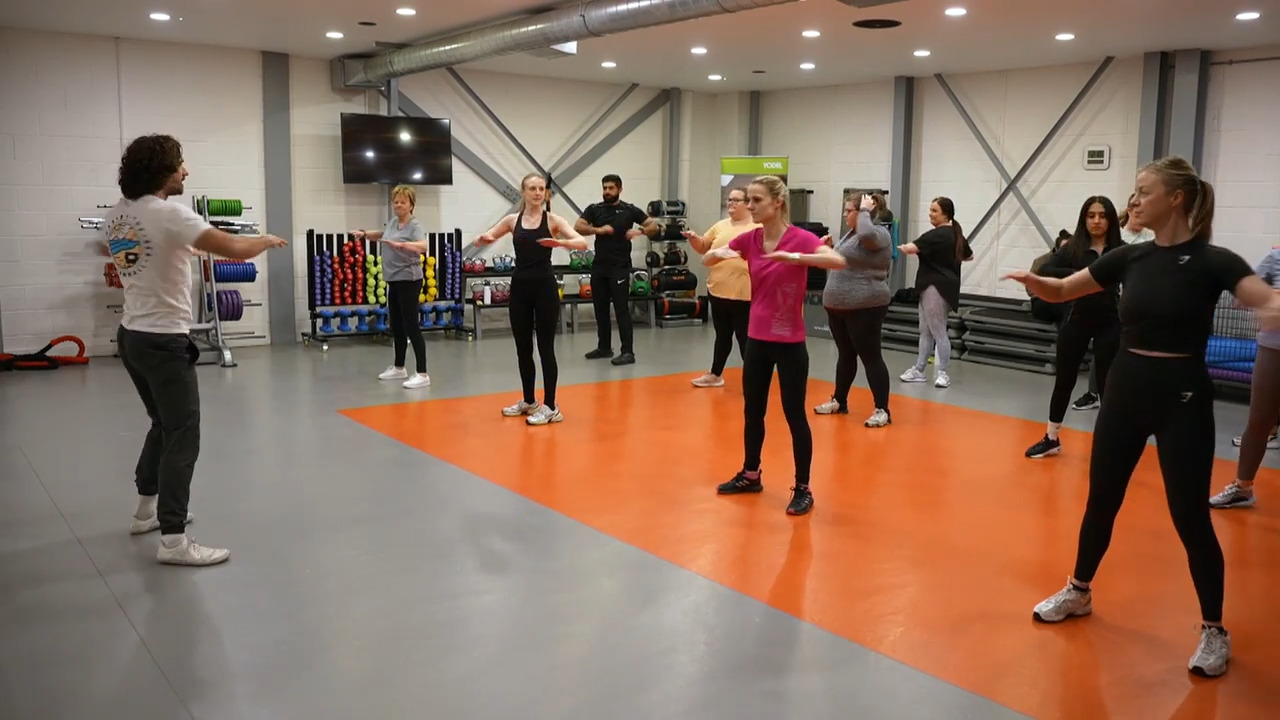
Learn about companies that are providing dedicated time for regular workouts to their employees. Incorporating movement into their day is good for both physical and mental health, and it reduces stress levels and work absence. This video is excerpted from BBC News.
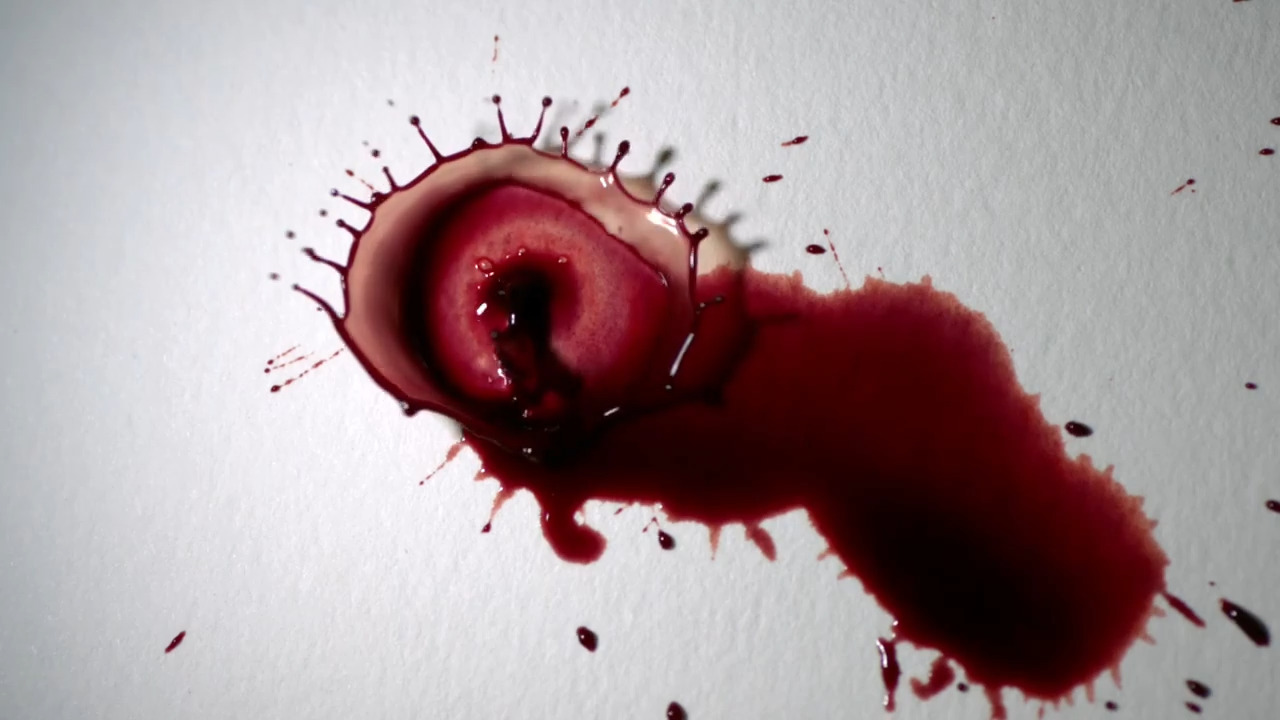
In Myths and Discoveries About Blood, Dr. Michael Mosley introduces the science, history, and mystery behind blood and its life-giving role in the human body. Learn how blood has inspired myths about immortality and healing, while modern science begins to uncover its true functions and potential. This video is excerpted from BBC’s The Wonderful World of Blood, in which Dr. Michael Mosley carries out six experiments on his own blood, from starving it of oxygen to injecting it with snake venom.
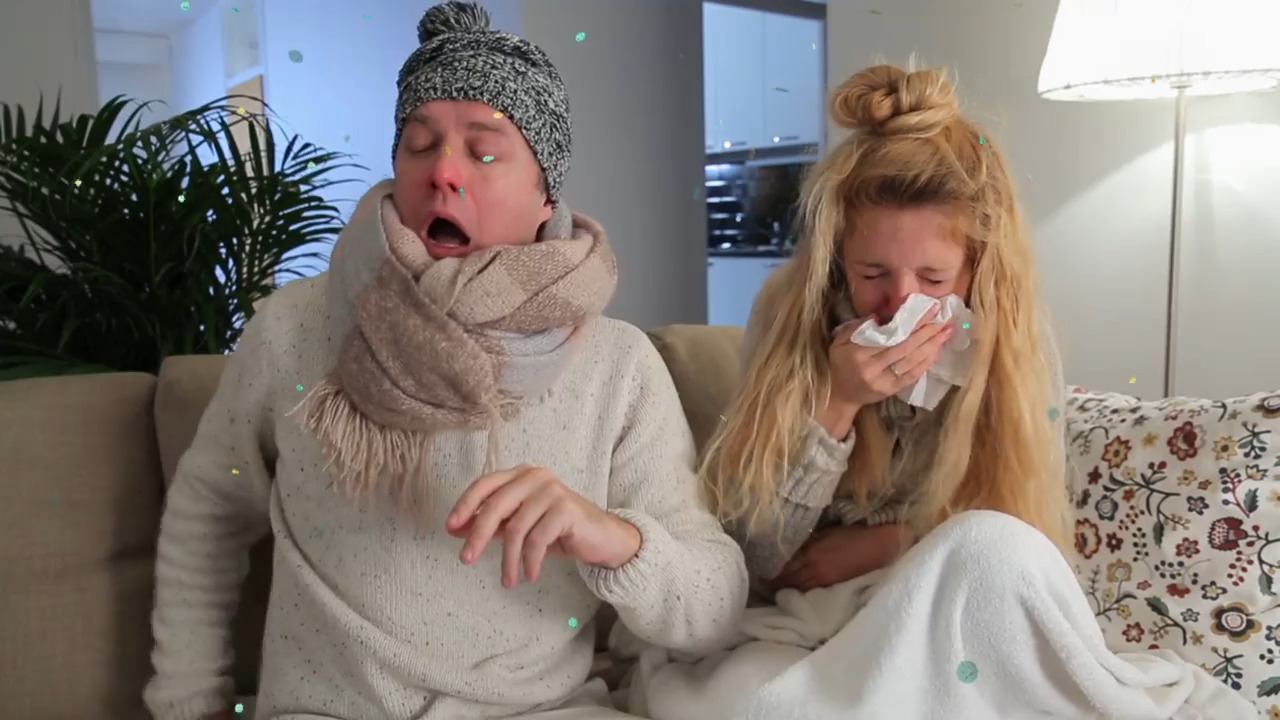
In How Cold Affects Your Body’s Defenses, host Harith Iskander explains how cold temperatures can impact your body’s ability to fight off infections. When you’re cold, the blood vessels constrict, reducing blood flow to certain areas of the body. This process can weaken the immune system, making it easier for viruses, like the common cold, to take hold. This video is excerpted from BBC’s Got Science?, a science magazine series that explores and explains science in everyday life.
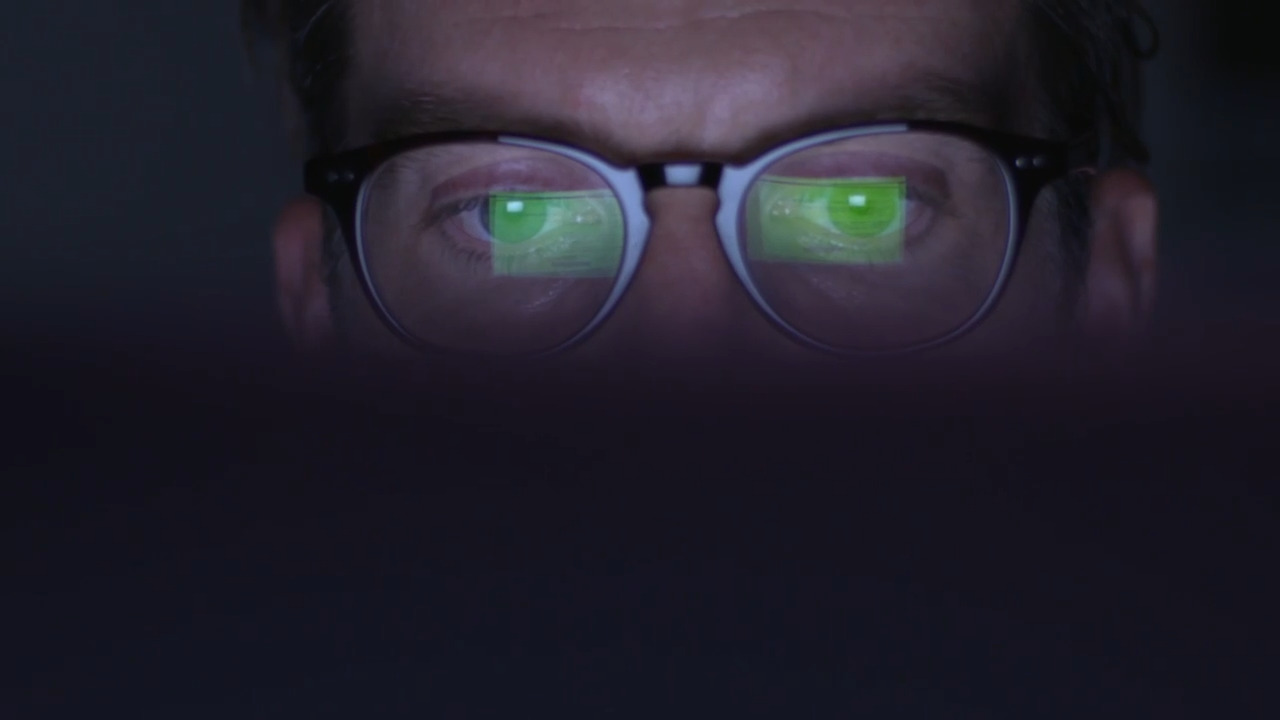
In The Impact of Screens on Our Vision and Memory, host Harith Iskander explores how smartphones and other screen devices are affecting our eyes and memory. When we hold our phones close to our faces, it strains our eyes and can cause them to become more elongated, leading to vision problems like myopia (nearsightedness). Additionally, overusing technology can also impact how the brain stores and processes information. This video is excerpted from BBC’s Got Science?, a science magazine series that explores and explains science in everyday life.
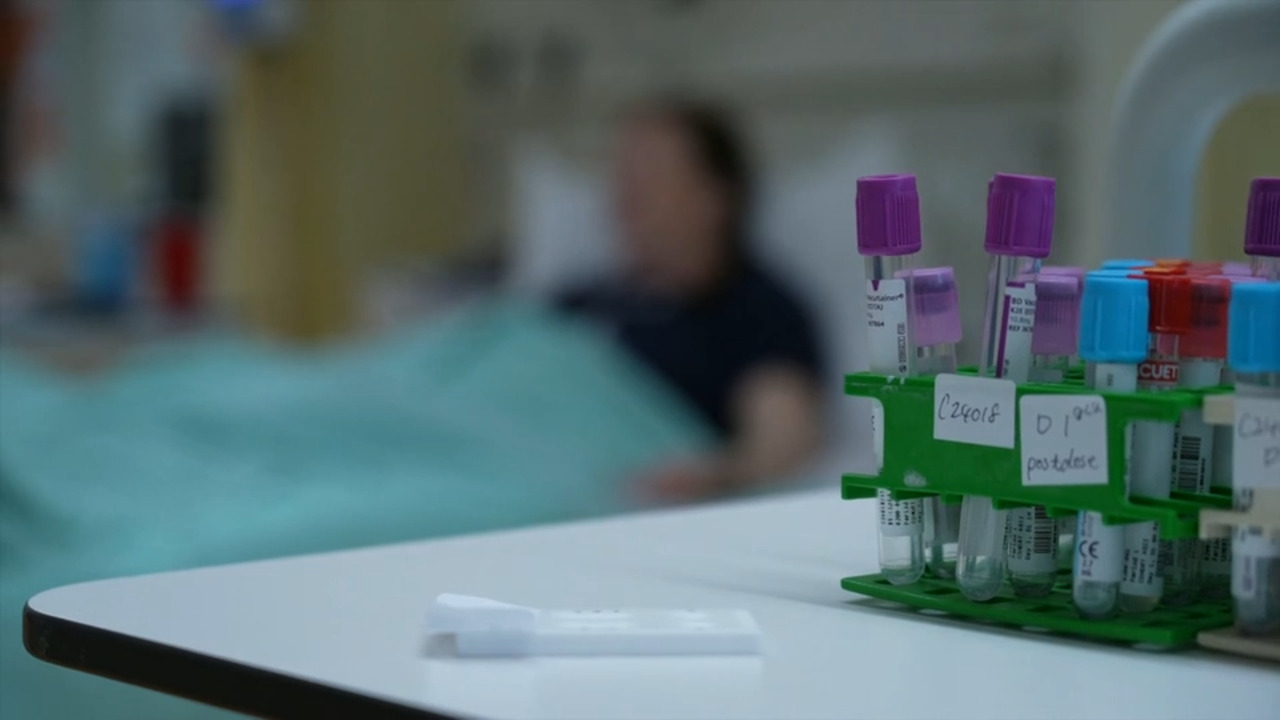
Cholesterol is tricky — your body needs the waxy substance to build cells and make hormones, but there’s a bad type of cholesterol called “LDL” (low-density lipoprotein). Too much LDL can put people at risk for heart attacks or stroke, so controlling cholesterol levels can be life-saving.
Luckily, a new gene editing therapy called VERVE-102 may be able to help with high cholesterol. There’s a trial running now that’s small but mighty, involving only 35 patients, all of whom have either inherited high cholesterol or have had a heart attack at a young age. They continued their regular medication but added this new gene editing therapy to their treatment.
Not only did results show levels of bad cholesterol reduced by up to 62%, but the level continued to remain low after a year, suggesting that patients may only need one treatment to feel the effects of this treatment for the rest of their lives. Is it magic? Close! It’s science!
The idea behind the gene editing plays off of the liver’s role. It’s supposed to clear bad cholesterol from the blood and stop it from clogging up vessels, unless a protein called PCSK9 gets in the way. PCSK9! It even kind of sounds like “pesky”! The new medicine edits PCSK9’s gene, so that it stays out of the way and the liver can do its job.
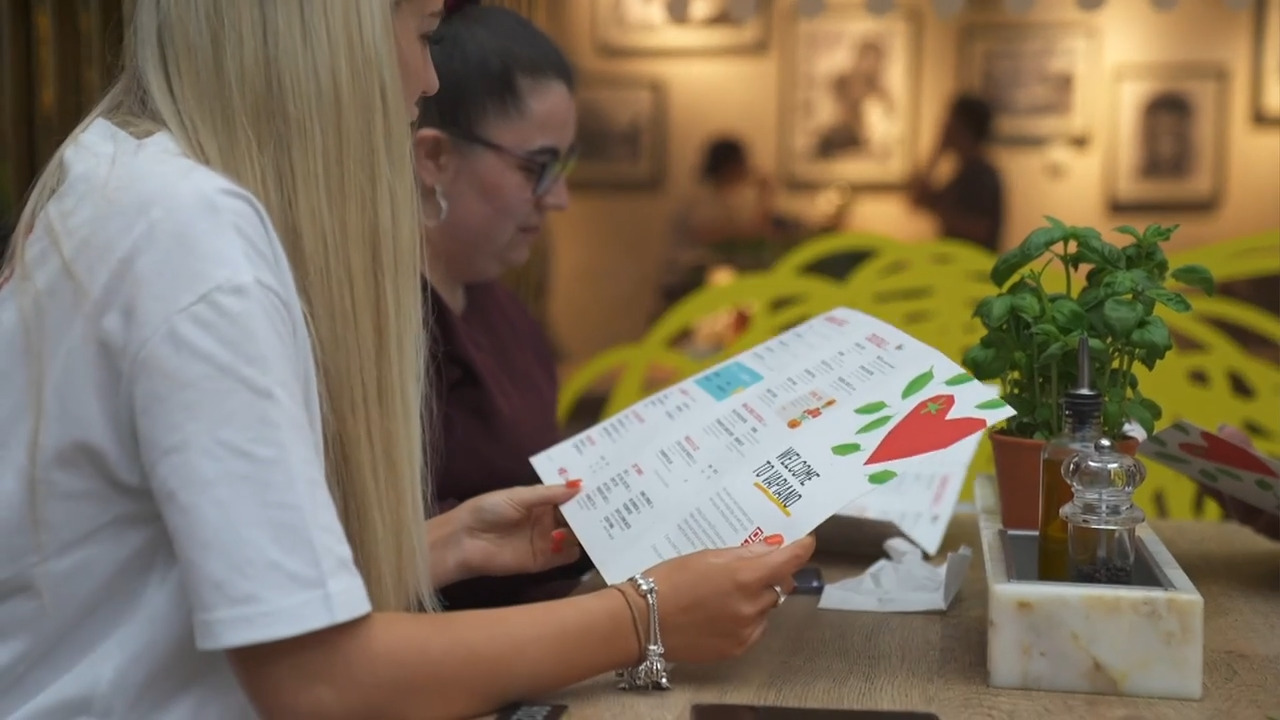
Since 2022, many big restaurant chains in the UK have started showing calorie counts right on their menus. It only takes a small amount of space, but it’s sparked a lot of opinions.
Some people think it’s really helpful. If you’re trying to understand what you’re eating or make choices that fit your goals, seeing the numbers can make things clearer. It can also help people eat out with friends without feeling like they’re totally guessing.
But others say it can have a downside. For some people, especially those who already feel stressed about food, seeing calorie numbers can make meals feel less enjoyable or even a bit stressful. Instead of focusing on taste, sharing, or just enjoying food, it can shift attention to the numbers.
Research suggests that calorie labels might slightly change what people order — by about 2% fewer calories on average per meal. That’s only a small difference per meal, but over time, small changes can add up.

Grown-ups: Jot down your meal ideas on this planner. Don't forget your veggies! Why not laminate your planner so you can use it week after week? Pin it up so the whole fam can see! Kids: Draw your fave meals on the plates. Everyone: Rate the grub with stickers.

Help Doctor Bluey through the maze to her patient, collecting her doctor thingymajigs along the way!
Top Tip: Recycle some old boxes and decorate them to make a doctor surgery for your teddies. Use the bits and bobs from your doctor set too!
Inspired by Season 1 Episode 18 "The Doctor": Honey is stuck in the waiting room with receptionist Bluey as Dr. Bingo prioritises patients with more exciting injuries, until Honey demonstrates how her tail can wag her body.
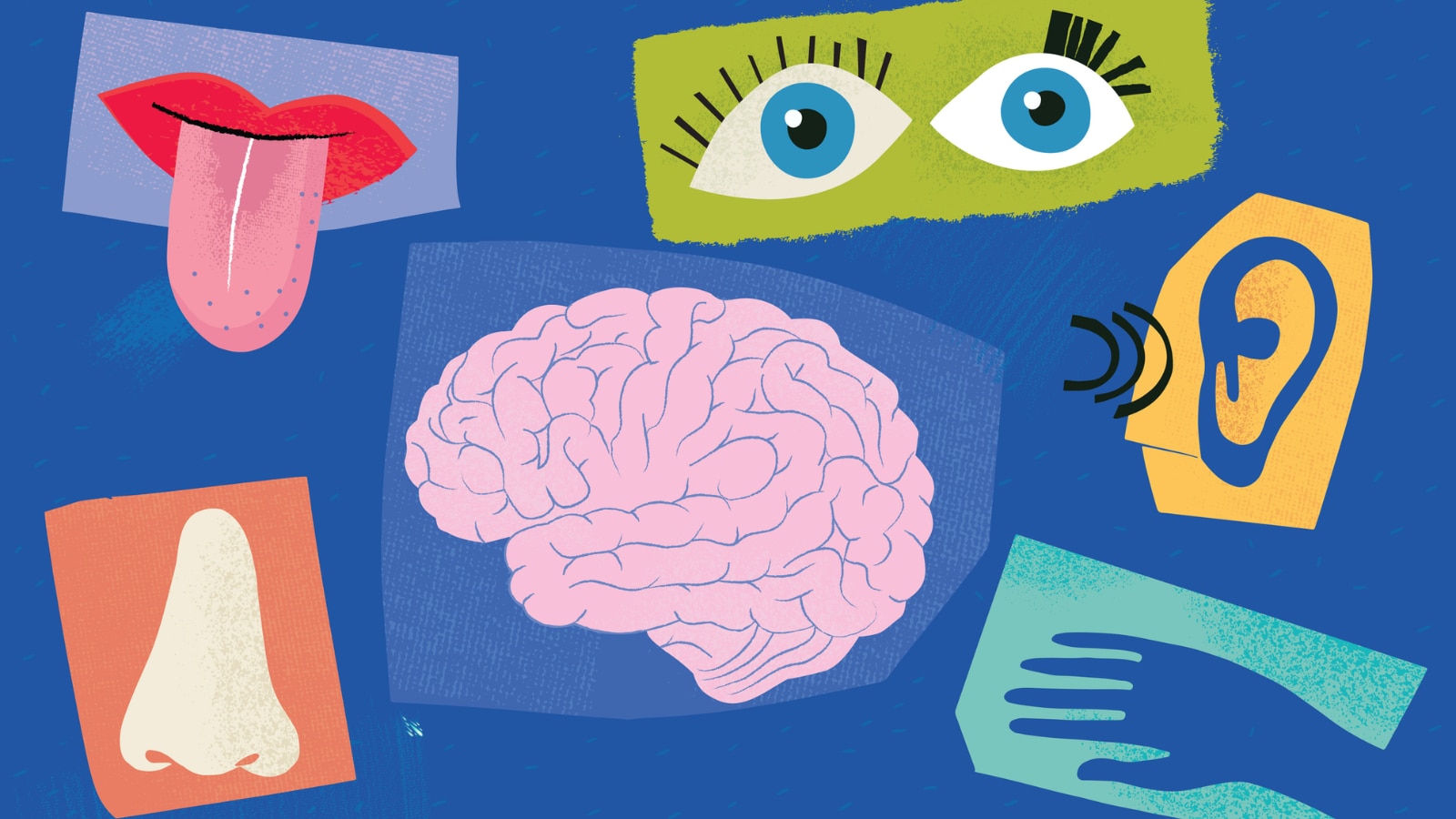
Explore the five senses like never before! Dive into 10 fascinating BBC videos from shows like Got Science? and Secrets of Skin that uncover the amazing science behind how we see, hear, smell, taste, and touch. Students will discover why food tastes different on an airplane, how smell involves more than just the nose, why our eyes make emotional tears, how sound can change flavor, and how fingertips and smell receptors send powerful signals to the brain. It’s a fun, surprising look at the hidden connections between the brain and our everyday experiences.
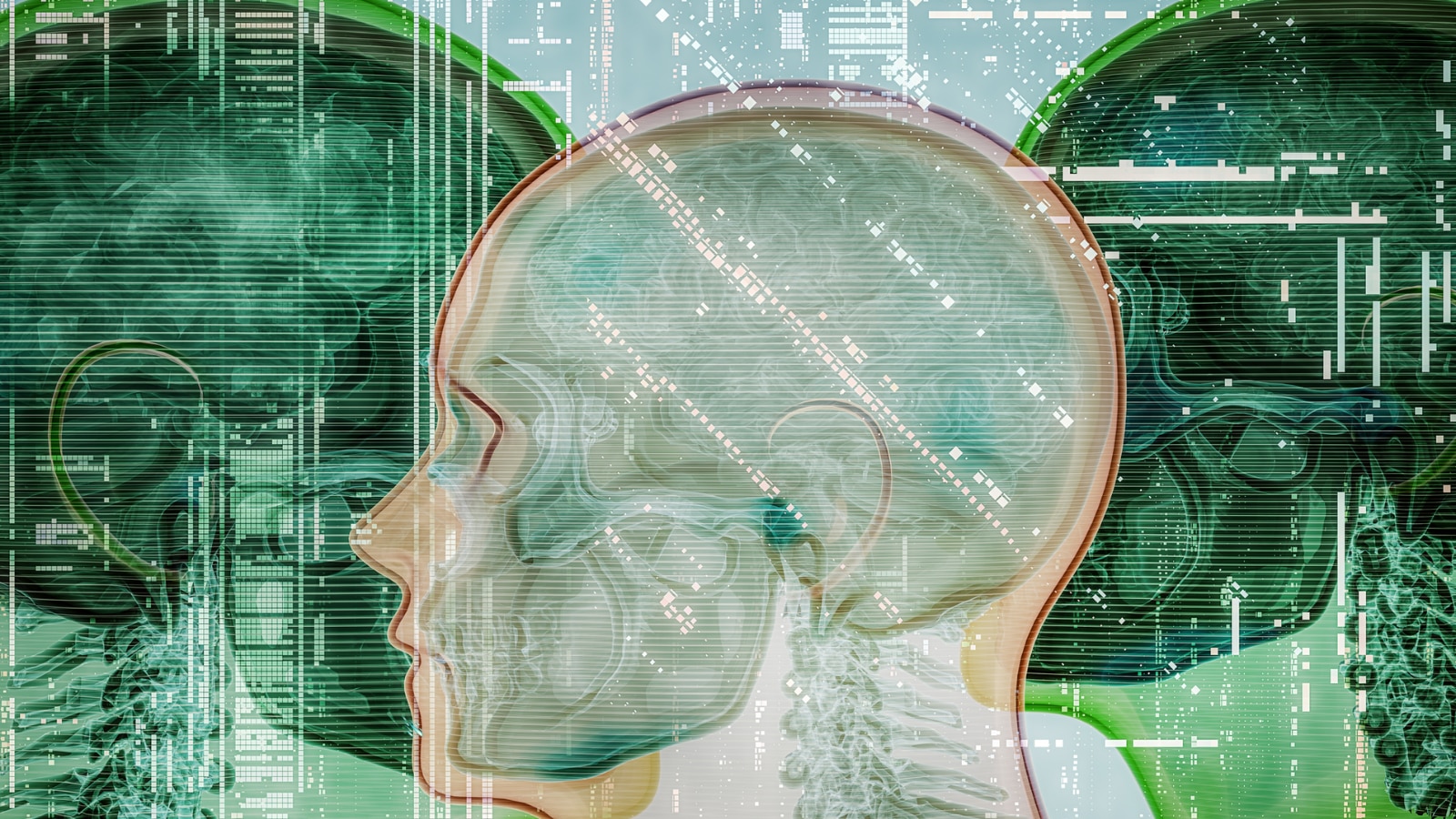
This video playlist brings together 10 fascinating clips from the BBC’s Got Science? series, where everyday questions lead to surprising scientific discoveries. Students explore what’s really happening in the body and brain — from what your brain is doing during sleep paralysis to what it truly means to be “left-brained” or “right-brained.” They’ll investigate what happens when the body becomes dehydrated, how cold temperatures and high altitudes affect how we function, and the unexpected ways our bodies trick us every single day. Packed with “What! Really?” moments, this weird-but-wonderful playlist helps learners connect real science to daily life in unforgettable ways. Get ready to see the familiar become fascinating.
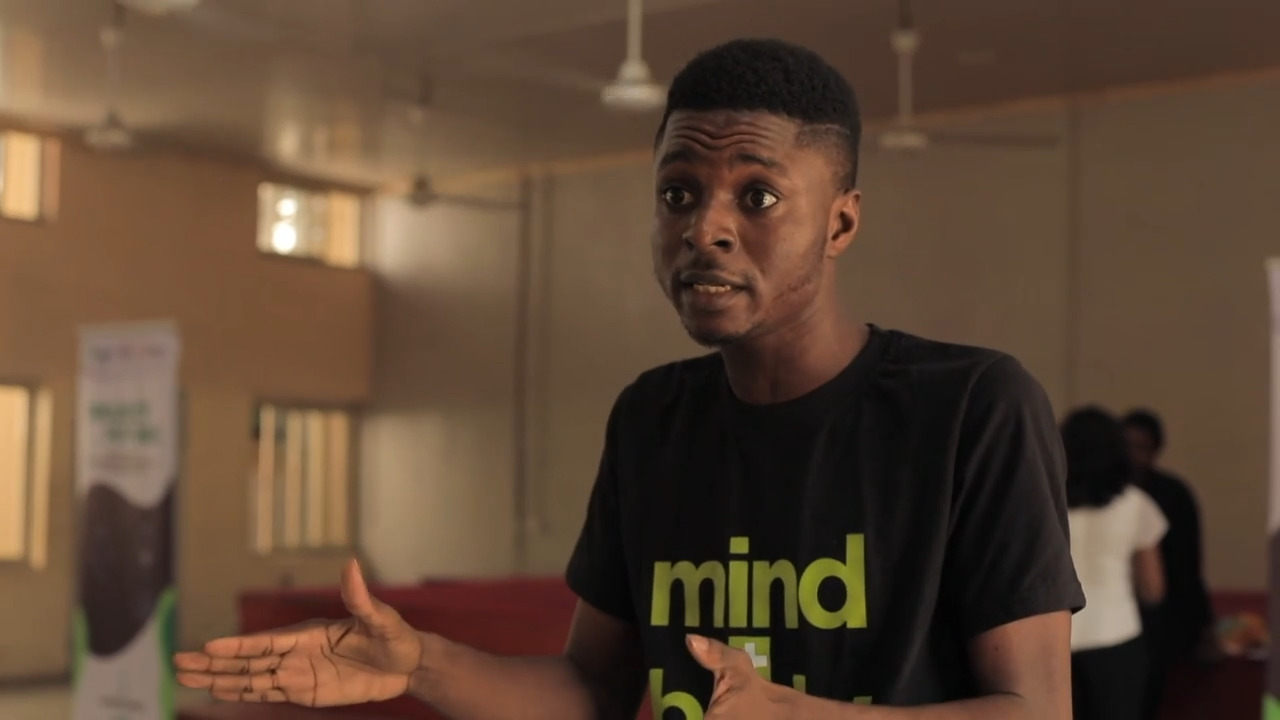
In Can We Overcome the Stigma Around Mental Health?, host Radzi Chinyanganya highlights initiatives aimed at addressing mental health in schools in Nigeria and New Zealand. These countries have made strides in encouraging open conversations about mental health, a topic that has historically been stigmatized in both regions. In Nigeria, mental health issues were often overlooked or suppressed, and in New Zealand, a high youth suicide rate prompted the need for action. This video is excerpted from BBC’s My World, a program created for teenagers eager to learn more about the important stories shaping our world.
Did you put on sunscreen today? Yes? Go put on some more.
Tans may be fashionable, but the risks that come with sun damage are anything but — and they can last a lifetime. That's why England banned tanning beds for anyone under 18 back in 2011. Even so, people as young as 14 have found ways to use them illegally. Now, the rules are getting stricter: businesses will be legally required to check ID before letting anyone near a sunbed, and salons will need to post clear health warnings — including dropping any misleading claims that certain beds can prevent sunburn or help with weight loss.
Even with stronger laws, misinformation is still a problem. Rumors about tanning beds offering benefits like vitamin D have a way of spreading while the risks get quietly ignored. Experts say that even a single tanning bed session before the age of 35 increases the risk of skin cancer by nearly 60% — and young skin is especially vulnerable. Skin cancer is already the most common cancer in the world. The tan isn't worth it.
Learn about companies that are providing dedicated time for regular workouts to their employees. Incorporating movement into their day is good for both physical and mental health, and it reduces stress levels and work absence. This video is excerpted from BBC News.
In Myths and Discoveries About Blood, Dr. Michael Mosley introduces the science, history, and mystery behind blood and its life-giving role in the human body. Learn how blood has inspired myths about immortality and healing, while modern science begins to uncover its true functions and potential. This video is excerpted from BBC’s The Wonderful World of Blood, in which Dr. Michael Mosley carries out six experiments on his own blood, from starving it of oxygen to injecting it with snake venom.
In How Cold Affects Your Body’s Defenses, host Harith Iskander explains how cold temperatures can impact your body’s ability to fight off infections. When you’re cold, the blood vessels constrict, reducing blood flow to certain areas of the body. This process can weaken the immune system, making it easier for viruses, like the common cold, to take hold. This video is excerpted from BBC’s Got Science?, a science magazine series that explores and explains science in everyday life.
In The Impact of Screens on Our Vision and Memory, host Harith Iskander explores how smartphones and other screen devices are affecting our eyes and memory. When we hold our phones close to our faces, it strains our eyes and can cause them to become more elongated, leading to vision problems like myopia (nearsightedness). Additionally, overusing technology can also impact how the brain stores and processes information. This video is excerpted from BBC’s Got Science?, a science magazine series that explores and explains science in everyday life.
Cholesterol is tricky — your body needs the waxy substance to build cells and make hormones, but there’s a bad type of cholesterol called “LDL” (low-density lipoprotein). Too much LDL can put people at risk for heart attacks or stroke, so controlling cholesterol levels can be life-saving.
Luckily, a new gene editing therapy called VERVE-102 may be able to help with high cholesterol. There’s a trial running now that’s small but mighty, involving only 35 patients, all of whom have either inherited high cholesterol or have had a heart attack at a young age. They continued their regular medication but added this new gene editing therapy to their treatment.
Not only did results show levels of bad cholesterol reduced by up to 62%, but the level continued to remain low after a year, suggesting that patients may only need one treatment to feel the effects of this treatment for the rest of their lives. Is it magic? Close! It’s science!
The idea behind the gene editing plays off of the liver’s role. It’s supposed to clear bad cholesterol from the blood and stop it from clogging up vessels, unless a protein called PCSK9 gets in the way. PCSK9! It even kind of sounds like “pesky”! The new medicine edits PCSK9’s gene, so that it stays out of the way and the liver can do its job.
Since 2022, many big restaurant chains in the UK have started showing calorie counts right on their menus. It only takes a small amount of space, but it’s sparked a lot of opinions.
Some people think it’s really helpful. If you’re trying to understand what you’re eating or make choices that fit your goals, seeing the numbers can make things clearer. It can also help people eat out with friends without feeling like they’re totally guessing.
But others say it can have a downside. For some people, especially those who already feel stressed about food, seeing calorie numbers can make meals feel less enjoyable or even a bit stressful. Instead of focusing on taste, sharing, or just enjoying food, it can shift attention to the numbers.
Research suggests that calorie labels might slightly change what people order — by about 2% fewer calories on average per meal. That’s only a small difference per meal, but over time, small changes can add up.
Grown-ups: Jot down your meal ideas on this planner. Don't forget your veggies! Why not laminate your planner so you can use it week after week? Pin it up so the whole fam can see! Kids: Draw your fave meals on the plates. Everyone: Rate the grub with stickers.
Help Doctor Bluey through the maze to her patient, collecting her doctor thingymajigs along the way!
Top Tip: Recycle some old boxes and decorate them to make a doctor surgery for your teddies. Use the bits and bobs from your doctor set too!
Inspired by Season 1 Episode 18 "The Doctor": Honey is stuck in the waiting room with receptionist Bluey as Dr. Bingo prioritises patients with more exciting injuries, until Honey demonstrates how her tail can wag her body.
Explore the five senses like never before! Dive into 10 fascinating BBC videos from shows like Got Science? and Secrets of Skin that uncover the amazing science behind how we see, hear, smell, taste, and touch. Students will discover why food tastes different on an airplane, how smell involves more than just the nose, why our eyes make emotional tears, how sound can change flavor, and how fingertips and smell receptors send powerful signals to the brain. It’s a fun, surprising look at the hidden connections between the brain and our everyday experiences.
This video playlist brings together 10 fascinating clips from the BBC’s Got Science? series, where everyday questions lead to surprising scientific discoveries. Students explore what’s really happening in the body and brain — from what your brain is doing during sleep paralysis to what it truly means to be “left-brained” or “right-brained.” They’ll investigate what happens when the body becomes dehydrated, how cold temperatures and high altitudes affect how we function, and the unexpected ways our bodies trick us every single day. Packed with “What! Really?” moments, this weird-but-wonderful playlist helps learners connect real science to daily life in unforgettable ways. Get ready to see the familiar become fascinating.
In Can We Overcome the Stigma Around Mental Health?, host Radzi Chinyanganya highlights initiatives aimed at addressing mental health in schools in Nigeria and New Zealand. These countries have made strides in encouraging open conversations about mental health, a topic that has historically been stigmatized in both regions. In Nigeria, mental health issues were often overlooked or suppressed, and in New Zealand, a high youth suicide rate prompted the need for action. This video is excerpted from BBC’s My World, a program created for teenagers eager to learn more about the important stories shaping our world.