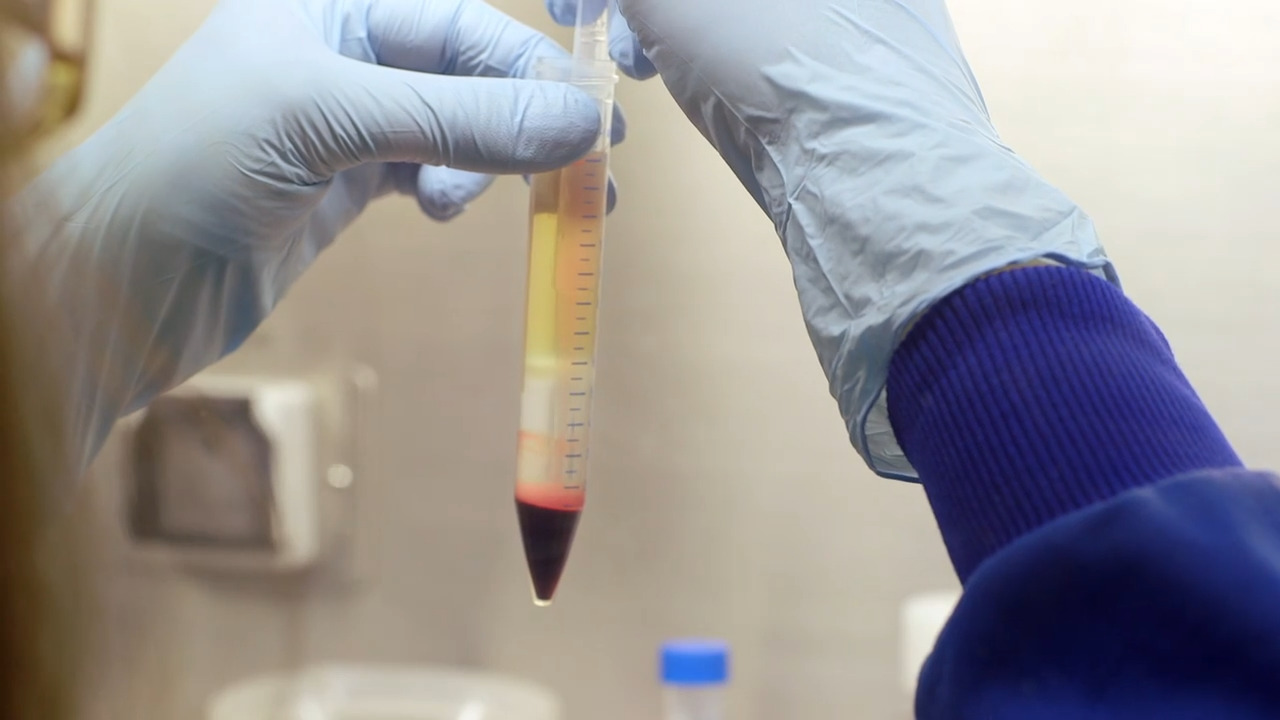
In How Blood Clots and Heals the Body, Dr. Michael Mosley examines blood up close to understand how clotting prevents bleeding and supports healing. From platelets forming clots to experiments with snake venom and modern cosmetic treatments, explore the powerful regenerative properties of blood. This video is excerpted from BBC’s The Wonderful World of Blood, in which Dr. Michael Mosley carries out six experiments on his own blood, from starving it of oxygen to injecting it with snake venom.
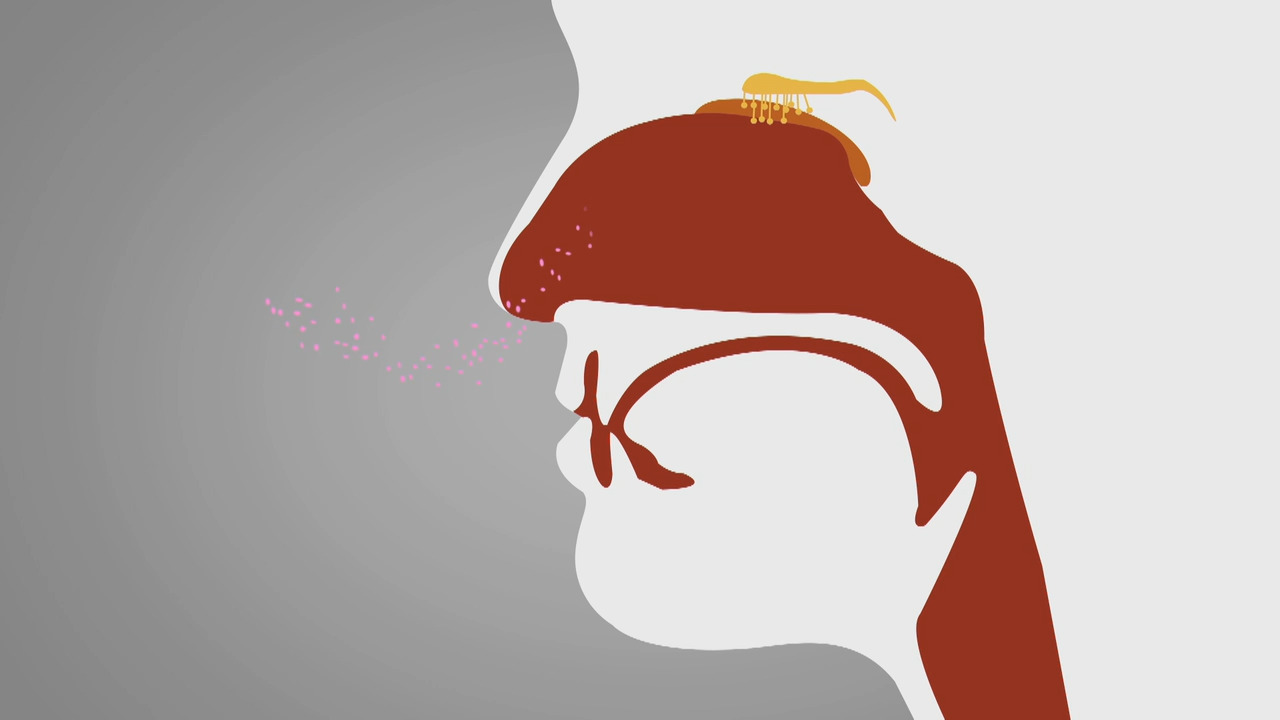
In Smell Receptors, the Hidden Defenders of Your Body, host Harith Iskander explains how our bodies have smell receptors not just in the nose but in surprising places like the kidneys and airways. These receptors help defend us against harmful substances and even assist with healing, especially in the lungs. This video is excerpted from BBC’s Got Science?, a science magazine series that explores and explains science in everyday life.

Help Doctor Bluey through the maze to her patient, collecting her doctor thingymajigs along the way!
Top Tip: Recycle some old boxes and decorate them to make a doctor surgery for your teddies. Use the bits and bobs from your doctor set too!
Inspired by Season 1 Episode 18 "The Doctor": Honey is stuck in the waiting room with receptionist Bluey as Dr. Bingo prioritises patients with more exciting injuries, until Honey demonstrates how her tail can wag her body.
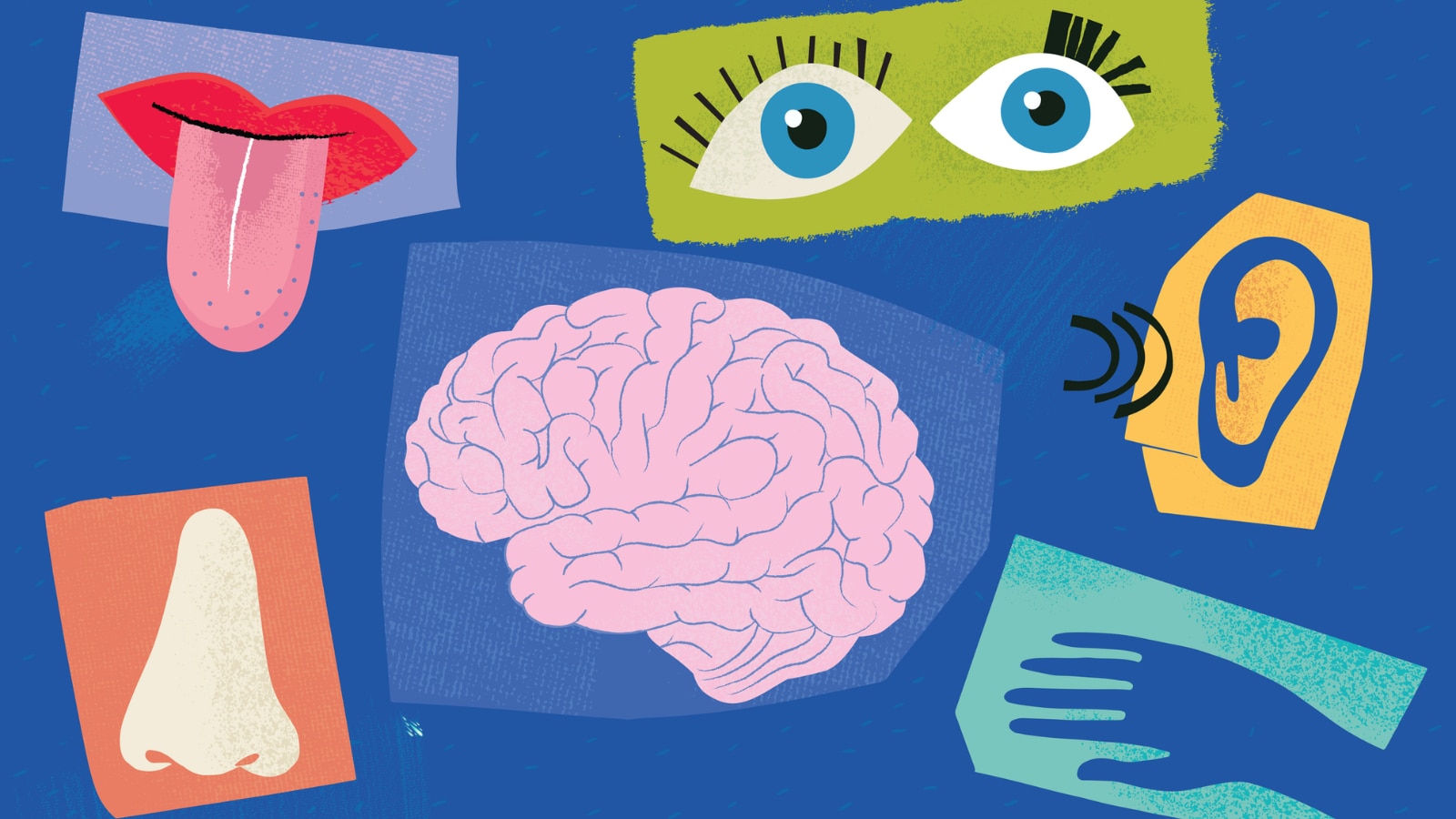
Explore the five senses like never before! Dive into 10 fascinating BBC videos from shows like Got Science? and Secrets of Skin that uncover the amazing science behind how we see, hear, smell, taste, and touch. Students will discover why food tastes different on an airplane, how smell involves more than just the nose, why our eyes make emotional tears, how sound can change flavor, and how fingertips and smell receptors send powerful signals to the brain. It’s a fun, surprising look at the hidden connections between the brain and our everyday experiences.
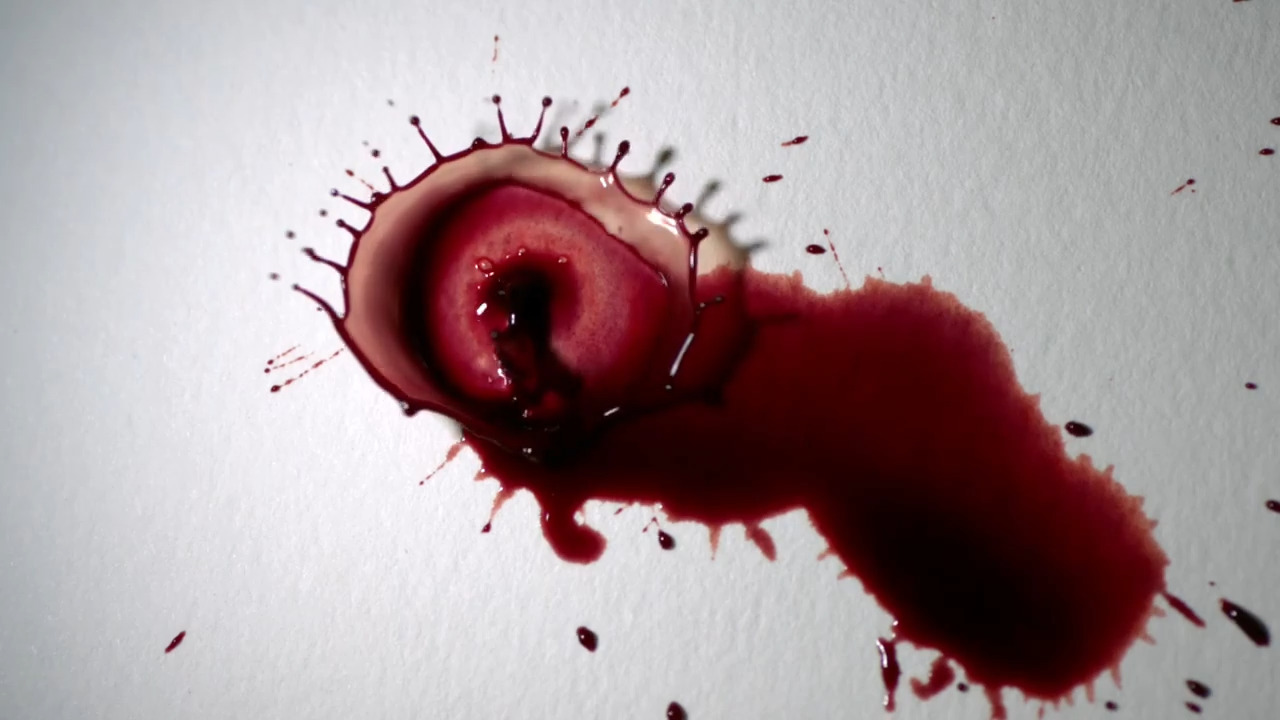
In Myths and Discoveries About Blood, Dr. Michael Mosley introduces the science, history, and mystery behind blood and its life-giving role in the human body. Learn how blood has inspired myths about immortality and healing, while modern science begins to uncover its true functions and potential. This video is excerpted from BBC’s The Wonderful World of Blood, in which Dr. Michael Mosley carries out six experiments on his own blood, from starving it of oxygen to injecting it with snake venom.
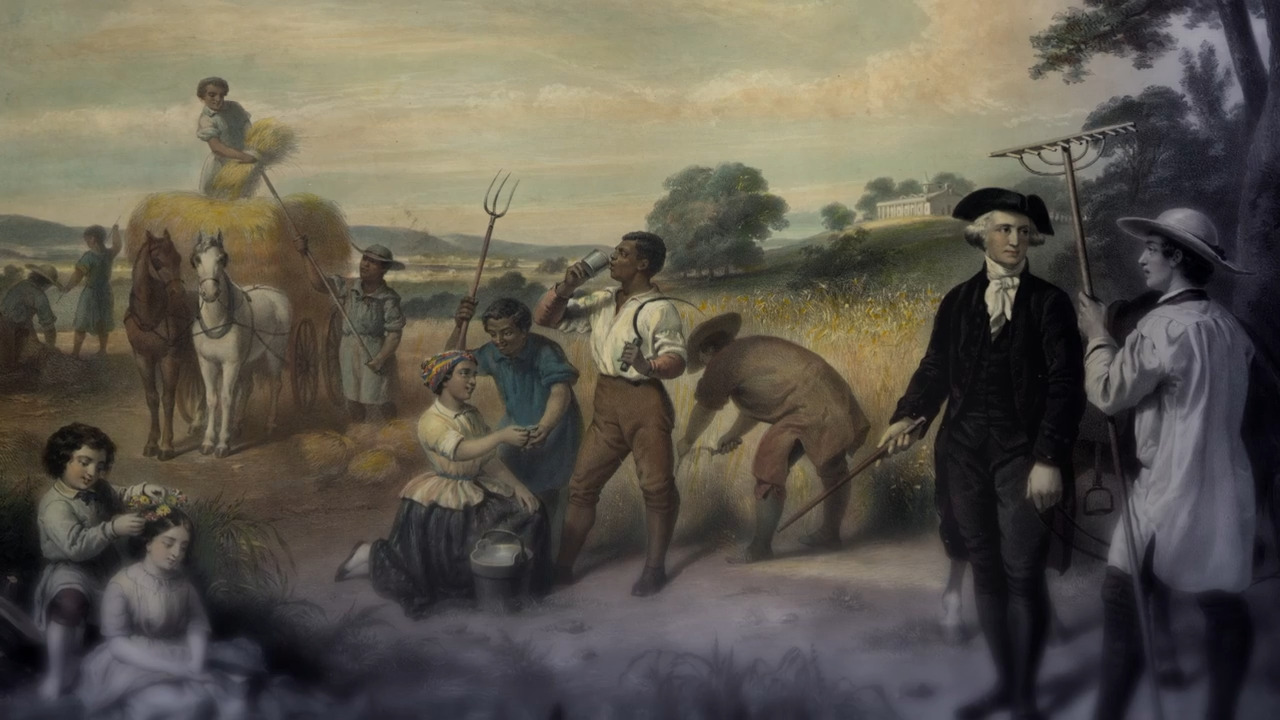
In The Whole Truth About George Washington, historian Lucy Worsley learns that not only did Washington enslave people, he also mistreated them. In 1780, the Pennsylvania Gradual Abolition Act stated that enslaved people had the right to petition for their freedom after six months. George Washington would take enslaved people out of the state and return so that the Act did not apply. This video is excerpted from BBC's American History's Biggest Fibs with Lucy Worsley, in which Worsley reveals the myths and manipulations behind American history.
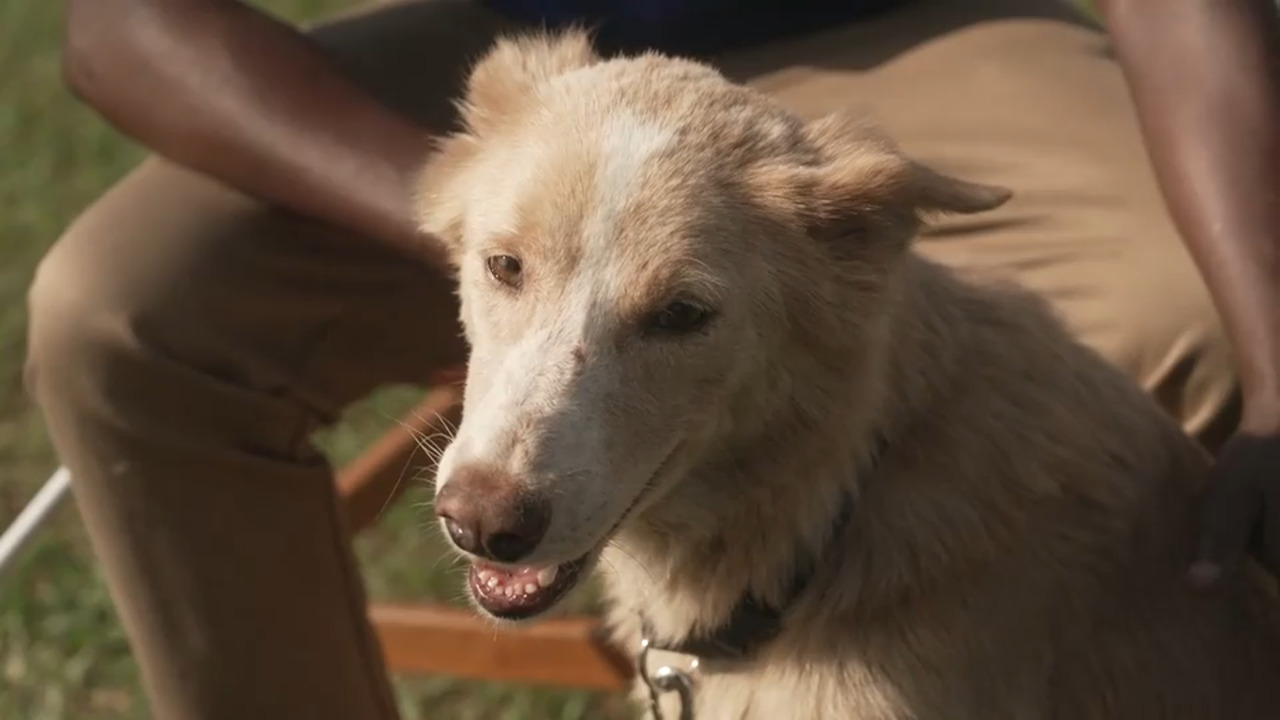
Don’t you hate it when you’re late for work, but you just can’t find your bone and lunch bag of kibble? That may be the case for a group of dogs in Gulu, Northern Uganda, who work as therapy dogs, helping people with tough upbringings navigate their trauma and adjust to a happy life. To support a population that grew up in a war (and the unsafe conditions that came with it), a charity has paired them with dogs.
What’s better? The dogs benefit, too! We’re not talking about an end-of-the-week paycheck or big office parties, but something better: overdue love and affection. All the dogs are former street dogs, so they weren’t properly cared for, and these have helped more than 120 people and dogs find healing bonds with each other.
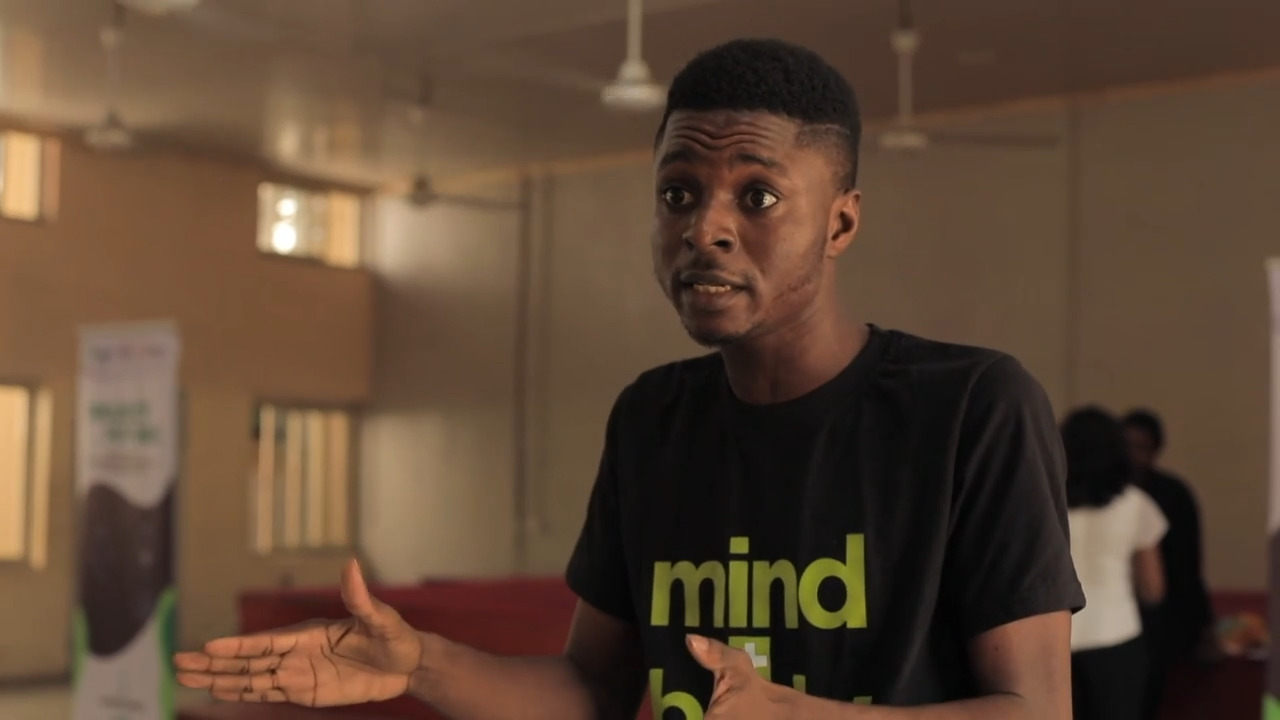
In Can We Overcome the Stigma Around Mental Health?, host Radzi Chinyanganya highlights initiatives aimed at addressing mental health in schools in Nigeria and New Zealand. These countries have made strides in encouraging open conversations about mental health, a topic that has historically been stigmatized in both regions. In Nigeria, mental health issues were often overlooked or suppressed, and in New Zealand, a high youth suicide rate prompted the need for action. This video is excerpted from BBC’s My World, a program created for teenagers eager to learn more about the important stories shaping our world.
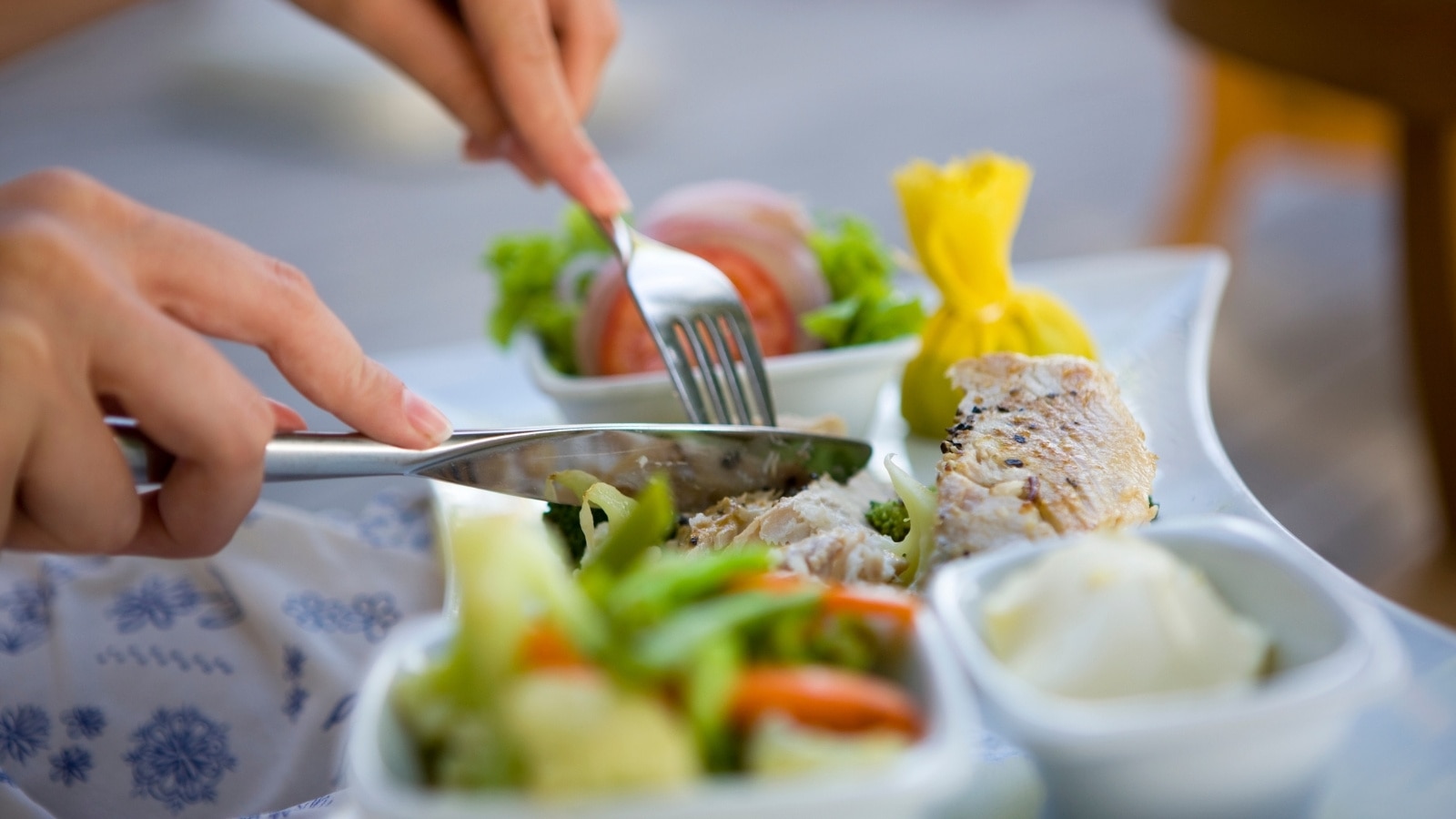
The article "A Healthy Diet Could Reduce the Symptoms of Depression" from BBC's Science Focus explains that dietary changes can reduce depression symptoms in just three weeks. A study in Australia found that young adults who switched to a diet rich in fruits, vegetables, fish, and lean meats showed significant improvement in mood compared with those who continued eating processed foods.

The article "The Gender Pain Gap: Why It’s Time To Take Women’s Health More Seriously" from BBC's Science Focus discusses the disparities in how women's pain is treated compared with men's. Women often face longer wait times for diagnoses and treatment, and their pain is frequently dismissed or misunderstood.
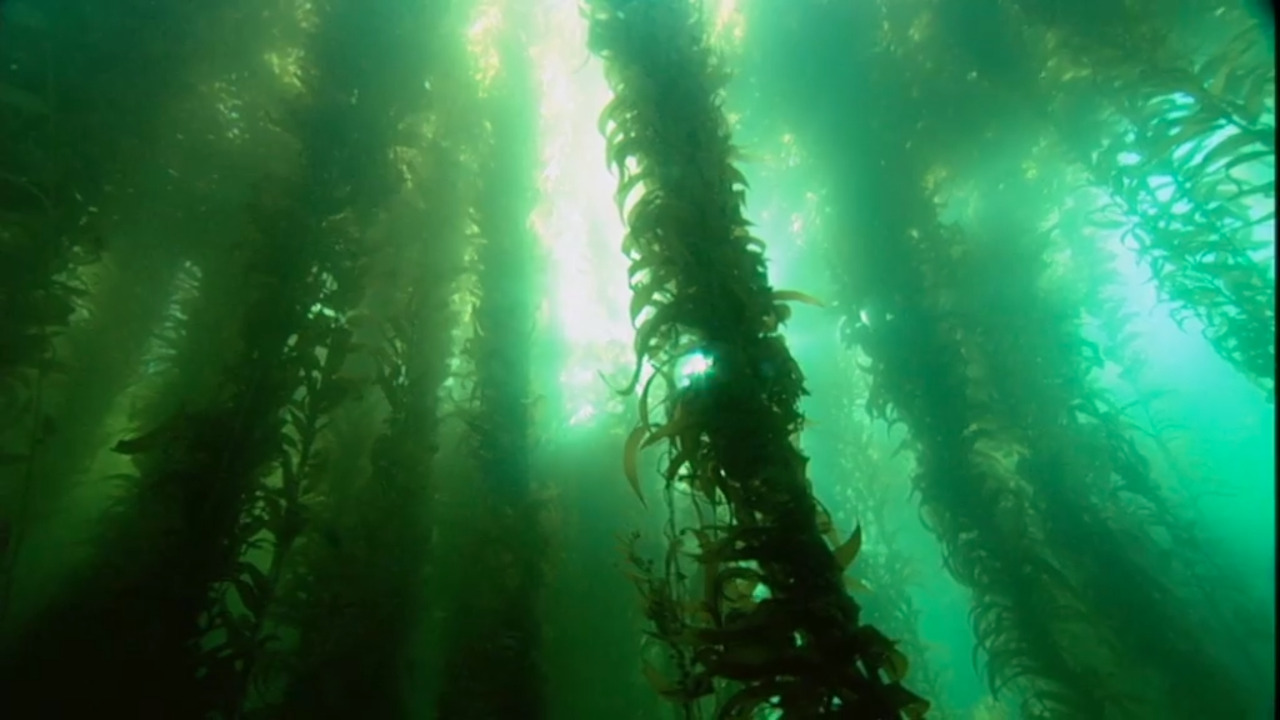
In Sea Otters Keep the Kelp Forest Healthy, narrator Sir David Attenborough examines the giant kelp ecosystem and discovers how the kelp grow. Learn how otters live among the kelp and how they keep the kelp forest healthy. This video is excerpted from BBC’s Blue Planet, a definitive documentary series diving into the mysterious depths of the sea to discover the natural history of the world’s oceans and the rarely seen marine life that reside there.
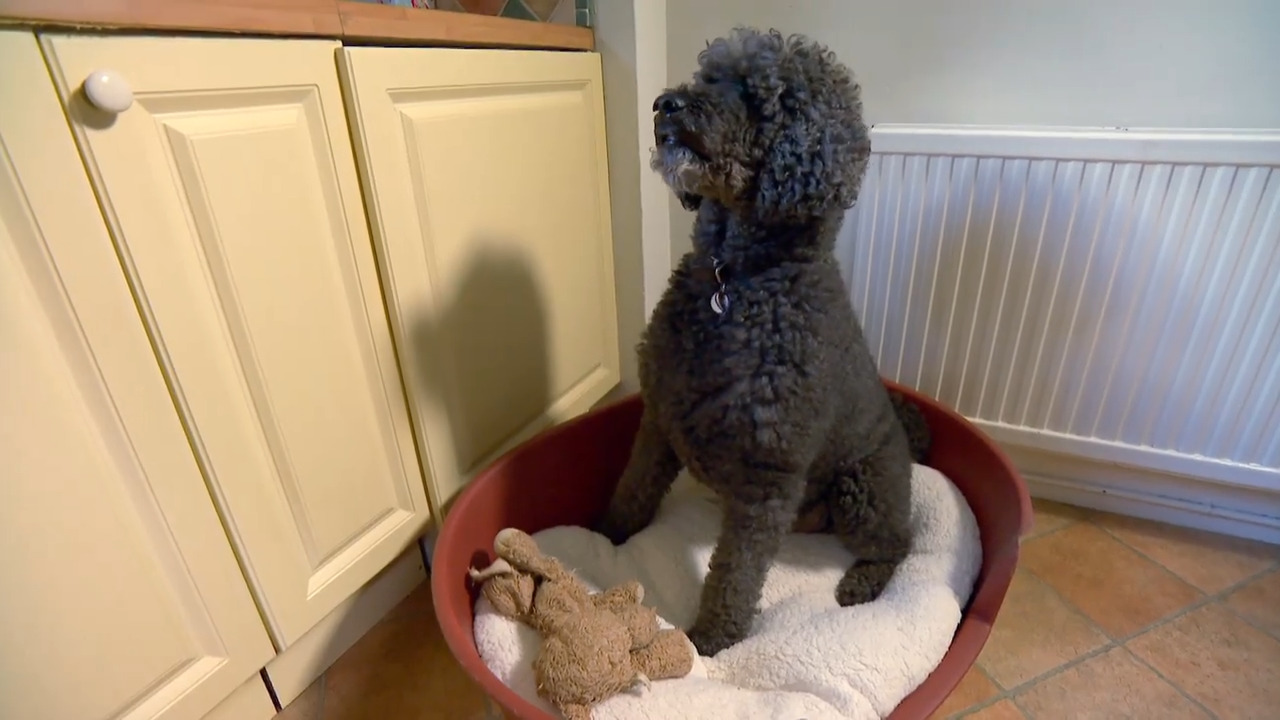
In Keeping Poodles Happy and Healthy, host Rory Crawford and Murdoch the poodle show us all the special ways to keep a poodle happy and healthy! Watch as Murdoch gets his cool summer haircut, called a "kennel clip," to help him beat the heat and look his best. Next learn how Murdoch's meals are prepared twice a day, with a tip from Rory Crawford to wait until after exercise to avoid tummy trouble. This video is excerpted from BBC’s My Pet and Me, a children’s show that introduces kids to the rewards and responsibilities involved when having a pet.
In How Blood Clots and Heals the Body, Dr. Michael Mosley examines blood up close to understand how clotting prevents bleeding and supports healing. From platelets forming clots to experiments with snake venom and modern cosmetic treatments, explore the powerful regenerative properties of blood. This video is excerpted from BBC’s The Wonderful World of Blood, in which Dr. Michael Mosley carries out six experiments on his own blood, from starving it of oxygen to injecting it with snake venom.
In Smell Receptors, the Hidden Defenders of Your Body, host Harith Iskander explains how our bodies have smell receptors not just in the nose but in surprising places like the kidneys and airways. These receptors help defend us against harmful substances and even assist with healing, especially in the lungs. This video is excerpted from BBC’s Got Science?, a science magazine series that explores and explains science in everyday life.
Help Doctor Bluey through the maze to her patient, collecting her doctor thingymajigs along the way!
Top Tip: Recycle some old boxes and decorate them to make a doctor surgery for your teddies. Use the bits and bobs from your doctor set too!
Inspired by Season 1 Episode 18 "The Doctor": Honey is stuck in the waiting room with receptionist Bluey as Dr. Bingo prioritises patients with more exciting injuries, until Honey demonstrates how her tail can wag her body.
Explore the five senses like never before! Dive into 10 fascinating BBC videos from shows like Got Science? and Secrets of Skin that uncover the amazing science behind how we see, hear, smell, taste, and touch. Students will discover why food tastes different on an airplane, how smell involves more than just the nose, why our eyes make emotional tears, how sound can change flavor, and how fingertips and smell receptors send powerful signals to the brain. It’s a fun, surprising look at the hidden connections between the brain and our everyday experiences.
In Myths and Discoveries About Blood, Dr. Michael Mosley introduces the science, history, and mystery behind blood and its life-giving role in the human body. Learn how blood has inspired myths about immortality and healing, while modern science begins to uncover its true functions and potential. This video is excerpted from BBC’s The Wonderful World of Blood, in which Dr. Michael Mosley carries out six experiments on his own blood, from starving it of oxygen to injecting it with snake venom.
In The Whole Truth About George Washington, historian Lucy Worsley learns that not only did Washington enslave people, he also mistreated them. In 1780, the Pennsylvania Gradual Abolition Act stated that enslaved people had the right to petition for their freedom after six months. George Washington would take enslaved people out of the state and return so that the Act did not apply. This video is excerpted from BBC's American History's Biggest Fibs with Lucy Worsley, in which Worsley reveals the myths and manipulations behind American history.
Don’t you hate it when you’re late for work, but you just can’t find your bone and lunch bag of kibble? That may be the case for a group of dogs in Gulu, Northern Uganda, who work as therapy dogs, helping people with tough upbringings navigate their trauma and adjust to a happy life. To support a population that grew up in a war (and the unsafe conditions that came with it), a charity has paired them with dogs.
What’s better? The dogs benefit, too! We’re not talking about an end-of-the-week paycheck or big office parties, but something better: overdue love and affection. All the dogs are former street dogs, so they weren’t properly cared for, and these have helped more than 120 people and dogs find healing bonds with each other.
In Can We Overcome the Stigma Around Mental Health?, host Radzi Chinyanganya highlights initiatives aimed at addressing mental health in schools in Nigeria and New Zealand. These countries have made strides in encouraging open conversations about mental health, a topic that has historically been stigmatized in both regions. In Nigeria, mental health issues were often overlooked or suppressed, and in New Zealand, a high youth suicide rate prompted the need for action. This video is excerpted from BBC’s My World, a program created for teenagers eager to learn more about the important stories shaping our world.
The article "A Healthy Diet Could Reduce the Symptoms of Depression" from BBC's Science Focus explains that dietary changes can reduce depression symptoms in just three weeks. A study in Australia found that young adults who switched to a diet rich in fruits, vegetables, fish, and lean meats showed significant improvement in mood compared with those who continued eating processed foods.
The article "The Gender Pain Gap: Why It’s Time To Take Women’s Health More Seriously" from BBC's Science Focus discusses the disparities in how women's pain is treated compared with men's. Women often face longer wait times for diagnoses and treatment, and their pain is frequently dismissed or misunderstood.
In Sea Otters Keep the Kelp Forest Healthy, narrator Sir David Attenborough examines the giant kelp ecosystem and discovers how the kelp grow. Learn how otters live among the kelp and how they keep the kelp forest healthy. This video is excerpted from BBC’s Blue Planet, a definitive documentary series diving into the mysterious depths of the sea to discover the natural history of the world’s oceans and the rarely seen marine life that reside there.
In Keeping Poodles Happy and Healthy, host Rory Crawford and Murdoch the poodle show us all the special ways to keep a poodle happy and healthy! Watch as Murdoch gets his cool summer haircut, called a "kennel clip," to help him beat the heat and look his best. Next learn how Murdoch's meals are prepared twice a day, with a tip from Rory Crawford to wait until after exercise to avoid tummy trouble. This video is excerpted from BBC’s My Pet and Me, a children’s show that introduces kids to the rewards and responsibilities involved when having a pet.