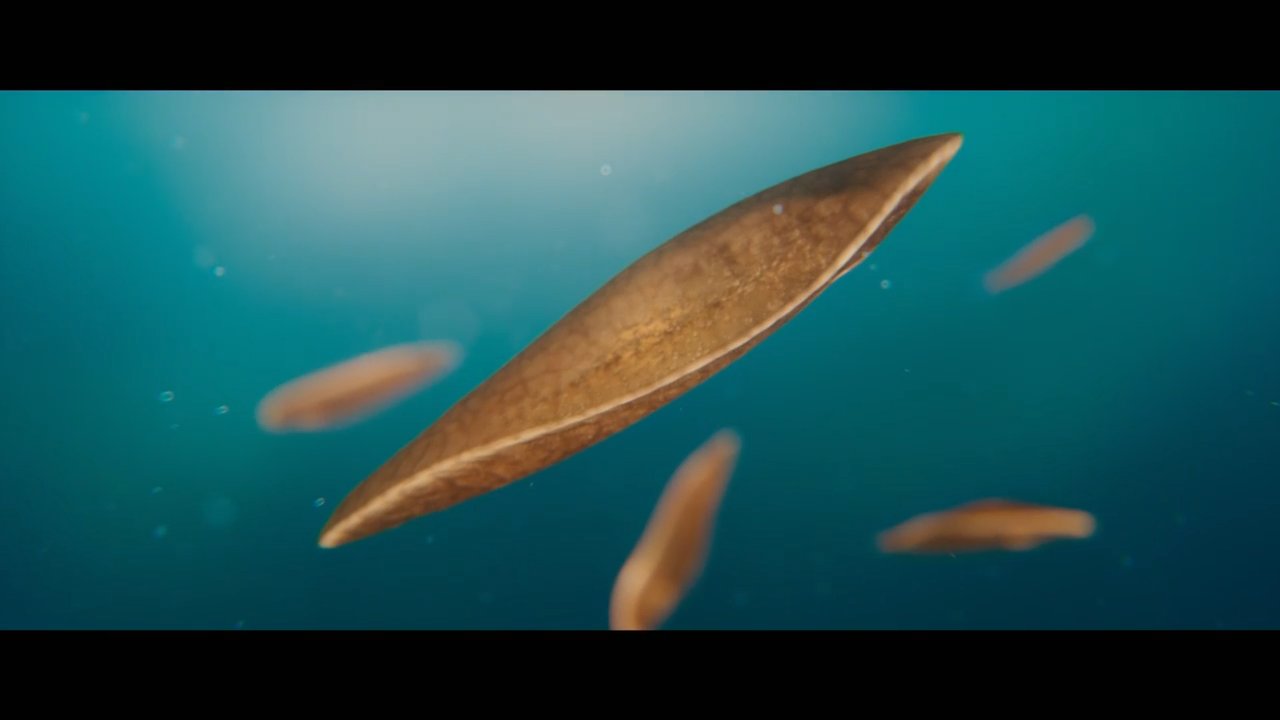
The Ediacaran Garden was home to some of the earliest and strangest animals on Earth, living among vast microbial mats that provided an almost endless food supply. This clip from BBC’s Evolution episode "The Bat" explores the mysterious world of these ancient creatures and follows a tiny, soft-bodied organism thought to be a distant ancestor of bats and humans.
With no hard parts to leave fossils behind, this creature’s story must be pieced together from clues about modern animals and the evolutionary changes that followed. Mutations gradually transformed a simple gut into a continuous digestive tube with a separate opening for waste — a seemingly simple innovation that allowed animals to eat continuously and digest food far more efficiently.

The article "Eating Insects Is Good for Your Gut" from BBC's Science Focus reveals the findings of a clinical trial that shows that eating insects can increase beneficial gut bacteria and reduce inflammation, offering potential health benefits beyond their nutritional value.
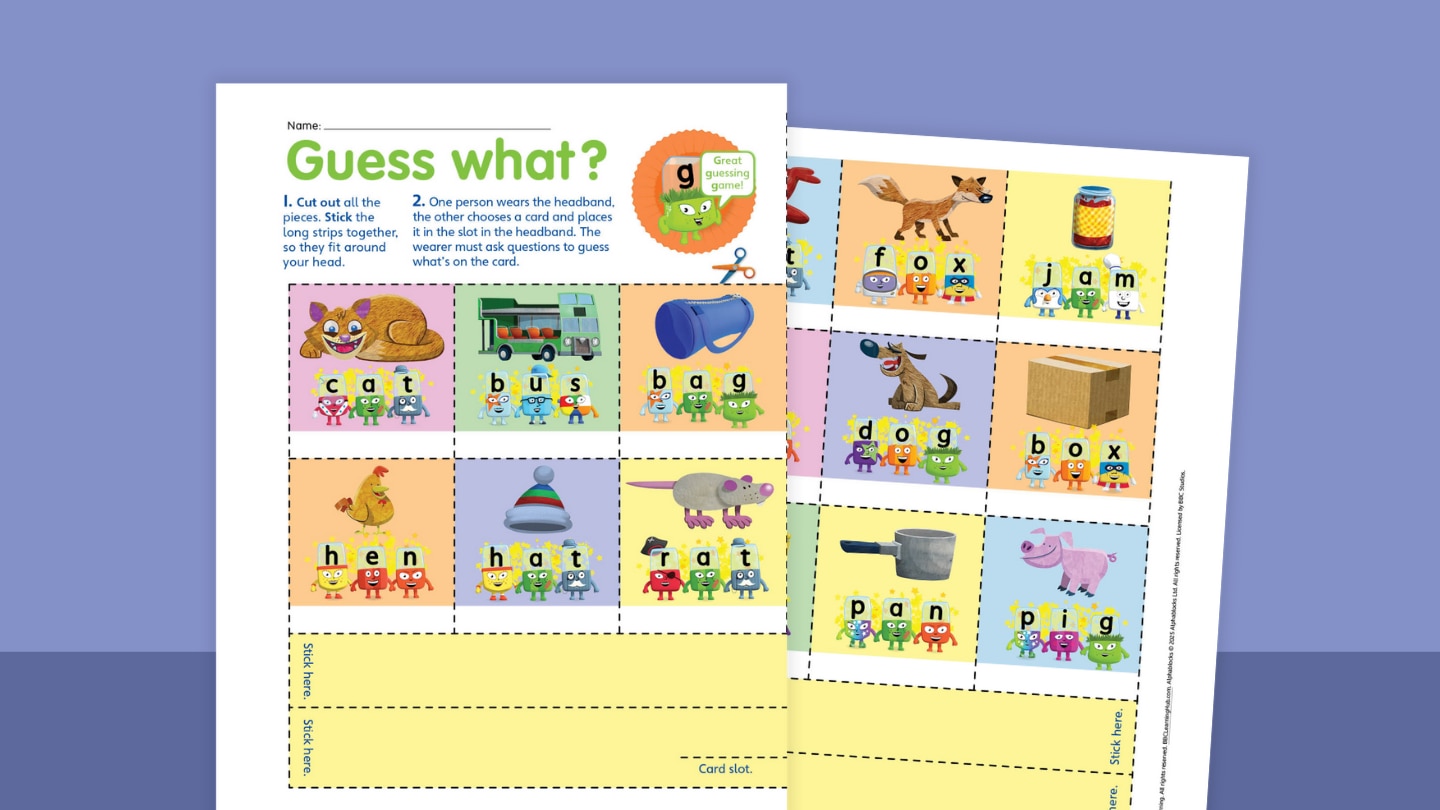
Great guessing game! Here's how to play:
- Cut out all the pieces. Stick the long strips together so they fit around your head.
- One person wears the headband; the other chooses a card and places it in the slot in the headband. The wearer must ask questions to guess what's on the card.
Watch full episodes of Alphablocks on their official YouTube channel!
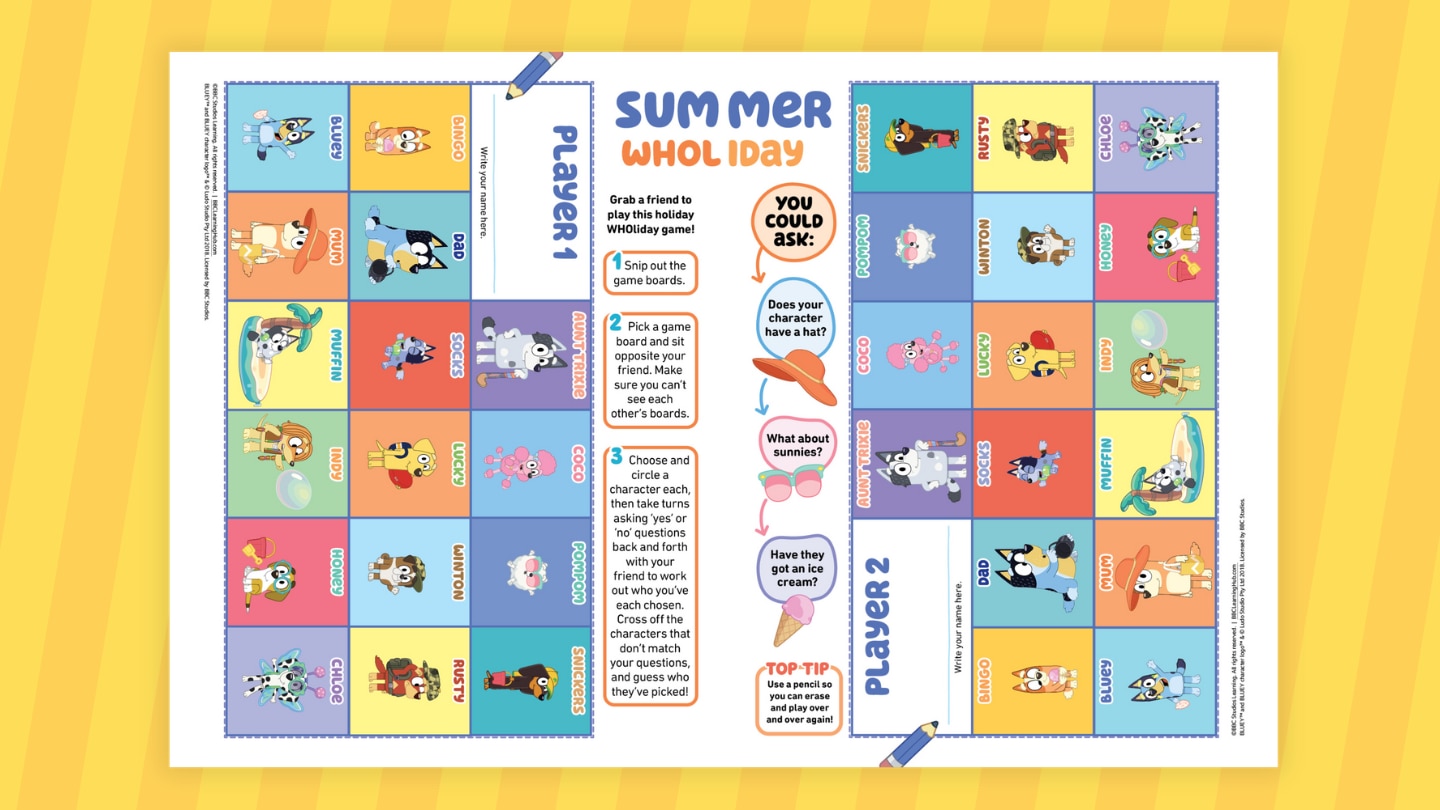
Grab a friend to play this holiday WHOliday game! Here's how to play:
- Snip out the game boards.
- Pick a game board and sit opposite your friend. Make sure you can’t see each other’s boards.
- Choose and circle a character each, then take turns asking "yes" or "no" questions back and forth with your friend to work out who you’ve each chosen. Cross off the characters that don’t match your questions, and guess who they’ve picked!
Top Tip: Use a pencil so you can erase and play over and over again.
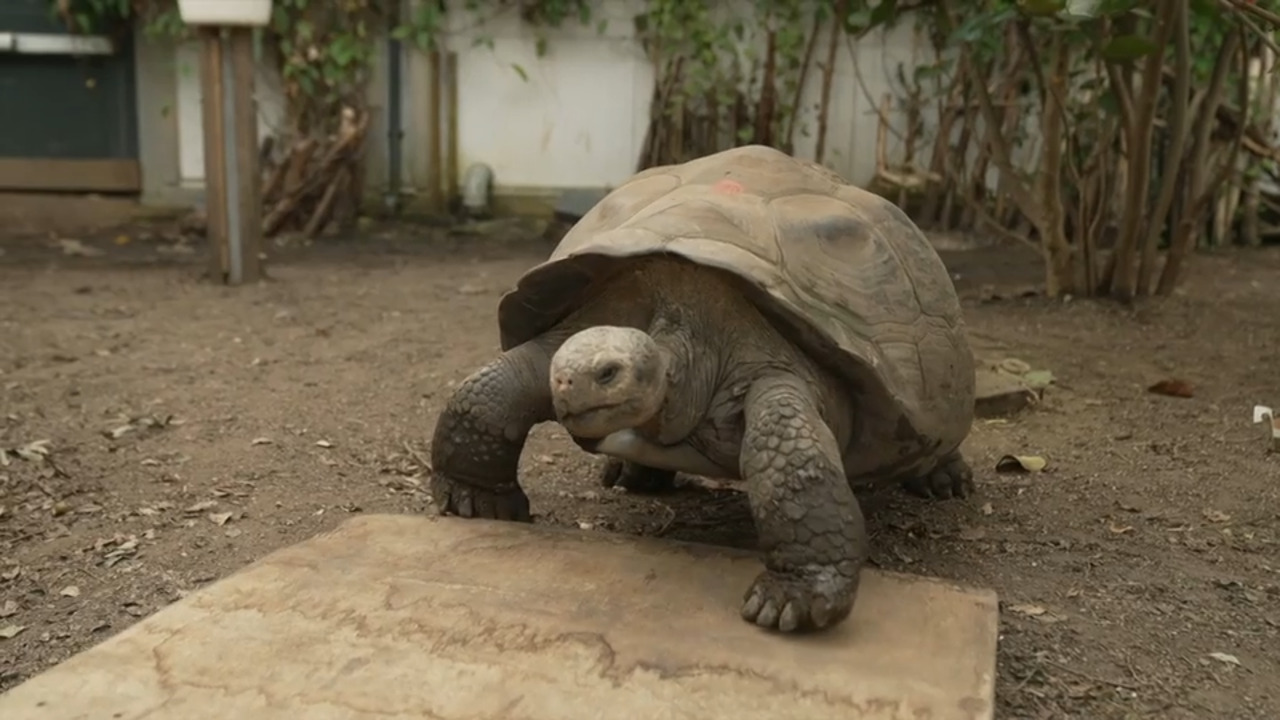
What happens when a zoo animal gets sick? For most of the history of zoos, that question had an answer most visitors never saw. Now, one of the world's oldest zoological societies is building a facility designed to change that — and what they're planning goes well beyond routine checkups.
The Zoological Society of London is constructing a new wildlife health center that will allow visitors to observe animals receiving medical care firsthand. Some of what they'll see will be routine — weight checks, dental exams, the kind of maintenance that keeps zoo populations healthy. But onlookers may also get a window into surgical procedures, and in some cases, postmortems. It's an unusually transparent approach for an institution that has traditionally kept its medical operations behind closed doors.
Not everyone is convinced. Critics argue the center is more about capitalizing on public curiosity than genuinely benefiting the animals in its care — that making medicine into a spectator sport serves the zoo's revenue more than its residents.
ZSL pushes back on that framing. The center is designed to be more than an exhibit. It's intended to function as a global training resource for wildlife vets, a hub where expertise in animal medicine can be developed and shared across institutions worldwide. The argument is that visibility and conservation aren't in conflict — that showing people what it actually takes to keep wild animals healthy is exactly the kind of thing that builds the public understanding zoos increasingly depend on to justify their existence.
The deeper question the center raises isn't really about one zoo or one building. It's about what zoos are actually for — and whether letting people watch is a compromise of that mission or an extension of it.
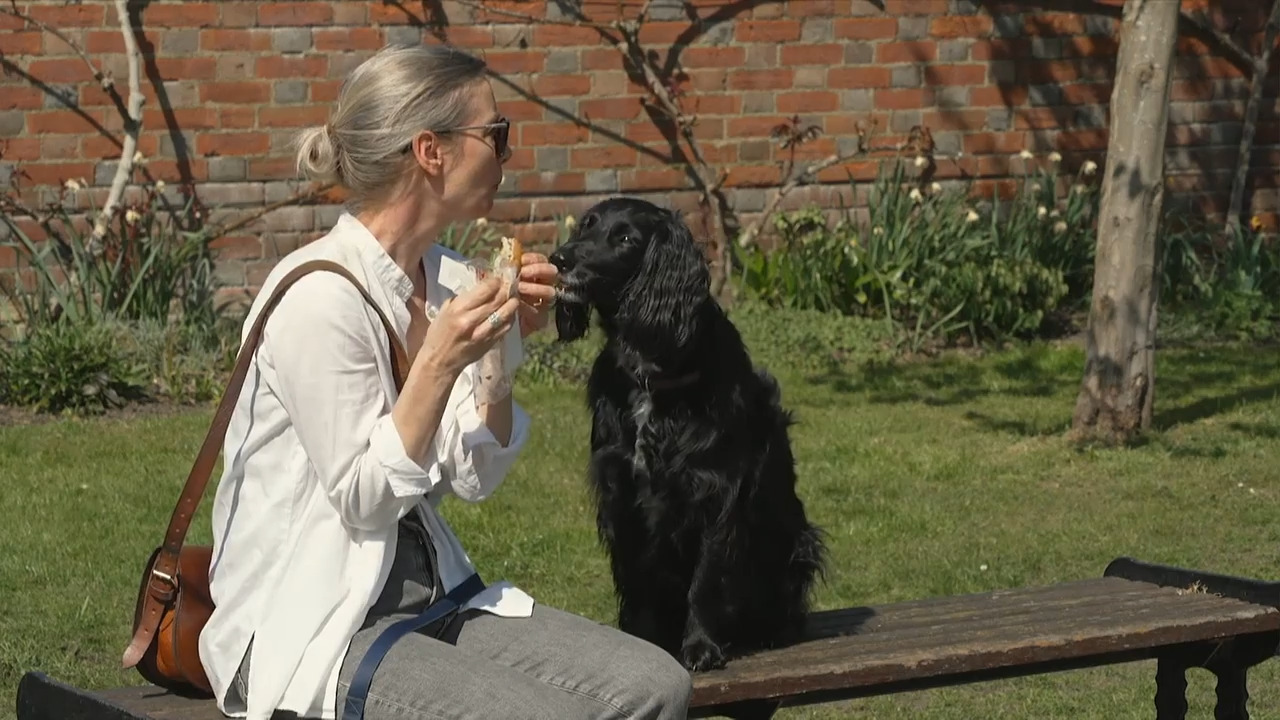
For many people, a dog or cat is much more than a pet — they’re part of the family. Some owners see their pets like a son, daughter, or best friend. But under the law in many places, pets are still treated as property, more like a car or a piece of furniture than a family member.
That legal label can create big problems when families split up. In divorces or ownership disputes, courts may focus on who bought the pet or whose name is on paperwork, instead of what is best for the animal or which person has the strongest bond with it.
Now some people are pushing to change that. A petition to the UK Parliament argues that pets should be legally recognized as family members. Spain has already made similar changes, allowing courts to consider the pet’s welfare and emotional relationships when making decisions.
The debate raises a bigger question: if millions of people treat pets like family, should the law do the same?
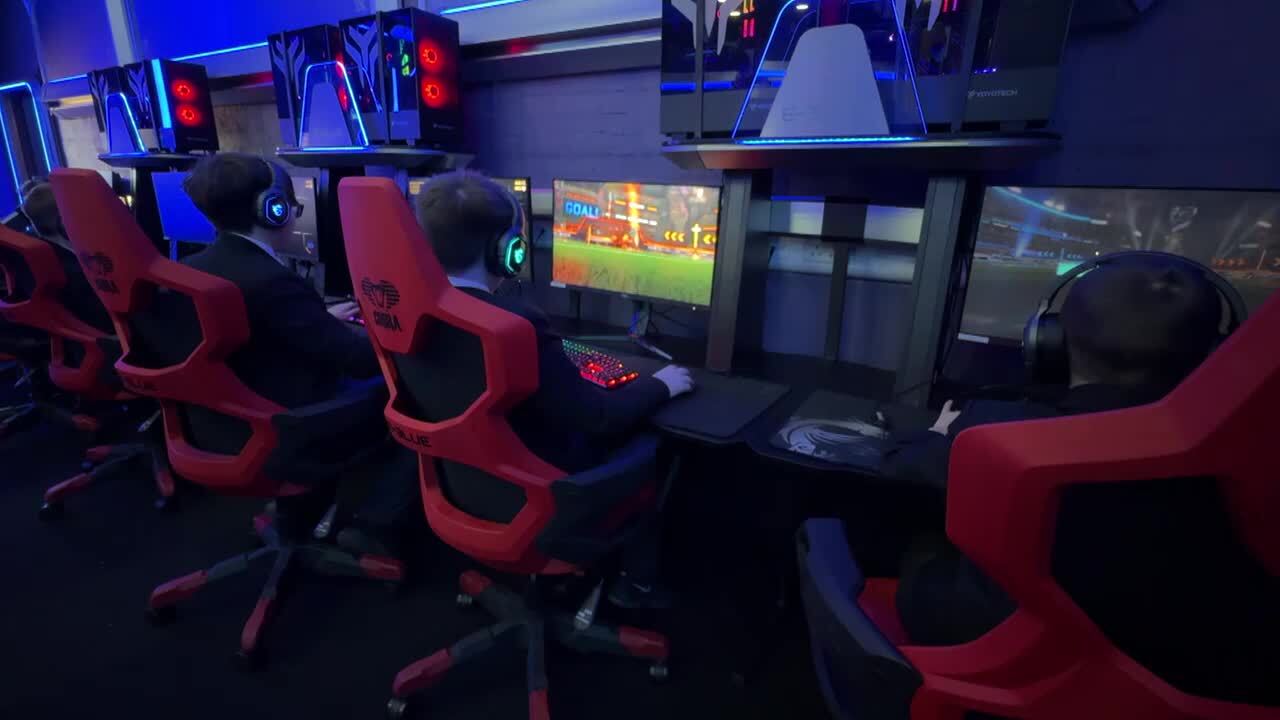
Football, rugby… esports? At Countesthorpe Academy, a secondary school in the UK, students can step into a full esports arena packed with high-end gaming computers — but it’s about a lot more than just playing games.
The school is one of the first to offer an esports qualification, helping students explore how the gaming industry really works and what kinds of careers exist behind the screens.
Esports might feel like entertainment, but it’s also a fast-growing global industry. In fact, the video game industry is now worth several times more than both the music and movie industries combined.
Students studying esports look at everything from how games make money and the strategies players use, to teamwork, mental health, and building skills like focus and resilience — skills that matter in gaming and way beyond it.
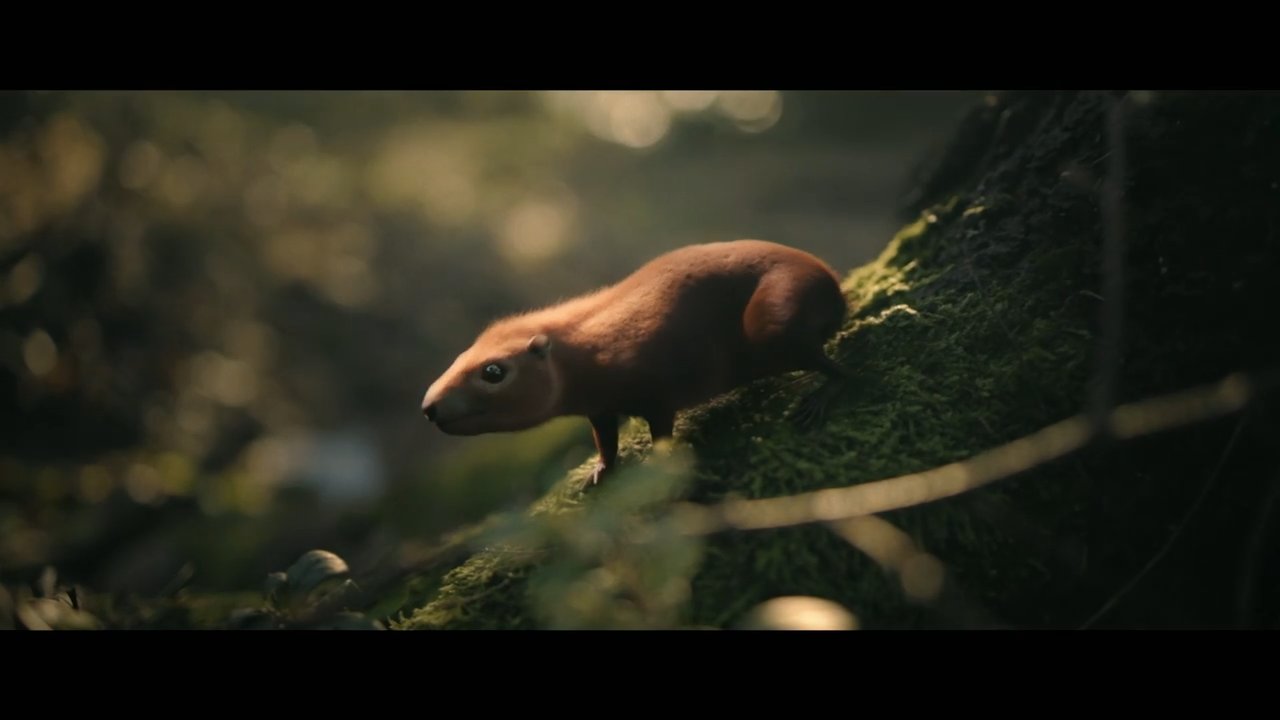
After the dinosaurs dominated Earth for millions of years, their enormous size became a disadvantage when a catastrophic extinction changed the planet. This clip from BBC’s Evolution episode "The Elephant" follows the small, adaptable ancestors of elephants as they survive in the aftermath, when being tiny, flexible, and able to eat a wide range of foods becomes a major evolutionary advantage.
The video also explores one of the challenges these early mammals faced as plant eaters: digesting tough cellulose. Their solution was a partnership with microbes living in their guts, which can break down plant material that the animals cannot digest on their own. This symbiotic relationship helped early afrotherians thrive and spread into the habitats left open after the dinosaurs disappeared.
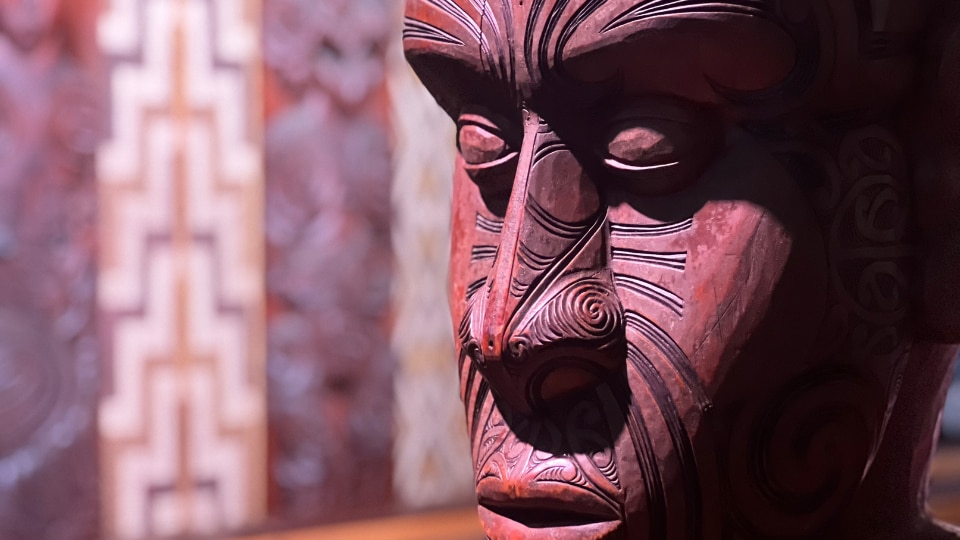
One of the last landmasses to be settled, New Zealand, or Aotearoa, is home to the Māori, the Indigenous people of New Zealand. Over 700 years ago, the Māori brought traditions, knowledge, and their language, te reo Māori, to Aotearoa, all of which continue to shape the country today. Explore Māori history and culture, from extraordinary waka voyages to the haka performed by a New Zealand sports team. Watch the BBC videos below to gear up with the knowledge you need to take the Kahoot!
Discover how Māori communities have preserved their identity and traditions across generations, despite there being a time when te reo Māori was discouraged in schools. Learn more about the significance of it now being an official language of New Zealand, as well as the marae as community gathering places and cultural practices such as haka and tā moko. Explore how Māori heritage remains a vibrant and important part of life in Aotearoa today.
Teachers: Use the videos as a lesson starter, homework activity, or introduction to Indigenous cultures and New Zealand history. Follow with the Kahoot as a live class quiz or self-paced challenge to check understanding and spark discussion. Students will learn about Māori migration to Aotearoa, the Treaty of Waitangi, the importance of marae, te reo Māori, and cultural traditions including the hongi, haka, and tā moko. The activity supports learning about Indigenous histories, cultural identity, and the ways traditions can be preserved and revitalized over time. Watch for common misconceptions, such as thinking haka is only performed in happy occasions such as to welcome guests or at sporting events, when it is also performed to honor achievements such as at funerals.
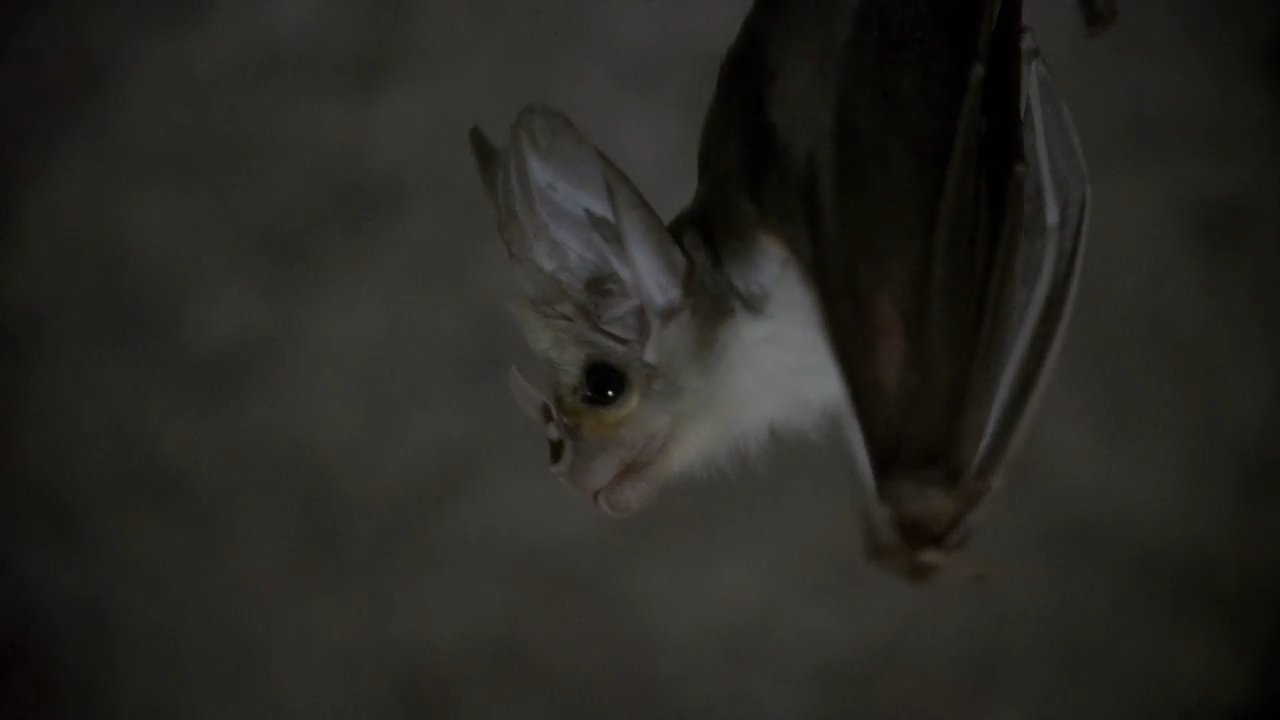
The end of the Cretaceous reshaped life on Earth, with the asteroid impact that wiped out more than 70% of species leaving a world where mammals could rapidly diversify. This clip from BBC’s Evolution episode "The Bat" follows that turning point to the emergence of early bats, including Icaronycteris, whose elongated fingers formed wings and whose specialized ear structures suggest that echolocation was already developing.
The combination of flight and echolocation allowed bats to exploit an entirely new environment, hunting for food in the night sky and eventually spreading across almost every continent. The video also connects the bat’s remarkable adaptations to features shared by all mammals, including jaws, complex teeth, a through gut, and specialized middle-ear bones, highlighting the deep evolutionary connections between bats, humans, and other mammals.

In How Data Transformed Trading, discover how data became a powerful tool for understanding human behavior — and making big money! Meet David Harding, a science graduate who shook up the chaotic world of trading by using math and data to predict price patterns. While others trusted their gut, Harding believed data and the right computer algorithms could crack the code of the stock market. Today, his company invests billions, proving that smart data (and a little science) can change the game! This video is excerpted from BBC’s Horizon: The Age of Big Data, which explores how data has shaped industries, economies, and human behavior.

In The Go Jetters Learn the Salty Secrets of the Dead Sea, the Go Jetters crew explores the Dead Sea, a giant salt water lake that’s as deep as the Eiffel Tower is tall! With all that salt, no plants or animals can live in the water, but guess what? It makes people float! Ubercorn shows us how the salty water makes it easy to relax and float on your back — like a fun floating adventure. This video is excerpted from BBC’s Go Jetters, a series that follows the adventures of four plucky international heroes as they travel the globe visiting the world’s most famous landmarks with their friend and mentor, Ubercorn, a disco-dancing unicorn.
The Ediacaran Garden was home to some of the earliest and strangest animals on Earth, living among vast microbial mats that provided an almost endless food supply. This clip from BBC’s Evolution episode "The Bat" explores the mysterious world of these ancient creatures and follows a tiny, soft-bodied organism thought to be a distant ancestor of bats and humans.
With no hard parts to leave fossils behind, this creature’s story must be pieced together from clues about modern animals and the evolutionary changes that followed. Mutations gradually transformed a simple gut into a continuous digestive tube with a separate opening for waste — a seemingly simple innovation that allowed animals to eat continuously and digest food far more efficiently.
The article "Eating Insects Is Good for Your Gut" from BBC's Science Focus reveals the findings of a clinical trial that shows that eating insects can increase beneficial gut bacteria and reduce inflammation, offering potential health benefits beyond their nutritional value.
Great guessing game! Here's how to play:
- Cut out all the pieces. Stick the long strips together so they fit around your head.
- One person wears the headband; the other chooses a card and places it in the slot in the headband. The wearer must ask questions to guess what's on the card.
Watch full episodes of Alphablocks on their official YouTube channel!
Grab a friend to play this holiday WHOliday game! Here's how to play:
- Snip out the game boards.
- Pick a game board and sit opposite your friend. Make sure you can’t see each other’s boards.
- Choose and circle a character each, then take turns asking "yes" or "no" questions back and forth with your friend to work out who you’ve each chosen. Cross off the characters that don’t match your questions, and guess who they’ve picked!
Top Tip: Use a pencil so you can erase and play over and over again.
What happens when a zoo animal gets sick? For most of the history of zoos, that question had an answer most visitors never saw. Now, one of the world's oldest zoological societies is building a facility designed to change that — and what they're planning goes well beyond routine checkups.
The Zoological Society of London is constructing a new wildlife health center that will allow visitors to observe animals receiving medical care firsthand. Some of what they'll see will be routine — weight checks, dental exams, the kind of maintenance that keeps zoo populations healthy. But onlookers may also get a window into surgical procedures, and in some cases, postmortems. It's an unusually transparent approach for an institution that has traditionally kept its medical operations behind closed doors.
Not everyone is convinced. Critics argue the center is more about capitalizing on public curiosity than genuinely benefiting the animals in its care — that making medicine into a spectator sport serves the zoo's revenue more than its residents.
ZSL pushes back on that framing. The center is designed to be more than an exhibit. It's intended to function as a global training resource for wildlife vets, a hub where expertise in animal medicine can be developed and shared across institutions worldwide. The argument is that visibility and conservation aren't in conflict — that showing people what it actually takes to keep wild animals healthy is exactly the kind of thing that builds the public understanding zoos increasingly depend on to justify their existence.
The deeper question the center raises isn't really about one zoo or one building. It's about what zoos are actually for — and whether letting people watch is a compromise of that mission or an extension of it.
For many people, a dog or cat is much more than a pet — they’re part of the family. Some owners see their pets like a son, daughter, or best friend. But under the law in many places, pets are still treated as property, more like a car or a piece of furniture than a family member.
That legal label can create big problems when families split up. In divorces or ownership disputes, courts may focus on who bought the pet or whose name is on paperwork, instead of what is best for the animal or which person has the strongest bond with it.
Now some people are pushing to change that. A petition to the UK Parliament argues that pets should be legally recognized as family members. Spain has already made similar changes, allowing courts to consider the pet’s welfare and emotional relationships when making decisions.
The debate raises a bigger question: if millions of people treat pets like family, should the law do the same?
Football, rugby… esports? At Countesthorpe Academy, a secondary school in the UK, students can step into a full esports arena packed with high-end gaming computers — but it’s about a lot more than just playing games.
The school is one of the first to offer an esports qualification, helping students explore how the gaming industry really works and what kinds of careers exist behind the screens.
Esports might feel like entertainment, but it’s also a fast-growing global industry. In fact, the video game industry is now worth several times more than both the music and movie industries combined.
Students studying esports look at everything from how games make money and the strategies players use, to teamwork, mental health, and building skills like focus and resilience — skills that matter in gaming and way beyond it.
After the dinosaurs dominated Earth for millions of years, their enormous size became a disadvantage when a catastrophic extinction changed the planet. This clip from BBC’s Evolution episode "The Elephant" follows the small, adaptable ancestors of elephants as they survive in the aftermath, when being tiny, flexible, and able to eat a wide range of foods becomes a major evolutionary advantage.
The video also explores one of the challenges these early mammals faced as plant eaters: digesting tough cellulose. Their solution was a partnership with microbes living in their guts, which can break down plant material that the animals cannot digest on their own. This symbiotic relationship helped early afrotherians thrive and spread into the habitats left open after the dinosaurs disappeared.
One of the last landmasses to be settled, New Zealand, or Aotearoa, is home to the Māori, the Indigenous people of New Zealand. Over 700 years ago, the Māori brought traditions, knowledge, and their language, te reo Māori, to Aotearoa, all of which continue to shape the country today. Explore Māori history and culture, from extraordinary waka voyages to the haka performed by a New Zealand sports team. Watch the BBC videos below to gear up with the knowledge you need to take the Kahoot!
Discover how Māori communities have preserved their identity and traditions across generations, despite there being a time when te reo Māori was discouraged in schools. Learn more about the significance of it now being an official language of New Zealand, as well as the marae as community gathering places and cultural practices such as haka and tā moko. Explore how Māori heritage remains a vibrant and important part of life in Aotearoa today.
Teachers: Use the videos as a lesson starter, homework activity, or introduction to Indigenous cultures and New Zealand history. Follow with the Kahoot as a live class quiz or self-paced challenge to check understanding and spark discussion. Students will learn about Māori migration to Aotearoa, the Treaty of Waitangi, the importance of marae, te reo Māori, and cultural traditions including the hongi, haka, and tā moko. The activity supports learning about Indigenous histories, cultural identity, and the ways traditions can be preserved and revitalized over time. Watch for common misconceptions, such as thinking haka is only performed in happy occasions such as to welcome guests or at sporting events, when it is also performed to honor achievements such as at funerals.
The end of the Cretaceous reshaped life on Earth, with the asteroid impact that wiped out more than 70% of species leaving a world where mammals could rapidly diversify. This clip from BBC’s Evolution episode "The Bat" follows that turning point to the emergence of early bats, including Icaronycteris, whose elongated fingers formed wings and whose specialized ear structures suggest that echolocation was already developing.
The combination of flight and echolocation allowed bats to exploit an entirely new environment, hunting for food in the night sky and eventually spreading across almost every continent. The video also connects the bat’s remarkable adaptations to features shared by all mammals, including jaws, complex teeth, a through gut, and specialized middle-ear bones, highlighting the deep evolutionary connections between bats, humans, and other mammals.
In How Data Transformed Trading, discover how data became a powerful tool for understanding human behavior — and making big money! Meet David Harding, a science graduate who shook up the chaotic world of trading by using math and data to predict price patterns. While others trusted their gut, Harding believed data and the right computer algorithms could crack the code of the stock market. Today, his company invests billions, proving that smart data (and a little science) can change the game! This video is excerpted from BBC’s Horizon: The Age of Big Data, which explores how data has shaped industries, economies, and human behavior.
In The Go Jetters Learn the Salty Secrets of the Dead Sea, the Go Jetters crew explores the Dead Sea, a giant salt water lake that’s as deep as the Eiffel Tower is tall! With all that salt, no plants or animals can live in the water, but guess what? It makes people float! Ubercorn shows us how the salty water makes it easy to relax and float on your back — like a fun floating adventure. This video is excerpted from BBC’s Go Jetters, a series that follows the adventures of four plucky international heroes as they travel the globe visiting the world’s most famous landmarks with their friend and mentor, Ubercorn, a disco-dancing unicorn.