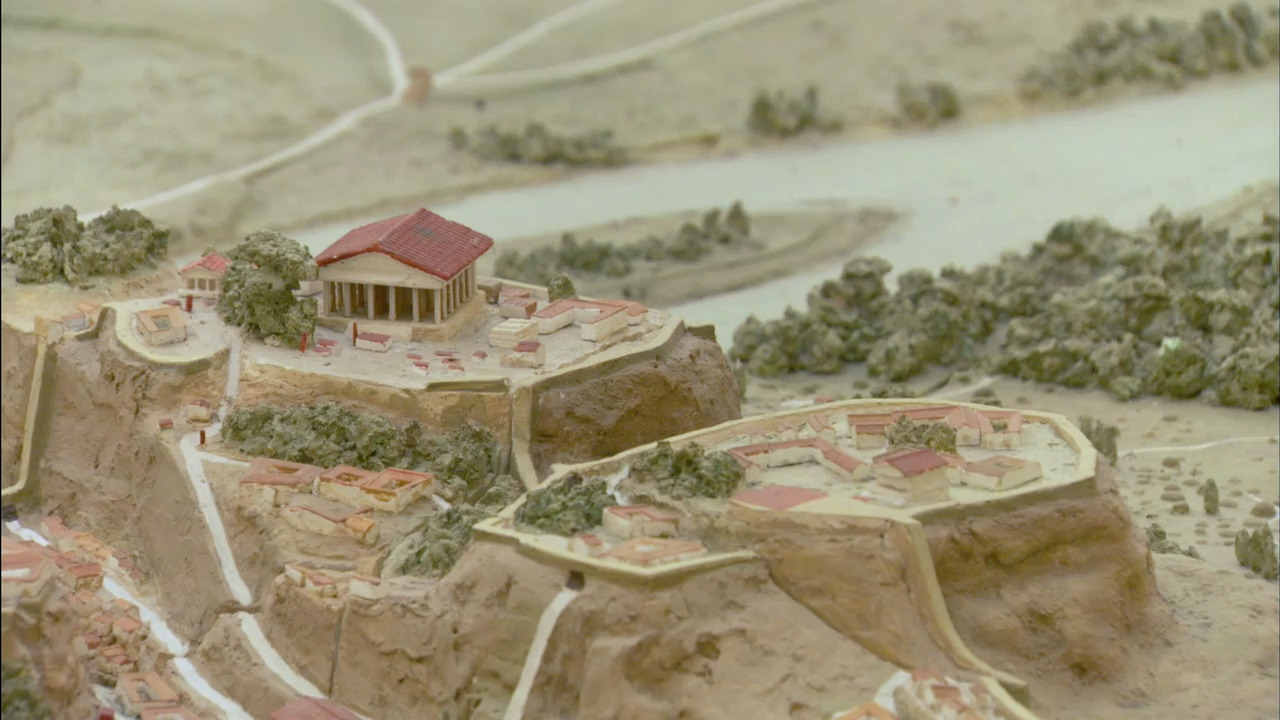
In The Senate and People of Rome, archaeologist and historian Richard Miles explores Rome’s evolution from rule by kings to a republic where every Roman citizen had a vote and the Senate was the governing power. The city’s motto: S.P.Q.R. demonstrates the ideals of shared power and democracy. This video is excerpted from BBC’s Ancient Worlds, an epic series with archaeologist and historian Richard Miles as he explores the roots of civilization from Mesopotamia to the fall of the Roman Empire.
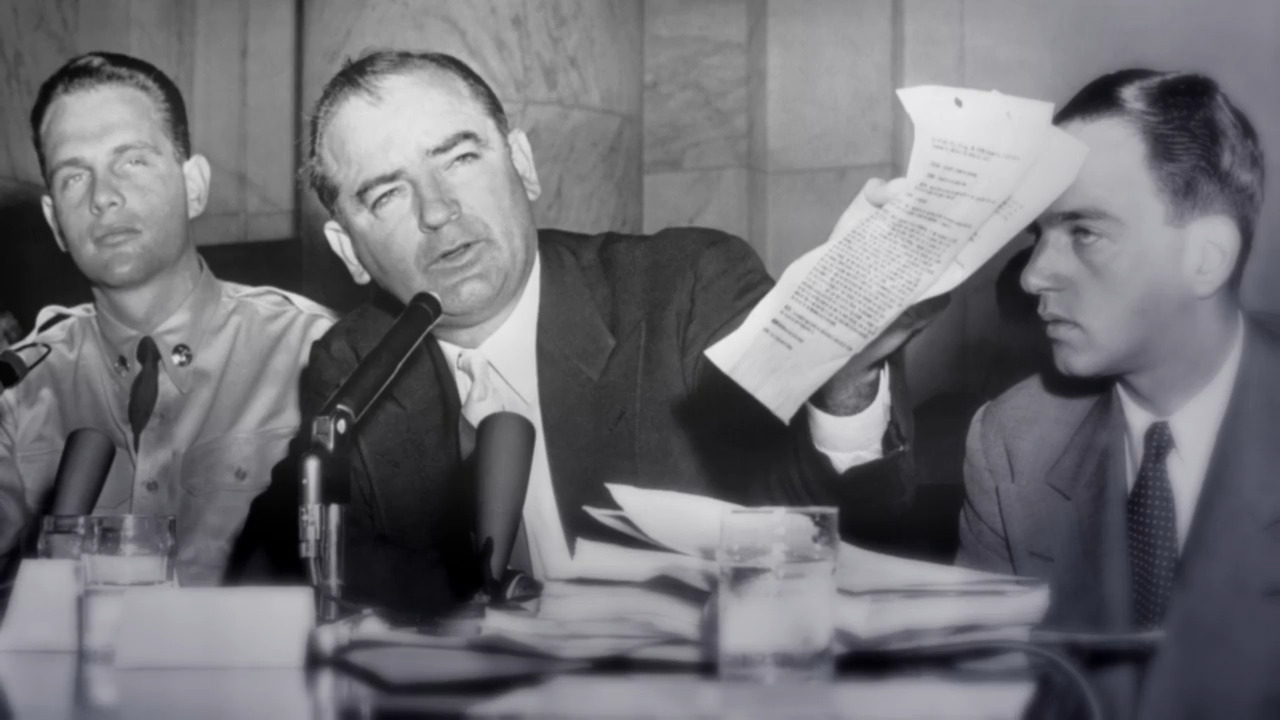
In McCarthy's Communist Accusations, historian Lucy Worsley investigates Joseph McCarthy's impact on government workers. Many people were accused of being communists and interrogated. McCarthy also persecuted people he believed to be homosexual. Many people's lives were ruined by his policies. This video is excerpted from BBC's American History's Biggest Fibs with Lucy Worsley, in which Worsley reveals the myths and manipulations behind American history.
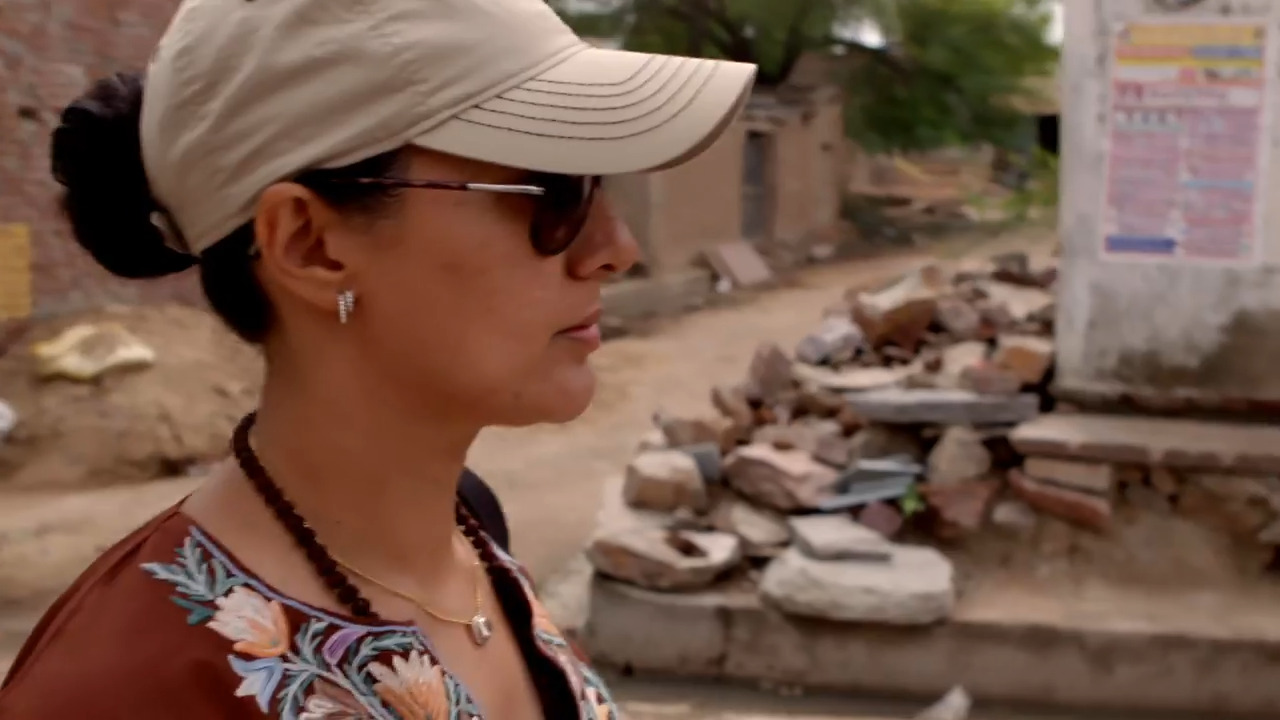
In Chhavi Rajawat, Local Leader in India, learn how Rajawat left her corporate career to serve her rural community in India. After new quotas increased opportunities for women leaders, she took on a mayor-like role to help address poverty and challenges faced by villagers, especially women. This video is excerpted from BBC's Her Story: The Female Revolution, which explores the history and impact of women’s rights movements and achievements of women.
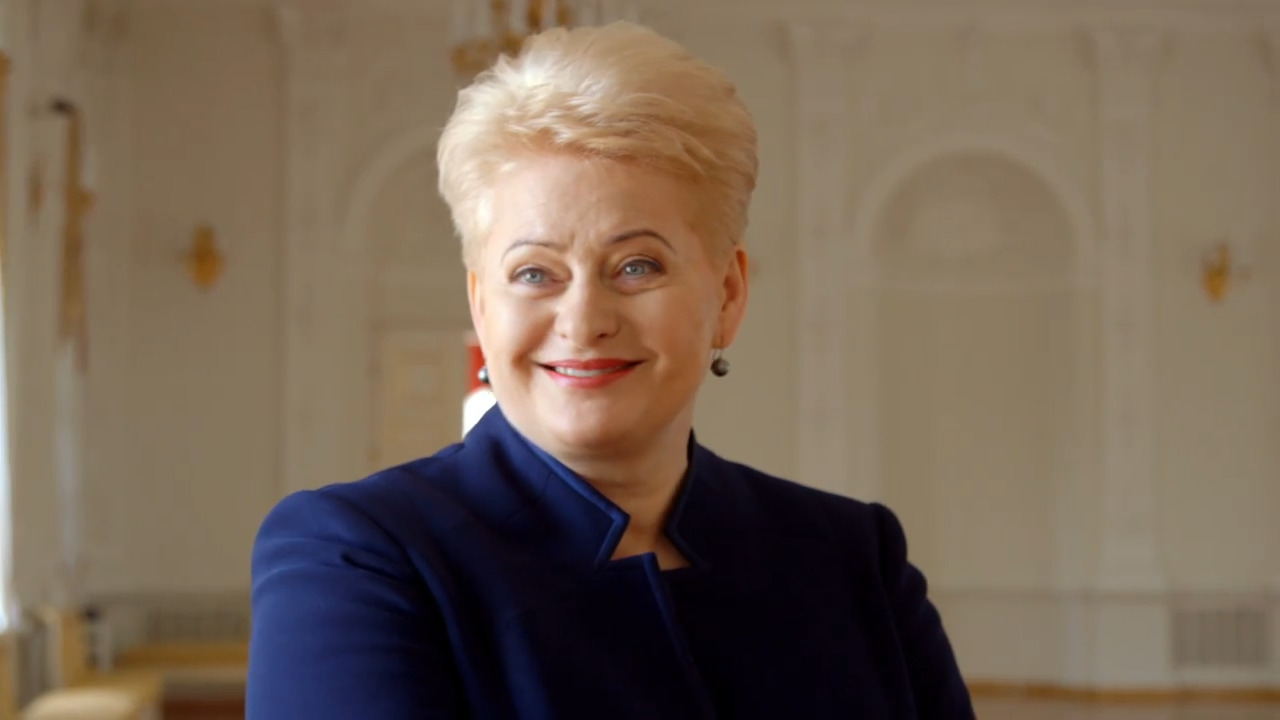
In Dalia Grybauskaitė, President of Lithuania, learn how Grybauskaitė rose to leadership in a country shaped by Soviet control and conflict. Although she never planned to become a leader, she accepted the responsibility and later defended Lithuania’s independence with confidence, even when facing powerful leaders who expected her to be afraid. This video is excerpted from BBC's Her Story: The Female Revolution, which explores the history and impact of women’s rights movements and achievements of women.
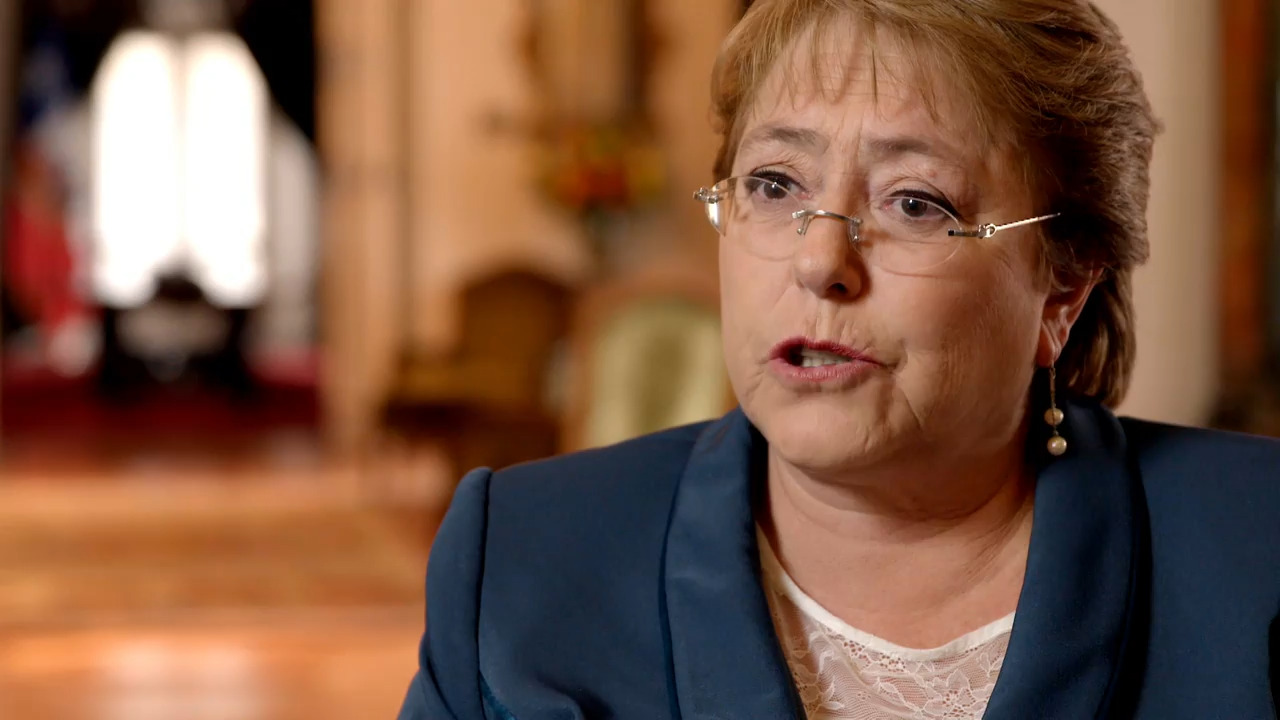
In Michelle Bachelet, Chile's First Woman President, learn how Michelle Bachelet challenged traditional expectations in a conservative country. As an atheist and a divorced single mother, she promoted gender equality by appointing an equal number of men and women to her cabinet, reshaping leadership norms. This video is excerpted from BBC's Her Story: The Female Revolution, which explores the history and impact of women’s rights movements and achievements of women.
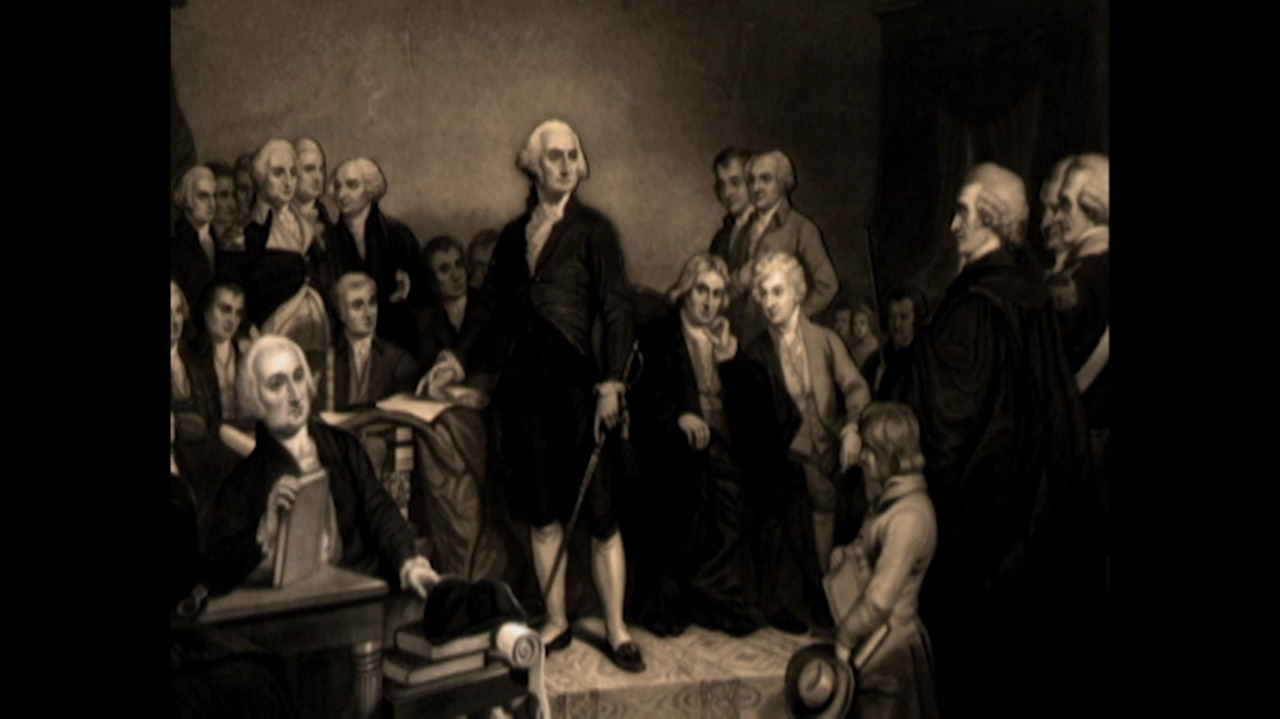
In George Washington Takes Office, as the United States forms, George Washington is voted unanimously into the presidency. He reluctantly takes office, and uses his two terms to set many of the norms of the office and set the young nation on its path.
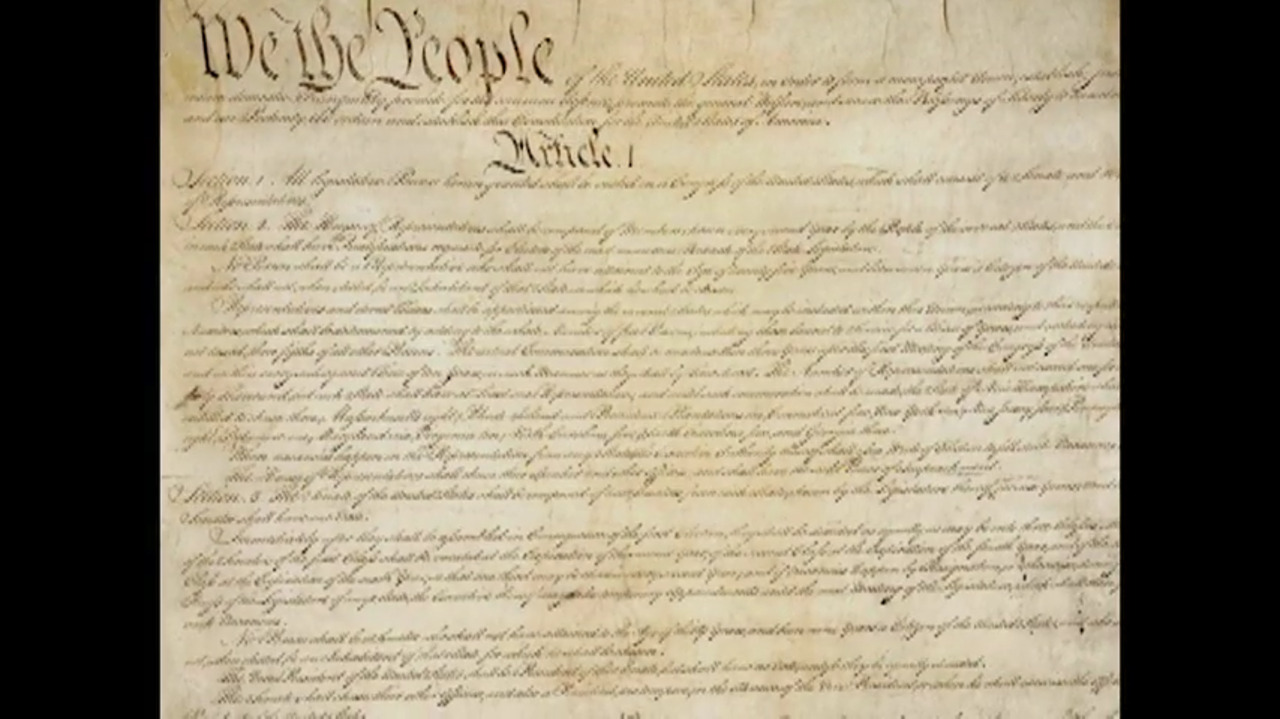
In The Road to Ratification, the Constitution has been written and nine out of 13 states need to ratify it for it to become the official “law of the land” for the United States. As the process begins, two groups, the Federalists and Anti-Federalists, argue for and against ratification. In the end, the Anti-Federalist idea of a Bill of Rights is added to the Constitution and the U.S. becomes a country in June 1788 when New Hampshire is the ninth state to ratify.
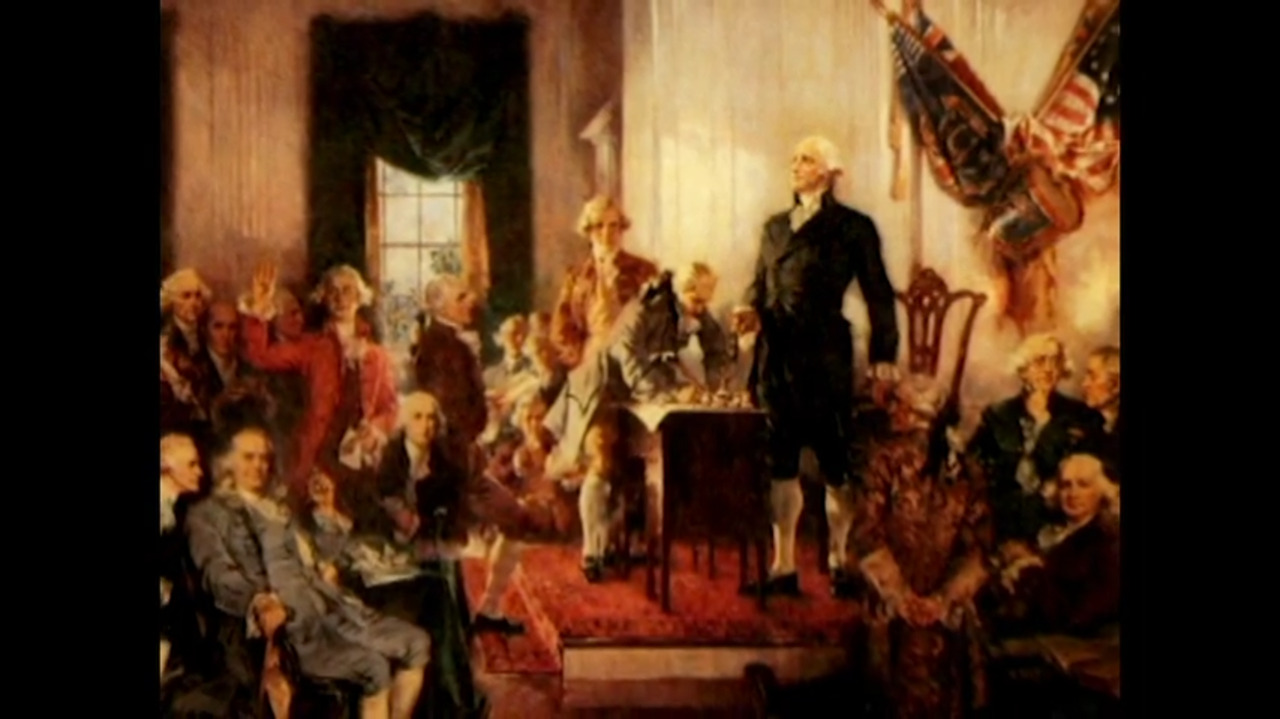
In A Constitution Created Through Compromise, the delegates who came together in 1787 knew they had to create something entirely new to keep the young country together. They came up with a Constitution that was created through compromise, merging two plans: the Virginia Plan and the New Jersey Plan.
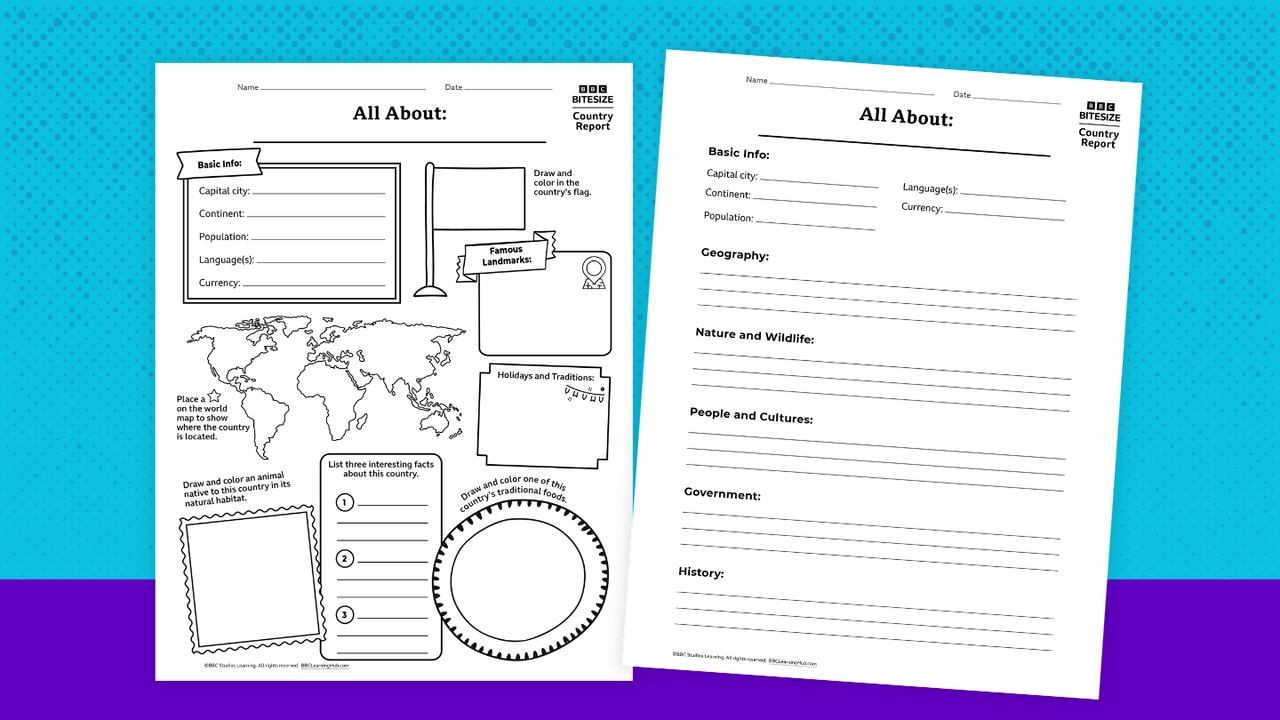
Turn your classroom into a global exploration hub! This country report template invites students in Grades 3–8 to become curious investigators — uncovering what makes each country unique and sharing their discoveries in creative ways.
Designed with flexibility in mind, the resource includes two approachable formats:
- Snapshot Style: A lively, visual option that’s perfect for quick learning or younger students. Learners can sketch, label, and highlight key features — like flags, landmarks, foods, and traditions — while building confidence with short responses.
- Explorer Style: A more in-depth format for students ready to dig deeper. It guides learners through topics such as geography, wildlife, culture, and history, helping them organize ideas and develop clear, informative writing.
Best of all, this template pairs seamlessly with BBC videos — bringing countries to life through real-world sights, sounds, and stories. Students can watch, wonder, and then weave what they’ve learned into their own reports.
Quick Teacher Tips: Use country studies as a springboard into wider learning across subjects:
- Geography: Map skills, climate zones, landforms, and ecosystems
- Language Arts: Informational writing, summarizing, note-taking, and presenting
- History: Key events, timelines, and how the past shapes the present
- Math: Population comparisons, distances, currency conversions
- Arts & Culture: Traditional patterns, music, celebrations, and food
- Current Events: Tie in informational reading and media literacy by exploring what’s happening in that country today in an age-appropriate way.
Meet Seven Women Leaders From All Around the World Who Broke Barriers.
They navigated crisis, criticism, and political pressure. They were pioneers, reformers, and power brokers — but they were also complex figures shaped by culture, controversy, and the eras in which they governed. In honor of Women’s History Month, this video playlist explores influential leaders from around the globe through BBC clips featuring Hillary Clinton, Margaret Thatcher, Michelle Bachelet, and more.
From national parliaments to international financial institutions, these women led in vastly different political systems and cultural landscapes. Some championed social reform. Others advanced market-driven policies. All faced intense scrutiny — not only for their decisions, but for their leadership styles, identities, and the expectations placed upon women in power.
This thoughtful playlist invites students to examine leadership with nuance: How do gender and politics intersect? How do public expectations shape women leaders differently? And what can we learn from both their accomplishments and their controversies?
Meet the Leaders Who Shaped a Nation.
They were visionaries and leaders, but they were also imperfect people shaped by their times. From bold founders and wartime decision-makers to reformers and risk-takers, these U.S. presidents guided the nation through moments of hope, conflict, and change.
In this video playlist, explore BBC clips featuring George Washington, Thomas Jefferson, Abraham Lincoln, Theodore Roosevelt, and others, examining both their achievements and their shortcomings. A thoughtful playlist that encourages students to see history with nuance, question leadership, and understand that progress is often driven by complicated people making difficult choices.
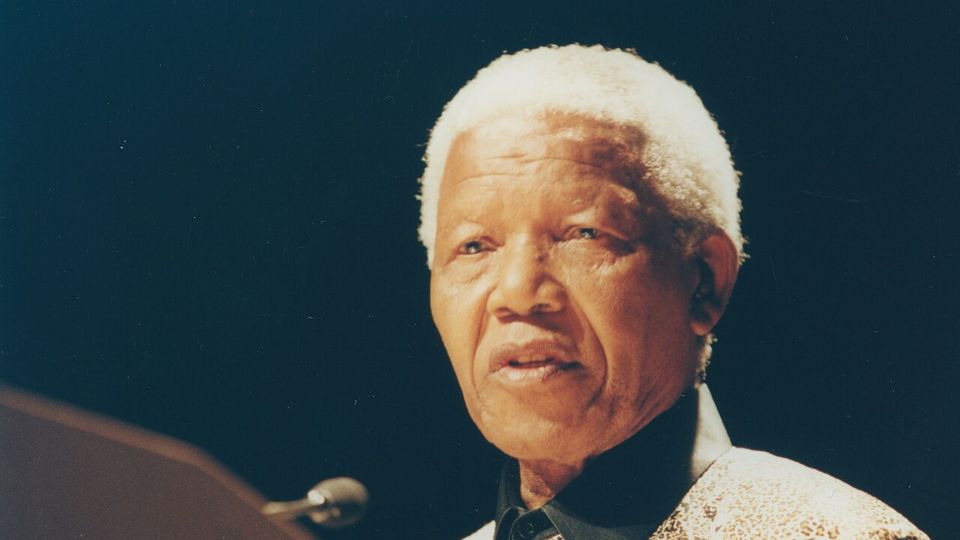
Follow the extraordinary life of Nelson Mandela, from his early fight against apartheid to his role in leading South Africa into a new era of democracy and reconciliation. Students will explore how Mandela stood up against injustice, endured years of imprisonment, and helped unite a divided nation through courage, perseverance, and forgiveness.
This Kahoot examines key moments in Mandela’s journey, including the struggle against apartheid, his 27 years in prison, his release in 1990, and his election as South Africa’s first Black president. Students will discover how his leadership, resilience, and commitment to equality continue to influence Black history and inspire people around the world today.
Watch the related BBC videos, The Remarkable Life of Nelson Mandela and Nelson Mandela Walks Free, then invite your Grade 6–12 students to test their knowledge and deepen their understanding of this iconic global leader.
In The Senate and People of Rome, archaeologist and historian Richard Miles explores Rome’s evolution from rule by kings to a republic where every Roman citizen had a vote and the Senate was the governing power. The city’s motto: S.P.Q.R. demonstrates the ideals of shared power and democracy. This video is excerpted from BBC’s Ancient Worlds, an epic series with archaeologist and historian Richard Miles as he explores the roots of civilization from Mesopotamia to the fall of the Roman Empire.
In McCarthy's Communist Accusations, historian Lucy Worsley investigates Joseph McCarthy's impact on government workers. Many people were accused of being communists and interrogated. McCarthy also persecuted people he believed to be homosexual. Many people's lives were ruined by his policies. This video is excerpted from BBC's American History's Biggest Fibs with Lucy Worsley, in which Worsley reveals the myths and manipulations behind American history.
In Chhavi Rajawat, Local Leader in India, learn how Rajawat left her corporate career to serve her rural community in India. After new quotas increased opportunities for women leaders, she took on a mayor-like role to help address poverty and challenges faced by villagers, especially women. This video is excerpted from BBC's Her Story: The Female Revolution, which explores the history and impact of women’s rights movements and achievements of women.
In Dalia Grybauskaitė, President of Lithuania, learn how Grybauskaitė rose to leadership in a country shaped by Soviet control and conflict. Although she never planned to become a leader, she accepted the responsibility and later defended Lithuania’s independence with confidence, even when facing powerful leaders who expected her to be afraid. This video is excerpted from BBC's Her Story: The Female Revolution, which explores the history and impact of women’s rights movements and achievements of women.
In Michelle Bachelet, Chile's First Woman President, learn how Michelle Bachelet challenged traditional expectations in a conservative country. As an atheist and a divorced single mother, she promoted gender equality by appointing an equal number of men and women to her cabinet, reshaping leadership norms. This video is excerpted from BBC's Her Story: The Female Revolution, which explores the history and impact of women’s rights movements and achievements of women.
In George Washington Takes Office, as the United States forms, George Washington is voted unanimously into the presidency. He reluctantly takes office, and uses his two terms to set many of the norms of the office and set the young nation on its path.
In The Road to Ratification, the Constitution has been written and nine out of 13 states need to ratify it for it to become the official “law of the land” for the United States. As the process begins, two groups, the Federalists and Anti-Federalists, argue for and against ratification. In the end, the Anti-Federalist idea of a Bill of Rights is added to the Constitution and the U.S. becomes a country in June 1788 when New Hampshire is the ninth state to ratify.
In A Constitution Created Through Compromise, the delegates who came together in 1787 knew they had to create something entirely new to keep the young country together. They came up with a Constitution that was created through compromise, merging two plans: the Virginia Plan and the New Jersey Plan.
Turn your classroom into a global exploration hub! This country report template invites students in Grades 3–8 to become curious investigators — uncovering what makes each country unique and sharing their discoveries in creative ways.
Designed with flexibility in mind, the resource includes two approachable formats:
- Snapshot Style: A lively, visual option that’s perfect for quick learning or younger students. Learners can sketch, label, and highlight key features — like flags, landmarks, foods, and traditions — while building confidence with short responses.
- Explorer Style: A more in-depth format for students ready to dig deeper. It guides learners through topics such as geography, wildlife, culture, and history, helping them organize ideas and develop clear, informative writing.
Best of all, this template pairs seamlessly with BBC videos — bringing countries to life through real-world sights, sounds, and stories. Students can watch, wonder, and then weave what they’ve learned into their own reports.
Quick Teacher Tips: Use country studies as a springboard into wider learning across subjects:
- Geography: Map skills, climate zones, landforms, and ecosystems
- Language Arts: Informational writing, summarizing, note-taking, and presenting
- History: Key events, timelines, and how the past shapes the present
- Math: Population comparisons, distances, currency conversions
- Arts & Culture: Traditional patterns, music, celebrations, and food
- Current Events: Tie in informational reading and media literacy by exploring what’s happening in that country today in an age-appropriate way.
Meet Seven Women Leaders From All Around the World Who Broke Barriers.
They navigated crisis, criticism, and political pressure. They were pioneers, reformers, and power brokers — but they were also complex figures shaped by culture, controversy, and the eras in which they governed. In honor of Women’s History Month, this video playlist explores influential leaders from around the globe through BBC clips featuring Hillary Clinton, Margaret Thatcher, Michelle Bachelet, and more.
From national parliaments to international financial institutions, these women led in vastly different political systems and cultural landscapes. Some championed social reform. Others advanced market-driven policies. All faced intense scrutiny — not only for their decisions, but for their leadership styles, identities, and the expectations placed upon women in power.
This thoughtful playlist invites students to examine leadership with nuance: How do gender and politics intersect? How do public expectations shape women leaders differently? And what can we learn from both their accomplishments and their controversies?
Meet the Leaders Who Shaped a Nation.
They were visionaries and leaders, but they were also imperfect people shaped by their times. From bold founders and wartime decision-makers to reformers and risk-takers, these U.S. presidents guided the nation through moments of hope, conflict, and change.
In this video playlist, explore BBC clips featuring George Washington, Thomas Jefferson, Abraham Lincoln, Theodore Roosevelt, and others, examining both their achievements and their shortcomings. A thoughtful playlist that encourages students to see history with nuance, question leadership, and understand that progress is often driven by complicated people making difficult choices.
Follow the extraordinary life of Nelson Mandela, from his early fight against apartheid to his role in leading South Africa into a new era of democracy and reconciliation. Students will explore how Mandela stood up against injustice, endured years of imprisonment, and helped unite a divided nation through courage, perseverance, and forgiveness.
This Kahoot examines key moments in Mandela’s journey, including the struggle against apartheid, his 27 years in prison, his release in 1990, and his election as South Africa’s first Black president. Students will discover how his leadership, resilience, and commitment to equality continue to influence Black history and inspire people around the world today.
Watch the related BBC videos, The Remarkable Life of Nelson Mandela and Nelson Mandela Walks Free, then invite your Grade 6–12 students to test their knowledge and deepen their understanding of this iconic global leader.