A Constitution Created Through Compromise
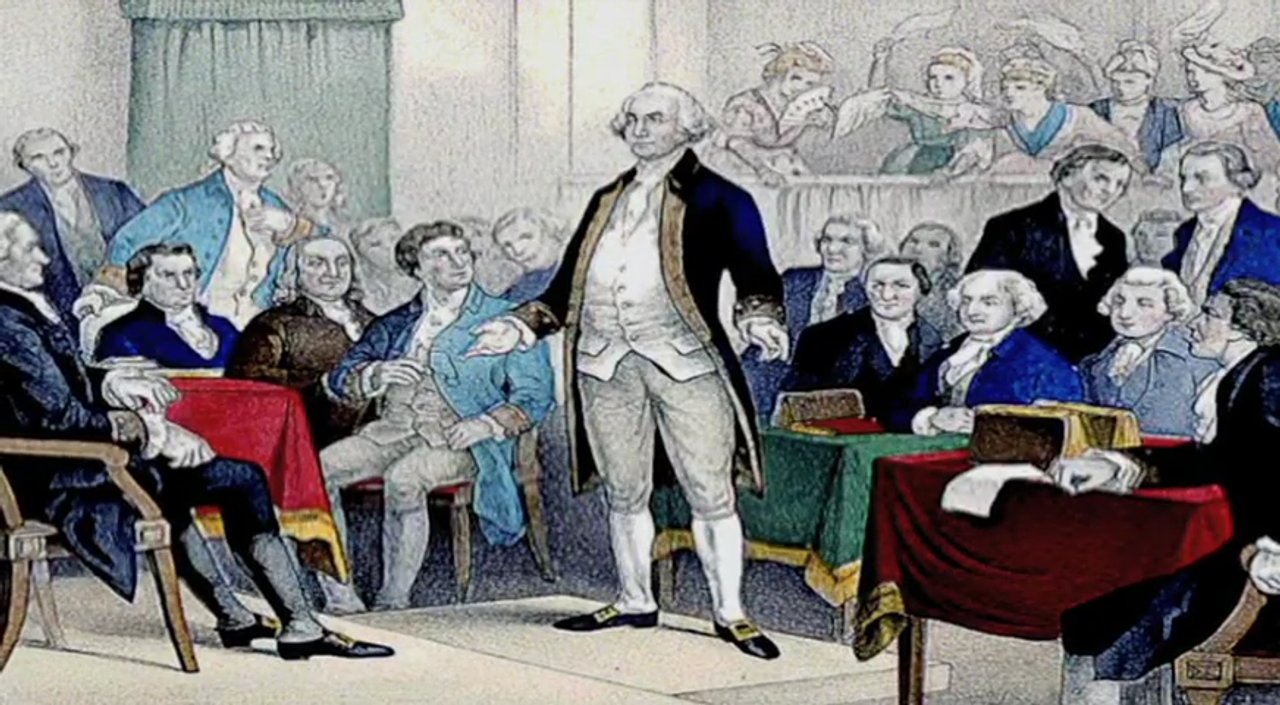
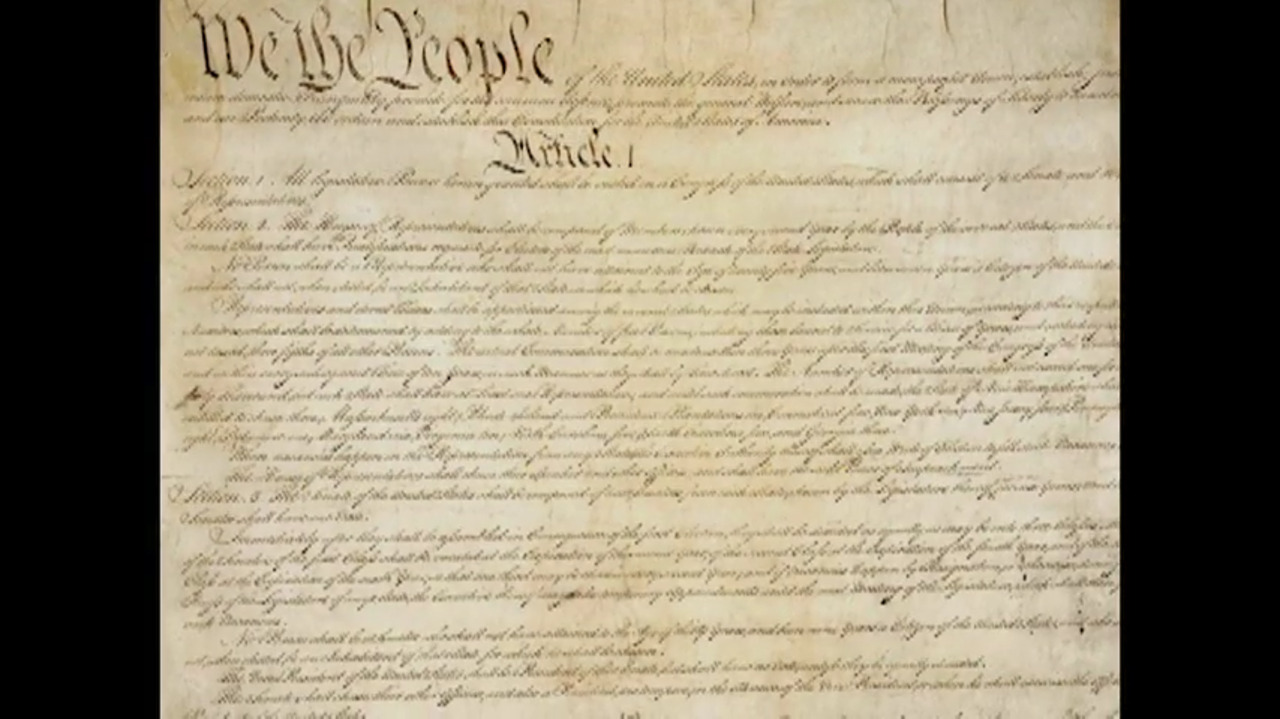
In A Constitution Created Through Compromise, the delegates who came together in 1787 knew they had to create something entirely new to keep the young country together. They came up with a Constitution that was created through compromise, merging two plans: the Virginia Plan and the New Jersey Plan.

Lesson Express
Q: What does the U.S. Constitution do?
A: It establishes how laws are formed and passed; it sets out the structure of government; it lays out the rights of American citizens.
Q: Why did the delegates write the Constitution?
A: They knew they needed a new structure for government and a new document to hold the federation together.
Q: How was compromise important in the Constitution?
A: The delegates considered plans that favored both small and large states and combined the New Jersey and Virginia plans.
You Might Also Like
The Articles of Confederation were the first plan of government for the United States. Written during the Revolutionary War, they created a loose union of the 13 states and gave most power to the states rather than the national government. After more than a year of debate, Congress adopted the Articles in 1777, and Maryland became the final state to ratify them in 1781.
The national government under the Articles had limited powers. It could declare war, conduct diplomacy, and approve western expansion, but it could not collect taxes, regulate trade, or enforce its laws. After the war, these weaknesses became increasingly clear. In 1787, political leaders met at the Constitutional Convention and created a stronger federal government. The Constitution replaced the Articles in 1789.
In The Road to Ratification, the Constitution has been written and nine out of 13 states need to ratify it for it to become the official “law of the land” for the United States. As the process begins, two groups, the Federalists and Anti-Federalists, argue for and against ratification. In the end, the Anti-Federalist idea of a Bill of Rights is added to the Constitution and the U.S. becomes a country in June 1788 when New Hampshire is the ninth state to ratify.
The Articles of Confederation were the first plan of government for the United States. Written during the Revolutionary War, they created a loose union of the 13 states and gave most power to the states rather than the national government. After more than a year of debate, Congress adopted the Articles in 1777, and Maryland became the final state to ratify them in 1781.
The national government under the Articles had limited powers. It could declare war, conduct diplomacy, and approve western expansion, but it could not collect taxes, regulate trade, or enforce its laws. After the war, these weaknesses became increasingly clear. In 1787, political leaders met at the Constitutional Convention and created a stronger federal government. The Constitution replaced the Articles in 1789.
In The Road to Ratification, the Constitution has been written and nine out of 13 states need to ratify it for it to become the official “law of the land” for the United States. As the process begins, two groups, the Federalists and Anti-Federalists, argue for and against ratification. In the end, the Anti-Federalist idea of a Bill of Rights is added to the Constitution and the U.S. becomes a country in June 1788 when New Hampshire is the ninth state to ratify.