
The article "Birds and Reptiles Cry Tears Like Humans" from BBC's Science Focus explains how the tears of birds and reptiles contain similar chemical compositions to human tears. Scientists hope this research will lead to improved treatments for eye conditions and offer new insights into evolutionary biology.
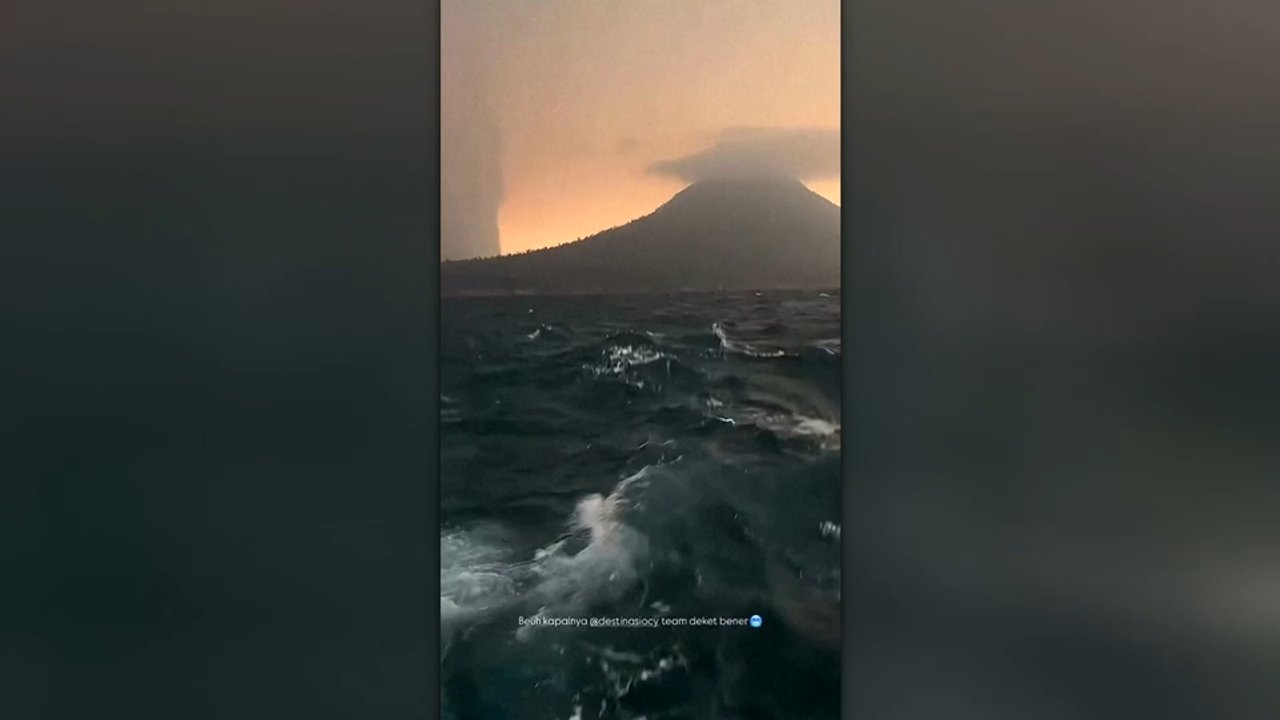
Late on Friday, Sept. 4, Indonesia's Anak Krakatau volcano began erupting, and it didn't stop for about 25 hours. It sent lava and volcanic ash up to 50,000 feet into the sky, which is almost 10 miles.
The ash drifted toward Jakarta, Indonesia's capital, and thickened the air so much that airports had to shut down. Nearly 3,000 flights were canceled or delayed, and hundreds of thousands of passengers were left stranded.
The ash affected people on the ground too. Residents found volcanic dust settling on homes and balconies. Health officials advised people to stay indoors and wear masks to protect their lungs, eyes, and skin.
Officials planned to use cloud seeding to clear the air. Cloud seeding is a way of changing the weather that helps clouds produce rain, which can wash ash out of the sky. In the end, a shift in the wind blew the ash away, and the air became clear enough for the airports to reopen.
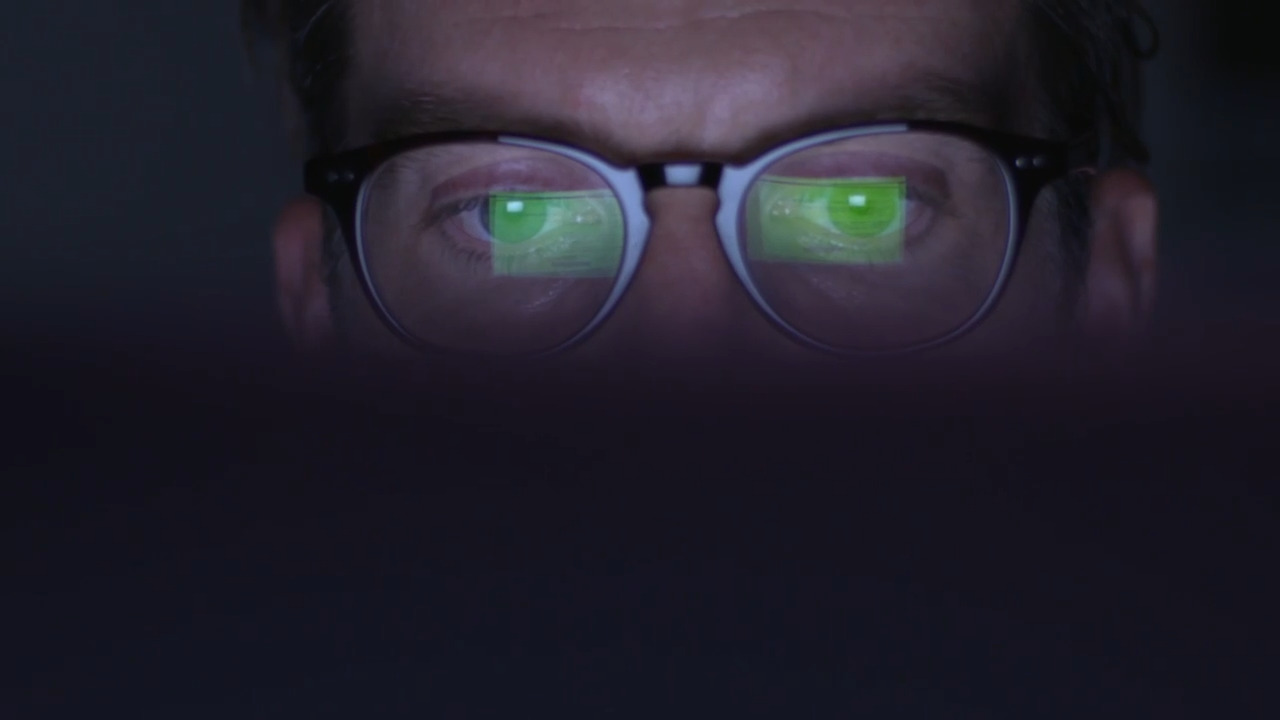
In The Impact of Screens on Our Vision and Memory, host Harith Iskander explores how smartphones and other screen devices are affecting our eyes and memory. When we hold our phones close to our faces, it strains our eyes and can cause them to become more elongated, leading to vision problems like myopia (nearsightedness). Additionally, overusing technology can also impact how the brain stores and processes information. This video is excerpted from BBC’s Got Science?, a science magazine series that explores and explains science in everyday life.
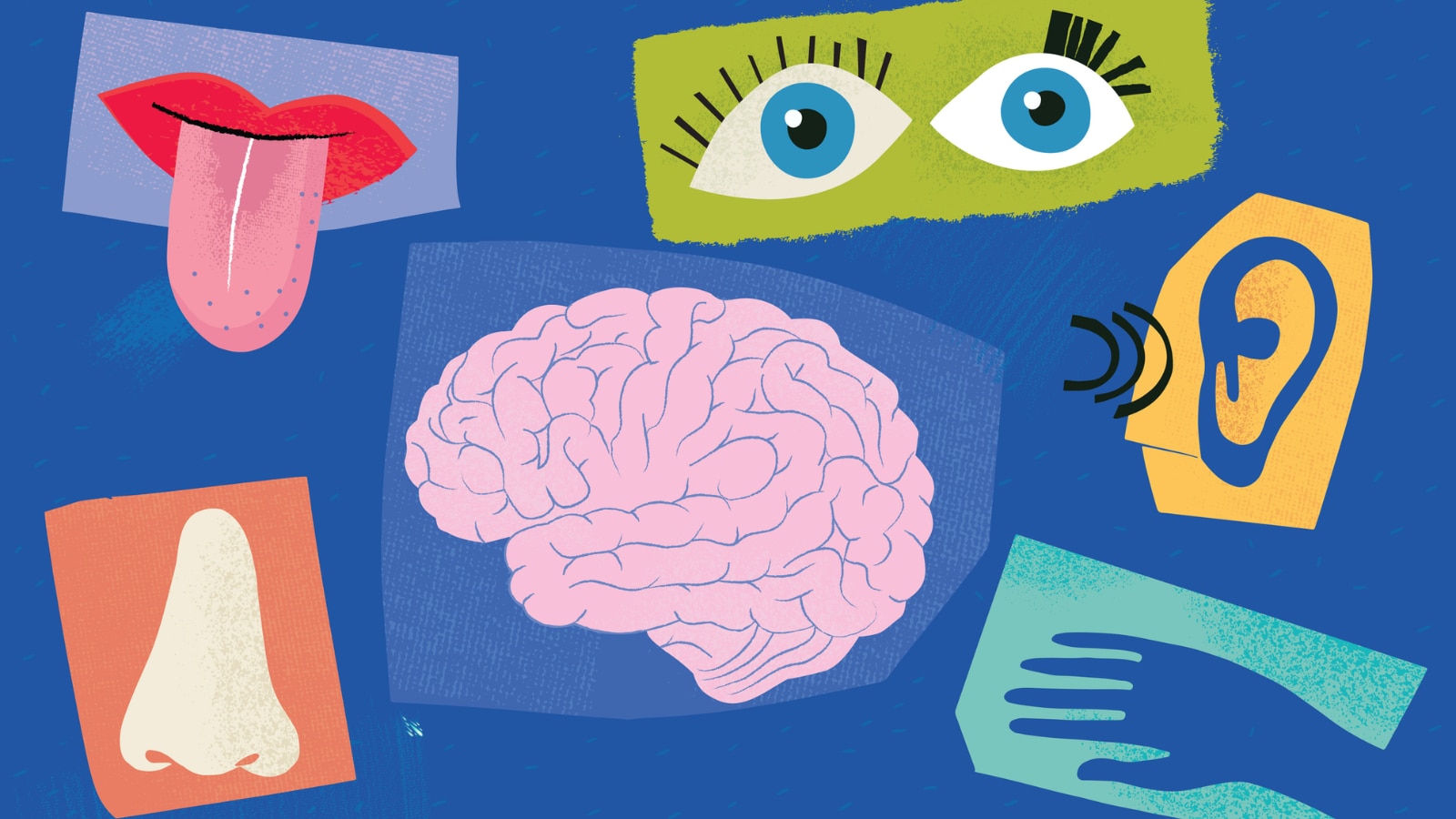
Explore the five senses like never before! Dive into 10 fascinating BBC videos from shows like Got Science? and Secrets of Skin that uncover the amazing science behind how we see, hear, smell, taste, and touch. Students will discover why food tastes different on an airplane, how smell involves more than just the nose, why our eyes make emotional tears, how sound can change flavor, and how fingertips and smell receptors send powerful signals to the brain. It’s a fun, surprising look at the hidden connections between the brain and our everyday experiences.
The article "Birds and Reptiles Cry Tears Like Humans" from BBC's Science Focus explains how the tears of birds and reptiles contain similar chemical compositions to human tears. Scientists hope this research will lead to improved treatments for eye conditions and offer new insights into evolutionary biology.
Late on Friday, Sept. 4, Indonesia's Anak Krakatau volcano began erupting, and it didn't stop for about 25 hours. It sent lava and volcanic ash up to 50,000 feet into the sky, which is almost 10 miles.
The ash drifted toward Jakarta, Indonesia's capital, and thickened the air so much that airports had to shut down. Nearly 3,000 flights were canceled or delayed, and hundreds of thousands of passengers were left stranded.
The ash affected people on the ground too. Residents found volcanic dust settling on homes and balconies. Health officials advised people to stay indoors and wear masks to protect their lungs, eyes, and skin.
Officials planned to use cloud seeding to clear the air. Cloud seeding is a way of changing the weather that helps clouds produce rain, which can wash ash out of the sky. In the end, a shift in the wind blew the ash away, and the air became clear enough for the airports to reopen.
In The Impact of Screens on Our Vision and Memory, host Harith Iskander explores how smartphones and other screen devices are affecting our eyes and memory. When we hold our phones close to our faces, it strains our eyes and can cause them to become more elongated, leading to vision problems like myopia (nearsightedness). Additionally, overusing technology can also impact how the brain stores and processes information. This video is excerpted from BBC’s Got Science?, a science magazine series that explores and explains science in everyday life.
Explore the five senses like never before! Dive into 10 fascinating BBC videos from shows like Got Science? and Secrets of Skin that uncover the amazing science behind how we see, hear, smell, taste, and touch. Students will discover why food tastes different on an airplane, how smell involves more than just the nose, why our eyes make emotional tears, how sound can change flavor, and how fingertips and smell receptors send powerful signals to the brain. It’s a fun, surprising look at the hidden connections between the brain and our everyday experiences.