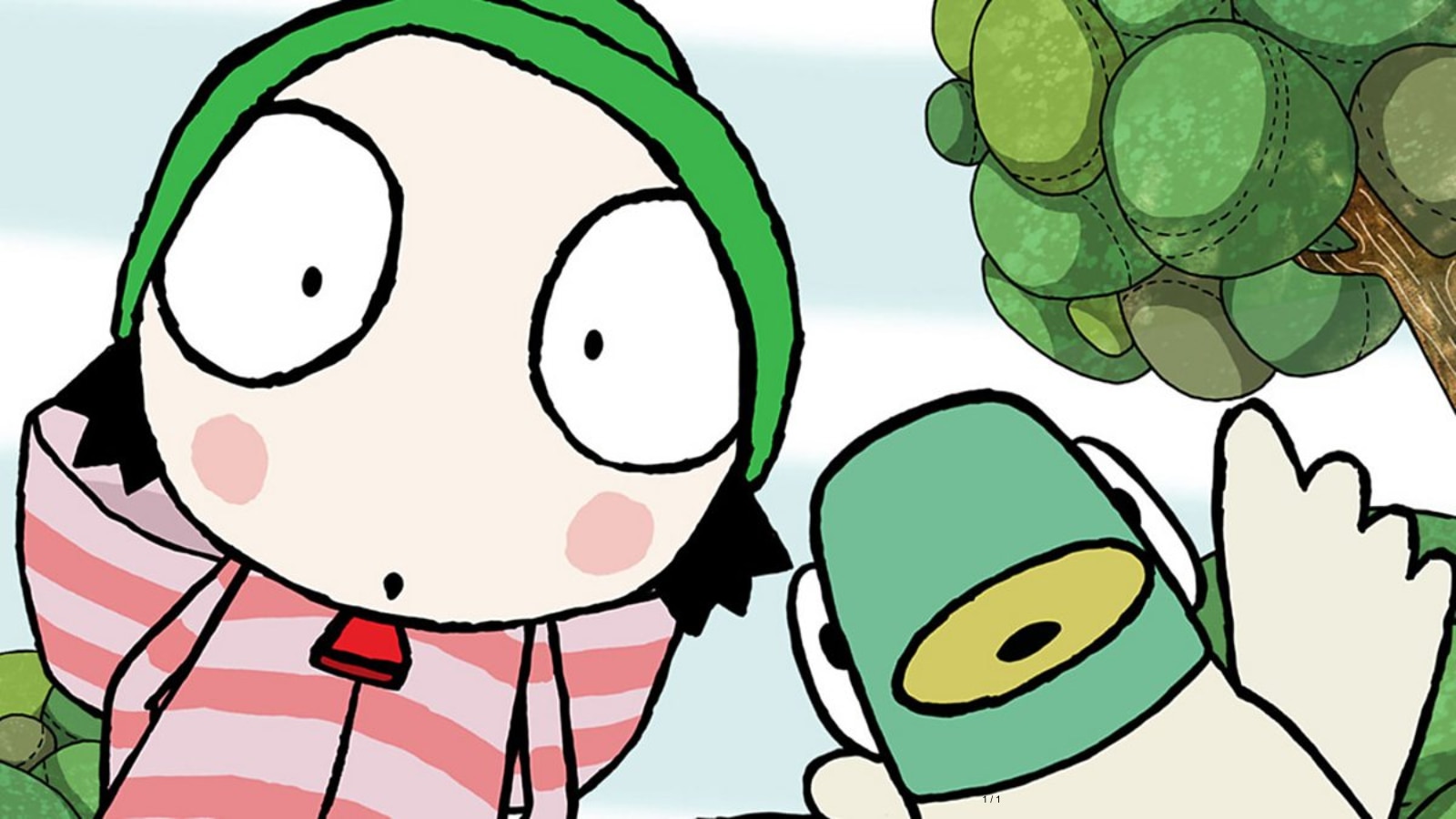
Consider this your introduction to one of BBC's most beloved children's programs. Sarah & Duck is a kids' show about the adventures of 7-year-old Sarah and her quacky, flappy best friend, Duck. These short episodes are perfect for teaching your PreK–Grade 2 students seasonal content and social-emotional skills. Each of these 10 videos comes complete with a Lesson Express. Show a video and then pick and choose from: Questions, Vocabulary, Writing Prompt, and Student Activities. This makes a great activity for morning meeting or a Friday reward!
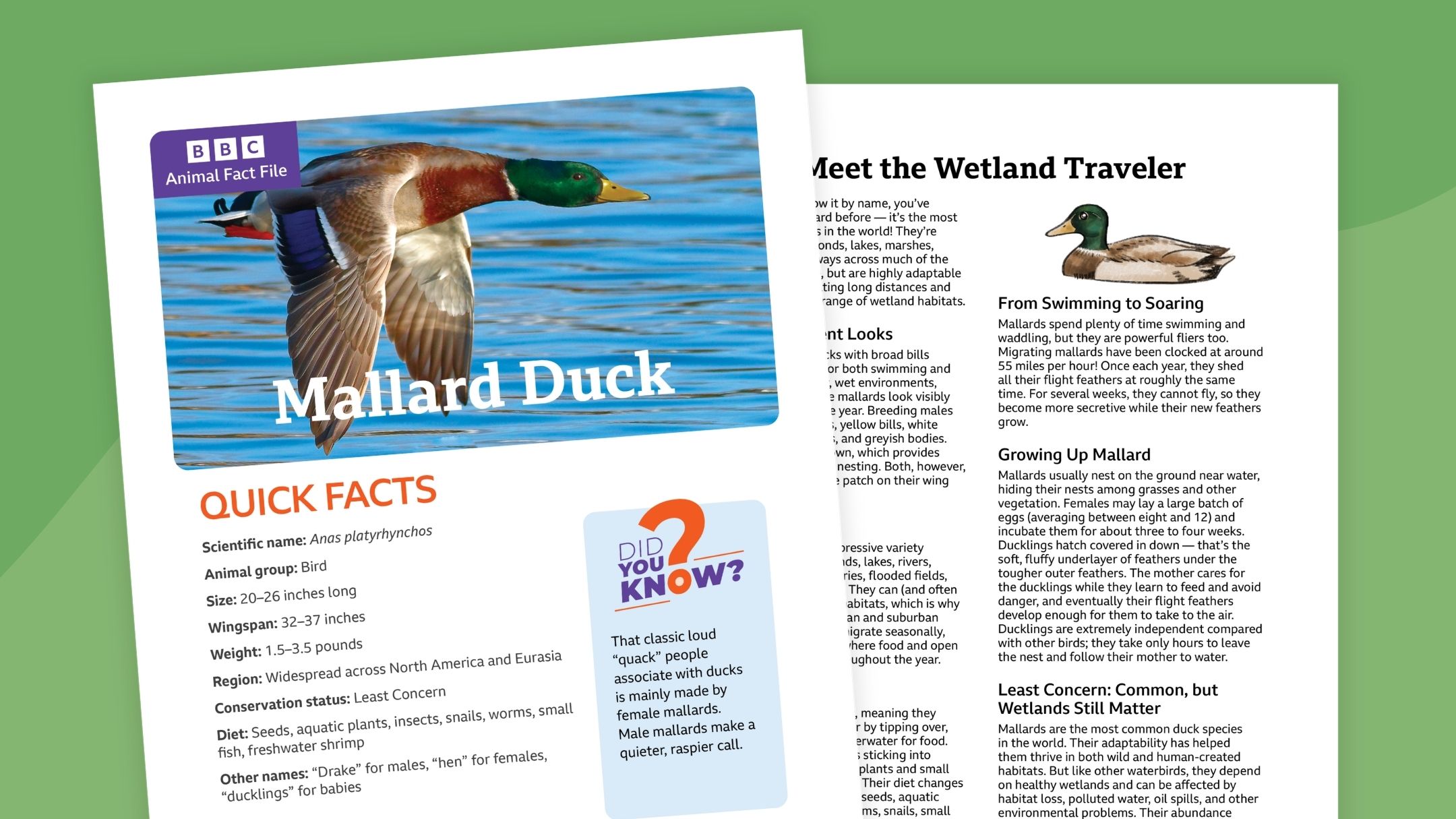
Which duck makes the classic “quack” you hear at ponds and parks? Surprisingly, it’s usually the female mallard!
Meet one of the world’s most widespread and adaptable ducks. Explore how mallards move between water, land, and sky, from tipping upside down to feed underwater to flying at speeds of around 55 miles per hour. You'll also discover why males and females look so different, how ducklings become independent within hours of hatching, and why healthy wetlands matter even to a species that seems to be everywhere.
Teachers and parents, you can use this fact file to:
- Introduce an animal, wildlife, or life science unit
- Support nonfiction reading and vocabulary practice
- Explore animal adaptations, behaviors, and habitats
- Compare animals and the ecosystems they live in
- Practice finding and organizing information from nonfiction texts
- Prepare students for animal research projects or presentations (use our animal report templates!)
- Connect science learning to conservation and environmental issues
- Pair with videos, articles, or other informational texts (see Related Resources below)
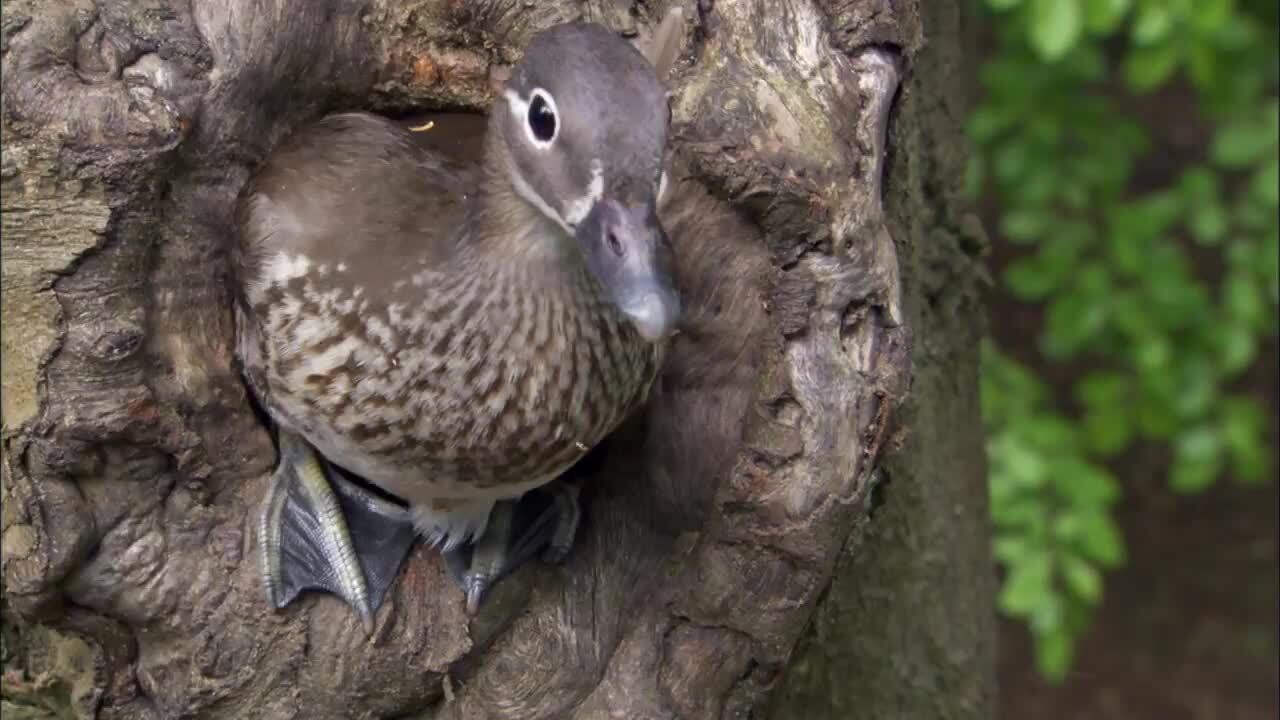
In The Deciduous Forests of Europe, narrator Sir David Attenborough describes how the forests of Eastern Europe burst into life in spring. Newly hatched Mandarin ducks take a great leap from their tree-hole nest. Watch them soar one by one to the ground and land safely on the leaves piled below. This video is excerpted from BBC's Planet Earth, a breathtaking documentary series that highlights the natural wonders of our planet.
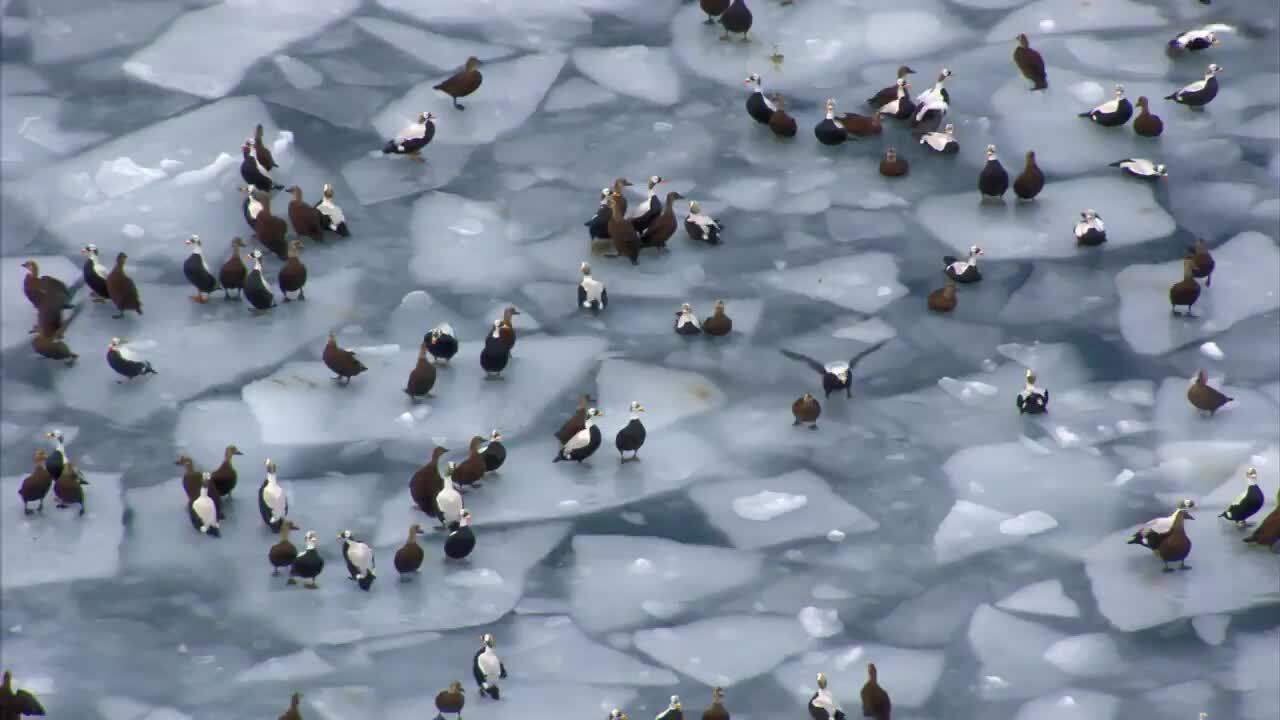
In Ducks in the Arctic, narrator Sir David Attenborough shows ducks on their annual migration through the Arctic. They stop to rest and eat where gaps in the ice allow them to access the rich waters below. But the ocean is freezing over and when a winter storm comes, the gamble of staying longer in the freezing Arctic will not pay off for some of them. This video is excerpted from BBC’s Frozen Planet, a series that shows a fragile world of beauty and hostility, where nature finds a way to survive and thrive in frigid conditions.
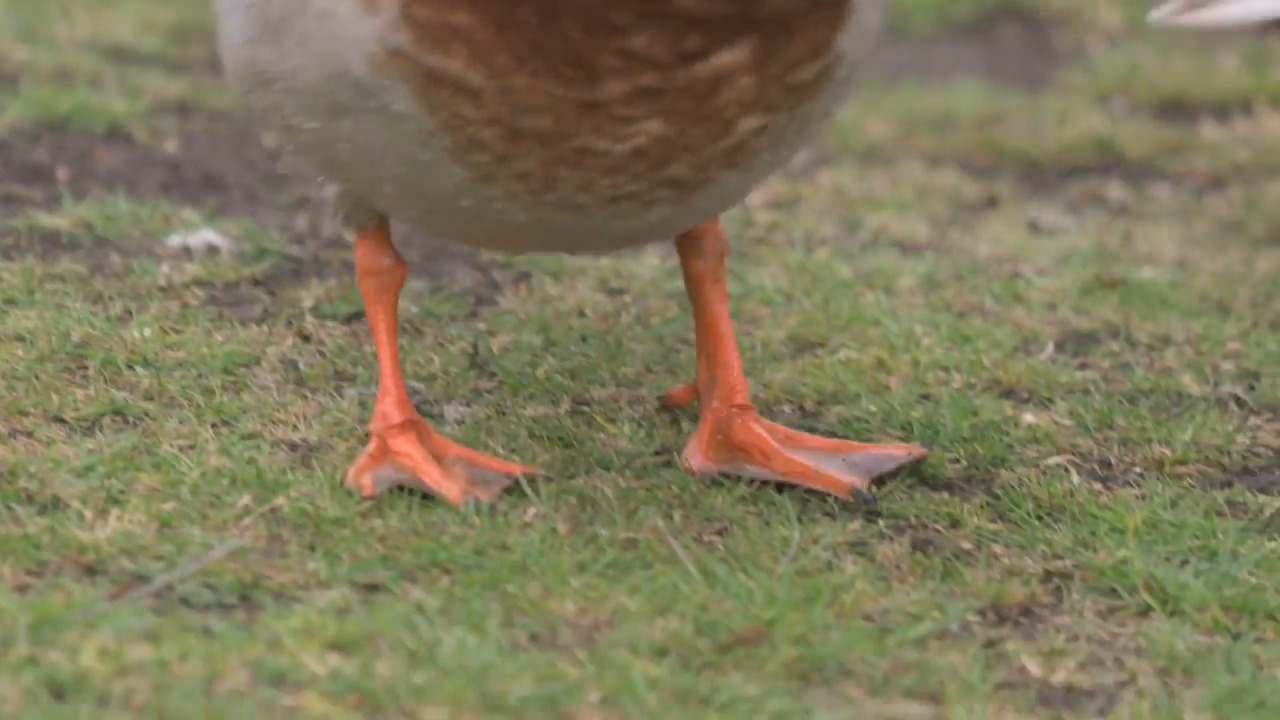
In Ducks — From Beak to Feet, Ranger Hamza and the Ramblers find some ducks! Join the Ramblers as they learn how ducks have adapted to wetlands. This video is excerpted from BBC's Ranger Hamza’s Eco Quest, a nature exploration show in which Ranger Hamza and the Ramblers go on quests to discover nature’s wonders and the important role they play in our environment.
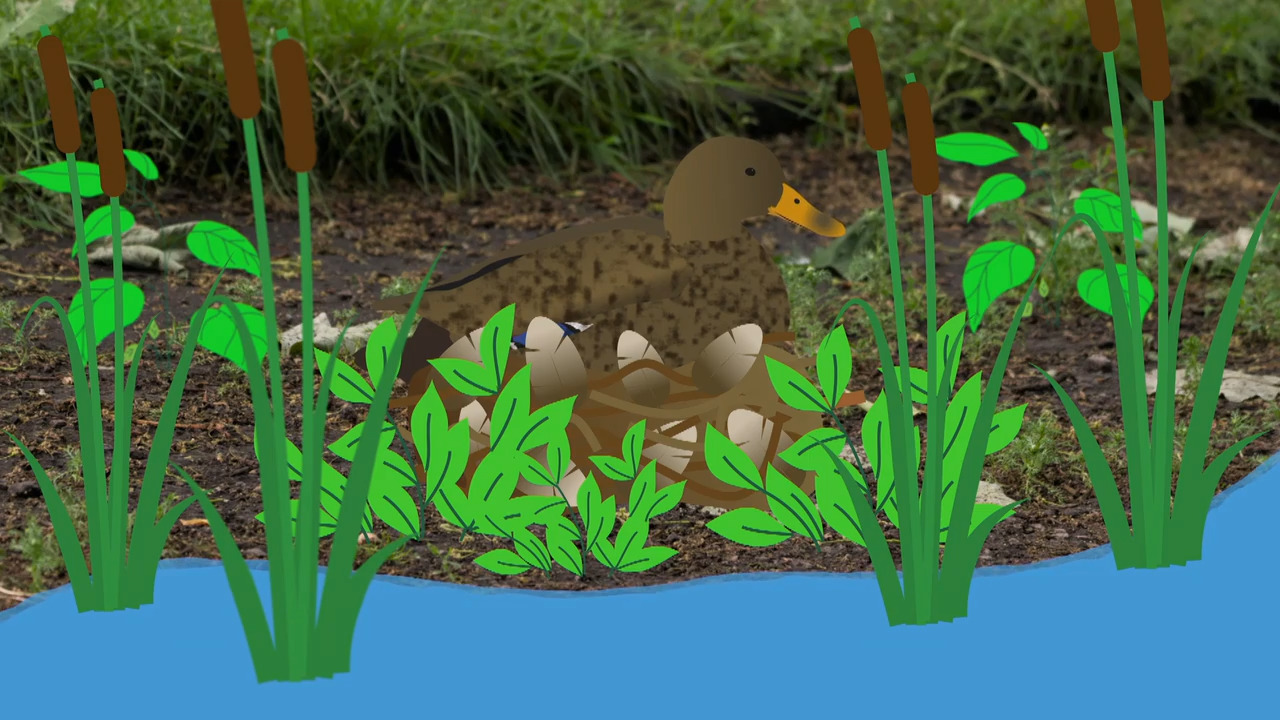
In A Close Look at Duck Nests and Down Feathers, Ranger Hamza and the Ramblers have found a duck nest! Tag along as they learn how ducks make nests and take a close look at ducks’ down feathers. This video is excerpted from BBC's Ranger Hamza’s Eco Quest, a nature exploration show in which Ranger Hamza and the Ramblers go on quests to discover nature’s wonders and the important role they play in our environment.
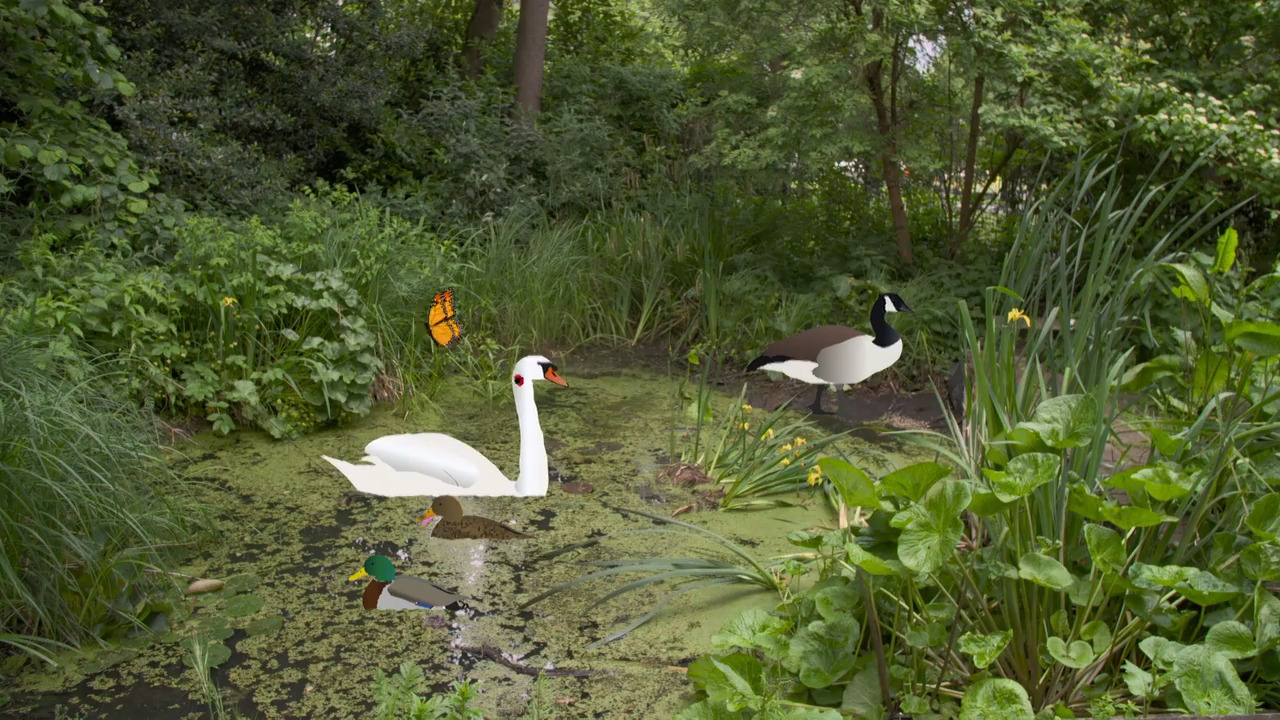
In Where Do Ducks Live?, Ranger Hamza and the Ramblers are on a quest to find ducks! Join them as they find a pond and learn about how ducks’ features make them unique, and how ducks disperse seeds. This video is excerpted from BBC's Ranger Hamza’s Eco Quest, a nature exploration show in which Ranger Hamza and the Ramblers go on quests to discover nature’s wonders and the important role they play in our environment.
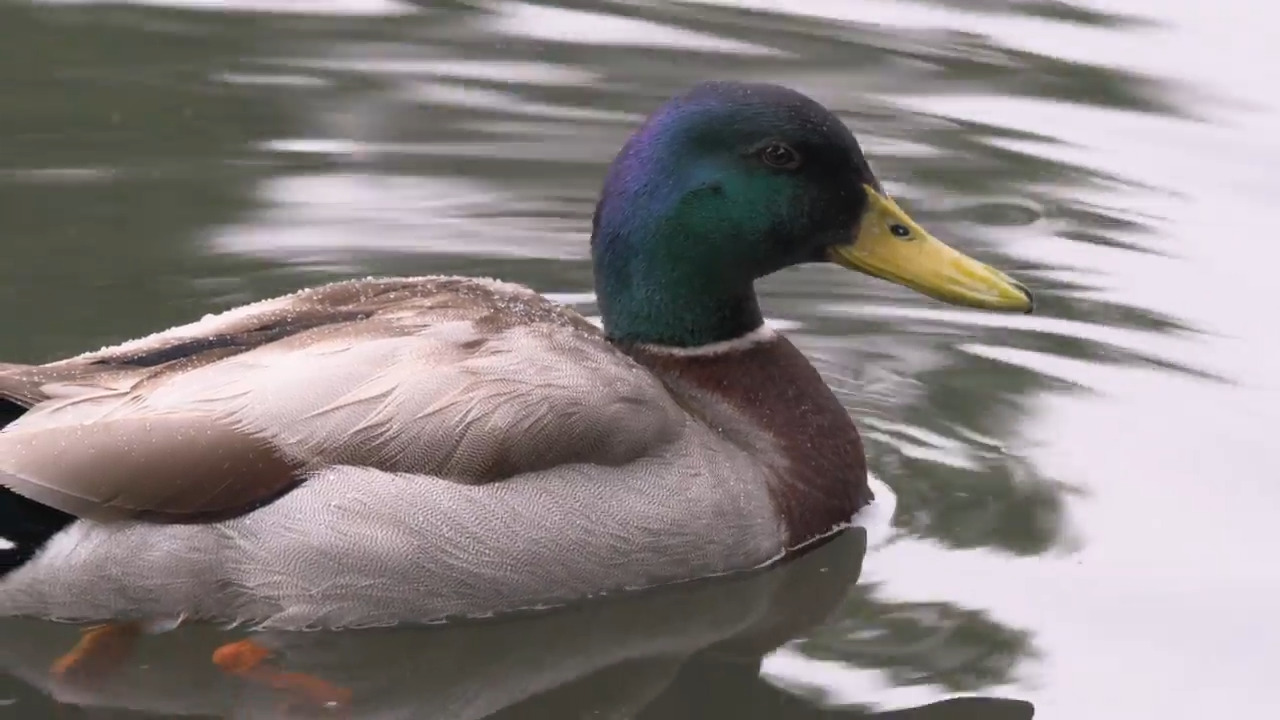
In Diving and Dabbling Ducks, Ranger Hamza and the Ramblers are at a pond. They notice some ducks diving for food and others dipping their beaks into the water. Ranger Hamza explains how diving and dabbling ducks help keep the pond in balance. This video is excerpted from BBC's Ranger Hamza’s Eco Quest, a nature exploration show in which Ranger Hamza and the Ramblers go on quests to discover nature’s wonders and the important role they play in our environment.
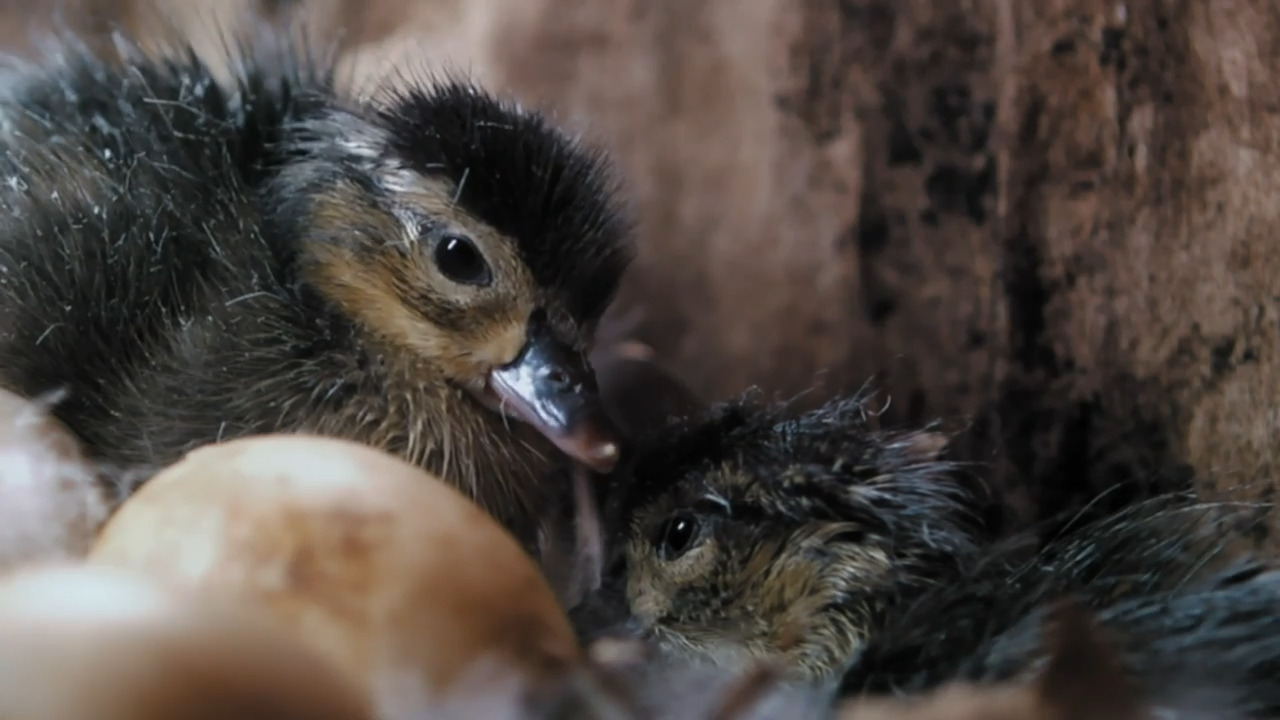
In North American Wood Ducklings Take a Trust Fall, narrator Gordon Buchanan describes how baby ducks hatch inside the hollow of a tree over 60 feet above the ground. Though they are safe there, they must get down to the water to feed. The mother calls to them from the water below and the babies, unable to fly, survive the long fall by stretching out their bodies. They then waddle to the water where they are safe. This video is excerpted from BBC's Animal Babies, a heartwarming show that follows the first breaths, first steps, and first feeds of some adorable baby animals, revealing the challenges they face to survive in some of the toughest but most beautiful places on the planet.
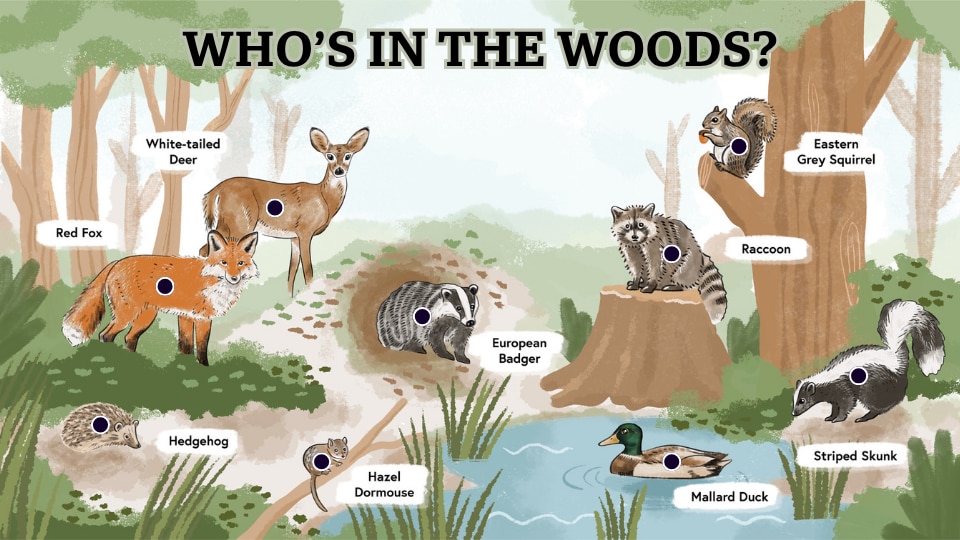
Meet nine wild animals that live in forests, parks, gardens, and neighborhoods: the red fox, white-tailed deer, mallard duck, striped skunk, eastern grey squirrel, raccoon, European badger, hedgehog, and hazel dormouse.
Click on each animal's picture to watch a short video, then click on its name for a fact about what makes it unusual, from its senses and behavior to the ways it has adapted to survive.
Some of these animals may live near you, while others are much harder to spot. Along the way, you'll learn how each one finds food, raises its young, avoids predators, and makes use of the habitat around it.
For Teachers and Parents:
Woodland Animals works well as an introduction to habitats and adaptations or as a self-guided activity for students working on their own or in pairs. Here are a few ways to use it:
- Before exploring: Ask students which of the nine animals they've seen in real life and where. It's a quick way to connect the lesson to their own surroundings.
- While exploring: Have students record one adaptation for each animal, such as a special sense, body feature, or behavior, and how it helps the animal survive.
- After exploring: Ask students to sort the animals by what they eat, when they're active, or how they avoid predators. They can then compare animals that share a habitat but survive in different ways.
- Extension: Some of these animals live in North America, some in Europe, and some in both. Students can research which ones live in their region and why others don't.
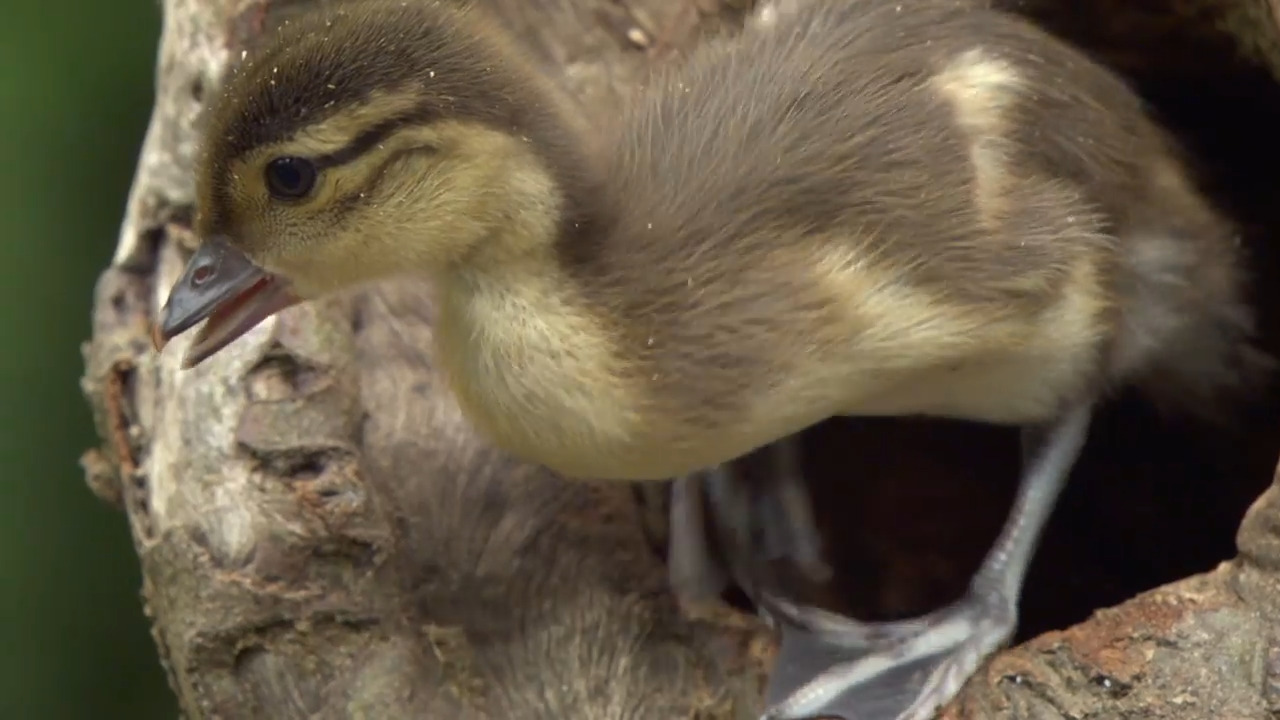
In Ducklings’ Day Out, host Andy Day follows day-old ducklings who already have to take a leap, literally. As their mother duck encourages them, the ducklings fling themselves from the tree where they were born and waddle to the pond, where they will swim for the first time. This video is excerpted from BBC’s Andy’s Baby Animals, in which Andy Day explores the lives and experiences of baby animals.
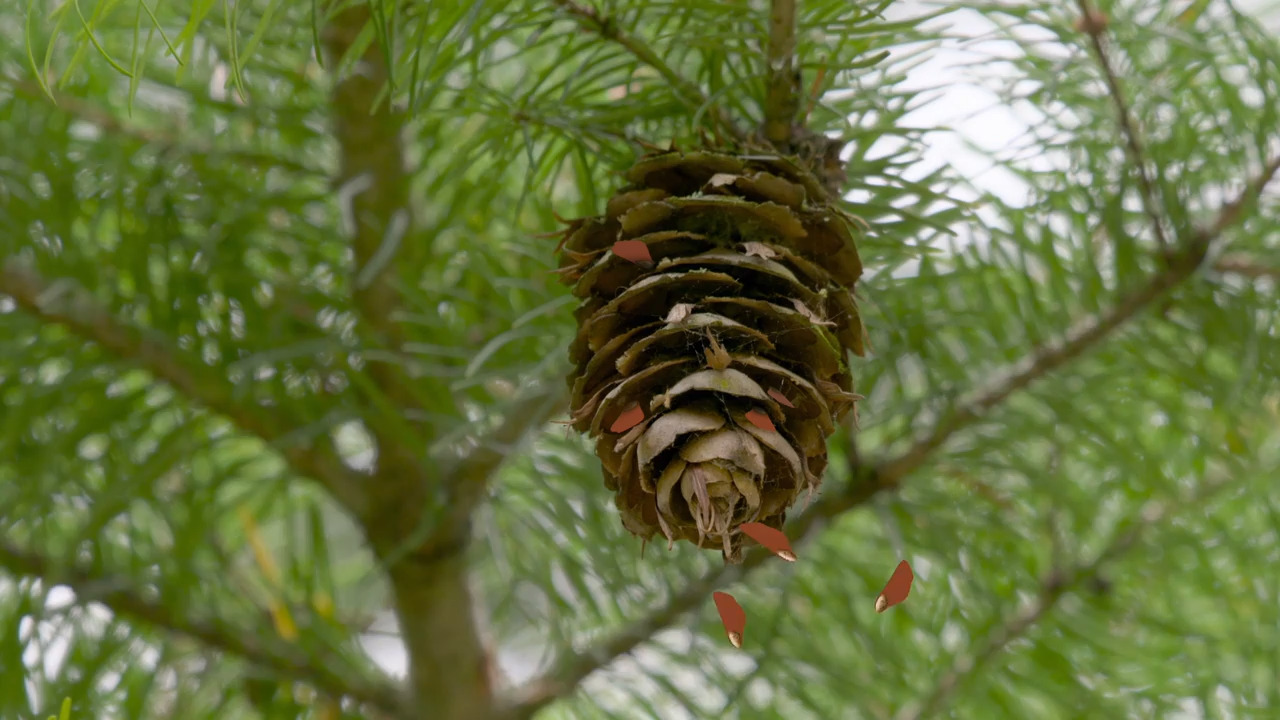
In In Search of Seeds, Ranger Hamza and the Ramblers are in search of seeds! Join them as they investigate pine cones, observe squirrels, and feed ducks, all while learning about the role that seeds play in the environment. This video is excerpted from BBC's Ranger Hamza’s Eco Quest, a nature exploration show in which Ranger Hamza and the Ramblers go on quests to discover nature’s wonders and the important role they play in our environment.
Consider this your introduction to one of BBC's most beloved children's programs. Sarah & Duck is a kids' show about the adventures of 7-year-old Sarah and her quacky, flappy best friend, Duck. These short episodes are perfect for teaching your PreK–Grade 2 students seasonal content and social-emotional skills. Each of these 10 videos comes complete with a Lesson Express. Show a video and then pick and choose from: Questions, Vocabulary, Writing Prompt, and Student Activities. This makes a great activity for morning meeting or a Friday reward!
Which duck makes the classic “quack” you hear at ponds and parks? Surprisingly, it’s usually the female mallard!
Meet one of the world’s most widespread and adaptable ducks. Explore how mallards move between water, land, and sky, from tipping upside down to feed underwater to flying at speeds of around 55 miles per hour. You'll also discover why males and females look so different, how ducklings become independent within hours of hatching, and why healthy wetlands matter even to a species that seems to be everywhere.
Teachers and parents, you can use this fact file to:
- Introduce an animal, wildlife, or life science unit
- Support nonfiction reading and vocabulary practice
- Explore animal adaptations, behaviors, and habitats
- Compare animals and the ecosystems they live in
- Practice finding and organizing information from nonfiction texts
- Prepare students for animal research projects or presentations (use our animal report templates!)
- Connect science learning to conservation and environmental issues
- Pair with videos, articles, or other informational texts (see Related Resources below)
In The Deciduous Forests of Europe, narrator Sir David Attenborough describes how the forests of Eastern Europe burst into life in spring. Newly hatched Mandarin ducks take a great leap from their tree-hole nest. Watch them soar one by one to the ground and land safely on the leaves piled below. This video is excerpted from BBC's Planet Earth, a breathtaking documentary series that highlights the natural wonders of our planet.
In Ducks in the Arctic, narrator Sir David Attenborough shows ducks on their annual migration through the Arctic. They stop to rest and eat where gaps in the ice allow them to access the rich waters below. But the ocean is freezing over and when a winter storm comes, the gamble of staying longer in the freezing Arctic will not pay off for some of them. This video is excerpted from BBC’s Frozen Planet, a series that shows a fragile world of beauty and hostility, where nature finds a way to survive and thrive in frigid conditions.
In Ducks — From Beak to Feet, Ranger Hamza and the Ramblers find some ducks! Join the Ramblers as they learn how ducks have adapted to wetlands. This video is excerpted from BBC's Ranger Hamza’s Eco Quest, a nature exploration show in which Ranger Hamza and the Ramblers go on quests to discover nature’s wonders and the important role they play in our environment.
In A Close Look at Duck Nests and Down Feathers, Ranger Hamza and the Ramblers have found a duck nest! Tag along as they learn how ducks make nests and take a close look at ducks’ down feathers. This video is excerpted from BBC's Ranger Hamza’s Eco Quest, a nature exploration show in which Ranger Hamza and the Ramblers go on quests to discover nature’s wonders and the important role they play in our environment.
In Where Do Ducks Live?, Ranger Hamza and the Ramblers are on a quest to find ducks! Join them as they find a pond and learn about how ducks’ features make them unique, and how ducks disperse seeds. This video is excerpted from BBC's Ranger Hamza’s Eco Quest, a nature exploration show in which Ranger Hamza and the Ramblers go on quests to discover nature’s wonders and the important role they play in our environment.
In Diving and Dabbling Ducks, Ranger Hamza and the Ramblers are at a pond. They notice some ducks diving for food and others dipping their beaks into the water. Ranger Hamza explains how diving and dabbling ducks help keep the pond in balance. This video is excerpted from BBC's Ranger Hamza’s Eco Quest, a nature exploration show in which Ranger Hamza and the Ramblers go on quests to discover nature’s wonders and the important role they play in our environment.
In North American Wood Ducklings Take a Trust Fall, narrator Gordon Buchanan describes how baby ducks hatch inside the hollow of a tree over 60 feet above the ground. Though they are safe there, they must get down to the water to feed. The mother calls to them from the water below and the babies, unable to fly, survive the long fall by stretching out their bodies. They then waddle to the water where they are safe. This video is excerpted from BBC's Animal Babies, a heartwarming show that follows the first breaths, first steps, and first feeds of some adorable baby animals, revealing the challenges they face to survive in some of the toughest but most beautiful places on the planet.
Meet nine wild animals that live in forests, parks, gardens, and neighborhoods: the red fox, white-tailed deer, mallard duck, striped skunk, eastern grey squirrel, raccoon, European badger, hedgehog, and hazel dormouse.
Click on each animal's picture to watch a short video, then click on its name for a fact about what makes it unusual, from its senses and behavior to the ways it has adapted to survive.
Some of these animals may live near you, while others are much harder to spot. Along the way, you'll learn how each one finds food, raises its young, avoids predators, and makes use of the habitat around it.
For Teachers and Parents:
Woodland Animals works well as an introduction to habitats and adaptations or as a self-guided activity for students working on their own or in pairs. Here are a few ways to use it:
- Before exploring: Ask students which of the nine animals they've seen in real life and where. It's a quick way to connect the lesson to their own surroundings.
- While exploring: Have students record one adaptation for each animal, such as a special sense, body feature, or behavior, and how it helps the animal survive.
- After exploring: Ask students to sort the animals by what they eat, when they're active, or how they avoid predators. They can then compare animals that share a habitat but survive in different ways.
- Extension: Some of these animals live in North America, some in Europe, and some in both. Students can research which ones live in their region and why others don't.
In Ducklings’ Day Out, host Andy Day follows day-old ducklings who already have to take a leap, literally. As their mother duck encourages them, the ducklings fling themselves from the tree where they were born and waddle to the pond, where they will swim for the first time. This video is excerpted from BBC’s Andy’s Baby Animals, in which Andy Day explores the lives and experiences of baby animals.
In In Search of Seeds, Ranger Hamza and the Ramblers are in search of seeds! Join them as they investigate pine cones, observe squirrels, and feed ducks, all while learning about the role that seeds play in the environment. This video is excerpted from BBC's Ranger Hamza’s Eco Quest, a nature exploration show in which Ranger Hamza and the Ramblers go on quests to discover nature’s wonders and the important role they play in our environment.