Ducks — From Beak to Feet
In Ducks — From Beak to Feet, Ranger Hamza and the Ramblers find some ducks! Join the Ramblers as they learn how ducks have adapted to wetlands. This video is excerpted from BBC's Ranger Hamza’s Eco Quest, a nature exploration show in which Ranger Hamza and the Ramblers go on quests to discover nature’s wonders and the important role they play in our environment.

Join Ranger Hamza and the Ramblers on an eco quest to discover one of nature's wonders and the important role it plays in our environment. Learn more.
Lesson Express
Q: How are the male and female ducks different from each other?
A: The male ducks have green heads and the female ducks have brown feathers.
Q: How do ducks’ webbed feet help them?
A: Their webbed feet help them paddle faster and waddle through muddy wetlands.
Q: How else have ducks adapted to their environment?
A: Students may mention swimming and walking, the food they eat, or other ideas.
You Might Also Like
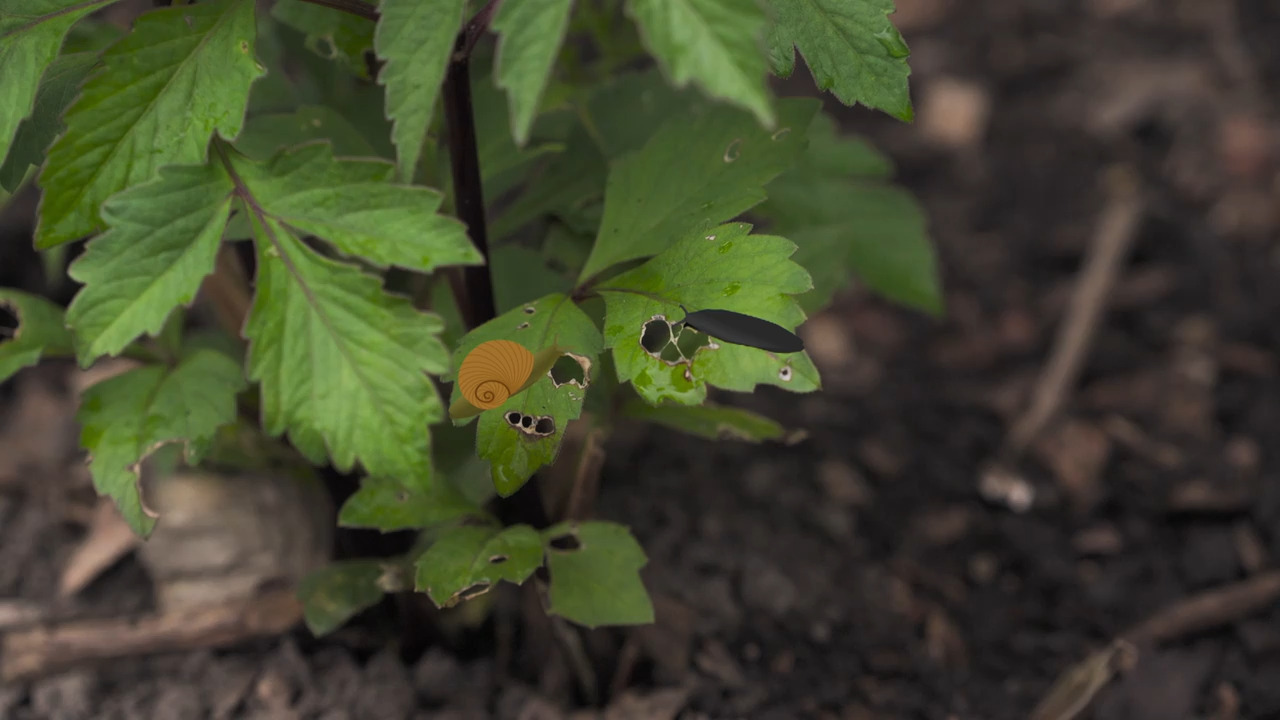
In Ducks, Nature’s Pest Control, Ranger Hamza and the Ramblers explore a garden. They notice that some plants have holes in the leaves! That means there are pests in the garden. Which animal might be able to keep the garden healthy? This video is excerpted from BBC's Ranger Hamza’s Eco Quest, a nature exploration show in which Ranger Hamza and the Ramblers go on quests to discover nature’s wonders and the important role they play in our environment.

In Dive Into a Watery World, Ranger Hamza and the Ramblers are at a lake. They find two caddisfly larvae and talk about the casing the insect has made. Join them to learn what else lives at the lake. This video is excerpted from BBC's Ranger Hamza’s Eco Quest, a nature exploration show in which Ranger Hamza and the Ramblers go on quests to discover nature’s wonders and the important role they play in our environment.
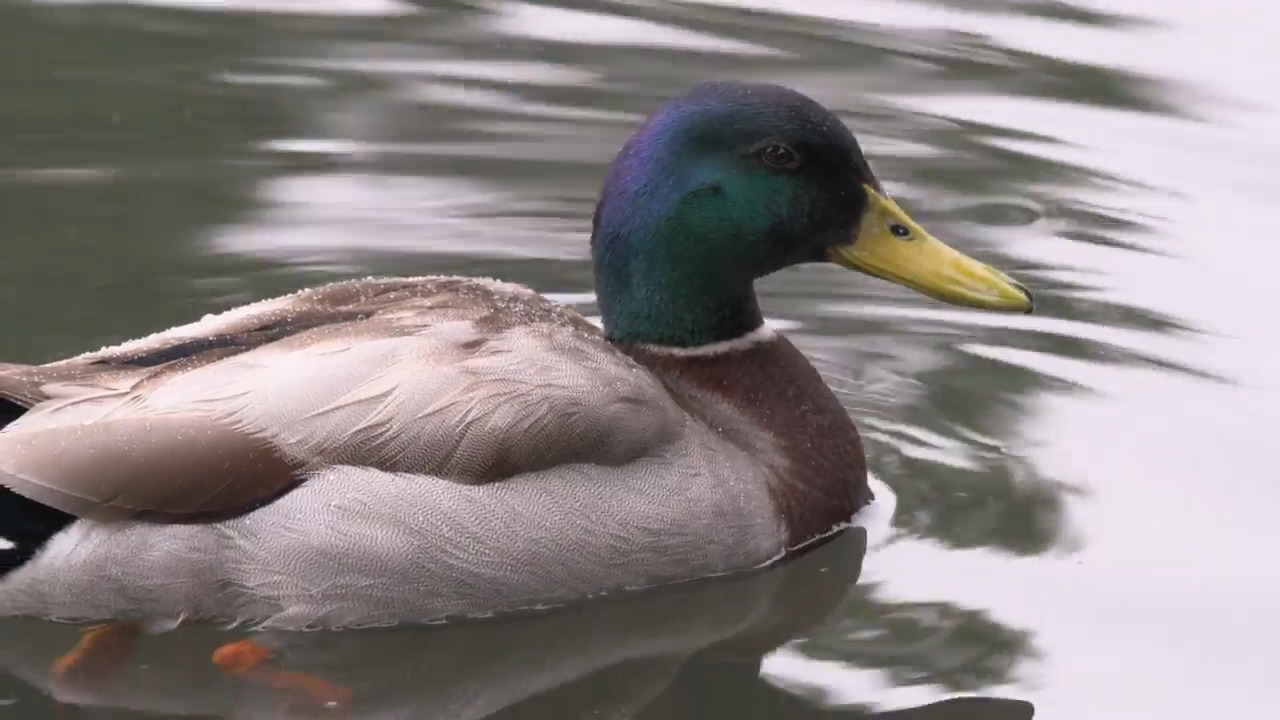
In Diving and Dabbling Ducks, Ranger Hamza and the Ramblers are at a pond. They notice some ducks diving for food and others dipping their beaks into the water. Ranger Hamza explains how diving and dabbling ducks help keep the pond in balance. This video is excerpted from BBC's Ranger Hamza’s Eco Quest, a nature exploration show in which Ranger Hamza and the Ramblers go on quests to discover nature’s wonders and the important role they play in our environment.
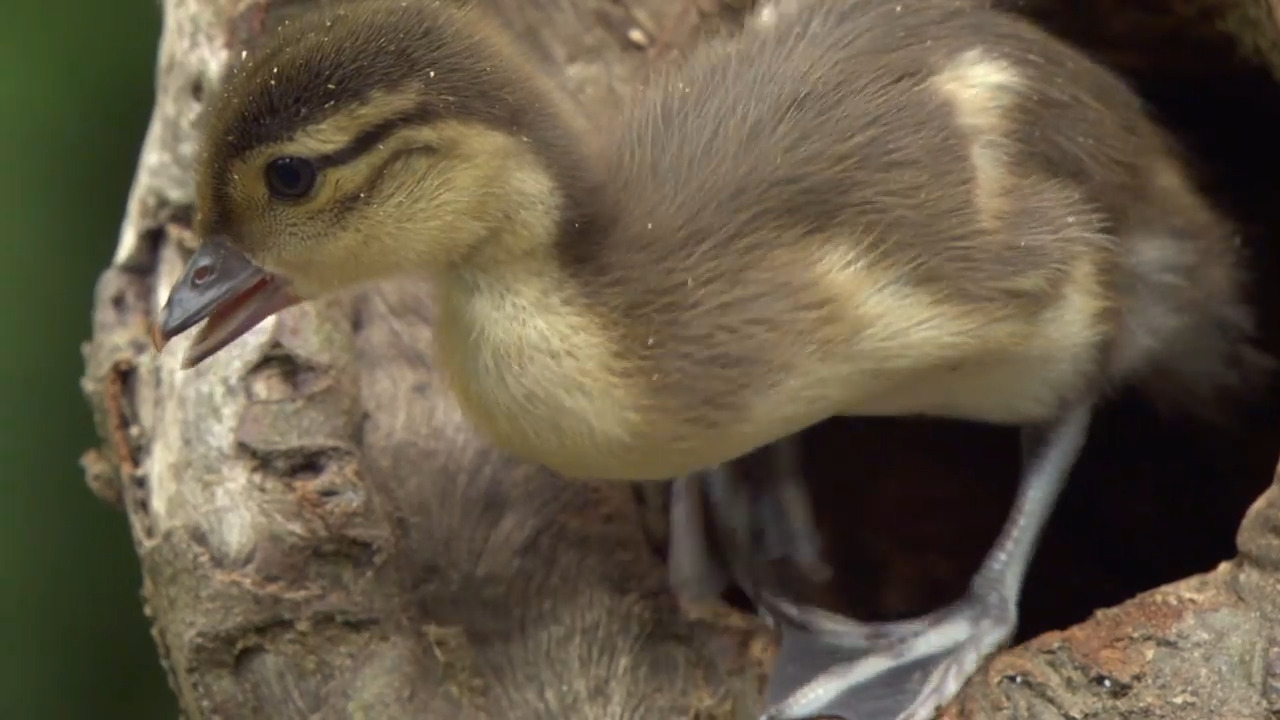
In Ducklings’ Day Out, host Andy Day follows day-old ducklings who already have to take a leap, literally. As their mother duck encourages them, the ducklings fling themselves from the tree where they were born and waddle to the pond, where they will swim for the first time. This video is excerpted from BBC’s Andy’s Baby Animals, in which Andy Day explores the lives and experiences of baby animals.
In Ducks, Nature’s Pest Control, Ranger Hamza and the Ramblers explore a garden. They notice that some plants have holes in the leaves! That means there are pests in the garden. Which animal might be able to keep the garden healthy? This video is excerpted from BBC's Ranger Hamza’s Eco Quest, a nature exploration show in which Ranger Hamza and the Ramblers go on quests to discover nature’s wonders and the important role they play in our environment.
In Dive Into a Watery World, Ranger Hamza and the Ramblers are at a lake. They find two caddisfly larvae and talk about the casing the insect has made. Join them to learn what else lives at the lake. This video is excerpted from BBC's Ranger Hamza’s Eco Quest, a nature exploration show in which Ranger Hamza and the Ramblers go on quests to discover nature’s wonders and the important role they play in our environment.
In Diving and Dabbling Ducks, Ranger Hamza and the Ramblers are at a pond. They notice some ducks diving for food and others dipping their beaks into the water. Ranger Hamza explains how diving and dabbling ducks help keep the pond in balance. This video is excerpted from BBC's Ranger Hamza’s Eco Quest, a nature exploration show in which Ranger Hamza and the Ramblers go on quests to discover nature’s wonders and the important role they play in our environment.
In Ducklings’ Day Out, host Andy Day follows day-old ducklings who already have to take a leap, literally. As their mother duck encourages them, the ducklings fling themselves from the tree where they were born and waddle to the pond, where they will swim for the first time. This video is excerpted from BBC’s Andy’s Baby Animals, in which Andy Day explores the lives and experiences of baby animals.