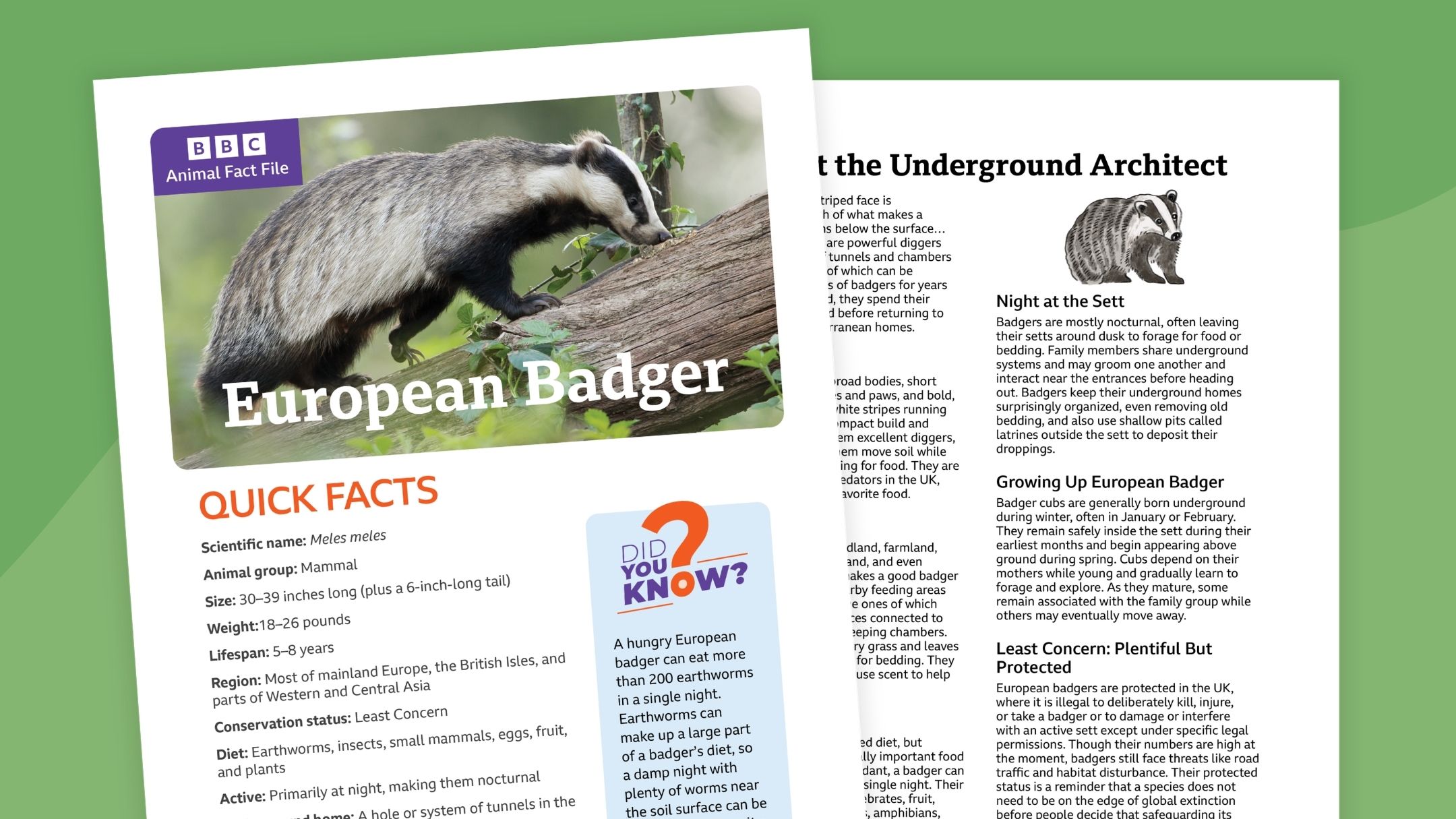
How many earthworms could a hungry badger eat in one night? More than 200 — and that’s just one of the surprising things about this underground-dwelling mammal.
Meet the European badger, a powerful digger that spends its days below ground and its nights exploring above it. Take a look inside a badger’s sett, discover how its strong claws and keen sense of smell help it find food, and find out why earthworms are such an important part of its diet. You'll also learn how badger families live together, raise their cubs, and keep their underground homes in order.
Teachers and parents, you can use this fact file to:
- Introduce an animal, wildlife, or life science unit
- Support nonfiction reading and vocabulary practice
- Explore animal adaptations, behaviors, and habitats
- Compare animals and the ecosystems they live in
- Practice finding and organizing information from nonfiction texts
- Prepare students for animal research projects or presentations (use our animal report templates!)
- Connect science learning to conservation and environmental issues
- Pair with videos, articles, or other informational texts (see Related Resources below)
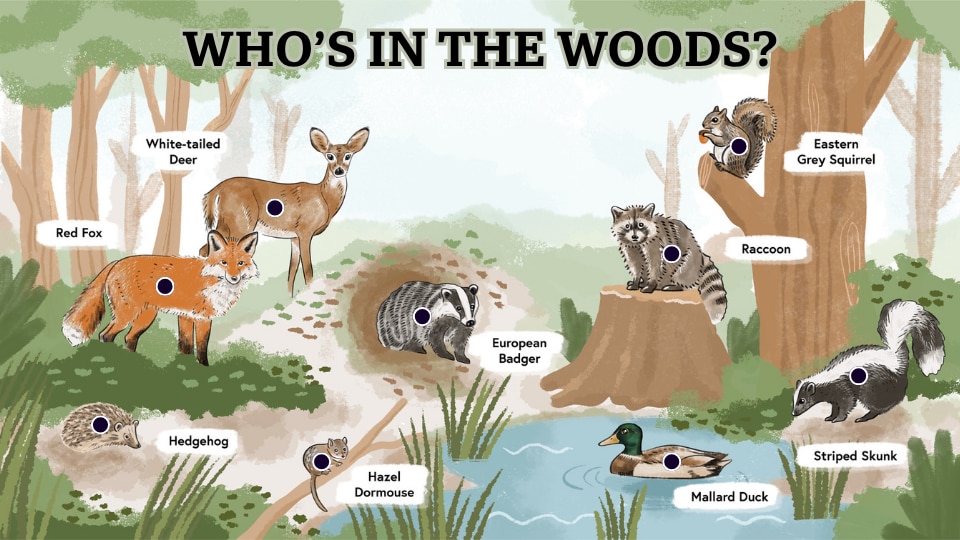
Meet nine wild animals that live in forests, parks, gardens, and neighborhoods: the red fox, white-tailed deer, mallard duck, striped skunk, eastern grey squirrel, raccoon, European badger, hedgehog, and hazel dormouse.
Click on each animal's picture to watch a short video, then click on its name for a fact about what makes it unusual, from its senses and behavior to the ways it has adapted to survive.
Some of these animals may live near you, while others are much harder to spot. Along the way, you'll learn how each one finds food, raises its young, avoids predators, and makes use of the habitat around it.
For Teachers and Parents:
Woodland Animals works well as an introduction to habitats and adaptations or as a self-guided activity for students working on their own or in pairs. Here are a few ways to use it:
- Before exploring: Ask students which of the nine animals they've seen in real life and where. It's a quick way to connect the lesson to their own surroundings.
- While exploring: Have students record one adaptation for each animal, such as a special sense, body feature, or behavior, and how it helps the animal survive.
- After exploring: Ask students to sort the animals by what they eat, when they're active, or how they avoid predators. They can then compare animals that share a habitat but survive in different ways.
- Extension: Some of these animals live in North America, some in Europe, and some in both. Students can research which ones live in their region and why others don't.
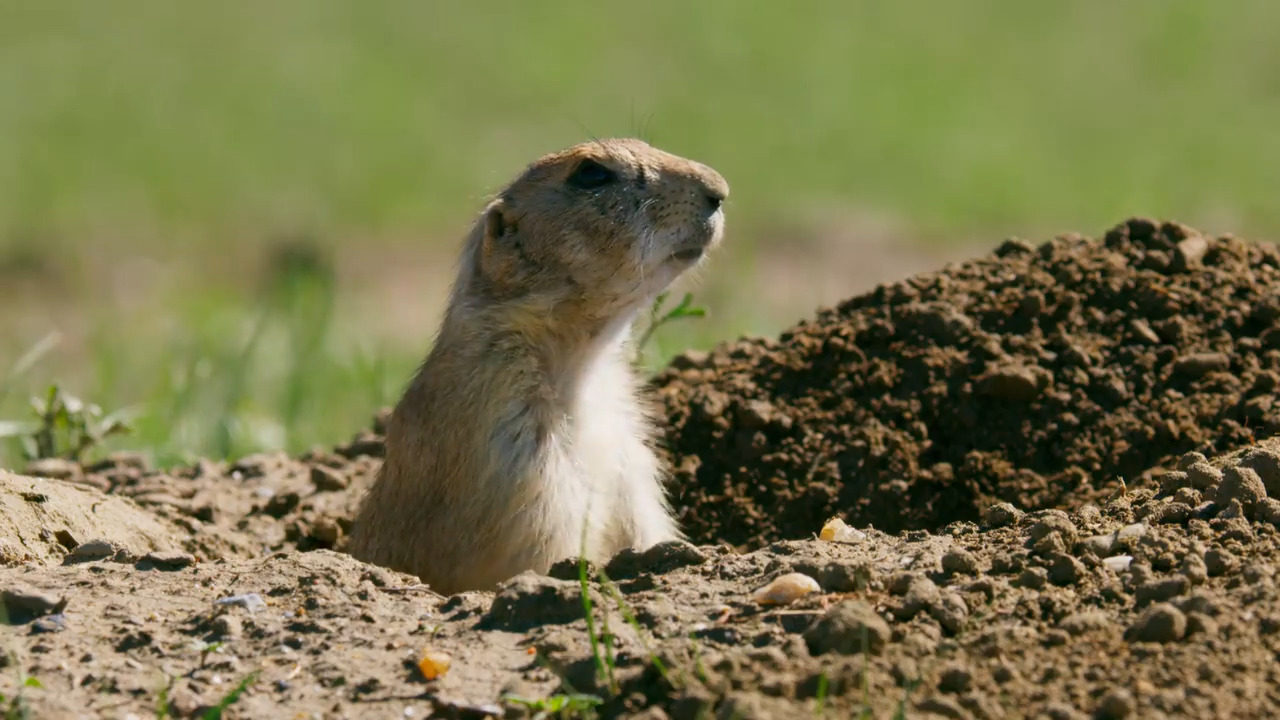
In Playful Prairie Dog Pups witness prairie dog pups who explore and play whilst sentinels keep watch. Danger in the form of an American badger approaches, but a burrowing owl, who also has young to protect, defends its territory. This video is excerpted from BBC’s Seven Worlds, One Planet, a series featuring remarkable animal behavior from all seven continents.
With Mother’s Day coming up in the U.S., what better way to celebrate than by spotlighting some of nature’s most devoted moms?
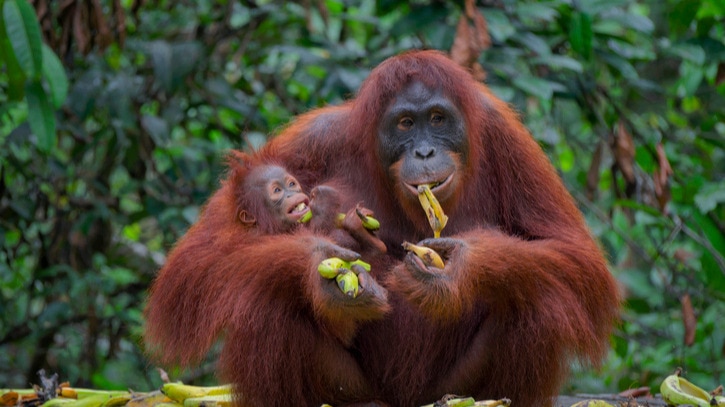
This fun, feel‑good eight‑video BBC playlist dives into the incredible bond between animal moms and their babies — and the wild ways they raise them. Watch puma cubs practice their hunting skills, a baby orangutan learn the ropes high in the treetops, humpback whale calves set off on their first epic journeys, and prairie dog pups turn playtime into survival training.
From feeding and protection to movement and life lessons, these clips show just how much it takes to grow up in the wild — and how moms make it all possible.
Featuring favorites like prairie dogs, orangutans, polar bears, and humpback whales, this playlist pulls from iconic BBC series like Animal Babies and Planet Earth.
Because mom love? It’s everywhere in the animal kingdom!
How many earthworms could a hungry badger eat in one night? More than 200 — and that’s just one of the surprising things about this underground-dwelling mammal.
Meet the European badger, a powerful digger that spends its days below ground and its nights exploring above it. Take a look inside a badger’s sett, discover how its strong claws and keen sense of smell help it find food, and find out why earthworms are such an important part of its diet. You'll also learn how badger families live together, raise their cubs, and keep their underground homes in order.
Teachers and parents, you can use this fact file to:
- Introduce an animal, wildlife, or life science unit
- Support nonfiction reading and vocabulary practice
- Explore animal adaptations, behaviors, and habitats
- Compare animals and the ecosystems they live in
- Practice finding and organizing information from nonfiction texts
- Prepare students for animal research projects or presentations (use our animal report templates!)
- Connect science learning to conservation and environmental issues
- Pair with videos, articles, or other informational texts (see Related Resources below)
Meet nine wild animals that live in forests, parks, gardens, and neighborhoods: the red fox, white-tailed deer, mallard duck, striped skunk, eastern grey squirrel, raccoon, European badger, hedgehog, and hazel dormouse.
Click on each animal's picture to watch a short video, then click on its name for a fact about what makes it unusual, from its senses and behavior to the ways it has adapted to survive.
Some of these animals may live near you, while others are much harder to spot. Along the way, you'll learn how each one finds food, raises its young, avoids predators, and makes use of the habitat around it.
For Teachers and Parents:
Woodland Animals works well as an introduction to habitats and adaptations or as a self-guided activity for students working on their own or in pairs. Here are a few ways to use it:
- Before exploring: Ask students which of the nine animals they've seen in real life and where. It's a quick way to connect the lesson to their own surroundings.
- While exploring: Have students record one adaptation for each animal, such as a special sense, body feature, or behavior, and how it helps the animal survive.
- After exploring: Ask students to sort the animals by what they eat, when they're active, or how they avoid predators. They can then compare animals that share a habitat but survive in different ways.
- Extension: Some of these animals live in North America, some in Europe, and some in both. Students can research which ones live in their region and why others don't.
In Playful Prairie Dog Pups witness prairie dog pups who explore and play whilst sentinels keep watch. Danger in the form of an American badger approaches, but a burrowing owl, who also has young to protect, defends its territory. This video is excerpted from BBC’s Seven Worlds, One Planet, a series featuring remarkable animal behavior from all seven continents.
With Mother’s Day coming up in the U.S., what better way to celebrate than by spotlighting some of nature’s most devoted moms?
This fun, feel‑good eight‑video BBC playlist dives into the incredible bond between animal moms and their babies — and the wild ways they raise them. Watch puma cubs practice their hunting skills, a baby orangutan learn the ropes high in the treetops, humpback whale calves set off on their first epic journeys, and prairie dog pups turn playtime into survival training.
From feeding and protection to movement and life lessons, these clips show just how much it takes to grow up in the wild — and how moms make it all possible.
Featuring favorites like prairie dogs, orangutans, polar bears, and humpback whales, this playlist pulls from iconic BBC series like Animal Babies and Planet Earth.
Because mom love? It’s everywhere in the animal kingdom!