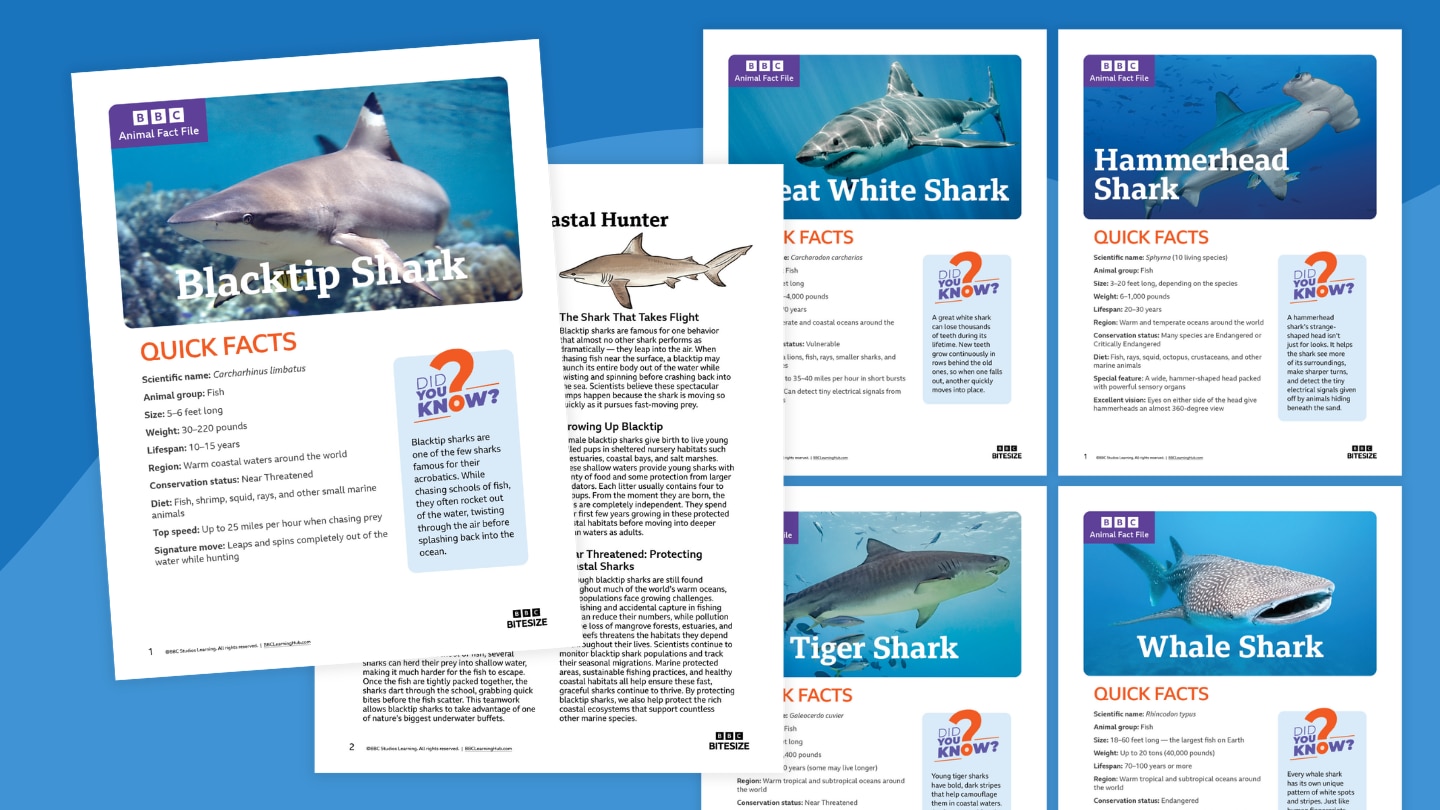
What makes a shark one of the ocean’s most remarkable predators? From powerful great whites to tiny reef-dwellers, sharks come in all shapes and sizes, each with its own way of life.
Explore the world of these extraordinary fish, discover what they eat and where they live, and uncover the special adaptations that help them hunt, navigate the ocean, and survive. Meet sharks from around the world, learn how they reproduce and raise their young, and find out about the challenges they face in the wild and why protecting these ancient predators matters.
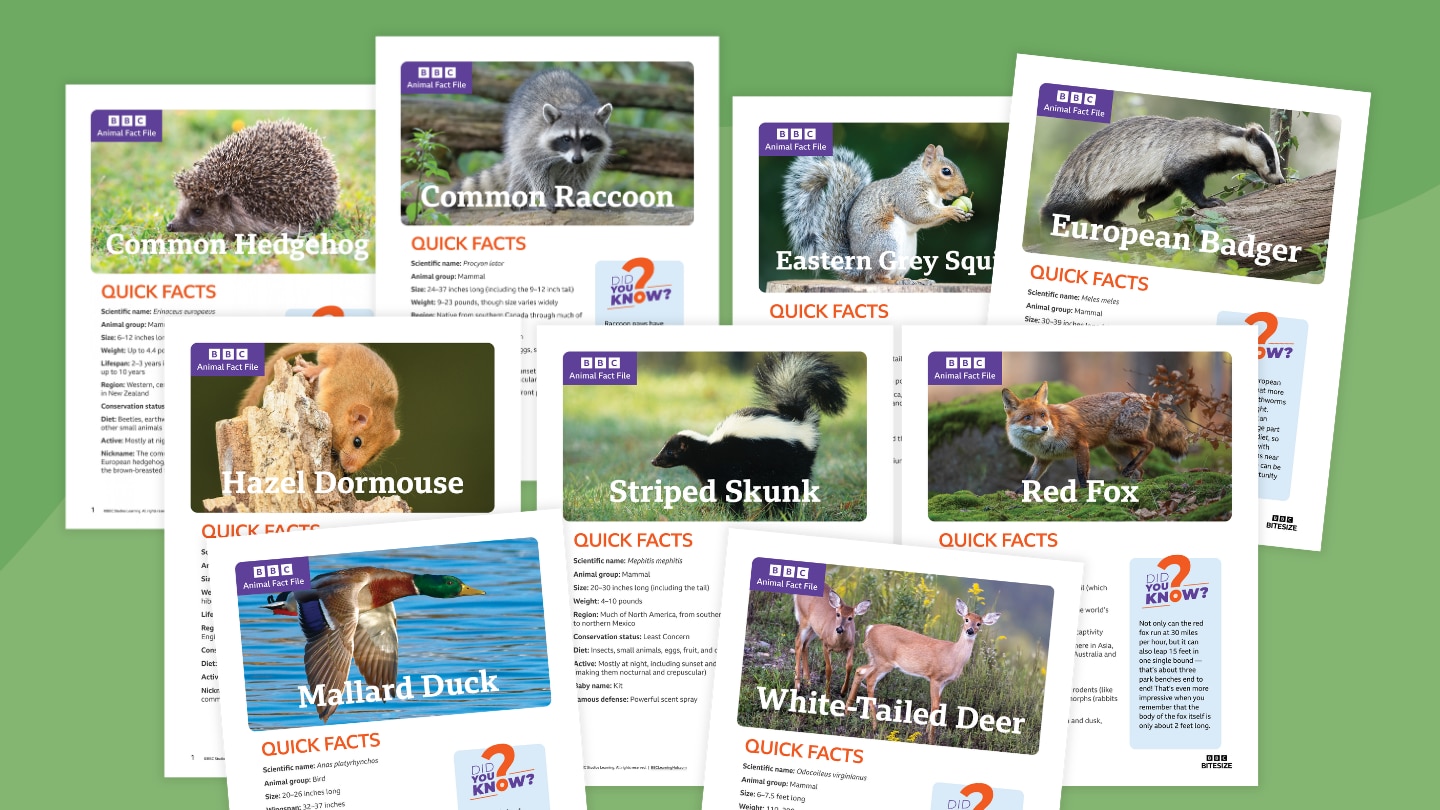
Which woodland animals scamper through the trees, forage for food, or quietly explore the undergrowth? From quick-footed foxes to busy squirrels, woodlands are home to an amazing variety of wildlife, each with its own way of life.
Meet the animals that share our woodlands and neighborhoods, from hedgehogs and badgers to deer, ducks, and raccoons. Explore their habitats, discover what they eat and how they raise their young, and uncover the remarkable adaptations that help them survive. You’ll also learn how these animals interact with their surroundings and why protecting their habitats matters.
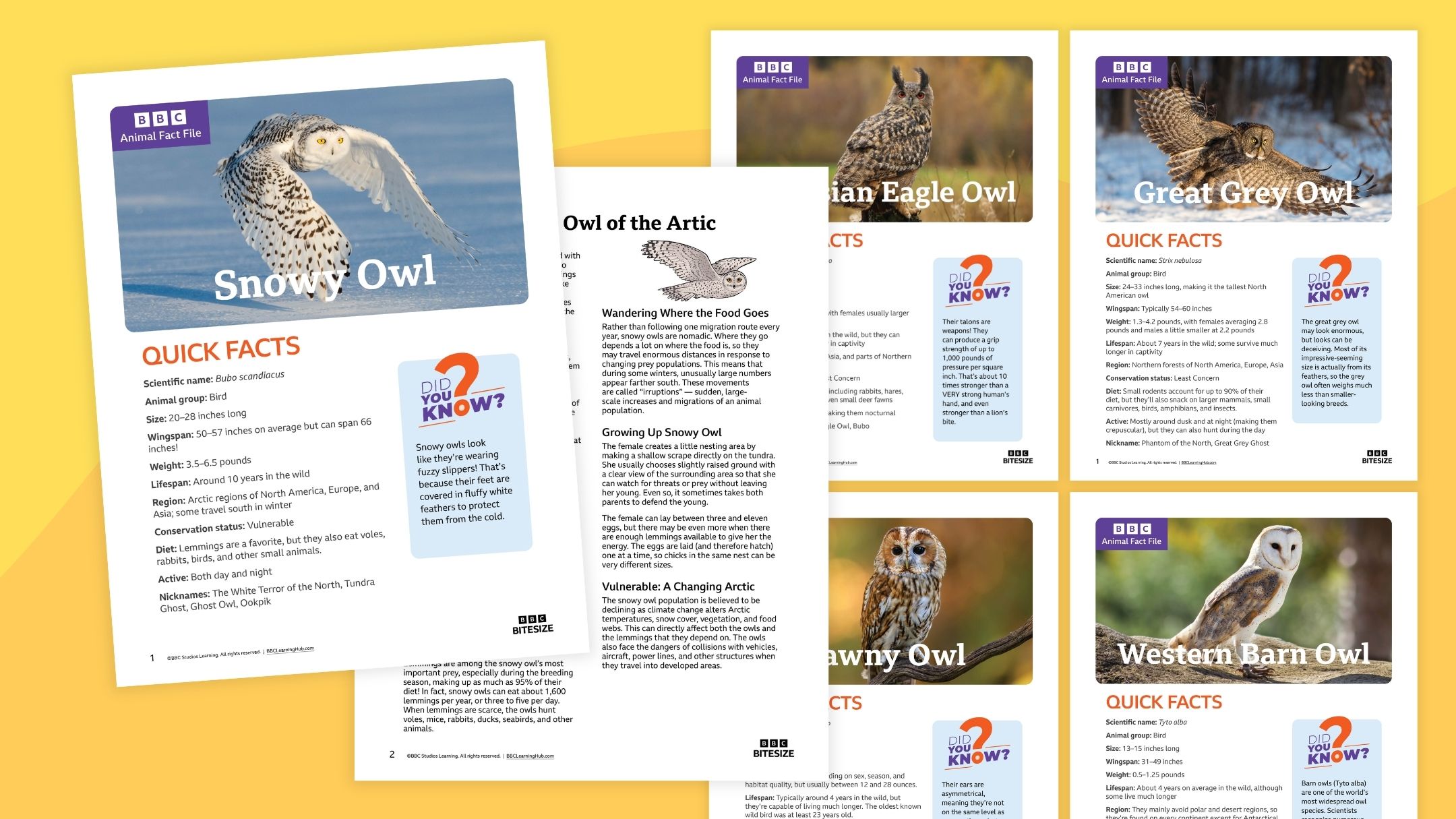
Which owl can hunt silently through the night, spot prey across snowy landscapes, or grow large enough to rival some eagles in size? Owls come in all shapes and sizes, and each has its own remarkable way of life.
From the ghostly barn owl to the powerful eagle owl, these birds of prey have evolved extraordinary features to help them hunt, navigate their habitats, and survive. Explore five fascinating owl species — the great grey owl, barn owl, Eurasian eagle owl, snowy owl, and tawny owl — to discover what they eat, where they live, how they raise their young, and what makes each one unique. You'll also learn about the challenges some owls face in the wild and why protecting their habitats matters.
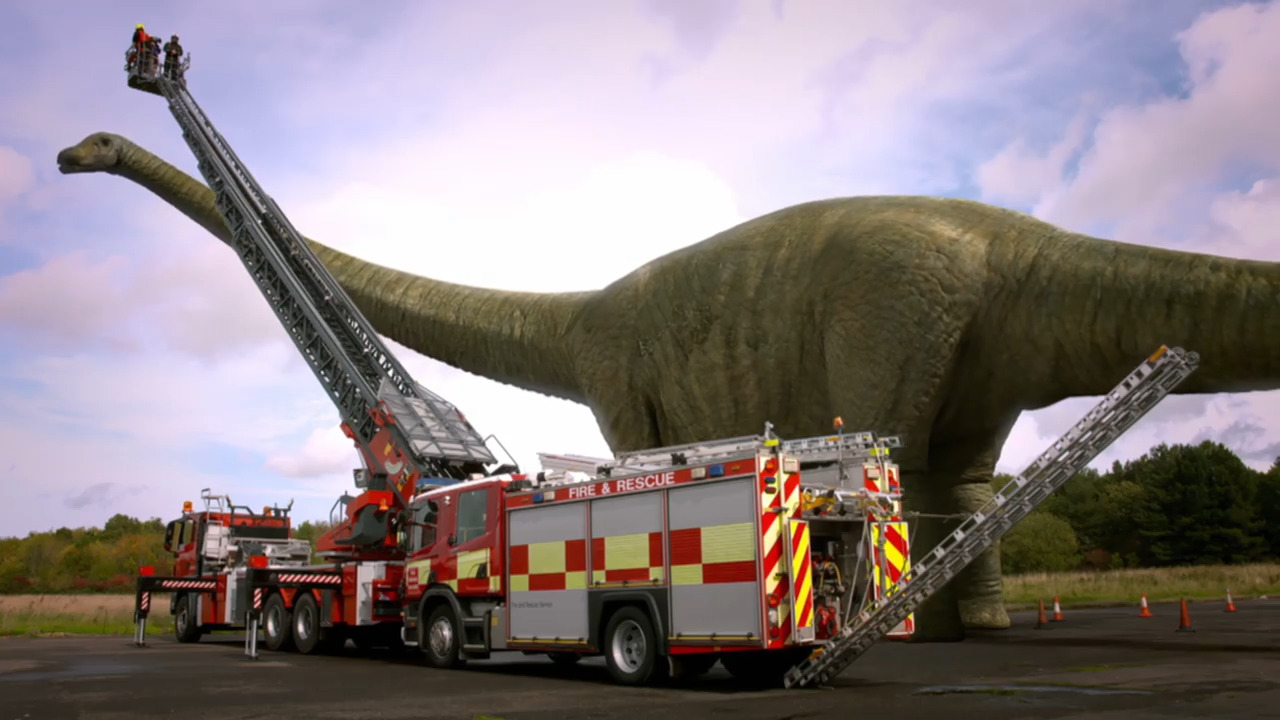
In Patagotitan — The Largest Animal to Walk the Planet, naturalist Steve Backshall explores this seriously huge dinosaur and its massive heart, which measured over 6.5 feet (2 meters) in circumference. Plus, watch an experiment take place to visualize just how powerful the Patagotitan’s heart had to be in order to pump blood throughout its body. This video is excerpted from BBC’s Deadly Dinosaurs, a documentary series in which host Steve Backshall is on the hunt for the deadliest animals to have walked the Earth — dinosaurs — exploring features of several species and putting their abilities to the test to reveal the raw power of these creatures.
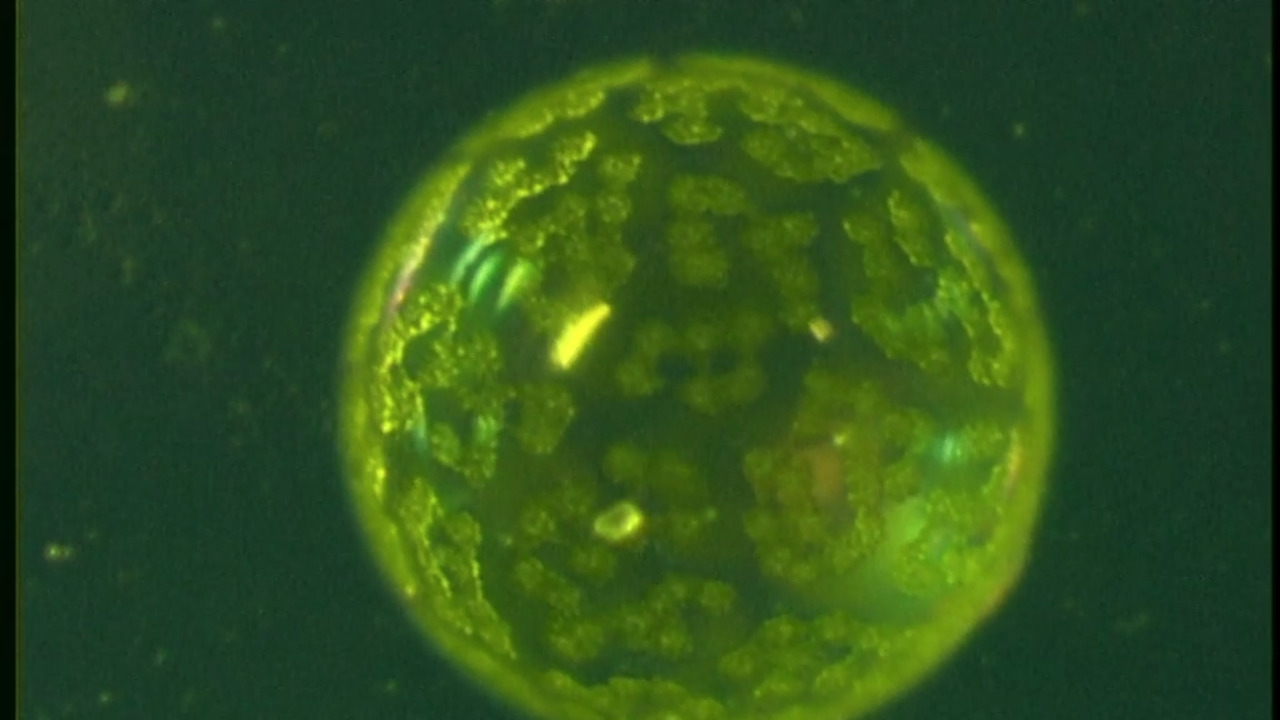
In The Blooming Sea: Animal Life Reacts, narrator Sir David Attenborough describes the scale of the plankton bloom. Learn about how copepods grow and thrive until predators find them. This video is excerpted from BBC’s Blue Planet, a definitive documentary series diving into the mysterious depths of the sea to discover the natural history of the world’s oceans and the rarely seen marine life that reside there.
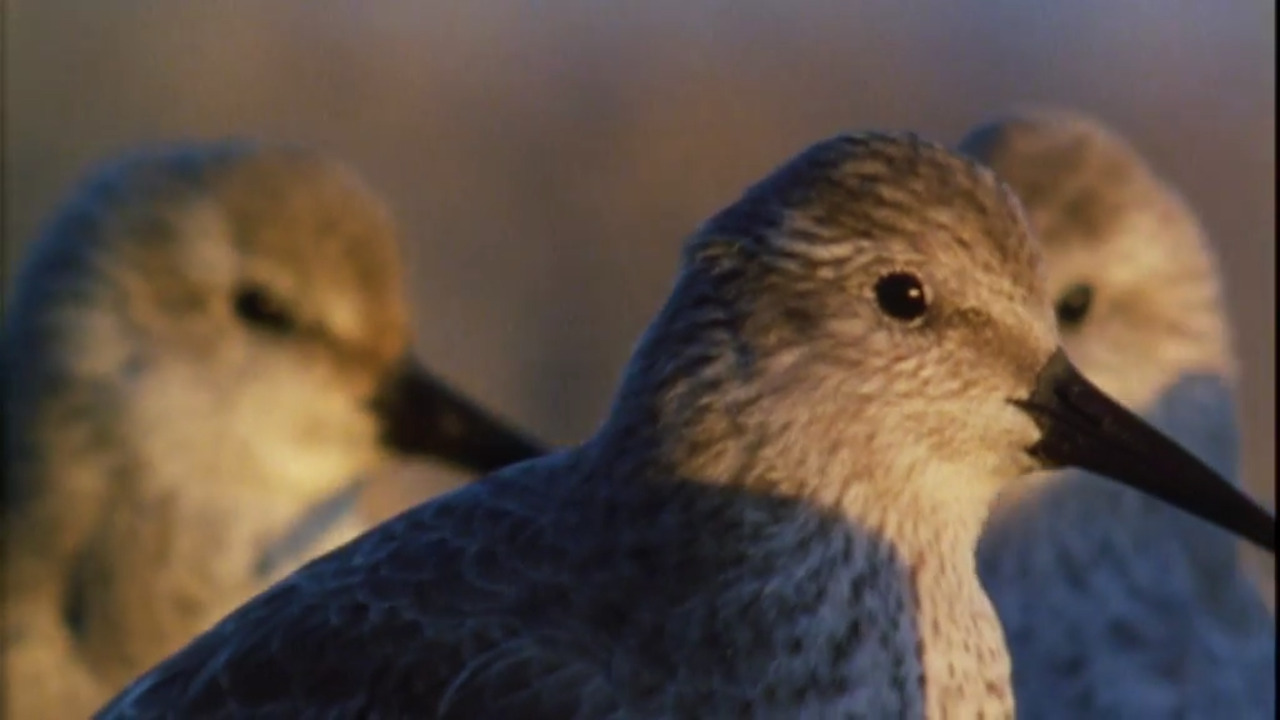
In Animal Adaptations Due to Receding Tides, narrator Sir David Attenborough explains how invertebrates in the mud are impacted by the receding tide, how flounder use the currents, and how ospreys hunt. Observe animal adaptations in the wading birds and the flounder. This video is excerpted from BBC’s Blue Planet, a definitive documentary series diving into the mysterious depths of the sea to discover the natural history of the world’s oceans and the rarely seen marine life that reside there.
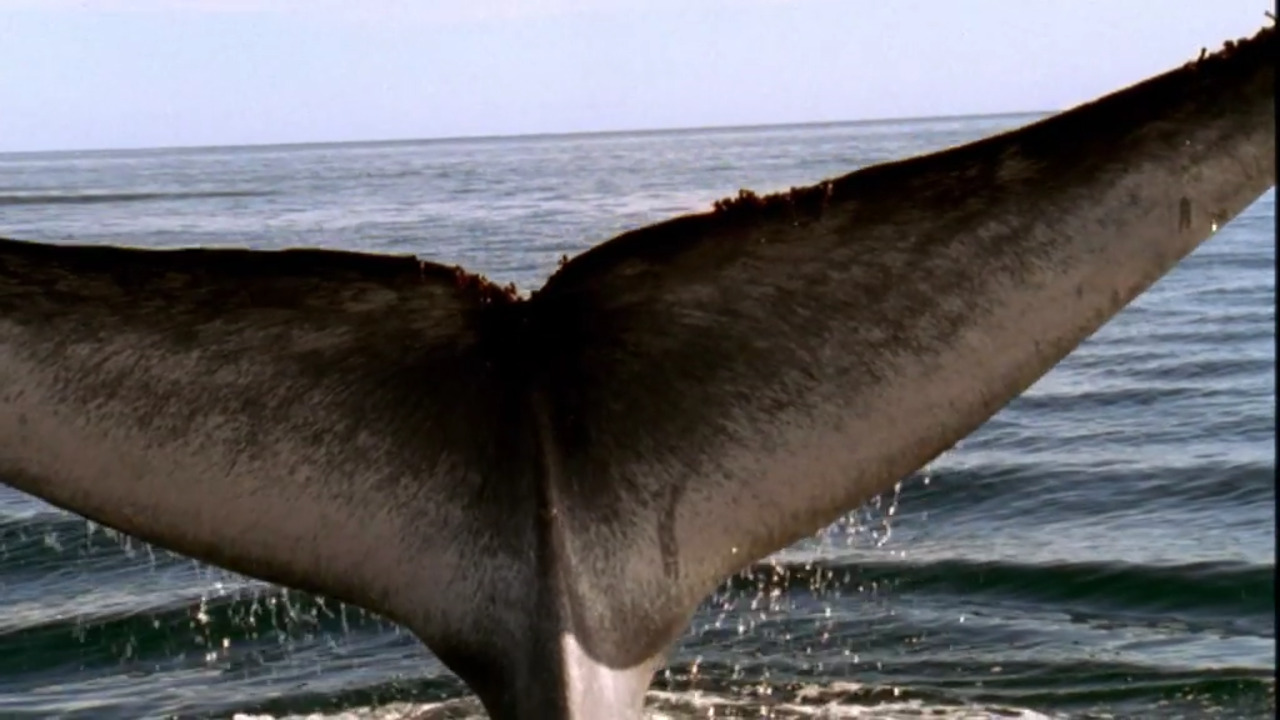
In The Blue Whale is The Biggest Animal That Has Ever Lived, narrator Sir David Attenborough investigates the largest animal on Earth, the blue whale, and what it reminds us about the oceans. This video is excerpted from BBC’s Blue Planet, a definitive documentary series diving into the mysterious depths of the sea to discover the natural history of the world’s oceans and the rarely seen marine life that reside there.
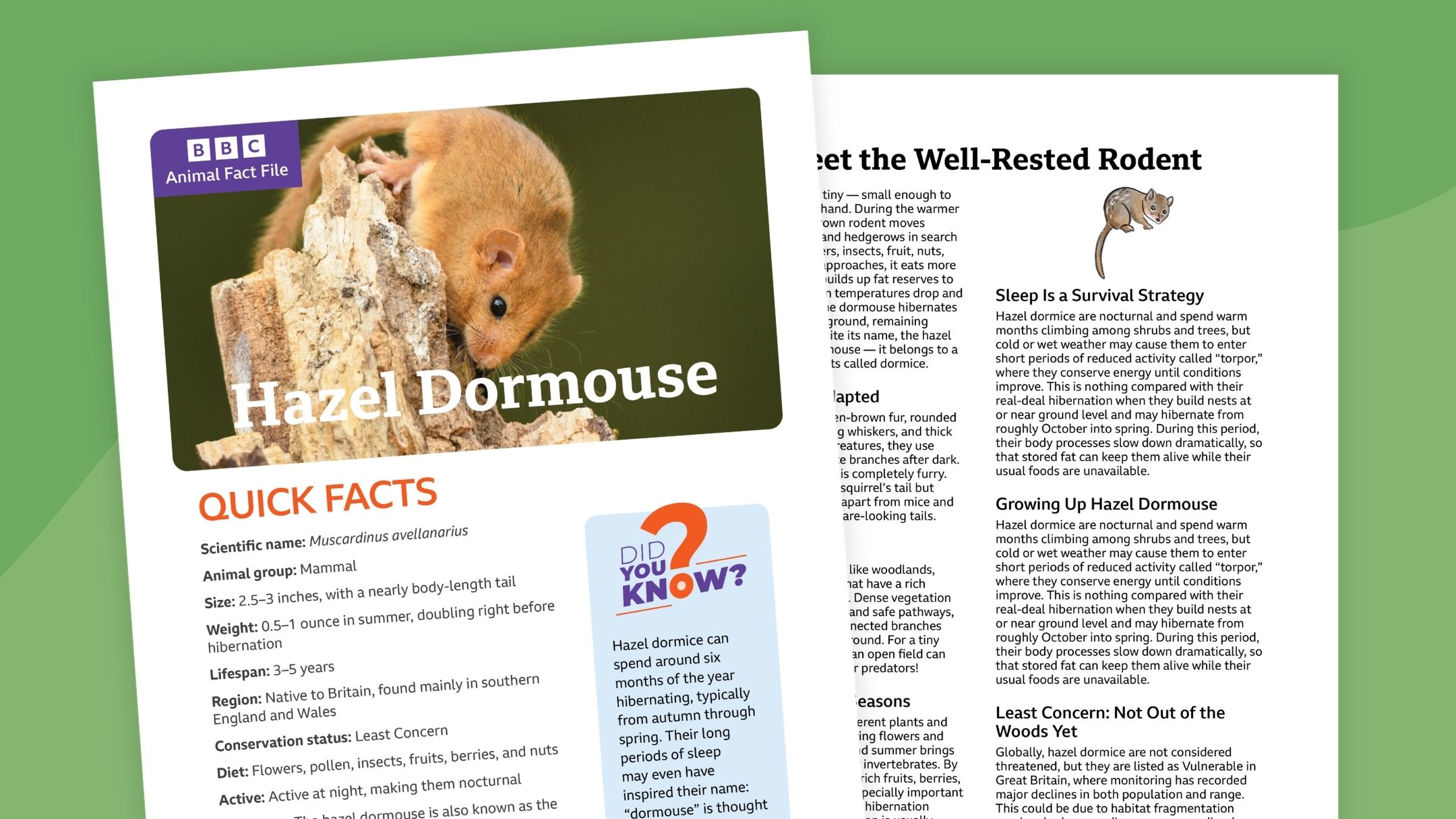
Could you sleep for six months and still have plenty of energy when you wake up? The hazel dormouse does just that, spending much of the colder part of the year in hibernation.
This tiny golden-brown rodent spends the warmer months climbing through trees and hedgerows, eating flowers, insects, berries, and nuts before preparing for winter. Discover how a dormouse’s furry tail and large eyes help it navigate after dark, why autumn is a race to build up energy reserves, and how its long winter sleep helps it survive when food is scarce. You'll also find out why these little climbers need connected woodlands and hedgerows to thrive.
Teachers and parents, you can use this fact file to:
- Introduce an animal, wildlife, or life science unit
- Support nonfiction reading and vocabulary practice
- Explore animal adaptations, behaviors, and habitats
- Compare animals and the ecosystems they live in
- Practice finding and organizing information from nonfiction texts
- Prepare students for animal research projects or presentations (use our animal report templates!)
- Connect science learning to conservation and environmental issues
- Pair with videos, articles, or other informational texts (see Related Resources below)
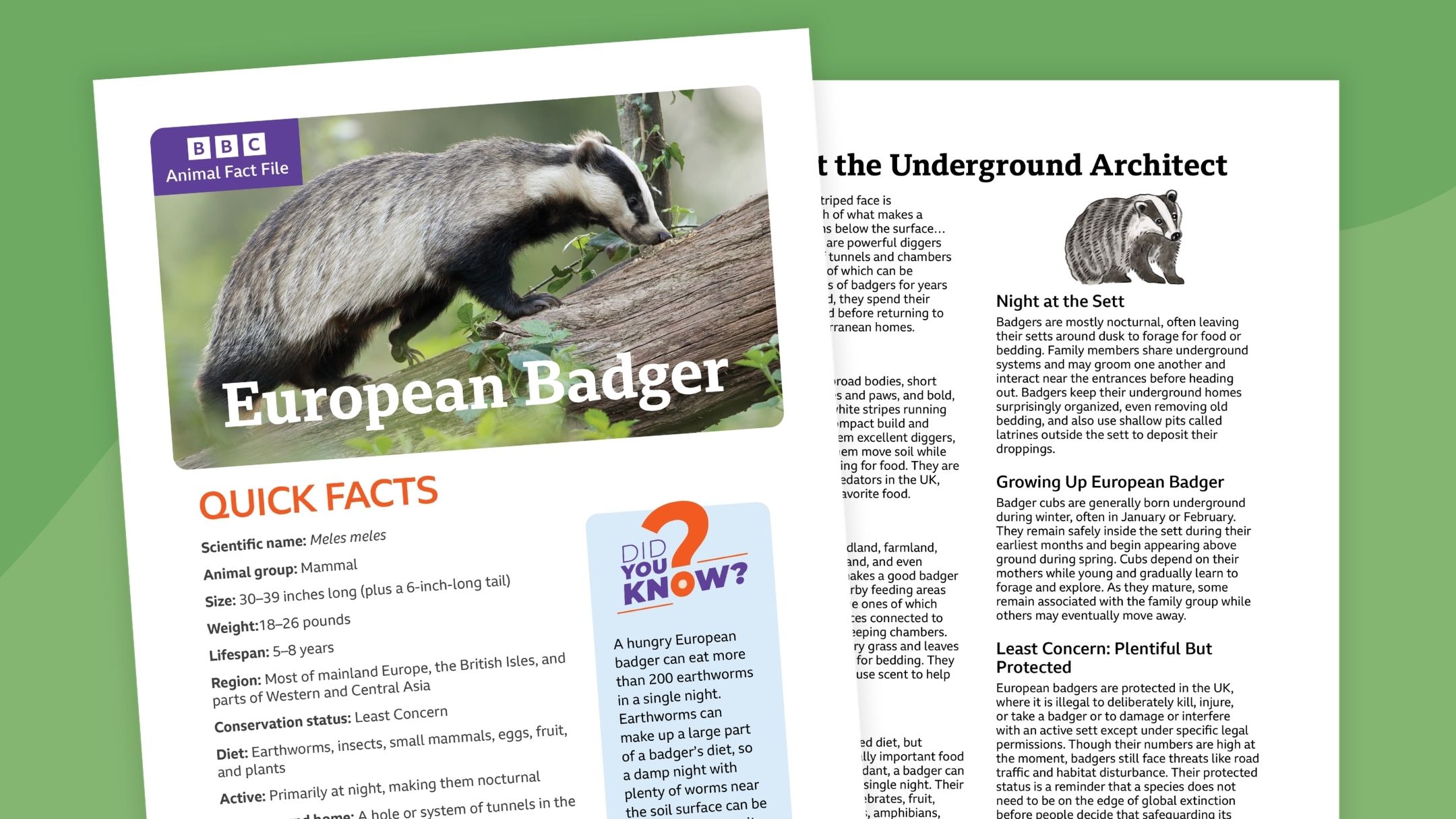
How many earthworms could a hungry badger eat in one night? More than 200 — and that’s just one of the surprising things about this underground-dwelling mammal.
Meet the European badger, a powerful digger that spends its days below ground and its nights exploring above it. Take a look inside a badger’s sett, discover how its strong claws and keen sense of smell help it find food, and find out why earthworms are such an important part of its diet. You'll also learn how badger families live together, raise their cubs, and keep their underground homes in order.
Teachers and parents, you can use this fact file to:
- Introduce an animal, wildlife, or life science unit
- Support nonfiction reading and vocabulary practice
- Explore animal adaptations, behaviors, and habitats
- Compare animals and the ecosystems they live in
- Practice finding and organizing information from nonfiction texts
- Prepare students for animal research projects or presentations (use our animal report templates!)
- Connect science learning to conservation and environmental issues
- Pair with videos, articles, or other informational texts (see Related Resources below)
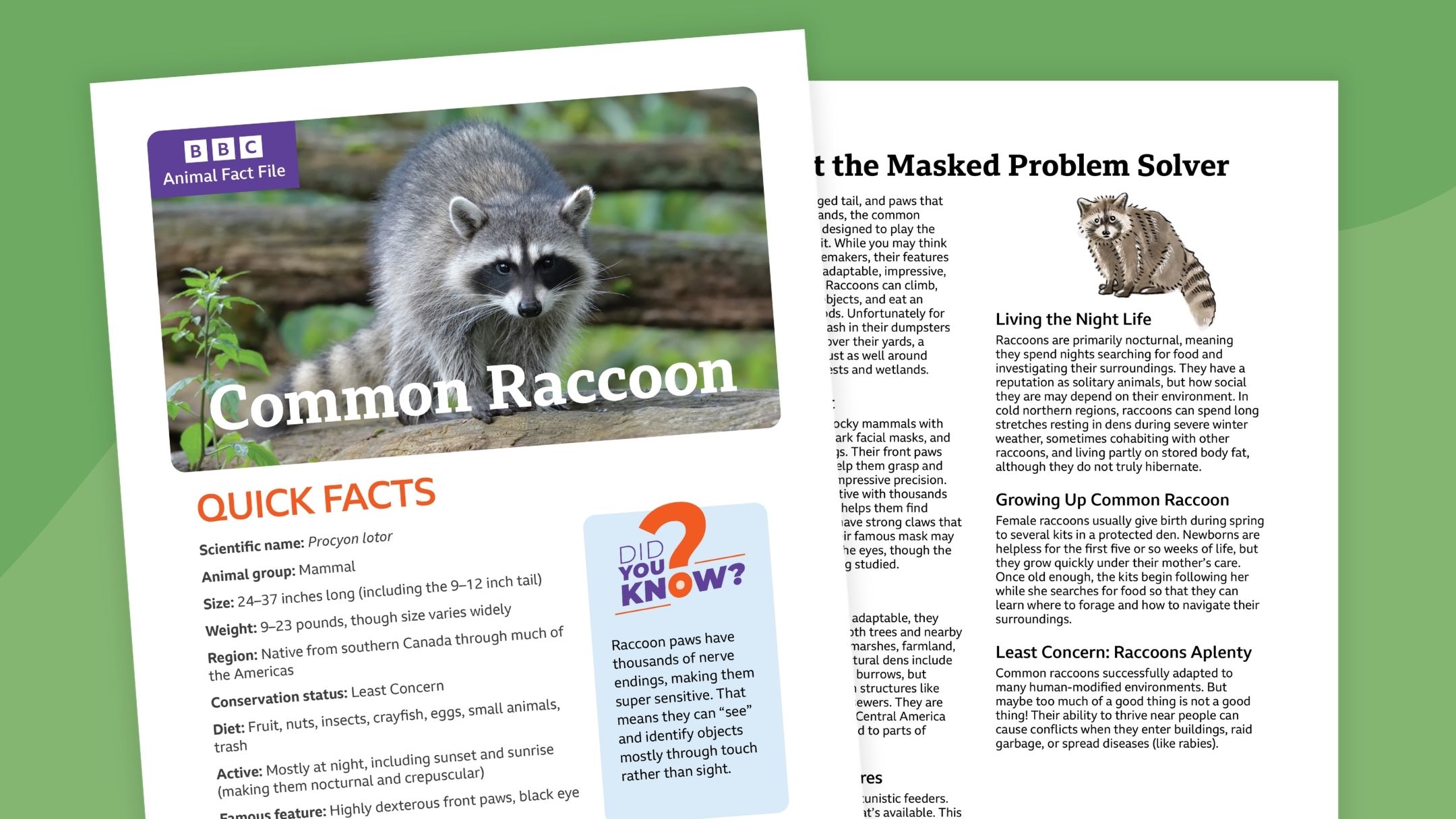
How can an animal identify what it’s holding without even looking at it? For the common raccoon, the answer is all in its paws.
Raccoons are equipped with remarkably sensitive front paws that help them explore, handle food, and investigate their surroundings. Find out how these dexterous mammals use touch, climbing skills, and an anything-goes diet to thrive in forests, wetlands, and neighborhoods. You'll also discover why raccoons sometimes seem to “wash” their food, where they sleep during the day, and how their adaptability can create both opportunities and challenges when they live near people.
Teachers and parents, you can use this fact file to:
- Introduce an animal, wildlife, or life science unit
- Support nonfiction reading and vocabulary practice
- Explore animal adaptations, behaviors, and habitats
- Compare animals and the ecosystems they live in
- Practice finding and organizing information from nonfiction texts
- Prepare students for animal research projects or presentations (use our animal report templates!)
- Connect science learning to conservation and environmental issues
- Pair with videos, articles, or other informational texts (see Related Resources below)
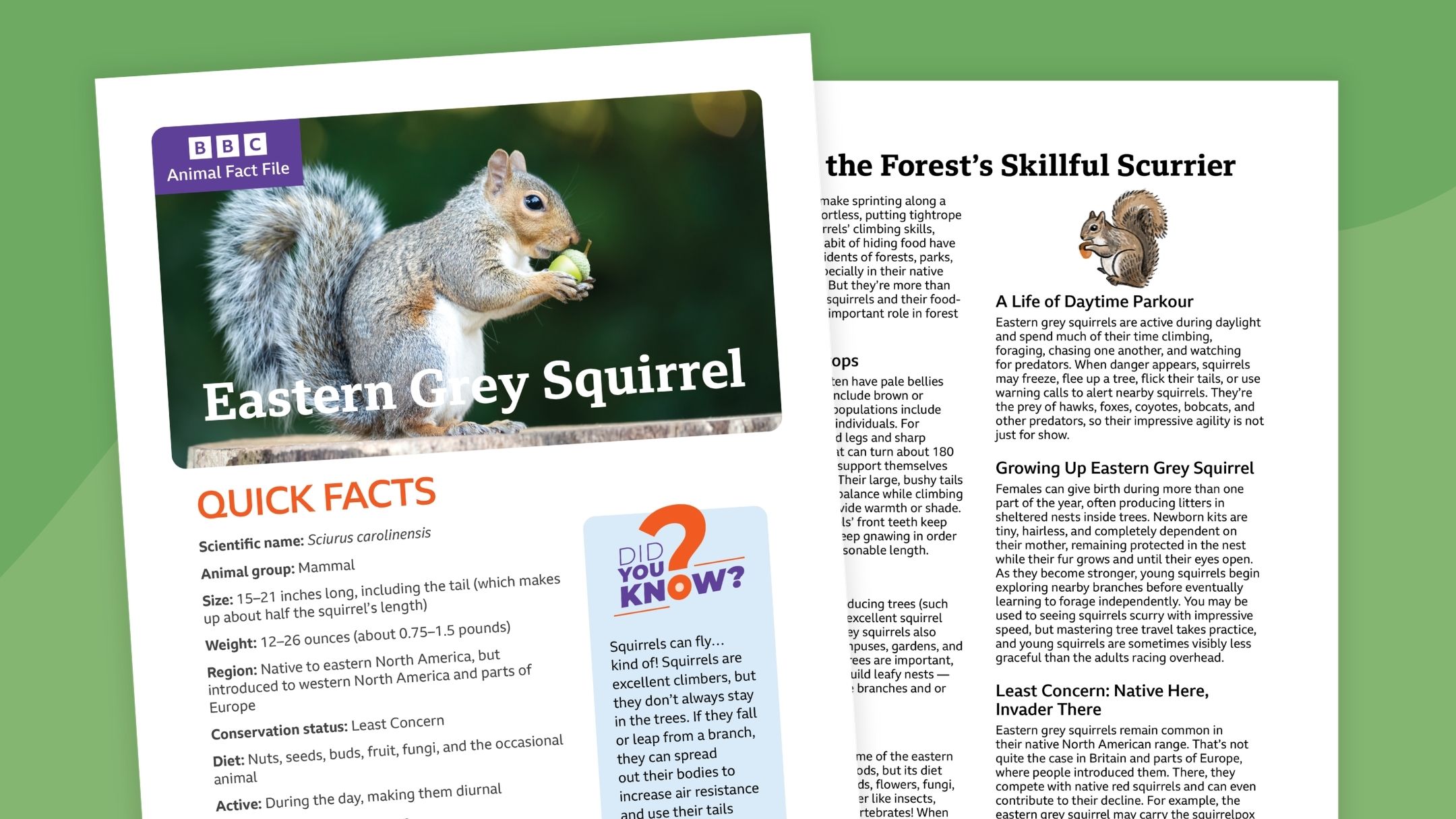
Can a squirrel really fly? Not exactly — but it can leap, fall, and glide through the air with surprising control.
Eastern grey squirrels may be familiar sights in parks and backyards, but there’s a lot going on behind those quick paws and bushy tails. Explore the climbing skills that help them navigate the treetops, the clever way they stash food for later, and the surprising role those forgotten nuts can play in growing new trees. You'll also discover how squirrels communicate, raise their young, and adapt to life in both forests and human neighborhoods.
Teachers and parents, you can use this fact file to:
- Introduce an animal, wildlife, or life science unit
- Support nonfiction reading and vocabulary practice
- Explore animal adaptations, behaviors, and habitats
- Compare animals and the ecosystems they live in
- Practice finding and organizing information from nonfiction texts
- Prepare students for animal research projects or presentations (use our animal report templates!)
- Connect science learning to conservation and environmental issues
- Pair with videos, articles, or other informational texts (see Related Resources below)
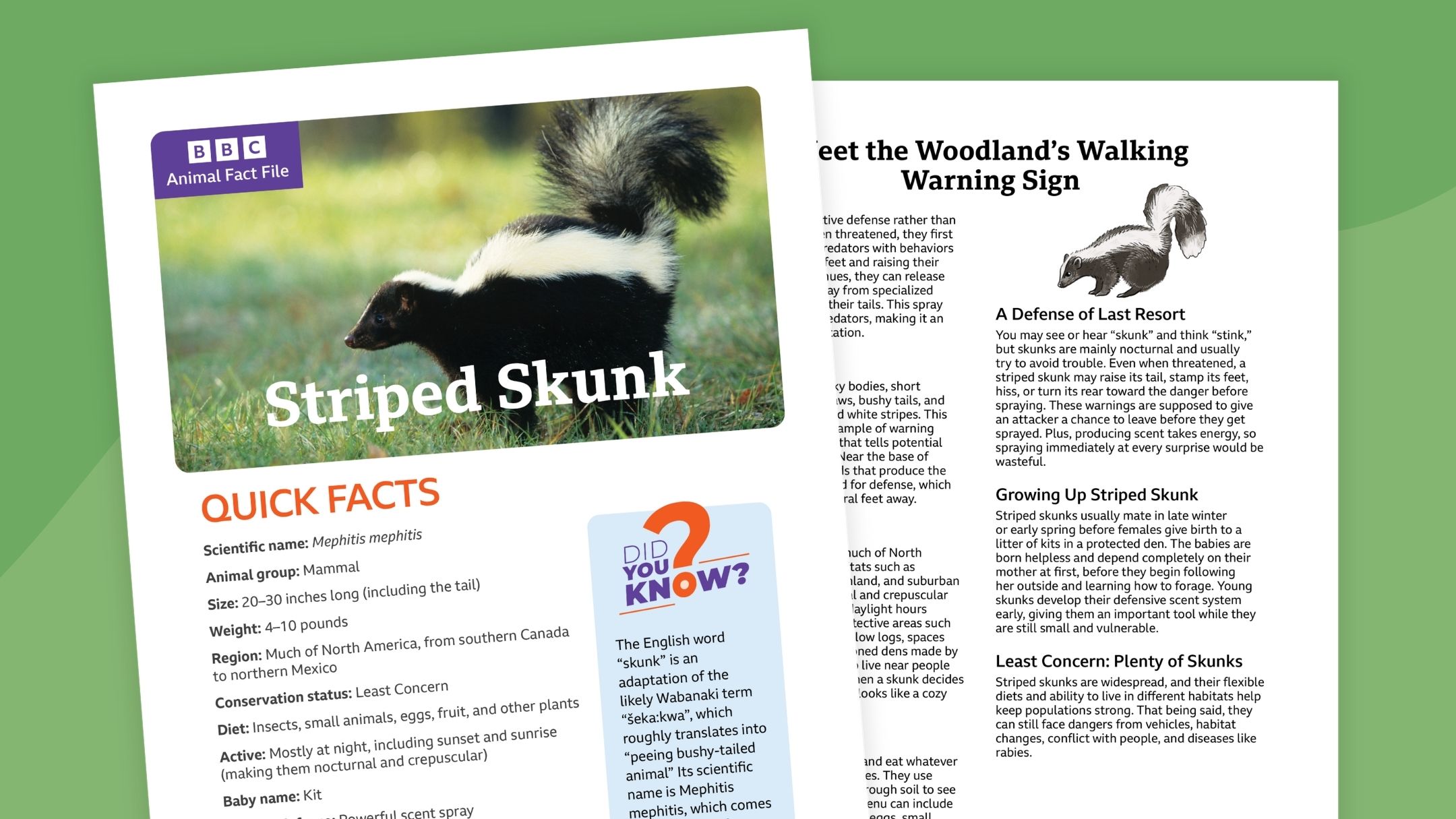
What animal can warn an attacker with stomps, raised fur, and a lifted tail before turning its rear end into a surprisingly powerful defense?
Meet the striped skunk, a small mammal with a big reputation. Find out how its bold black-and-white markings serve as a warning, why spraying is actually a last resort, and how its sharp claws help it dig up dinner. You'll also discover where skunks make their homes, what they eat, and how these mostly nighttime animals manage to live surprisingly close to people.
Teachers and parents, you can use this fact file to:
- Introduce an animal, wildlife, or life science unit
- Support nonfiction reading and vocabulary practice
- Explore animal adaptations, behaviors, and habitats
- Compare animals and the ecosystems they live in
- Practice finding and organizing information from nonfiction texts
- Prepare students for animal research projects or presentations (use our animal report templates!)
- Connect science learning to conservation and environmental issues
- Pair with videos, articles, or other informational texts (see Related Resources below)
What makes a shark one of the ocean’s most remarkable predators? From powerful great whites to tiny reef-dwellers, sharks come in all shapes and sizes, each with its own way of life.
Explore the world of these extraordinary fish, discover what they eat and where they live, and uncover the special adaptations that help them hunt, navigate the ocean, and survive. Meet sharks from around the world, learn how they reproduce and raise their young, and find out about the challenges they face in the wild and why protecting these ancient predators matters.
Which woodland animals scamper through the trees, forage for food, or quietly explore the undergrowth? From quick-footed foxes to busy squirrels, woodlands are home to an amazing variety of wildlife, each with its own way of life.
Meet the animals that share our woodlands and neighborhoods, from hedgehogs and badgers to deer, ducks, and raccoons. Explore their habitats, discover what they eat and how they raise their young, and uncover the remarkable adaptations that help them survive. You’ll also learn how these animals interact with their surroundings and why protecting their habitats matters.
Which owl can hunt silently through the night, spot prey across snowy landscapes, or grow large enough to rival some eagles in size? Owls come in all shapes and sizes, and each has its own remarkable way of life.
From the ghostly barn owl to the powerful eagle owl, these birds of prey have evolved extraordinary features to help them hunt, navigate their habitats, and survive. Explore five fascinating owl species — the great grey owl, barn owl, Eurasian eagle owl, snowy owl, and tawny owl — to discover what they eat, where they live, how they raise their young, and what makes each one unique. You'll also learn about the challenges some owls face in the wild and why protecting their habitats matters.
In Patagotitan — The Largest Animal to Walk the Planet, naturalist Steve Backshall explores this seriously huge dinosaur and its massive heart, which measured over 6.5 feet (2 meters) in circumference. Plus, watch an experiment take place to visualize just how powerful the Patagotitan’s heart had to be in order to pump blood throughout its body. This video is excerpted from BBC’s Deadly Dinosaurs, a documentary series in which host Steve Backshall is on the hunt for the deadliest animals to have walked the Earth — dinosaurs — exploring features of several species and putting their abilities to the test to reveal the raw power of these creatures.
In The Blooming Sea: Animal Life Reacts, narrator Sir David Attenborough describes the scale of the plankton bloom. Learn about how copepods grow and thrive until predators find them. This video is excerpted from BBC’s Blue Planet, a definitive documentary series diving into the mysterious depths of the sea to discover the natural history of the world’s oceans and the rarely seen marine life that reside there.
In Animal Adaptations Due to Receding Tides, narrator Sir David Attenborough explains how invertebrates in the mud are impacted by the receding tide, how flounder use the currents, and how ospreys hunt. Observe animal adaptations in the wading birds and the flounder. This video is excerpted from BBC’s Blue Planet, a definitive documentary series diving into the mysterious depths of the sea to discover the natural history of the world’s oceans and the rarely seen marine life that reside there.
In The Blue Whale is The Biggest Animal That Has Ever Lived, narrator Sir David Attenborough investigates the largest animal on Earth, the blue whale, and what it reminds us about the oceans. This video is excerpted from BBC’s Blue Planet, a definitive documentary series diving into the mysterious depths of the sea to discover the natural history of the world’s oceans and the rarely seen marine life that reside there.
Could you sleep for six months and still have plenty of energy when you wake up? The hazel dormouse does just that, spending much of the colder part of the year in hibernation.
This tiny golden-brown rodent spends the warmer months climbing through trees and hedgerows, eating flowers, insects, berries, and nuts before preparing for winter. Discover how a dormouse’s furry tail and large eyes help it navigate after dark, why autumn is a race to build up energy reserves, and how its long winter sleep helps it survive when food is scarce. You'll also find out why these little climbers need connected woodlands and hedgerows to thrive.
Teachers and parents, you can use this fact file to:
- Introduce an animal, wildlife, or life science unit
- Support nonfiction reading and vocabulary practice
- Explore animal adaptations, behaviors, and habitats
- Compare animals and the ecosystems they live in
- Practice finding and organizing information from nonfiction texts
- Prepare students for animal research projects or presentations (use our animal report templates!)
- Connect science learning to conservation and environmental issues
- Pair with videos, articles, or other informational texts (see Related Resources below)
How many earthworms could a hungry badger eat in one night? More than 200 — and that’s just one of the surprising things about this underground-dwelling mammal.
Meet the European badger, a powerful digger that spends its days below ground and its nights exploring above it. Take a look inside a badger’s sett, discover how its strong claws and keen sense of smell help it find food, and find out why earthworms are such an important part of its diet. You'll also learn how badger families live together, raise their cubs, and keep their underground homes in order.
Teachers and parents, you can use this fact file to:
- Introduce an animal, wildlife, or life science unit
- Support nonfiction reading and vocabulary practice
- Explore animal adaptations, behaviors, and habitats
- Compare animals and the ecosystems they live in
- Practice finding and organizing information from nonfiction texts
- Prepare students for animal research projects or presentations (use our animal report templates!)
- Connect science learning to conservation and environmental issues
- Pair with videos, articles, or other informational texts (see Related Resources below)
How can an animal identify what it’s holding without even looking at it? For the common raccoon, the answer is all in its paws.
Raccoons are equipped with remarkably sensitive front paws that help them explore, handle food, and investigate their surroundings. Find out how these dexterous mammals use touch, climbing skills, and an anything-goes diet to thrive in forests, wetlands, and neighborhoods. You'll also discover why raccoons sometimes seem to “wash” their food, where they sleep during the day, and how their adaptability can create both opportunities and challenges when they live near people.
Teachers and parents, you can use this fact file to:
- Introduce an animal, wildlife, or life science unit
- Support nonfiction reading and vocabulary practice
- Explore animal adaptations, behaviors, and habitats
- Compare animals and the ecosystems they live in
- Practice finding and organizing information from nonfiction texts
- Prepare students for animal research projects or presentations (use our animal report templates!)
- Connect science learning to conservation and environmental issues
- Pair with videos, articles, or other informational texts (see Related Resources below)
Can a squirrel really fly? Not exactly — but it can leap, fall, and glide through the air with surprising control.
Eastern grey squirrels may be familiar sights in parks and backyards, but there’s a lot going on behind those quick paws and bushy tails. Explore the climbing skills that help them navigate the treetops, the clever way they stash food for later, and the surprising role those forgotten nuts can play in growing new trees. You'll also discover how squirrels communicate, raise their young, and adapt to life in both forests and human neighborhoods.
Teachers and parents, you can use this fact file to:
- Introduce an animal, wildlife, or life science unit
- Support nonfiction reading and vocabulary practice
- Explore animal adaptations, behaviors, and habitats
- Compare animals and the ecosystems they live in
- Practice finding and organizing information from nonfiction texts
- Prepare students for animal research projects or presentations (use our animal report templates!)
- Connect science learning to conservation and environmental issues
- Pair with videos, articles, or other informational texts (see Related Resources below)
What animal can warn an attacker with stomps, raised fur, and a lifted tail before turning its rear end into a surprisingly powerful defense?
Meet the striped skunk, a small mammal with a big reputation. Find out how its bold black-and-white markings serve as a warning, why spraying is actually a last resort, and how its sharp claws help it dig up dinner. You'll also discover where skunks make their homes, what they eat, and how these mostly nighttime animals manage to live surprisingly close to people.
Teachers and parents, you can use this fact file to:
- Introduce an animal, wildlife, or life science unit
- Support nonfiction reading and vocabulary practice
- Explore animal adaptations, behaviors, and habitats
- Compare animals and the ecosystems they live in
- Practice finding and organizing information from nonfiction texts
- Prepare students for animal research projects or presentations (use our animal report templates!)
- Connect science learning to conservation and environmental issues
- Pair with videos, articles, or other informational texts (see Related Resources below)