In Exploring the Hidden Caves and Ancient Wonders of Cappadocia, host Joanna Lumley explores the fascinating underground world of Cappadocia, where thousands of caves have been transformed into homes and religious sites. Visit a monastery dating back to Turkey's Christian period and a restored church. Beneath the surface, a newly discovered network of caves used by ancient traders is revealed, highlighting the rich history of the region. This video is excerpted from BBC’s Joanna Lumley’s Silk Road Adventure, a documentary series uncovering the rich history and cultural treasures of the Silk Road.
Discover the story behind the Colosseum, one of the most famous landmarks of the ancient world. Students will explore where the Colosseum is located, why it was built, and how it became a powerful symbol of life in the Roman Empire.
This Kahoot examines the history and design of the Colosseum, including the events held inside the massive arena, the engineering techniques used to construct it, and the role it played in entertainment and Roman society. Students will also discover fascinating facts about gladiators, architecture, and daily life in ancient Rome.
Ideal for lessons on history, world cultures, architecture, and geography, this Kahoot encourages students to explore the lasting legacy of one of the world’s most iconic ancient monuments.
In Persepolis, Crown of the Persian Empire, host Joanna Lumley explores the ancient Iranian city of Persepolis, founded by Darius the Great in 518 B.C. She uncovers how the city was used for ceremonial purposes and showcases the grandeur of the Persian Empire, which at one point ruled over 44% of the world’s population. Using AI, Joanna visualizes what the city may have looked like in its prime and explains why it was destroyed just 200 years after its creation. This video is excerpted from BBC’s Joanna Lumley’s Silk Road Adventure, a documentary series uncovering the rich history and cultural treasures of the Silk Road.
In The Via Egnatia, host Joanna Lumley explores the remains of an ancient Roman road stretching from Durres in Albania to Istanbul in Turkey. Though much of the road has disappeared over time, sections are still visible today. Joanna embarks on a journey to find the original path, uncovering the history and significance of this ancient route. This video is excerpted from BBC’s Joanna Lumley’s Silk Road Adventure, a documentary series uncovering the rich history and cultural treasures of the Silk Road.
Journey across Great Wall of China and discover the story behind one of the most impressive structures ever built. Students will explore how different sections of the wall were constructed over centuries, why rulers believed it was important for protection and defense, and what it reveals about power, leadership, and human determination.
This Kahoot examines the history and engineering of the Great Wall, including the materials used to build it, the soldiers and workers who maintained it, and the challenges of constructing such a massive structure across mountains and deserts. Students will also discover why the wall became one of the New Seven Wonders of the World and remains one of the world’s most recognizable landmarks.
Ideal for lessons on history, geography, engineering, and world cultures, this Kahoot encourages students to explore the lasting legacy of ancient Chinese civilization and one of humanity’s greatest building achievements.
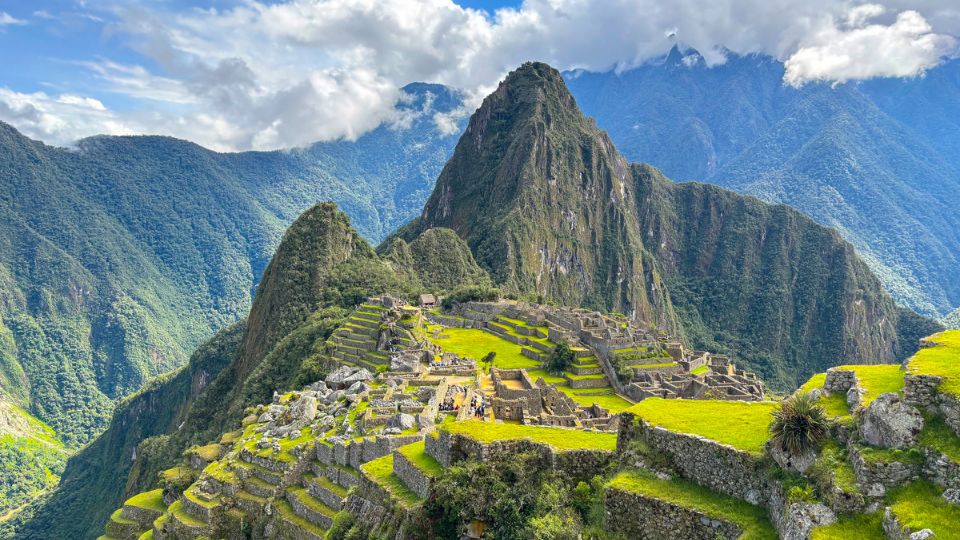
Discover the mysteries of Machu Picchu, the ancient Inca city hidden high in the Andes Mountains. Students will explore who built this remarkable mountain settlement, why it may have been abandoned, and how it became one of the New Seven Wonders of the World.
This Kahoot examines the engineering, architecture, and beliefs of the Inca Empire, including the stone structures, terraces, and pathways that allowed people to live in harmony with the steep mountain environment. Students will also discover what Machu Picchu reveals about Inca culture, religion, and scientific understanding.
Ideal for lessons on history, geography, engineering, and world cultures, this Kahoot encourages students to explore the lasting achievements and ingenuity of one of the world’s most fascinating ancient civilizations.
The article "Daily Life in Ancient Egypt: How Ordinary People Lived Beneath the Pharaohs" from BBC's HistoryExtra explores the lives of regular Egyptians who built a great civilization. Egyptologist Joyce Tyldesley describes family roles, childbirth, jobs, homes, diet, clothing, medicine, religion, and burial customs.
In Agriculture in Ancient Uruk, archaeologist and historian Richard Miles explains how agricultural surplus in ancient Uruk led to diversification, specialization, and the rise of class systems. From craftsmen to rulers, the transformation laid the groundwork for the first class conflicts. This video is excerpted from BBC’s Ancient Worlds, an epic series with archaeologist and historian Richard Miles as he explores the roots of civilization from Mesopotamia to the fall of the Roman Empire.
In Democracy and Conflict in Ancient Greece, archaeologist and historian Richard Miles explains the duality of ancient Greece. Advances in philosophy, democracy, and the arts coexisted with political discord, social unrest, and violent power struggles. This video is excerpted from BBC’s Ancient Worlds, an epic series with archaeologist and historian Richard Miles as he explores the roots of civilization from Mesopotamia to the fall of the Roman Empire.
In Political Life in Ancient Greek City-States, archaeologist and historian Richard Miles explains how city-states emerged in Ancient Greece, from the 8th to the 5th Century BC. Small, independent towns formed powerful political entities, each with its own culture and government. This video is excerpted from BBC’s Ancient Worlds, an epic series with archaeologist and historian Richard Miles as he explores the roots of civilization from Mesopotamia to the fall of the Roman Empire.
In Transformations of the Bronze Age, archaeologist and historian Richard Miles reveals how bronze transformed ancient societies. It shaped tools, weapons, economies, and trade routes. Bronze Age civilizations were interconnected and collaborative, sharing material and information across trade routes. This video is excerpted from BBC’s Ancient Worlds, an epic series with archaeologist and historian Richard Miles as he explores the roots of civilization from Mesopotamia to the fall of the Roman Empire.
In Naram-Sin, Mesopotamia's God-King, archaeologist and historian Richard Miles explains the rise of Naram-Sin, Mesopotamia’s first deified king. Mesopotamia and ancient Egypt were different and unique, but both relied on geography and divinity. This video is excerpted from BBC’s Ancient Worlds, an epic series with archaeologist and historian Richard Miles as he explores the roots of civilization from Mesopotamia to the fall of the Roman Empire.
In Exploring the Hidden Caves and Ancient Wonders of Cappadocia, host Joanna Lumley explores the fascinating underground world of Cappadocia, where thousands of caves have been transformed into homes and religious sites. Visit a monastery dating back to Turkey's Christian period and a restored church. Beneath the surface, a newly discovered network of caves used by ancient traders is revealed, highlighting the rich history of the region. This video is excerpted from BBC’s Joanna Lumley’s Silk Road Adventure, a documentary series uncovering the rich history and cultural treasures of the Silk Road.
Discover the story behind the Colosseum, one of the most famous landmarks of the ancient world. Students will explore where the Colosseum is located, why it was built, and how it became a powerful symbol of life in the Roman Empire.
This Kahoot examines the history and design of the Colosseum, including the events held inside the massive arena, the engineering techniques used to construct it, and the role it played in entertainment and Roman society. Students will also discover fascinating facts about gladiators, architecture, and daily life in ancient Rome.
Ideal for lessons on history, world cultures, architecture, and geography, this Kahoot encourages students to explore the lasting legacy of one of the world’s most iconic ancient monuments.
In Persepolis, Crown of the Persian Empire, host Joanna Lumley explores the ancient Iranian city of Persepolis, founded by Darius the Great in 518 B.C. She uncovers how the city was used for ceremonial purposes and showcases the grandeur of the Persian Empire, which at one point ruled over 44% of the world’s population. Using AI, Joanna visualizes what the city may have looked like in its prime and explains why it was destroyed just 200 years after its creation. This video is excerpted from BBC’s Joanna Lumley’s Silk Road Adventure, a documentary series uncovering the rich history and cultural treasures of the Silk Road.
In The Via Egnatia, host Joanna Lumley explores the remains of an ancient Roman road stretching from Durres in Albania to Istanbul in Turkey. Though much of the road has disappeared over time, sections are still visible today. Joanna embarks on a journey to find the original path, uncovering the history and significance of this ancient route. This video is excerpted from BBC’s Joanna Lumley’s Silk Road Adventure, a documentary series uncovering the rich history and cultural treasures of the Silk Road.
Journey across Great Wall of China and discover the story behind one of the most impressive structures ever built. Students will explore how different sections of the wall were constructed over centuries, why rulers believed it was important for protection and defense, and what it reveals about power, leadership, and human determination.
This Kahoot examines the history and engineering of the Great Wall, including the materials used to build it, the soldiers and workers who maintained it, and the challenges of constructing such a massive structure across mountains and deserts. Students will also discover why the wall became one of the New Seven Wonders of the World and remains one of the world’s most recognizable landmarks.
Ideal for lessons on history, geography, engineering, and world cultures, this Kahoot encourages students to explore the lasting legacy of ancient Chinese civilization and one of humanity’s greatest building achievements.
Discover the mysteries of Machu Picchu, the ancient Inca city hidden high in the Andes Mountains. Students will explore who built this remarkable mountain settlement, why it may have been abandoned, and how it became one of the New Seven Wonders of the World.
This Kahoot examines the engineering, architecture, and beliefs of the Inca Empire, including the stone structures, terraces, and pathways that allowed people to live in harmony with the steep mountain environment. Students will also discover what Machu Picchu reveals about Inca culture, religion, and scientific understanding.
Ideal for lessons on history, geography, engineering, and world cultures, this Kahoot encourages students to explore the lasting achievements and ingenuity of one of the world’s most fascinating ancient civilizations.
The article "Daily Life in Ancient Egypt: How Ordinary People Lived Beneath the Pharaohs" from BBC's HistoryExtra explores the lives of regular Egyptians who built a great civilization. Egyptologist Joyce Tyldesley describes family roles, childbirth, jobs, homes, diet, clothing, medicine, religion, and burial customs.
In Agriculture in Ancient Uruk, archaeologist and historian Richard Miles explains how agricultural surplus in ancient Uruk led to diversification, specialization, and the rise of class systems. From craftsmen to rulers, the transformation laid the groundwork for the first class conflicts. This video is excerpted from BBC’s Ancient Worlds, an epic series with archaeologist and historian Richard Miles as he explores the roots of civilization from Mesopotamia to the fall of the Roman Empire.
In Democracy and Conflict in Ancient Greece, archaeologist and historian Richard Miles explains the duality of ancient Greece. Advances in philosophy, democracy, and the arts coexisted with political discord, social unrest, and violent power struggles. This video is excerpted from BBC’s Ancient Worlds, an epic series with archaeologist and historian Richard Miles as he explores the roots of civilization from Mesopotamia to the fall of the Roman Empire.
In Political Life in Ancient Greek City-States, archaeologist and historian Richard Miles explains how city-states emerged in Ancient Greece, from the 8th to the 5th Century BC. Small, independent towns formed powerful political entities, each with its own culture and government. This video is excerpted from BBC’s Ancient Worlds, an epic series with archaeologist and historian Richard Miles as he explores the roots of civilization from Mesopotamia to the fall of the Roman Empire.
In Transformations of the Bronze Age, archaeologist and historian Richard Miles reveals how bronze transformed ancient societies. It shaped tools, weapons, economies, and trade routes. Bronze Age civilizations were interconnected and collaborative, sharing material and information across trade routes. This video is excerpted from BBC’s Ancient Worlds, an epic series with archaeologist and historian Richard Miles as he explores the roots of civilization from Mesopotamia to the fall of the Roman Empire.
In Naram-Sin, Mesopotamia's God-King, archaeologist and historian Richard Miles explains the rise of Naram-Sin, Mesopotamia’s first deified king. Mesopotamia and ancient Egypt were different and unique, but both relied on geography and divinity. This video is excerpted from BBC’s Ancient Worlds, an epic series with archaeologist and historian Richard Miles as he explores the roots of civilization from Mesopotamia to the fall of the Roman Empire.