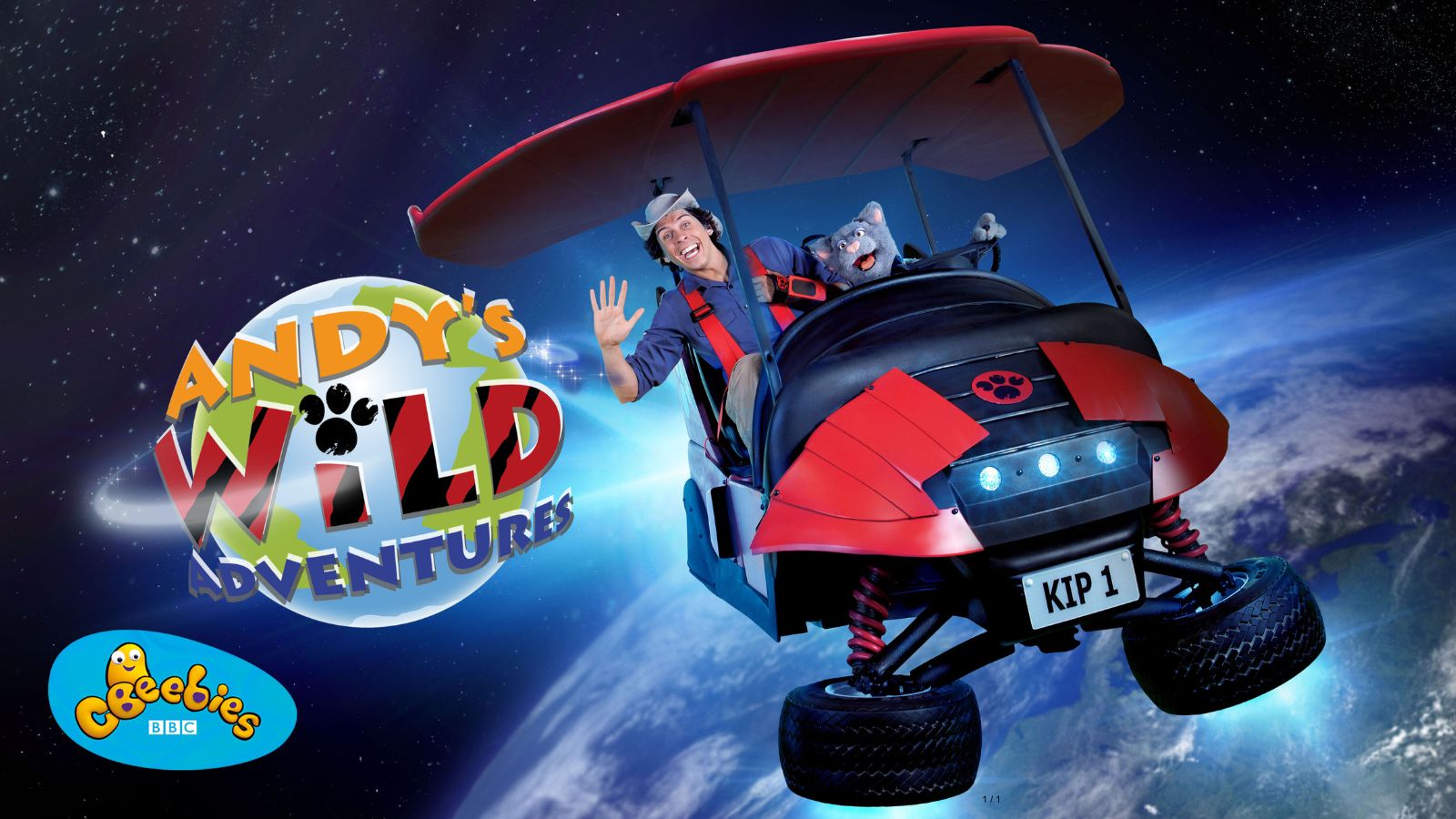
Journey back in time with Andy to see dinosaurs and ancient creatures. Then join him on missions around the globe to meet animals in their habitats and discover their unique behaviors and adaptations.
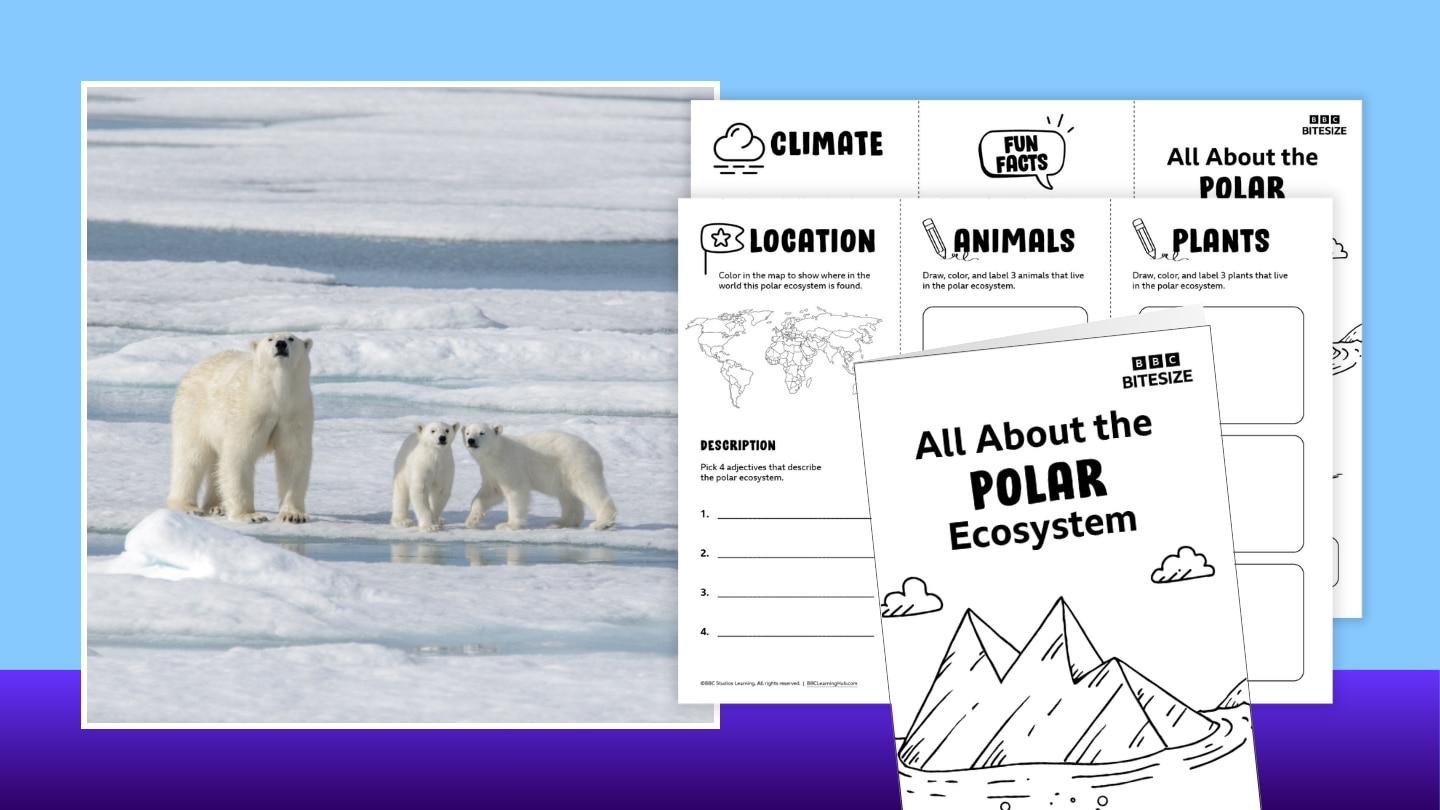
Bring your students on an icy exploration of the polar ecosystem! The Arctic and Antarctica may look frozen and empty at first glance, but they’re full of life perfectly adapted to the cold.
✨ Perfect for grades 3–8, here’s what you need to bring ecosystems to life:
- Iconic BBC Videos: Share the clips on this page to introduce the location, plants, animals, and climate of the polar regions. (Don't miss the narwhals and emperor penguins!) Brought to you by world-class BBC programs like Planet Earth, Frozen Planet, and Seven Worlds, One Planet.
- Free Printable: Use the Polar Brochure Template to help students pull it all together in an ecosystem report with facts they’ve learned (and a little extra research).
It’s everything you need to make ecosystems easy to teach and truly memorable for your students.
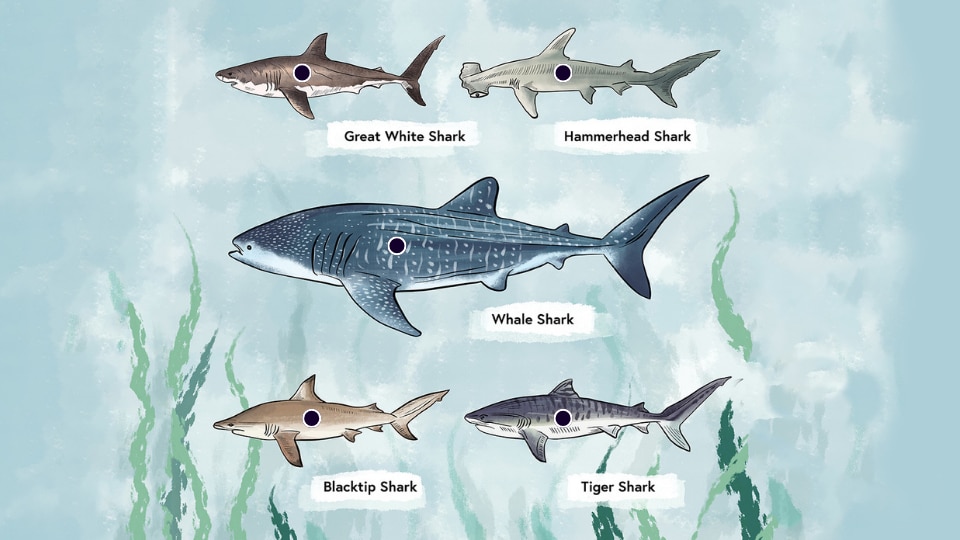
Meet the Sharks is an interactive adventure that lets you explore some of the ocean's most incredible shark species: the great white, hammerhead, whale, blacktip, and tiger shark.
Click on each illustrated shark to watch an exciting educational video from state-of-the-art BBC productions like Blue Planet and Deadly 60. Then click on each shark's name to uncover a fun fact about what makes that species unique — from extraordinary senses to surprising behaviors to mind-blowing adaptations.
Whether you're meeting these amazing fish (that's right — sharks are fish!) for the first time or already know a thing or two about sharks, this interactive experience is a fun way to discover how each species has adapted to life in the ocean. Dive in, explore, and see which shark becomes your favorite!
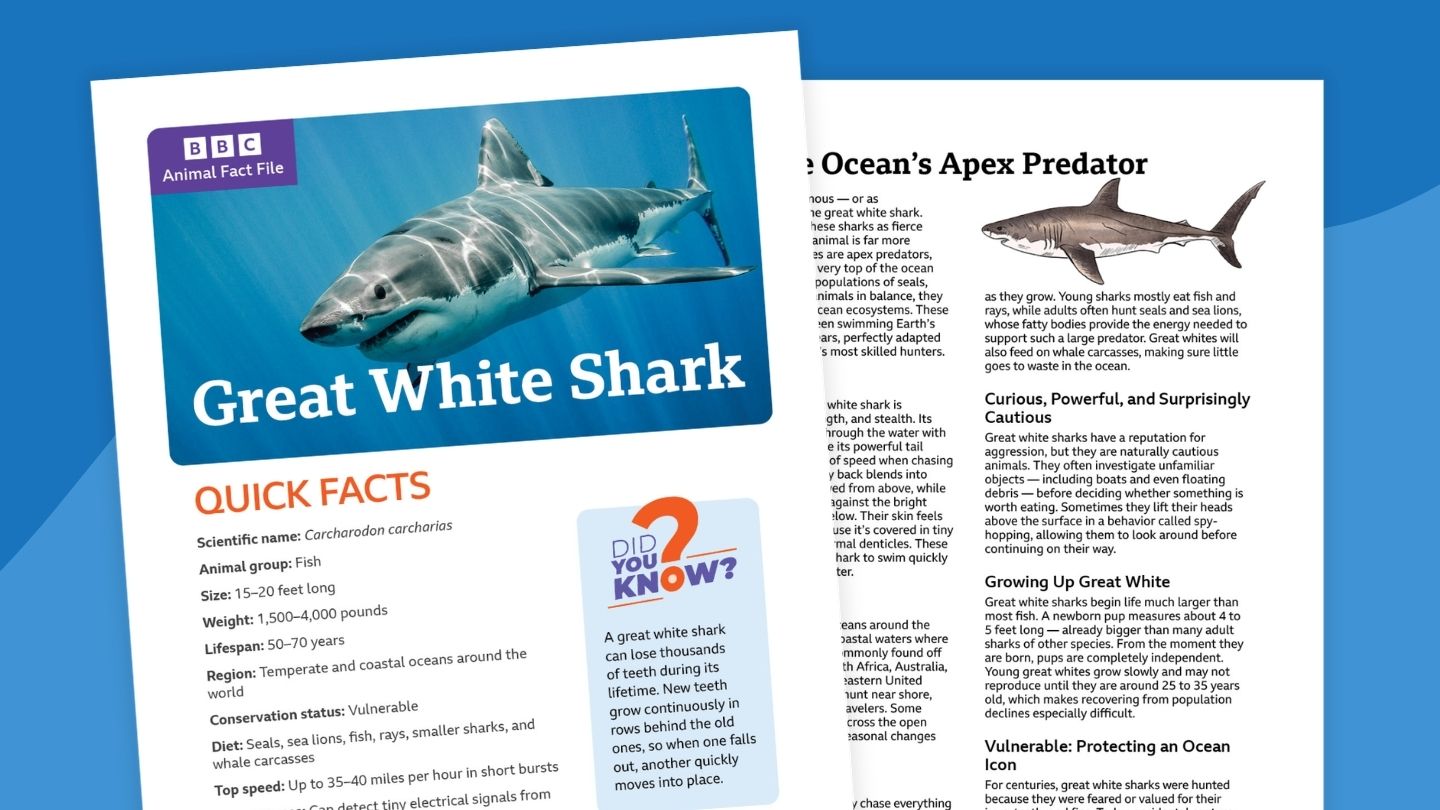
What predator can burst through the ocean at nearly 40 miles per hour, replace thousands of teeth during its lifetime, and help keep marine ecosystems healthy? The answer may surprise you.
Separate fact from fiction as you dive into the world of the great white shark. Discover the incredible adaptations that make it one of the ocean's most successful hunters, from powerful jaws and razor-sharp senses to stealthy hunting strategies. You'll also learn why great white sharks are essential to healthy oceans and how conservation efforts are helping protect this iconic predator.
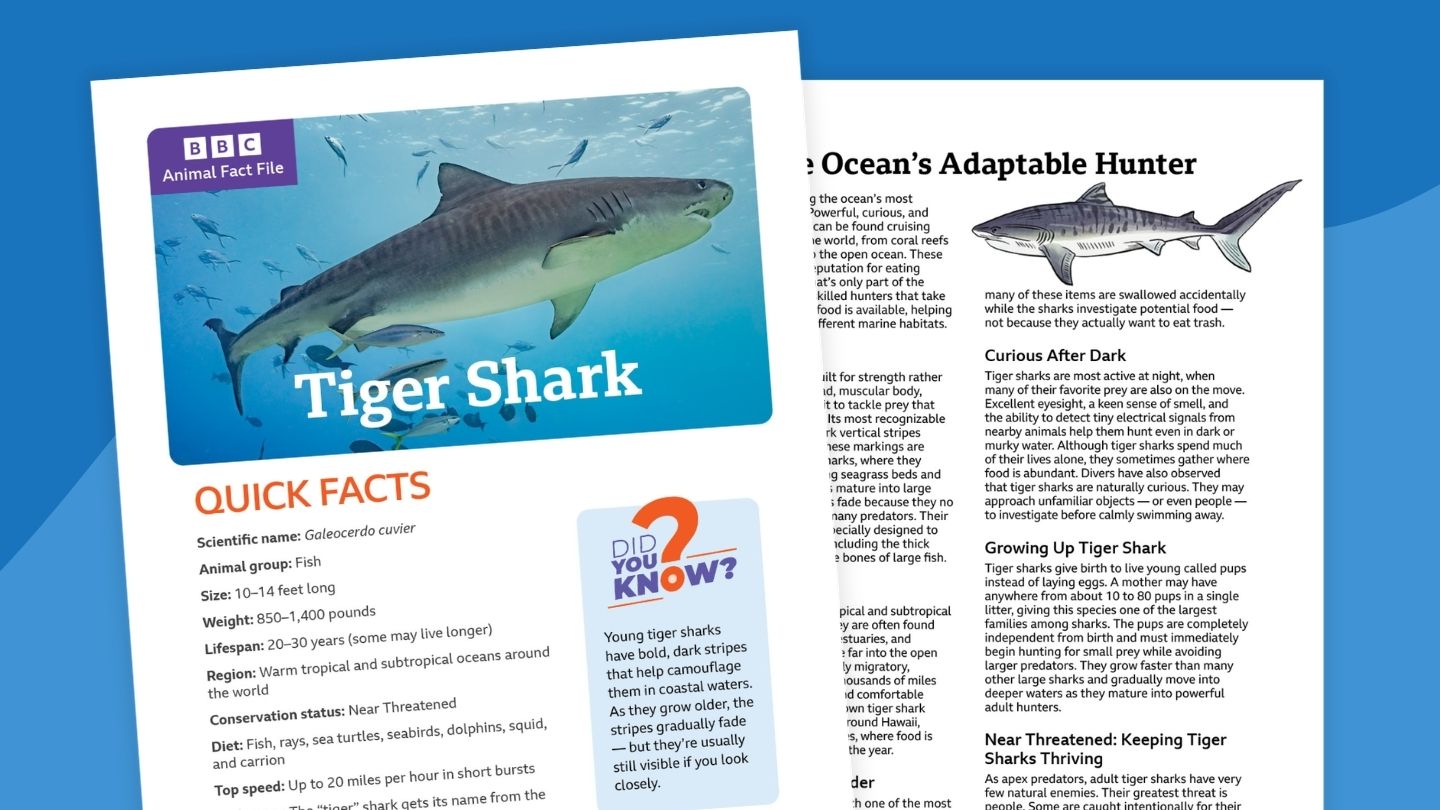
What shark gets its name from the dark stripes along its body and has one of the most varied diets in the ocean? Meet one of the sea's most adaptable predators.
Powerful, curious, and built to thrive in a wide range of habitats, tiger sharks are among the ocean's most successful hunters. Discover how they use their keen senses and powerful jaws to find food, why they migrate across thousands of miles of ocean, and what role they play in keeping marine ecosystems in balance. You'll also learn about the challenges tiger sharks face and the efforts underway to protect them.
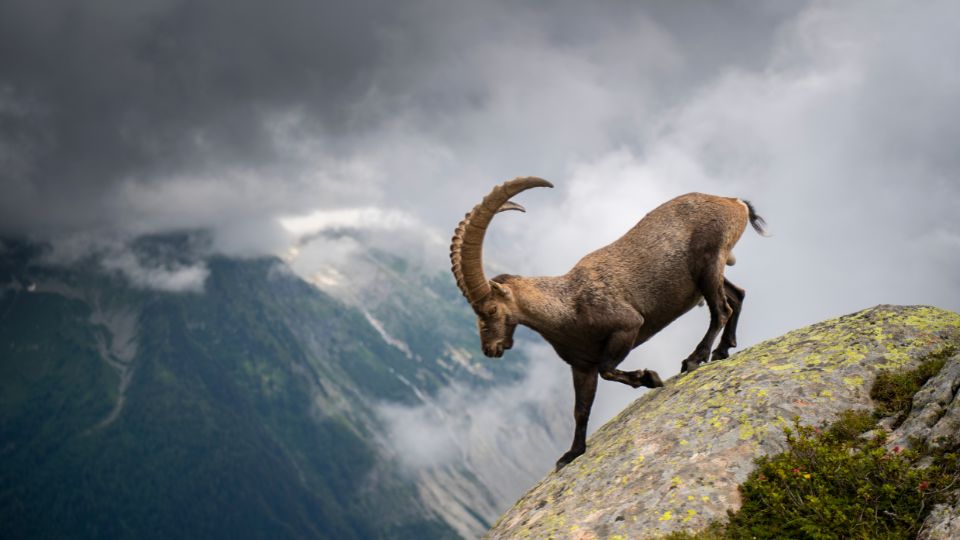
Meet the extreme survivors. Penguins, giraffes, golden snub-nosed monkeys, Namaqua chameleons — these animals have evolved remarkable ways to endure some of the harshest conditions on Earth. We've put together a collection of BBC video clips all about extreme survivors (see Related Resources below). Watch them, then take the Kahoot to see what stuck.
The adaptations are wide-ranging: penguins withstand sub-zero temperatures, giraffes manage naturally high blood pressure, snub-nosed monkeys huddle together to survive freezing nights, and Namaqua chameleons shift skin color to beat the heat of the day. Explore how these animals have adapted, body and behavior, to survive against the odds.
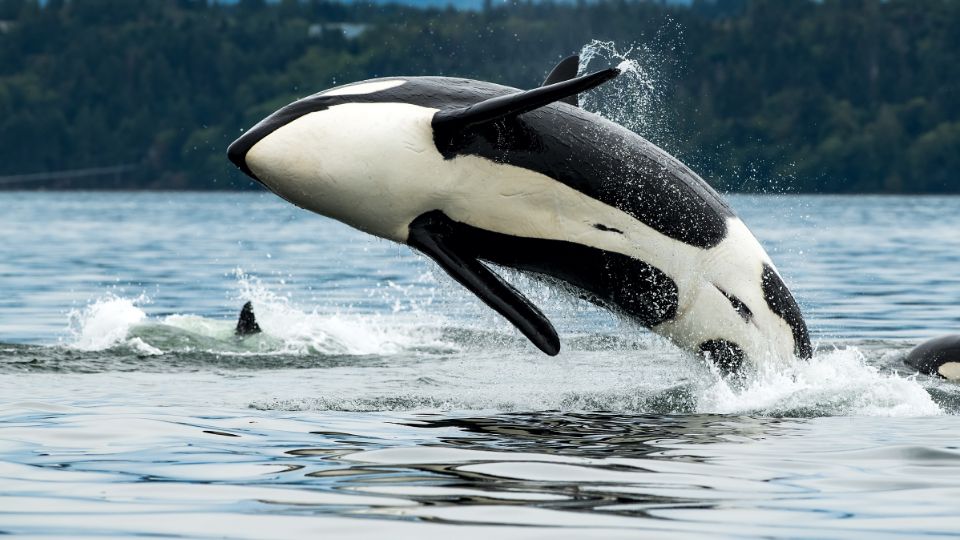
Meet the ocean's fiercest hunters. Orcas, tiger sharks, lionfish, piranhas — these predators have evolved sharp hunting tactics and sensory tricks that let them outmatch their prey in the wild. We've put together a collection of BBC video clips all about ocean predators (see Related Resources below). Watch them, then take the Kahoot to see what stuck.
The tactics are specific and surprising: orcas and tiger sharks use specialized hunting methods, lionfish disorient prey before striking, and piranhas' reputation turns out to be more myth than fact. Explore how these predators have come to dominate their corner of the ocean, and pick up some solid grounding in marine ecosystems along the way.
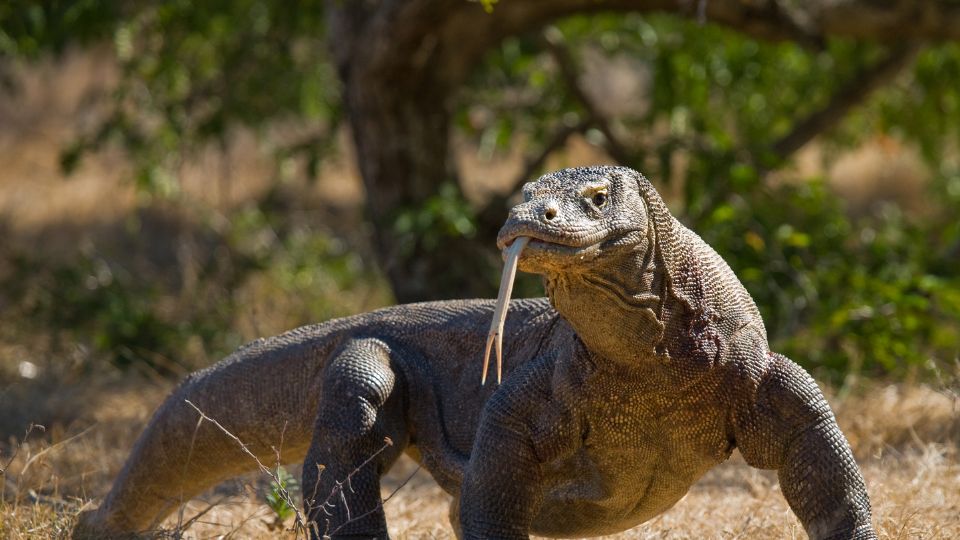
Meet the cold-blooded champions. Komodo dragons, caimans, bullfrogs, waterfall toads — these reptiles and amphibians have evolved extreme skills to survive as ectotherms, relying on their environment instead of their own body heat. We've put together a collection of BBC video clips all about cold-blooded animals (see Related Resources below). Watch them, then take the Kahoot to see what stuck.
The tricks are surprisingly specific: basilisks use a rapid leg motion to run across water without sinking, while waterfall toads — which can't leap like most frogs — have their own clever way of dodging predators. Explore how these cold-blooded creatures have adapted to thrive, and pick up some solid vocabulary along the way.
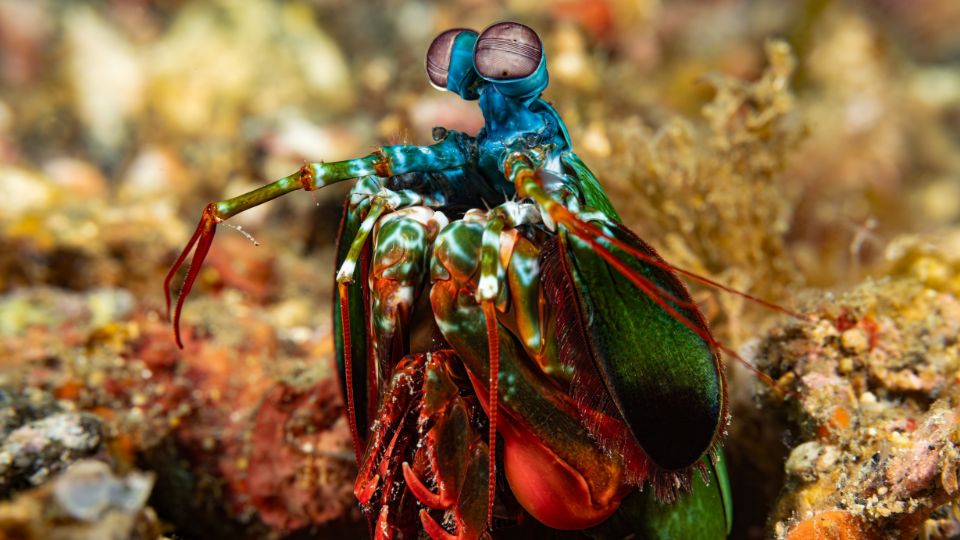
Meet nature's superheroes. Gorillas, camels, cheetahs — these animals have evolved abilities that put them in a league of their own. We've put together a collection of BBC video clips all about animal superpowers (see Related Resources below). Watch them, then take the Kahoot to see what stuck.
Watch the videos, then take the Kahoot to see what you've learned about how these animals' bodies and behaviors help them thrive in the wild — and pick up some solid grounding in evolution and adaptation along the way.
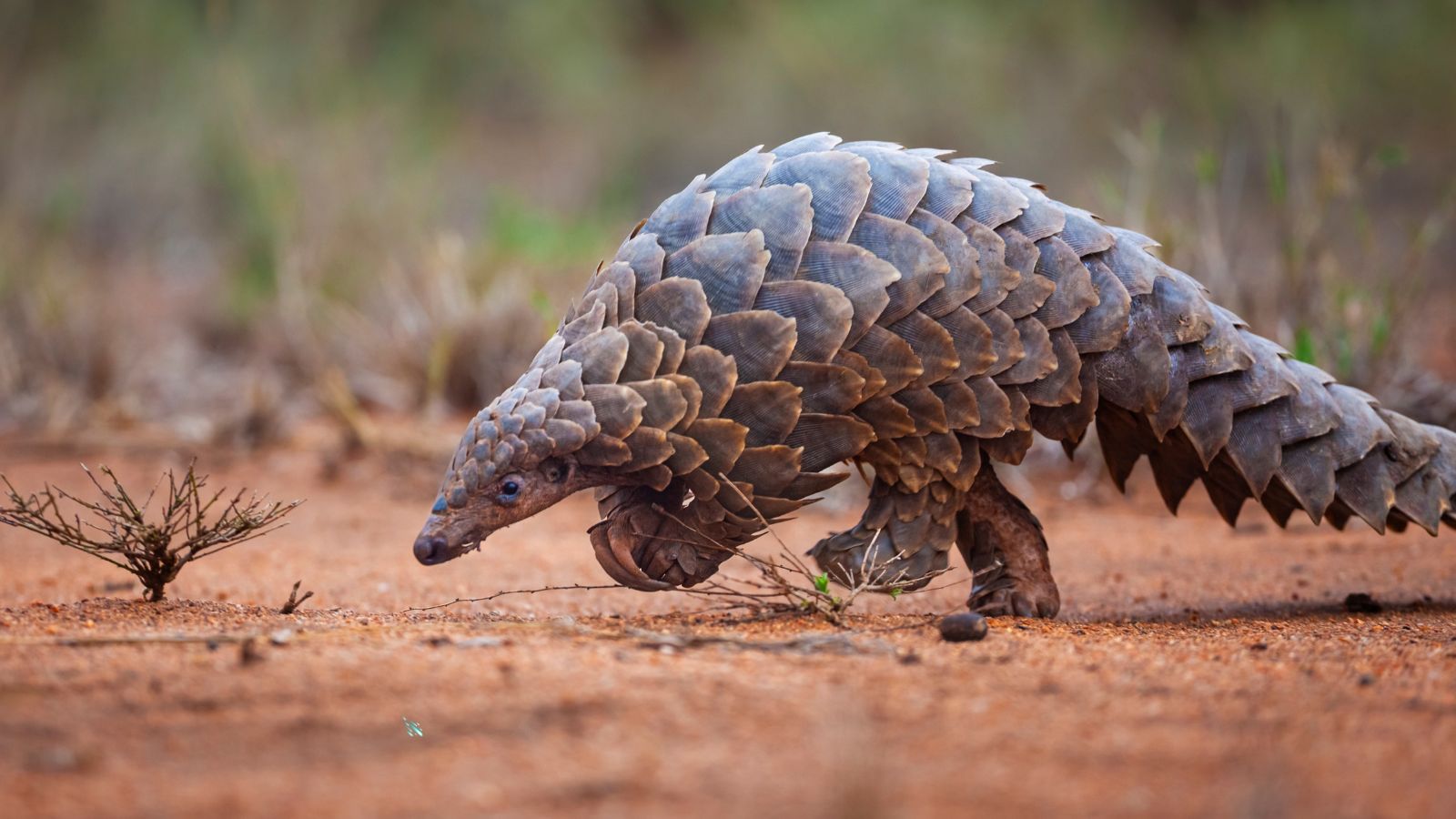
Deserts look empty. They are anything but.
From the sun-scorched dunes of the Sahara to the scrubby plains of Australia, desert animals have cracked one of nature's toughest puzzles: how to survive where water is scarce, temperatures are brutal, and food is hard to find. In this playlist, you'll meet the remarkable species that call these landscapes home — from the iconic camel and the lightning-fast hawk to the bounding kangaroo and the armored pangolin.
Each clip, drawn from landmark BBC series including Seven Worlds, One Planet and Planet Earth II, puts you face-to-face with real desert survival in action. Some animals store water and energy for enormous journeys across open terrain. Others hunt by night, move in short bursts, or use camouflage so good they practically disappear. Every strategy is different. Every one is extraordinary.
As you watch, think bigger: How do animals adapt to temperatures that would stop most creatures in their tracks? What physical traits make desert life not just possible, but thriving? And how do these species — predator and prey, reptile and mammal — depend on each other to keep desert ecosystems in balance?
This playlist won't just teach you about deserts. It will make you see them differently.
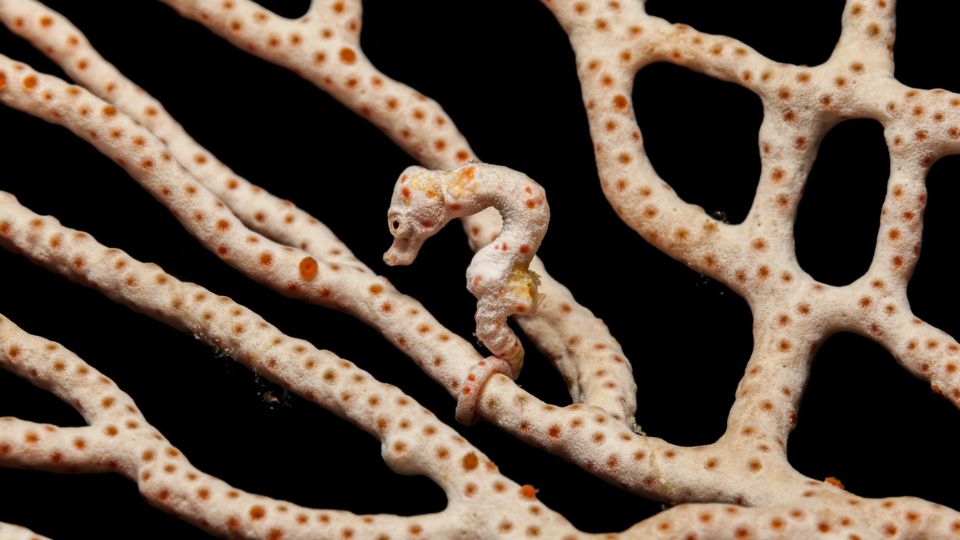
Meet nature's master hiders. Gliding tree frogs, octopuses, arctic foxes — these animals have evolved brilliant ways to blend in, hunt, and survive unseen. We've pulled together a collection of BBC video clips (see Related Resources below) showing off these disappearing acts. Watch them, then take the Kahoot to see what stuck.
Some of the tricks are wild: glass frogs clear their own blood to turn see-through, while arctic foxes shift their fur with the seasons to stay hidden year-round. Explore how these masters of camouflage pull it off, and pick up some solid grounding in evolution and adaptation along the way.

In How Blood Carries Oxygen, Dr. Michael Mosley explores how red blood cells transport oxygen and fuel the body during exercise. Through experiments with oxygen levels and altitude training, see how the body adapts to deliver more oxygen and improve performance. This video is excerpted from BBC’s The Wonderful World of Blood, in which Dr. Michael Mosley carries out six experiments on his own blood, from starving it of oxygen to injecting it with snake venom.
Journey back in time with Andy to see dinosaurs and ancient creatures. Then join him on missions around the globe to meet animals in their habitats and discover their unique behaviors and adaptations.
Bring your students on an icy exploration of the polar ecosystem! The Arctic and Antarctica may look frozen and empty at first glance, but they’re full of life perfectly adapted to the cold.
✨ Perfect for grades 3–8, here’s what you need to bring ecosystems to life:
- Iconic BBC Videos: Share the clips on this page to introduce the location, plants, animals, and climate of the polar regions. (Don't miss the narwhals and emperor penguins!) Brought to you by world-class BBC programs like Planet Earth, Frozen Planet, and Seven Worlds, One Planet.
- Free Printable: Use the Polar Brochure Template to help students pull it all together in an ecosystem report with facts they’ve learned (and a little extra research).
It’s everything you need to make ecosystems easy to teach and truly memorable for your students.
Meet the Sharks is an interactive adventure that lets you explore some of the ocean's most incredible shark species: the great white, hammerhead, whale, blacktip, and tiger shark.
Click on each illustrated shark to watch an exciting educational video from state-of-the-art BBC productions like Blue Planet and Deadly 60. Then click on each shark's name to uncover a fun fact about what makes that species unique — from extraordinary senses to surprising behaviors to mind-blowing adaptations.
Whether you're meeting these amazing fish (that's right — sharks are fish!) for the first time or already know a thing or two about sharks, this interactive experience is a fun way to discover how each species has adapted to life in the ocean. Dive in, explore, and see which shark becomes your favorite!
What predator can burst through the ocean at nearly 40 miles per hour, replace thousands of teeth during its lifetime, and help keep marine ecosystems healthy? The answer may surprise you.
Separate fact from fiction as you dive into the world of the great white shark. Discover the incredible adaptations that make it one of the ocean's most successful hunters, from powerful jaws and razor-sharp senses to stealthy hunting strategies. You'll also learn why great white sharks are essential to healthy oceans and how conservation efforts are helping protect this iconic predator.
What shark gets its name from the dark stripes along its body and has one of the most varied diets in the ocean? Meet one of the sea's most adaptable predators.
Powerful, curious, and built to thrive in a wide range of habitats, tiger sharks are among the ocean's most successful hunters. Discover how they use their keen senses and powerful jaws to find food, why they migrate across thousands of miles of ocean, and what role they play in keeping marine ecosystems in balance. You'll also learn about the challenges tiger sharks face and the efforts underway to protect them.
Meet the extreme survivors. Penguins, giraffes, golden snub-nosed monkeys, Namaqua chameleons — these animals have evolved remarkable ways to endure some of the harshest conditions on Earth. We've put together a collection of BBC video clips all about extreme survivors (see Related Resources below). Watch them, then take the Kahoot to see what stuck.
The adaptations are wide-ranging: penguins withstand sub-zero temperatures, giraffes manage naturally high blood pressure, snub-nosed monkeys huddle together to survive freezing nights, and Namaqua chameleons shift skin color to beat the heat of the day. Explore how these animals have adapted, body and behavior, to survive against the odds.
Meet the ocean's fiercest hunters. Orcas, tiger sharks, lionfish, piranhas — these predators have evolved sharp hunting tactics and sensory tricks that let them outmatch their prey in the wild. We've put together a collection of BBC video clips all about ocean predators (see Related Resources below). Watch them, then take the Kahoot to see what stuck.
The tactics are specific and surprising: orcas and tiger sharks use specialized hunting methods, lionfish disorient prey before striking, and piranhas' reputation turns out to be more myth than fact. Explore how these predators have come to dominate their corner of the ocean, and pick up some solid grounding in marine ecosystems along the way.
Meet the cold-blooded champions. Komodo dragons, caimans, bullfrogs, waterfall toads — these reptiles and amphibians have evolved extreme skills to survive as ectotherms, relying on their environment instead of their own body heat. We've put together a collection of BBC video clips all about cold-blooded animals (see Related Resources below). Watch them, then take the Kahoot to see what stuck.
The tricks are surprisingly specific: basilisks use a rapid leg motion to run across water without sinking, while waterfall toads — which can't leap like most frogs — have their own clever way of dodging predators. Explore how these cold-blooded creatures have adapted to thrive, and pick up some solid vocabulary along the way.
Meet nature's superheroes. Gorillas, camels, cheetahs — these animals have evolved abilities that put them in a league of their own. We've put together a collection of BBC video clips all about animal superpowers (see Related Resources below). Watch them, then take the Kahoot to see what stuck.
Watch the videos, then take the Kahoot to see what you've learned about how these animals' bodies and behaviors help them thrive in the wild — and pick up some solid grounding in evolution and adaptation along the way.
Deserts look empty. They are anything but.
From the sun-scorched dunes of the Sahara to the scrubby plains of Australia, desert animals have cracked one of nature's toughest puzzles: how to survive where water is scarce, temperatures are brutal, and food is hard to find. In this playlist, you'll meet the remarkable species that call these landscapes home — from the iconic camel and the lightning-fast hawk to the bounding kangaroo and the armored pangolin.
Each clip, drawn from landmark BBC series including Seven Worlds, One Planet and Planet Earth II, puts you face-to-face with real desert survival in action. Some animals store water and energy for enormous journeys across open terrain. Others hunt by night, move in short bursts, or use camouflage so good they practically disappear. Every strategy is different. Every one is extraordinary.
As you watch, think bigger: How do animals adapt to temperatures that would stop most creatures in their tracks? What physical traits make desert life not just possible, but thriving? And how do these species — predator and prey, reptile and mammal — depend on each other to keep desert ecosystems in balance?
This playlist won't just teach you about deserts. It will make you see them differently.
Meet nature's master hiders. Gliding tree frogs, octopuses, arctic foxes — these animals have evolved brilliant ways to blend in, hunt, and survive unseen. We've pulled together a collection of BBC video clips (see Related Resources below) showing off these disappearing acts. Watch them, then take the Kahoot to see what stuck.
Some of the tricks are wild: glass frogs clear their own blood to turn see-through, while arctic foxes shift their fur with the seasons to stay hidden year-round. Explore how these masters of camouflage pull it off, and pick up some solid grounding in evolution and adaptation along the way.
In How Blood Carries Oxygen, Dr. Michael Mosley explores how red blood cells transport oxygen and fuel the body during exercise. Through experiments with oxygen levels and altitude training, see how the body adapts to deliver more oxygen and improve performance. This video is excerpted from BBC’s The Wonderful World of Blood, in which Dr. Michael Mosley carries out six experiments on his own blood, from starving it of oxygen to injecting it with snake venom.