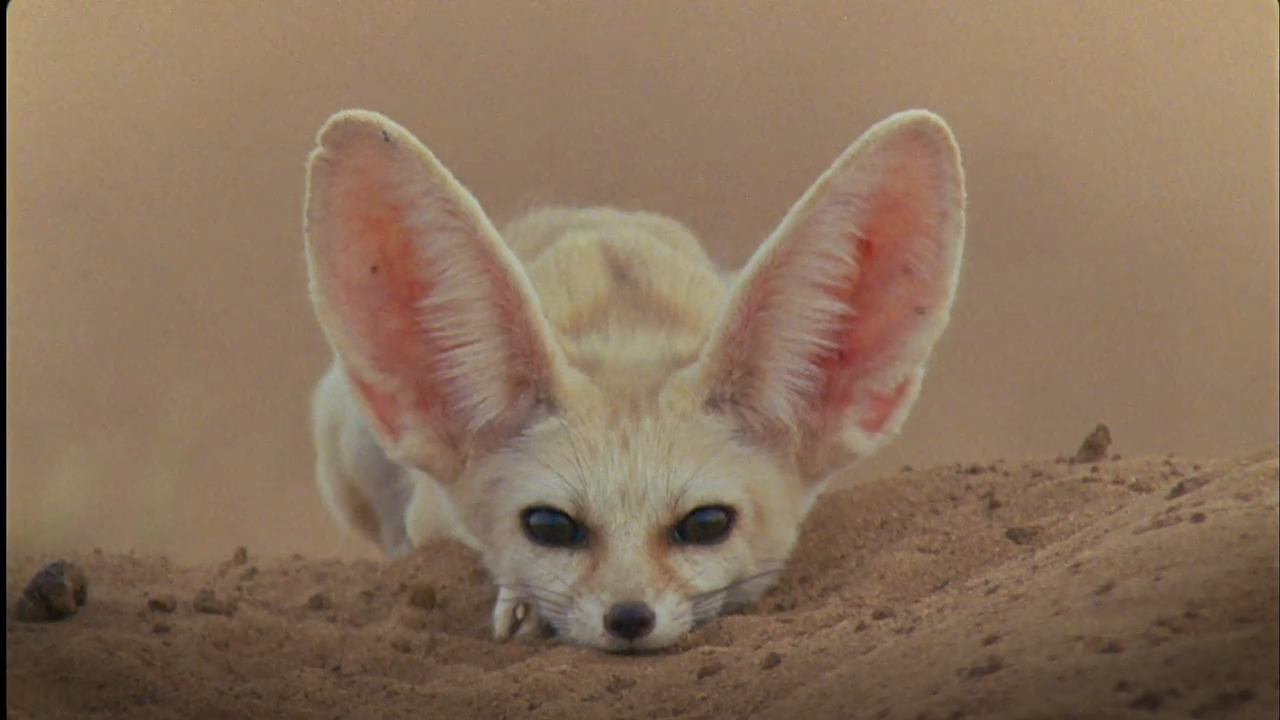
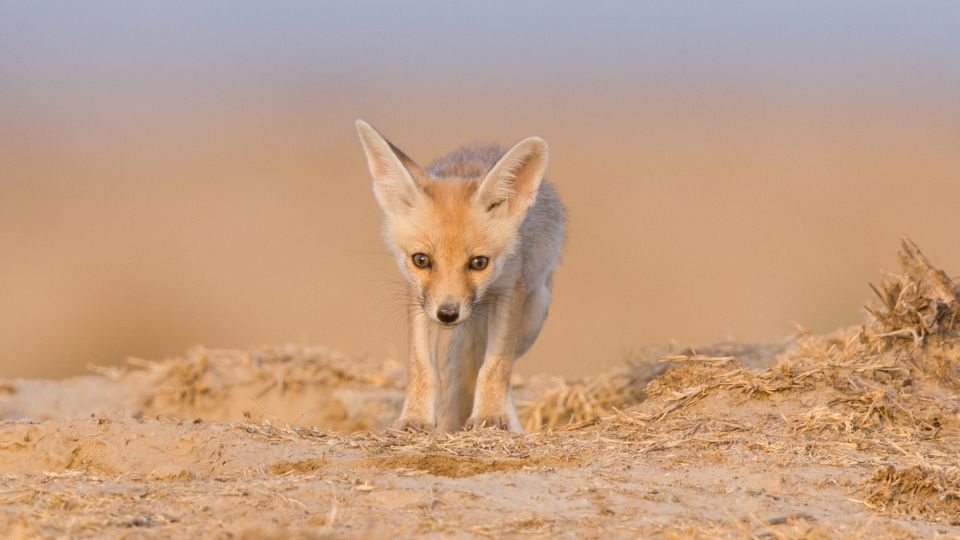
In Nocturnal Desert Dwellers, narrator Sir David Attenborough explores the Sahara Desert at night. In the Sahara Desert, nighttime temperatures can drop by as much as 86°F (30°C) . Learn how fennec foxes survive the heat by staying underground during the day and coming out at night. This video is excerpted from BBC's Planet Earth, a breathtaking documentary series that highlights the natural wonders of our planet.
Deserts look empty. They are anything but.
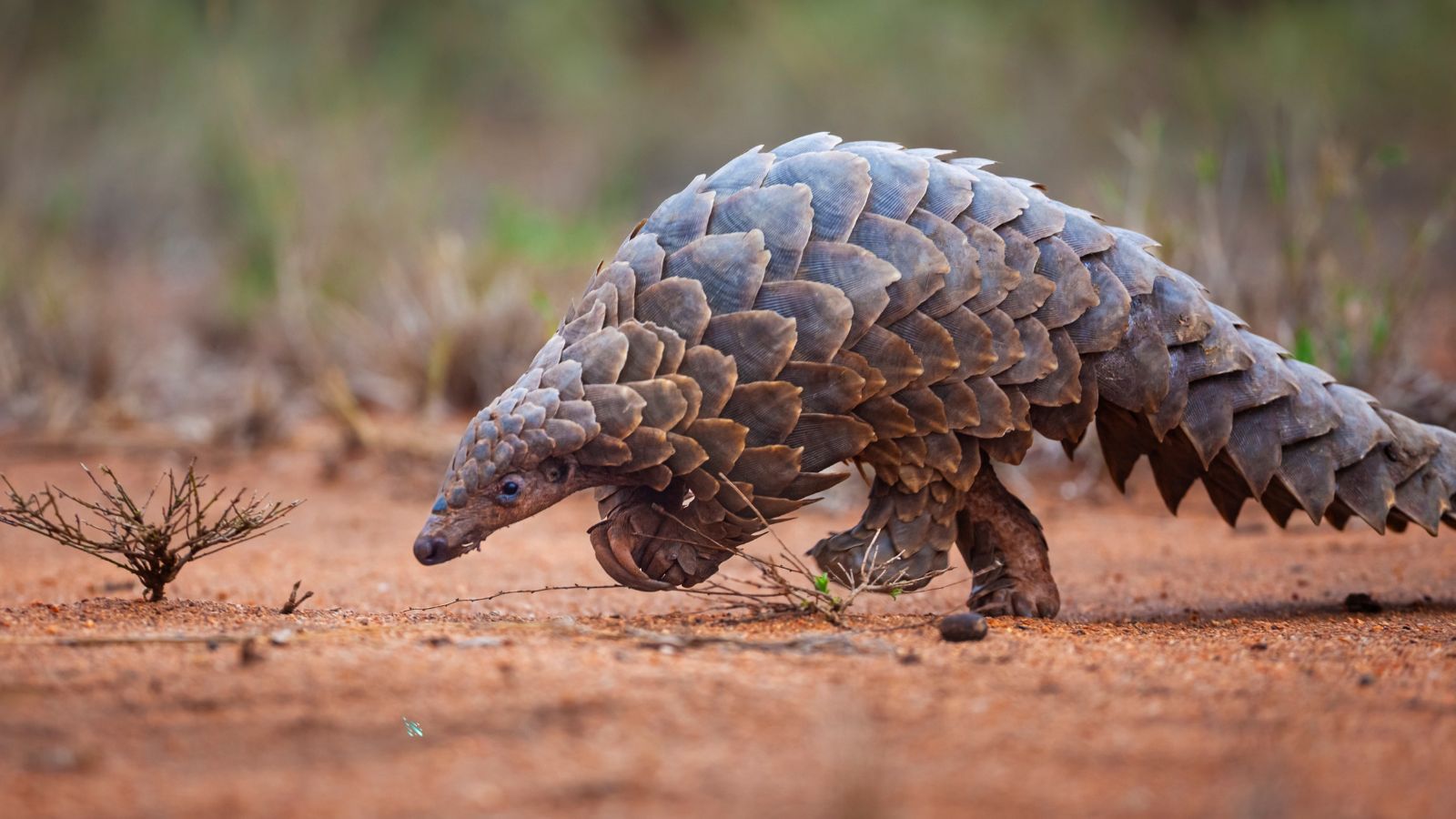
From the sun-scorched dunes of the Sahara to the scrubby plains of Australia, desert animals have cracked one of nature's toughest puzzles: how to survive where water is scarce, temperatures are brutal, and food is hard to find. In this playlist, you'll meet the remarkable species that call these landscapes home — from the iconic camel and the lightning-fast hawk to the bounding kangaroo and the armored pangolin.
Each clip, drawn from landmark BBC series including Seven Worlds, One Planet and Planet Earth II, puts you face-to-face with real desert survival in action. Some animals store water and energy for enormous journeys across open terrain. Others hunt by night, move in short bursts, or use camouflage so good they practically disappear. Every strategy is different. Every one is extraordinary.
As you watch, think bigger: How do animals adapt to temperatures that would stop most creatures in their tracks? What physical traits make desert life not just possible, but thriving? And how do these species — predator and prey, reptile and mammal — depend on each other to keep desert ecosystems in balance?
This playlist won't just teach you about deserts. It will make you see them differently.
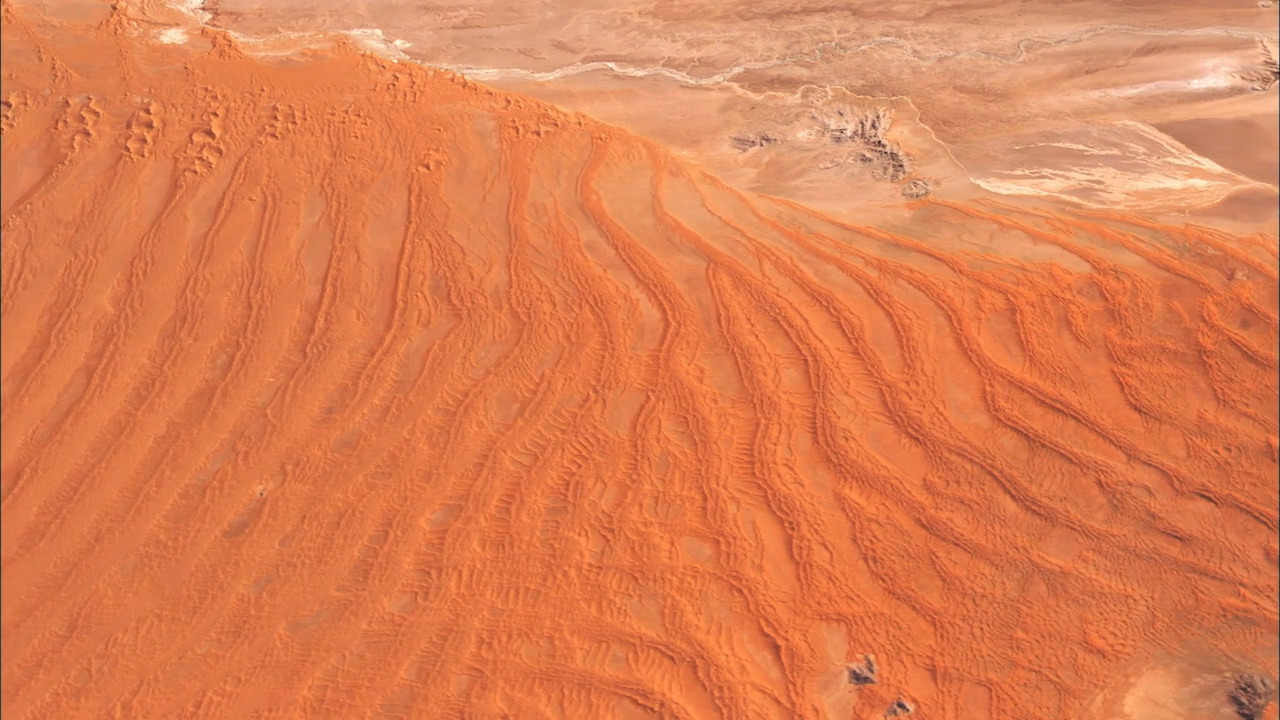
In The Formation of the Gobi Desert, narrator Sir David Attenborough explores the Gobi Desert and its origin. The Himalayas force air upwards, creating rainfall. When the air reaches the other side of the mountains, it is drier. This weather pattern formed the Gobi Desert. This video is excerpted from BBC's Planet Earth, a breathtaking documentary series that highlights the natural wonders of our planet.
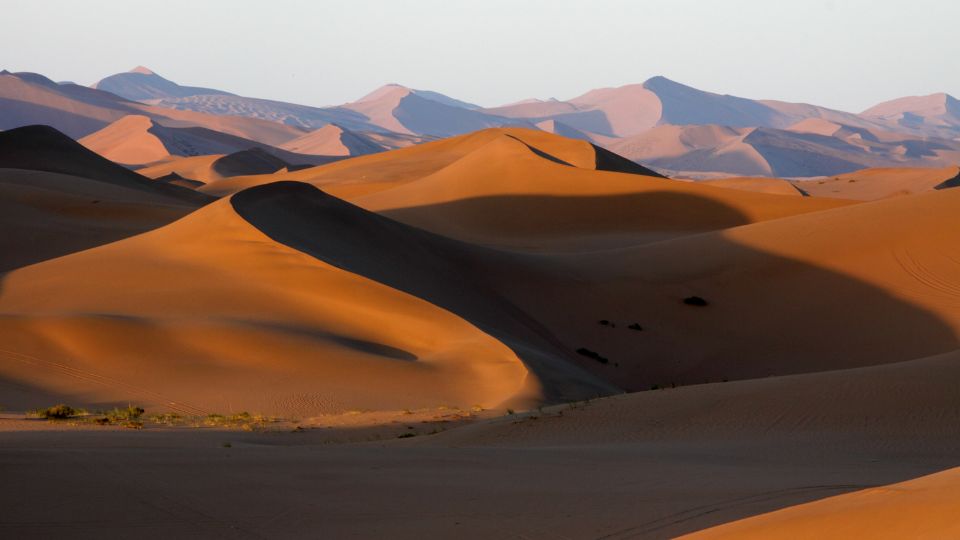
There's no place like the Gobi. First watch The Formation of The Gobi Desert, a short clip from the award-winning BBC series Planet Earth. Sir David Attenborough explains the origins of this singular place on the planet. Its lack of green coverage means it's actually visible from space!
Once your students have watched the video, invite them to check for understanding with this quick, 8-question quiz!
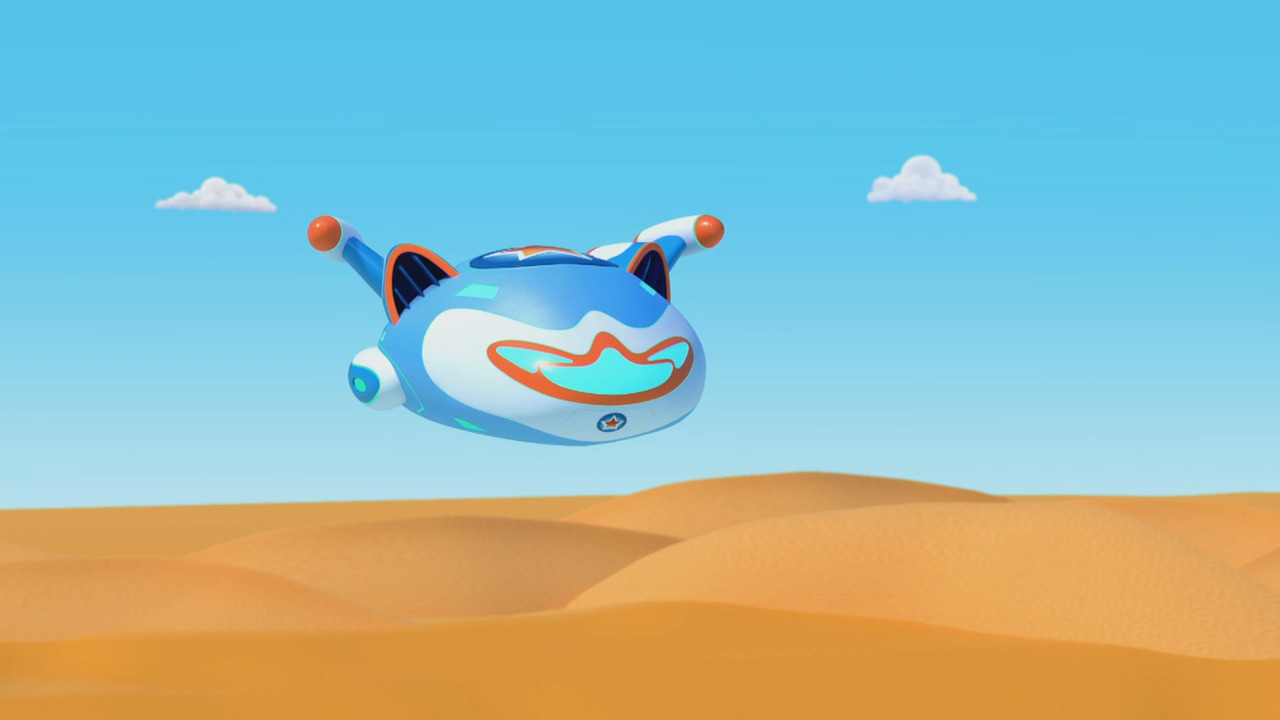
In The Go Jetters Get Sandy in the Sahara Desert, the Go Jetters crew flies into the Sahara Desert, one of the biggest and hottest deserts in the world! Ubercorn explains that the Sahara is so big, it stretches across many countries in Africa, and guess what? There's no water like you would find at a beach — just sand, sand, and more sand! This video is excerpted from BBC’s Go Jetters, a series that follows the adventures of four plucky international heroes as they travel the globe visiting the world’s most famous landmarks with their friend and mentor, Ubercorn, a disco-dancing unicorn.

In The Go Jetters Visit the Saharan Sand Dunes, the Go Jetters crew shares fun facts about the Sahara Desert! Discover the amazing sand dunes that move and change with the wind, like magic mountains made of sand. Meet camels, the desert’s coolest travelers, who can go without water for a long time, and learn about the Tuareg "blue men," who wear bright blue turbans to keep the sand away. This video is excerpted from BBC’s Go Jetters, a series that follows the adventures of four plucky international heroes as they travel the globe visiting the world’s most famous landmarks with their friend and mentor, Ubercorn, a disco-dancing unicorn.
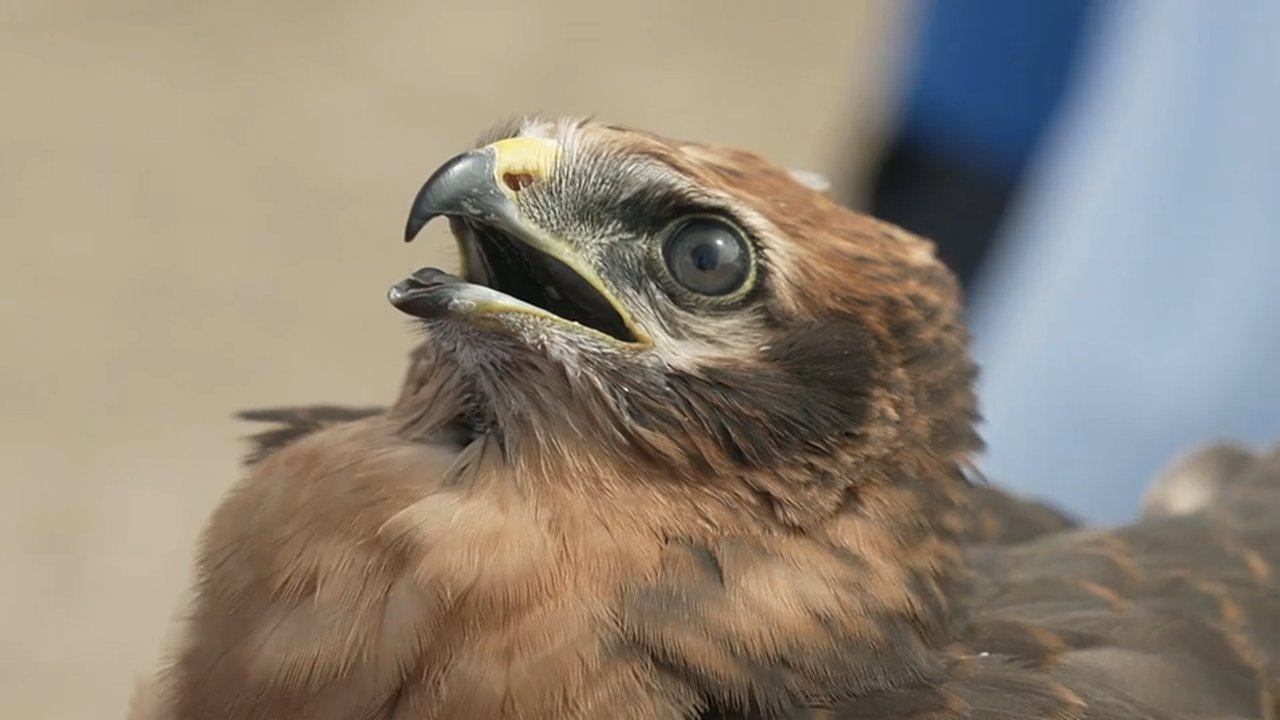
Imagine catching your lunch as it falls out of the sky. For Montagu’s harriers, that’s just how dinner works. The male hunts, flies back toward the nest, and drops his catch in midair. The female swoops up and grabs it before it hits the ground. Birdwatchers call this the “food pass,” and it’s one of the most impressive things you’ll see a bird do.
Very few people in Britain get to see it, though. Montagu’s harriers are so rare there that wildlife experts keep the locations of their nests secret. That’s to protect them from people who might disturb the birds or steal their eggs. The population is in serious trouble: for five years in a row, not a single pair of harriers raised chicks anywhere in the UK (the United Kingdom, made up of England, Scotland, Wales, and Northern Ireland).
Secrecy isn’t enough, because harriers have an unusual habit for a bird of prey. They build their nests on the ground, hidden in fields of crops like wheat and barley. Climate change is making crops ripen earlier in the year, so farmers harvest sooner. That means the chicks may not be able to fly yet when the combine harvesters come through. To help, farmers are teaming up with the RSPB (the Royal Society for the Protection of Birds, a major British wildlife charity). They put fences around the nests and leave a patch of crops standing until the young birds can fly.
Surviving the harvest is only the first challenge. Soon after, the harriers leave Britain and fly south for the winter. Scientists already know the adults travel thousands of miles to West Africa, to countries such as Senegal and Mali, on the southern edge of the Sahara Desert. What they don’t know is which route the young birds take on their first trip. To find out, researchers have fitted two chicks with tiny satellite trackers. Every flap of the way, the data will help show how these young birds handle one of the toughest journeys in the animal kingdom.
Explore the fascinating world of deserts and discover how plants, animals, and people adapt to survive in some of the hottest and driest places on Earth. From towering cacti and clever nocturnal animals to sudden sandstorms and scarce water sources, students will learn how life continues to thrive in these extreme environments.
This Kahoot investigates the unique features of desert ecosystems, including climate, habitats, food chains, and the special adaptations that help living things conserve water and stay cool. Students will also explore how deserts change over time and why these harsh landscapes are an important part of our planet’s natural systems.
Watch the related BBC videos (below), then invite your Grade 3–8 students to test their knowledge and uncover the surprising diversity and resilience of life in the desert.
In Nocturnal Desert Dwellers, narrator Sir David Attenborough explores the Sahara Desert at night. In the Sahara Desert, nighttime temperatures can drop by as much as 86°F (30°C) . Learn how fennec foxes survive the heat by staying underground during the day and coming out at night. This video is excerpted from BBC's Planet Earth, a breathtaking documentary series that highlights the natural wonders of our planet.
Deserts look empty. They are anything but.
From the sun-scorched dunes of the Sahara to the scrubby plains of Australia, desert animals have cracked one of nature's toughest puzzles: how to survive where water is scarce, temperatures are brutal, and food is hard to find. In this playlist, you'll meet the remarkable species that call these landscapes home — from the iconic camel and the lightning-fast hawk to the bounding kangaroo and the armored pangolin.
Each clip, drawn from landmark BBC series including Seven Worlds, One Planet and Planet Earth II, puts you face-to-face with real desert survival in action. Some animals store water and energy for enormous journeys across open terrain. Others hunt by night, move in short bursts, or use camouflage so good they practically disappear. Every strategy is different. Every one is extraordinary.
As you watch, think bigger: How do animals adapt to temperatures that would stop most creatures in their tracks? What physical traits make desert life not just possible, but thriving? And how do these species — predator and prey, reptile and mammal — depend on each other to keep desert ecosystems in balance?
This playlist won't just teach you about deserts. It will make you see them differently.
In The Formation of the Gobi Desert, narrator Sir David Attenborough explores the Gobi Desert and its origin. The Himalayas force air upwards, creating rainfall. When the air reaches the other side of the mountains, it is drier. This weather pattern formed the Gobi Desert. This video is excerpted from BBC's Planet Earth, a breathtaking documentary series that highlights the natural wonders of our planet.
There's no place like the Gobi. First watch The Formation of The Gobi Desert, a short clip from the award-winning BBC series Planet Earth. Sir David Attenborough explains the origins of this singular place on the planet. Its lack of green coverage means it's actually visible from space!
Once your students have watched the video, invite them to check for understanding with this quick, 8-question quiz!
In The Go Jetters Get Sandy in the Sahara Desert, the Go Jetters crew flies into the Sahara Desert, one of the biggest and hottest deserts in the world! Ubercorn explains that the Sahara is so big, it stretches across many countries in Africa, and guess what? There's no water like you would find at a beach — just sand, sand, and more sand! This video is excerpted from BBC’s Go Jetters, a series that follows the adventures of four plucky international heroes as they travel the globe visiting the world’s most famous landmarks with their friend and mentor, Ubercorn, a disco-dancing unicorn.
In The Go Jetters Visit the Saharan Sand Dunes, the Go Jetters crew shares fun facts about the Sahara Desert! Discover the amazing sand dunes that move and change with the wind, like magic mountains made of sand. Meet camels, the desert’s coolest travelers, who can go without water for a long time, and learn about the Tuareg "blue men," who wear bright blue turbans to keep the sand away. This video is excerpted from BBC’s Go Jetters, a series that follows the adventures of four plucky international heroes as they travel the globe visiting the world’s most famous landmarks with their friend and mentor, Ubercorn, a disco-dancing unicorn.
Imagine catching your lunch as it falls out of the sky. For Montagu’s harriers, that’s just how dinner works. The male hunts, flies back toward the nest, and drops his catch in midair. The female swoops up and grabs it before it hits the ground. Birdwatchers call this the “food pass,” and it’s one of the most impressive things you’ll see a bird do.
Very few people in Britain get to see it, though. Montagu’s harriers are so rare there that wildlife experts keep the locations of their nests secret. That’s to protect them from people who might disturb the birds or steal their eggs. The population is in serious trouble: for five years in a row, not a single pair of harriers raised chicks anywhere in the UK (the United Kingdom, made up of England, Scotland, Wales, and Northern Ireland).
Secrecy isn’t enough, because harriers have an unusual habit for a bird of prey. They build their nests on the ground, hidden in fields of crops like wheat and barley. Climate change is making crops ripen earlier in the year, so farmers harvest sooner. That means the chicks may not be able to fly yet when the combine harvesters come through. To help, farmers are teaming up with the RSPB (the Royal Society for the Protection of Birds, a major British wildlife charity). They put fences around the nests and leave a patch of crops standing until the young birds can fly.
Surviving the harvest is only the first challenge. Soon after, the harriers leave Britain and fly south for the winter. Scientists already know the adults travel thousands of miles to West Africa, to countries such as Senegal and Mali, on the southern edge of the Sahara Desert. What they don’t know is which route the young birds take on their first trip. To find out, researchers have fitted two chicks with tiny satellite trackers. Every flap of the way, the data will help show how these young birds handle one of the toughest journeys in the animal kingdom.
Explore the fascinating world of deserts and discover how plants, animals, and people adapt to survive in some of the hottest and driest places on Earth. From towering cacti and clever nocturnal animals to sudden sandstorms and scarce water sources, students will learn how life continues to thrive in these extreme environments.
This Kahoot investigates the unique features of desert ecosystems, including climate, habitats, food chains, and the special adaptations that help living things conserve water and stay cool. Students will also explore how deserts change over time and why these harsh landscapes are an important part of our planet’s natural systems.
Watch the related BBC videos (below), then invite your Grade 3–8 students to test their knowledge and uncover the surprising diversity and resilience of life in the desert.