
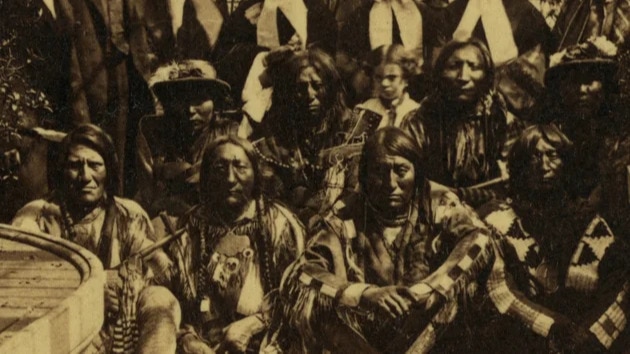
Long before the U.S. Constitution was written, five nations in what is now New York State had agreed to govern together under a shared set of laws. That story, the Haudenosaunee (Iroquois) Confederacy, is where this Kahoot! begins. From there, it moves across North America and through time: the cliff dwellings Ancestral Puebloans built into the canyon walls of Mesa Verde, the forced removal of the Cherokee along the Trail of Tears, the effort to bring buffalo back to the Great Plains, and the lives of First Nations, Métis, and Inuit communities in Canada today. Some answers may surprise you, and some will change how you think about history you thought you knew.
Teachers: Use it to open or review a unit on Indigenous history, government, or human rights, or pair it with the rest of the Indigenous Peoples Around the World Kahoot course.
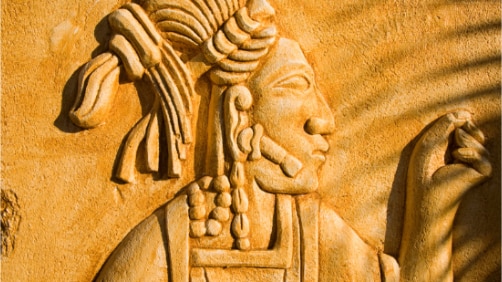
The Maya built one of the world's most remarkable civilizations, creating impressive cities, studying the stars, and developing advanced systems of mathematics and writing. Explore the achievements and legacy of the Maya people. Watch the BBC videos below, then take the Kahoot to test your knowledge.
Discover how Maya societies flourished across parts of present-day Mexico, Guatemala, Belize, Honduras, and El Salvador. Learn about their temples, calendars, scientific knowledge, and cultural traditions, while exploring how Maya communities continue to live and celebrate their heritage today.
Teachers: Use the videos as a starter activity for lessons on ancient civilizations, geography, or cultural heritage. Follow with the Kahoot as a formative assessment or review activity. Students will examine Maya achievements in architecture, astronomy, mathematics, and writing, while learning about the lasting influence of Maya culture. The activity supports comparisons between civilizations and encourages discussion about how ancient knowledge continues to shape the modern world. Watch for misconceptions such as the belief that the Maya disappeared, as millions of Maya people still live throughout Mesoamerica today.
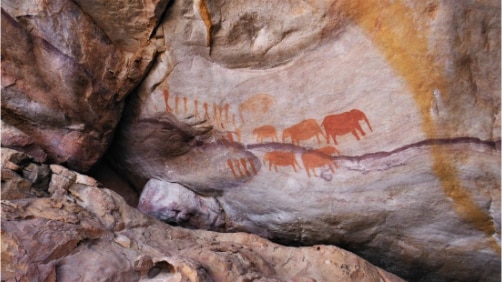
The San have lived in the Kalahari, a vast semi-desert stretching across Botswana, Namibia, and South Africa, for thousands of years. They are among the oldest continuous cultures on Earth. Watch the BBC video clips to see how they live in a place with little surface water: reading animal tracks in the sand, hunting with poisoned arrows, making fire by hand, and finding food and water where outsiders see none. Then take the Kahoot to test what you’ve learned, including the harder story of how San communities have fought to stay on their land and keep their knowledge alive as the world around them changes.
Teachers: Show the clips as a class before playing the Kahoot live or assign both for independent learning. It works as a hook for units on Indigenous peoples, African geography, or human adaptation to extreme environments. The land rights questions give students an opening to discuss who decides how traditional lands are used.
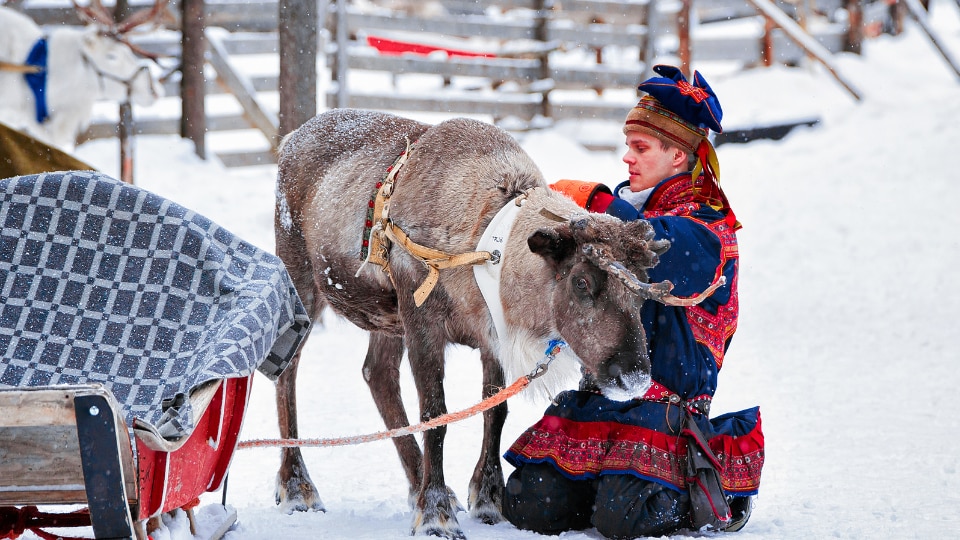
Sápmi stretches across the far north of Norway, Sweden, Finland, and Russia’s Kola Peninsula, and it’s home to the Sámi, the Indigenous people of the region. Watch the BBC video clips to see how Sámi families have followed reindeer herds across the tundra for centuries, why their bright traditional clothing (gákti) can show where someone comes from, and how joik, a traditional form of song, is used to express a person, place, or feeling. Then take the Kahoot to test what you’ve learned, including how a warming Arctic is making snow, ice, and grazing land harder to predict, and what that means for a way of life built around them.
Teachers: Show the BBC clips as a class before playing the Kahoot live or assign both for independent learning. It fits units on Indigenous peoples, European geography, or climate change, and gives students a concrete example of how a warming planet affects real communities.
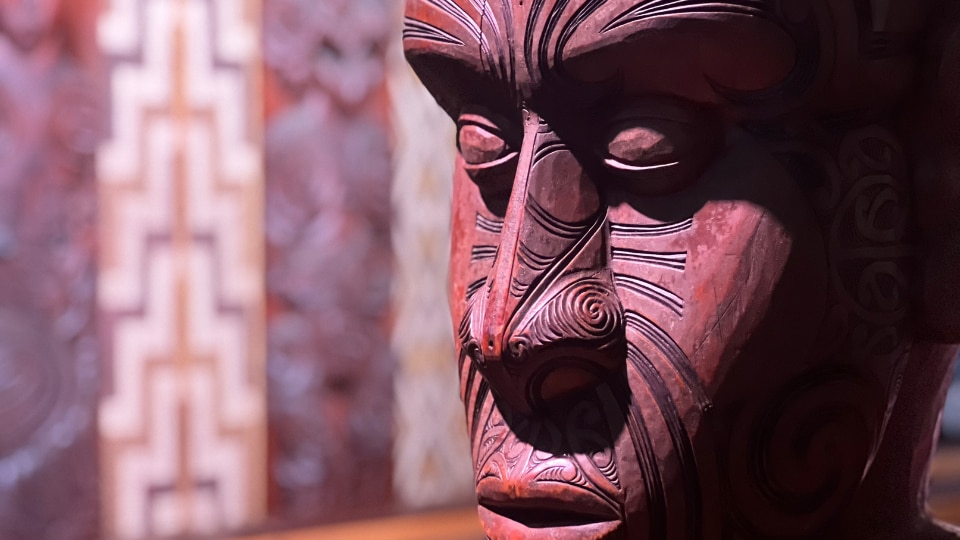
One of the last landmasses to be settled, New Zealand, or Aotearoa, is home to the Māori, the Indigenous people of New Zealand. Over 700 years ago, the Māori brought traditions, knowledge, and their language, te reo Māori, to Aotearoa, all of which continue to shape the country today. Explore Māori history and culture, from extraordinary waka voyages to the haka performed by a New Zealand sports team. Watch the BBC videos below to gear up with the knowledge you need to take the Kahoot!
Discover how Māori communities have preserved their identity and traditions across generations, despite there being a time when te reo Māori was discouraged in schools. Learn more about the significance of it now being an official language of New Zealand, as well as the marae as community gathering places and cultural practices such as haka and tā moko. Explore how Māori heritage remains a vibrant and important part of life in Aotearoa today.
Teachers: Use the videos as a lesson starter, homework activity, or introduction to Indigenous cultures and New Zealand history. Follow with the Kahoot as a live class quiz or self-paced challenge to check understanding and spark discussion. Students will learn about Māori migration to Aotearoa, the Treaty of Waitangi, the importance of marae, te reo Māori, and cultural traditions including the hongi, haka, and tā moko. The activity supports learning about Indigenous histories, cultural identity, and the ways traditions can be preserved and revitalized over time. Watch for common misconceptions, such as thinking haka is only performed in happy occasions such as to welcome guests or at sporting events, when it is also performed to honor achievements such as at funerals.

A snowy week doesn't change the climate, but decades of patterns do. Explore the important difference between what happens in the atmosphere today and the trends that unfold over many years. Watch the BBC videos below, then take the Kahoot to test your knowledge.
Examine how weather describes short-term atmospheric conditions while climate reflects long-term patterns across regions and ecosystems. Learn about climate zones, seasonal trends, and the data scientists use to understand Earth's changing environment.
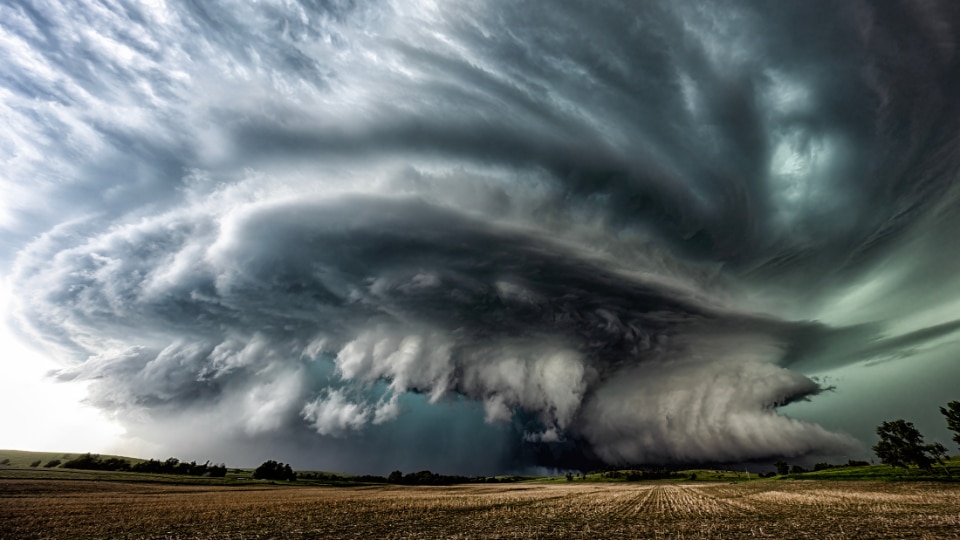
When nature unleashes its full power, the results can be extraordinary. Explore some of Earth's most intense weather events and discover the atmospheric conditions that fuel them. Watch the BBC videos below, then take the Kahoot to see what you've learned.
From hurricanes and flash floods to droughts and destructive windstorms, investigate the forces that drive extreme weather around the world. Learn how these events form, why they occur, and the impact they can have on people, ecosystems, and communities.
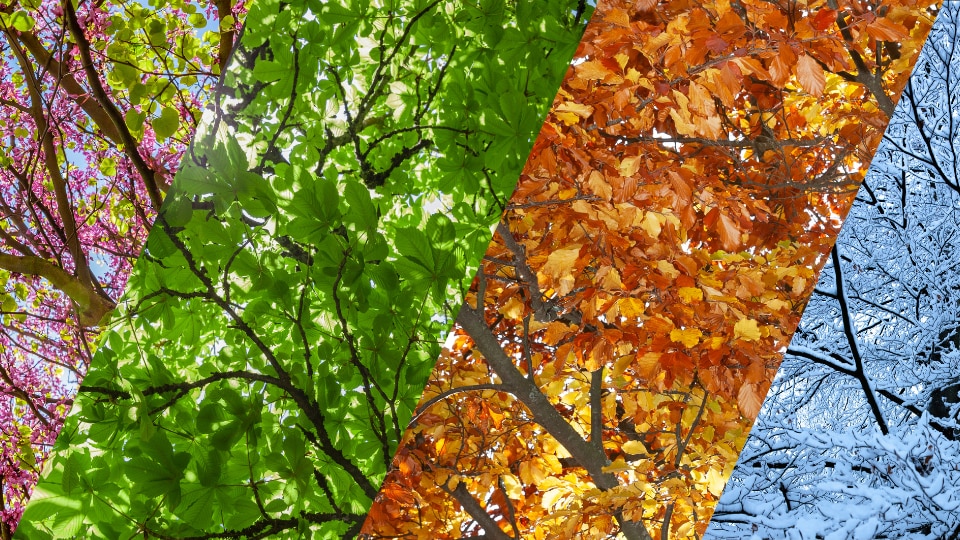
Why is it summer in one hemisphere while it's winter in the other? Explore the astronomical forces that create Earth's seasons and shape weather patterns throughout the year. Watch the BBC videos below, then take the Kahoot to test your understanding.
Discover how Earth's tilted axis and yearly orbit around the Sun influence daylight hours, temperatures, and seasonal changes across the globe. From solstices and equinoxes to tropical wet and dry seasons, uncover the science behind the rhythms of our planet.

The water you drink today may once have fallen as rain thousands of miles away. Explore the incredible journey water takes as it moves between the oceans, land, atmosphere, and living things. Watch the BBC videos below, then take the Kahoot and follow every step of the water cycle.
Discover how the same water has been traveling around Earth for billions of years. From evaporation and condensation to precipitation and runoff, discover how water is continuously recycled around the planet and why this process is essential for life on Earth.
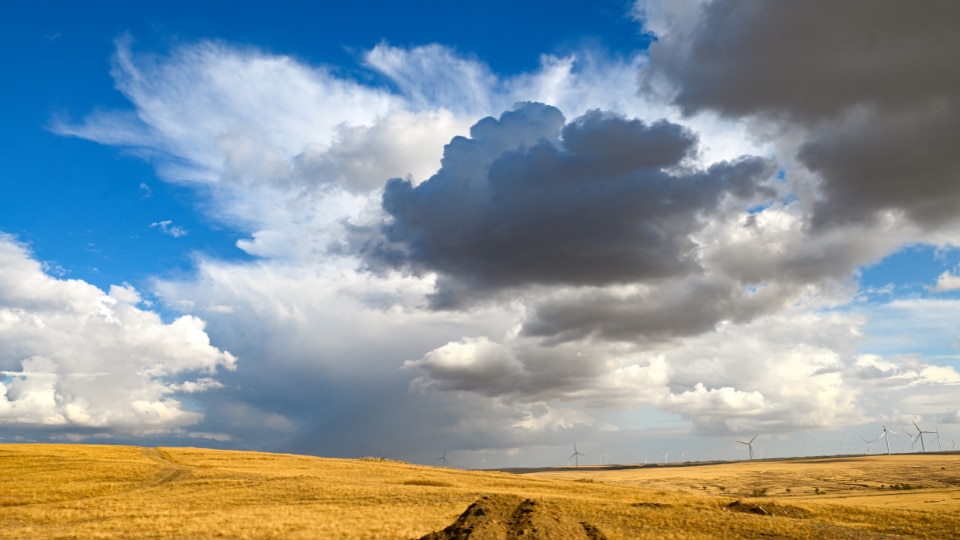
Every cloud, gust of wind, and raindrop has a story. Dive into the science behind weather and explore the forces that keep Earth's atmosphere constantly in motion. Watch the BBC videos linked below, then take the Kahoot to put your weather knowledge to the test.
Explore how solar heating, air pressure, humidity, and global wind patterns work together to shape the weather we experience every day. From the formation of clouds to the movement of storm systems, uncover the science behind Earth's ever-changing atmosphere.

Journey beyond the Solar System to explore exoplanets, distant stars, and the search for new worlds. From planets orbiting faraway suns to potentially habitable worlds light-years from Earth, discover how astronomers are uncovering new corners of the universe.
This Kahoot explores the science of exoplanet discovery, space exploration, and the technologies that allow us to detect and study worlds we cannot directly see while revealing how each new discovery expands our understanding of the cosmos.
Watch the related videos linked below, then take the Kahoot and see how much you know about the incredible worlds waiting to be discovered beyond our Solar System.
Long before the U.S. Constitution was written, five nations in what is now New York State had agreed to govern together under a shared set of laws. That story, the Haudenosaunee (Iroquois) Confederacy, is where this Kahoot! begins. From there, it moves across North America and through time: the cliff dwellings Ancestral Puebloans built into the canyon walls of Mesa Verde, the forced removal of the Cherokee along the Trail of Tears, the effort to bring buffalo back to the Great Plains, and the lives of First Nations, Métis, and Inuit communities in Canada today. Some answers may surprise you, and some will change how you think about history you thought you knew.
Teachers: Use it to open or review a unit on Indigenous history, government, or human rights, or pair it with the rest of the Indigenous Peoples Around the World Kahoot course.
The Maya built one of the world's most remarkable civilizations, creating impressive cities, studying the stars, and developing advanced systems of mathematics and writing. Explore the achievements and legacy of the Maya people. Watch the BBC videos below, then take the Kahoot to test your knowledge.
Discover how Maya societies flourished across parts of present-day Mexico, Guatemala, Belize, Honduras, and El Salvador. Learn about their temples, calendars, scientific knowledge, and cultural traditions, while exploring how Maya communities continue to live and celebrate their heritage today.
Teachers: Use the videos as a starter activity for lessons on ancient civilizations, geography, or cultural heritage. Follow with the Kahoot as a formative assessment or review activity. Students will examine Maya achievements in architecture, astronomy, mathematics, and writing, while learning about the lasting influence of Maya culture. The activity supports comparisons between civilizations and encourages discussion about how ancient knowledge continues to shape the modern world. Watch for misconceptions such as the belief that the Maya disappeared, as millions of Maya people still live throughout Mesoamerica today.
The San have lived in the Kalahari, a vast semi-desert stretching across Botswana, Namibia, and South Africa, for thousands of years. They are among the oldest continuous cultures on Earth. Watch the BBC video clips to see how they live in a place with little surface water: reading animal tracks in the sand, hunting with poisoned arrows, making fire by hand, and finding food and water where outsiders see none. Then take the Kahoot to test what you’ve learned, including the harder story of how San communities have fought to stay on their land and keep their knowledge alive as the world around them changes.
Teachers: Show the clips as a class before playing the Kahoot live or assign both for independent learning. It works as a hook for units on Indigenous peoples, African geography, or human adaptation to extreme environments. The land rights questions give students an opening to discuss who decides how traditional lands are used.
Sápmi stretches across the far north of Norway, Sweden, Finland, and Russia’s Kola Peninsula, and it’s home to the Sámi, the Indigenous people of the region. Watch the BBC video clips to see how Sámi families have followed reindeer herds across the tundra for centuries, why their bright traditional clothing (gákti) can show where someone comes from, and how joik, a traditional form of song, is used to express a person, place, or feeling. Then take the Kahoot to test what you’ve learned, including how a warming Arctic is making snow, ice, and grazing land harder to predict, and what that means for a way of life built around them.
Teachers: Show the BBC clips as a class before playing the Kahoot live or assign both for independent learning. It fits units on Indigenous peoples, European geography, or climate change, and gives students a concrete example of how a warming planet affects real communities.
One of the last landmasses to be settled, New Zealand, or Aotearoa, is home to the Māori, the Indigenous people of New Zealand. Over 700 years ago, the Māori brought traditions, knowledge, and their language, te reo Māori, to Aotearoa, all of which continue to shape the country today. Explore Māori history and culture, from extraordinary waka voyages to the haka performed by a New Zealand sports team. Watch the BBC videos below to gear up with the knowledge you need to take the Kahoot!
Discover how Māori communities have preserved their identity and traditions across generations, despite there being a time when te reo Māori was discouraged in schools. Learn more about the significance of it now being an official language of New Zealand, as well as the marae as community gathering places and cultural practices such as haka and tā moko. Explore how Māori heritage remains a vibrant and important part of life in Aotearoa today.
Teachers: Use the videos as a lesson starter, homework activity, or introduction to Indigenous cultures and New Zealand history. Follow with the Kahoot as a live class quiz or self-paced challenge to check understanding and spark discussion. Students will learn about Māori migration to Aotearoa, the Treaty of Waitangi, the importance of marae, te reo Māori, and cultural traditions including the hongi, haka, and tā moko. The activity supports learning about Indigenous histories, cultural identity, and the ways traditions can be preserved and revitalized over time. Watch for common misconceptions, such as thinking haka is only performed in happy occasions such as to welcome guests or at sporting events, when it is also performed to honor achievements such as at funerals.
A snowy week doesn't change the climate, but decades of patterns do. Explore the important difference between what happens in the atmosphere today and the trends that unfold over many years. Watch the BBC videos below, then take the Kahoot to test your knowledge.
Examine how weather describes short-term atmospheric conditions while climate reflects long-term patterns across regions and ecosystems. Learn about climate zones, seasonal trends, and the data scientists use to understand Earth's changing environment.
When nature unleashes its full power, the results can be extraordinary. Explore some of Earth's most intense weather events and discover the atmospheric conditions that fuel them. Watch the BBC videos below, then take the Kahoot to see what you've learned.
From hurricanes and flash floods to droughts and destructive windstorms, investigate the forces that drive extreme weather around the world. Learn how these events form, why they occur, and the impact they can have on people, ecosystems, and communities.
Why is it summer in one hemisphere while it's winter in the other? Explore the astronomical forces that create Earth's seasons and shape weather patterns throughout the year. Watch the BBC videos below, then take the Kahoot to test your understanding.
Discover how Earth's tilted axis and yearly orbit around the Sun influence daylight hours, temperatures, and seasonal changes across the globe. From solstices and equinoxes to tropical wet and dry seasons, uncover the science behind the rhythms of our planet.
The water you drink today may once have fallen as rain thousands of miles away. Explore the incredible journey water takes as it moves between the oceans, land, atmosphere, and living things. Watch the BBC videos below, then take the Kahoot and follow every step of the water cycle.
Discover how the same water has been traveling around Earth for billions of years. From evaporation and condensation to precipitation and runoff, discover how water is continuously recycled around the planet and why this process is essential for life on Earth.
Every cloud, gust of wind, and raindrop has a story. Dive into the science behind weather and explore the forces that keep Earth's atmosphere constantly in motion. Watch the BBC videos linked below, then take the Kahoot to put your weather knowledge to the test.
Explore how solar heating, air pressure, humidity, and global wind patterns work together to shape the weather we experience every day. From the formation of clouds to the movement of storm systems, uncover the science behind Earth's ever-changing atmosphere.
Journey beyond the Solar System to explore exoplanets, distant stars, and the search for new worlds. From planets orbiting faraway suns to potentially habitable worlds light-years from Earth, discover how astronomers are uncovering new corners of the universe.
This Kahoot explores the science of exoplanet discovery, space exploration, and the technologies that allow us to detect and study worlds we cannot directly see while revealing how each new discovery expands our understanding of the cosmos.
Watch the related videos linked below, then take the Kahoot and see how much you know about the incredible worlds waiting to be discovered beyond our Solar System.