Kahoot! The Sámi of the Arctic
Sápmi stretches across the far north of Norway, Sweden, Finland, and Russia’s Kola Peninsula, and it’s home to the Sámi, the Indigenous people of the region. Watch the BBC video clips to see how Sámi families have followed reindeer herds across the tundra for centuries, why their bright traditional clothing (gákti) can show where someone comes from, and how joik, a traditional form of song, is used to express a person, place, or feeling. Then take the Kahoot to test what you’ve learned, including how a warming Arctic is making snow, ice, and grazing land harder to predict, and what that means for a way of life built around them.
Teachers: Show the BBC clips as a class before playing the Kahoot live or assign both for independent learning. It fits units on Indigenous peoples, European geography, or climate change, and gives students a concrete example of how a warming planet affects real communities.

Explore free, ready-to-play Kahoots from BBC Learning featuring science, history, nature, geography, and more. Learn more.
Explore free, ready-to-play Kahoots from BBC Learning featuring science, history, nature, geography, and more. Learn more.
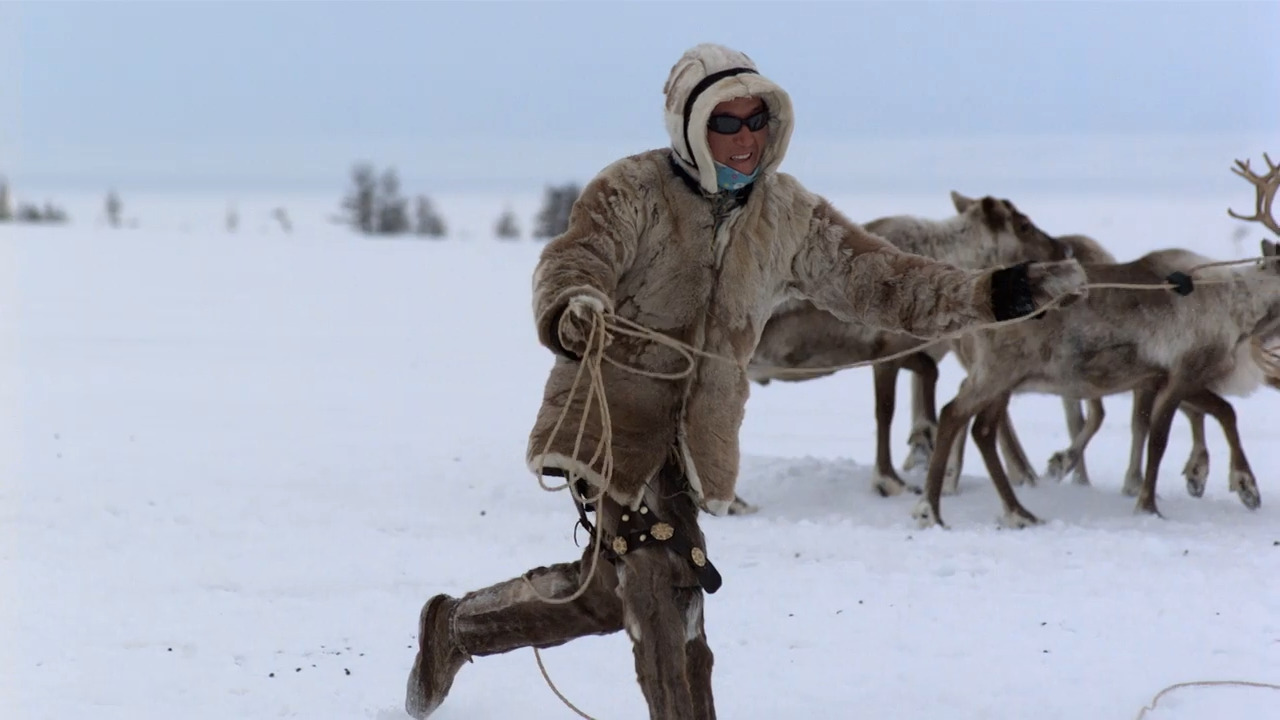
In Inside a Village of Reindeer Herders, narrator Sir David Attenborough describes how a small village of reindeer herders has stopped for a few days to rest. But when it’s time to move on, they can pack up and move to the next location within a few hours. This video is excerpted from BBC’s Frozen Planet, a series that shows a fragile world of beauty and hostility, where nature finds a way to survive and thrive in frigid conditions.

In Modern Reindeer Herders' Life on the Tundra, narrator Sir David Attenborough introduces the Dolgan, a group of reindeer herders in Siberia. They have herded reindeer for generations, prompting and prodding docile reindeer to move from one place to another. This video is excerpted from BBC’s Frozen Planet, a series that shows a fragile world of beauty and hostility, where nature finds a way to survive and thrive in frigid conditions.
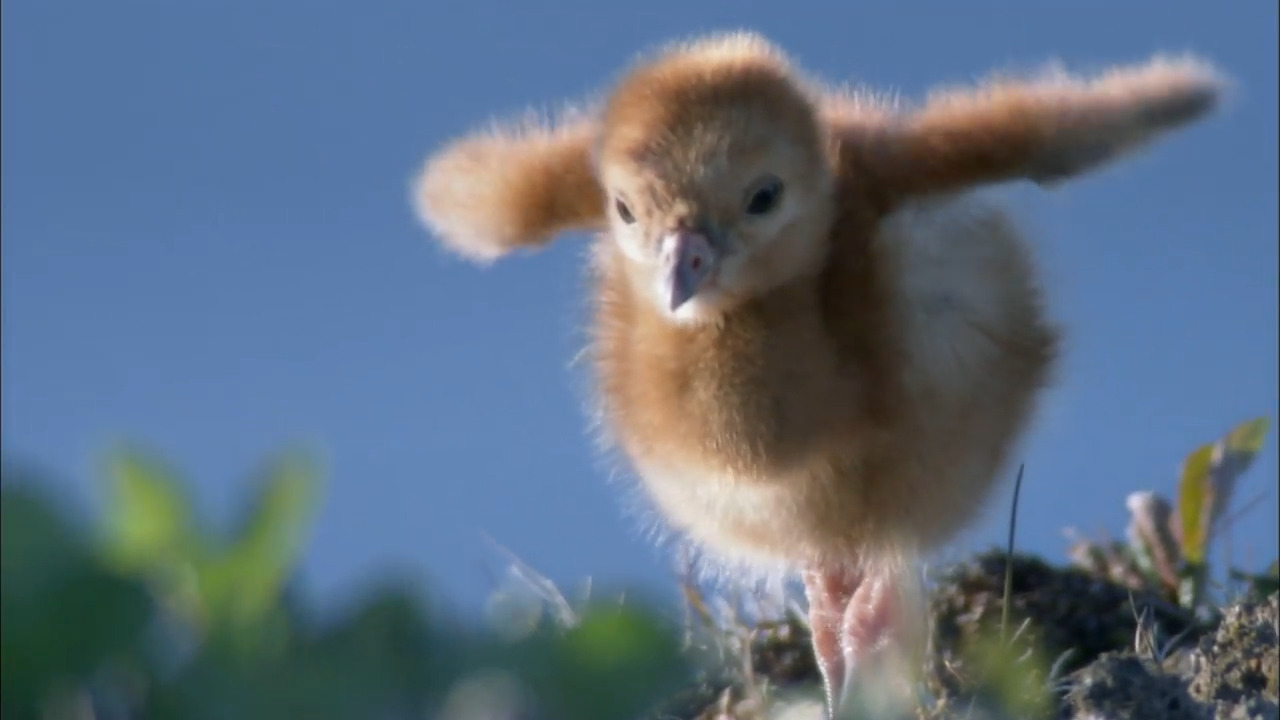
In The Arctic Summer Is Full of Endless Light and Abundant Life, narrator Sir David Attenborough showcases the Arctic at the peak of summer when continuous daylight transforms the tundra into a temporary haven for wildlife. Migratory birds, such as sandhill cranes, return from distant locations like New Mexico to take advantage of the abundant food supply and raise their young. Arctic foxes, now with plentiful food sources, can finally support their families. However, nesting birds must remain vigilant, as Arctic skuas aggressively defend their territories against intruders, even large mammals like reindeer. This video is excerpted from BBC’s Planet Earth, a breathtaking documentary series that highlights the natural wonders of our planet.

In A Picnic in the Arctic narrator Sir David Attenborough describes how men from two Arctic communities meet to exchange goods, barter, and share a meal. Summer in the Arctic is a chance for the people who live there to come together to share news over a meal of guillemot eggs. This video is excerpted from BBC’s Frozen Planet, a series that shows a fragile world of beauty and hostility, where nature finds a way to survive and thrive in frigid conditions.
You Might Also Like
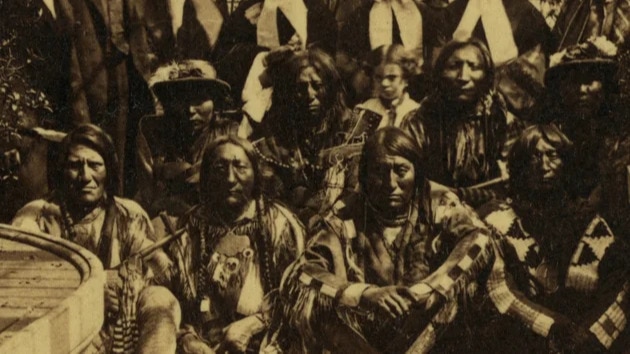
Long before the U.S. Constitution was written, five nations in what is now New York State had agreed to govern together under a shared set of laws. That story, the Haudenosaunee (Iroquois) Confederacy, is where this Kahoot! begins. From there, it moves across North America and through time: the cliff dwellings Ancestral Puebloans built into the canyon walls of Mesa Verde, the forced removal of the Cherokee along the Trail of Tears, the effort to bring buffalo back to the Great Plains, and the lives of First Nations, Métis, and Inuit communities in Canada today. Some answers may surprise you, and some will change how you think about history you thought you knew.
Teachers: Use it to open or review a unit on Indigenous history, government, or human rights, or pair it with the rest of the Indigenous Peoples Around the World Kahoot course.
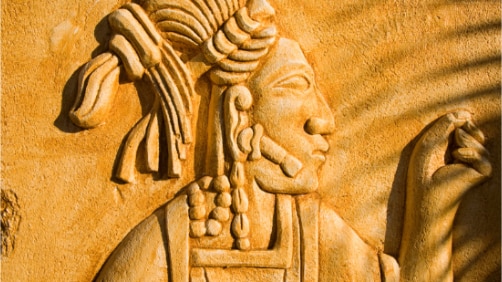
The Maya built one of the world's most remarkable civilizations, creating impressive cities, studying the stars, and developing advanced systems of mathematics and writing. Explore the achievements and legacy of the Maya people. Watch the BBC videos below, then take the Kahoot to test your knowledge.
Discover how Maya societies flourished across parts of present-day Mexico, Guatemala, Belize, Honduras, and El Salvador. Learn about their temples, calendars, scientific knowledge, and cultural traditions, while exploring how Maya communities continue to live and celebrate their heritage today.
Teachers: Use the videos as a starter activity for lessons on ancient civilizations, geography, or cultural heritage. Follow with the Kahoot as a formative assessment or review activity. Students will examine Maya achievements in architecture, astronomy, mathematics, and writing, while learning about the lasting influence of Maya culture. The activity supports comparisons between civilizations and encourages discussion about how ancient knowledge continues to shape the modern world. Watch for misconceptions such as the belief that the Maya disappeared, as millions of Maya people still live throughout Mesoamerica today.
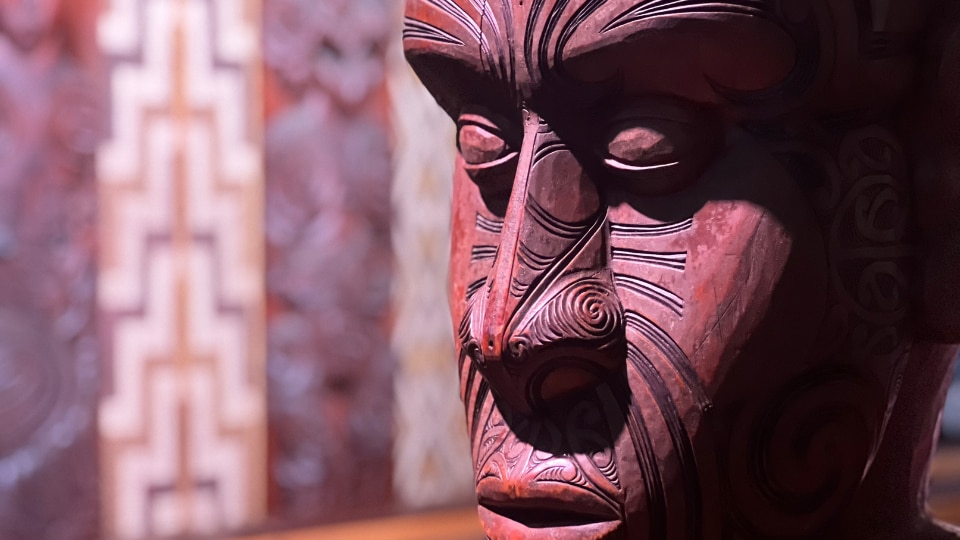
One of the last landmasses to be settled, New Zealand, or Aotearoa, is home to the Māori, the Indigenous people of New Zealand. Over 700 years ago, the Māori brought traditions, knowledge, and their language, te reo Māori, to Aotearoa, all of which continue to shape the country today. Explore Māori history and culture, from extraordinary waka voyages to the haka performed by a New Zealand sports team. Watch the BBC videos below to gear up with the knowledge you need to take the Kahoot!
Discover how Māori communities have preserved their identity and traditions across generations, despite there being a time when te reo Māori was discouraged in schools. Learn more about the significance of it now being an official language of New Zealand, as well as the marae as community gathering places and cultural practices such as haka and tā moko. Explore how Māori heritage remains a vibrant and important part of life in Aotearoa today.
Teachers: Use the videos as a lesson starter, homework activity, or introduction to Indigenous cultures and New Zealand history. Follow with the Kahoot as a live class quiz or self-paced challenge to check understanding and spark discussion. Students will learn about Māori migration to Aotearoa, the Treaty of Waitangi, the importance of marae, te reo Māori, and cultural traditions including the hongi, haka, and tā moko. The activity supports learning about Indigenous histories, cultural identity, and the ways traditions can be preserved and revitalized over time. Watch for common misconceptions, such as thinking haka is only performed in happy occasions such as to welcome guests or at sporting events, when it is also performed to honor achievements such as at funerals.
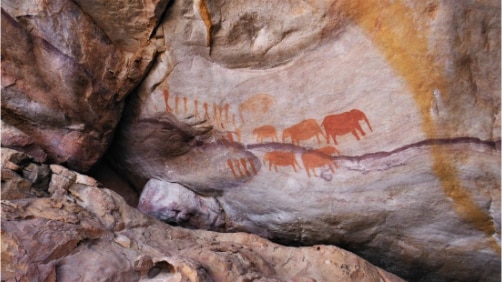
The San have lived in the Kalahari, a vast semi-desert stretching across Botswana, Namibia, and South Africa, for thousands of years. They are among the oldest continuous cultures on Earth. Watch the BBC video clips to see how they live in a place with little surface water: reading animal tracks in the sand, hunting with poisoned arrows, making fire by hand, and finding food and water where outsiders see none. Then take the Kahoot to test what you’ve learned, including the harder story of how San communities have fought to stay on their land and keep their knowledge alive as the world around them changes.
Teachers: Show the clips as a class before playing the Kahoot live or assign both for independent learning. It works as a hook for units on Indigenous peoples, African geography, or human adaptation to extreme environments. The land rights questions give students an opening to discuss who decides how traditional lands are used.
Long before the U.S. Constitution was written, five nations in what is now New York State had agreed to govern together under a shared set of laws. That story, the Haudenosaunee (Iroquois) Confederacy, is where this Kahoot! begins. From there, it moves across North America and through time: the cliff dwellings Ancestral Puebloans built into the canyon walls of Mesa Verde, the forced removal of the Cherokee along the Trail of Tears, the effort to bring buffalo back to the Great Plains, and the lives of First Nations, Métis, and Inuit communities in Canada today. Some answers may surprise you, and some will change how you think about history you thought you knew.
Teachers: Use it to open or review a unit on Indigenous history, government, or human rights, or pair it with the rest of the Indigenous Peoples Around the World Kahoot course.
The Maya built one of the world's most remarkable civilizations, creating impressive cities, studying the stars, and developing advanced systems of mathematics and writing. Explore the achievements and legacy of the Maya people. Watch the BBC videos below, then take the Kahoot to test your knowledge.
Discover how Maya societies flourished across parts of present-day Mexico, Guatemala, Belize, Honduras, and El Salvador. Learn about their temples, calendars, scientific knowledge, and cultural traditions, while exploring how Maya communities continue to live and celebrate their heritage today.
Teachers: Use the videos as a starter activity for lessons on ancient civilizations, geography, or cultural heritage. Follow with the Kahoot as a formative assessment or review activity. Students will examine Maya achievements in architecture, astronomy, mathematics, and writing, while learning about the lasting influence of Maya culture. The activity supports comparisons between civilizations and encourages discussion about how ancient knowledge continues to shape the modern world. Watch for misconceptions such as the belief that the Maya disappeared, as millions of Maya people still live throughout Mesoamerica today.
One of the last landmasses to be settled, New Zealand, or Aotearoa, is home to the Māori, the Indigenous people of New Zealand. Over 700 years ago, the Māori brought traditions, knowledge, and their language, te reo Māori, to Aotearoa, all of which continue to shape the country today. Explore Māori history and culture, from extraordinary waka voyages to the haka performed by a New Zealand sports team. Watch the BBC videos below to gear up with the knowledge you need to take the Kahoot!
Discover how Māori communities have preserved their identity and traditions across generations, despite there being a time when te reo Māori was discouraged in schools. Learn more about the significance of it now being an official language of New Zealand, as well as the marae as community gathering places and cultural practices such as haka and tā moko. Explore how Māori heritage remains a vibrant and important part of life in Aotearoa today.
Teachers: Use the videos as a lesson starter, homework activity, or introduction to Indigenous cultures and New Zealand history. Follow with the Kahoot as a live class quiz or self-paced challenge to check understanding and spark discussion. Students will learn about Māori migration to Aotearoa, the Treaty of Waitangi, the importance of marae, te reo Māori, and cultural traditions including the hongi, haka, and tā moko. The activity supports learning about Indigenous histories, cultural identity, and the ways traditions can be preserved and revitalized over time. Watch for common misconceptions, such as thinking haka is only performed in happy occasions such as to welcome guests or at sporting events, when it is also performed to honor achievements such as at funerals.
The San have lived in the Kalahari, a vast semi-desert stretching across Botswana, Namibia, and South Africa, for thousands of years. They are among the oldest continuous cultures on Earth. Watch the BBC video clips to see how they live in a place with little surface water: reading animal tracks in the sand, hunting with poisoned arrows, making fire by hand, and finding food and water where outsiders see none. Then take the Kahoot to test what you’ve learned, including the harder story of how San communities have fought to stay on their land and keep their knowledge alive as the world around them changes.
Teachers: Show the clips as a class before playing the Kahoot live or assign both for independent learning. It works as a hook for units on Indigenous peoples, African geography, or human adaptation to extreme environments. The land rights questions give students an opening to discuss who decides how traditional lands are used.