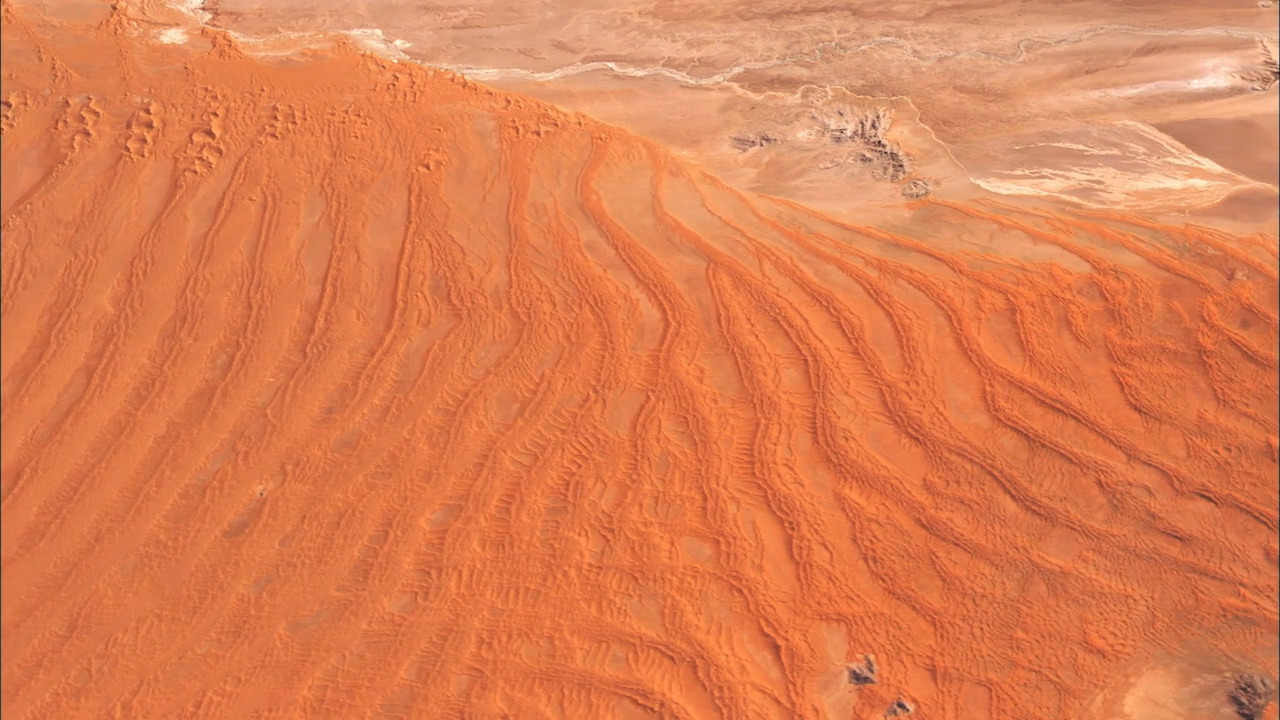
In The Formation of the Gobi Desert, narrator Sir David Attenborough explores the Gobi Desert and its origin. The Himalayas force air upwards, creating rainfall. When the air reaches the other side of the mountains, it is drier. This weather pattern formed the Gobi Desert. This video is excerpted from BBC's Planet Earth, a breathtaking documentary series that highlights the natural wonders of our planet.

In The Animals of the Gobi Desert, narrator Sir David Attenborough explores the Gobi Desert and the animals that live there. The Gobi is one of the harshest deserts of all because temperatures range from 122°F (50°C) during the summer to -40°F (-40°C) during the winter. Learn how Bactrian camels living in the Gobi get their water from snow. This video is excerpted from BBC's Planet Earth, a breathtaking documentary series that highlights the natural wonders of our planet.
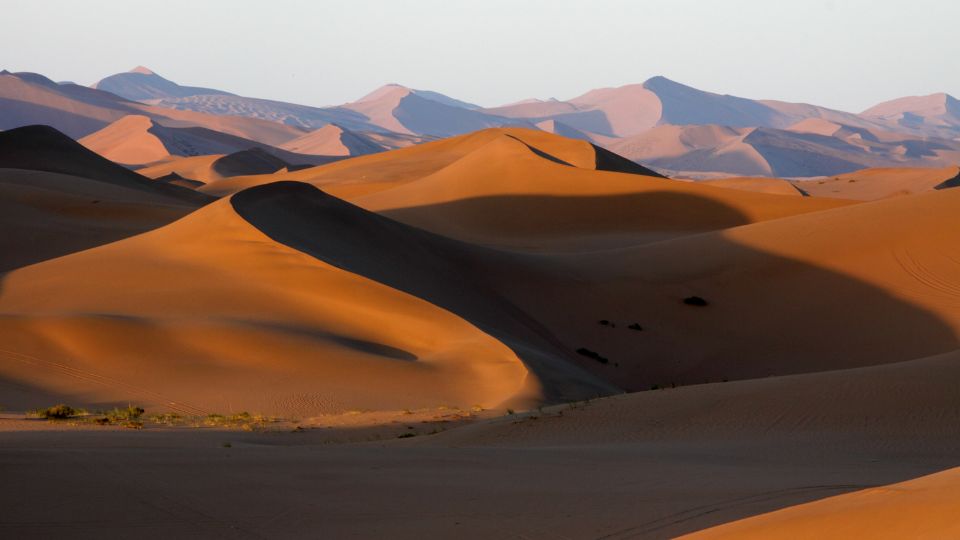
There's no place like the Gobi. First watch The Formation of The Gobi Desert, a short clip from the award-winning BBC series Planet Earth. Sir David Attenborough explains the origins of this singular place on the planet. Its lack of green coverage means it's actually visible from space!
Once your students have watched the video, invite them to check for understanding with this quick, 8-question quiz!
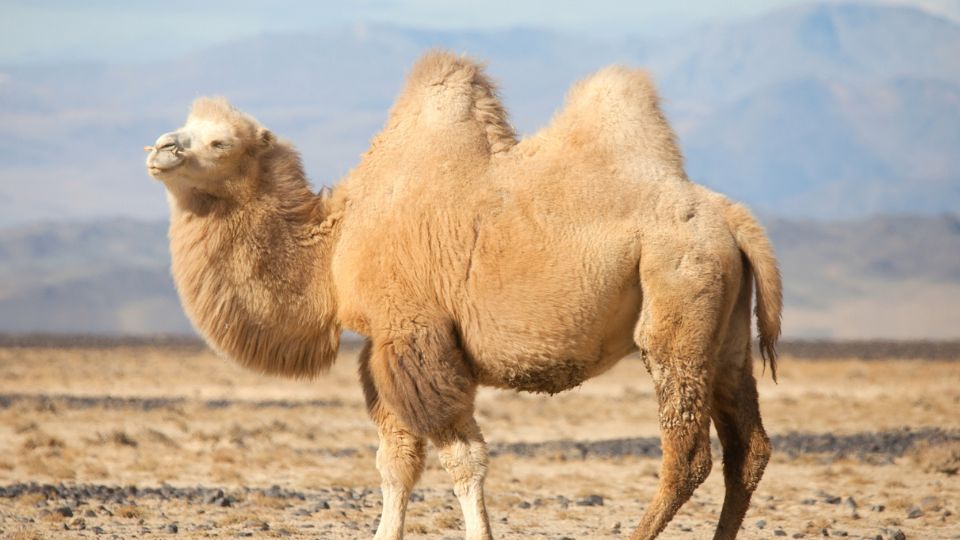
Get ready to step into one of the toughest places on Earth! First watch The Animals of The Gobi Desert, a short clip from the award-winning BBC series Planet Earth. Sir David Attenborough takes you deep into the Gobi Desert, where summers scorch at 122°F and winters freeze at –40°F. You’ll meet the incredible Bactrian camels who survive here by slurping water straight from snow — yes, snow — in the desert!
Once your students have watched the video, invite them to check for understanding with this quick, 8-question quiz!
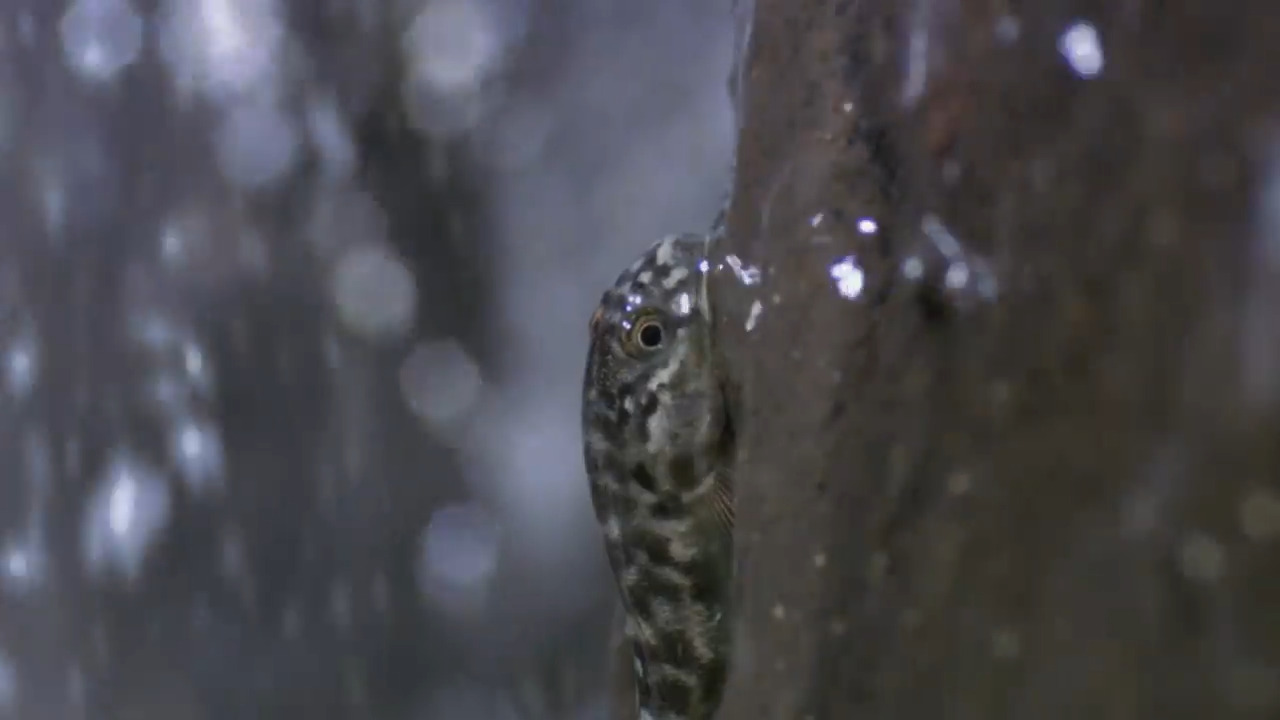
In The Goby Fish’s Epic Climb, narrator Sir David Attenborough introduces Hawaii's amazing rock-climbing goby, a tiny fish with a big challenge! These fish have special fins like suction cups that help them scale massive waterfalls, one slippery rock at a time. While some don't make it, the ones that reach the top find a peaceful paradise with no predators, perfect for living and raising their young. This video is excerpted from BBC's Life, a show that explores the remarkable strategies animals and plants use to ensure their survival.
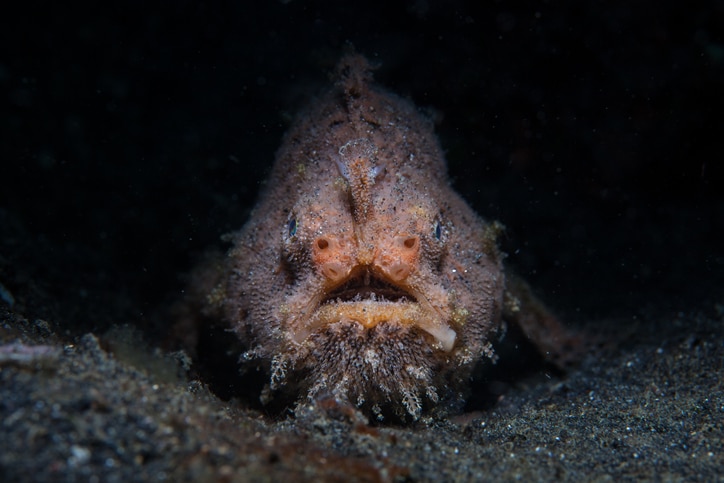
Across 10 fascinating BBC videos from favorites including Deadly 60 and Blue Planet, encounter glowing anglerfish lurking in the deep, sharp-toothed piranhas, venomous lionfish, balloon-like pufferfish, and other extraordinary species.
Discover the surprising adaptations that help these fish hunt, hide, defend themselves, and survive. See how some use light to attract prey, others rely on camouflage or warning colors, and a few transform their appearance when danger gets too close. From tropical reefs and freshwater rivers to the darkest depths of the ocean, fish have evolved remarkable solutions to life underwater.
Strange shapes, startling defenses, clever hunting strategies, and plenty of surprises make these BBC videos a close-up look at just how weird — and wonderfully diverse — the underwater world can be.
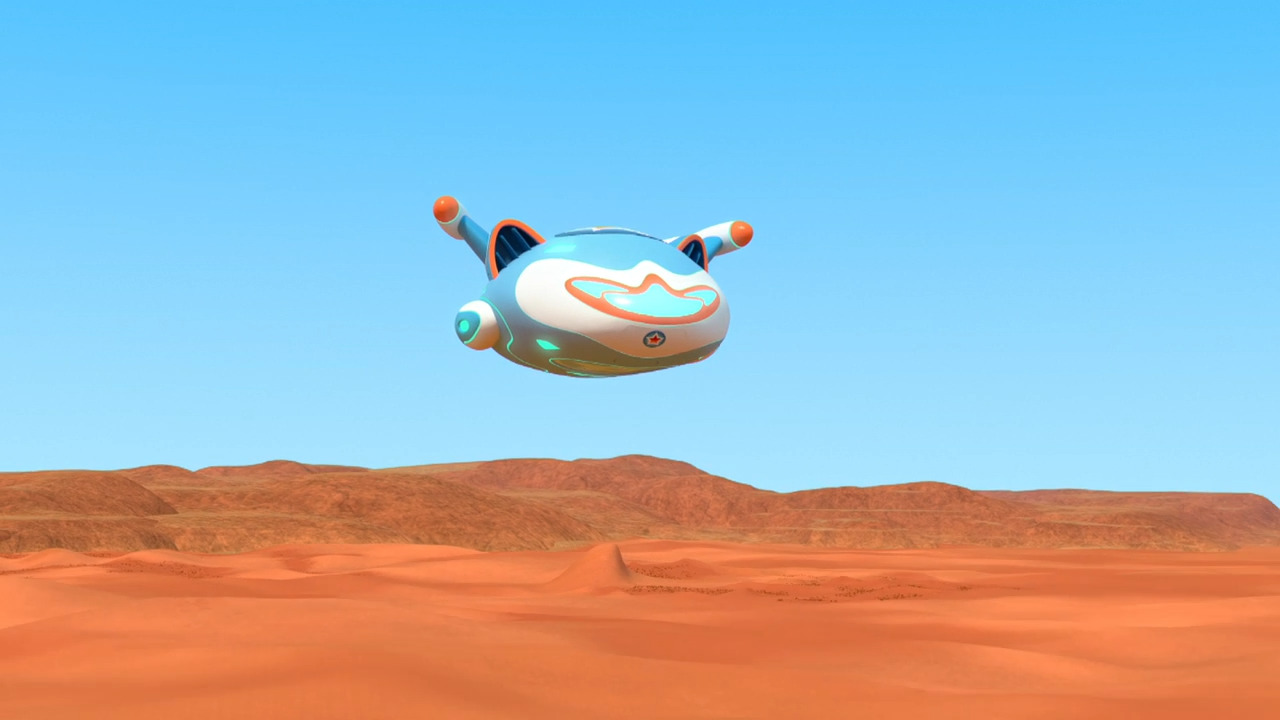
In The Go Jetters Go to the Gobi Desert, the Go Jetters crew visits The Gobi Desert in Central Asia. The Gobi is super dry and windy, with winds blowing as fast as a race car! It's called a “rainshadow desert” because the big Himalayan mountains stop rain and clouds from reaching it. Even though it’s tough to live there because of the wind, the Gobi is a great place to find dinosaur fossils hidden deep in the sand! This video is excerpted from BBC’s Go Jetters, a series that follows the adventures of four plucky international heroes as they travel the globe visiting the world’s most famous landmarks with their friend and mentor, Ubercorn, a disco-dancing unicorn.
Deserts aren't empty — they're some of the most extreme, most surprising ecosystems on Earth. From the towering dunes of the Namib and the sunbaked Kalahari to the rugged Australian Outback and the icy sands of the Gobi, life finds a way.
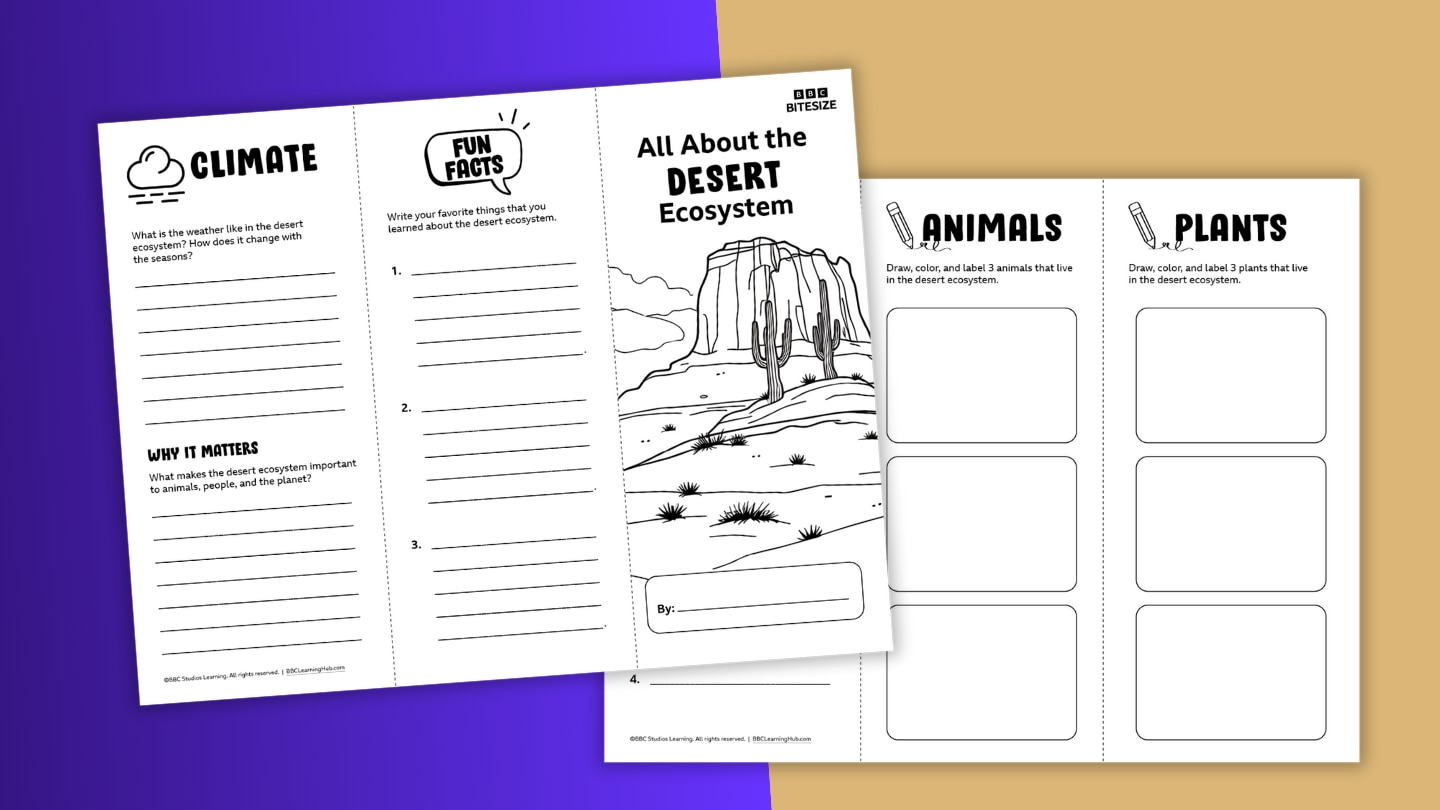
After watching desert video clips, have students dig deeper with their own research and build a brochure covering:
- Location of the ecosystem on a world map
- Adjectives that describe the ecosystem
- Three animals that live there
- Three plants that grow there
- The climate
- Why the ecosystem matters
- Their favorite fun facts
Students summarize in their own words, which means they're practicing a real skill: pulling information from multiple sources and deciding what's worth keeping. The brochure format gives them room to make it their own
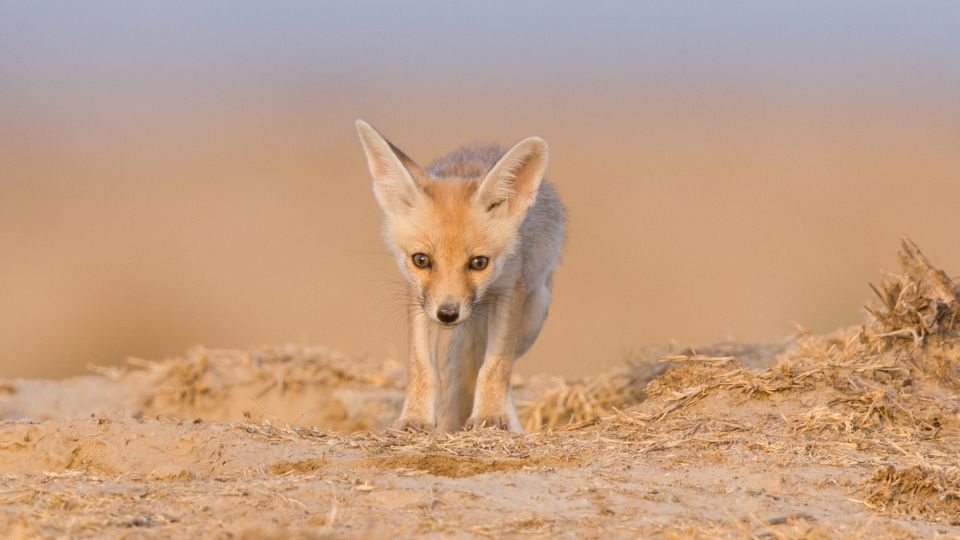
Explore the fascinating world of deserts and discover how plants, animals, and people adapt to survive in some of the hottest and driest places on Earth. From towering cacti and clever nocturnal animals to sudden sandstorms and scarce water sources, students will learn how life continues to thrive in these extreme environments.
This Kahoot! investigates the unique features of desert ecosystems, including climate, habitats, food chains, and the special adaptations that help living things conserve water and stay cool. Students will also explore how deserts change over time and why these harsh landscapes are an important part of our planet’s natural systems.
Watch the related BBC videos (below), then invite your Grade 3–8 students to test their knowledge and uncover the surprising diversity and resilience of life in the desert.
In The Formation of the Gobi Desert, narrator Sir David Attenborough explores the Gobi Desert and its origin. The Himalayas force air upwards, creating rainfall. When the air reaches the other side of the mountains, it is drier. This weather pattern formed the Gobi Desert. This video is excerpted from BBC's Planet Earth, a breathtaking documentary series that highlights the natural wonders of our planet.
In The Animals of the Gobi Desert, narrator Sir David Attenborough explores the Gobi Desert and the animals that live there. The Gobi is one of the harshest deserts of all because temperatures range from 122°F (50°C) during the summer to -40°F (-40°C) during the winter. Learn how Bactrian camels living in the Gobi get their water from snow. This video is excerpted from BBC's Planet Earth, a breathtaking documentary series that highlights the natural wonders of our planet.
There's no place like the Gobi. First watch The Formation of The Gobi Desert, a short clip from the award-winning BBC series Planet Earth. Sir David Attenborough explains the origins of this singular place on the planet. Its lack of green coverage means it's actually visible from space!
Once your students have watched the video, invite them to check for understanding with this quick, 8-question quiz!
Get ready to step into one of the toughest places on Earth! First watch The Animals of The Gobi Desert, a short clip from the award-winning BBC series Planet Earth. Sir David Attenborough takes you deep into the Gobi Desert, where summers scorch at 122°F and winters freeze at –40°F. You’ll meet the incredible Bactrian camels who survive here by slurping water straight from snow — yes, snow — in the desert!
Once your students have watched the video, invite them to check for understanding with this quick, 8-question quiz!
In The Goby Fish’s Epic Climb, narrator Sir David Attenborough introduces Hawaii's amazing rock-climbing goby, a tiny fish with a big challenge! These fish have special fins like suction cups that help them scale massive waterfalls, one slippery rock at a time. While some don't make it, the ones that reach the top find a peaceful paradise with no predators, perfect for living and raising their young. This video is excerpted from BBC's Life, a show that explores the remarkable strategies animals and plants use to ensure their survival.
Across 10 fascinating BBC videos from favorites including Deadly 60 and Blue Planet, encounter glowing anglerfish lurking in the deep, sharp-toothed piranhas, venomous lionfish, balloon-like pufferfish, and other extraordinary species.
Discover the surprising adaptations that help these fish hunt, hide, defend themselves, and survive. See how some use light to attract prey, others rely on camouflage or warning colors, and a few transform their appearance when danger gets too close. From tropical reefs and freshwater rivers to the darkest depths of the ocean, fish have evolved remarkable solutions to life underwater.
Strange shapes, startling defenses, clever hunting strategies, and plenty of surprises make these BBC videos a close-up look at just how weird — and wonderfully diverse — the underwater world can be.
In The Go Jetters Go to the Gobi Desert, the Go Jetters crew visits The Gobi Desert in Central Asia. The Gobi is super dry and windy, with winds blowing as fast as a race car! It's called a “rainshadow desert” because the big Himalayan mountains stop rain and clouds from reaching it. Even though it’s tough to live there because of the wind, the Gobi is a great place to find dinosaur fossils hidden deep in the sand! This video is excerpted from BBC’s Go Jetters, a series that follows the adventures of four plucky international heroes as they travel the globe visiting the world’s most famous landmarks with their friend and mentor, Ubercorn, a disco-dancing unicorn.
Deserts aren't empty — they're some of the most extreme, most surprising ecosystems on Earth. From the towering dunes of the Namib and the sunbaked Kalahari to the rugged Australian Outback and the icy sands of the Gobi, life finds a way.
After watching desert video clips, have students dig deeper with their own research and build a brochure covering:
- Location of the ecosystem on a world map
- Adjectives that describe the ecosystem
- Three animals that live there
- Three plants that grow there
- The climate
- Why the ecosystem matters
- Their favorite fun facts
Students summarize in their own words, which means they're practicing a real skill: pulling information from multiple sources and deciding what's worth keeping. The brochure format gives them room to make it their own
Explore the fascinating world of deserts and discover how plants, animals, and people adapt to survive in some of the hottest and driest places on Earth. From towering cacti and clever nocturnal animals to sudden sandstorms and scarce water sources, students will learn how life continues to thrive in these extreme environments.
This Kahoot! investigates the unique features of desert ecosystems, including climate, habitats, food chains, and the special adaptations that help living things conserve water and stay cool. Students will also explore how deserts change over time and why these harsh landscapes are an important part of our planet’s natural systems.
Watch the related BBC videos (below), then invite your Grade 3–8 students to test their knowledge and uncover the surprising diversity and resilience of life in the desert.