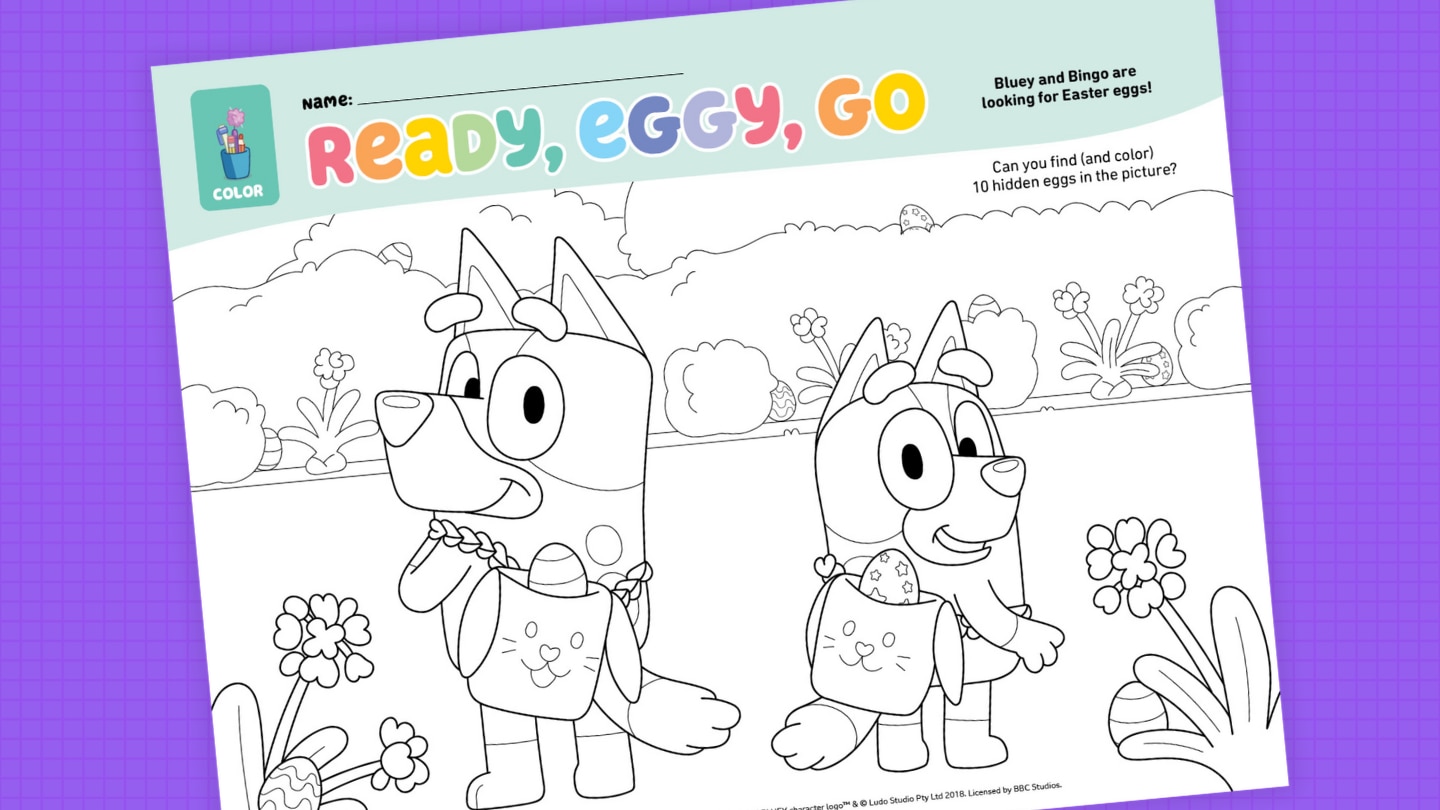
Bluey and Bingo are looking for Easter eggs! Can you find (and color) 10 hidden eggs in the picture?
Inspired by Season 2, Episode 52 "Easter": It’s Easter morning and Bluey and Bingo have woken up worried about the Easter bunny. Luckily Bluey finds a series of clues and a treasure hunt throughout the house begins — even through Dad’s stinky toilet!
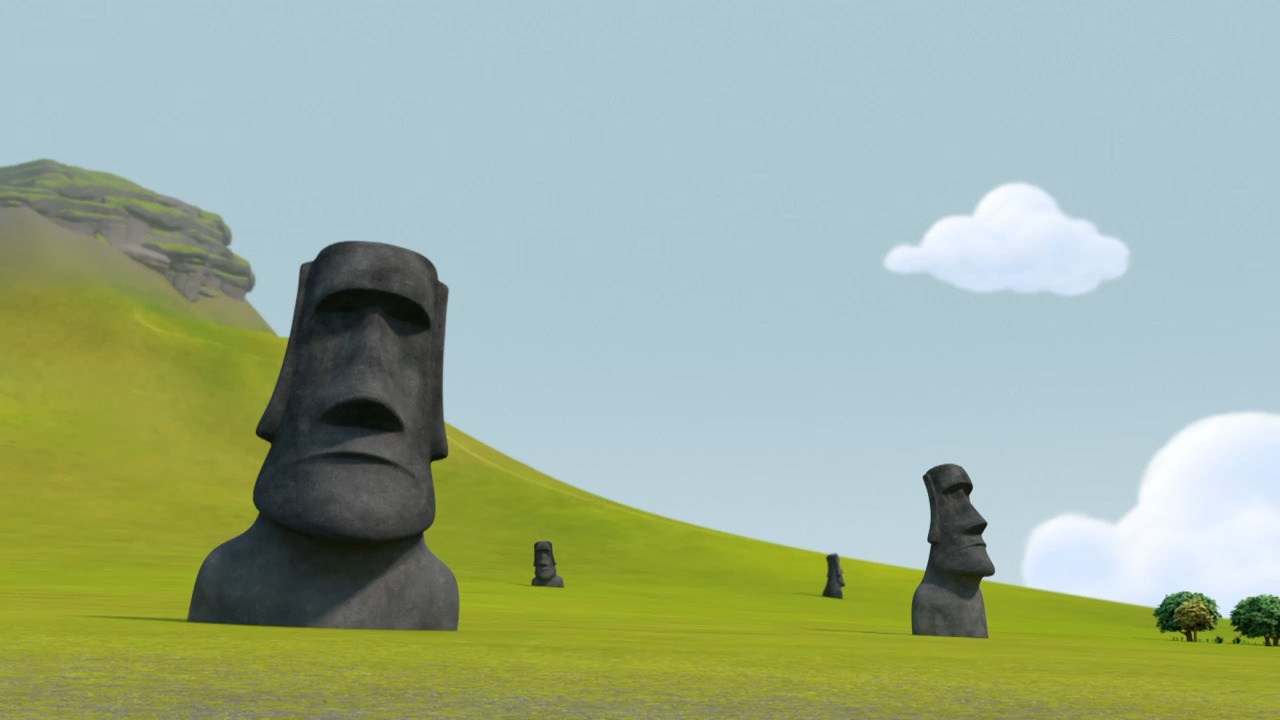
In The Go Jetters Meet the Giant Moai Statues in the Pacific Ocean, the Go Jetters crew visits Easter Island, a tiny island in the middle of the big South Pacific Ocean, far away from anything else! The people who first settled there were amazing navigators and built giant stone statues called moai to honor their families and protect the island. These statues still stand tall today and are a favorite spot for visitors from all over the world. This video is excerpted from BBC’s Go Jetters, a series that follows the adventures of four plucky international heroes as they travel the globe visiting the world’s most famous landmarks with their friend and mentor, Ubercorn, a disco-dancing unicorn.
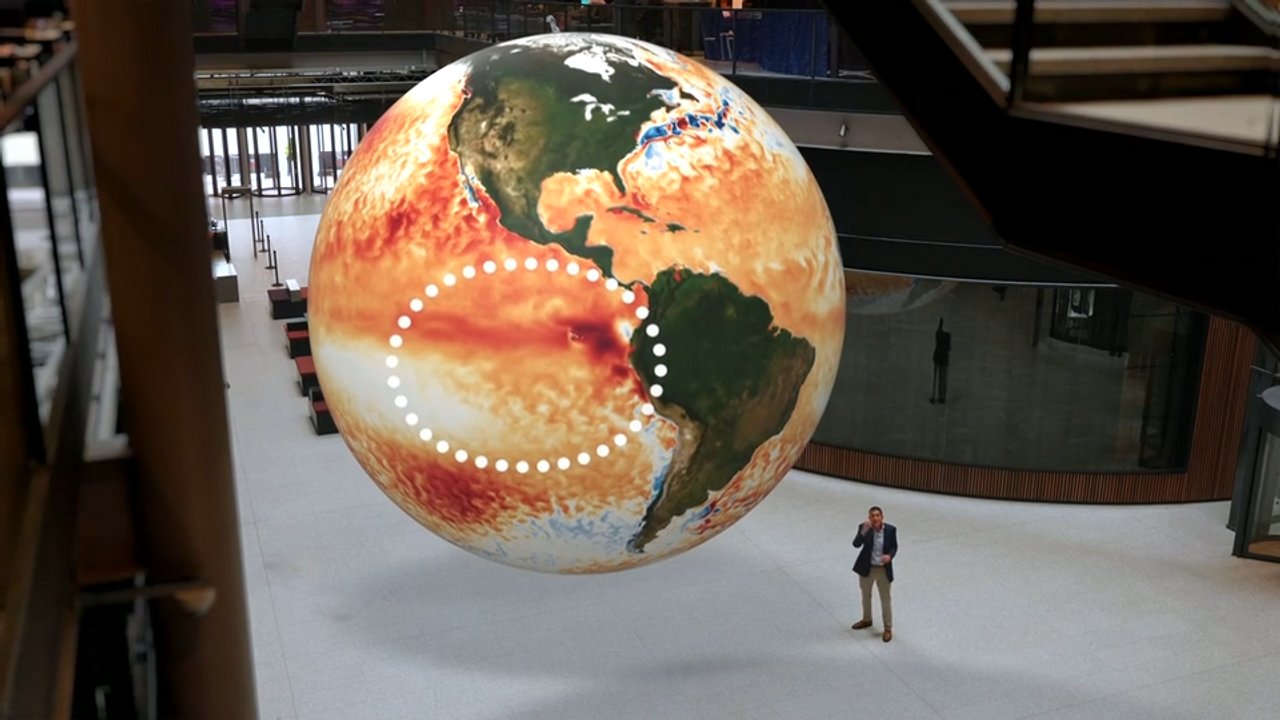
Feeling the heat lately? It might be because of El Niño, a climate pattern characterized by unusually warm sea-surface temperatures in the central and eastern tropical Pacific Ocean. It can affect the trade winds. These are the permanent, normally easterly winds that flow around the Earth's equator.
When we track the water temperature using tools like satellites, buoys, and ocean floats to measure temperatures below the ocean's surface, they show a large body of unusually hot water. Way bigger than the pot of water you’re boiling for your mac and cheese. Yes, even if you’re making extra mac and cheese. This is serious business! It can cause the sea-surface temperatures in parts of the tropical Pacific to rise by more than 2°C (about 3.6°F) above average, suggesting this year's El Niño is unusually strong, and could make 2027 one of the hottest years on record.
Depending on where you are in the world, El Niño is associated with both droughts and floods. These affect the lives of people living in those places, as well as their agriculture and food production, so the whole world feels the El Niño effects.
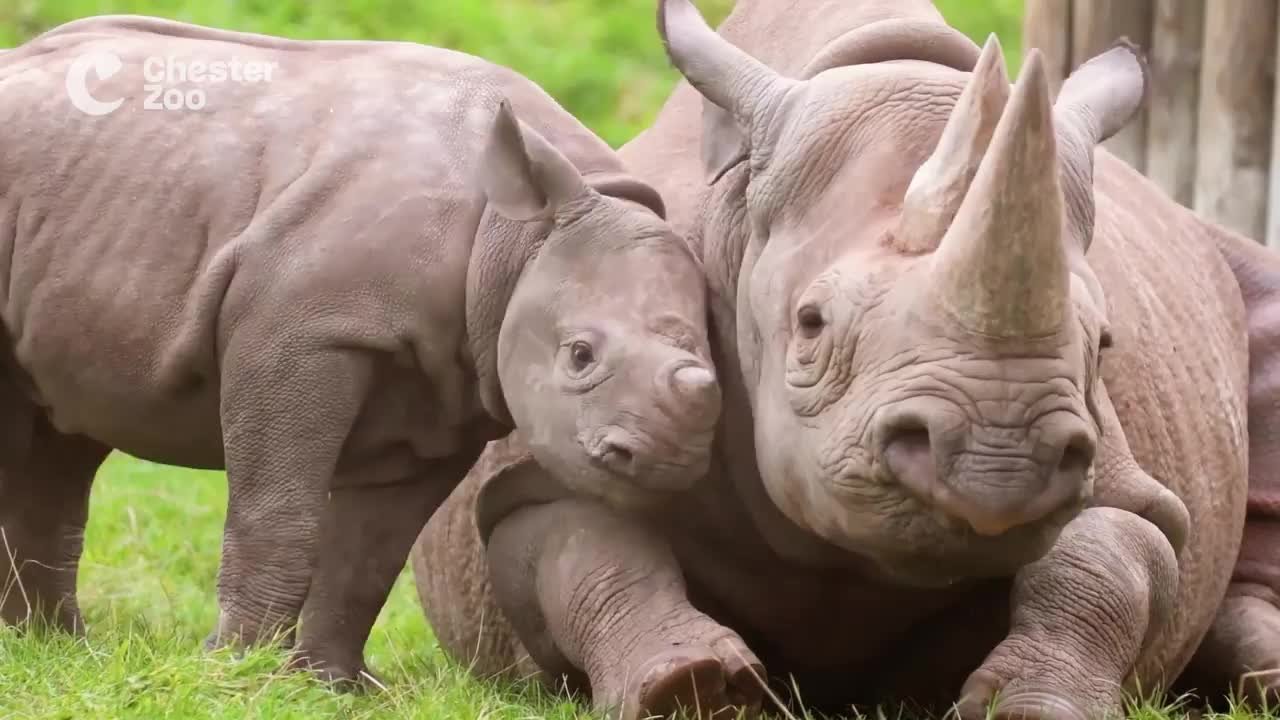
Rhinos are among the oldest groups of mammals on Earth, with ancestors that roamed the planet millions of years before humans. Today, however, these iconic animals are among the world's most endangered species.
In this fact file video from Chester Zoo, discover the remarkable adaptations of the eastern black rhinoceros, from its iconic double horns and swiveling ears to its unique prehensile lip that helps it feed on leaves and branches. Learn how these solitary giants communicate, care for their calves, and survive in the grasslands and savannas of eastern Africa, while exploring the conservation efforts working to protect this critically endangered species from extinction.
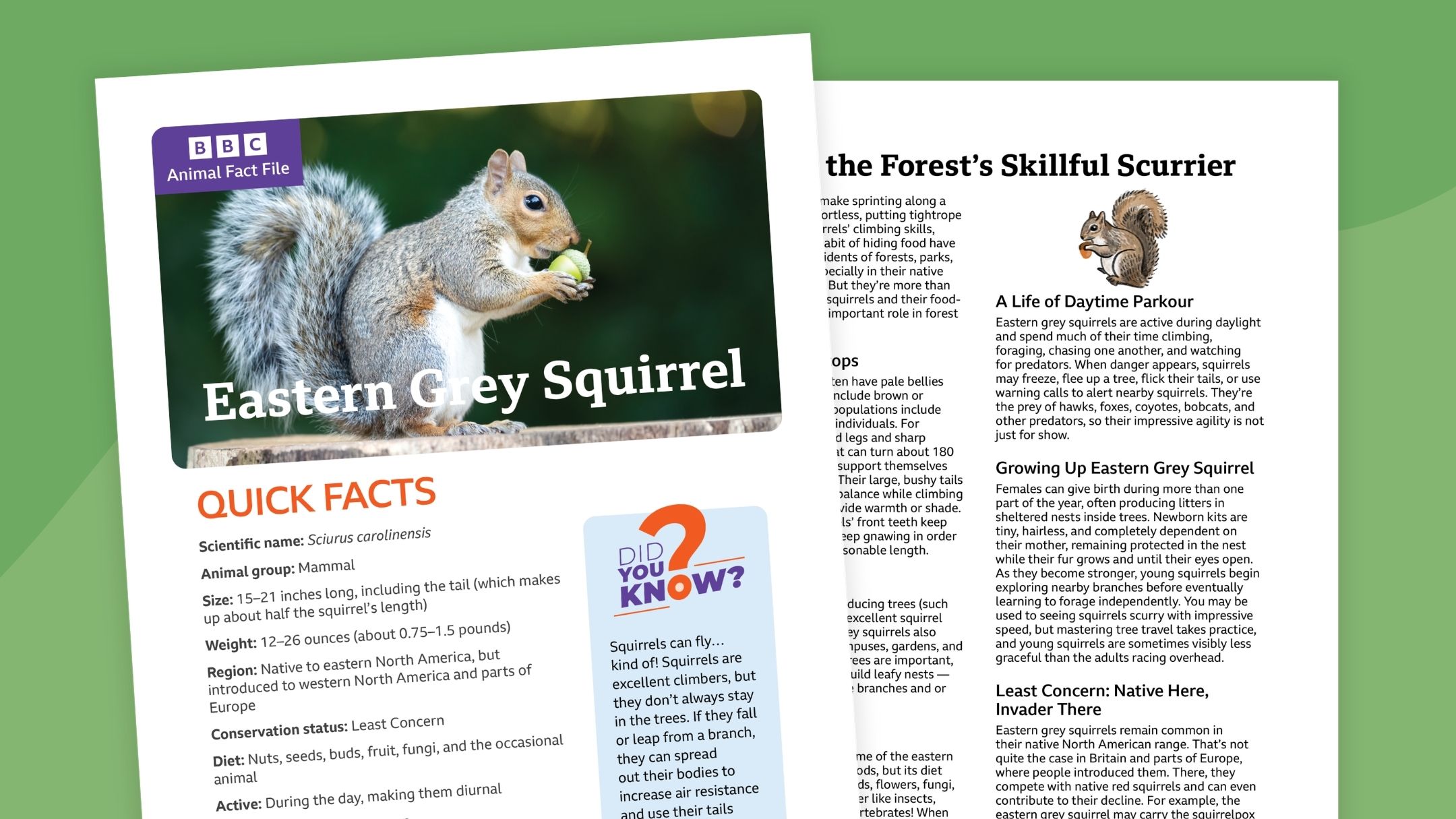
Can a squirrel really fly? Not exactly — but it can leap, fall, and glide through the air with surprising control.
Eastern grey squirrels may be familiar sights in parks and backyards, but there’s a lot going on behind those quick paws and bushy tails. Explore the climbing skills that help them navigate the treetops, the clever way they stash food for later, and the surprising role those forgotten nuts can play in growing new trees. You'll also discover how squirrels communicate, raise their young, and adapt to life in both forests and human neighborhoods.
Teachers and parents, you can use this fact file to:
- Introduce an animal, wildlife, or life science unit
- Support nonfiction reading and vocabulary practice
- Explore animal adaptations, behaviors, and habitats
- Compare animals and the ecosystems they live in
- Practice finding and organizing information from nonfiction texts
- Prepare students for animal research projects or presentations (use our animal report templates!)
- Connect science learning to conservation and environmental issues
- Pair with videos, articles, or other informational texts (see Related Resources below)
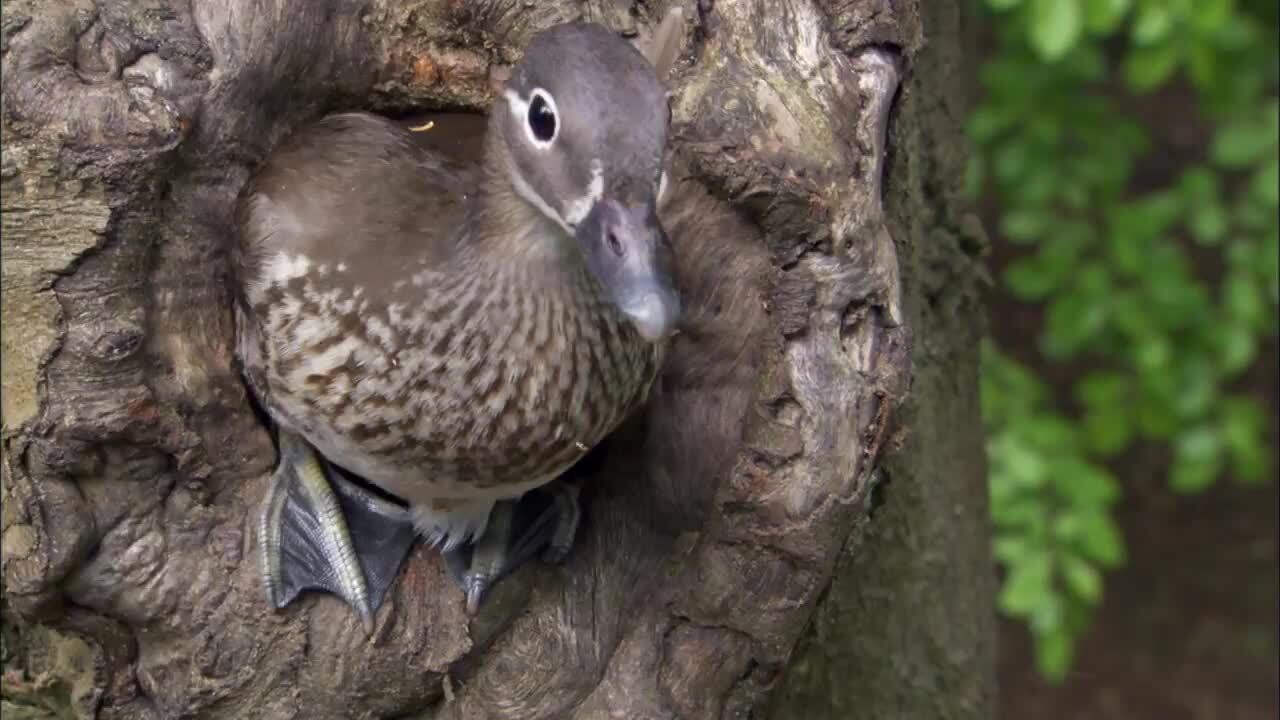
In The Deciduous Forests of Europe, narrator Sir David Attenborough describes how the forests of Eastern Europe burst into life in spring. Newly hatched Mandarin ducks take a great leap from their tree-hole nest. Watch them soar one by one to the ground and land safely on the leaves piled below. This video is excerpted from BBC's Planet Earth, a breathtaking documentary series that highlights the natural wonders of our planet.
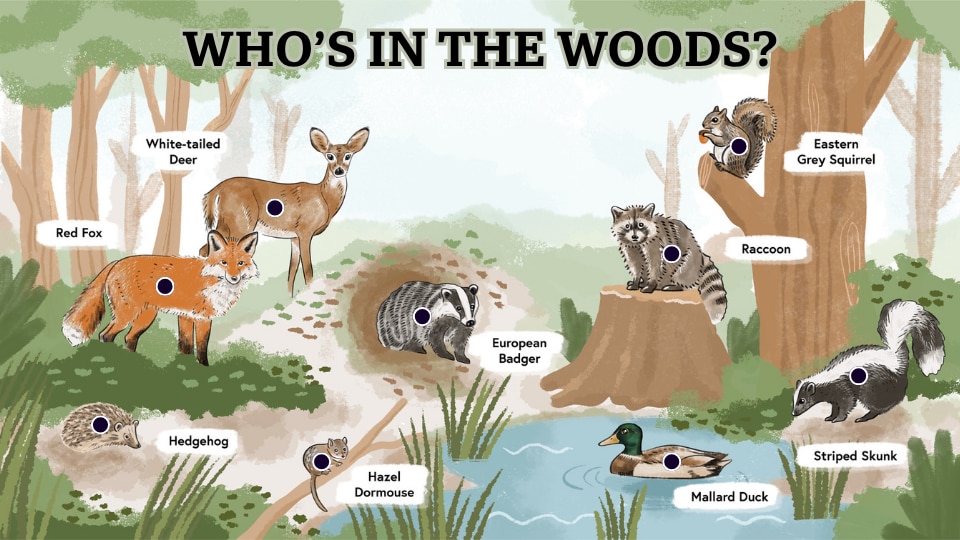
Meet nine wild animals that live in forests, parks, gardens, and neighborhoods: the red fox, white-tailed deer, mallard duck, striped skunk, eastern grey squirrel, raccoon, European badger, hedgehog, and hazel dormouse.
Click on each animal's picture to watch a short video, then click on its name for a fact about what makes it unusual, from its senses and behavior to the ways it has adapted to survive.
Some of these animals may live near you, while others are much harder to spot. Along the way, you'll learn how each one finds food, raises its young, avoids predators, and makes use of the habitat around it.
For Teachers and Parents:
Woodland Animals works well as an introduction to habitats and adaptations or as a self-guided activity for students working on their own or in pairs. Here are a few ways to use it:
- Before exploring: Ask students which of the nine animals they've seen in real life and where. It's a quick way to connect the lesson to their own surroundings.
- While exploring: Have students record one adaptation for each animal, such as a special sense, body feature, or behavior, and how it helps the animal survive.
- After exploring: Ask students to sort the animals by what they eat, when they're active, or how they avoid predators. They can then compare animals that share a habitat but survive in different ways.
- Extension: Some of these animals live in North America, some in Europe, and some in both. Students can research which ones live in their region and why others don't.
Bluey and Bingo are looking for Easter eggs! Can you find (and color) 10 hidden eggs in the picture?
Inspired by Season 2, Episode 52 "Easter": It’s Easter morning and Bluey and Bingo have woken up worried about the Easter bunny. Luckily Bluey finds a series of clues and a treasure hunt throughout the house begins — even through Dad’s stinky toilet!
In The Go Jetters Meet the Giant Moai Statues in the Pacific Ocean, the Go Jetters crew visits Easter Island, a tiny island in the middle of the big South Pacific Ocean, far away from anything else! The people who first settled there were amazing navigators and built giant stone statues called moai to honor their families and protect the island. These statues still stand tall today and are a favorite spot for visitors from all over the world. This video is excerpted from BBC’s Go Jetters, a series that follows the adventures of four plucky international heroes as they travel the globe visiting the world’s most famous landmarks with their friend and mentor, Ubercorn, a disco-dancing unicorn.
Feeling the heat lately? It might be because of El Niño, a climate pattern characterized by unusually warm sea-surface temperatures in the central and eastern tropical Pacific Ocean. It can affect the trade winds. These are the permanent, normally easterly winds that flow around the Earth's equator.
When we track the water temperature using tools like satellites, buoys, and ocean floats to measure temperatures below the ocean's surface, they show a large body of unusually hot water. Way bigger than the pot of water you’re boiling for your mac and cheese. Yes, even if you’re making extra mac and cheese. This is serious business! It can cause the sea-surface temperatures in parts of the tropical Pacific to rise by more than 2°C (about 3.6°F) above average, suggesting this year's El Niño is unusually strong, and could make 2027 one of the hottest years on record.
Depending on where you are in the world, El Niño is associated with both droughts and floods. These affect the lives of people living in those places, as well as their agriculture and food production, so the whole world feels the El Niño effects.
Rhinos are among the oldest groups of mammals on Earth, with ancestors that roamed the planet millions of years before humans. Today, however, these iconic animals are among the world's most endangered species.
In this fact file video from Chester Zoo, discover the remarkable adaptations of the eastern black rhinoceros, from its iconic double horns and swiveling ears to its unique prehensile lip that helps it feed on leaves and branches. Learn how these solitary giants communicate, care for their calves, and survive in the grasslands and savannas of eastern Africa, while exploring the conservation efforts working to protect this critically endangered species from extinction.
Can a squirrel really fly? Not exactly — but it can leap, fall, and glide through the air with surprising control.
Eastern grey squirrels may be familiar sights in parks and backyards, but there’s a lot going on behind those quick paws and bushy tails. Explore the climbing skills that help them navigate the treetops, the clever way they stash food for later, and the surprising role those forgotten nuts can play in growing new trees. You'll also discover how squirrels communicate, raise their young, and adapt to life in both forests and human neighborhoods.
Teachers and parents, you can use this fact file to:
- Introduce an animal, wildlife, or life science unit
- Support nonfiction reading and vocabulary practice
- Explore animal adaptations, behaviors, and habitats
- Compare animals and the ecosystems they live in
- Practice finding and organizing information from nonfiction texts
- Prepare students for animal research projects or presentations (use our animal report templates!)
- Connect science learning to conservation and environmental issues
- Pair with videos, articles, or other informational texts (see Related Resources below)
In The Deciduous Forests of Europe, narrator Sir David Attenborough describes how the forests of Eastern Europe burst into life in spring. Newly hatched Mandarin ducks take a great leap from their tree-hole nest. Watch them soar one by one to the ground and land safely on the leaves piled below. This video is excerpted from BBC's Planet Earth, a breathtaking documentary series that highlights the natural wonders of our planet.
Meet nine wild animals that live in forests, parks, gardens, and neighborhoods: the red fox, white-tailed deer, mallard duck, striped skunk, eastern grey squirrel, raccoon, European badger, hedgehog, and hazel dormouse.
Click on each animal's picture to watch a short video, then click on its name for a fact about what makes it unusual, from its senses and behavior to the ways it has adapted to survive.
Some of these animals may live near you, while others are much harder to spot. Along the way, you'll learn how each one finds food, raises its young, avoids predators, and makes use of the habitat around it.
For Teachers and Parents:
Woodland Animals works well as an introduction to habitats and adaptations or as a self-guided activity for students working on their own or in pairs. Here are a few ways to use it:
- Before exploring: Ask students which of the nine animals they've seen in real life and where. It's a quick way to connect the lesson to their own surroundings.
- While exploring: Have students record one adaptation for each animal, such as a special sense, body feature, or behavior, and how it helps the animal survive.
- After exploring: Ask students to sort the animals by what they eat, when they're active, or how they avoid predators. They can then compare animals that share a habitat but survive in different ways.
- Extension: Some of these animals live in North America, some in Europe, and some in both. Students can research which ones live in their region and why others don't.