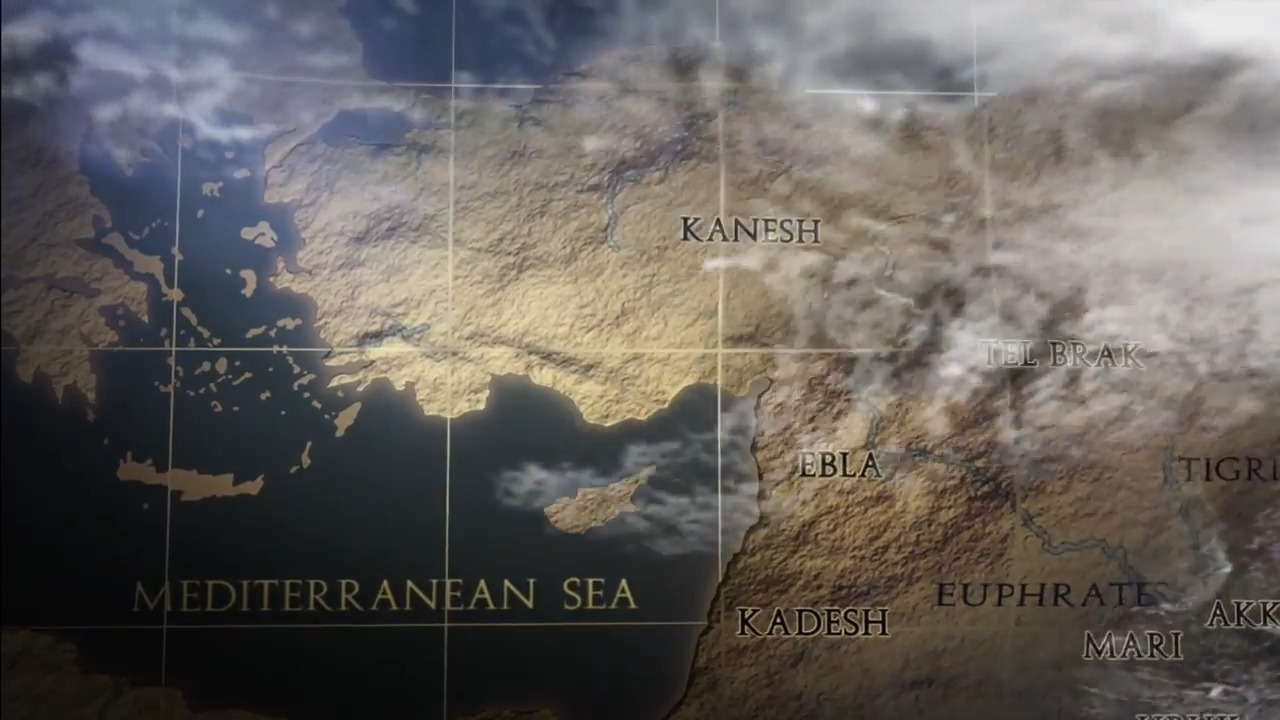
In Transformations of the Bronze Age, archaeologist and historian Richard Miles reveals how bronze transformed ancient societies. It shaped tools, weapons, economies, and trade routes. Bronze Age civilizations were interconnected and collaborative, sharing material and information across trade routes. This video is excerpted from BBC’s Ancient Worlds, an epic series with archaeologist and historian Richard Miles as he explores the roots of civilization from Mesopotamia to the fall of the Roman Empire.
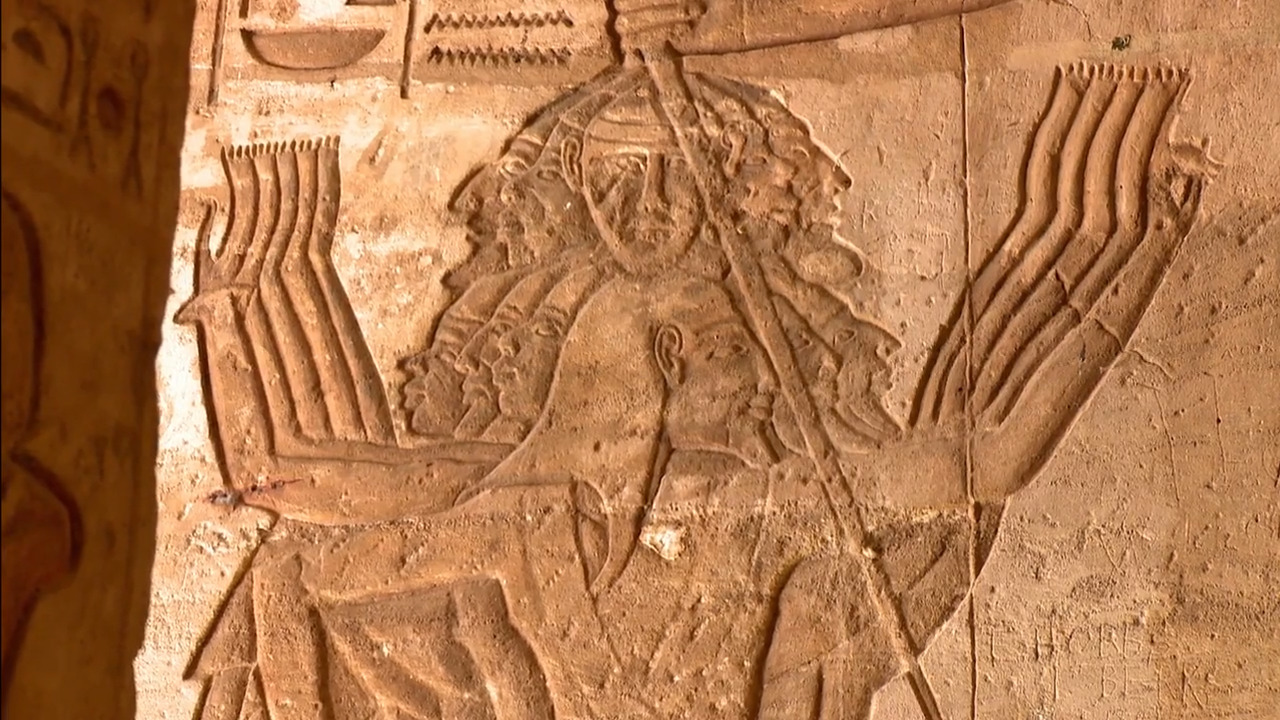
In The Bronze Age and Diplomacy, archaeologist and historian Richard Miles describes a Bronze Age that is held together by peace treaties and agreements. In particular, the Hittites are pioneering in their diplomacy. Even so, the Hittites fought the Egyptians in the Battle of Kadesh, the largest chariot battle in history. But despite peace treaties and cooperation, upheavals and external pressures led to the collapse of the Bronze Age and the first dark age. This video is excerpted from BBC’s Ancient Worlds, an epic series with archaeologist and historian Richard Miles as he explores the roots of civilization from Mesopotamia to the fall of the Roman Empire.
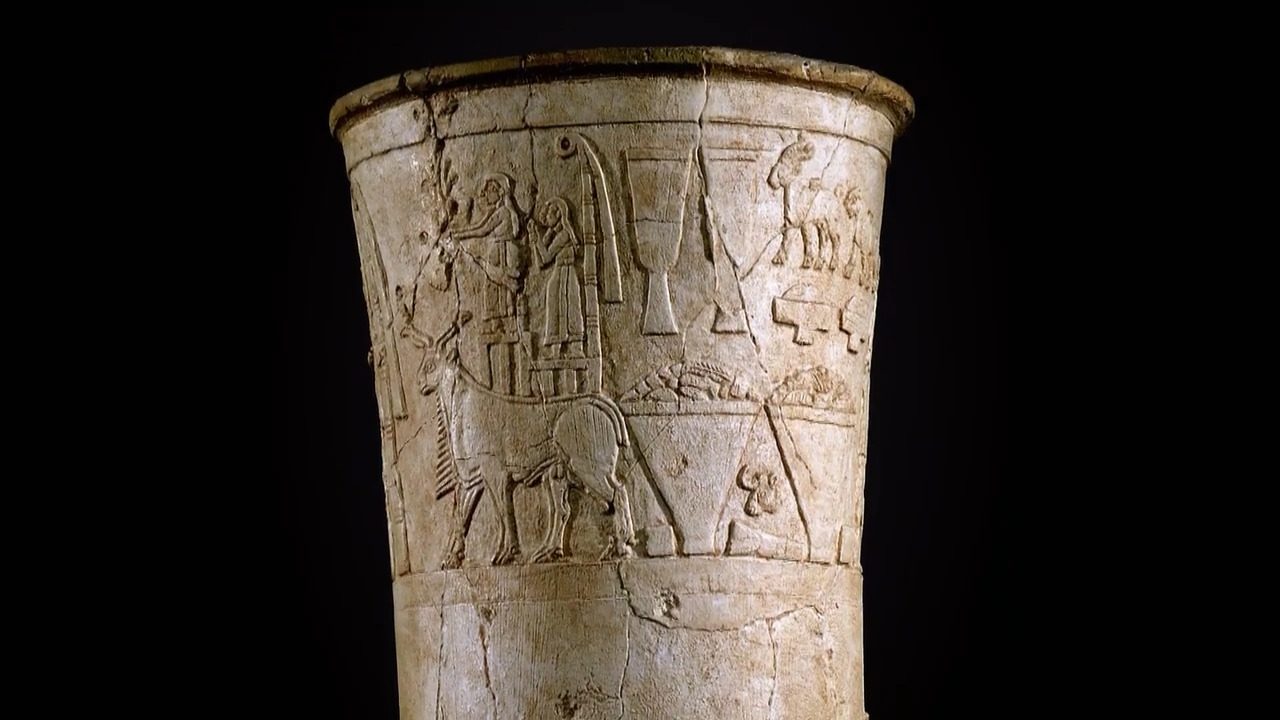
In Agriculture in Ancient Uruk, archaeologist and historian Richard Miles explains how agricultural surplus in ancient Uruk led to diversification, specialization, and the rise of class systems. From craftsmen to rulers, the transformation laid the groundwork for the first class conflicts. This video is excerpted from BBC’s Ancient Worlds, an epic series with archaeologist and historian Richard Miles as he explores the roots of civilization from Mesopotamia to the fall of the Roman Empire.
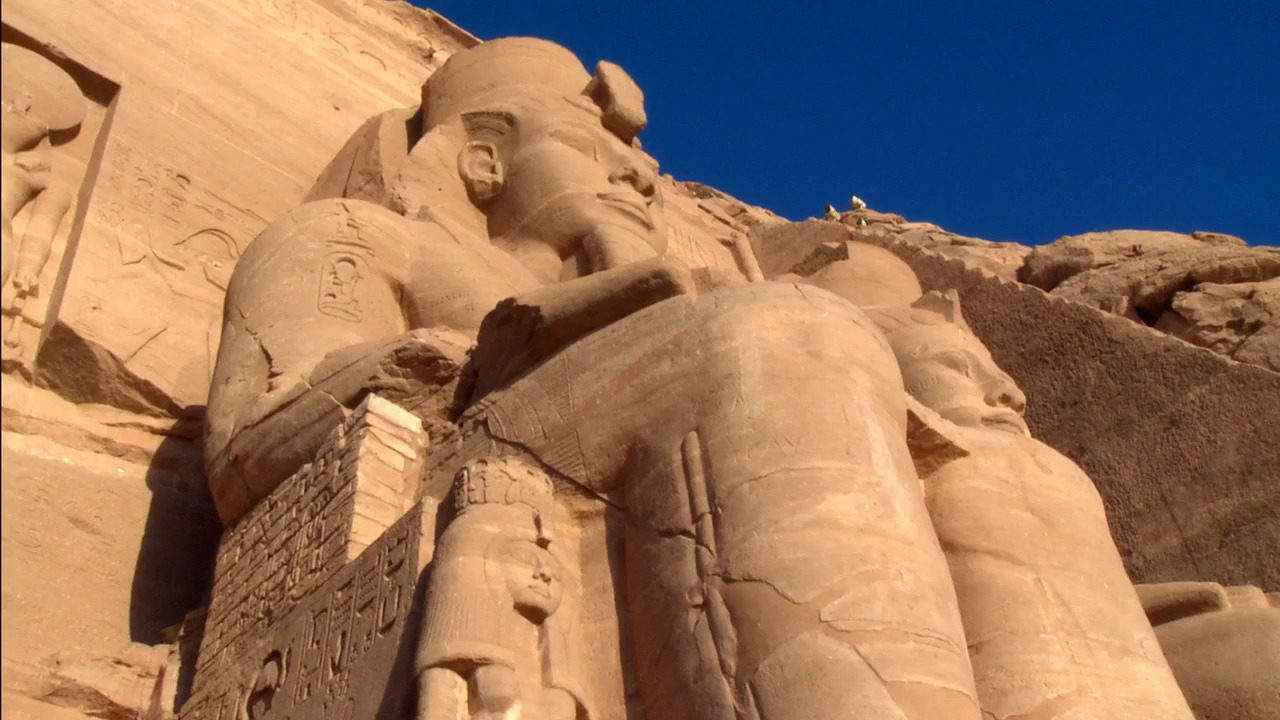
In Naram-Sin, Mesopotamia's God-King, archaeologist and historian Richard Miles explains the rise of Naram-Sin, Mesopotamia’s first deified king. Mesopotamia and ancient Egypt were different and unique, but both relied on geography and divinity. This video is excerpted from BBC’s Ancient Worlds, an epic series with archaeologist and historian Richard Miles as he explores the roots of civilization from Mesopotamia to the fall of the Roman Empire.
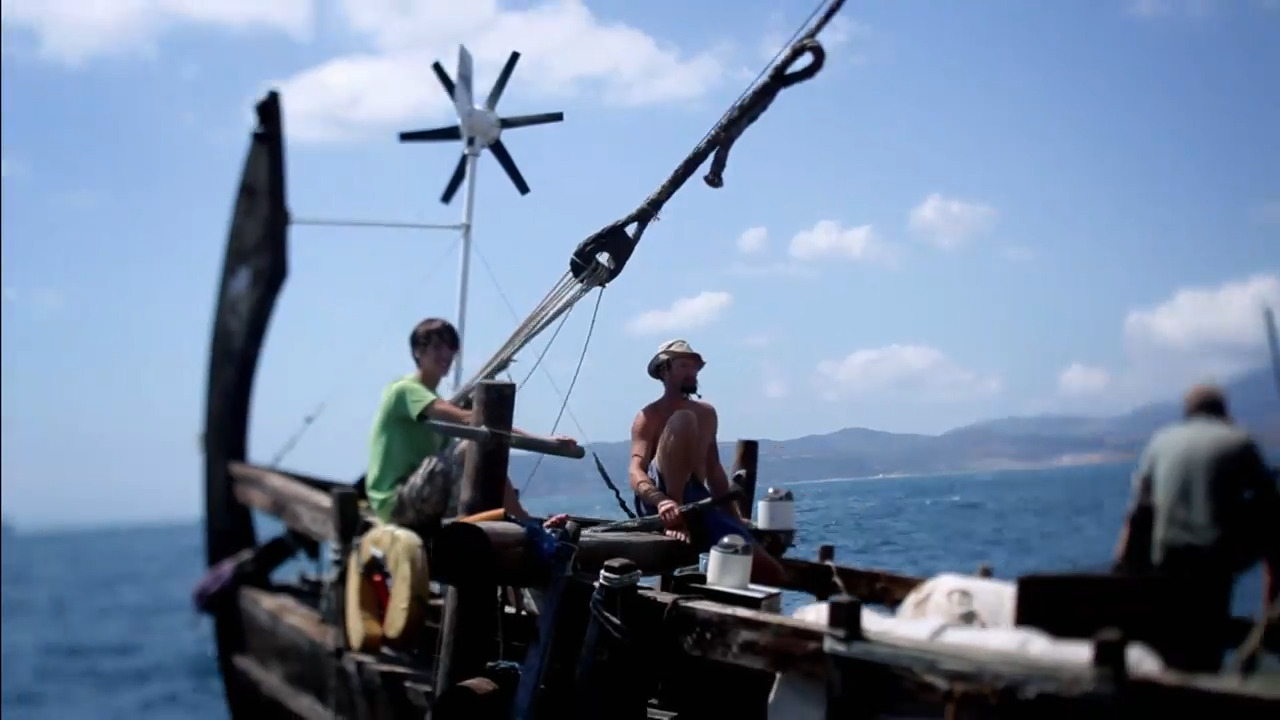
In Silver, Tribute, and the Fall of Assyria, archaeologist and historian Richard Miles explains the economic relationship between the Phoenicians and the Assyrians. As the Assyrians demanded more and more tribute from the Phoenicians, the Phoenicians were forced to the sea to bring back silver. Eventually, they brought so much silver that there was a surplus which destabilized the economy. This video is excerpted from BBC’s Ancient Worlds, an epic series with archaeologist and historian Richard Miles as he explores the roots of civilization from Mesopotamia to the fall of the Roman Empire.
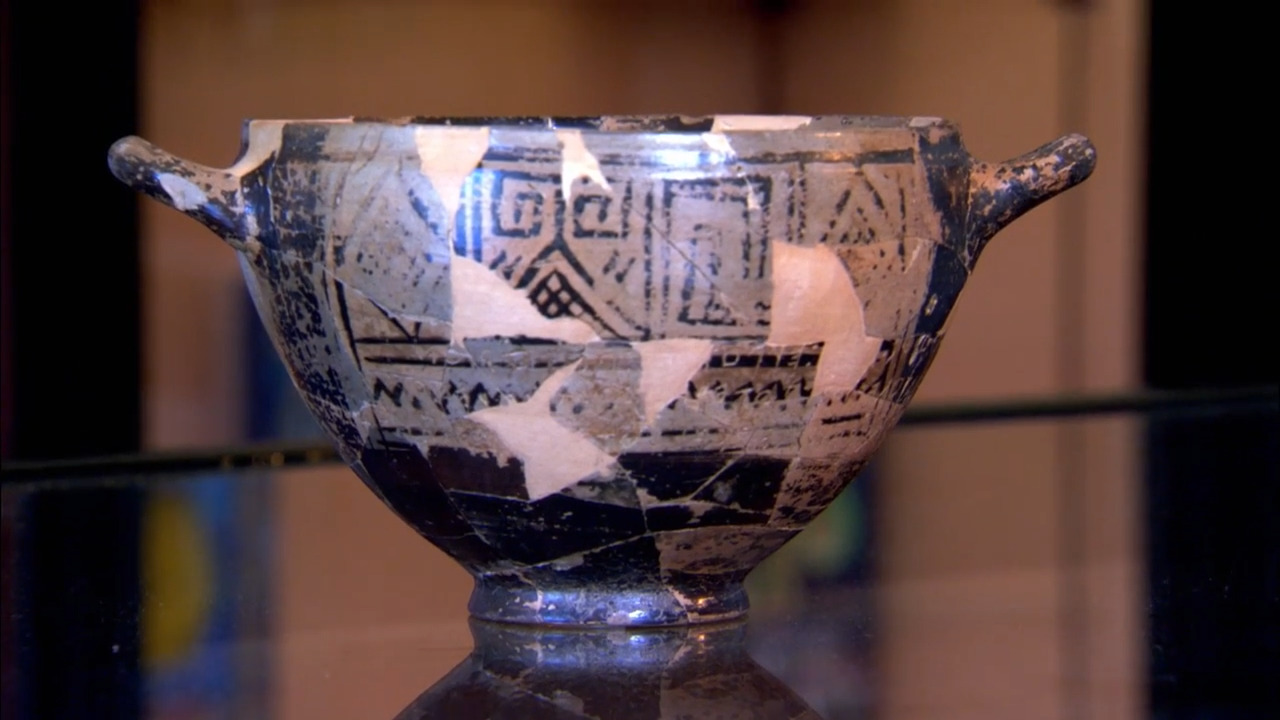
In The Rise of Greek Civilization, archaeologist and historian Richard Miles explains how the Greeks benefitted from the Phoenicians and transitioned from the dark ages to the foundation of a remarkable culture. This video is excerpted from BBC’s Ancient Worlds, an epic series with archaeologist and historian Richard Miles as he explores the roots of civilization from Mesopotamia to the fall of the Roman Empire.
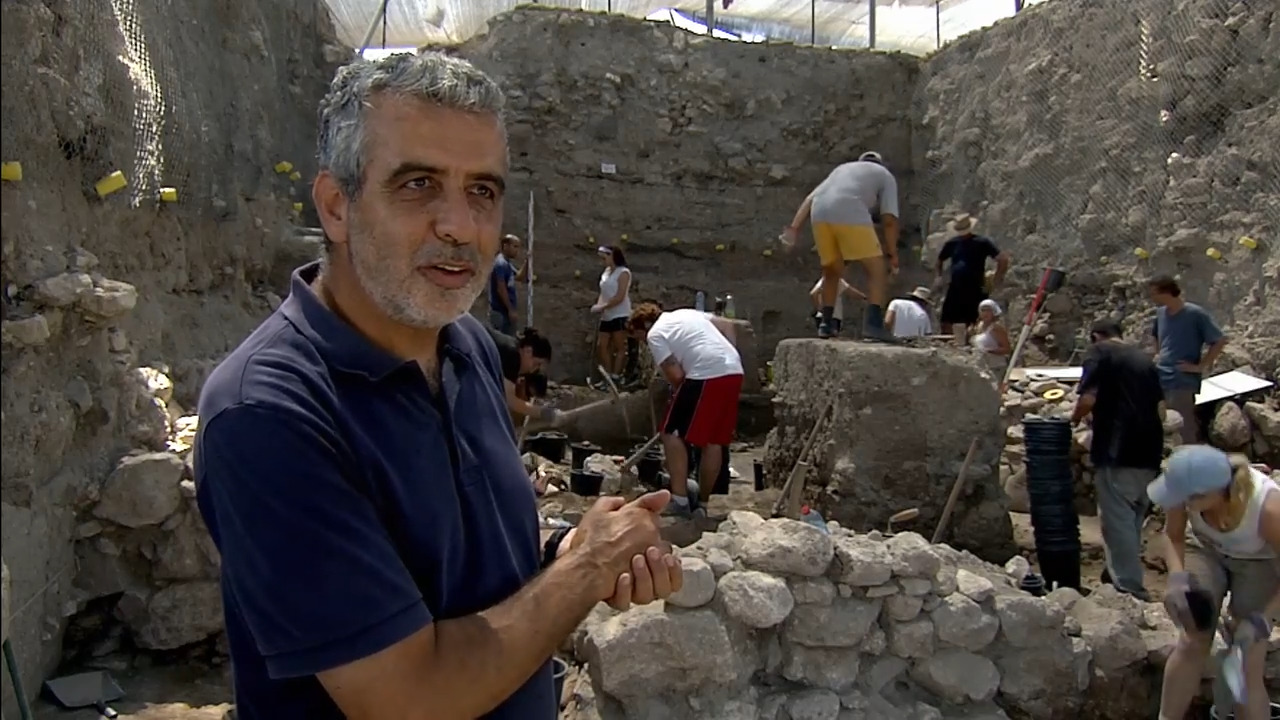
In The Collapse of the Bronze Age, archaeologist and historian Richard Miles describes the dramatic fall of the Bronze Age, which brought about a dark period. During this dark time, cities shrank, people were less connected, and writing faltered, but society managed to continue. This video is excerpted from BBC’s Ancient Worlds, an epic series with archaeologist and historian Richard Miles as he explores the roots of civilization from Mesopotamia to the fall of the Roman Empire.
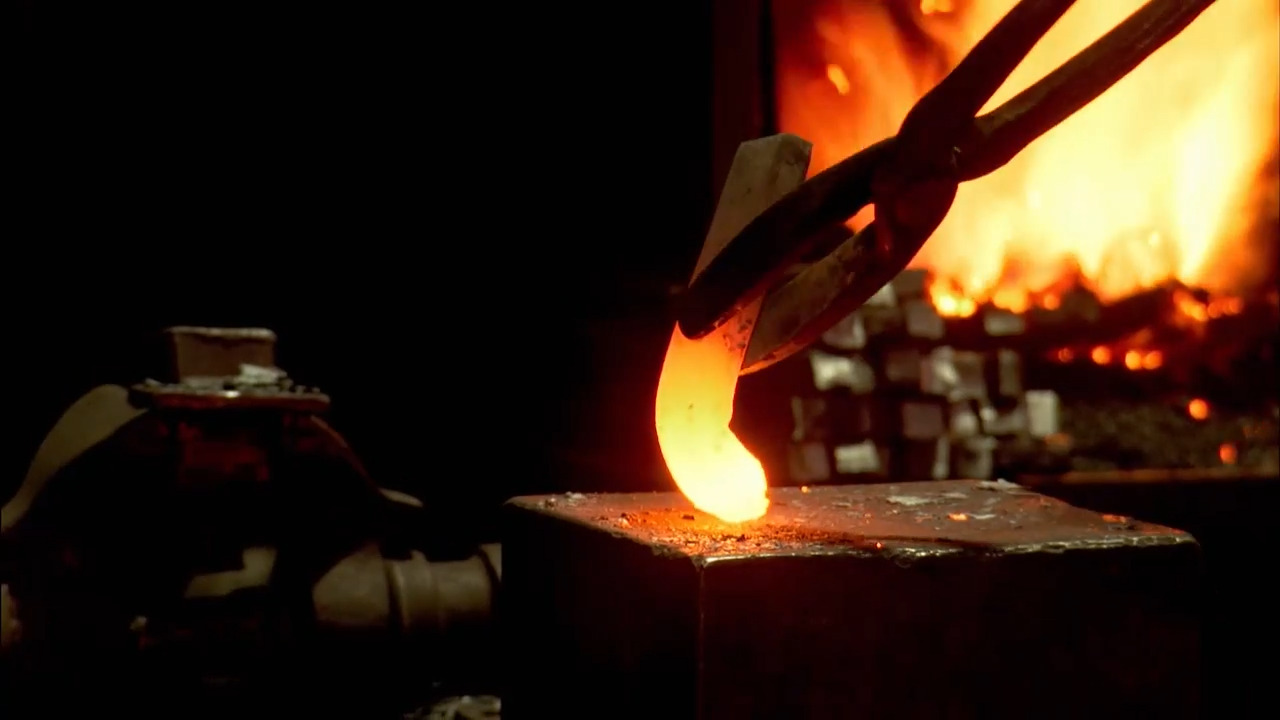
In The Dawn of the Iron Age, archaeologist and historian Richard Miles explains how the dawn of the Iron Age and the creation of the Phoenician alphabet revolutionized and democratized societies. Iron and the alphabet brought warfare, literacy, and trade to the masses. This video is excerpted from BBC’s Ancient Worlds, an epic series with archaeologist and historian Richard Miles as he explores the roots of civilization from Mesopotamia to the fall of the Roman Empire.
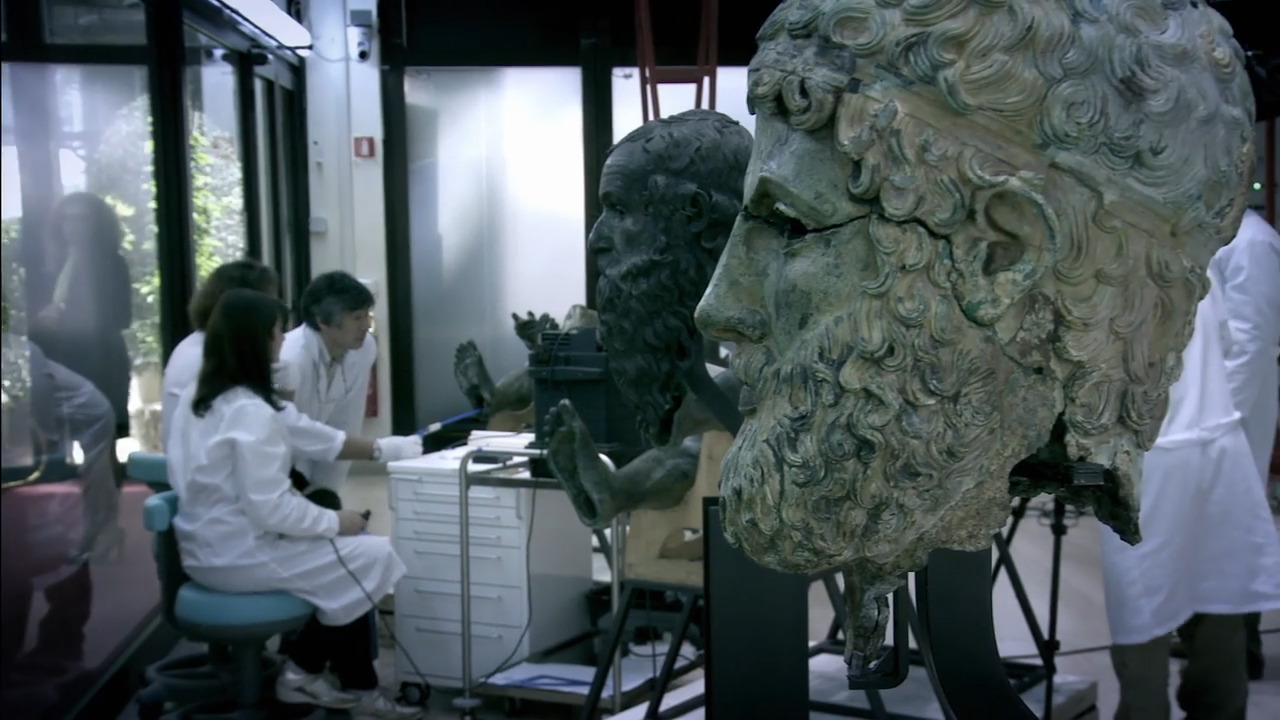
In Democracy and Conflict in Ancient Greece, archaeologist and historian Richard Miles explains the duality of ancient Greece. Advances in philosophy, democracy, and the arts coexisted with political discord, social unrest, and violent power struggles. This video is excerpted from BBC’s Ancient Worlds, an epic series with archaeologist and historian Richard Miles as he explores the roots of civilization from Mesopotamia to the fall of the Roman Empire.
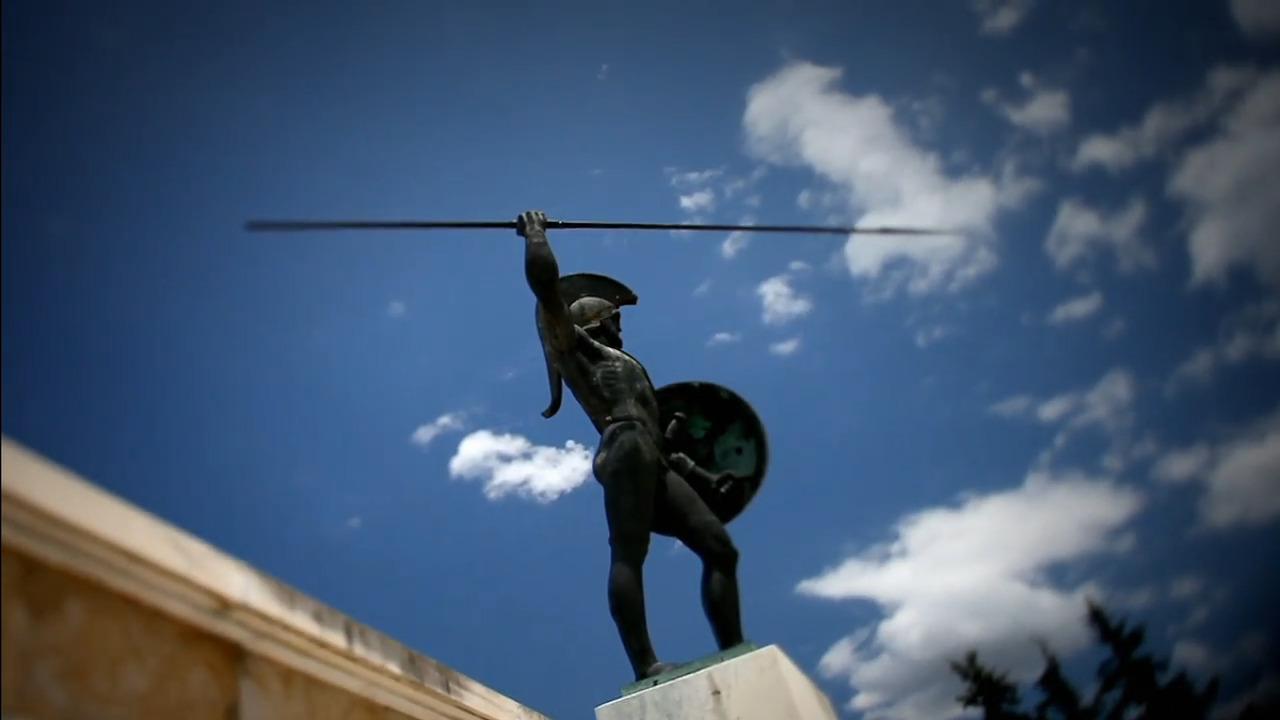
In The Peloponnesian War and the Fall of Athens, archaeologist and historian Richard Miles explores the impact of the Peloponnesian War on Athens’ ultimate downfall with stories of conquest, surrender, and philosophy. This video is excerpted from BBC’s Ancient Worlds, an epic series with archaeologist and historian Richard Miles as he explores the roots of civilization from Mesopotamia to the fall of the Roman Empire.
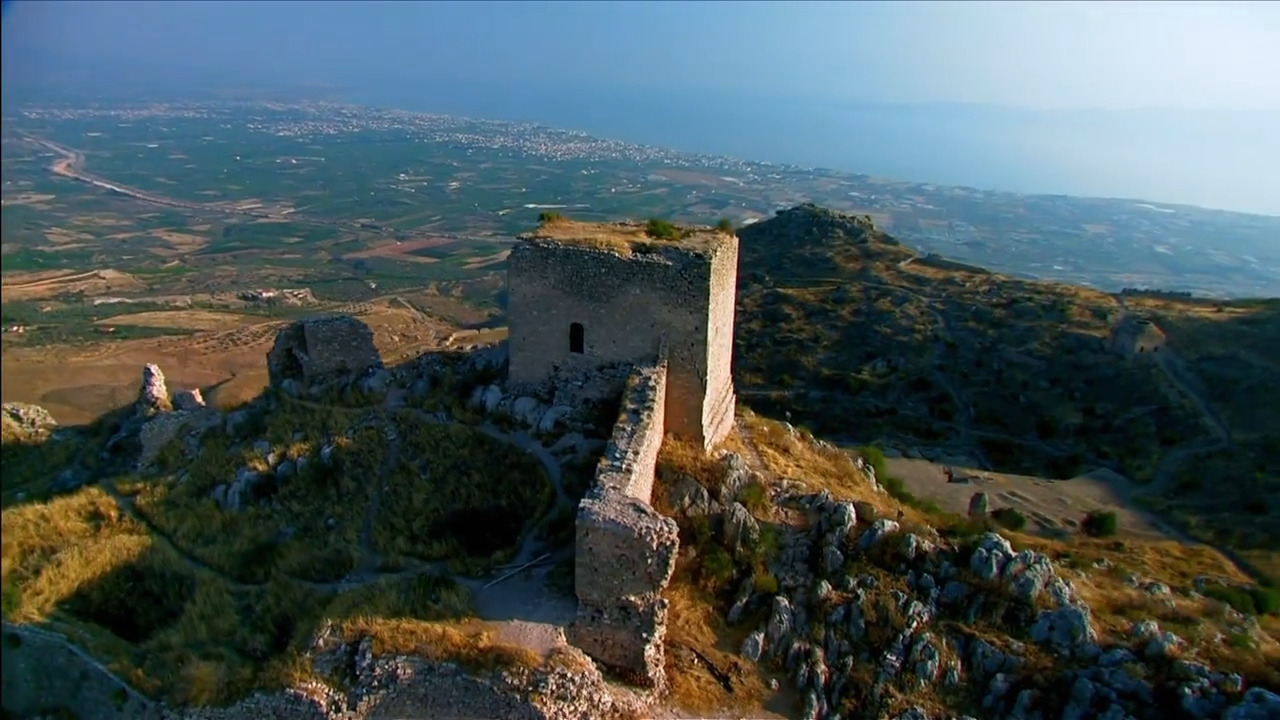
In Political Life in Ancient Greek City-States, archaeologist and historian Richard Miles explains how city-states emerged in Ancient Greece, from the 8th to the 5th Century BC. Small, independent towns formed powerful political entities, each with its own culture and government. This video is excerpted from BBC’s Ancient Worlds, an epic series with archaeologist and historian Richard Miles as he explores the roots of civilization from Mesopotamia to the fall of the Roman Empire.
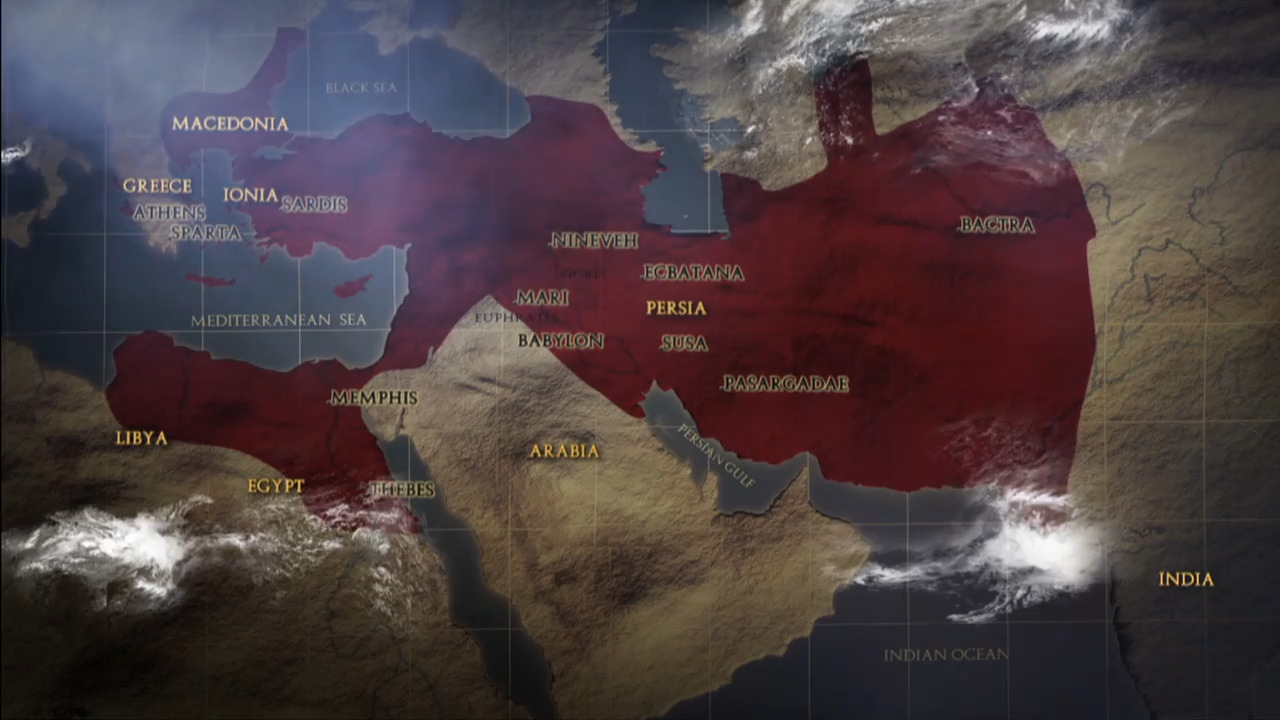
In Greece vs. Persia, archaeologist and historian Richard Miles explores how the city-states of Greece faced threats from the colossal Persian Empire. When the Persian Empire tried to take over the city-states, they banded together in decisive battles of Marathon, Salamis, and Plataea to resist. This video is excerpted from BBC’s Ancient Worlds, an epic series with archaeologist and historian Richard Miles as he explores the roots of civilization from Mesopotamia to the fall of the Roman Empire.
In Transformations of the Bronze Age, archaeologist and historian Richard Miles reveals how bronze transformed ancient societies. It shaped tools, weapons, economies, and trade routes. Bronze Age civilizations were interconnected and collaborative, sharing material and information across trade routes. This video is excerpted from BBC’s Ancient Worlds, an epic series with archaeologist and historian Richard Miles as he explores the roots of civilization from Mesopotamia to the fall of the Roman Empire.
In The Bronze Age and Diplomacy, archaeologist and historian Richard Miles describes a Bronze Age that is held together by peace treaties and agreements. In particular, the Hittites are pioneering in their diplomacy. Even so, the Hittites fought the Egyptians in the Battle of Kadesh, the largest chariot battle in history. But despite peace treaties and cooperation, upheavals and external pressures led to the collapse of the Bronze Age and the first dark age. This video is excerpted from BBC’s Ancient Worlds, an epic series with archaeologist and historian Richard Miles as he explores the roots of civilization from Mesopotamia to the fall of the Roman Empire.
In Agriculture in Ancient Uruk, archaeologist and historian Richard Miles explains how agricultural surplus in ancient Uruk led to diversification, specialization, and the rise of class systems. From craftsmen to rulers, the transformation laid the groundwork for the first class conflicts. This video is excerpted from BBC’s Ancient Worlds, an epic series with archaeologist and historian Richard Miles as he explores the roots of civilization from Mesopotamia to the fall of the Roman Empire.
In Naram-Sin, Mesopotamia's God-King, archaeologist and historian Richard Miles explains the rise of Naram-Sin, Mesopotamia’s first deified king. Mesopotamia and ancient Egypt were different and unique, but both relied on geography and divinity. This video is excerpted from BBC’s Ancient Worlds, an epic series with archaeologist and historian Richard Miles as he explores the roots of civilization from Mesopotamia to the fall of the Roman Empire.
In Silver, Tribute, and the Fall of Assyria, archaeologist and historian Richard Miles explains the economic relationship between the Phoenicians and the Assyrians. As the Assyrians demanded more and more tribute from the Phoenicians, the Phoenicians were forced to the sea to bring back silver. Eventually, they brought so much silver that there was a surplus which destabilized the economy. This video is excerpted from BBC’s Ancient Worlds, an epic series with archaeologist and historian Richard Miles as he explores the roots of civilization from Mesopotamia to the fall of the Roman Empire.
In The Rise of Greek Civilization, archaeologist and historian Richard Miles explains how the Greeks benefitted from the Phoenicians and transitioned from the dark ages to the foundation of a remarkable culture. This video is excerpted from BBC’s Ancient Worlds, an epic series with archaeologist and historian Richard Miles as he explores the roots of civilization from Mesopotamia to the fall of the Roman Empire.
In The Collapse of the Bronze Age, archaeologist and historian Richard Miles describes the dramatic fall of the Bronze Age, which brought about a dark period. During this dark time, cities shrank, people were less connected, and writing faltered, but society managed to continue. This video is excerpted from BBC’s Ancient Worlds, an epic series with archaeologist and historian Richard Miles as he explores the roots of civilization from Mesopotamia to the fall of the Roman Empire.
In The Dawn of the Iron Age, archaeologist and historian Richard Miles explains how the dawn of the Iron Age and the creation of the Phoenician alphabet revolutionized and democratized societies. Iron and the alphabet brought warfare, literacy, and trade to the masses. This video is excerpted from BBC’s Ancient Worlds, an epic series with archaeologist and historian Richard Miles as he explores the roots of civilization from Mesopotamia to the fall of the Roman Empire.
In Democracy and Conflict in Ancient Greece, archaeologist and historian Richard Miles explains the duality of ancient Greece. Advances in philosophy, democracy, and the arts coexisted with political discord, social unrest, and violent power struggles. This video is excerpted from BBC’s Ancient Worlds, an epic series with archaeologist and historian Richard Miles as he explores the roots of civilization from Mesopotamia to the fall of the Roman Empire.
In The Peloponnesian War and the Fall of Athens, archaeologist and historian Richard Miles explores the impact of the Peloponnesian War on Athens’ ultimate downfall with stories of conquest, surrender, and philosophy. This video is excerpted from BBC’s Ancient Worlds, an epic series with archaeologist and historian Richard Miles as he explores the roots of civilization from Mesopotamia to the fall of the Roman Empire.
In Political Life in Ancient Greek City-States, archaeologist and historian Richard Miles explains how city-states emerged in Ancient Greece, from the 8th to the 5th Century BC. Small, independent towns formed powerful political entities, each with its own culture and government. This video is excerpted from BBC’s Ancient Worlds, an epic series with archaeologist and historian Richard Miles as he explores the roots of civilization from Mesopotamia to the fall of the Roman Empire.
In Greece vs. Persia, archaeologist and historian Richard Miles explores how the city-states of Greece faced threats from the colossal Persian Empire. When the Persian Empire tried to take over the city-states, they banded together in decisive battles of Marathon, Salamis, and Plataea to resist. This video is excerpted from BBC’s Ancient Worlds, an epic series with archaeologist and historian Richard Miles as he explores the roots of civilization from Mesopotamia to the fall of the Roman Empire.