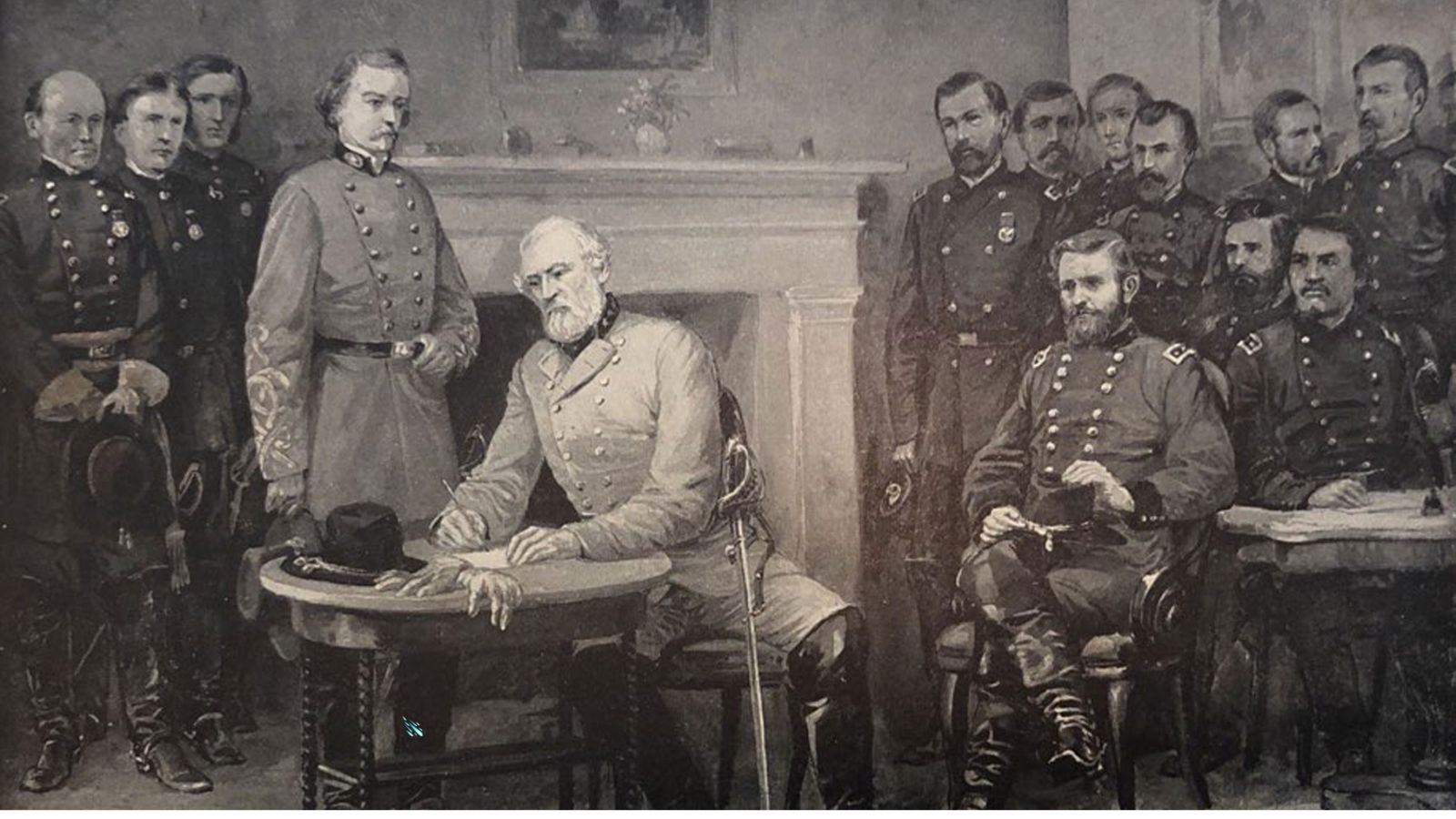
When Lincoln issued the Emancipation Proclamation in 1863, the war to preserve the Union also became a war against slavery. How much Lincoln meant it that way is still debated, and this playlist takes up that question directly. It also covers the new technology that changed how armies fought, the medical crisis in which disease killed twice as many soldiers as combat, the turning-point battles of 1863, and Sherman’s campaign through Georgia. The second half follows the country through Reconstruction: lenient early policies gave way to Radical Reconstruction and constitutional amendments that abolished slavery and guaranteed citizenship and voting rights. It then traces how those gains were rolled back as white Southern Democrats regained power and federal troops withdrew in 1877.
Each video comes with discussion questions, vocabulary, a writing prompt, and classroom activities — all printable from the video page. Questions include why the Emancipation Proclamation didn’t free all enslaved people, why historians call the Civil War the first modern war, and whether Lincoln believed in racial equality.
Teachers and Parents: The playlist picks up where The Road to War leaves off, so together the two playlists cover the full unit for ages 11–18. Videos 1 and 2 work as a pair: a straightforward account of the Emancipation Proclamation followed by historian Lucy Worsley’s case that Lincoln’s main goal was saving the Union. That sets up a strong source-comparison or debate lesson. Lincoln’s Legacy extends the discussion through Frederick Douglass’s reassessment of Lincoln. It contains discriminatory language, so preview it before assigning. The last three videos form a short Reconstruction sequence: The Three Phases of Reconstruction gives the overview, and the next two focus on Black Americans' political gains and the deal that ended federal enforcement, a natural lead-in to Jim Crow and the Civil Rights Movement. Use the "Share With Students" feature to assign videos directly or "Add to Playlist" to build your own sequence.
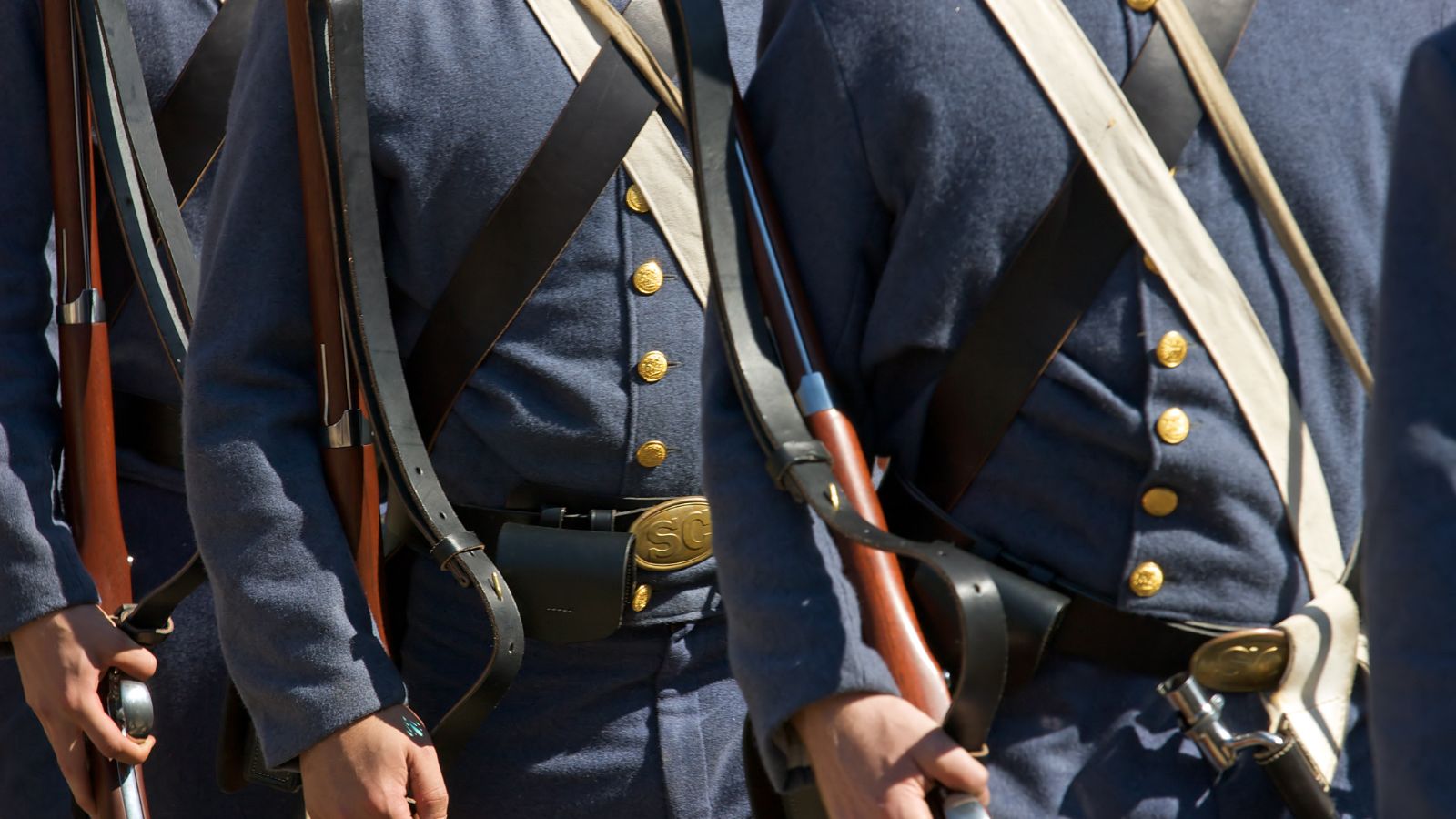
By 1860, the United States had been arguing over slavery for decades. This playlist follows that argument as it hardened into war. It covers the people who resisted slavery, the court case that denied Black Americans citizenship, a raid that pushed the country closer to the edge, and the election that led seven states to secede before Lincoln took office. Each video runs a few minutes and focuses on a single turning point, so the series can be watched start to finish or one video at a time.
Each video comes with discussion questions, vocabulary, a writing prompt ,and classroom activities — all printable from the video page. Questions include why Southern states seceded after Lincoln’s election and how the Civil War split families in border states.
Teachers and Parents: The videos are in chronological order and work as a full unit introduction for students 11–18. They can also be assigned individually to set up a specific lesson. The opening video, from BBC’s American History’s Biggest Fibs With Lucy Worsley, puts slavery at the center of the conflict and gives students a framework for the rest of the list. The Kentucky video closes the list and leads into the companion playlist, The Civil War and Its Aftermath, which runs from the Emancipation Proclamation through the end of Reconstruction. Use the "Share With Students" feature to assign videos directly or "Add to Playlist" to build your own sequence.
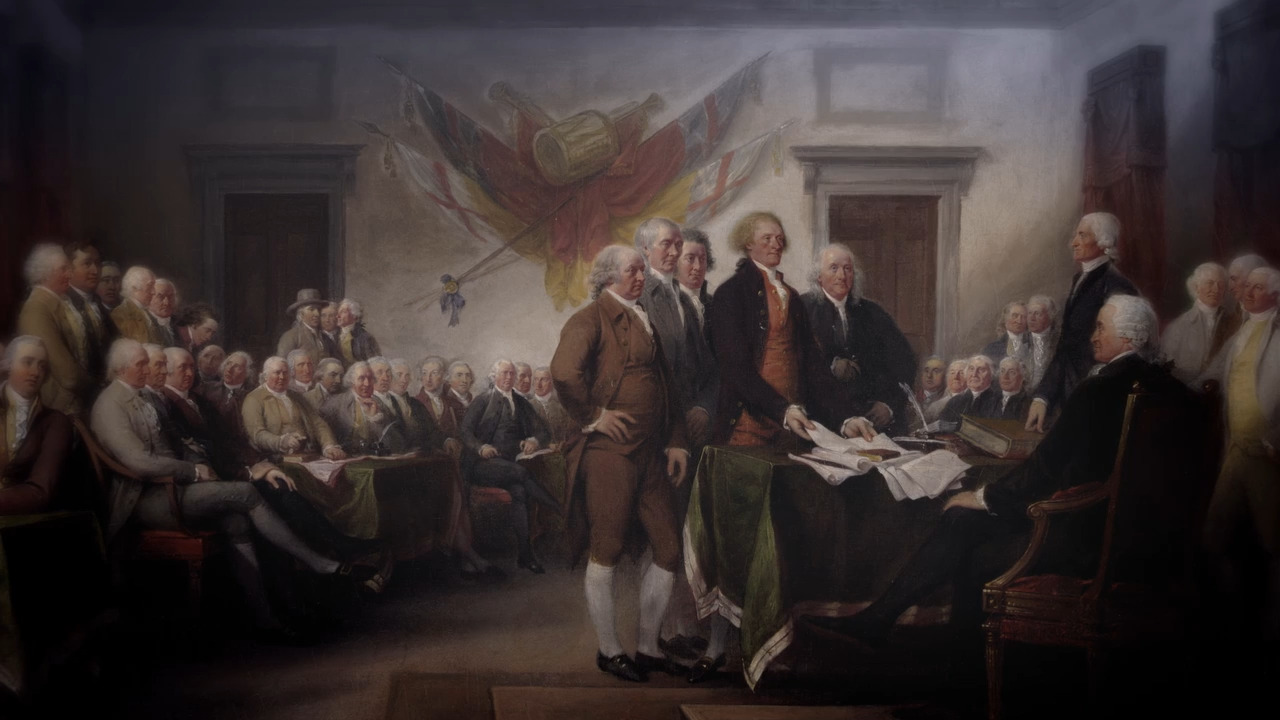
In Disagreements on the Declaration of Independence, historian Lucy Worsley researches the ambiguity of the first drafts of the agreement. It had to satisfy people from 13 states, with opposing views on divisive subjects such as slavery and religion. This video is excerpted from BBC's American History's Biggest Fibs With Lucy Worsley, in which Worsley reveals the myths and manipulations behind American history.
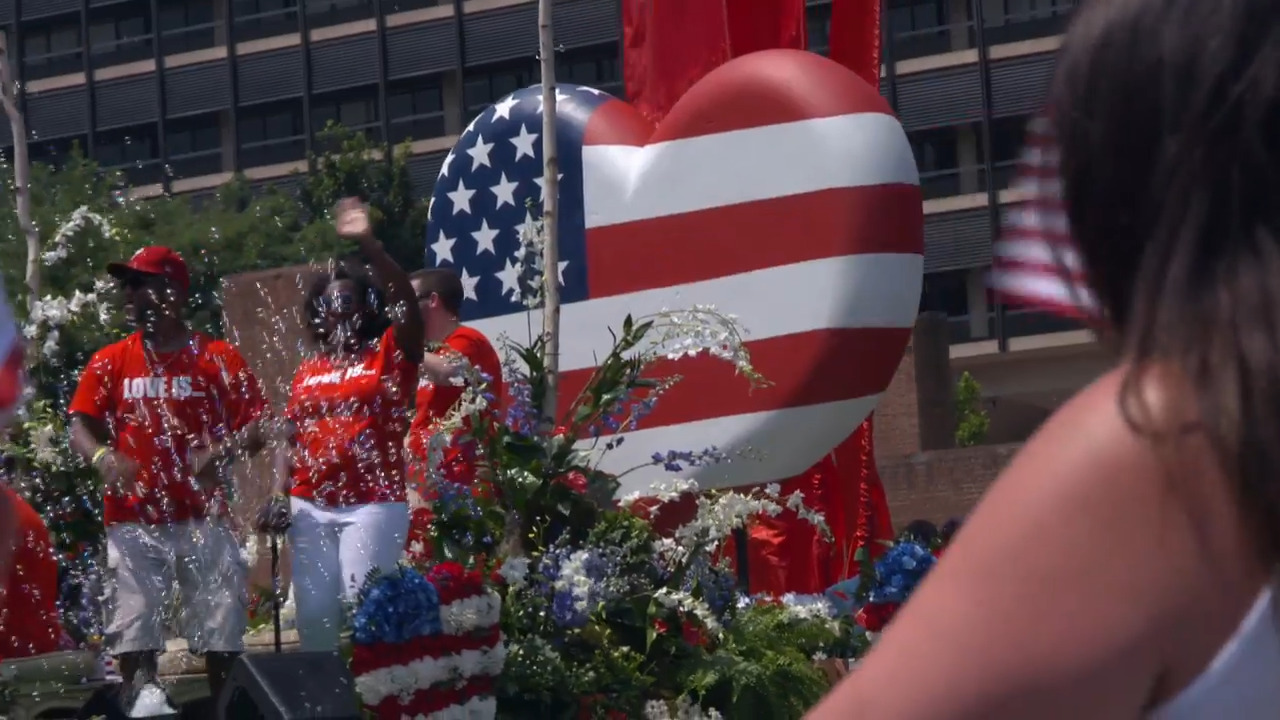
In Is the Fourth of July the Wrong Day?, historian Lucy Worsley learns that John Adams announced in 1776 that July 2 should be the day to celebrate Independence. However, the Declaration of Independence was not finalized until two days later. This video is excerpted from BBC's American History's Biggest Fibs With Lucy Worsley, in which Worsley reveals the myths and manipulations behind American history.
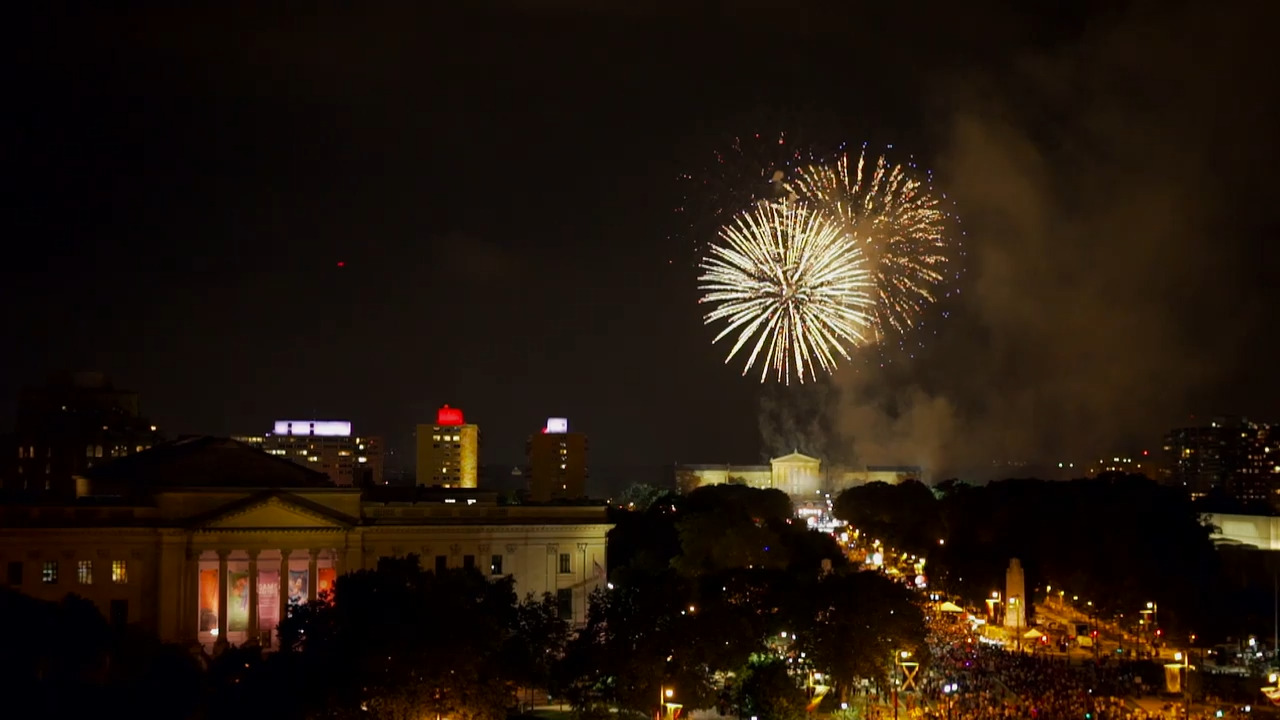
In How the French Supported the Birth of the United States, historian Lucy Worsley learns how Americans turned to the French king, Louis XVI for help. France saw Britain as an enemy and was happy to support the fight for Independence. They sent their navy to America and helped to win the war. This video is excerpted from BBC's American History's Biggest Fibs With Lucy Worsley, in which Worsley reveals the myths and manipulations behind American history.
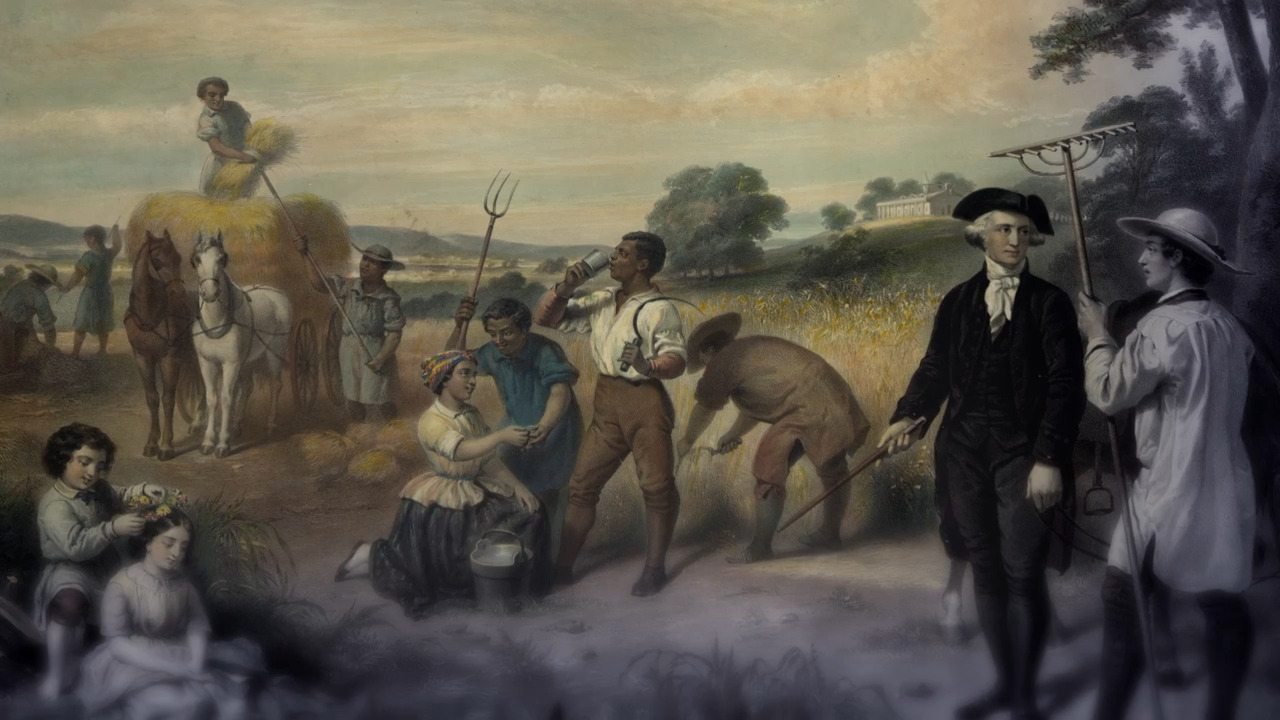
In The Whole Truth About George Washington, historian Lucy Worsley learns that not only did Washington enslave people, he also mistreated them. In 1780, the Pennsylvania Gradual Abolition Act stated that enslaved people had the right to petition for their freedom after six months. George Washington would take enslaved people out of the state and return so that the Act did not apply. This video is excerpted from BBC's American History's Biggest Fibs With Lucy Worsley, in which Worsley reveals the myths and manipulations behind American history.
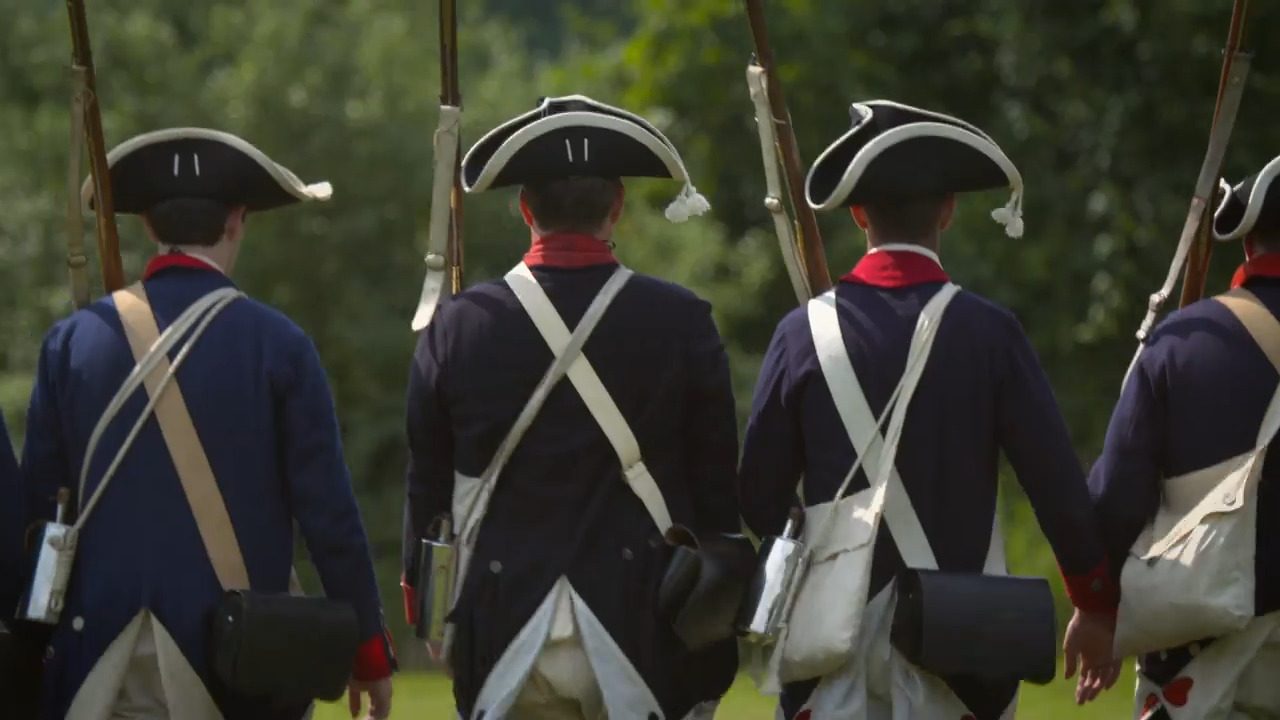
In Who Helped Win the Revolutionary Way — Farmers or Soldiers?, historian Lucy Worsley investigates whether local militia or trained soldiers helped win the War of Independence and why the army disbanded when the war was won. This video is excerpted from BBC's American History's Biggest Fibs With Lucy Worsley, in which Worsley reveals the myths and manipulations behind American history.
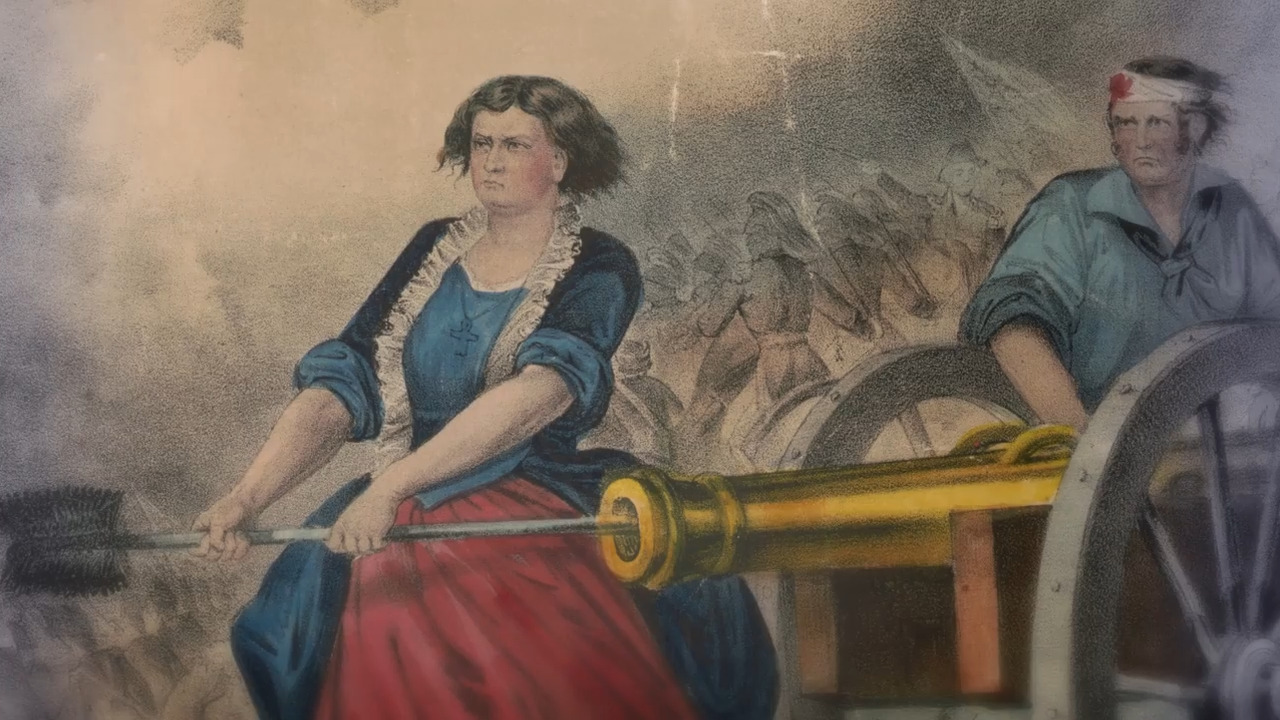
In Molly Pitcher — Fact or Fiction?, historian Lucy Worsley finds out about the story of Molly Pitcher, a woman who avenged the death of her husband on the battlefield in 1778. It is still a mystery whether the story is true or not. This video is excerpted from BBC's American History's Biggest Fibs With Lucy Worsley, in which Worsley reveals the myths and manipulations behind American history.
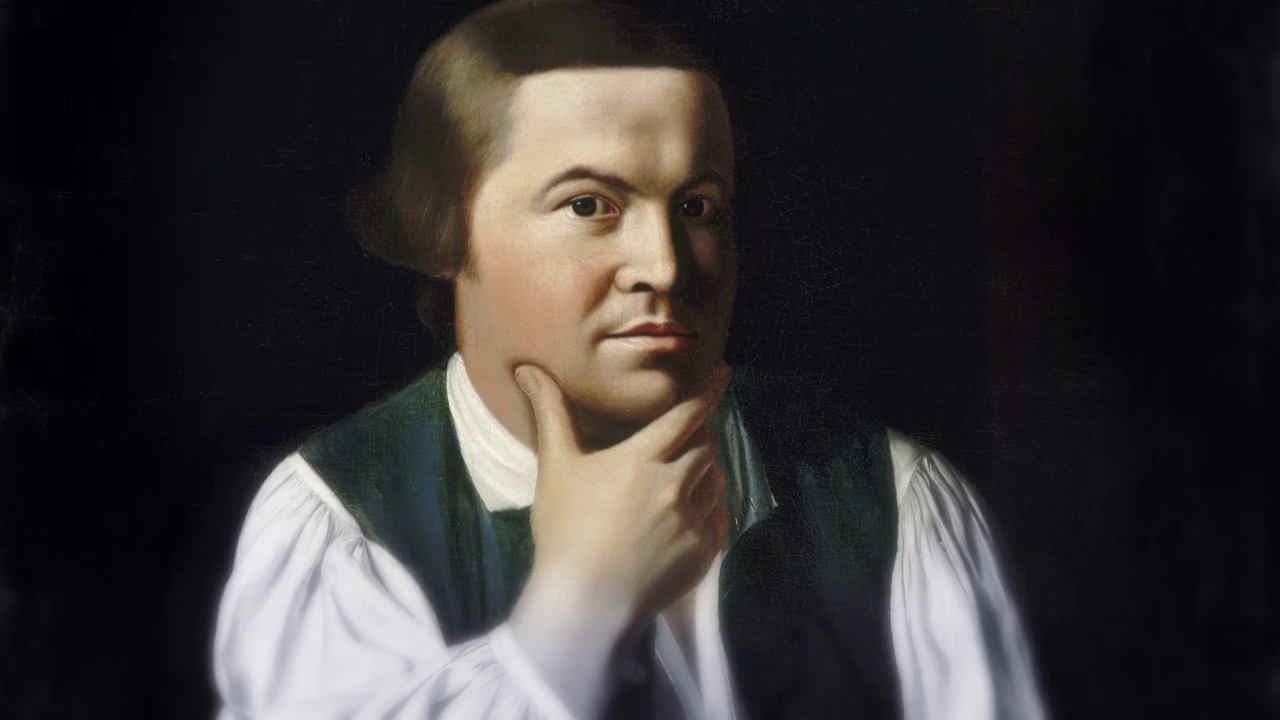
In The Legend of Paul Revere, historian Lucy Worsley investigates the story of Paul Revere and his actions in the first battle of the War of Independence in 1775. According to the poem “Paul Revere's Ride” by Henry Wadsworth Longfellow, Revere was a lone rider who warned soldiers in Concord that the British were on the march. In Revere's own account, he was arrested by the British, and never made it to Concord. This video is excerpted from BBC's American History's Biggest Fibs With Lucy Worsley, in which Worsley reveals the myths and manipulations behind American history.
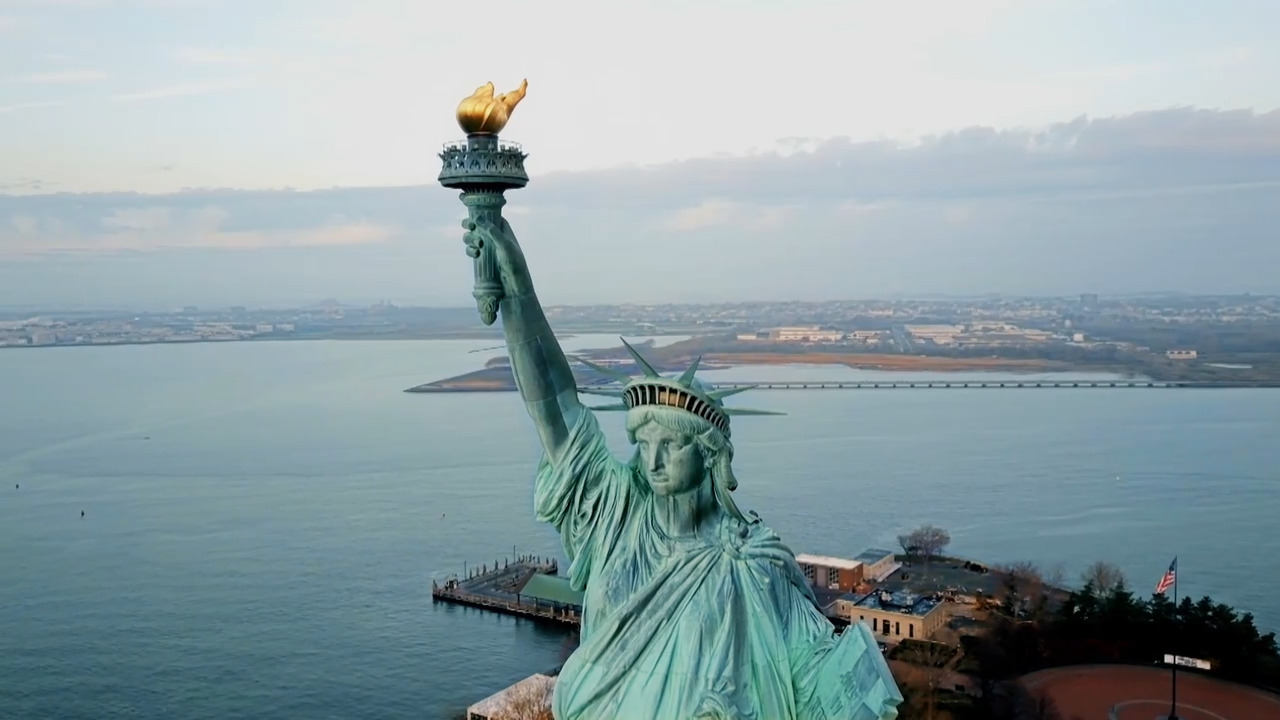
In What Does the Statue of Liberty Stand For?, historian Lucy Worsley investigates the origins and meanings of the Statue of Liberty. When it was unveiled in 1886, women protested that women did not have liberty; neither was there liberty and equality for African Americans. Emma Lazarus wrote a poem, The New Colossus, which not only raised money for the statue but gave her a new purpose: to welcome immigrants from the rest of the world. This video is excerpted from BBC's American History's Biggest Fibs With Lucy Worsley, in which Worsley reveals the myths and manipulations behind American history.
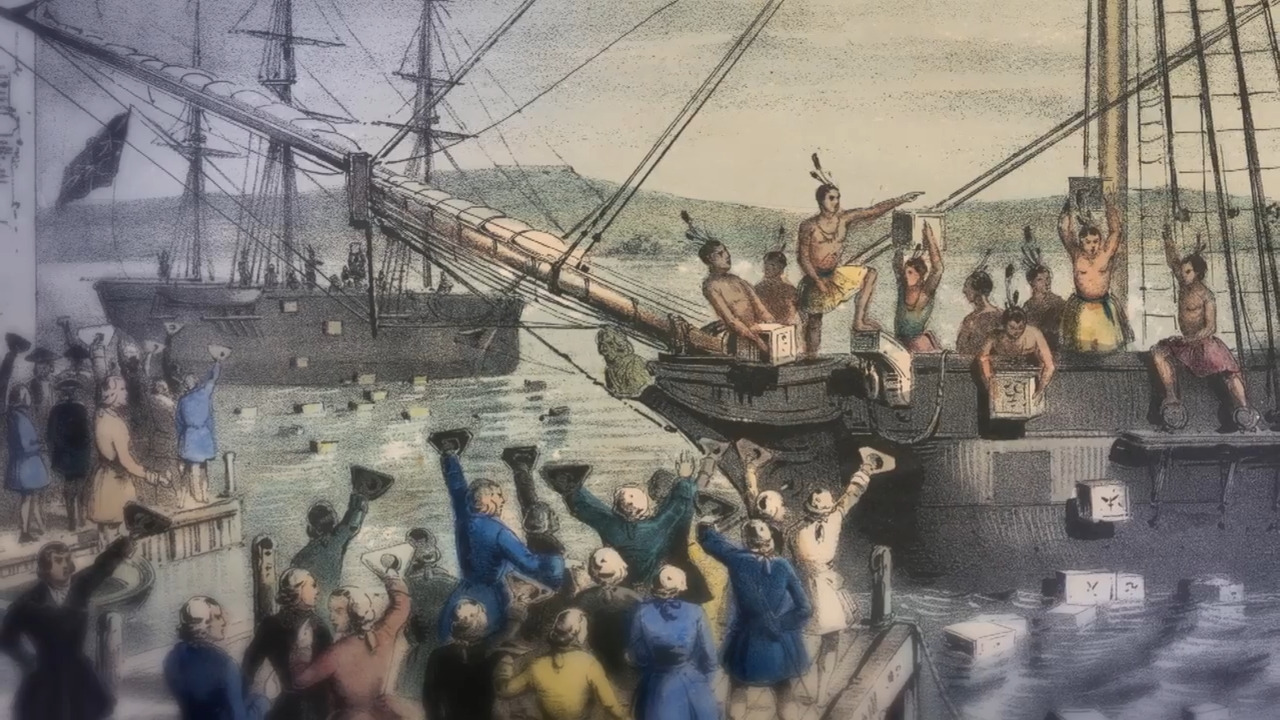
In Interpreting the Boston Tea Party, historian Lucy Worsley learns how opinions of the revolt in Boston have changed. At the time, it was thought of as an aggressive and illegal action. It became known as the Tea Party 50 years after the event. With each retelling, it takes on a new meaning. This video is excerpted from BBC's American History's Biggest Fibs With Lucy Worsley, in which Worsley reveals the myths and manipulations behind American history.
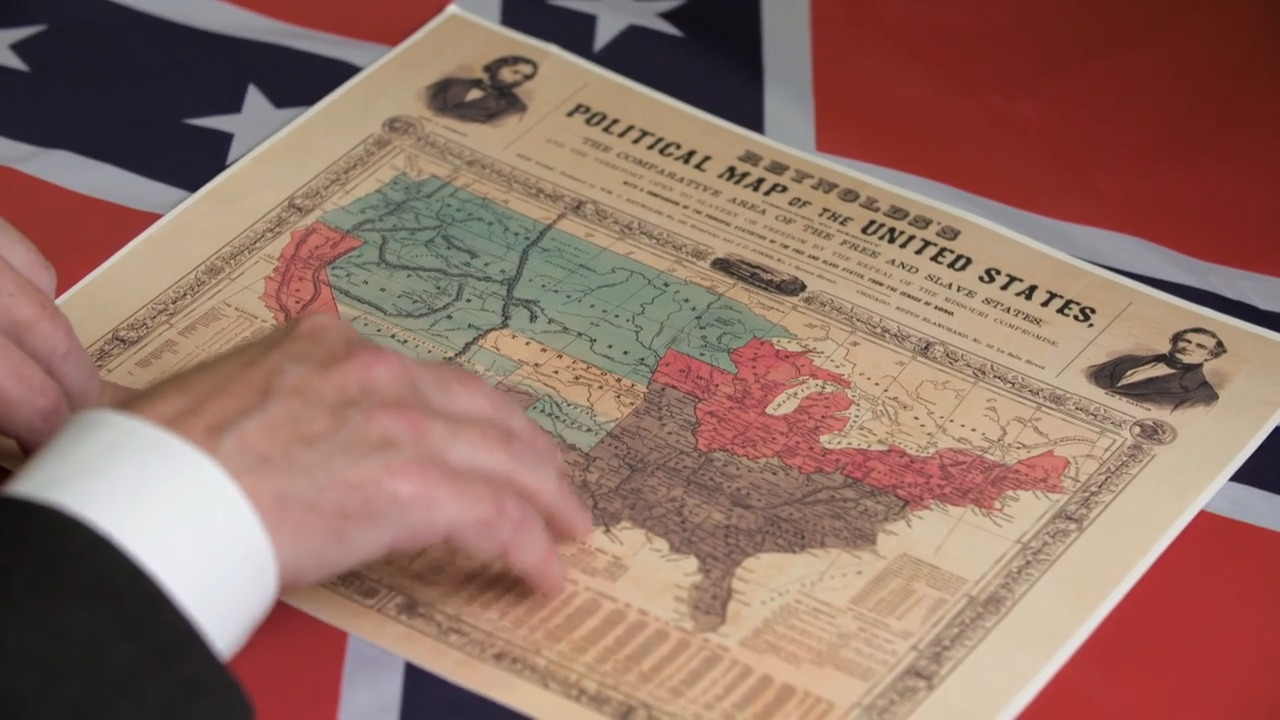
In How the American Civil War Really Started, historian Lucy Worsley investigates what America was like before the Civil War. It began as a clash between the 19 Northern states, which had abolished slavery, and 11 Southern states, where the economy was built on slave labor. New states were emerging in the West and both Northern and Southern states feared for their own economies. This video is excerpted from BBC's American History's Biggest Fibs With Lucy Worsley, in which Worsley reveals the myths and manipulations behind American history.
When Lincoln issued the Emancipation Proclamation in 1863, the war to preserve the Union also became a war against slavery. How much Lincoln meant it that way is still debated, and this playlist takes up that question directly. It also covers the new technology that changed how armies fought, the medical crisis in which disease killed twice as many soldiers as combat, the turning-point battles of 1863, and Sherman’s campaign through Georgia. The second half follows the country through Reconstruction: lenient early policies gave way to Radical Reconstruction and constitutional amendments that abolished slavery and guaranteed citizenship and voting rights. It then traces how those gains were rolled back as white Southern Democrats regained power and federal troops withdrew in 1877.
Each video comes with discussion questions, vocabulary, a writing prompt, and classroom activities — all printable from the video page. Questions include why the Emancipation Proclamation didn’t free all enslaved people, why historians call the Civil War the first modern war, and whether Lincoln believed in racial equality.
Teachers and Parents: The playlist picks up where The Road to War leaves off, so together the two playlists cover the full unit for ages 11–18. Videos 1 and 2 work as a pair: a straightforward account of the Emancipation Proclamation followed by historian Lucy Worsley’s case that Lincoln’s main goal was saving the Union. That sets up a strong source-comparison or debate lesson. Lincoln’s Legacy extends the discussion through Frederick Douglass’s reassessment of Lincoln. It contains discriminatory language, so preview it before assigning. The last three videos form a short Reconstruction sequence: The Three Phases of Reconstruction gives the overview, and the next two focus on Black Americans' political gains and the deal that ended federal enforcement, a natural lead-in to Jim Crow and the Civil Rights Movement. Use the "Share With Students" feature to assign videos directly or "Add to Playlist" to build your own sequence.
By 1860, the United States had been arguing over slavery for decades. This playlist follows that argument as it hardened into war. It covers the people who resisted slavery, the court case that denied Black Americans citizenship, a raid that pushed the country closer to the edge, and the election that led seven states to secede before Lincoln took office. Each video runs a few minutes and focuses on a single turning point, so the series can be watched start to finish or one video at a time.
Each video comes with discussion questions, vocabulary, a writing prompt ,and classroom activities — all printable from the video page. Questions include why Southern states seceded after Lincoln’s election and how the Civil War split families in border states.
Teachers and Parents: The videos are in chronological order and work as a full unit introduction for students 11–18. They can also be assigned individually to set up a specific lesson. The opening video, from BBC’s American History’s Biggest Fibs With Lucy Worsley, puts slavery at the center of the conflict and gives students a framework for the rest of the list. The Kentucky video closes the list and leads into the companion playlist, The Civil War and Its Aftermath, which runs from the Emancipation Proclamation through the end of Reconstruction. Use the "Share With Students" feature to assign videos directly or "Add to Playlist" to build your own sequence.
In Disagreements on the Declaration of Independence, historian Lucy Worsley researches the ambiguity of the first drafts of the agreement. It had to satisfy people from 13 states, with opposing views on divisive subjects such as slavery and religion. This video is excerpted from BBC's American History's Biggest Fibs With Lucy Worsley, in which Worsley reveals the myths and manipulations behind American history.
In Is the Fourth of July the Wrong Day?, historian Lucy Worsley learns that John Adams announced in 1776 that July 2 should be the day to celebrate Independence. However, the Declaration of Independence was not finalized until two days later. This video is excerpted from BBC's American History's Biggest Fibs With Lucy Worsley, in which Worsley reveals the myths and manipulations behind American history.
In How the French Supported the Birth of the United States, historian Lucy Worsley learns how Americans turned to the French king, Louis XVI for help. France saw Britain as an enemy and was happy to support the fight for Independence. They sent their navy to America and helped to win the war. This video is excerpted from BBC's American History's Biggest Fibs With Lucy Worsley, in which Worsley reveals the myths and manipulations behind American history.
In The Whole Truth About George Washington, historian Lucy Worsley learns that not only did Washington enslave people, he also mistreated them. In 1780, the Pennsylvania Gradual Abolition Act stated that enslaved people had the right to petition for their freedom after six months. George Washington would take enslaved people out of the state and return so that the Act did not apply. This video is excerpted from BBC's American History's Biggest Fibs With Lucy Worsley, in which Worsley reveals the myths and manipulations behind American history.
In Who Helped Win the Revolutionary Way — Farmers or Soldiers?, historian Lucy Worsley investigates whether local militia or trained soldiers helped win the War of Independence and why the army disbanded when the war was won. This video is excerpted from BBC's American History's Biggest Fibs With Lucy Worsley, in which Worsley reveals the myths and manipulations behind American history.
In Molly Pitcher — Fact or Fiction?, historian Lucy Worsley finds out about the story of Molly Pitcher, a woman who avenged the death of her husband on the battlefield in 1778. It is still a mystery whether the story is true or not. This video is excerpted from BBC's American History's Biggest Fibs With Lucy Worsley, in which Worsley reveals the myths and manipulations behind American history.
In The Legend of Paul Revere, historian Lucy Worsley investigates the story of Paul Revere and his actions in the first battle of the War of Independence in 1775. According to the poem “Paul Revere's Ride” by Henry Wadsworth Longfellow, Revere was a lone rider who warned soldiers in Concord that the British were on the march. In Revere's own account, he was arrested by the British, and never made it to Concord. This video is excerpted from BBC's American History's Biggest Fibs With Lucy Worsley, in which Worsley reveals the myths and manipulations behind American history.
In What Does the Statue of Liberty Stand For?, historian Lucy Worsley investigates the origins and meanings of the Statue of Liberty. When it was unveiled in 1886, women protested that women did not have liberty; neither was there liberty and equality for African Americans. Emma Lazarus wrote a poem, The New Colossus, which not only raised money for the statue but gave her a new purpose: to welcome immigrants from the rest of the world. This video is excerpted from BBC's American History's Biggest Fibs With Lucy Worsley, in which Worsley reveals the myths and manipulations behind American history.
In Interpreting the Boston Tea Party, historian Lucy Worsley learns how opinions of the revolt in Boston have changed. At the time, it was thought of as an aggressive and illegal action. It became known as the Tea Party 50 years after the event. With each retelling, it takes on a new meaning. This video is excerpted from BBC's American History's Biggest Fibs With Lucy Worsley, in which Worsley reveals the myths and manipulations behind American history.
In How the American Civil War Really Started, historian Lucy Worsley investigates what America was like before the Civil War. It began as a clash between the 19 Northern states, which had abolished slavery, and 11 Southern states, where the economy was built on slave labor. New states were emerging in the West and both Northern and Southern states feared for their own economies. This video is excerpted from BBC's American History's Biggest Fibs With Lucy Worsley, in which Worsley reveals the myths and manipulations behind American history.