Founding the United States: A BBC Video Playlist
Nine short videos trace how the United States was built, from colonial protest and the Declaration of Independence to the Constitution and the first tests of a new federal government.
The United States didn’t become a nation overnight. It took decades of protest, argument and compromise, and a lot of disagreement about what kind of country it should be. This playlist follows that story through nine turning points. It starts with the political traditions of the Haudenosaunee (Iroquois) Confederacy and a British tax on printed paper that pushed the colonies toward revolt. From there it moves through the Declaration of Independence, a first attempt at national government that didn’t hold, and the hard-won Constitution that replaced it. It ends with the young republic’s first real tests: George Washington’s presidency, the split into rival political parties, and an armed uprising over a tax on whiskey.
Each video runs a few minutes and covers one turning point, so the series can be watched start to finish or one video at a time.
Every video comes with printable discussion questions, vocabulary, a writing prompt, and classroom activities, all available from the video page. The questions ask students to think about what moved the colonies from protest to independence, why the Articles of Confederation failed, and why the founders’ arguments over federal power didn’t end once the Constitution was signed.
Teachers and Parents: The videos run in chronological order, starting with Indigenous political traditions and ending with the first major challenge to federal authority. Ways to use them:
- Unit introduction: Play the full series to open a unit on the founding for students aged 11–18.
- Lesson starter: Assign The Stamp Act before a lesson on taxation and representation, or the Constitution videos before a class debate on compromise.
- Compare and contrast: Pair The Articles of Confederation with A Constitution Created Through Compromise and have students list what changed and why.
- Then and now: Use The First Political Parties in America to start a discussion on how party divisions began and what they look like today.
Lesson Express
Q: How did the Iroquois Confederacy's form of government influence the development of the United States government?
A: The Iroquois Confederacy’s form of government, based on limited government and shared power among the tribes, influenced the Founding Fathers, such as Benjamin Franklin and John Adams. They referenced Iroquois traditions in their thinking about how to structure the U.S. government, particularly the idea of checks and balances and the importance of shared authority.
Q: Why was the Covenant Chain significant, and how did it symbolize the relationship between the Iroquois and Europeans?
A: The Covenant Chain was a 1677 agreement that covered land rights, trade, and peace between the Iroquois and Europeans. It was symbolized by a special belt of beads, representing the two nations as separate but equal. This was important because it showed how both sides attempted to maintain peaceful relations, although these efforts were often disrupted by later conflicts.
Q: How did the American Revolution contribute to the division of the Iroquois Confederacy?
A: The American Revolution divided the Iroquois Confederacy because different tribes chose sides, with some supporting the British and others siding with the Americans. This split weakened their unity and ultimately led to the destruction of the British-Iroquois alliance by George Washington in 1779, leading many Iroquois to flee to Canada.
You Might Also Like
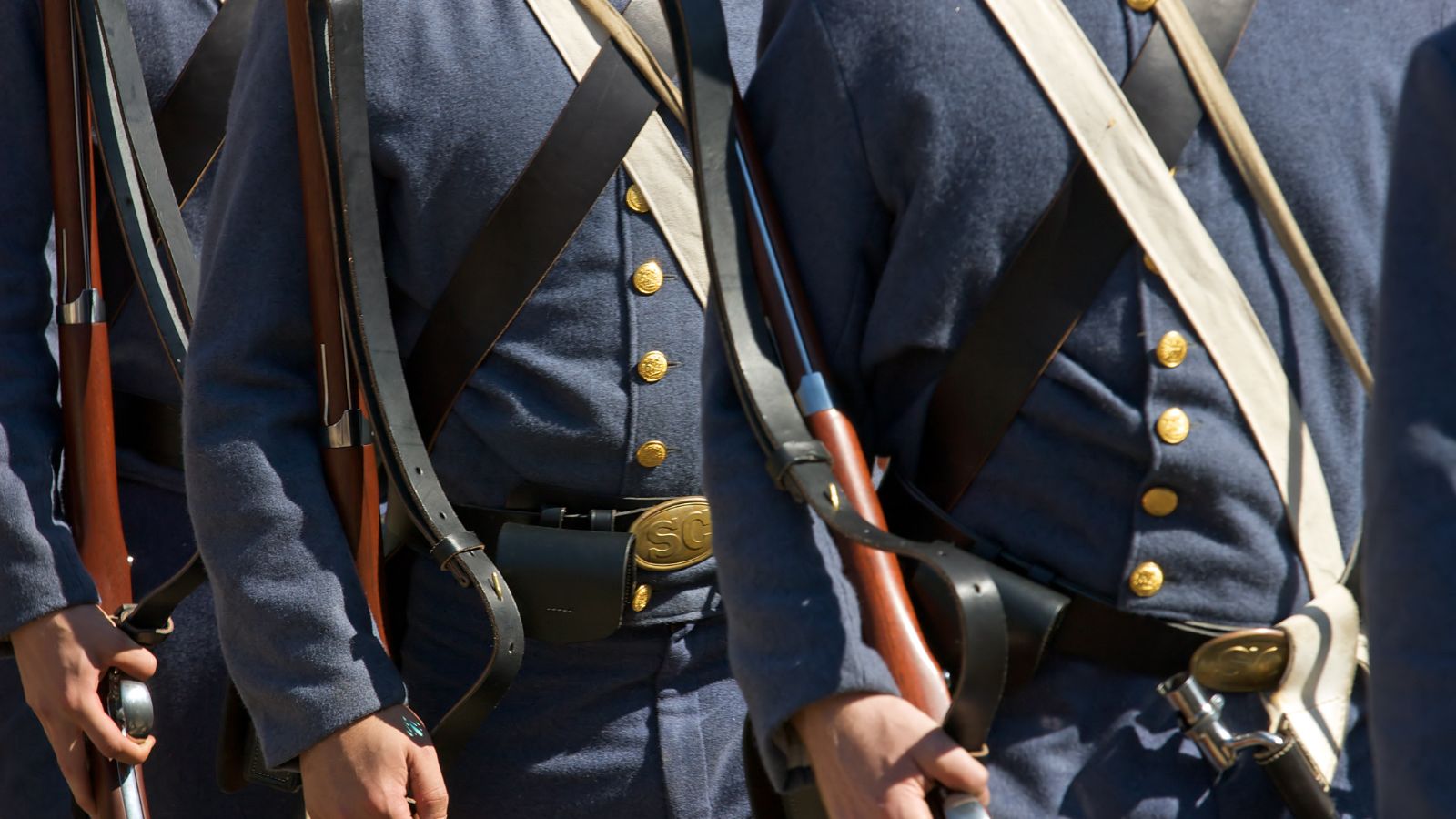
By 1860, the United States had been arguing over slavery for decades. This playlist follows that argument as it hardened into war. It covers the people who resisted slavery, the court case that denied Black Americans citizenship, a raid that pushed the country closer to the edge, and the election that led seven states to secede before Lincoln took office. Each video runs a few minutes and focuses on a single turning point, so the series can be watched start to finish or one video at a time.
Each video comes with discussion questions, vocabulary, a writing prompt ,and classroom activities — all printable from the video page. Questions include why Southern states seceded after Lincoln’s election and how the Civil War split families in border states.
Teachers and Parents: The videos are in chronological order and work as a full unit introduction for students 11–18. They can also be assigned individually to set up a specific lesson. The opening video, from BBC’s American History’s Biggest Fibs With Lucy Worsley, puts slavery at the center of the conflict and gives students a framework for the rest of the list. The Kentucky video closes the list and leads into the companion playlist, The Civil War and Its Aftermath, which runs from the Emancipation Proclamation through the end of Reconstruction. Use the "Share With Students" feature to assign videos directly or "Add to Playlist" to build your own sequence.
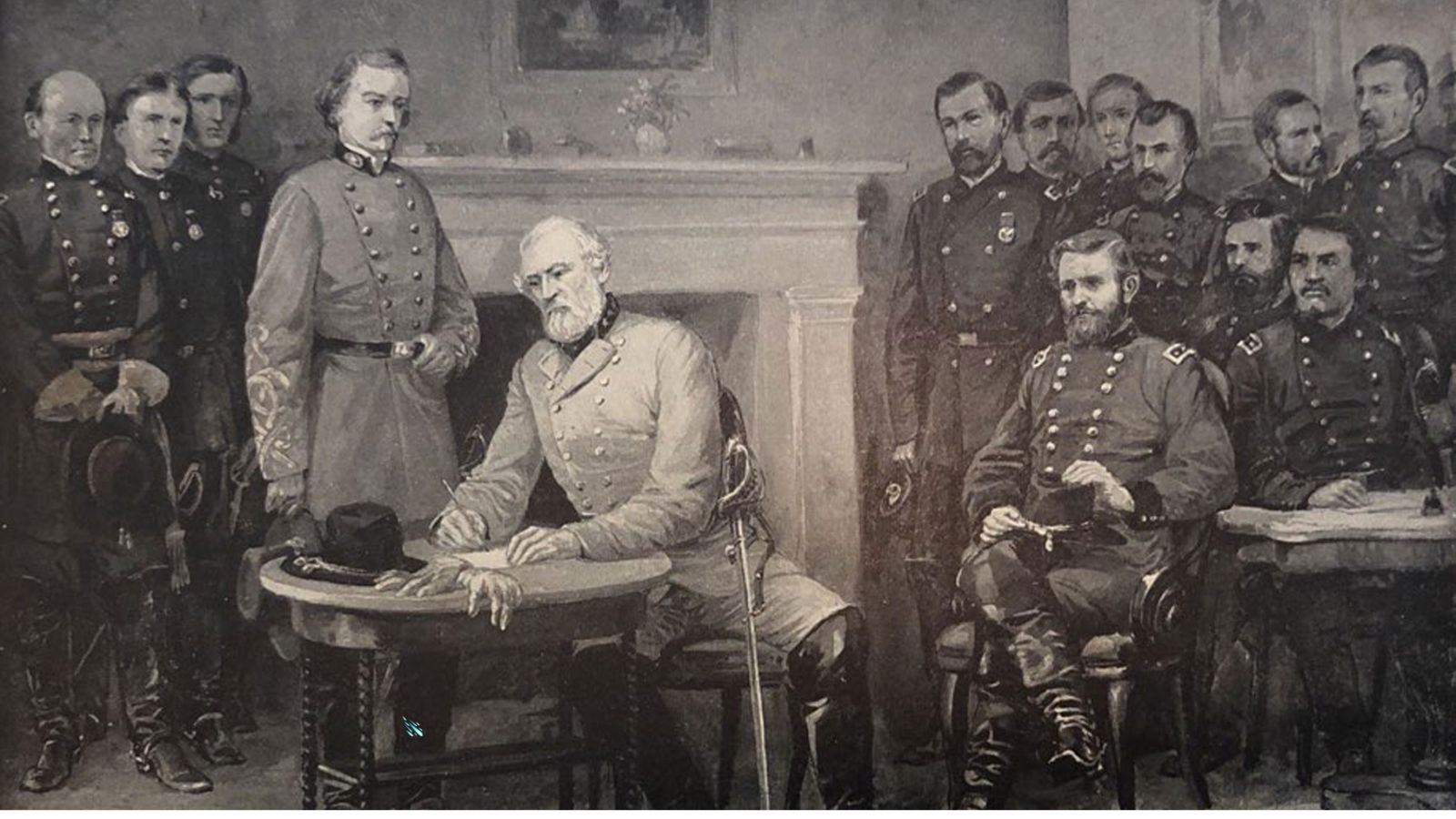
When Lincoln issued the Emancipation Proclamation in 1863, the war to preserve the Union also became a war against slavery. How much Lincoln meant it that way is still debated, and this playlist takes up that question directly. It also covers the new technology that changed how armies fought, the medical crisis in which disease killed twice as many soldiers as combat, the turning-point battles of 1863, and Sherman’s campaign through Georgia. The second half follows the country through Reconstruction: lenient early policies gave way to Radical Reconstruction and constitutional amendments that abolished slavery and guaranteed citizenship and voting rights. It then traces how those gains were rolled back as white Southern Democrats regained power and federal troops withdrew in 1877.
Each video comes with discussion questions, vocabulary, a writing prompt, and classroom activities — all printable from the video page. Questions include why the Emancipation Proclamation didn’t free all enslaved people, why historians call the Civil War the first modern war, and whether Lincoln believed in racial equality.
Teachers and Parents: The playlist picks up where The Road to War leaves off, so together the two playlists cover the full unit for ages 11–18. Videos 1 and 2 work as a pair: a straightforward account of the Emancipation Proclamation followed by historian Lucy Worsley’s case that Lincoln’s main goal was saving the Union. That sets up a strong source-comparison or debate lesson. Lincoln’s Legacy extends the discussion through Frederick Douglass’s reassessment of Lincoln. It contains discriminatory language, so preview it before assigning. The last three videos form a short Reconstruction sequence: The Three Phases of Reconstruction gives the overview, and the next two focus on Black Americans' political gains and the deal that ended federal enforcement, a natural lead-in to Jim Crow and the Civil Rights Movement. Use the "Share With Students" feature to assign videos directly or "Add to Playlist" to build your own sequence.
From the founding of the United States to the Civil War and beyond, American presidents have led the country through moments of conflict, expansion, crisis, and change.
This BBC video playlist explores figures including George Washington, Thomas Jefferson, Abraham Lincoln, Theodore Roosevelt, and others, examining the decisions, ideas, and events that defined their presidencies.
Look beyond familiar stories to consider both their achievements and shortcomings. How did the challenges of their eras influence their choices, and how should we understand the complicated legacies of leaders who helped shape American history?
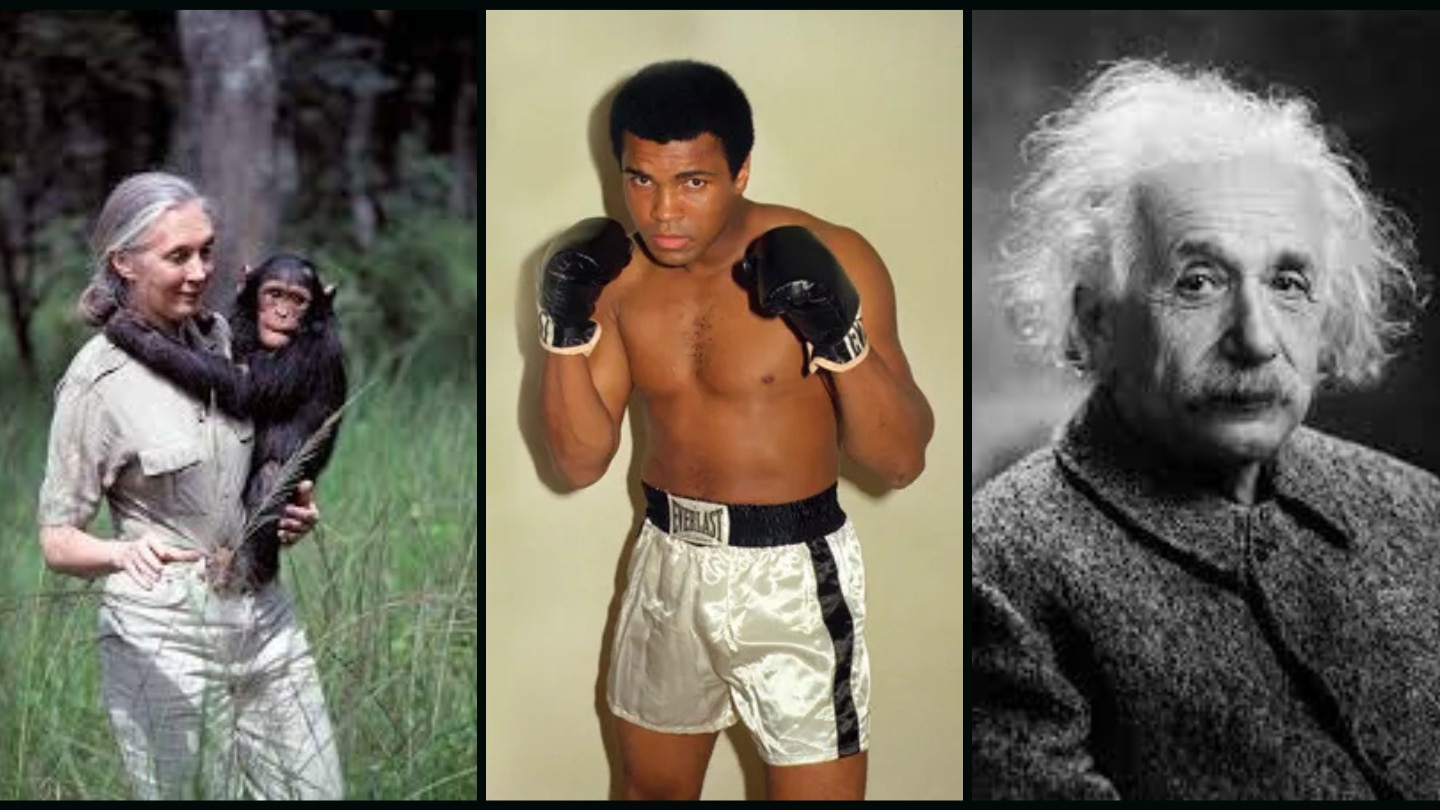
Drawn from the BBC series Icons: The Greatest Person of the 20th Century, this video playlist introduces influential figures from science, politics, civil rights, sports, art, music, exploration, and more. Meet Muhammad Ali, Helen Keller, Albert Einstein, Martin Luther King Jr., Jane Goodall, Pelé, and others whose work challenged conventions, broke barriers, or changed how people understood the world.
Explore the discoveries and ideas that transformed science, the movements that pushed societies toward change, and the creative achievements that reshaped art and culture. Along the way, consider the historical circumstances these figures lived through, the obstacles they faced, and the choices that shaped their public legacies.
What makes someone an icon? Is it achievement, influence, courage, originality — or something more complicated? These BBC videos invite viewers to look beyond famous names and consider how individuals can shape history, as well as how history shapes the way we remember them.
By 1860, the United States had been arguing over slavery for decades. This playlist follows that argument as it hardened into war. It covers the people who resisted slavery, the court case that denied Black Americans citizenship, a raid that pushed the country closer to the edge, and the election that led seven states to secede before Lincoln took office. Each video runs a few minutes and focuses on a single turning point, so the series can be watched start to finish or one video at a time.
Each video comes with discussion questions, vocabulary, a writing prompt ,and classroom activities — all printable from the video page. Questions include why Southern states seceded after Lincoln’s election and how the Civil War split families in border states.
Teachers and Parents: The videos are in chronological order and work as a full unit introduction for students 11–18. They can also be assigned individually to set up a specific lesson. The opening video, from BBC’s American History’s Biggest Fibs With Lucy Worsley, puts slavery at the center of the conflict and gives students a framework for the rest of the list. The Kentucky video closes the list and leads into the companion playlist, The Civil War and Its Aftermath, which runs from the Emancipation Proclamation through the end of Reconstruction. Use the "Share With Students" feature to assign videos directly or "Add to Playlist" to build your own sequence.
When Lincoln issued the Emancipation Proclamation in 1863, the war to preserve the Union also became a war against slavery. How much Lincoln meant it that way is still debated, and this playlist takes up that question directly. It also covers the new technology that changed how armies fought, the medical crisis in which disease killed twice as many soldiers as combat, the turning-point battles of 1863, and Sherman’s campaign through Georgia. The second half follows the country through Reconstruction: lenient early policies gave way to Radical Reconstruction and constitutional amendments that abolished slavery and guaranteed citizenship and voting rights. It then traces how those gains were rolled back as white Southern Democrats regained power and federal troops withdrew in 1877.
Each video comes with discussion questions, vocabulary, a writing prompt, and classroom activities — all printable from the video page. Questions include why the Emancipation Proclamation didn’t free all enslaved people, why historians call the Civil War the first modern war, and whether Lincoln believed in racial equality.
Teachers and Parents: The playlist picks up where The Road to War leaves off, so together the two playlists cover the full unit for ages 11–18. Videos 1 and 2 work as a pair: a straightforward account of the Emancipation Proclamation followed by historian Lucy Worsley’s case that Lincoln’s main goal was saving the Union. That sets up a strong source-comparison or debate lesson. Lincoln’s Legacy extends the discussion through Frederick Douglass’s reassessment of Lincoln. It contains discriminatory language, so preview it before assigning. The last three videos form a short Reconstruction sequence: The Three Phases of Reconstruction gives the overview, and the next two focus on Black Americans' political gains and the deal that ended federal enforcement, a natural lead-in to Jim Crow and the Civil Rights Movement. Use the "Share With Students" feature to assign videos directly or "Add to Playlist" to build your own sequence.
From the founding of the United States to the Civil War and beyond, American presidents have led the country through moments of conflict, expansion, crisis, and change.
This BBC video playlist explores figures including George Washington, Thomas Jefferson, Abraham Lincoln, Theodore Roosevelt, and others, examining the decisions, ideas, and events that defined their presidencies.
Look beyond familiar stories to consider both their achievements and shortcomings. How did the challenges of their eras influence their choices, and how should we understand the complicated legacies of leaders who helped shape American history?
Drawn from the BBC series Icons: The Greatest Person of the 20th Century, this video playlist introduces influential figures from science, politics, civil rights, sports, art, music, exploration, and more. Meet Muhammad Ali, Helen Keller, Albert Einstein, Martin Luther King Jr., Jane Goodall, Pelé, and others whose work challenged conventions, broke barriers, or changed how people understood the world.
Explore the discoveries and ideas that transformed science, the movements that pushed societies toward change, and the creative achievements that reshaped art and culture. Along the way, consider the historical circumstances these figures lived through, the obstacles they faced, and the choices that shaped their public legacies.
What makes someone an icon? Is it achievement, influence, courage, originality — or something more complicated? These BBC videos invite viewers to look beyond famous names and consider how individuals can shape history, as well as how history shapes the way we remember them.