Taking Flight: The Wright Brothers and the Birth of Aviation
On a windy morning in North Carolina in 1903, the Wright brothers made history with the first powered, controlled, and sustained flight in a motorized airplane.
The article "Taking Flight: The Wright Brothers and the Birth of Aviation" from BBC's HistoryExtra tells the story of how Wilbur and Orville Wright achieved the first successful human flight on December 17, 1903. Despite its short distance, their powered and controlled flight marked the beginning of modern aviation.

BBC's HistoryExtra is devoted to both British and world history and aimed at readers of all levels of knowledge and interest. Learn more about subscriptions here.

BBC's HistoryExtra is devoted to both British and world history and aimed at readers of all levels of knowledge and interest. Learn more about subscriptions here.
Most passages are available in three different versions: Level 1 (Grade 3-5), Level 2 (Grade 6-8), and Level 3 (Grade 9-12). Some more complex texts are available only in Level 2 and Level 3. Use the versions that are most appropriate for the students in your class.
Note: The BBC Learning Hub Editorial Team made use of AI tools to create multiple versions of this article, each tailored to different student reading levels. Every version undergoes a thorough review by our BBC Learning editors to ensure accuracy, quality, and appropriateness.

You Might Also Like

The article "Amelia Earhart’s Final Flight: The Mystery of the Missing Aviator" from BBC's HistoryExtra is a gripping look at Earhart’s adventurous life and her mysterious disappearance.

The article "Bessie Coleman: The Fearless Pilot Who Broke Barriers in the Sky" from BBC's HistoryExtra is a powerful story of determination. It explores how Bessie Coleman, born into poverty and facing racial and gender discrimination, traveled to France to earn her pilot’s license and became a celebrated stunt pilot. Her mission: to inspire others of color to take flight and dream big.
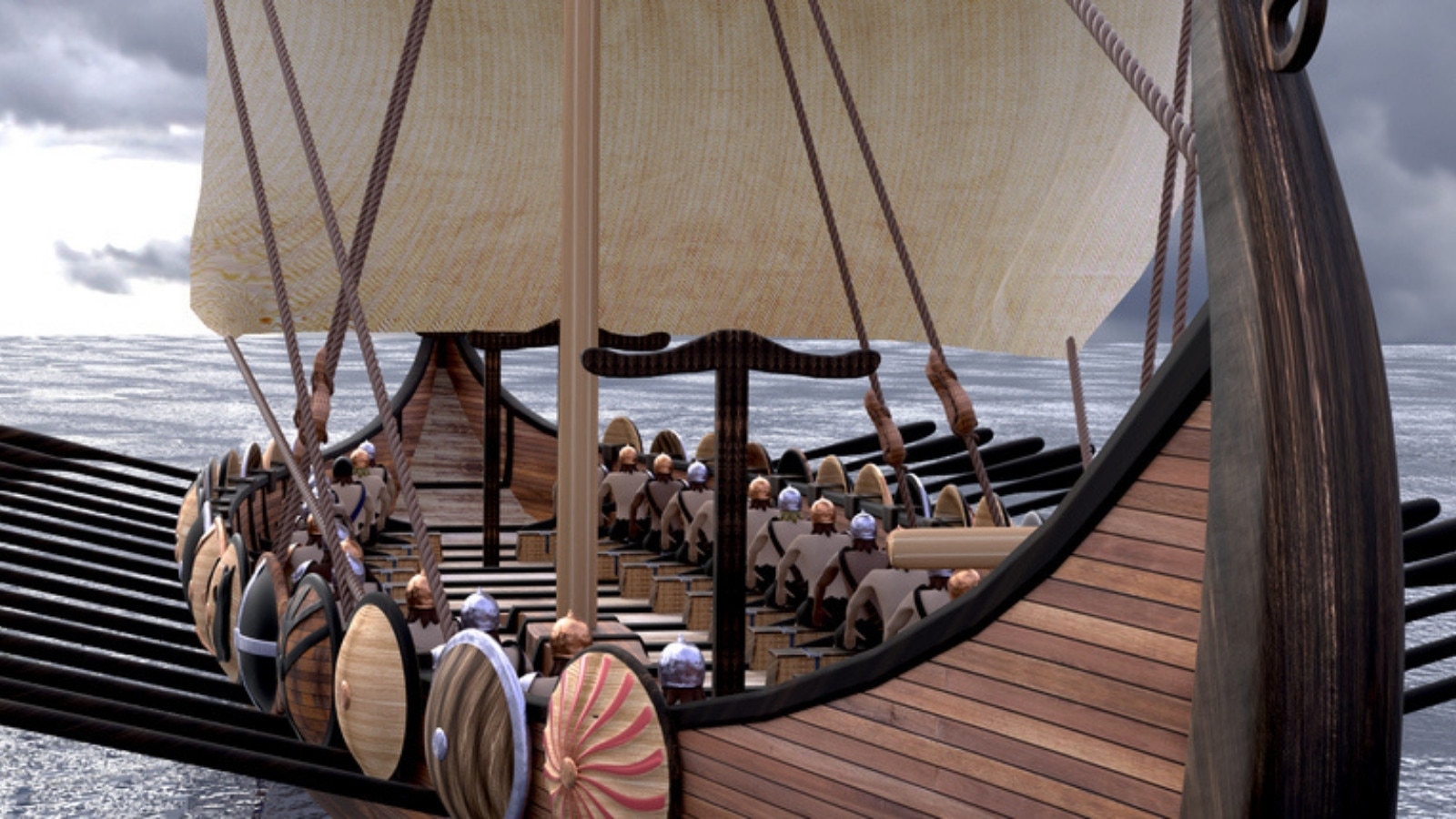
The article "Leif Erikson: The Viking Who Sailed to America" from BBC's HistoryExtra explores the Norse explorer’s journey across the Atlantic nearly 500 years before Columbus.

The article "Benjamin Franklin: The Revolutionary Genius Who Shaped America’s Future" from BBC's HistoryExtra explores the many roles of Benjamin Franklin. A Founding Father, inventor, and diplomat, Franklin was pivotal in securing the French-American alliance during the American Revolution. Known for his inventions like the lightning rod and bifocals, he also played a key part in drafting the Declaration of Independence.
The article "Amelia Earhart’s Final Flight: The Mystery of the Missing Aviator" from BBC's HistoryExtra is a gripping look at Earhart’s adventurous life and her mysterious disappearance.
The article "Bessie Coleman: The Fearless Pilot Who Broke Barriers in the Sky" from BBC's HistoryExtra is a powerful story of determination. It explores how Bessie Coleman, born into poverty and facing racial and gender discrimination, traveled to France to earn her pilot’s license and became a celebrated stunt pilot. Her mission: to inspire others of color to take flight and dream big.
The article "Leif Erikson: The Viking Who Sailed to America" from BBC's HistoryExtra explores the Norse explorer’s journey across the Atlantic nearly 500 years before Columbus.
The article "Benjamin Franklin: The Revolutionary Genius Who Shaped America’s Future" from BBC's HistoryExtra explores the many roles of Benjamin Franklin. A Founding Father, inventor, and diplomat, Franklin was pivotal in securing the French-American alliance during the American Revolution. Known for his inventions like the lightning rod and bifocals, he also played a key part in drafting the Declaration of Independence.