
The article "Taking Flight: The Wright Brothers and the Birth of Aviation" from BBC's HistoryExtra tells the story of how Wilbur and Orville Wright achieved the first successful human flight on December 17, 1903. Despite its short distance, their powered and controlled flight marked the beginning of modern aviation.
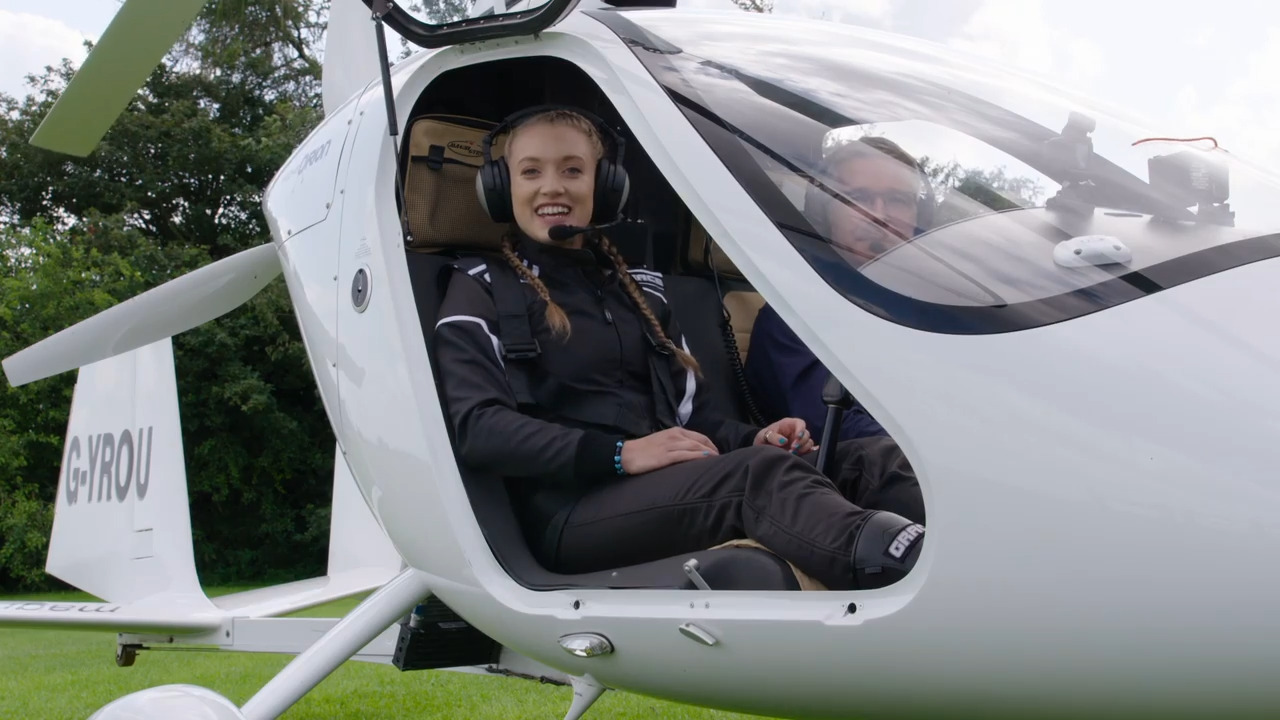
In Gyroplanes Take Flight, presenter and motorbike racer Grace Webb explores gyroplanes and how they work. A gyroplane may look like a helicopter, but it takes off like an airplane and has a propeller in the back that pushes it forward. A gyroplane is fast and fun, making it an exciting way to fly! This video is excerpted from BBC’s Grace’s Amazing Machines, a children’s show that introduces kids to some of the biggest, fastest, and most amazing machines in the world.
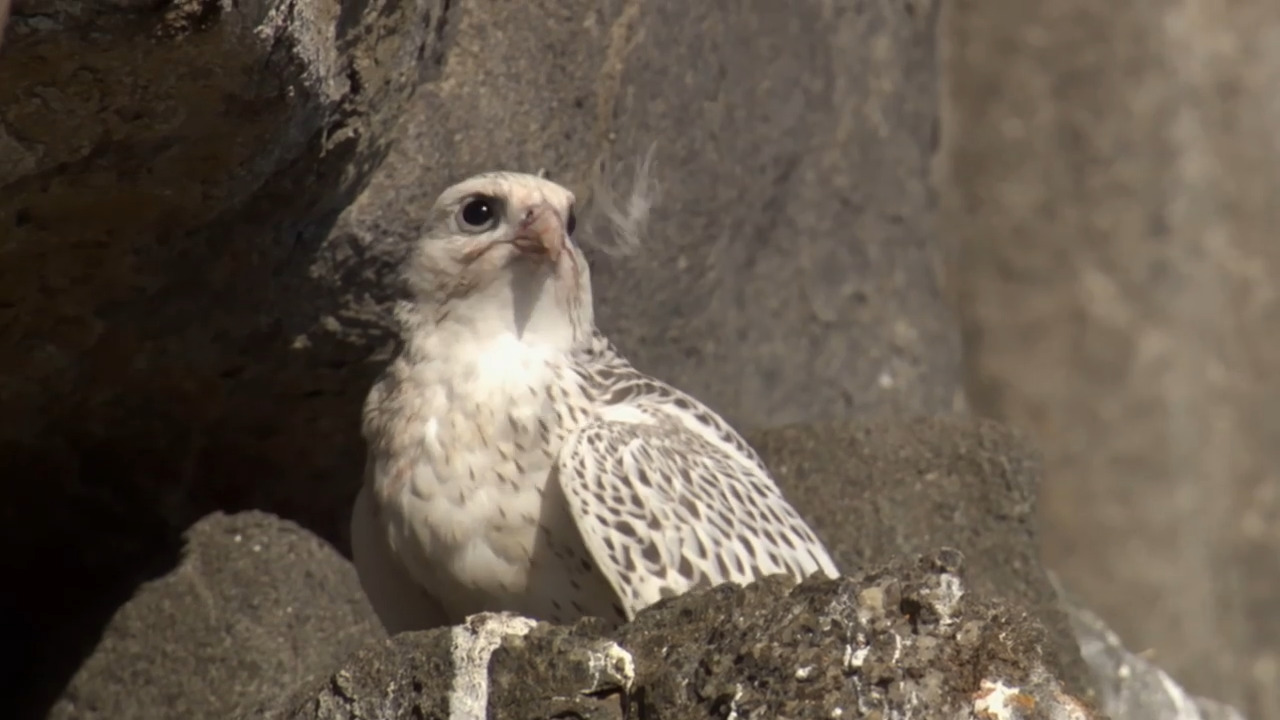
In Gyrfalcon Chicks Learn to Fly, narrator Gordon Buchanan describes how young chicks get ready to leave the nest. A brave female takes flight but crash lands among the rocky slopes. With a white wolf approaching, she must quickly learn to take off from the ground. This video is excerpted from BBC's Animal Babies, a heartwarming show that follows the first breaths, first steps, and first feeds of some adorable baby animals, revealing the challenges they face to survive in some of the toughest but most beautiful places on the planet.
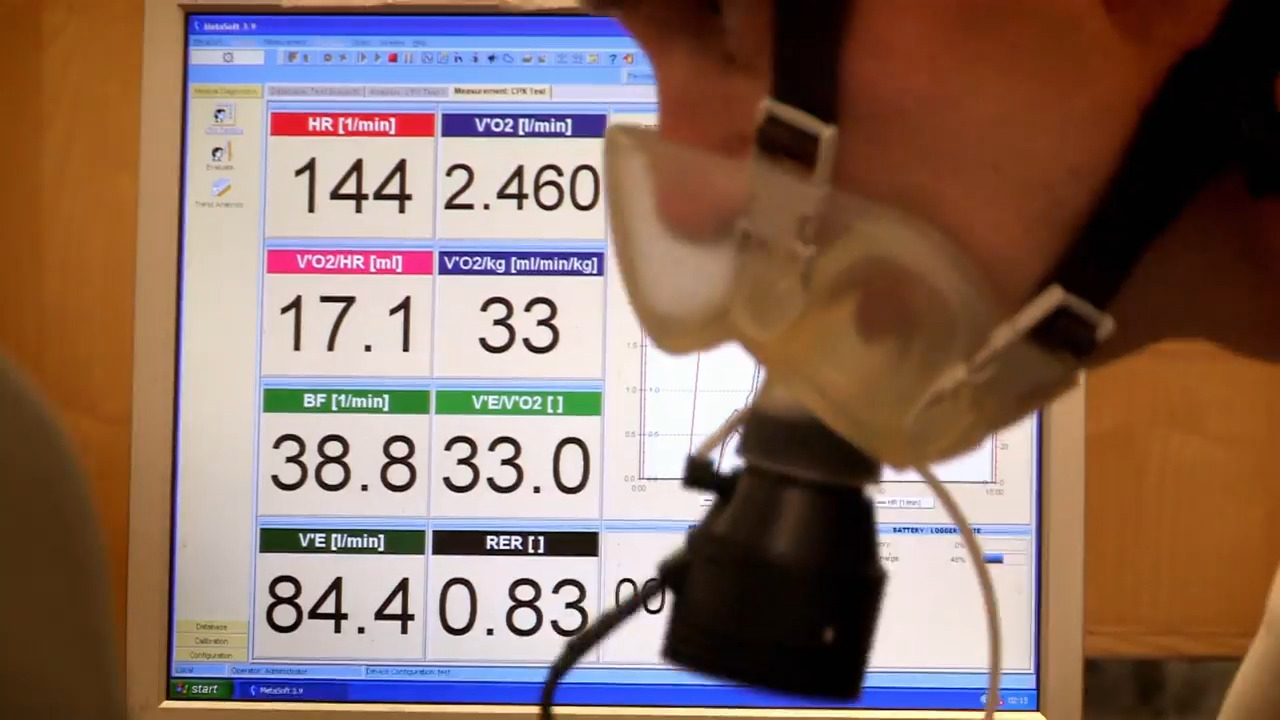
In A Pedal Power Test, Jem is building a small plane powered by pedaling, but he needs to generate 350 watts to get it off the ground. After testing with Dr. Brickley, he discovers he can only produce 275 watts. The doctor believes with some training, Jem can increase his wattage and make his flying dream possible! This video is excerpted from BBC’s Bang Goes the Theory, a series that delves into the ways science impacts our lives and shapes the world we experience every day.
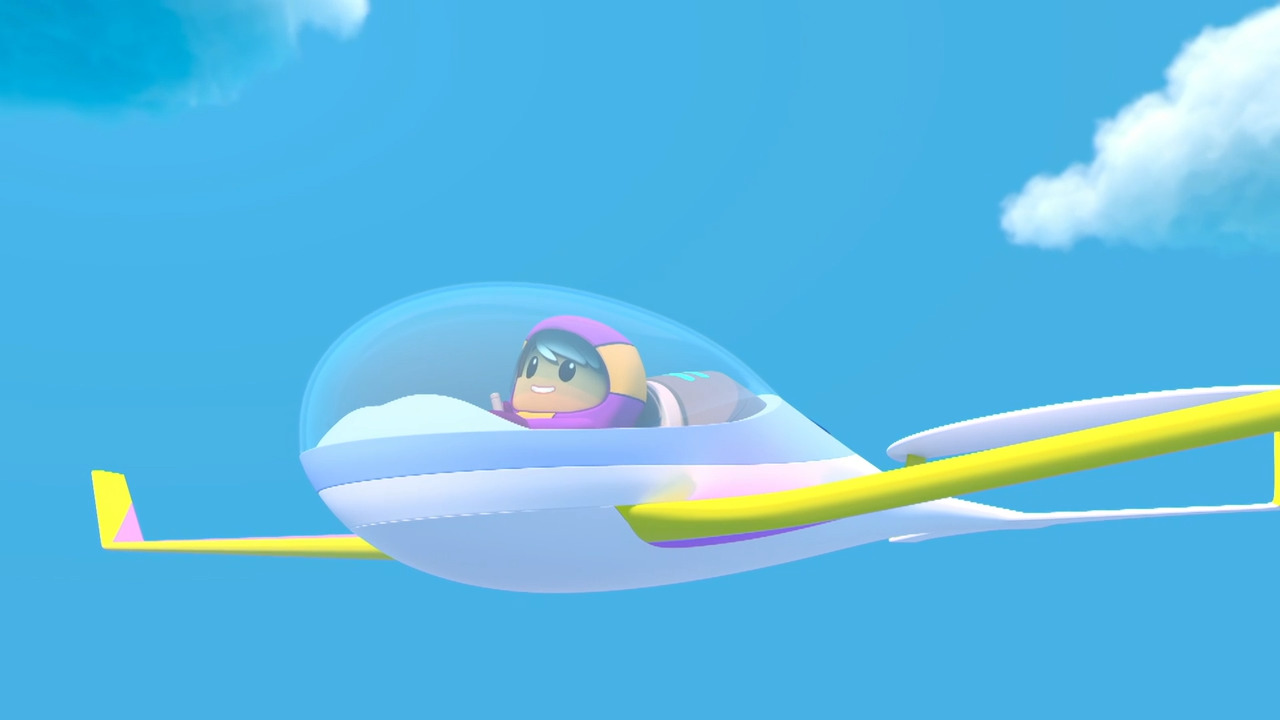
In The Go Jetters Go Gliding in Argentina, the Go Jetters crew learns how gliders that don’t have engines are able to fly. They ride thermals that are created on sunny days. Ubercorn shares funky facts about how thermals are created, including how cumulus clouds help create the perfect conditions for gliding. This video is excerpted from BBC’s Go Jetters, a series that follows the adventures of four international heroes as they travel the globe visiting landmarks and solving environmental problems with Ubercorn, a disco-dancing unicorn.
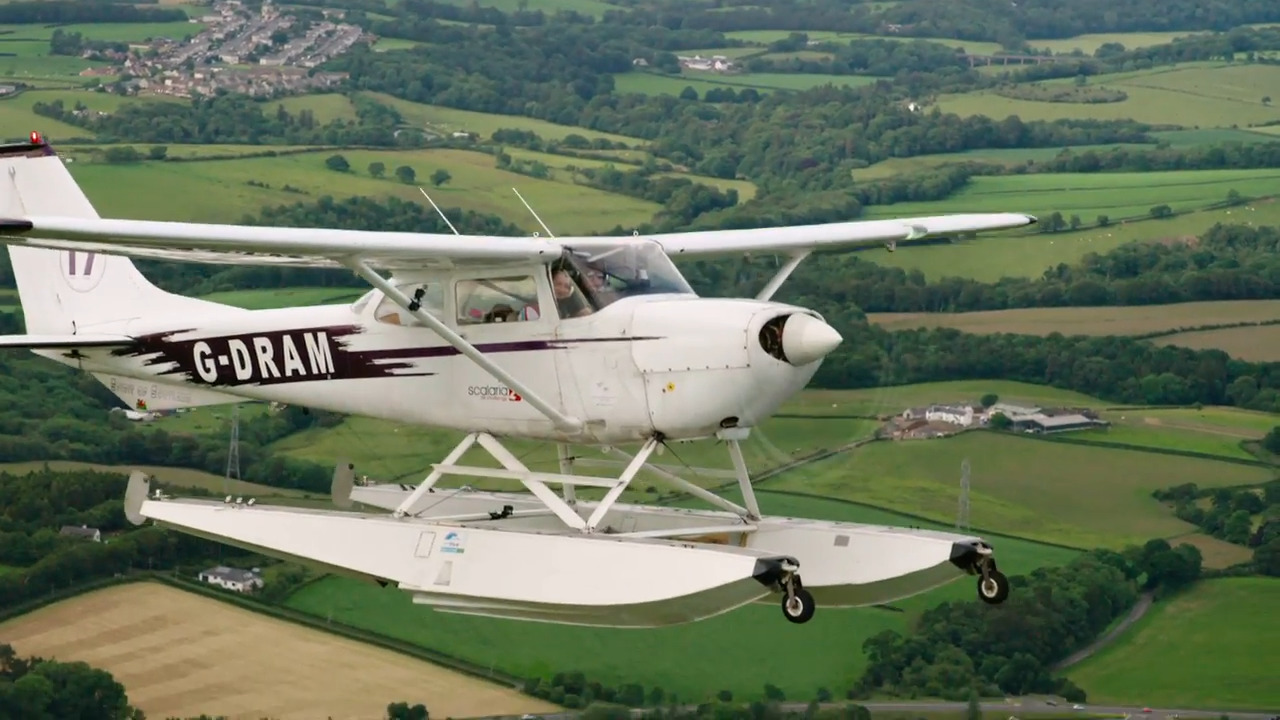
In The Super Seaplane, presenter and motorbike racer Grace Webb shows the inside and out of a seaplane, which is equipped to fly high in the skies and safely land and move through water. Hop in the passenger seat and discover what the seaplane can do! This video is excerpted from BBC’s Grace’s Amazing Machines, a children’s show that introduces kids to some of the biggest, fastest, and most amazing machines in the world.
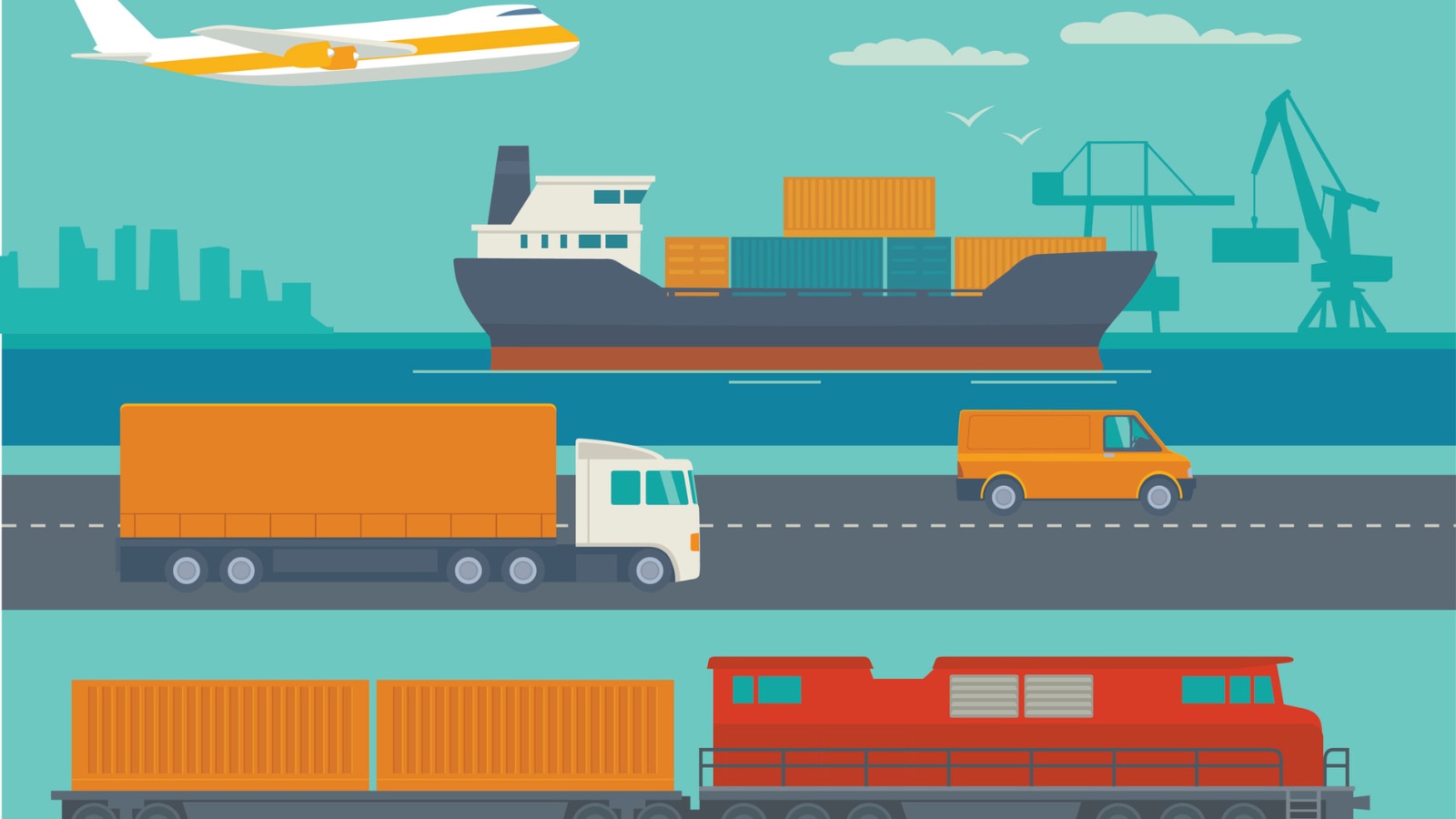
Get ready for a speedy adventure! This BBC Learning Hub playlist, packed with clips from Grace’s Amazing Machines, takes students on a high-octane journey through land, sea, and sky. From gyrocopters and tugboats to superbikes and supercars, each video introduces a powerful machine — and the science that makes it move.
Perfect for teaching concepts like forces and motion, energy, friction, and transportation technology, these clips are a fun, fast-paced way to explore how things go, glide, float, and fly. Each video comes with discussion questions, hands-on activities, and more to help kids think, tinker, and learn like real engineers. Buckle up — it’s going to be a wild ride!
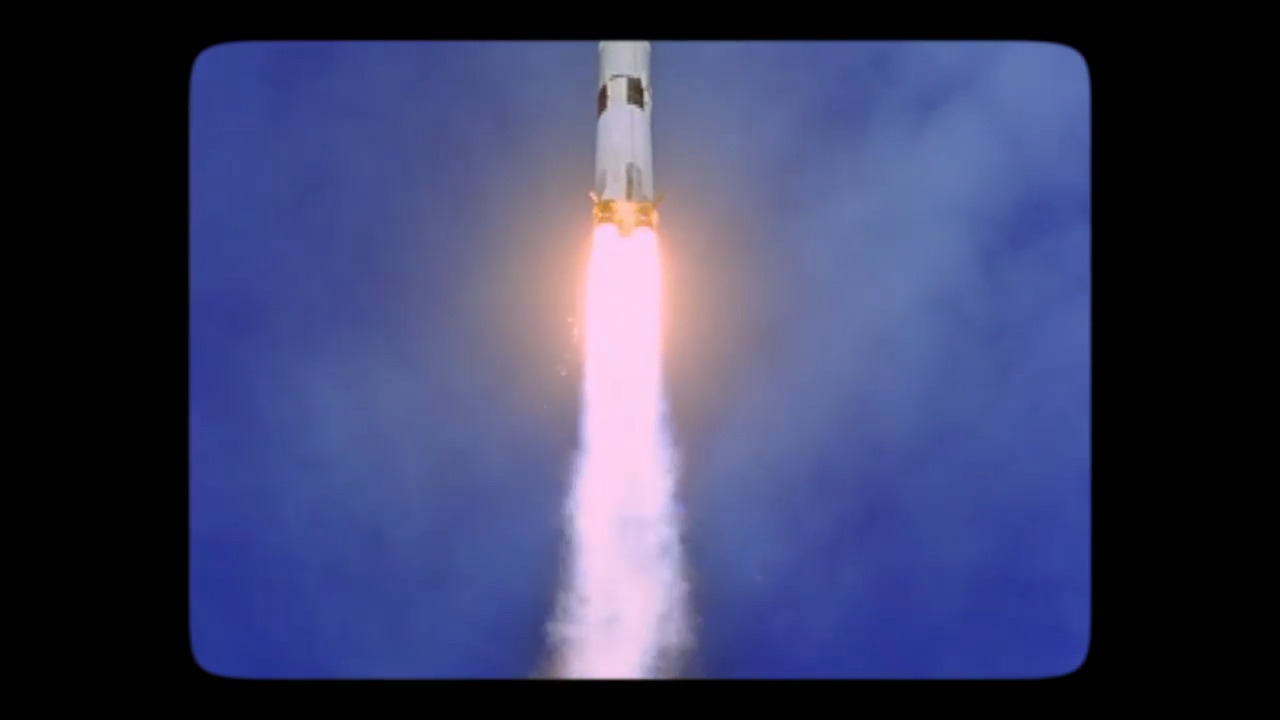
In The Challenges of Sending a Crewed Flight to Mars, learn how sending a crewed flight to Mars requires a large cargo and even larger rocket power. To overcome the difficult initial part of the journey, NASA is building the largest rocket ever. Explore how the challenges of launching a mission to Mars are being addressed by organizations like NASA and SpaceX, including innovative approaches to rocket design and space travel logistics. This video is excerpted from BBC’s The Big Thinkers, Should We Go to Mars?, where Dr. Kevin Fong explores the complex scientific and technological hurdles of space exploration.

The article "Amelia Earhart’s Final Flight: The Mystery of the Missing Aviator" from BBC's HistoryExtra is a gripping look at Earhart’s adventurous life and her mysterious disappearance.
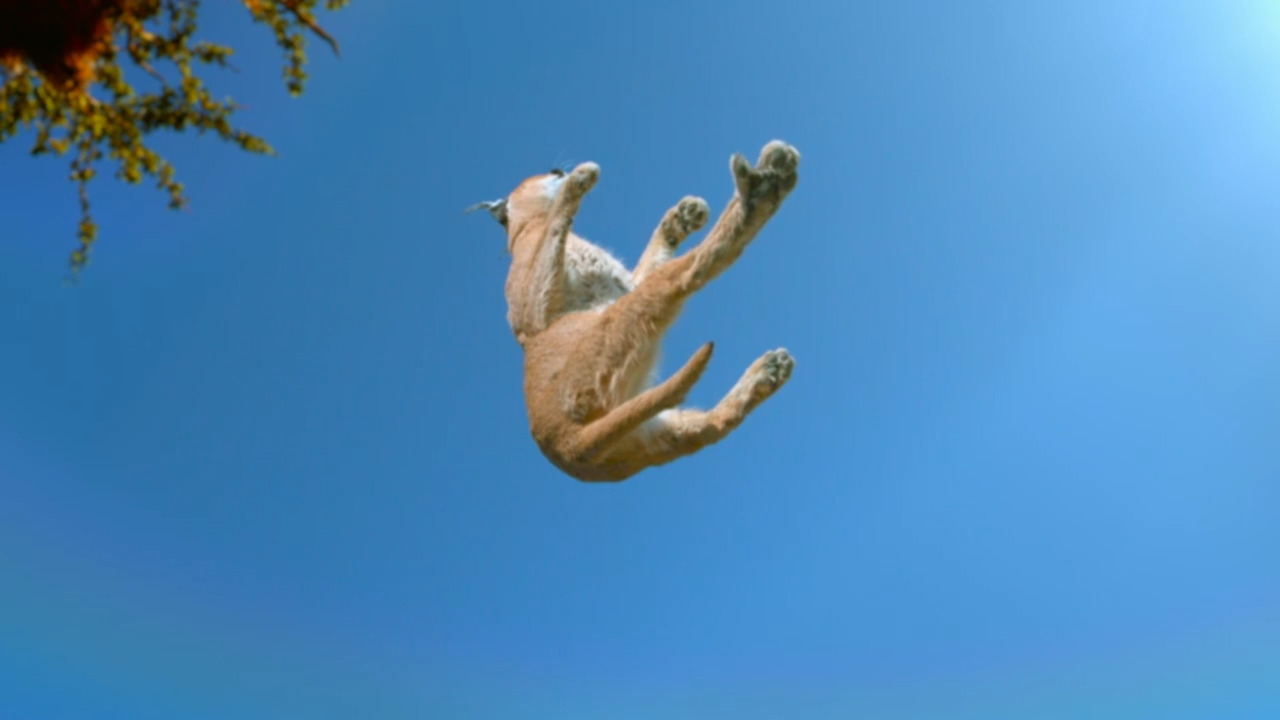
In The Gravity-Defying Design of the Caracal Cat, narrator Suranne Jones looks at the perfect design of the caracal, a wild cat, that allows it to leap upwards, defying gravity and catching birds in flight. Even more amazing is how the cat uses its flexible spine to twist its body two different ways so that it can push off itself and land on its feet no matter what. This video is excerpted from BBC’s Life in the Air, a documentary about animals that take to the sky.
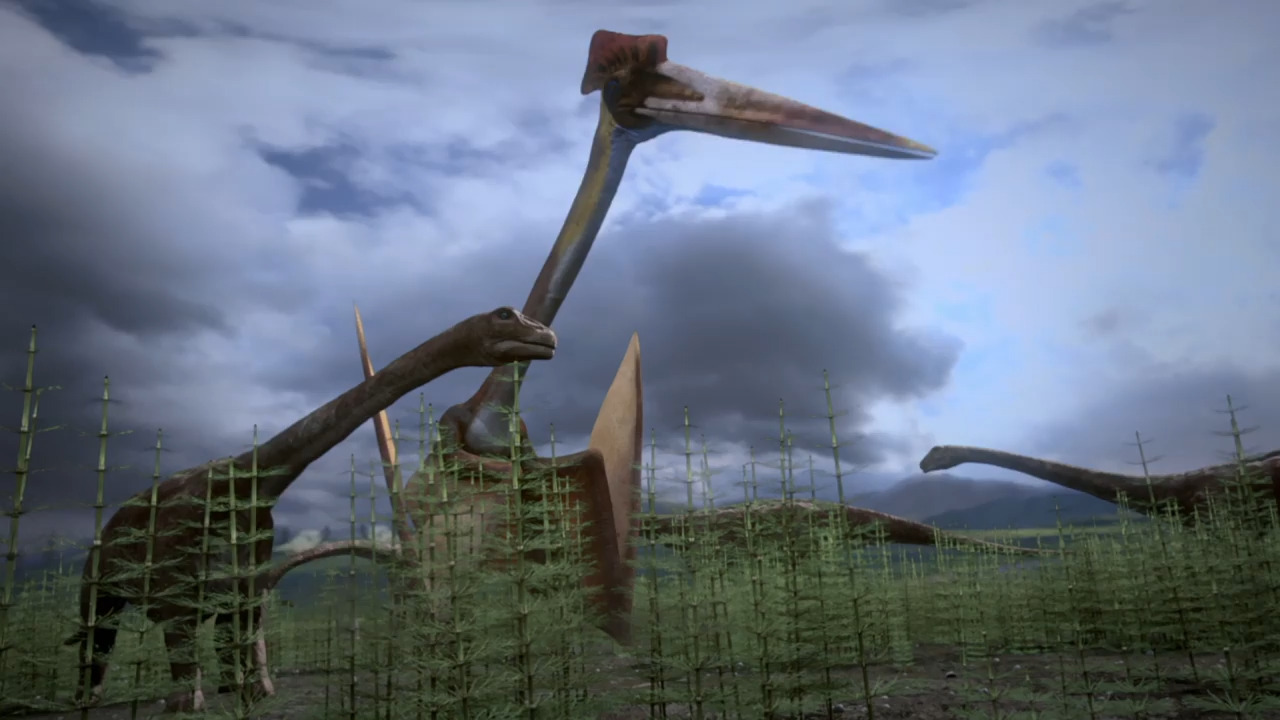
In Hatzegopteryx, Monster of the Skies, naturalist Steve Backshall investigates the largest creature to ever take flight! Plus, see how this dinosaur compares with a real flying object in the skies today. This video is excerpted from BBC’s Deadly Dinosaurs, a documentary series in which host Steve Backshall is on the hunt for the deadliest animals to have walked the Earth — dinosaurs — exploring features of several species and putting their abilities to the test to reveal the raw power of these creatures.
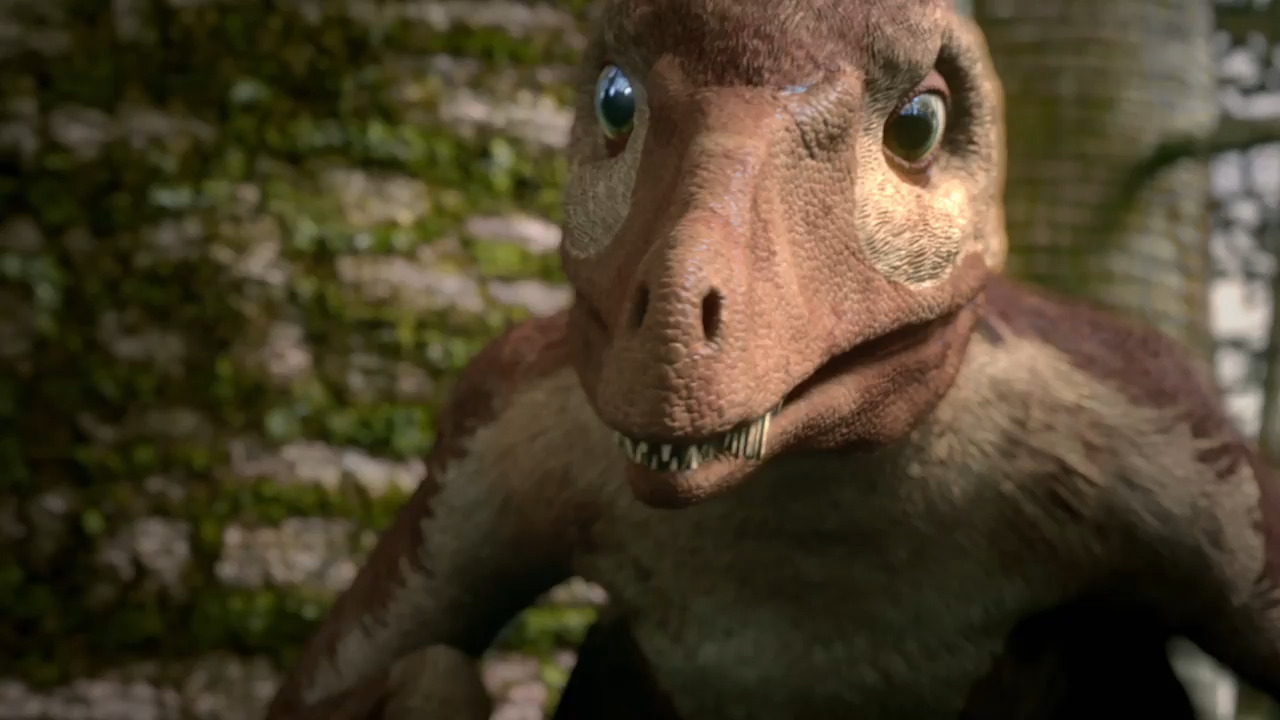
In The Aerial Sinornithosaurus, naturalist Steve Backshall introduces this dinosaur that could take flight! Learn how it hunted along with how scientists were able to decipher the smallest details about this animal, down to the color of its feathers. This video is excerpted from BBC’s Deadly Dinosaurs, a documentary series in which host Steve Backshall is on the hunt for the deadliest animals to have walked the Earth — dinosaurs — exploring features of several species and putting their abilities to the test to reveal the raw power of these creatures.
The article "Taking Flight: The Wright Brothers and the Birth of Aviation" from BBC's HistoryExtra tells the story of how Wilbur and Orville Wright achieved the first successful human flight on December 17, 1903. Despite its short distance, their powered and controlled flight marked the beginning of modern aviation.
In Gyroplanes Take Flight, presenter and motorbike racer Grace Webb explores gyroplanes and how they work. A gyroplane may look like a helicopter, but it takes off like an airplane and has a propeller in the back that pushes it forward. A gyroplane is fast and fun, making it an exciting way to fly! This video is excerpted from BBC’s Grace’s Amazing Machines, a children’s show that introduces kids to some of the biggest, fastest, and most amazing machines in the world.
In Gyrfalcon Chicks Learn to Fly, narrator Gordon Buchanan describes how young chicks get ready to leave the nest. A brave female takes flight but crash lands among the rocky slopes. With a white wolf approaching, she must quickly learn to take off from the ground. This video is excerpted from BBC's Animal Babies, a heartwarming show that follows the first breaths, first steps, and first feeds of some adorable baby animals, revealing the challenges they face to survive in some of the toughest but most beautiful places on the planet.
In A Pedal Power Test, Jem is building a small plane powered by pedaling, but he needs to generate 350 watts to get it off the ground. After testing with Dr. Brickley, he discovers he can only produce 275 watts. The doctor believes with some training, Jem can increase his wattage and make his flying dream possible! This video is excerpted from BBC’s Bang Goes the Theory, a series that delves into the ways science impacts our lives and shapes the world we experience every day.
In The Go Jetters Go Gliding in Argentina, the Go Jetters crew learns how gliders that don’t have engines are able to fly. They ride thermals that are created on sunny days. Ubercorn shares funky facts about how thermals are created, including how cumulus clouds help create the perfect conditions for gliding. This video is excerpted from BBC’s Go Jetters, a series that follows the adventures of four international heroes as they travel the globe visiting landmarks and solving environmental problems with Ubercorn, a disco-dancing unicorn.
In The Super Seaplane, presenter and motorbike racer Grace Webb shows the inside and out of a seaplane, which is equipped to fly high in the skies and safely land and move through water. Hop in the passenger seat and discover what the seaplane can do! This video is excerpted from BBC’s Grace’s Amazing Machines, a children’s show that introduces kids to some of the biggest, fastest, and most amazing machines in the world.
Get ready for a speedy adventure! This BBC Learning Hub playlist, packed with clips from Grace’s Amazing Machines, takes students on a high-octane journey through land, sea, and sky. From gyrocopters and tugboats to superbikes and supercars, each video introduces a powerful machine — and the science that makes it move.
Perfect for teaching concepts like forces and motion, energy, friction, and transportation technology, these clips are a fun, fast-paced way to explore how things go, glide, float, and fly. Each video comes with discussion questions, hands-on activities, and more to help kids think, tinker, and learn like real engineers. Buckle up — it’s going to be a wild ride!
In The Challenges of Sending a Crewed Flight to Mars, learn how sending a crewed flight to Mars requires a large cargo and even larger rocket power. To overcome the difficult initial part of the journey, NASA is building the largest rocket ever. Explore how the challenges of launching a mission to Mars are being addressed by organizations like NASA and SpaceX, including innovative approaches to rocket design and space travel logistics. This video is excerpted from BBC’s The Big Thinkers, Should We Go to Mars?, where Dr. Kevin Fong explores the complex scientific and technological hurdles of space exploration.
The article "Amelia Earhart’s Final Flight: The Mystery of the Missing Aviator" from BBC's HistoryExtra is a gripping look at Earhart’s adventurous life and her mysterious disappearance.
In The Gravity-Defying Design of the Caracal Cat, narrator Suranne Jones looks at the perfect design of the caracal, a wild cat, that allows it to leap upwards, defying gravity and catching birds in flight. Even more amazing is how the cat uses its flexible spine to twist its body two different ways so that it can push off itself and land on its feet no matter what. This video is excerpted from BBC’s Life in the Air, a documentary about animals that take to the sky.
In Hatzegopteryx, Monster of the Skies, naturalist Steve Backshall investigates the largest creature to ever take flight! Plus, see how this dinosaur compares with a real flying object in the skies today. This video is excerpted from BBC’s Deadly Dinosaurs, a documentary series in which host Steve Backshall is on the hunt for the deadliest animals to have walked the Earth — dinosaurs — exploring features of several species and putting their abilities to the test to reveal the raw power of these creatures.
In The Aerial Sinornithosaurus, naturalist Steve Backshall introduces this dinosaur that could take flight! Learn how it hunted along with how scientists were able to decipher the smallest details about this animal, down to the color of its feathers. This video is excerpted from BBC’s Deadly Dinosaurs, a documentary series in which host Steve Backshall is on the hunt for the deadliest animals to have walked the Earth — dinosaurs — exploring features of several species and putting their abilities to the test to reveal the raw power of these creatures.