The first few weeks of school are a blur of new names, new hallways, and kids quietly trying to figure out where their backpack goes. Somewhere in the middle of that blur, teachers are doing something less visible but just as important: teaching kids how the classroom actually works.
It's tempting to rush past this part. The rules feel like a formality — something to get through so the "real" teaching can start. But the opposite is usually true. A classroom where kids know what to expect, from each other and from you, ends up running smoother for the rest of the year. Skipping this step doesn't save time. It just moves the cost to October.
Explain the Why, Not Just the Rule
"Don't talk while someone else is talking" lands differently than "we listen to each other here." One's a rule. The other is a reason. Kids follow reasons longer than they follow rules, especially once the novelty of September wears off.
Depending on their age, you can bring students into this conversation instead of just announcing it. Ask them what helps them focus. Ask what a good classroom feels like. They won't write the final list — that's still your job — but having a say in it changes how they treat it. It stops being "the teacher's rules" and starts being closer to "our classroom."
For younger kids, a familiar character can do a lot of the heavy lifting here. The BBC Learning Hub's Bluey Collection has activities built around teamwork and fairness that give younger students something concrete to talk about before you ask them to apply it to their own desk and their own classmates.
Teach Routines the Way You'd Teach Anything Else
Nobody expects a class to master fractions after one lesson. Routines deserve the same patience. Show what walking in quietly looks like. Let them practice it. Bring it back up when it slips, the same way you'd revisit a math concept that didn't stick the first time.
This goes for the unglamorous logistics too — how to enter the room, how to ask for help, how to pack up at the end of the day. It feels like a lot of setup for something so small. But once it's automatic, you get that time back tenfold: fewer questions, fewer reminders, fewer kids standing frozen because they don't know what happens next.
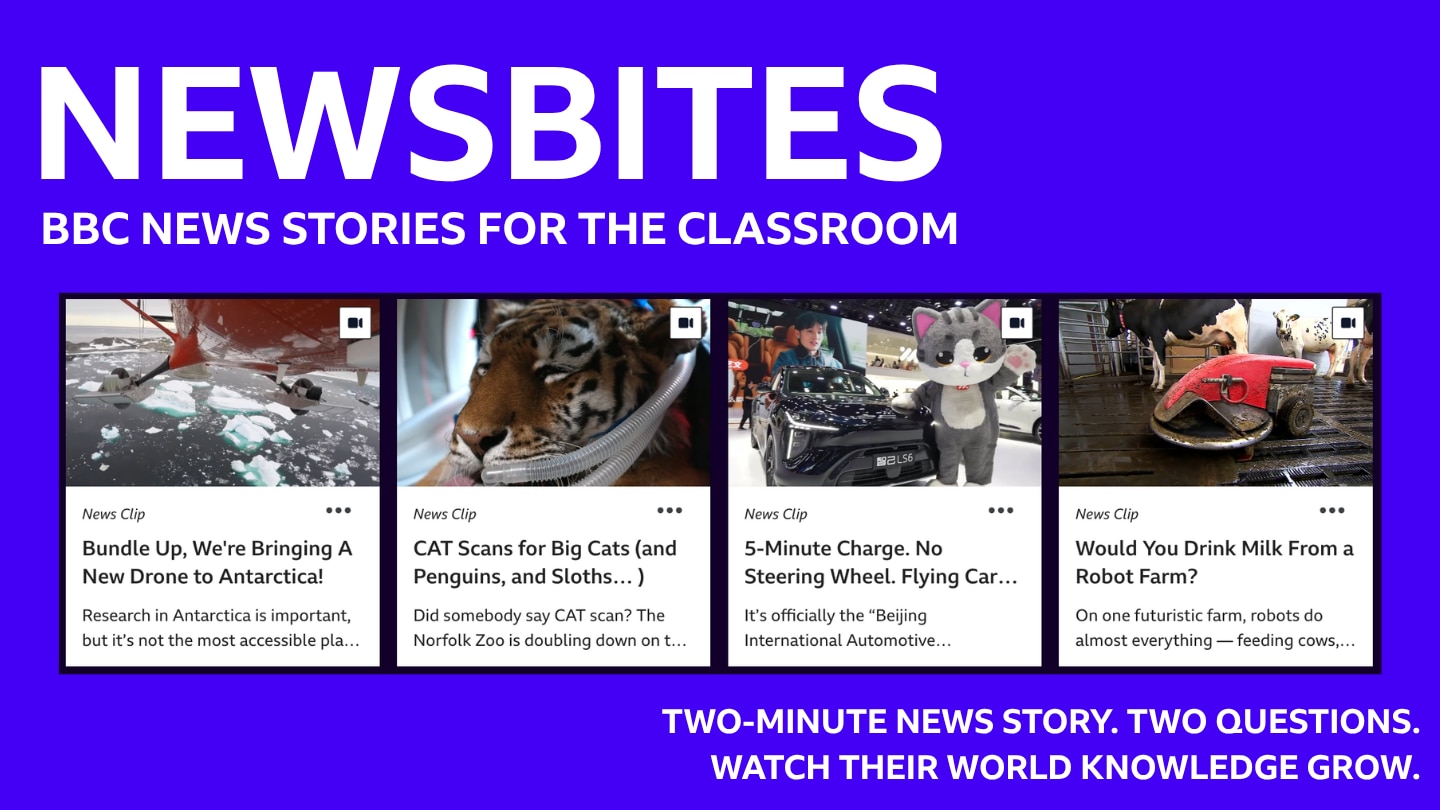
A short daily routine can help here, too. A quick BBC Learning Hub Newsbite — a short news clip paired with a couple of questions — works well as a warm-up or an early-finisher task, giving the day a predictable rhythm kids can settle into.
Keep the List Short Enough To Actually Remember
A wall covered in twelve specific rules is hard for anyone to hold onto — including the substitute teacher who's never seen your classroom before. A few broad, positively framed expectations tend to hold up better. "Respect yourself, others, and our classroom" covers a lot of ground without needing a rule for every scenario.
Once you've settled on your list, don't let it disappear after the first week. Post it somewhere visible for younger kids. Have older students jot it in their planner. The goal isn't a poster nobody reads by October — it's something everyone can point back to.
Model It Yourself
Expectations only hold up if they run both directions. If you want kids listening carefully, they need to see you listening carefully. If mistakes are supposed to be a normal part of learning, they need to watch you handle your own mistakes without falling apart.
Consistency is what makes expectations feel fair instead of arbitrary — kids notice if the rule depends on your mood that day.
Come Back to It All Year
Setting expectations in September doesn't mean you're done with them in September. New situations keep testing them — a first group project, a new piece of tech, kids getting comfortable enough with each other to start pushing limits again.
Revisit things after a long break, before a new kind of activity, or whenever the room just feels off. Ask what's working. Ask what isn't.
None of this depends on kids getting it right every time. What it gives them is something to come back to — a shared sense of how this particular room works, so they can focus on the parts that actually require thinking.