Venus's Landscape of Lava
In Venus’s Landscape of Lava, Professor Brian Cox visits India to get a better understanding of how high temperatures helped create the Venus we see today. Venus, often called Earth’s twin, has the hottest average surface temperature besides the Sun in the Solar System, and it's covered in over 50,000 volcanoes. Beneath the green foliage of India, the landscape of lava is very similar to Venus. This video is excerpted from BBC's Wonders of the Solar System, a spellbinding documentary series that explores the most extreme locations on Earth to explain how the laws of physics carved natural wonders across the Solar System.

In this spellbinding series, Professor Brian Cox visits the most extreme locations on Earth to explain how the laws of physics carved natural wonders across the solar system. Learn more.
Lesson Express
Q: What is Venus, and why is it sometimes called Earth's twin?
A: Venus is the second planet from the Sun and is similar to Earth in size, mass, and rocky composition. It is sometimes called Earth's twin because of these similarities, although its surface and atmosphere are very different from Earth's.
Q: How does lava affect Venus?
A: Lava has played an important role in shaping Venus's surface. Large volcanic eruptions have covered parts of the planet with layers of volcanic rock and created mountains, plains, and other landforms. Scientists have found evidence that Venus may still have some volcanic activity today.
Q: How does Venus compare to the green landscape in the video?
A: Venus looks very different from a green landscape on Earth. Instead of plants, trees, and water, Venus has a rocky surface shaped by volcanoes and lava. Its thick atmosphere and extremely high temperatures make it a very different environment from the green landscapes found on Earth.
You Might Also Like
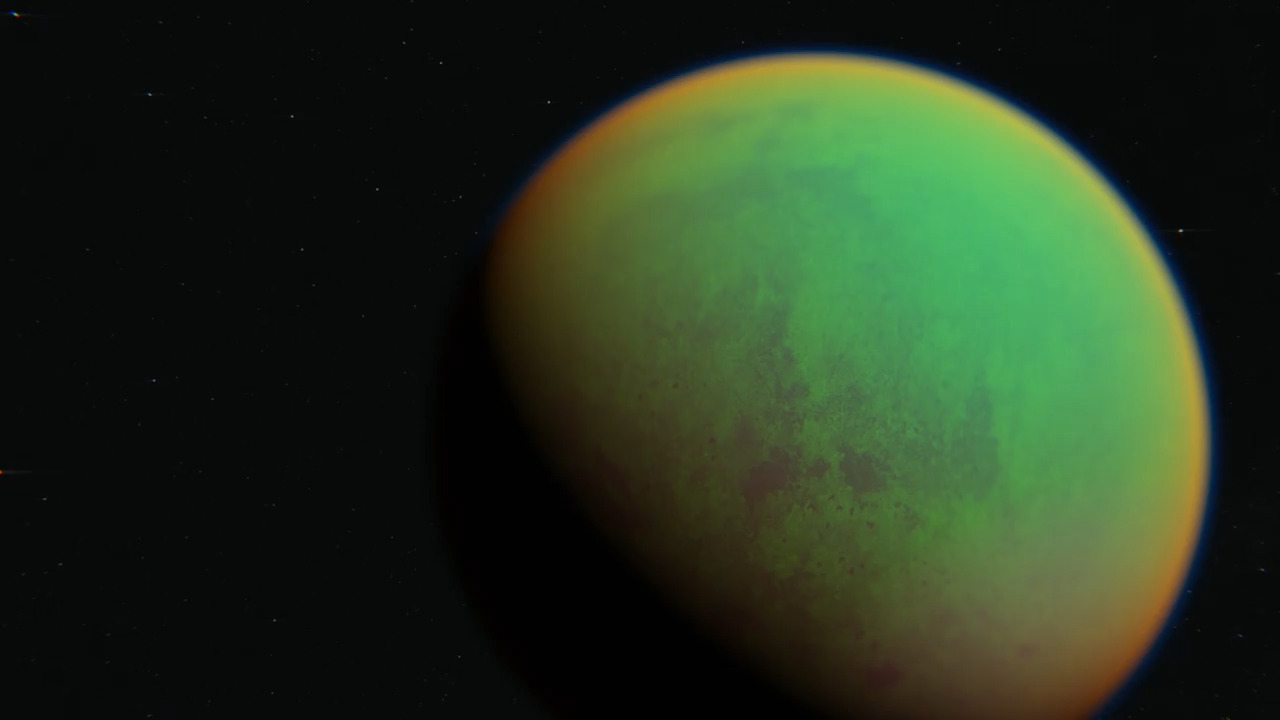
In A Deep Dive Into Titan’s Mysterious Skies, Professor Brian Cox explains how Saturn’s moon Titan is unique in that it has an Earth-like atmosphere. Its deep, dense atmosphere is rich in nitrogen and contains methane. Though Titan is small, and therefore has weak gravitational pull, it is able to hold onto its atmosphere because the gases are very cold. This video is excerpted from BBC’s Wonders of the Solar System, a spellbinding documentary series that explores the most extreme locations on Earth to explain how the laws of physics carved natural wonders across the Solar System.
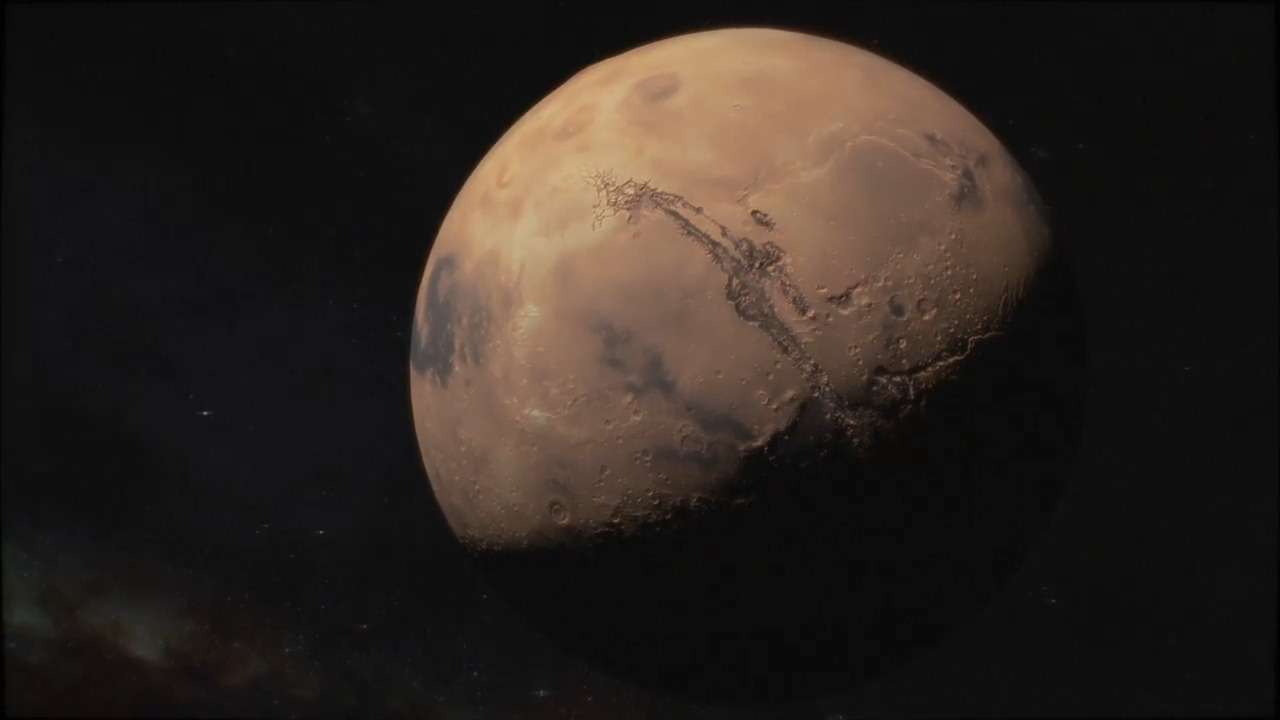
In Postcards From the Surface of Mars, Professor Brian Cox examines the geographic evolution of Mars, noting the vast canyon called Valles Marineris. He looks at photographs taken from the surface of Mars that look eerily similar to Earth: sunsets, clouds, and landscapes. There is, however, one glaring difference: no sign of water. This video is excerpted from BBC's Wonders of the Solar System, a spellbinding documentary series that explores the most extreme locations on Earth to explain how the laws of physics carved natural wonders across the Solar System.
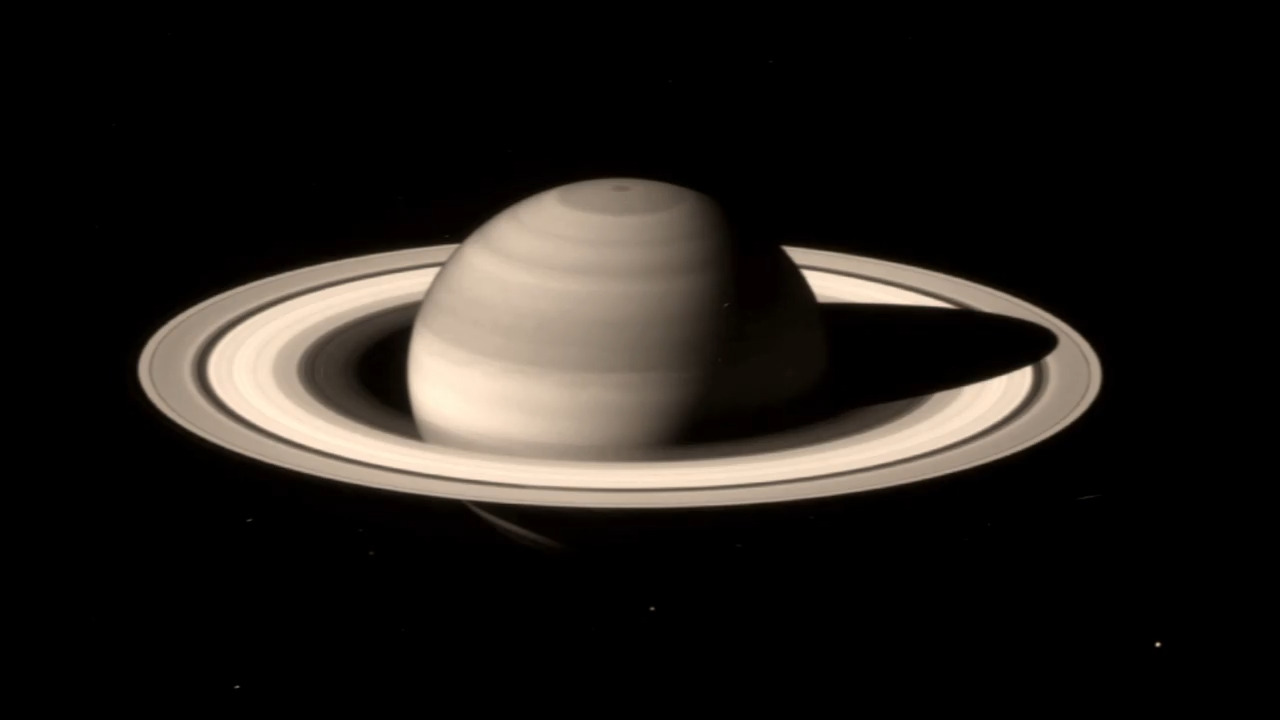
In The Origin of Saturn’s Intricate Rings, Professor Brian Cox visits the control center for Cassini, the spacecraft launched in 1997 that orbits Saturn. Cassini’s mission is to photograph Saturn’s rings and shed light on the origin story of the rings. Saturn behaves like a miniature Solar System with Saturn as sun, and moons that surround the rings, providing us the opportunity to learn about our own origin after the planets formed. This video is excerpted from BBC's Wonders of the Solar System, a spellbinding documentary series that explores the most extreme locations on Earth to explain how the laws of physics carved natural wonders across the Solar System.
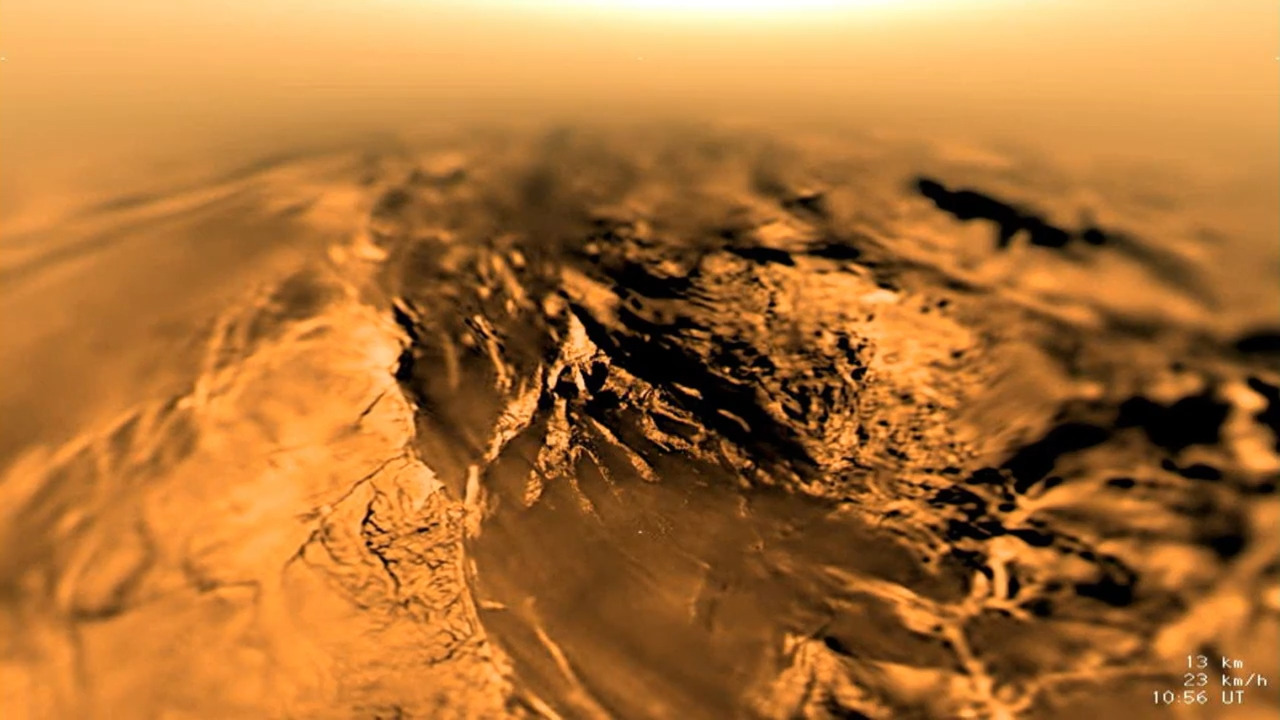
In Exploring the Frozen Surface of Titan, Professor Brian Cox describes how in 2004, the Huygens probe landed on Saturn’s moon Titan and revealed a surprisingly Earth-like surface. The probe observed flat, sandy ground with smooth, rounded stones — evidence that there was once flowing water on Titan's surface. This discovery has provided crucial insights into Titan’s geological history. This video is excerpted from BBC’s Wonders of the Solar System, a spellbinding documentary series that explores the most extreme locations on Earth to explain how the laws of physics carved natural wonders across the Solar System.
In A Deep Dive Into Titan’s Mysterious Skies, Professor Brian Cox explains how Saturn’s moon Titan is unique in that it has an Earth-like atmosphere. Its deep, dense atmosphere is rich in nitrogen and contains methane. Though Titan is small, and therefore has weak gravitational pull, it is able to hold onto its atmosphere because the gases are very cold. This video is excerpted from BBC’s Wonders of the Solar System, a spellbinding documentary series that explores the most extreme locations on Earth to explain how the laws of physics carved natural wonders across the Solar System.
In Postcards From the Surface of Mars, Professor Brian Cox examines the geographic evolution of Mars, noting the vast canyon called Valles Marineris. He looks at photographs taken from the surface of Mars that look eerily similar to Earth: sunsets, clouds, and landscapes. There is, however, one glaring difference: no sign of water. This video is excerpted from BBC's Wonders of the Solar System, a spellbinding documentary series that explores the most extreme locations on Earth to explain how the laws of physics carved natural wonders across the Solar System.
In The Origin of Saturn’s Intricate Rings, Professor Brian Cox visits the control center for Cassini, the spacecraft launched in 1997 that orbits Saturn. Cassini’s mission is to photograph Saturn’s rings and shed light on the origin story of the rings. Saturn behaves like a miniature Solar System with Saturn as sun, and moons that surround the rings, providing us the opportunity to learn about our own origin after the planets formed. This video is excerpted from BBC's Wonders of the Solar System, a spellbinding documentary series that explores the most extreme locations on Earth to explain how the laws of physics carved natural wonders across the Solar System.
In Exploring the Frozen Surface of Titan, Professor Brian Cox describes how in 2004, the Huygens probe landed on Saturn’s moon Titan and revealed a surprisingly Earth-like surface. The probe observed flat, sandy ground with smooth, rounded stones — evidence that there was once flowing water on Titan's surface. This discovery has provided crucial insights into Titan’s geological history. This video is excerpted from BBC’s Wonders of the Solar System, a spellbinding documentary series that explores the most extreme locations on Earth to explain how the laws of physics carved natural wonders across the Solar System.