Investigating T. Rex's Bite
In Investigating T. Rex’s Bite, scientists explore the strength of the dinosaur’s bite using a pressure sensor and a crocodile. This video is excerpted from BBC's Horizon: T. Rex, Warrior or Wimp?, a documentary featuring interviews with T. rex experts from around the world and exploring the science behind the legend of the dinosaur we love to hate.

Horizon tells amazing science stories, unravels mysteries and reveals worlds you've never seen before. Learn more.
Lesson Express
Q: What are some similarities between T. rex and a crocodile?
A: The teeth, bite strength, predatory behavior, and limb structure are similar.
Q: What animals, still alive today, are similar to extinct animals that you could study to compare and contrast with T. rex?
A: Some animals that are still alive today that are similar to extinct animals are crocodiles, alligators, and sharks.
Q: What is the importance of a pressure sensor and what are some other ways it could be used beyond checking for the strength of a crocodile bite?
A: A pressure sensor can measure the amount of force or pressure that’s applied to something. In the clip, the sensor helped the scientists measure the amount of force of the crocodile bite. Other uses of pressure sensors include medical devices, weather, and cars.
You Might Also Like
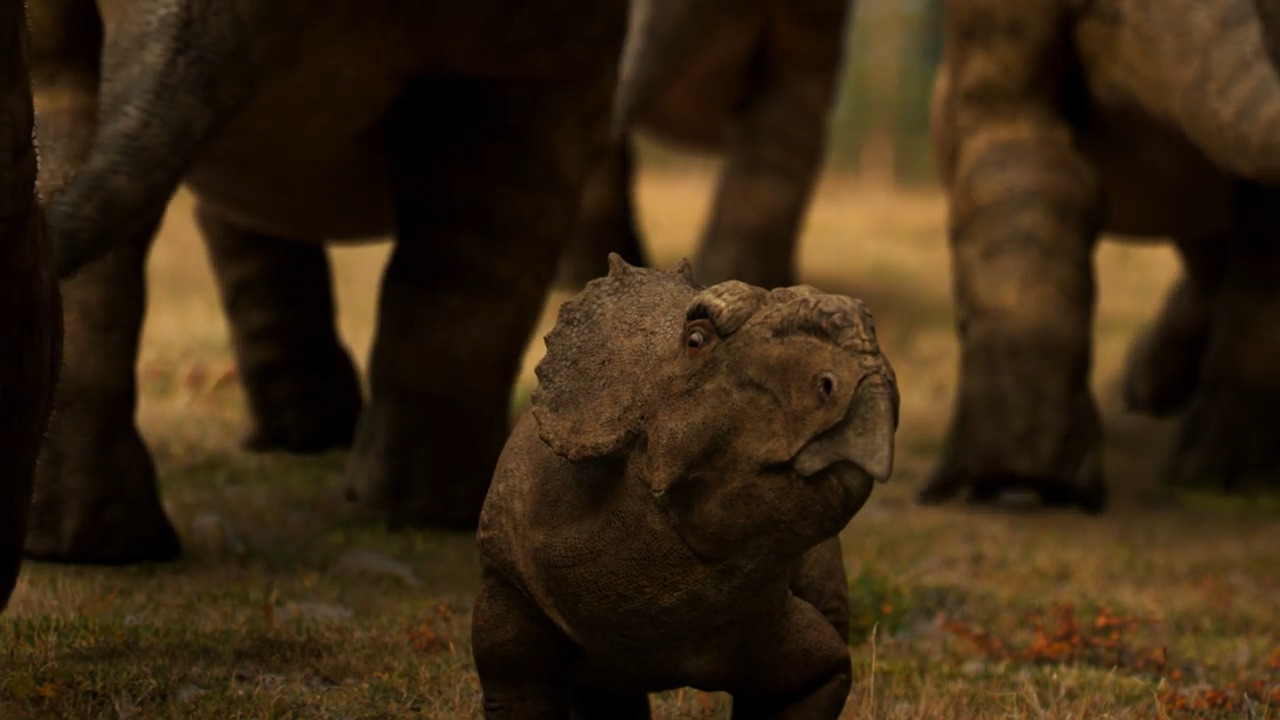
In Albie Searches for His Mother, young Albie looks for his mother's unique neck frill from among the masses of Pachyrhinosauruses. Without her protection, he has little chance of surviving the long journey. This video is excerpted from BBC's Walking With Dinosaurs, a legendary program that introduces six iconic dinosaurs emerging from incredible digs. This video is part our Walking With Dinosaurs Virtual Field Trip.
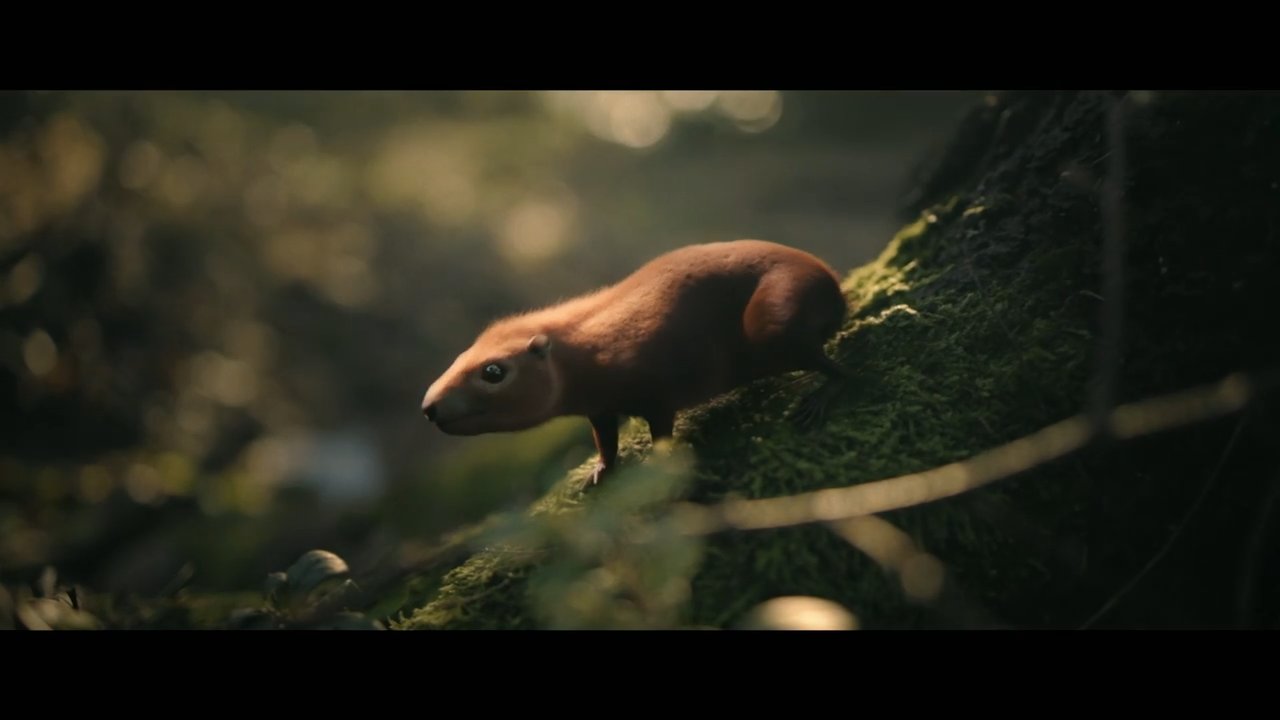
After the dinosaurs dominated Earth for millions of years, their enormous size became a disadvantage when a catastrophic extinction changed the planet. This clip from BBC’s Evolution episode "The Elephant" follows the small, adaptable ancestors of elephants as they survive in the aftermath, when being tiny, flexible, and able to eat a wide range of foods becomes a major evolutionary advantage.
The video also explores one of the challenges these early mammals faced as plant eaters: digesting tough cellulose. Their solution was a partnership with microbes living in their guts, which can break down plant material that the animals cannot digest on their own. This symbiotic relationship helped early afrotherians thrive and spread into the habitats left open after the dinosaurs disappeared.
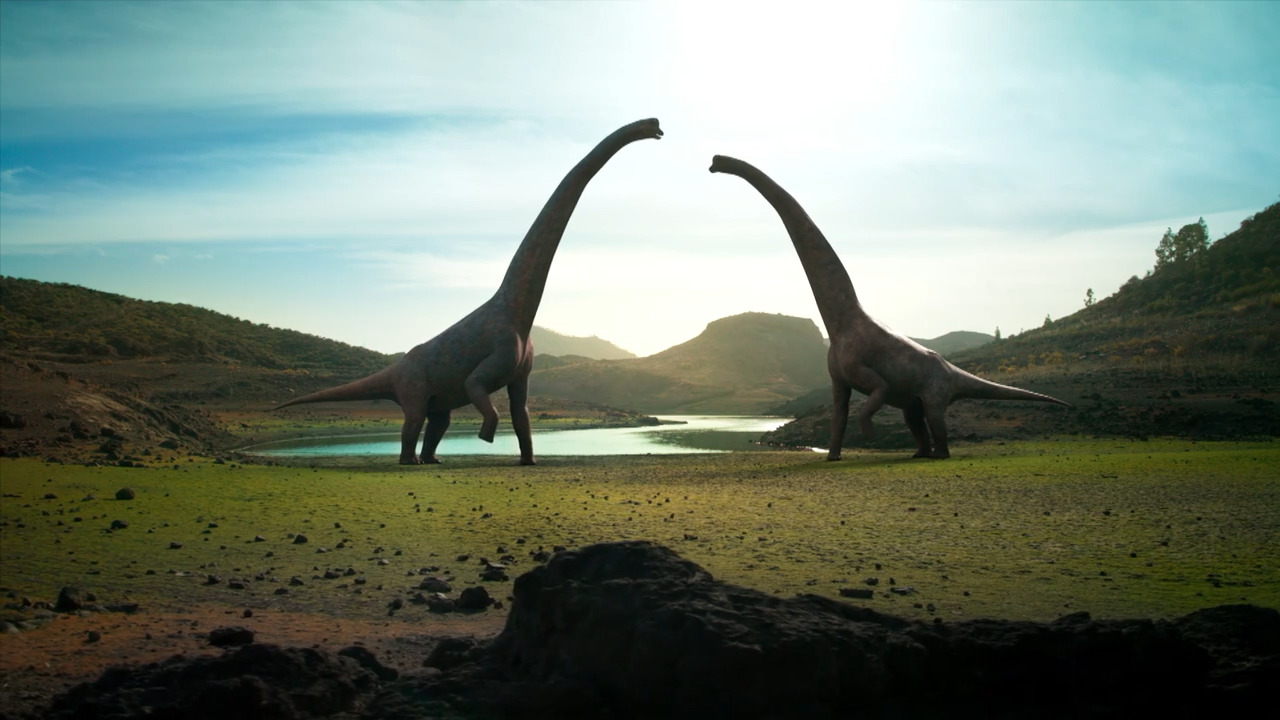
In Old Grande's Mating Dance, Old Grande tries to win over a female with an elaborate courtship display. She responds in kind until Old Grande goes too far. This video is excerpted from BBC's Walking With Dinosaurs, a legendary program that introduces six iconic dinosaurs emerging from incredible digs. This video is part our Walking With Dinosaurs Virtual Field Trip.
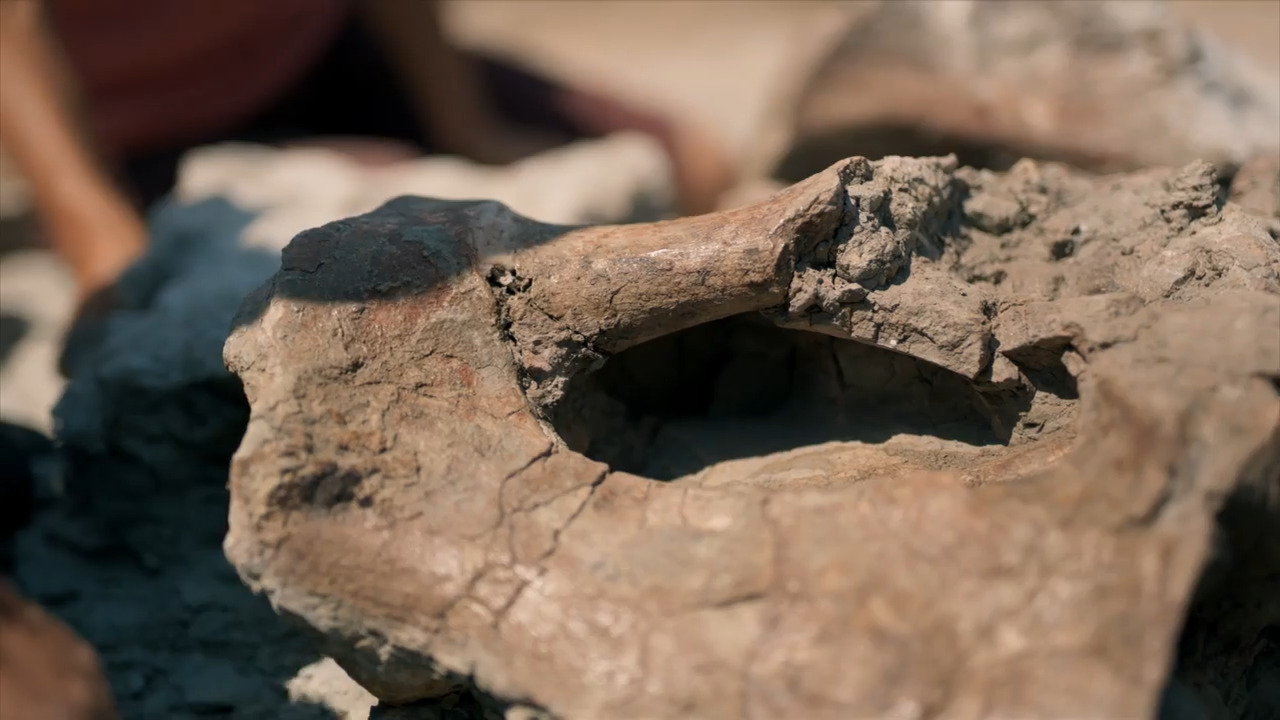
In Digging Up Lusotitan's Neck Bones, the team of paleontologists at a dig site in Portugal find a series of disc-shaped vertebrae that once formed part of Old Grande's long neck. The bones are incredibly fragile and have a hollow structure. This video is excerpted from BBC's Walking With Dinosaurs, a legendary program that introduces six iconic dinosaurs emerging from incredible digs. This video is part our Walking With Dinosaurs Virtual Field Trip.
In Albie Searches for His Mother, young Albie looks for his mother's unique neck frill from among the masses of Pachyrhinosauruses. Without her protection, he has little chance of surviving the long journey. This video is excerpted from BBC's Walking With Dinosaurs, a legendary program that introduces six iconic dinosaurs emerging from incredible digs. This video is part our Walking With Dinosaurs Virtual Field Trip.
After the dinosaurs dominated Earth for millions of years, their enormous size became a disadvantage when a catastrophic extinction changed the planet. This clip from BBC’s Evolution episode "The Elephant" follows the small, adaptable ancestors of elephants as they survive in the aftermath, when being tiny, flexible, and able to eat a wide range of foods becomes a major evolutionary advantage.
The video also explores one of the challenges these early mammals faced as plant eaters: digesting tough cellulose. Their solution was a partnership with microbes living in their guts, which can break down plant material that the animals cannot digest on their own. This symbiotic relationship helped early afrotherians thrive and spread into the habitats left open after the dinosaurs disappeared.
In Old Grande's Mating Dance, Old Grande tries to win over a female with an elaborate courtship display. She responds in kind until Old Grande goes too far. This video is excerpted from BBC's Walking With Dinosaurs, a legendary program that introduces six iconic dinosaurs emerging from incredible digs. This video is part our Walking With Dinosaurs Virtual Field Trip.
In Digging Up Lusotitan's Neck Bones, the team of paleontologists at a dig site in Portugal find a series of disc-shaped vertebrae that once formed part of Old Grande's long neck. The bones are incredibly fragile and have a hollow structure. This video is excerpted from BBC's Walking With Dinosaurs, a legendary program that introduces six iconic dinosaurs emerging from incredible digs. This video is part our Walking With Dinosaurs Virtual Field Trip.