Icons
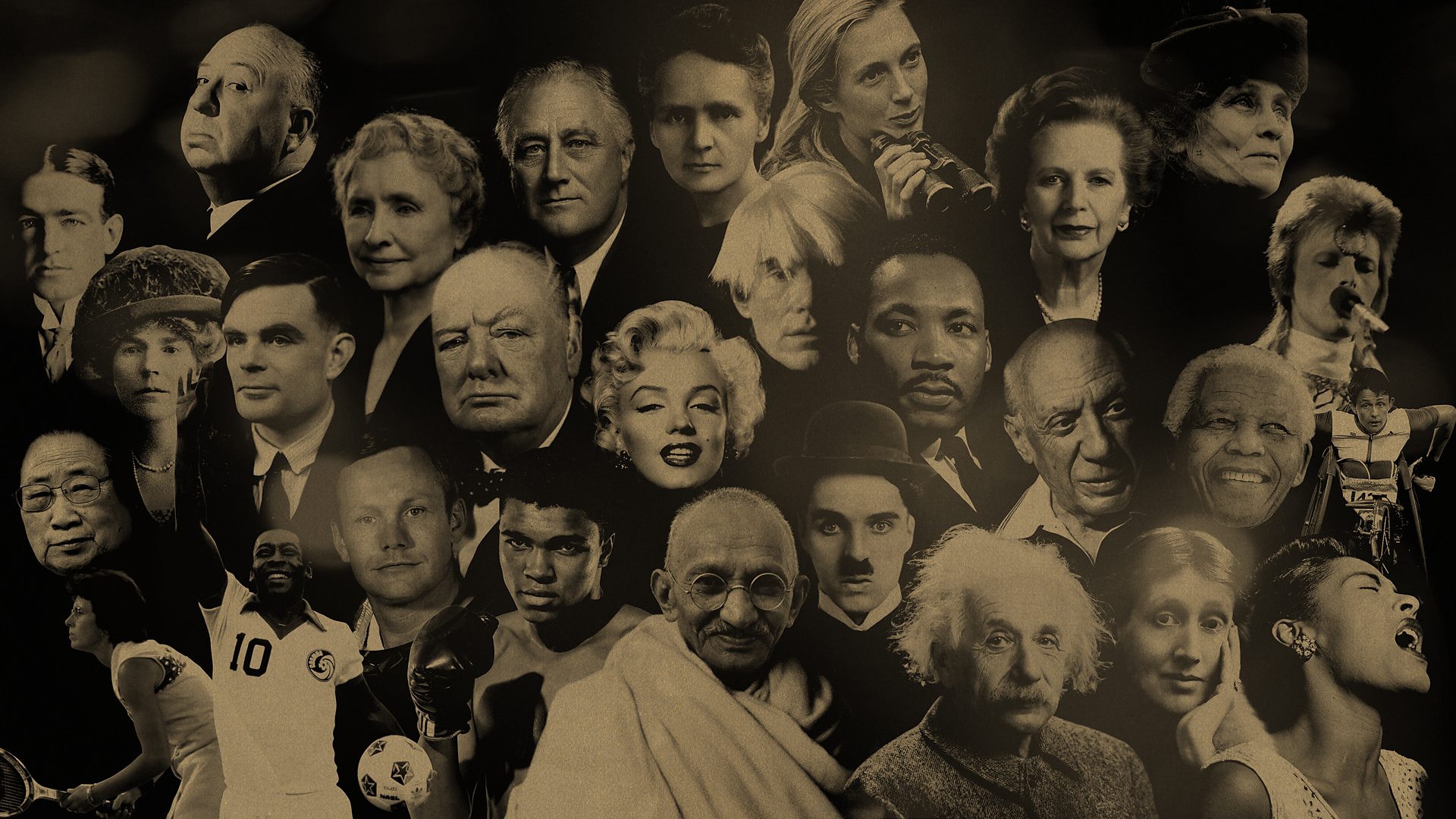
Icons asks you to assess the achievements of the 20th Century's most important and influential figures — men and women who helped shape our world today.
Icons introduces middle and high school students to the people whose ideas, achievements, and influence have helped shape the modern world. From science and technology to the arts, sports, and social change, each story offers a window into how individuals can leave a lasting mark on society.
Ages 11-18
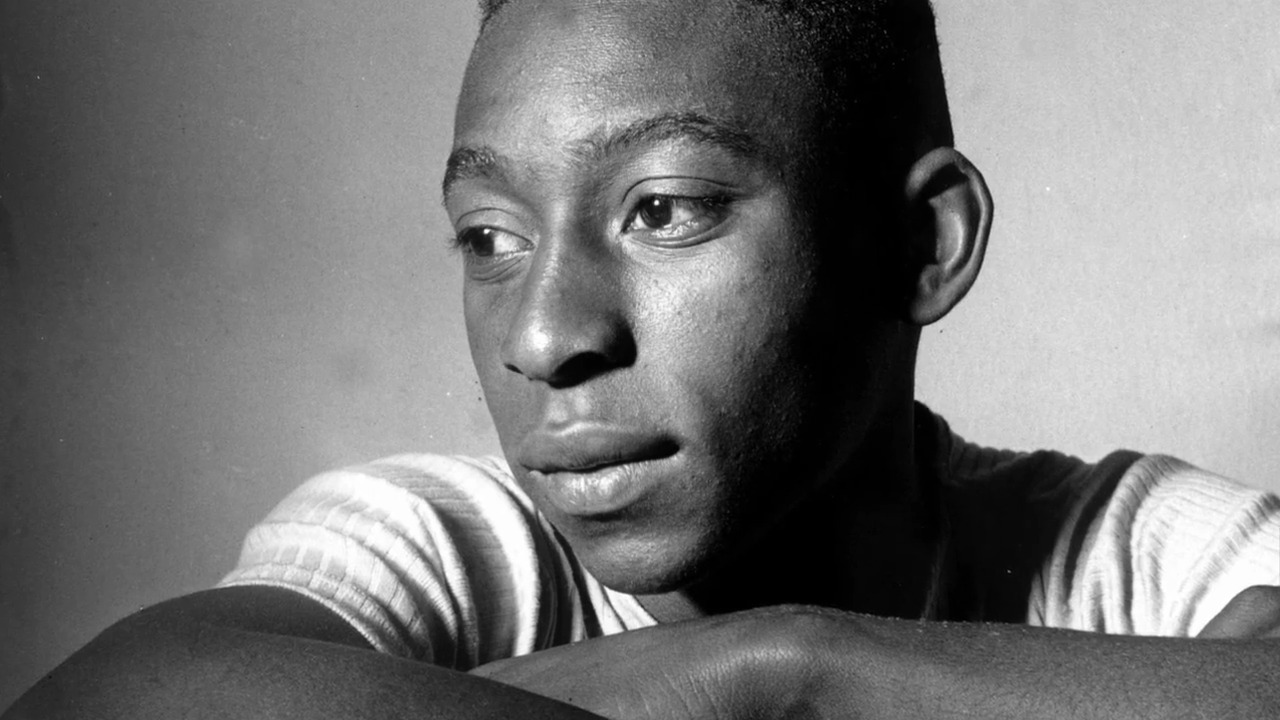
In How Pelé Brought Soccer to the U.S., sports journalist Clare Balding discusses Pelé's contributions to the popularity of soccer. Pelé’s last World Cup match in 1970 helped him emerge as a hero, and in 1971 he brought the game to the United States. This video is excerpted from BBC’s Icons: The Greatest Person of the 20th Century, a documentary series celebrating the achievements of the most influential figures of the era.
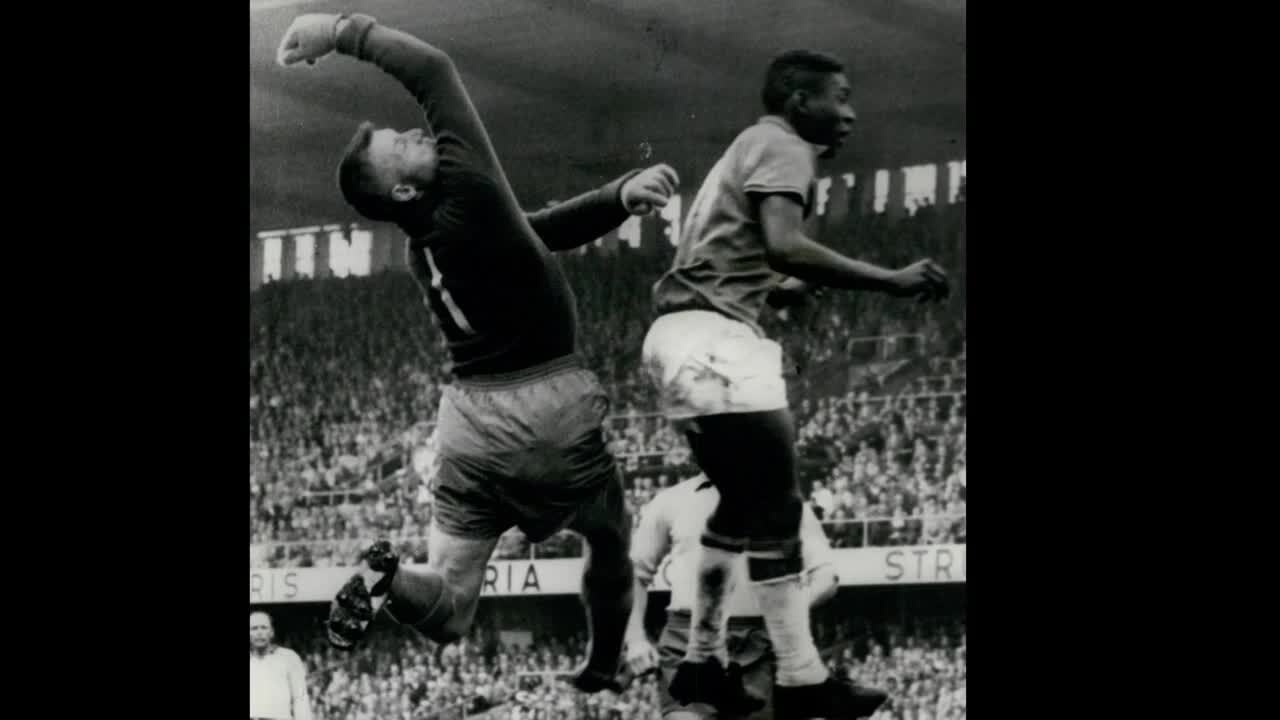
In Pele's Pledge to His Father, sports journalist Clare Balding describes how Pelé pledged to his father that he would help Brazil win the World Cup. She describes his childhood and rise to fame. This video is excerpted from BBC’s Icons: The Greatest Person of the 20th Century, a documentary series celebrating the achievements of the most influential figures of the era.
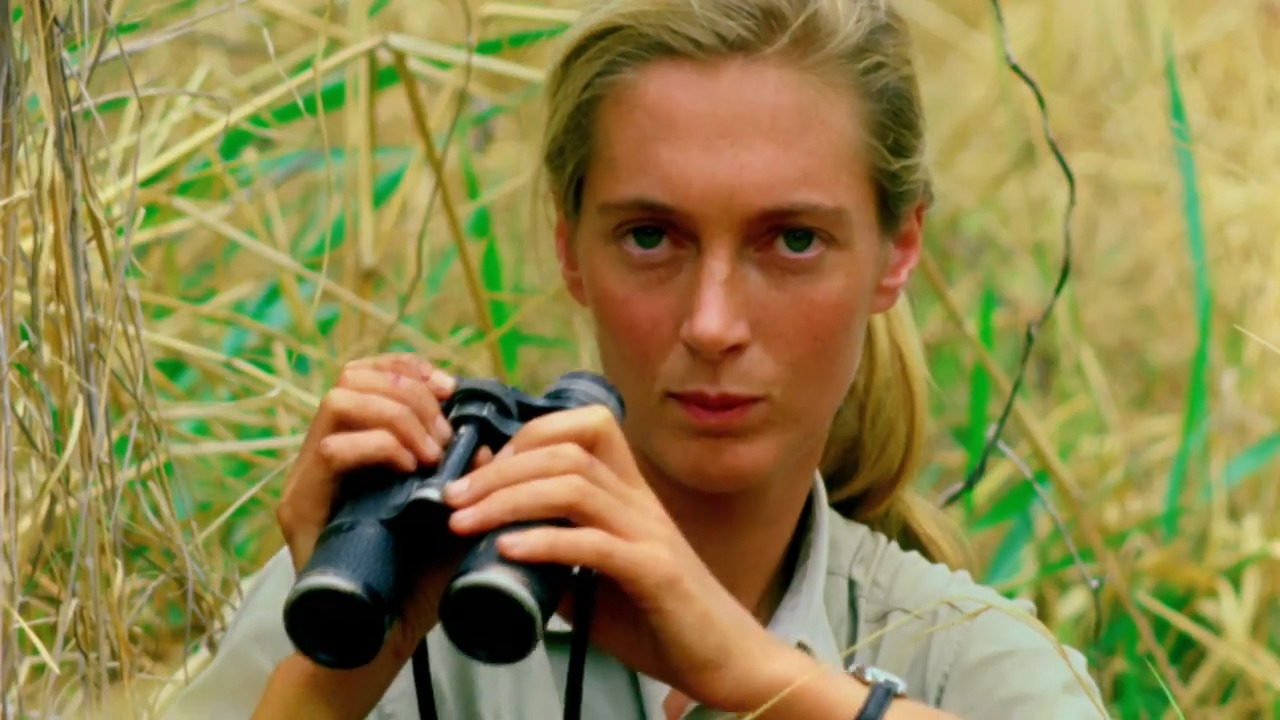
In Jane Goodall's Life Among the Chimpanzees, host Dermot O'Leary explores the groundbreaking work of a young woman who transformed our understanding of animal behavior and human origins. Jane Goodall’s determination and pioneering spirit took her from a typist in Bournemouth to a world-renowned primatologist. This video is excerpted from BBC’s Icons: The Greatest Person of the 20th Century, a documentary series celebrating the achievements of the most influential figures of the era.
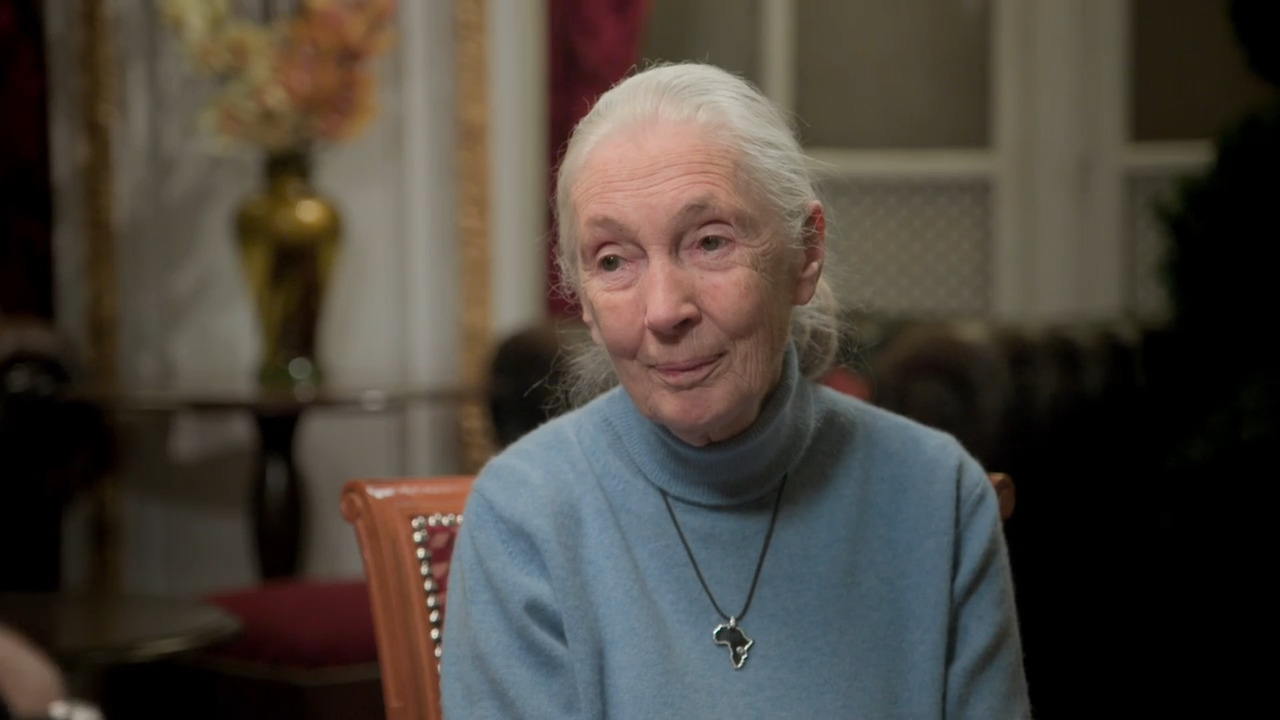
In Jane Goodall and the Fight for Chimpanzees, host Dermot O'Leary hears a powerful message from Jane Goodall about the importance of preserving chimpanzees and their habitats. Goodall emphasizes that individual actions matter, and that hope is essential in tackling seemingly impossible challenges. This video is excerpted from BBC’s Icons: The Greatest Person of the 20th Century, a documentary series celebrating the achievements of the most influential figures of the era.
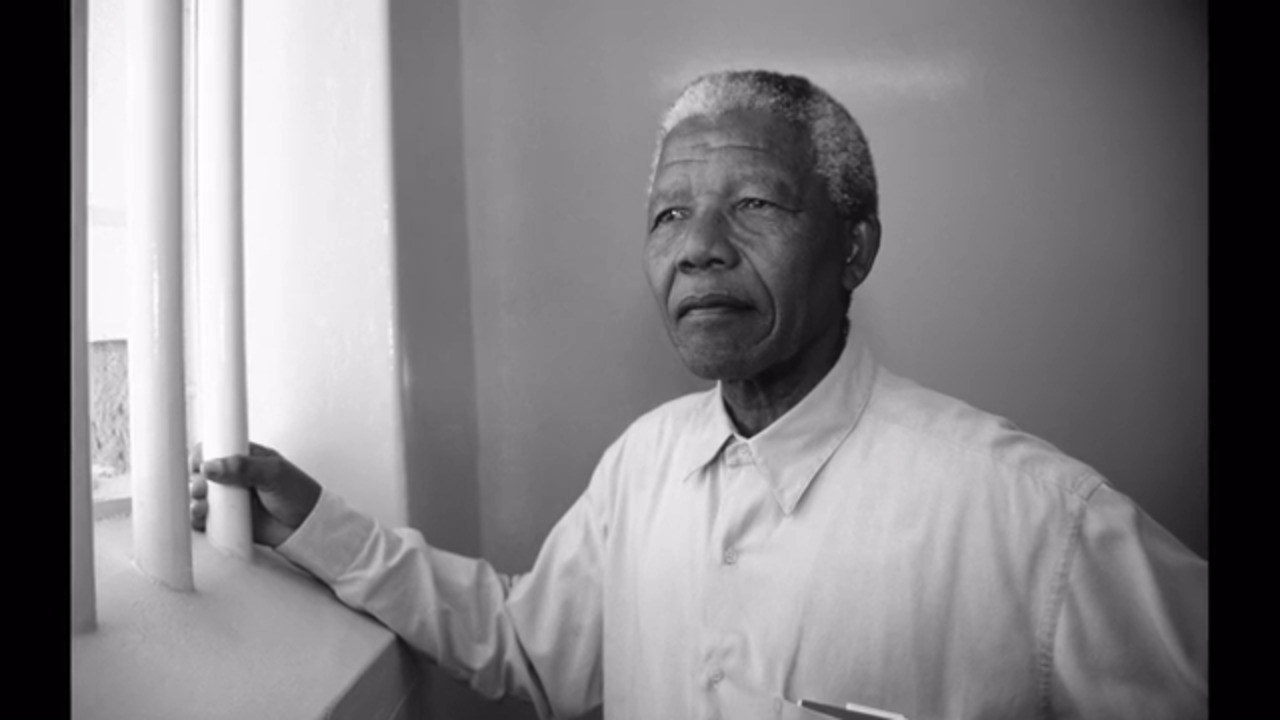
In Nelson Mandela Walks Free, journalist Trevor McDonald reflects on the moment Mandela was released from prison after 27 years and returned to his home in Soweto for the first time in three decades. As the first journalist to interview Mandela upon his release, McDonald discusses this monumental meeting and describes Mandela’s focus on forgiveness, optimism, and the future rather than past suffering. This video is excerpted from BBC’s Icons: The Greatest Person of the 20th Century, a documentary series celebrating the achievements of the most influential figures of the era.
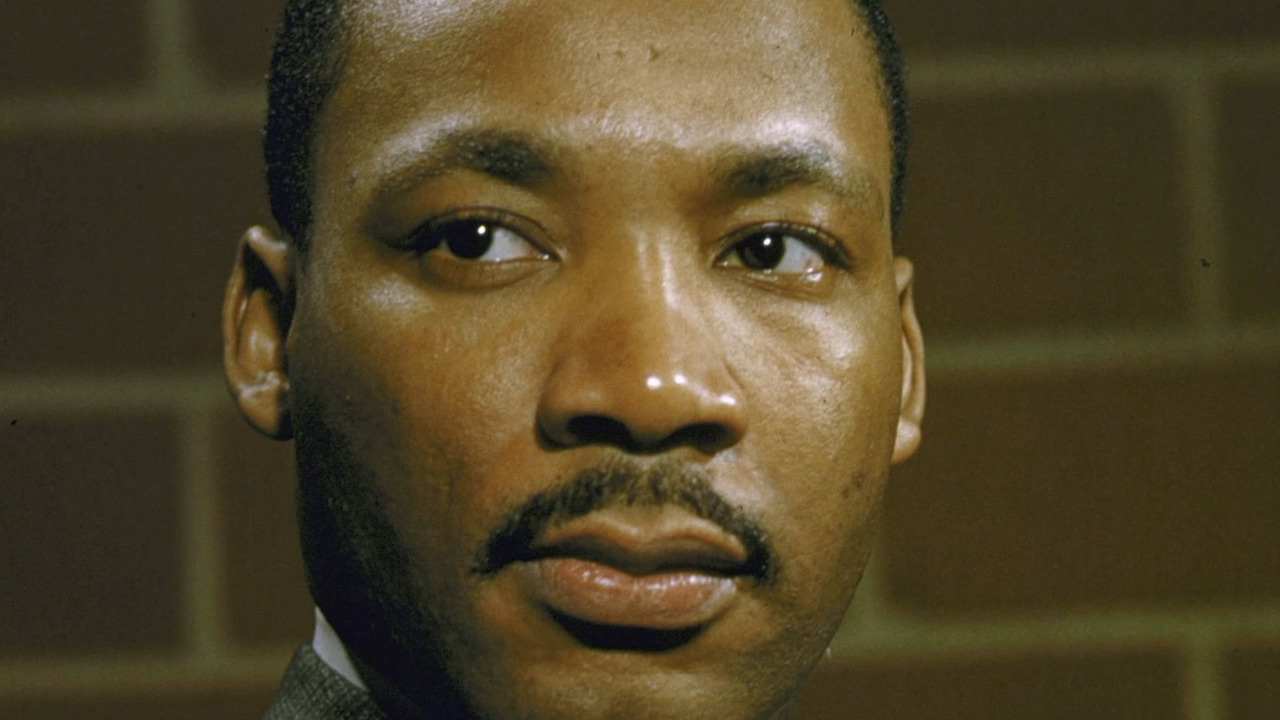
In Martin Luther King Jr. and Nonviolence, a historian explains why Martin Luther King Jr. and the people who worked with him chose nonviolence as their primary strategy during the Civil Rights Movement.
Excerpted from BBC’s Icons: The Greatest Person of the 20th Century, this documentary clip helps students understand what made Dr. King an icon — not just for his words, but for his leadership, courage, and lasting influence. Using historical footage and clear storytelling, it introduces key ideas of the Civil Rights Movement in a way that is accessible and engaging.
This short video works well as an introduction to Martin Luther King Jr., a foundation for learning about the Civil Rights Movement, or a discussion starter about leadership, activism, and democracy. Teachers can easily use it to support lessons around Martin Luther King Jr. Day and non-violent protest.
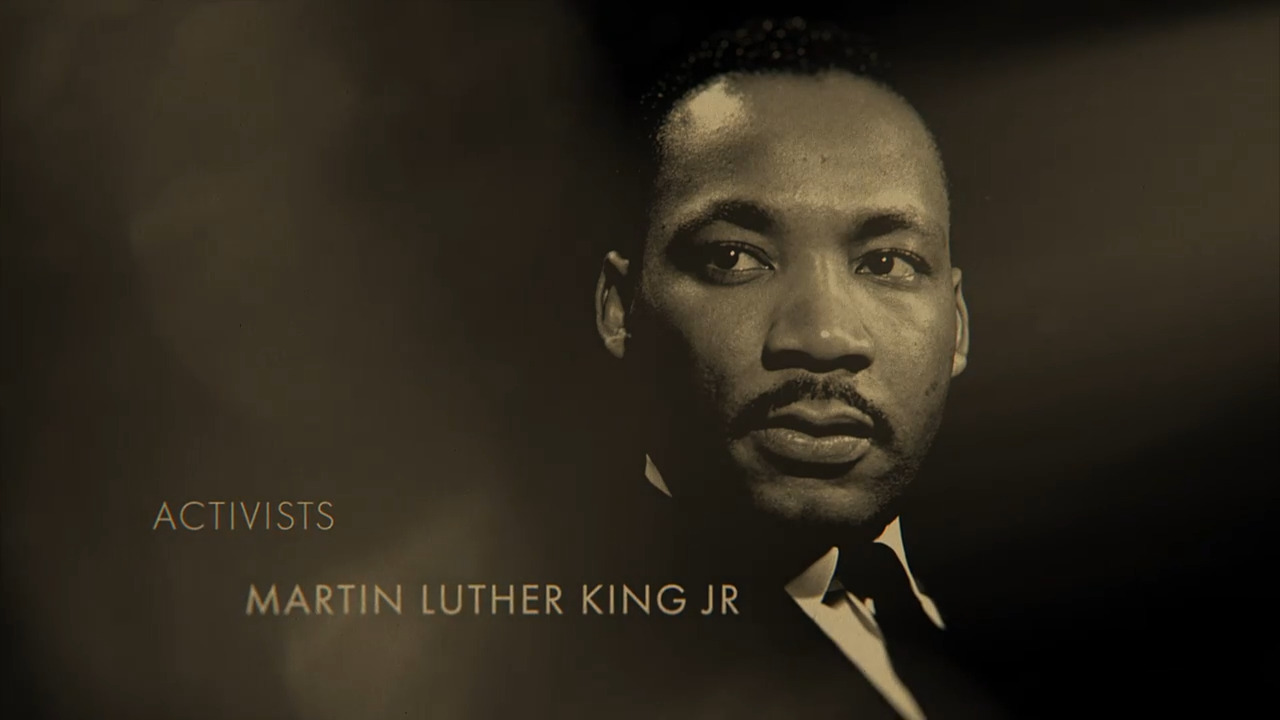
In Martin Luther King Jr.: Civil Rights Icon, students learn how the Civil Rights Movement found its leader in Dr. Martin Luther King Jr., an activist, preacher, and powerful speaker who believed in achieving change through non-violent action. The video explains why Dr. King emerged as a central figure during a time when millions of Americans were fighting for equal rights and justice.
Excerpted from BBC’s Icons: The Greatest Person of the 20th Century, this documentary clip helps students understand what made Dr. King an icon — not just for his words, but for his leadership, courage, and lasting influence. Using historical footage and clear storytelling, it introduces key ideas of the Civil Rights Movement in a way that is accessible and engaging.
This short video works well as an introduction to Martin Luther King Jr., a foundation for learning about the Civil Rights Movement, or a discussion starter about leadership, activism, and democracy. Teachers can easily use it to support lessons around Martin Luther King Jr. Day, civic responsibility, and the power of individuals to inspire change.
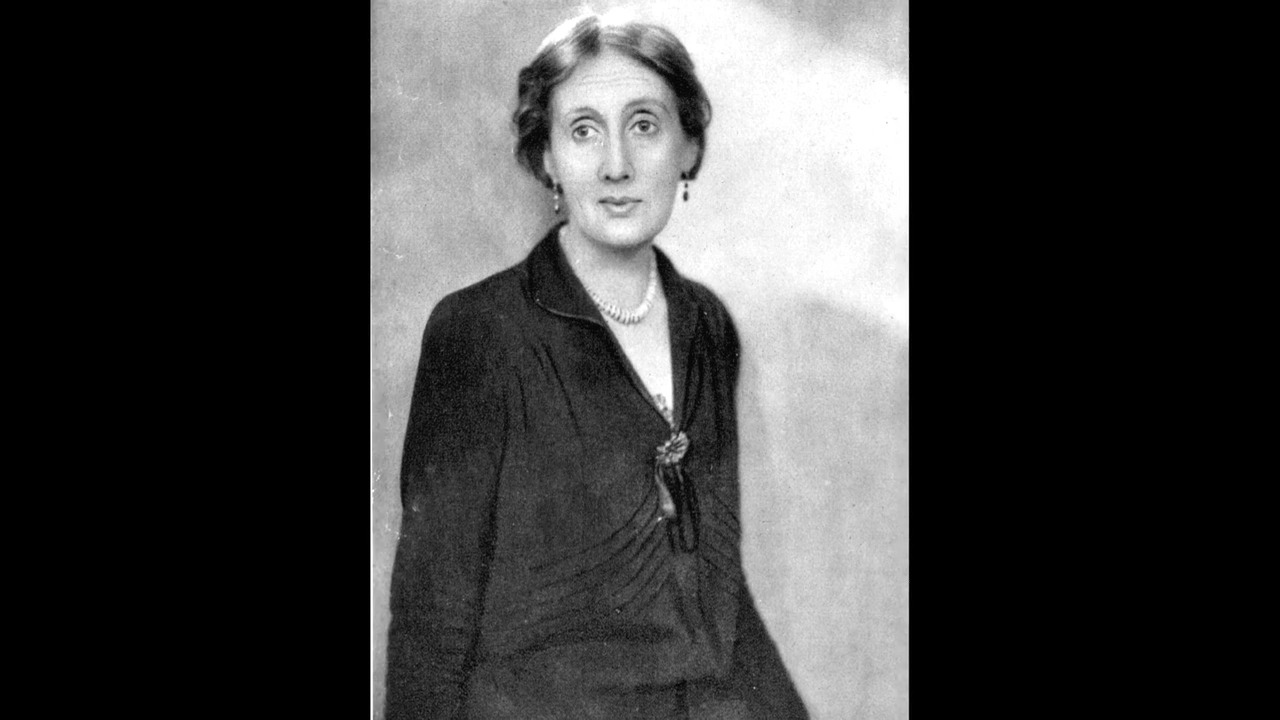
In Virginia Woolf, the Activist host Lily Cole explores the revolutionary impact Woolf had on society in the early 20th Century. Woolf challenged gender stereotypes and the expectations placed on women. She was an unconventional figure whose work, including the novel Orlando, explored themes of gender, sexuality, and identity. This video is excerpted from BBC’s Icons: The Greatest Person of the 20th Century, a documentary series celebrating the achievements of the most influential figures of the era.
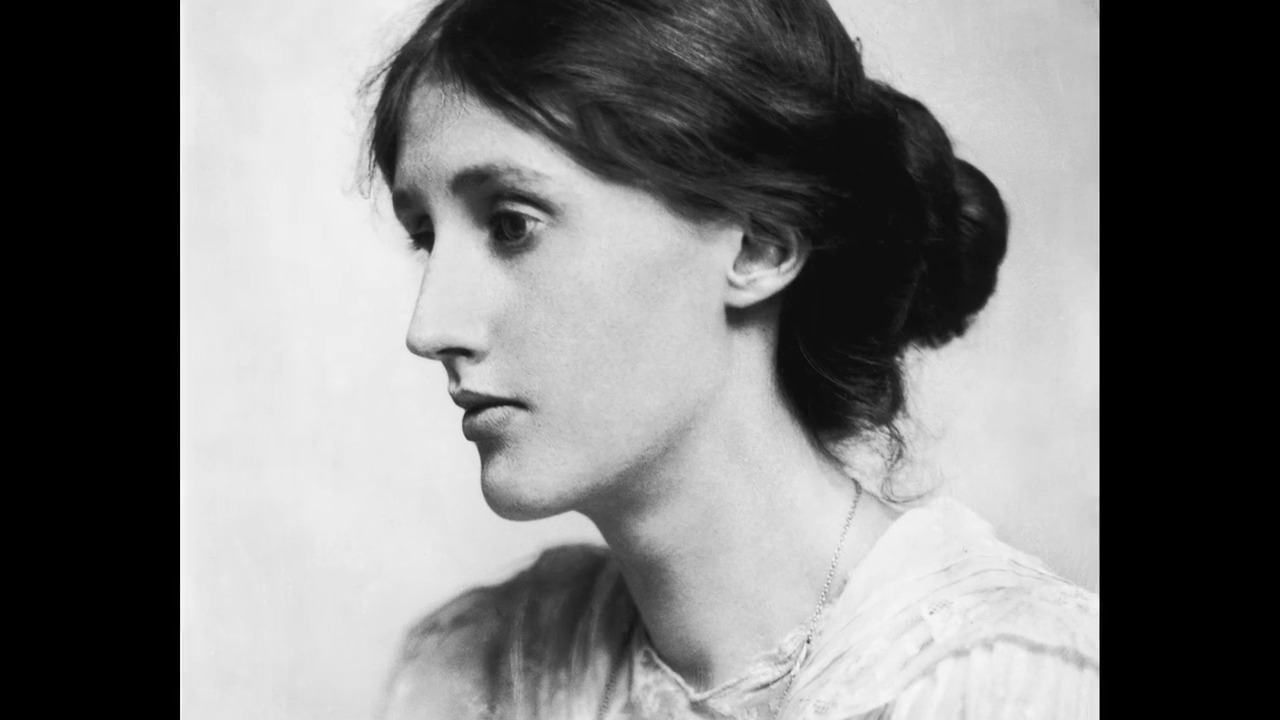
In Virginia Woolf, the Writer, host Lily Cole introduces Virginia Woolf, a revolutionary writer of her time. Woolf, who suffered abuse in her childhood and faced regular hospitalization for depression, is discussed in the context of her novel Mrs. Dalloway. This video is excerpted from BBC’s Icons: The Greatest Person of the 20th Century, a documentary series celebrating the achievements of the most influential figures of the era.
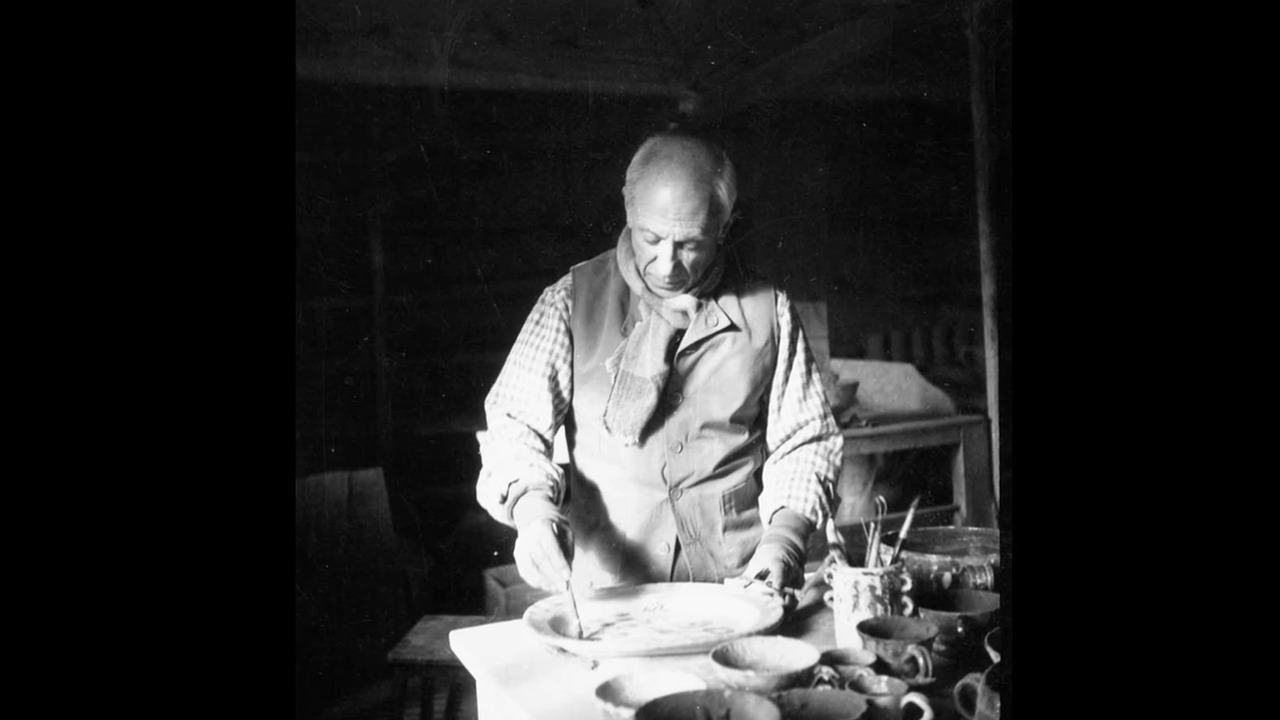
In Picasso's Iconic Guernica, host Lily Cole examines the iconic Cubist painting "Guernica," created by Pablo Picasso during World War II. Discover how Picasso's masterpiece reflects the horrors of war, particularly the bombing of the Spanish town of Guernica by Nazi forces. Through abstract imagery, Picasso conveyed the anguish and chaos of the conflict. This video is excerpted from BBC’s Icons: The Greatest Person of the 20th Century, a documentary series celebrating the achievements of the most influential figures of the era.
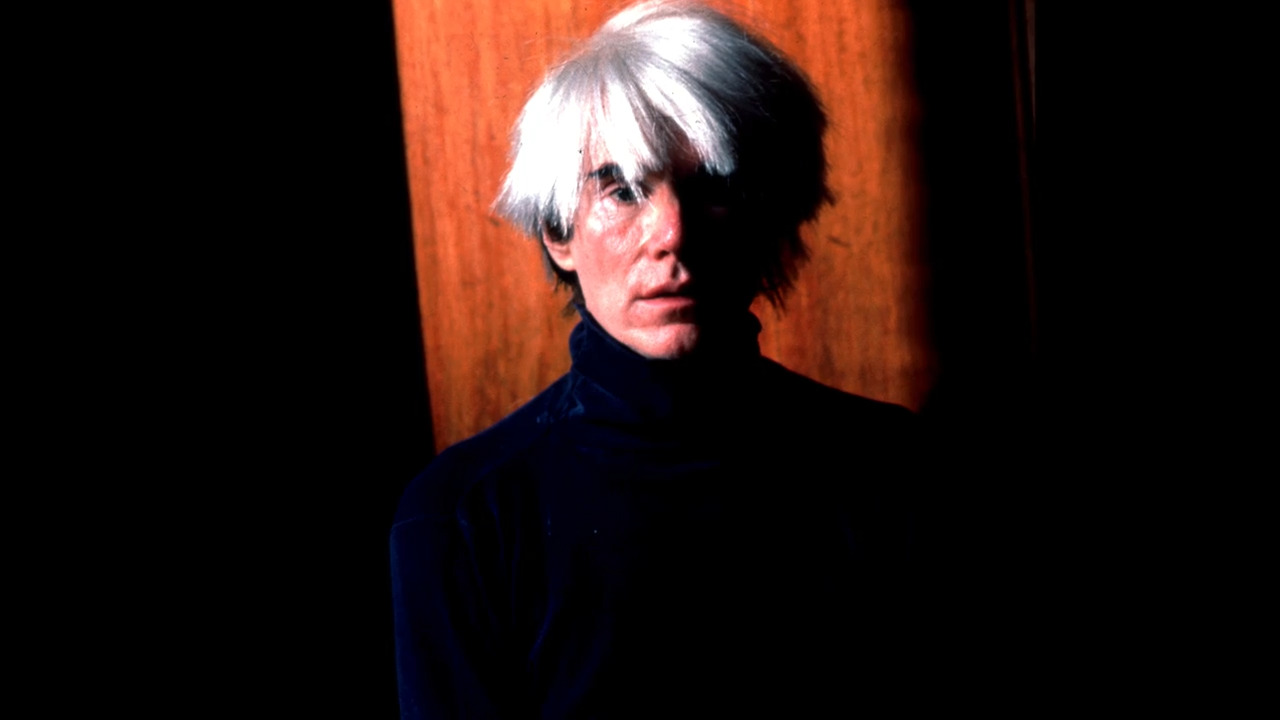
In Andy Warhol, Innovative Artist, host Lily Cole discusses Warhol's childhood and rise to fame, including how he was shot in 1968 in New York City and never fully recovered from his injuries. This video is excerpted from BBC’s Icons: The Greatest Person of the 20th Century, a documentary series celebrating the achievements of the most influential figures of the era.
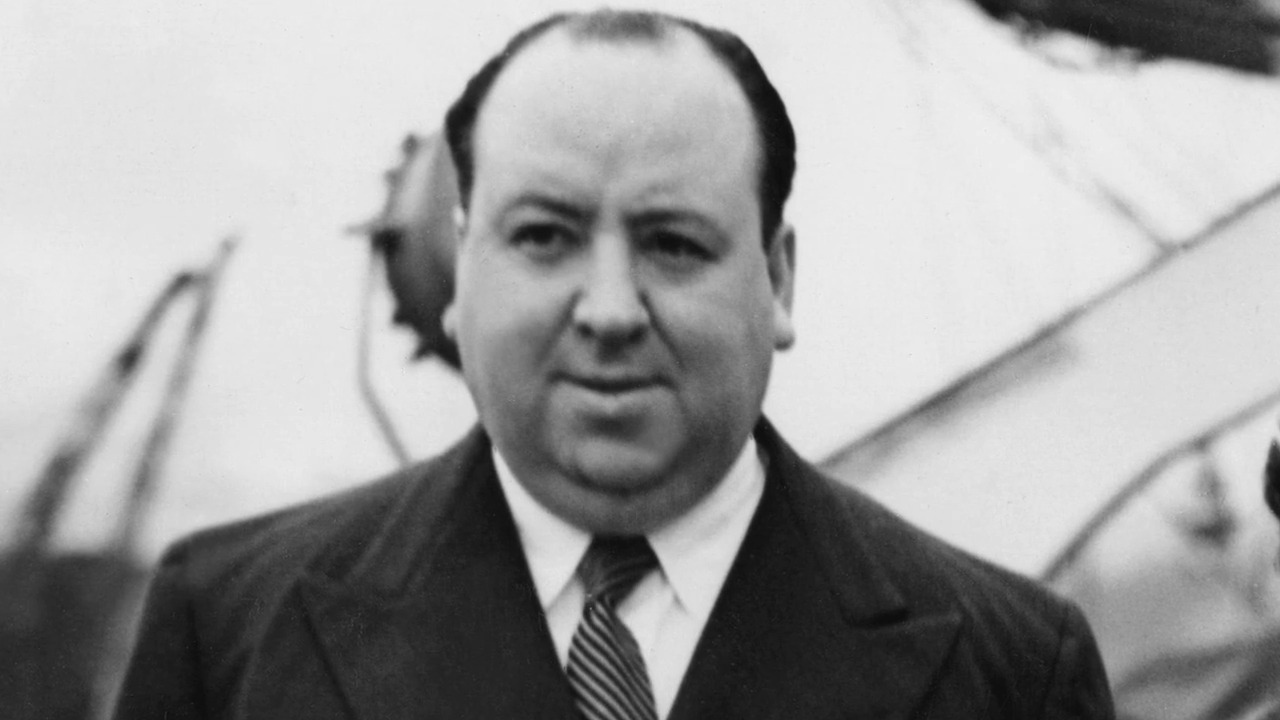
In Alfred Hitchcock and Britain's First Talkie, host Lily Cole discusses how Hitchcock turned the creeping dread people felt due to nuclear war into art. She learns about his 10th movie, Blackmail, which was Britain's first talkie. This video is excerpted from BBC’s Icons: The Greatest Person of the 20th Century, a documentary series celebrating the achievements of the most influential figures of the era.
In How Pelé Brought Soccer to the U.S., sports journalist Clare Balding discusses Pelé's contributions to the popularity of soccer. Pelé’s last World Cup match in 1970 helped him emerge as a hero, and in 1971 he brought the game to the United States. This video is excerpted from BBC’s Icons: The Greatest Person of the 20th Century, a documentary series celebrating the achievements of the most influential figures of the era.
In Pele's Pledge to His Father, sports journalist Clare Balding describes how Pelé pledged to his father that he would help Brazil win the World Cup. She describes his childhood and rise to fame. This video is excerpted from BBC’s Icons: The Greatest Person of the 20th Century, a documentary series celebrating the achievements of the most influential figures of the era.
In Jane Goodall's Life Among the Chimpanzees, host Dermot O'Leary explores the groundbreaking work of a young woman who transformed our understanding of animal behavior and human origins. Jane Goodall’s determination and pioneering spirit took her from a typist in Bournemouth to a world-renowned primatologist. This video is excerpted from BBC’s Icons: The Greatest Person of the 20th Century, a documentary series celebrating the achievements of the most influential figures of the era.
In Jane Goodall and the Fight for Chimpanzees, host Dermot O'Leary hears a powerful message from Jane Goodall about the importance of preserving chimpanzees and their habitats. Goodall emphasizes that individual actions matter, and that hope is essential in tackling seemingly impossible challenges. This video is excerpted from BBC’s Icons: The Greatest Person of the 20th Century, a documentary series celebrating the achievements of the most influential figures of the era.
In Nelson Mandela Walks Free, journalist Trevor McDonald reflects on the moment Mandela was released from prison after 27 years and returned to his home in Soweto for the first time in three decades. As the first journalist to interview Mandela upon his release, McDonald discusses this monumental meeting and describes Mandela’s focus on forgiveness, optimism, and the future rather than past suffering. This video is excerpted from BBC’s Icons: The Greatest Person of the 20th Century, a documentary series celebrating the achievements of the most influential figures of the era.
In Martin Luther King Jr. and Nonviolence, a historian explains why Martin Luther King Jr. and the people who worked with him chose nonviolence as their primary strategy during the Civil Rights Movement.
Excerpted from BBC’s Icons: The Greatest Person of the 20th Century, this documentary clip helps students understand what made Dr. King an icon — not just for his words, but for his leadership, courage, and lasting influence. Using historical footage and clear storytelling, it introduces key ideas of the Civil Rights Movement in a way that is accessible and engaging.
This short video works well as an introduction to Martin Luther King Jr., a foundation for learning about the Civil Rights Movement, or a discussion starter about leadership, activism, and democracy. Teachers can easily use it to support lessons around Martin Luther King Jr. Day and non-violent protest.
In Martin Luther King Jr.: Civil Rights Icon, students learn how the Civil Rights Movement found its leader in Dr. Martin Luther King Jr., an activist, preacher, and powerful speaker who believed in achieving change through non-violent action. The video explains why Dr. King emerged as a central figure during a time when millions of Americans were fighting for equal rights and justice.
Excerpted from BBC’s Icons: The Greatest Person of the 20th Century, this documentary clip helps students understand what made Dr. King an icon — not just for his words, but for his leadership, courage, and lasting influence. Using historical footage and clear storytelling, it introduces key ideas of the Civil Rights Movement in a way that is accessible and engaging.
This short video works well as an introduction to Martin Luther King Jr., a foundation for learning about the Civil Rights Movement, or a discussion starter about leadership, activism, and democracy. Teachers can easily use it to support lessons around Martin Luther King Jr. Day, civic responsibility, and the power of individuals to inspire change.
In Virginia Woolf, the Activist host Lily Cole explores the revolutionary impact Woolf had on society in the early 20th Century. Woolf challenged gender stereotypes and the expectations placed on women. She was an unconventional figure whose work, including the novel Orlando, explored themes of gender, sexuality, and identity. This video is excerpted from BBC’s Icons: The Greatest Person of the 20th Century, a documentary series celebrating the achievements of the most influential figures of the era.
In Virginia Woolf, the Writer, host Lily Cole introduces Virginia Woolf, a revolutionary writer of her time. Woolf, who suffered abuse in her childhood and faced regular hospitalization for depression, is discussed in the context of her novel Mrs. Dalloway. This video is excerpted from BBC’s Icons: The Greatest Person of the 20th Century, a documentary series celebrating the achievements of the most influential figures of the era.
In Picasso's Iconic Guernica, host Lily Cole examines the iconic Cubist painting "Guernica," created by Pablo Picasso during World War II. Discover how Picasso's masterpiece reflects the horrors of war, particularly the bombing of the Spanish town of Guernica by Nazi forces. Through abstract imagery, Picasso conveyed the anguish and chaos of the conflict. This video is excerpted from BBC’s Icons: The Greatest Person of the 20th Century, a documentary series celebrating the achievements of the most influential figures of the era.
In Andy Warhol, Innovative Artist, host Lily Cole discusses Warhol's childhood and rise to fame, including how he was shot in 1968 in New York City and never fully recovered from his injuries. This video is excerpted from BBC’s Icons: The Greatest Person of the 20th Century, a documentary series celebrating the achievements of the most influential figures of the era.
In Alfred Hitchcock and Britain's First Talkie, host Lily Cole discusses how Hitchcock turned the creeping dread people felt due to nuclear war into art. She learns about his 10th movie, Blackmail, which was Britain's first talkie. This video is excerpted from BBC’s Icons: The Greatest Person of the 20th Century, a documentary series celebrating the achievements of the most influential figures of the era.