Discovering Patagonia's Pumas
In Discovering Patagonia's Pumas, host Simon Reeve and his guide embark on a hike through Patagonia, searching for the region’s biggest cat — the puma. While pumas can be found across the Americas, Patagonia has one of the highest concentrations of these elusive predators. They spot a herd of guanacos, which are often hunted by pumas, and use a heat-seeking scope to track the big cats. Soon, a family of three pumas are found, offering a rare glimpse into their world. This video is excerpted from BBC’s Wilderness With Simon Reeve, an epic adventure into the heart of Earth’s last great wild areas, where nature is at its most beautiful and fragile.

An epic adventure into the unknown. Simon Reeve's toughest journey yet — into the heart of Earth's last great wild areas, where nature is at its most beautiful and fragile. Learn more.
Lesson Express
Q: Why is the presence of guanacos significant when searching for pumas in Patagonia?
A: Guanacos are significant because they are the primary prey for pumas. When a herd of guanacos is spotted, it suggests that a puma might be nearby, as pumas often hunt these animals for food.
Q: How does using a heat-seeking scope help the guides and Simon find the pumas?
A: The heat-seeking scope detects warm-blooded animals by picking up their body heat. This allows Simon and his guide to spot pumas, even when they are hidden or camouflaged in the landscape.
Q: What might the presence of up to 100 pumas in the area indicate about the ecosystem of Patagonia?
A: The large number of pumas in the area suggests that Patagonia has a healthy ecosystem with a stable population of prey for the pumas. It also highlights the importance of protecting the natural balance in the region to ensure that both predators and prey can thrive.
More Like This
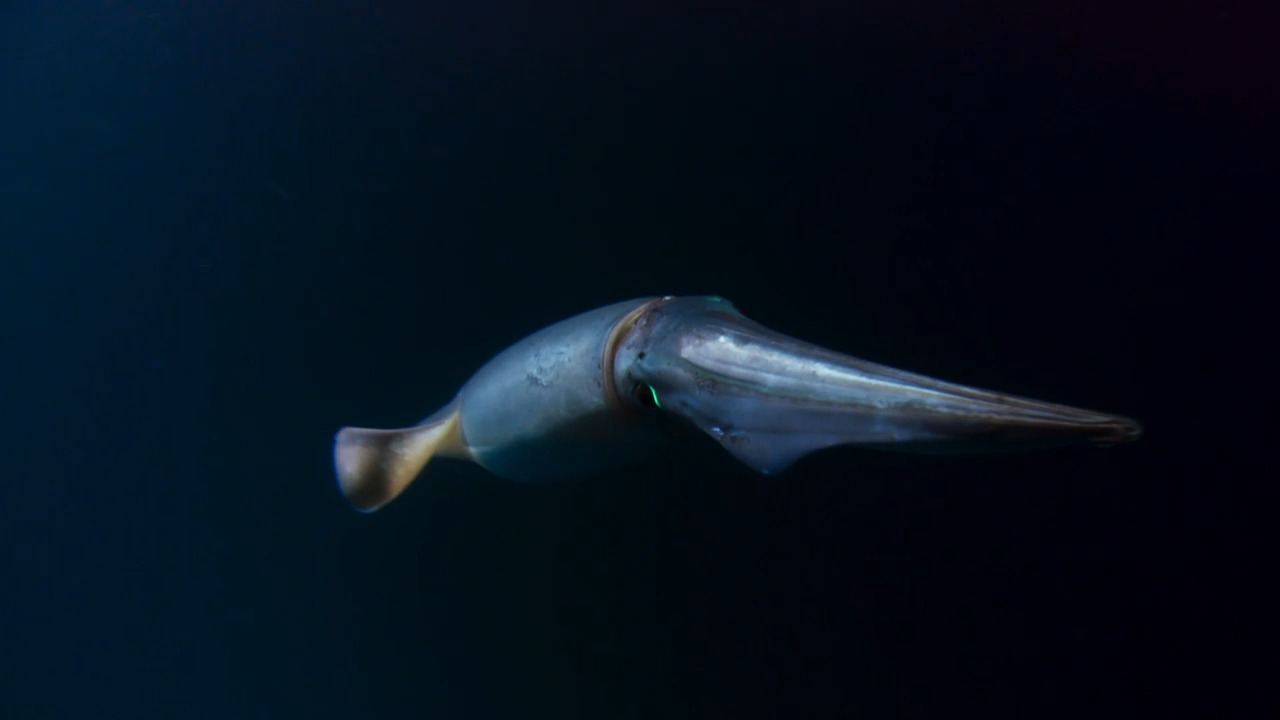
In Squid in the Twilight Zone, narrator Sir David Attenborough highlights the Humboldt squid that lives at some of the deepest depths of the ocean. This video is excerpted from BBC’s Blue Planet II, a natural history series that explores the world's oceans, the animals that live in them, and the threats they face, using modern filming techniques and equipment to capture previously unseen areas of the ocean.
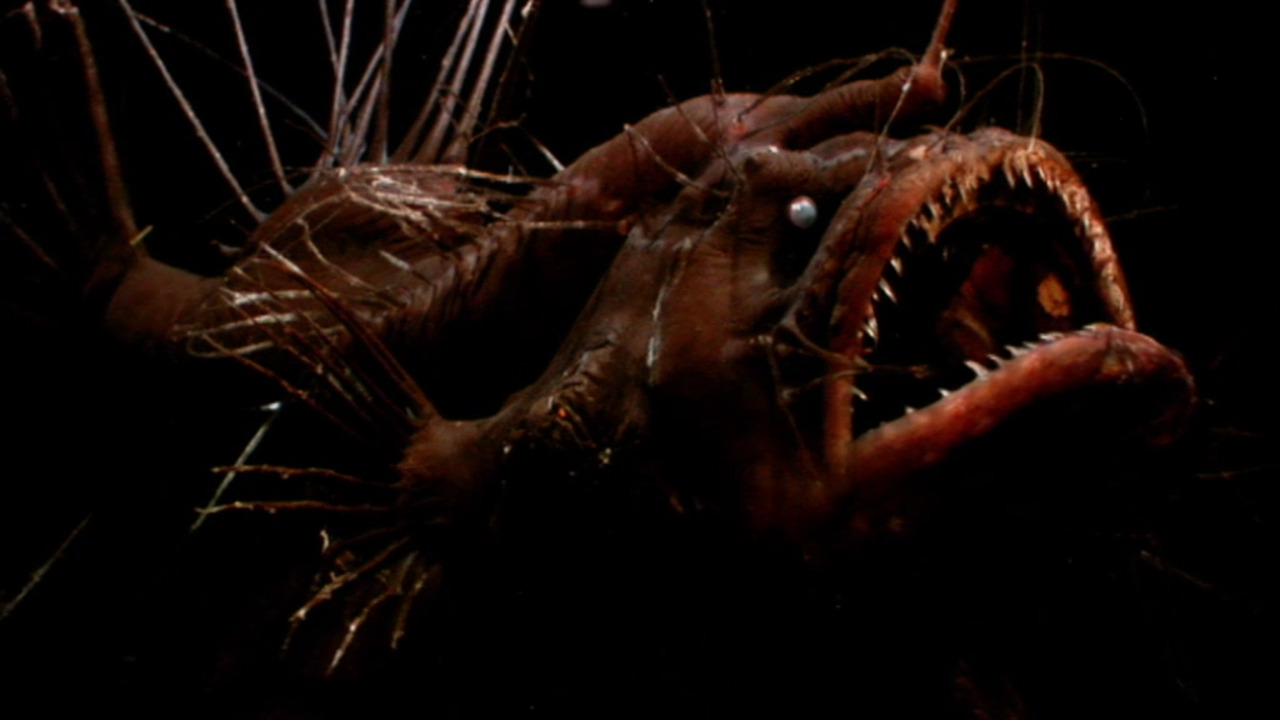
In Strange Predators of the Deep Sea, narrator Sir David Attenborough details animals that live in the deep sea. Watch anglerfish and gulper eels catch prey. This video is excerpted from BBC’s Blue Planet, a definitive documentary series diving into the mysterious depths of the sea to discover the natural history of the world’s oceans and the rarely seen marine life that reside there.
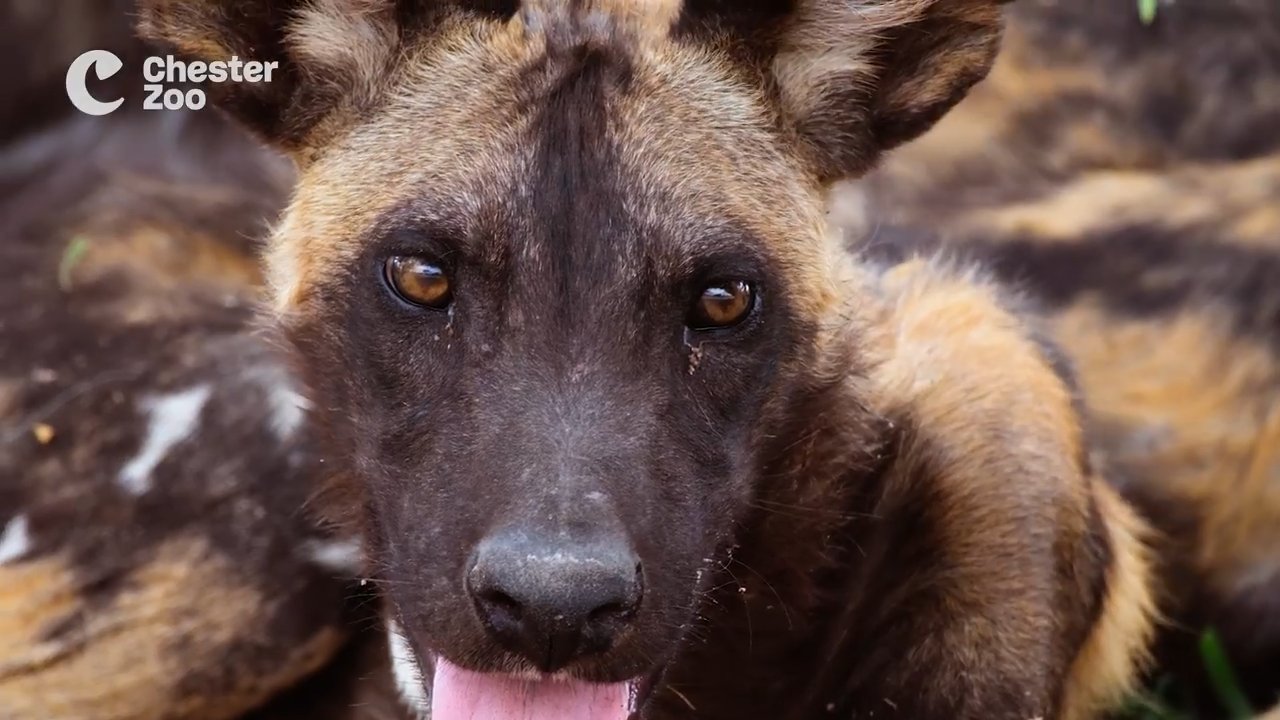
Built for speed, endurance, and teamwork, African wild dogs are among the most successful hunters in the animal kingdom. Their incredible stamina allows them to chase prey across the grassy plains and woodlands of Africa, while their close-knit packs work together with remarkable coordination to raise young, defend one another, and survive in challenging environments.
In this fact file video from Chester Zoo, discover how these fascinating predators use their unique adaptations to thrive, explore the important role they play in African ecosystems, and learn why conservation efforts are critical to protecting this endangered species for future generations.
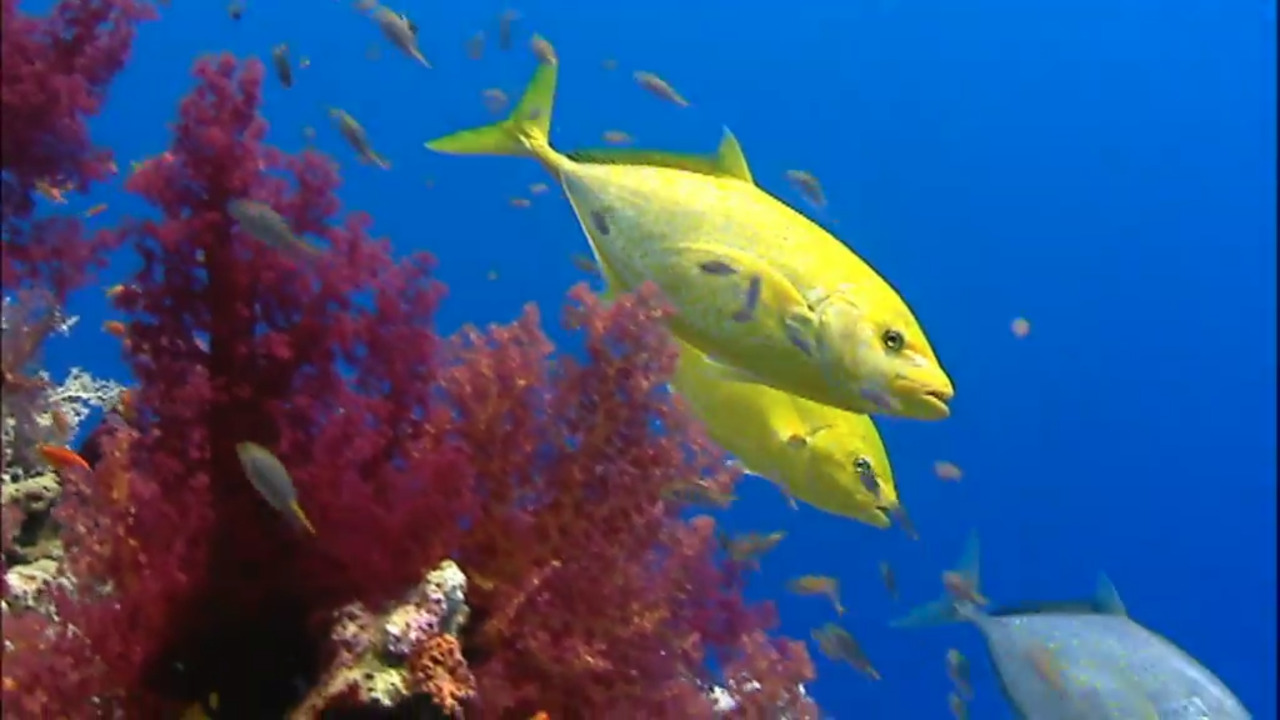
In Competition on the Coral Reef, narrator Sir David Attenborough describes how one predator-prey pair interact on the reef. Watch jack fish try to corral silversides who have their own defensive tactic. This video is excerpted from BBC’s Blue Planet, a definitive documentary series diving into the mysterious depths of the sea to discover the natural history of the world’s oceans and the rarely seen marine life that reside there.
In Squid in the Twilight Zone, narrator Sir David Attenborough highlights the Humboldt squid that lives at some of the deepest depths of the ocean. This video is excerpted from BBC’s Blue Planet II, a natural history series that explores the world's oceans, the animals that live in them, and the threats they face, using modern filming techniques and equipment to capture previously unseen areas of the ocean.
In Strange Predators of the Deep Sea, narrator Sir David Attenborough details animals that live in the deep sea. Watch anglerfish and gulper eels catch prey. This video is excerpted from BBC’s Blue Planet, a definitive documentary series diving into the mysterious depths of the sea to discover the natural history of the world’s oceans and the rarely seen marine life that reside there.
Built for speed, endurance, and teamwork, African wild dogs are among the most successful hunters in the animal kingdom. Their incredible stamina allows them to chase prey across the grassy plains and woodlands of Africa, while their close-knit packs work together with remarkable coordination to raise young, defend one another, and survive in challenging environments.
In this fact file video from Chester Zoo, discover how these fascinating predators use their unique adaptations to thrive, explore the important role they play in African ecosystems, and learn why conservation efforts are critical to protecting this endangered species for future generations.
In Competition on the Coral Reef, narrator Sir David Attenborough describes how one predator-prey pair interact on the reef. Watch jack fish try to corral silversides who have their own defensive tactic. This video is excerpted from BBC’s Blue Planet, a definitive documentary series diving into the mysterious depths of the sea to discover the natural history of the world’s oceans and the rarely seen marine life that reside there.