The Moon’s Influence on Life at the Equator
In The Moon’s Influence on Life at the Equator, narrator Sir David Attenborough explains how the Moon’s pull at the equator influences the tides and the animals that live there. Watch how bottlenose dolphins use sonar to catch razorfish. Learn how thimble jellyfish use photosynthesis. This video is excerpted from BBC’s Blue Planet, a definitive documentary series diving into the mysterious depths of the sea to discover the natural history of the world’s oceans and the rarely seen marine life that reside there.
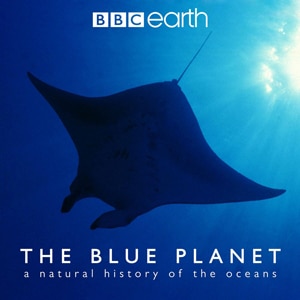
Sir David Attenborough journeys into the abyss to show us, for the very first time, strange and terrifying creatures, many of which are new to science. Learn more.
Lesson Express
Q: What happens to the tide near the equator?
A: The gravitational pull of the Moon is weaker, so the tides are smaller.
Q: Why are the thimble jellyfish the color they are?
A: Algae inside the jellyfish are photosynthesizing energy from the Sun giving them their brown color.
Q: How is the bottlenose dolphin using its sonar?
A: The bottlenose dolphin is using its sonar to hunt razorfish and dig them out for food.
More Like This
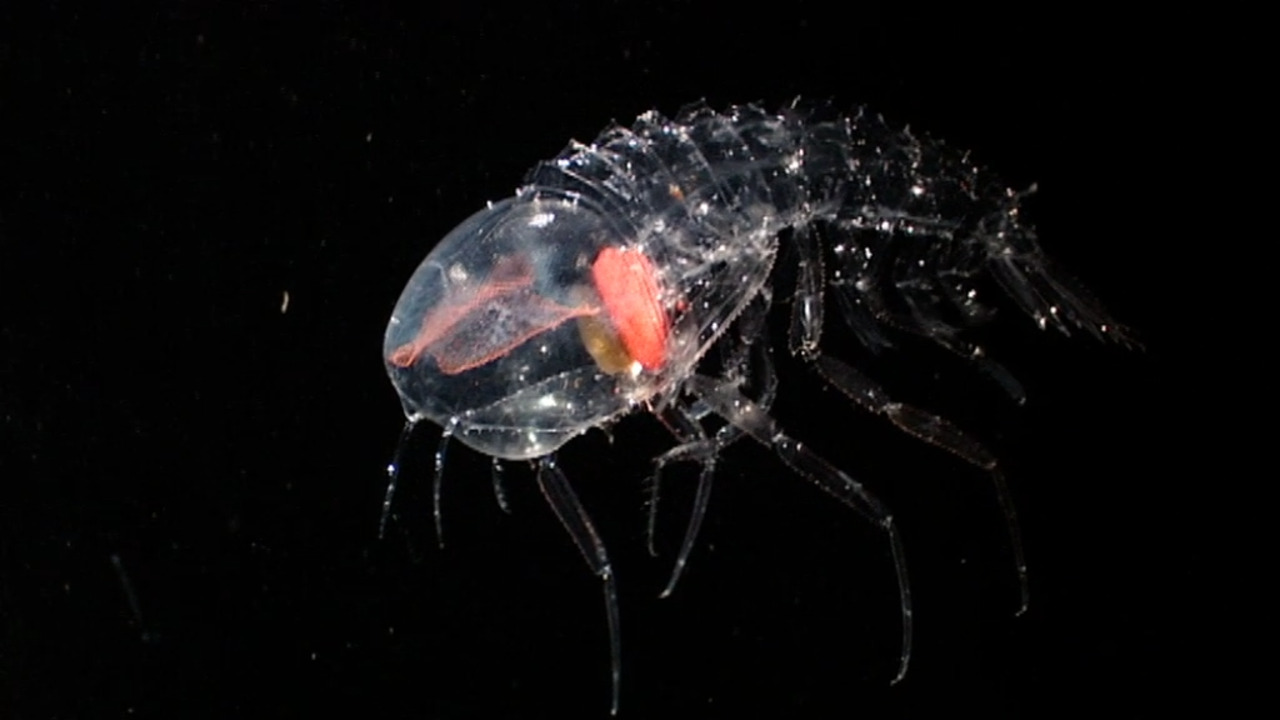
In 500 Meters Down: Residents of the Twilight Zone, narrator Sir David Attenborough describes life in the ocean's twilight zone. Watch parasitism, jellyfish predators, and transparent animals living in the twilight zone. This video is excerpted from BBC’s Blue Planet, a definitive documentary series diving into the mysterious depths of the sea to discover the natural history of the world’s oceans and the rarely seen marine life that reside there.
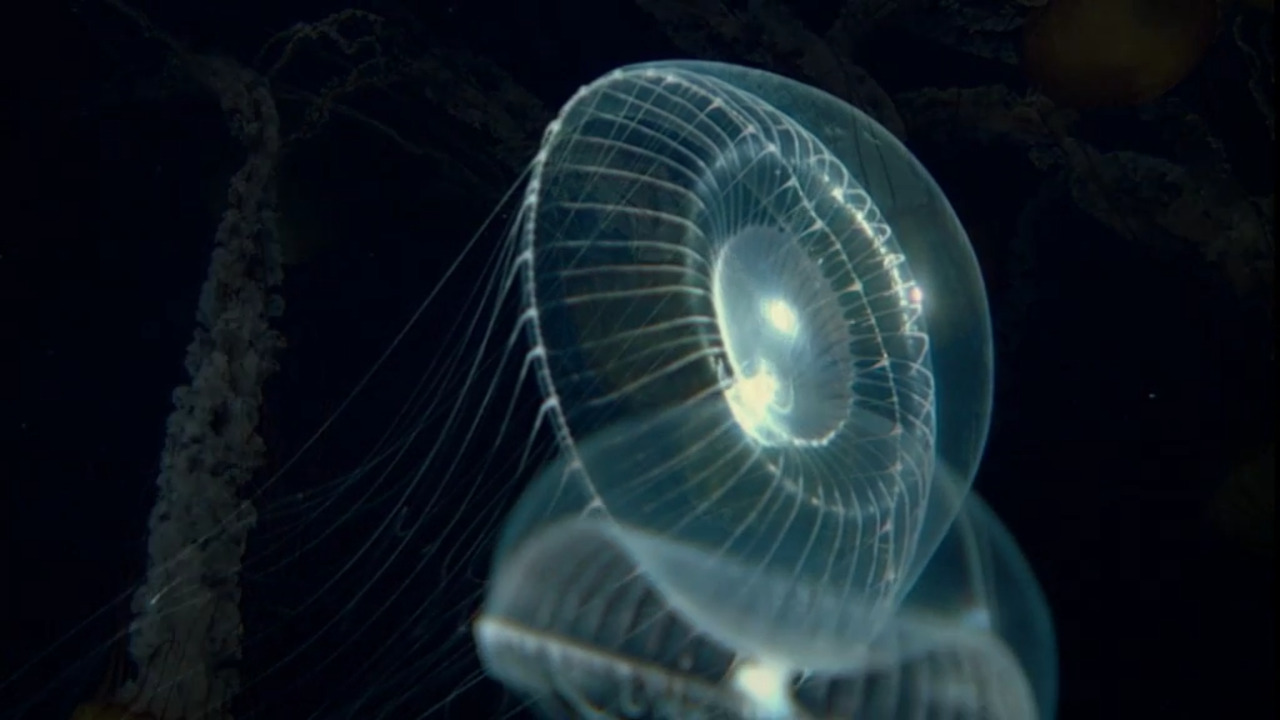
In Jellyfish, Deadly Hunters, narrator Sir David Attenborough explains how jellyfish move and hunt. Learn the impact they have when they swarm. This video is excerpted from BBC’s Blue Planet, a definitive documentary series diving into the mysterious depths of the sea to discover the natural history of the world’s oceans and the rarely seen marine life that reside there.
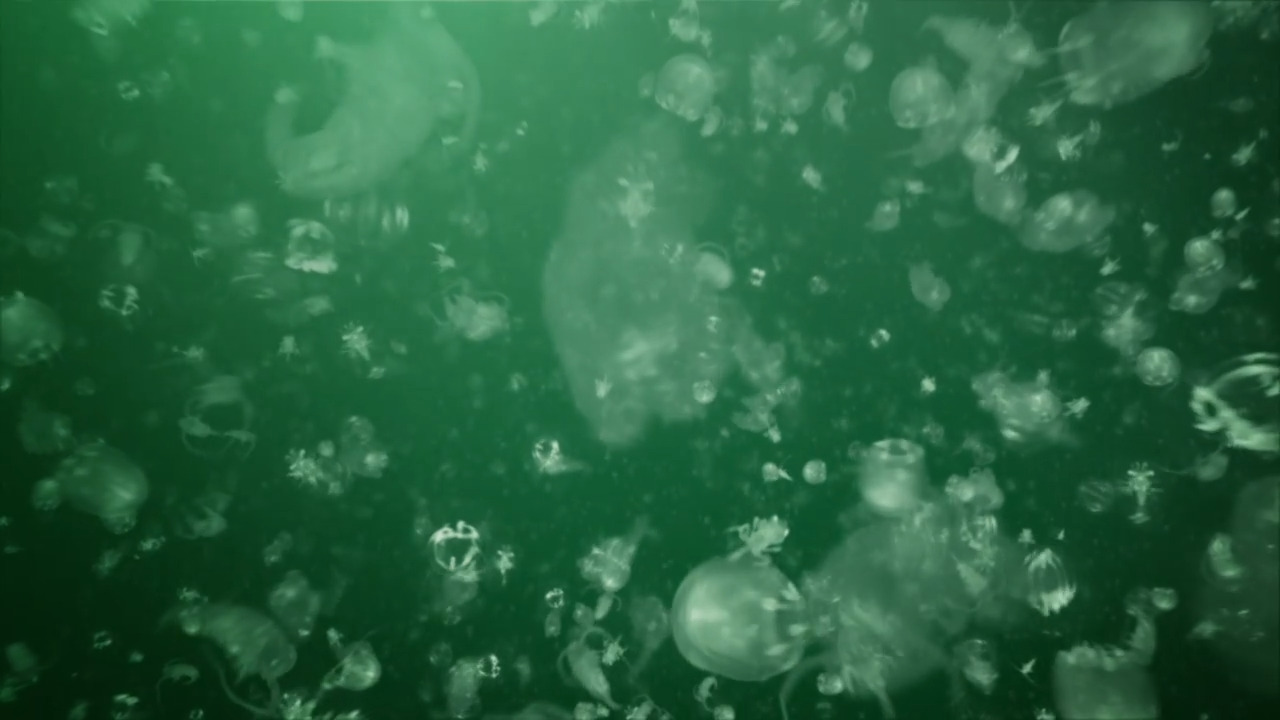
In The Intensity of Plankton Blooms, narrator Sir David Attenborough shows how this great burst of life impacts the immediate ecosystem and the Earth’s supply of oxygen. This video is an excerpt from BBC’s Nature's Great Events, a documentary series that showcases some of the most dramatic wildlife spectacles on Earth, exploring how life adapts to natural events that can transform entire landscapes.
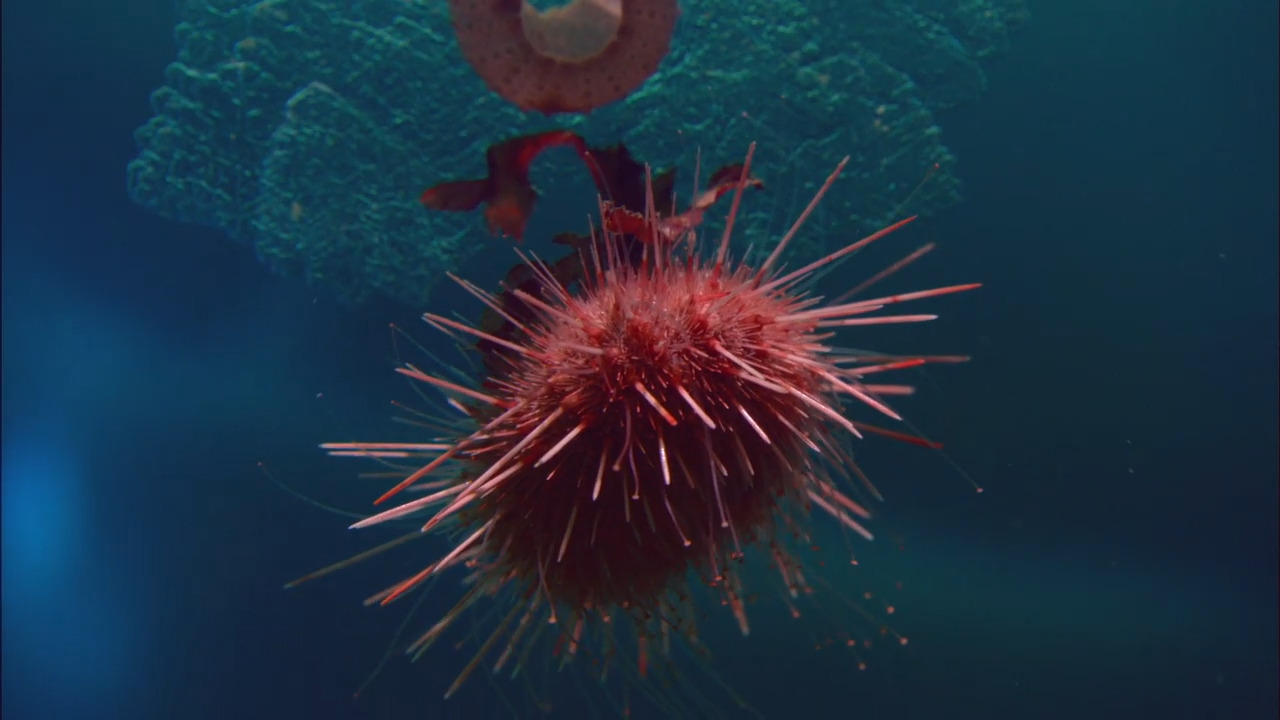
In Life and Danger Under the Antarctic Sea, narrator Sir David Attenborough explores life under the Antarctic Sea where fish have antifreeze in their blood and jellyfish and starfish thrive. But when brine starts seeping down, it catches animals in its wake. This video is excerpted from BBC’s Frozen Planet, a series that shows a fragile world of beauty and hostility, where nature finds a way to survive and thrive in frigid conditions.
In 500 Meters Down: Residents of the Twilight Zone, narrator Sir David Attenborough describes life in the ocean's twilight zone. Watch parasitism, jellyfish predators, and transparent animals living in the twilight zone. This video is excerpted from BBC’s Blue Planet, a definitive documentary series diving into the mysterious depths of the sea to discover the natural history of the world’s oceans and the rarely seen marine life that reside there.
In Jellyfish, Deadly Hunters, narrator Sir David Attenborough explains how jellyfish move and hunt. Learn the impact they have when they swarm. This video is excerpted from BBC’s Blue Planet, a definitive documentary series diving into the mysterious depths of the sea to discover the natural history of the world’s oceans and the rarely seen marine life that reside there.
In The Intensity of Plankton Blooms, narrator Sir David Attenborough shows how this great burst of life impacts the immediate ecosystem and the Earth’s supply of oxygen. This video is an excerpt from BBC’s Nature's Great Events, a documentary series that showcases some of the most dramatic wildlife spectacles on Earth, exploring how life adapts to natural events that can transform entire landscapes.
In Life and Danger Under the Antarctic Sea, narrator Sir David Attenborough explores life under the Antarctic Sea where fish have antifreeze in their blood and jellyfish and starfish thrive. But when brine starts seeping down, it catches animals in its wake. This video is excerpted from BBC’s Frozen Planet, a series that shows a fragile world of beauty and hostility, where nature finds a way to survive and thrive in frigid conditions.