How Blood Defends the Body
In How Blood Defends the Body, Dr. Michael Mosley explores how blood responds to injury and infection through inflammation and immune activity. From immediate skin reactions to increases in immune cells during stress, discover how the body both reacts to and anticipates danger. This video is excerpted from BBC’s The Wonderful World of Blood, in which Dr. Michael Mosley carries out six experiments on his own blood, from starving it of oxygen to injecting it with snake venom.

Michael Mosley takes an in-depth look at blood. He carries out six experiments on his own blood, from starving it of oxygen to injecting it with snake venom and even eating it. Learn more.
Lesson Express
Q: What happens in the body immediately after the skin is injured and why is this response important?
A: Blood flow increases to the area, causing redness and swelling as part of the inflammatory response. This brings white blood cells to the site to fight infection and begin the healing process.
Q: How does the immune system respond to stress, even without an actual injury?
A: Physical and mental stress can trigger the body to release more immune cells, such as natural killer cells, into the bloodstream. This prepares the body in advance in case of injury or infection.
Q: Why is it useful for the immune system to anticipate danger rather than only react to it?
A: Anticipating danger allows the body to respond more quickly and effectively if harm occurs. By increasing immune readiness, the body can reduce the risk of infection and improve survival.
You Might Also Like
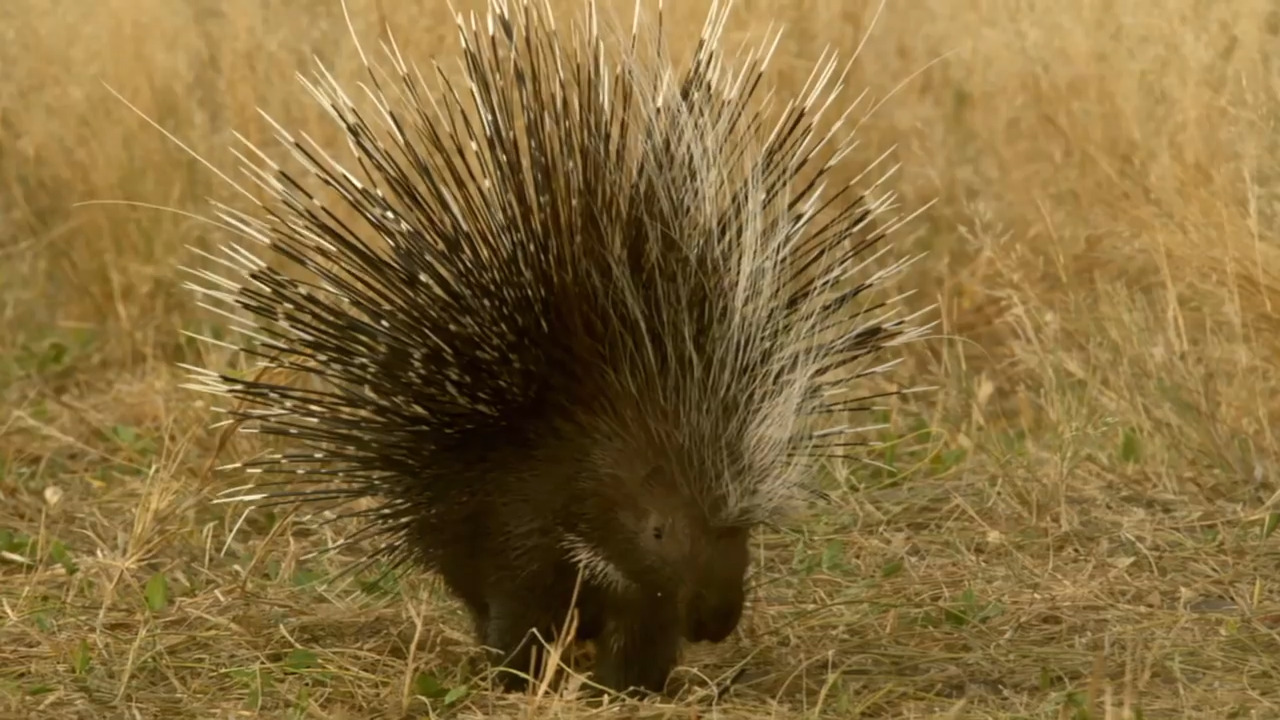
In Animals With Spines, evolutionary biologist Ben Garrod presents porcupines and how their quills have evolved as a defense mechanism. Learn how these animals, with their distinctive spines and quills, have adapted to survive in the wild as you discover how porcupines’ quills have evolved to detach and protect them from predators. This video is excerpted from Secrets of Skin, a documentary series exploring the natural history of the body’s largest organ.
In Animals With Spines, evolutionary biologist Ben Garrod presents porcupines and how their quills have evolved as a defense mechanism. Learn how these animals, with their distinctive spines and quills, have adapted to survive in the wild as you discover how porcupines’ quills have evolved to detach and protect them from predators. This video is excerpted from Secrets of Skin, a documentary series exploring the natural history of the body’s largest organ.