Guanaco Calves Learn to Walk
In Guanaco Calves Learn to Walk, narrator Gordon Buchanan explains how calves must learn quickly to stand, walk, and run as predators, like the puma, lurk near where they are born on the open grasslands of Patagonia. Their long legs make this difficult at first, but playing chase helps them build the skills needed to escape predators. This video is excerpted from BBC's Animal Babies, a heartwarming show that follows the first breaths, first steps, and first feeds of some adorable baby animals, revealing the challenges they face to survive in some of the toughest but most beautiful places on the planet.
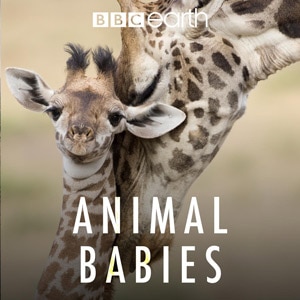
Three wildlife camera operators follow six iconic baby animals as they face the challenges of surviving their first year on Earth. Learn more.
Lesson Express
Q: Why is it so hard for the calf to get up and walk?
A: It was just born minutes ago. Its legs are very long.
Q: Why is it so important for it to do so?
A: There is a puma nearby trying to hunt it.
Q: How do guanaco young survive with predators around?
A: The mothers herd together when they are born. The young play chase to develop speed and coordination. They run from pumas as a herd.
You Might Also Like
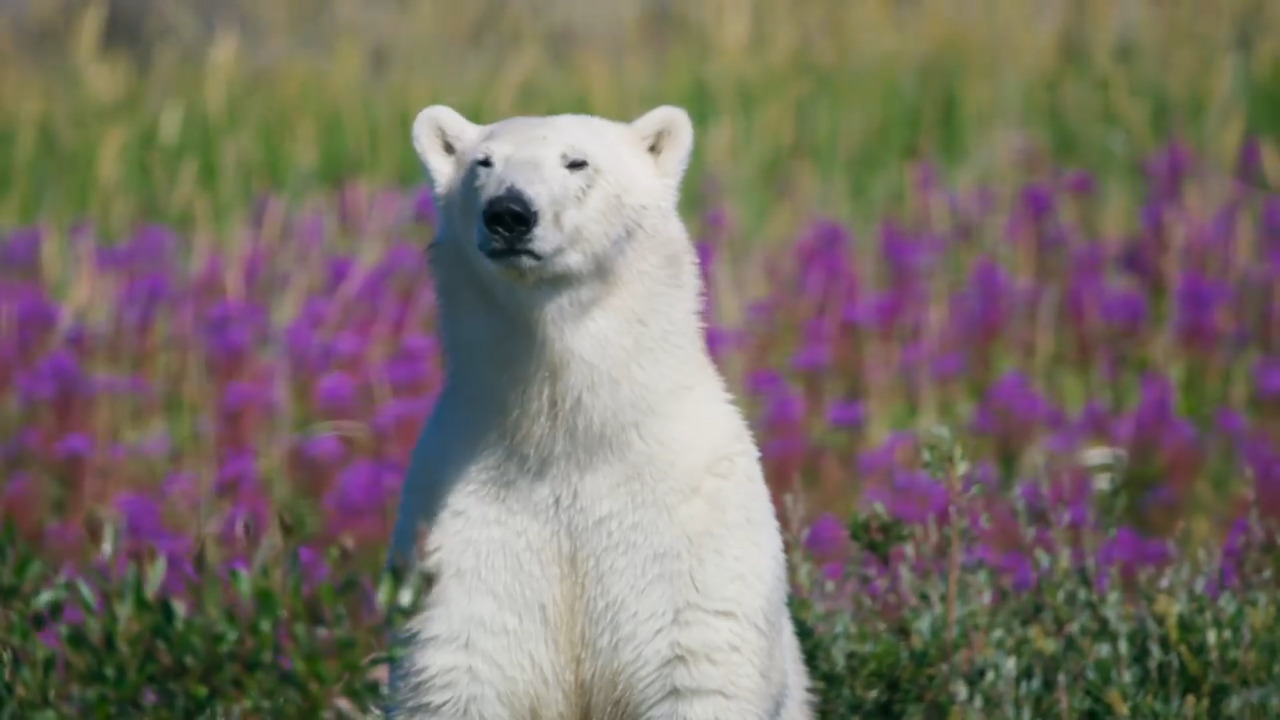
In Climate Change and Polar Bears, learn how human impacts are causing Canada to warm faster than any country on Earth. Lack of sea ice is now causing major problems for polar bears, and they have had to find a new source of food — beluga whale calves. This video is excerpted from BBC’s Seven Worlds, One Planet, a series featuring remarkable animal behavior from all seven continents.
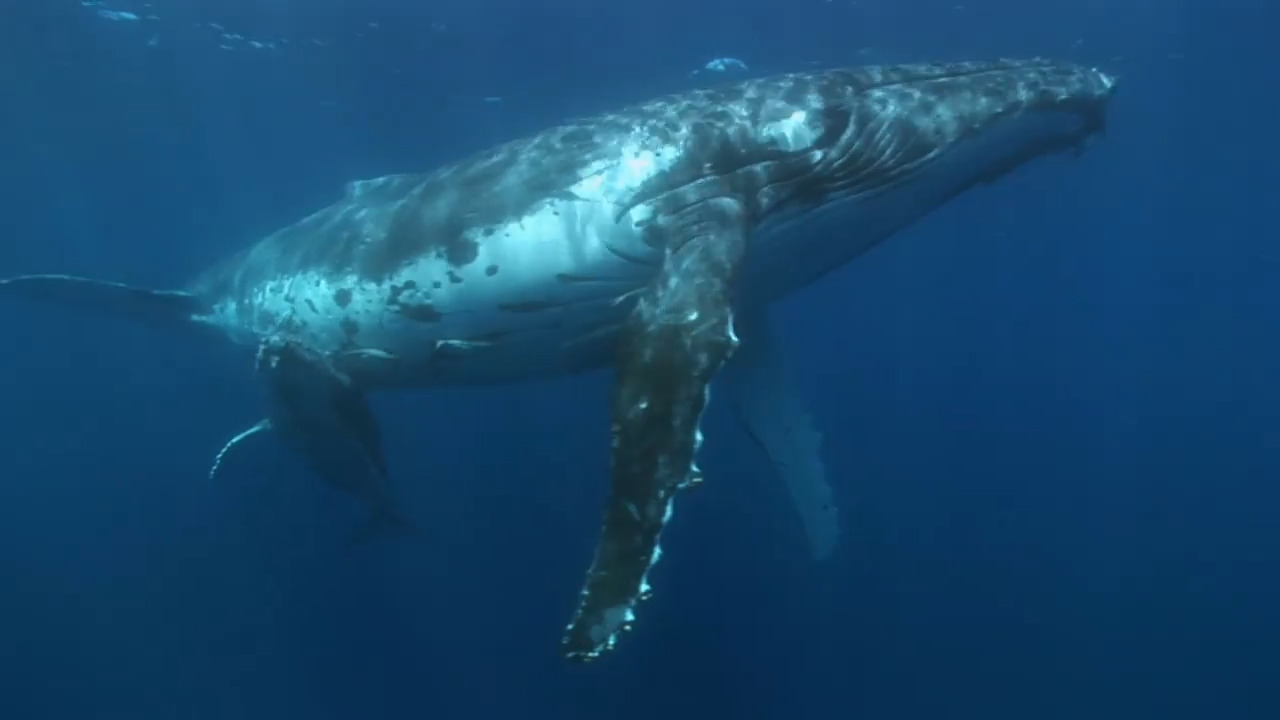
In A Humpback Whale Baby Leaves the Nursery, narrator Sir David Attenborough follows a mother and baby humpback whale as they embark on a dangerous journey. The young calf and starving mother leave the safety of the shallow seas in search of deeper water, where the mother can eat. Along the way, they communicate by slapping their tails and fins against the surface of the water. This video is excerpted from BBC's Planet Earth, a breathtaking documentary series that highlights the natural wonders of our planet.
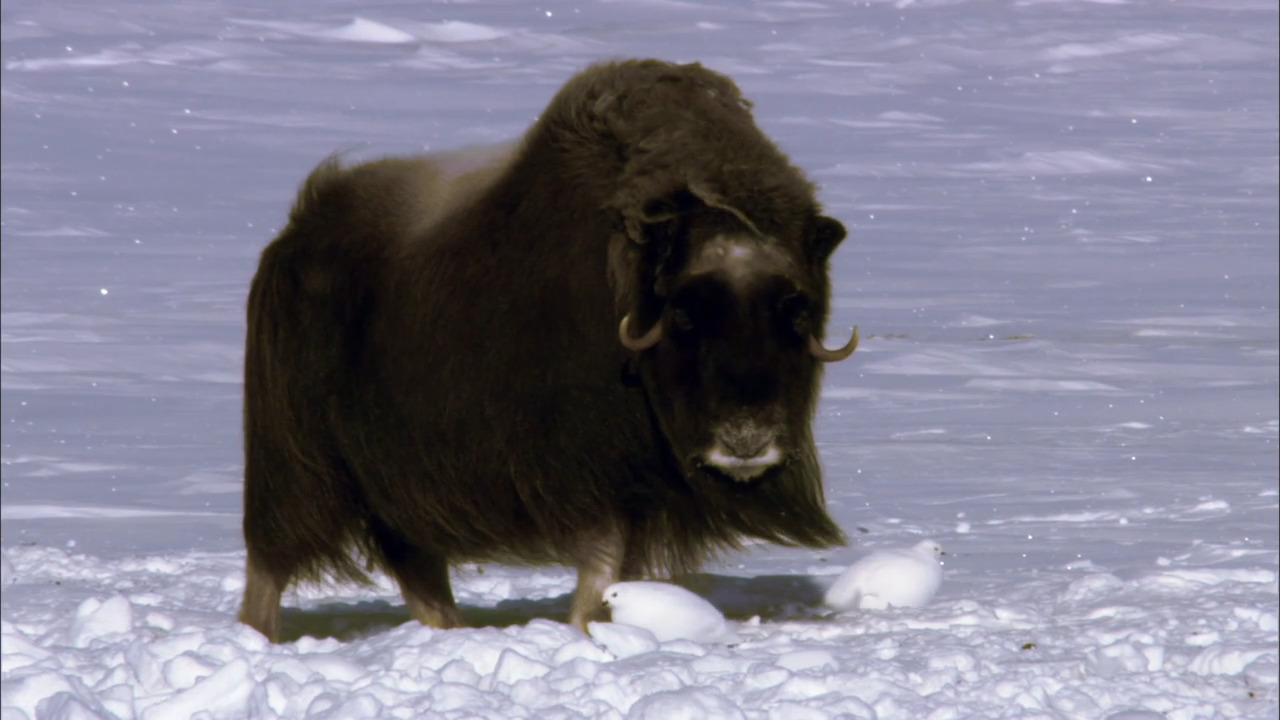
In How Musk Oxen Survive in the Arctic, narrator Sir David Attenborough showcases musk oxen in the Arctic and their adaptations for survival in harsh conditions. The musk oxen can break through the frozen ground to access vegetation, creating opportunities for other animals like Arctic foxes and various birds. Calves are birthed early, allowing them to acclimate to their environment before summer arrives. This video is excerpted from BBC’s Planet Earth, a breathtaking documentary series that highlights the natural wonders of our planet.
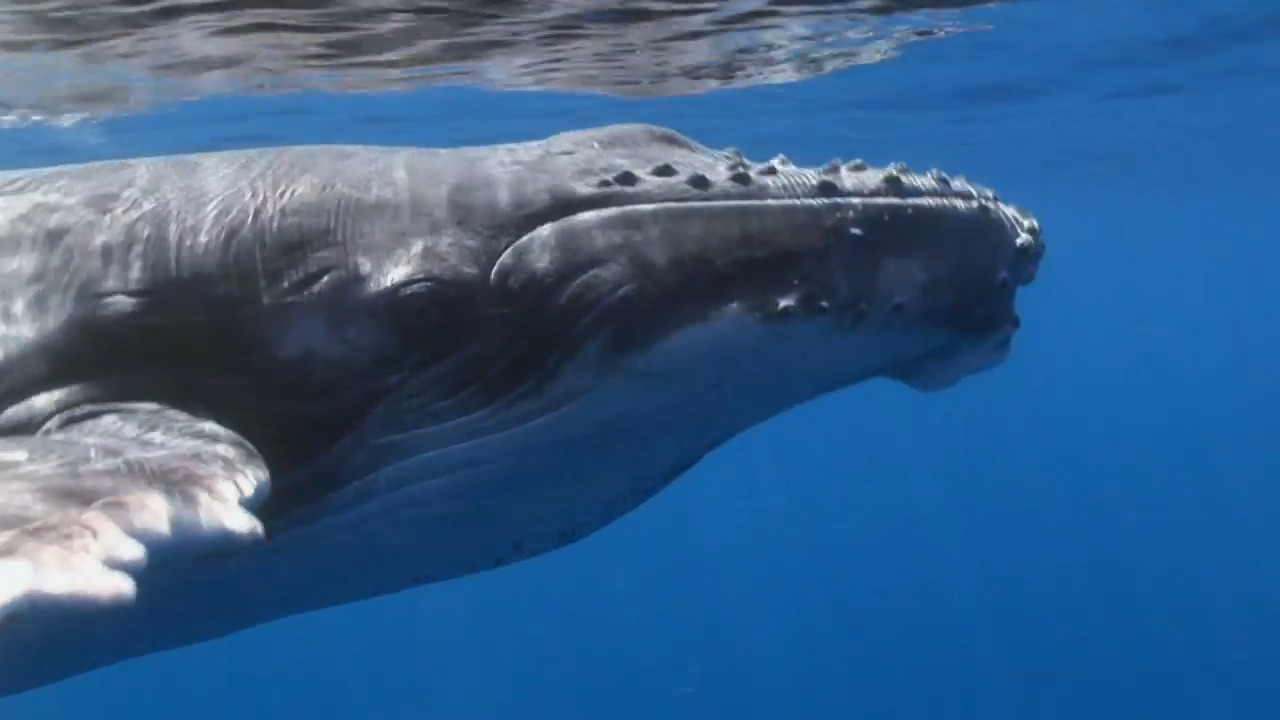
In Inside a Humpback Whale Nursery, narrator Sir David Attenborough discovers what a whale nursery is like. Explore the shallow seas where humpback whales sing to attract a mate, birth calves, and teach them to swim. This video is excerpted from BBC's Planet Earth, a breathtaking documentary series that highlights the natural wonders of our planet.
In Climate Change and Polar Bears, learn how human impacts are causing Canada to warm faster than any country on Earth. Lack of sea ice is now causing major problems for polar bears, and they have had to find a new source of food — beluga whale calves. This video is excerpted from BBC’s Seven Worlds, One Planet, a series featuring remarkable animal behavior from all seven continents.
In A Humpback Whale Baby Leaves the Nursery, narrator Sir David Attenborough follows a mother and baby humpback whale as they embark on a dangerous journey. The young calf and starving mother leave the safety of the shallow seas in search of deeper water, where the mother can eat. Along the way, they communicate by slapping their tails and fins against the surface of the water. This video is excerpted from BBC's Planet Earth, a breathtaking documentary series that highlights the natural wonders of our planet.
In How Musk Oxen Survive in the Arctic, narrator Sir David Attenborough showcases musk oxen in the Arctic and their adaptations for survival in harsh conditions. The musk oxen can break through the frozen ground to access vegetation, creating opportunities for other animals like Arctic foxes and various birds. Calves are birthed early, allowing them to acclimate to their environment before summer arrives. This video is excerpted from BBC’s Planet Earth, a breathtaking documentary series that highlights the natural wonders of our planet.
In Inside a Humpback Whale Nursery, narrator Sir David Attenborough discovers what a whale nursery is like. Explore the shallow seas where humpback whales sing to attract a mate, birth calves, and teach them to swim. This video is excerpted from BBC's Planet Earth, a breathtaking documentary series that highlights the natural wonders of our planet.